
Die set holes need more than a standard bore
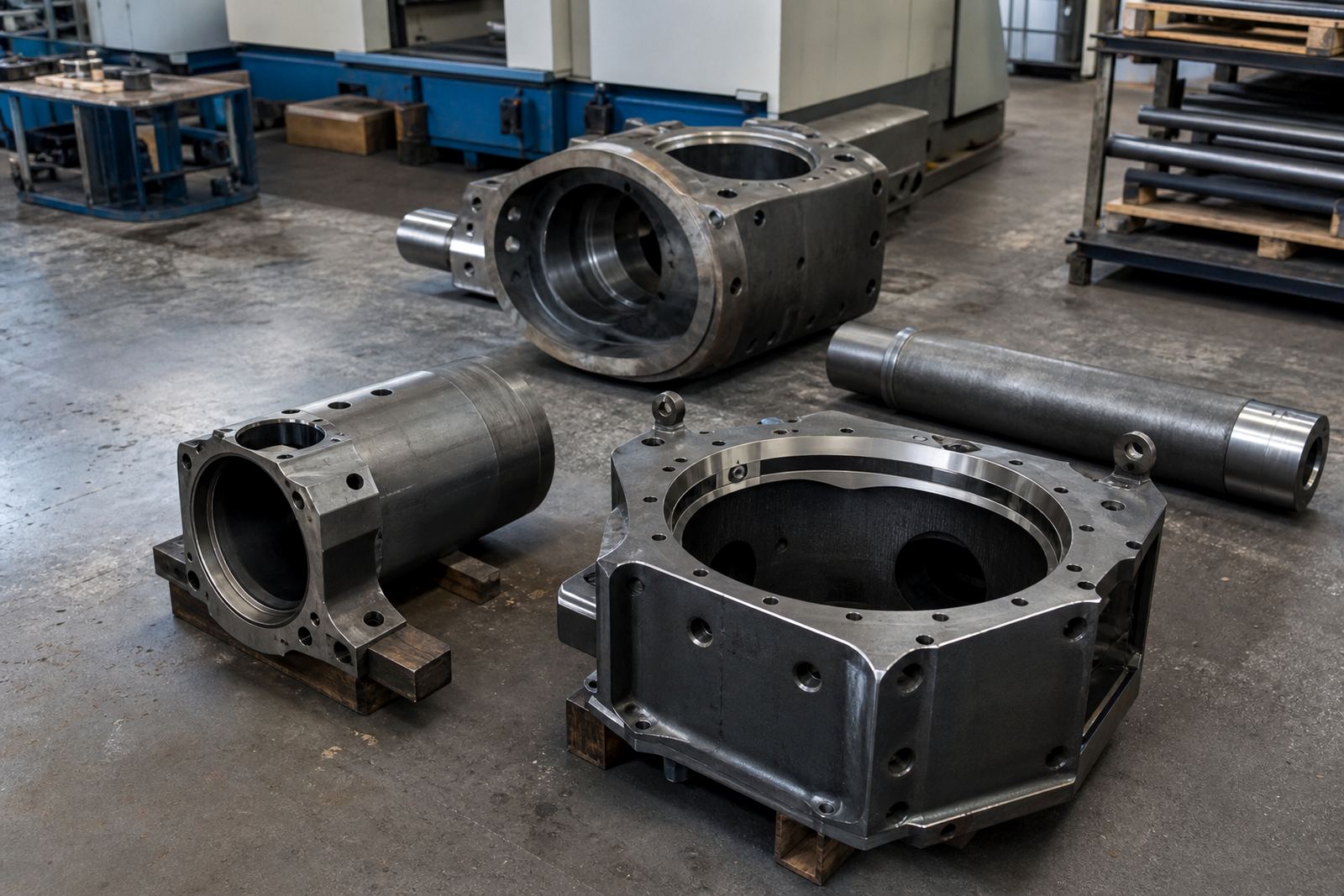
When a die set needs guide pin holes, bush bores, pilot holes or long accurate features, the job quickly moves beyond ordinary workshop drilling. The real challenge is not only getting the hole into the part, but keeping it true over the full depth while protecting surface finish and maintaining position from one side of the set to the other.
For die makers in Johannesburg, Pretoria, Durban, Cape Town and Gqeberha, the pressure is usually the same: parts must fit, run smoothly and survive repeated use. A small error in a guide feature can create sticking, wear, poor alignment and extra hand finishing. Deep-hole work on die sets is often about controlling the process from the first setup, not fixing it later.
Typical equipment for guide features and long bores
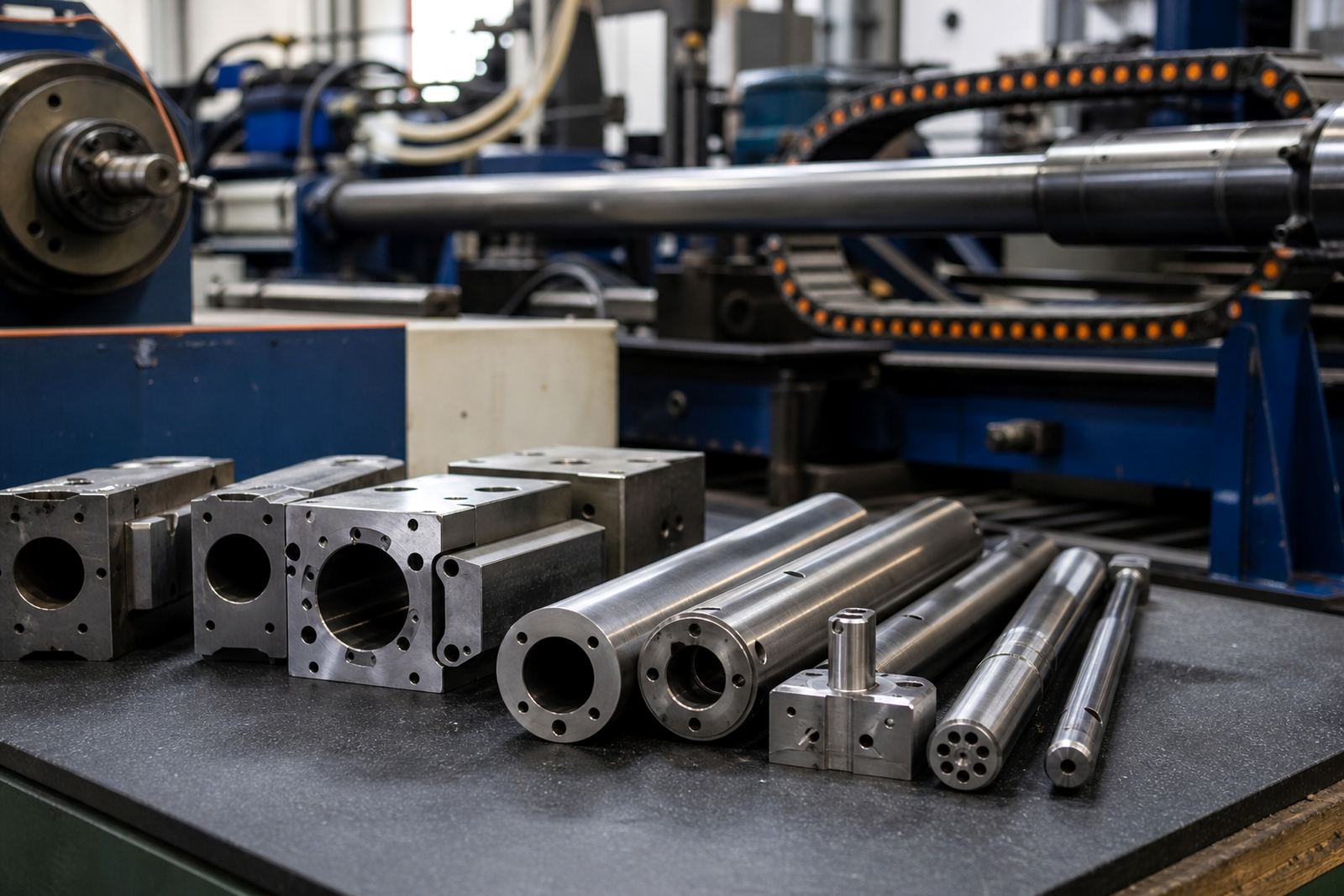
Die set work often combines several operations. Some jobs need gun-drilling for straight, narrow holes. Others call for deep-hole boring where the opening is larger or the finished bore needs a particular form. In many workshops, the setup also includes workholding, bushings, alignment tools and coolant management to keep cutting stable and chips under control.
A practical die set line-up may include the following:
- Gun-drilling machine for long, accurate holes in guide plates and die sections
- Deep-hole boring machine for larger bores and corrective work
- Tooling for guide bushings, drill heads and support accessories
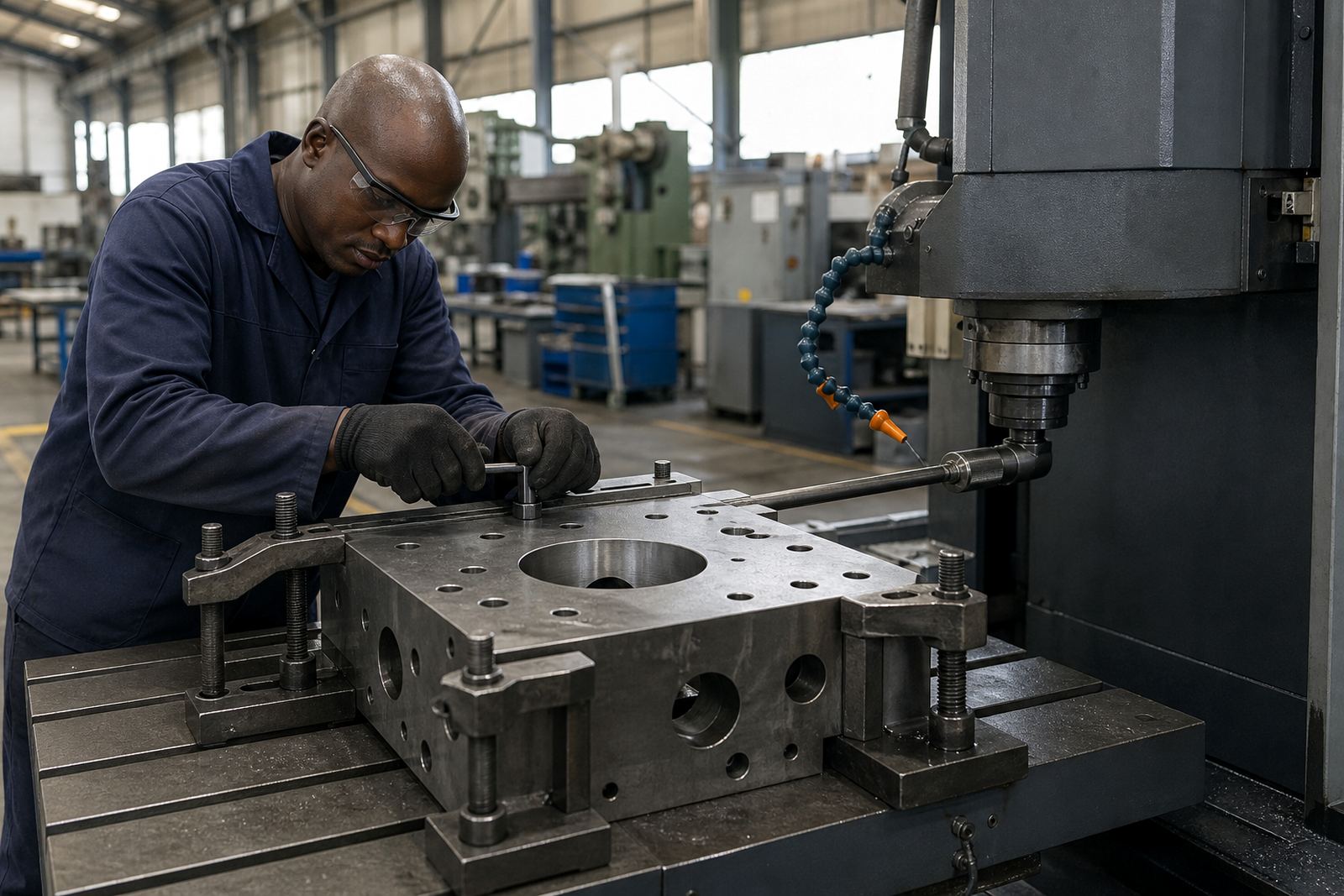
- Fixtures or clamping systems that hold plates square and repeatable
- Coolant support and filtration to help with chip removal and surface finish
For shops that already machine dies and moulds, the aim is usually to add deep-hole capability without disturbing the rest of the workshop flow. That means the machine, tooling and support plan should suit the parts you actually make, not an imagined ideal job.
Planning the layout before the first hole is cut
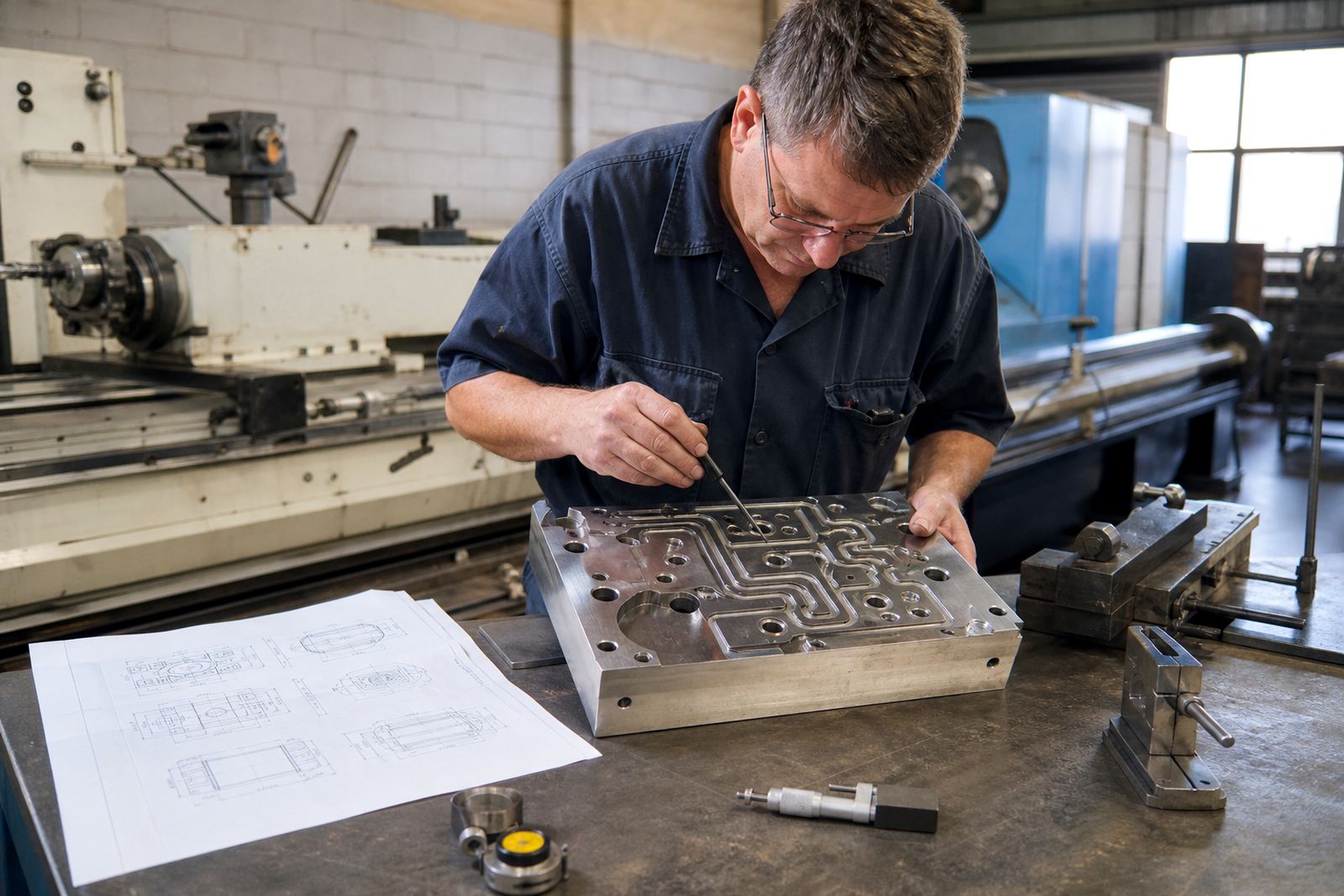
Good layout planning saves time on every batch. Die set parts often need holes to meet exact positions relative to edges, pockets, slots and mating faces. Before production starts, it helps to confirm datum selection, clamping direction and the sequence of operations. If the hole is made too early in the process, the part can move, distort or lose the reference that was meant to keep it true.
In South African shops, practical planning also includes power supply, floor space and chip handling. Load shedding can interrupt a long operation, so a sensible support plan should consider restart procedure, coolant protection and how to keep the machine ready after a stop. Coastal humidity in Durban and Gqeberha can also affect stored tooling and machine care, so cleaning and rust prevention matter more than most teams expect.
Useful planning points include:
- Confirm which features are critical for location and which can be finished later
- Check whether holes must be matched across multiple plates in one stack
- Leave enough access for fixtures, tools and routine cleaning
- Plan coolant return and chip removal so the cutting zone stays clear
- Build in inspection steps between roughing, drilling and final setup
Common mistakes that cost time and rework
One of the most common mistakes is treating die set deep-hole work as a basic drilling job. If the setup is not square, the tool will show it. If the clamping is uneven, the hole may wander or the entry may mark the part. If chip removal is poor, surface finish suffers and the tool starts working harder than it should.
Another issue is skipping the trial process. Shops sometimes move straight to production when the first setup looks acceptable, then discover a small offset or fit problem when the die is assembled. That creates extra fitting, hand work and delay. A better route is to check alignment early, confirm the first piece and adjust before the batch is committed.
We also see trouble where tooling is selected for speed instead of control. In deep-hole work, the right tool choice is the one that suits the material, depth and finish needed, not simply the fastest option. A little more setup time can save a great deal of scrap and rework later.
Budget ranges for South African die set shops
Budget depends on the size of the parts, the depth required, the level of automation and whether the workshop needs a complete machine or only tooling and support. For die set work, many South African shops start with a focused setup and grow from there. That often means planning for the machine, fixtures, tooling, coolant support, installation and operator training as separate items.
As a broad working range, tooling and setup for a smaller die set application may start from tens of thousands of Rand, while a full deep-hole machine investment with support can move into the higher hundreds of thousands or more. The right budget is the one that covers not just the machine purchase but also commissioning, alignment checks, training and spare parts support. Skipping those items usually makes the real cost higher later.
If you are comparing options, ask what is included in installation, what support is available after startup and what consumables should be kept on site. That gives a clearer picture than looking at machine price alone.
How Deephole supports die set production in Gauteng and beyond
Deephole works from Benoni, Gauteng and supports manufacturers and engineering shops across South Africa through machine installation, commissioning, tooling selection, setup optimisation and operator training. For die set work, that support often means helping a team get stable results on guide features, deep bores and related tooling tasks without overcomplicating the process.
The team includes Marius Jacobus van Rensburg, with support from Ayanda Mokoena, Johan Smit, Noluthando Dlamini, Francois du Plessis, Leanne Naidoo and Sibusiso Khumalo. Their focus is practical: choose the right machine approach, get the setup right, and keep production moving with preventive maintenance, breakdown support, spare parts support, coolant system service and alignment checks.
Clients reach Deephole through the enquiry form on the contact page. From Johannesburg Supply and Pretoria Support to Durban Support, Cape Town Supply and Gqeberha Support, the aim is to help die makers and engineering shops keep their deep-hole work accurate, repeatable and ready for production.