

Start with the job, not the machine
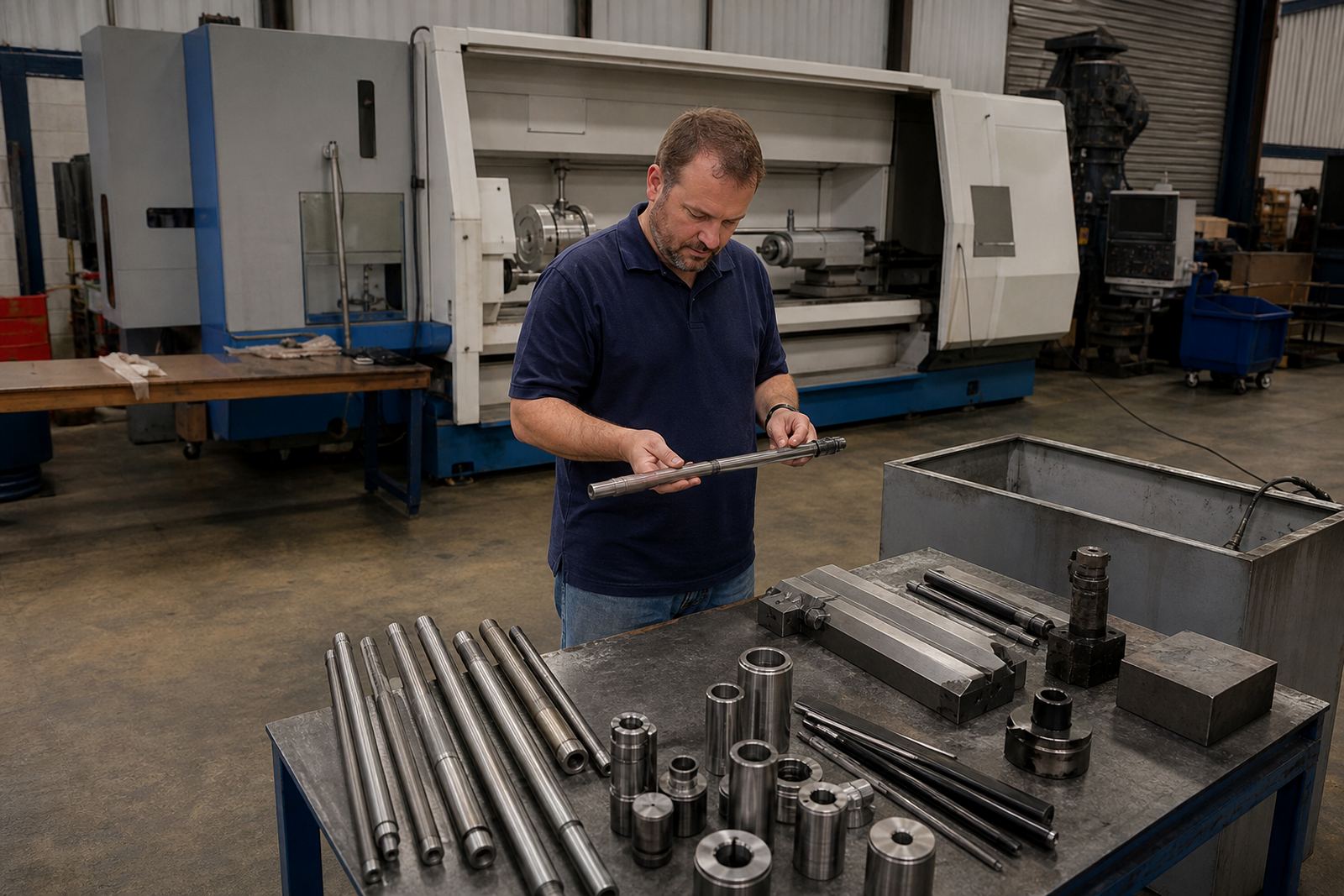
Deep-hole drilling work starts with the component, the material and the finish you need. Before you compare machines, think about hole depth, hole diameter, straightness, surface quality and how many parts need to run in a shift.
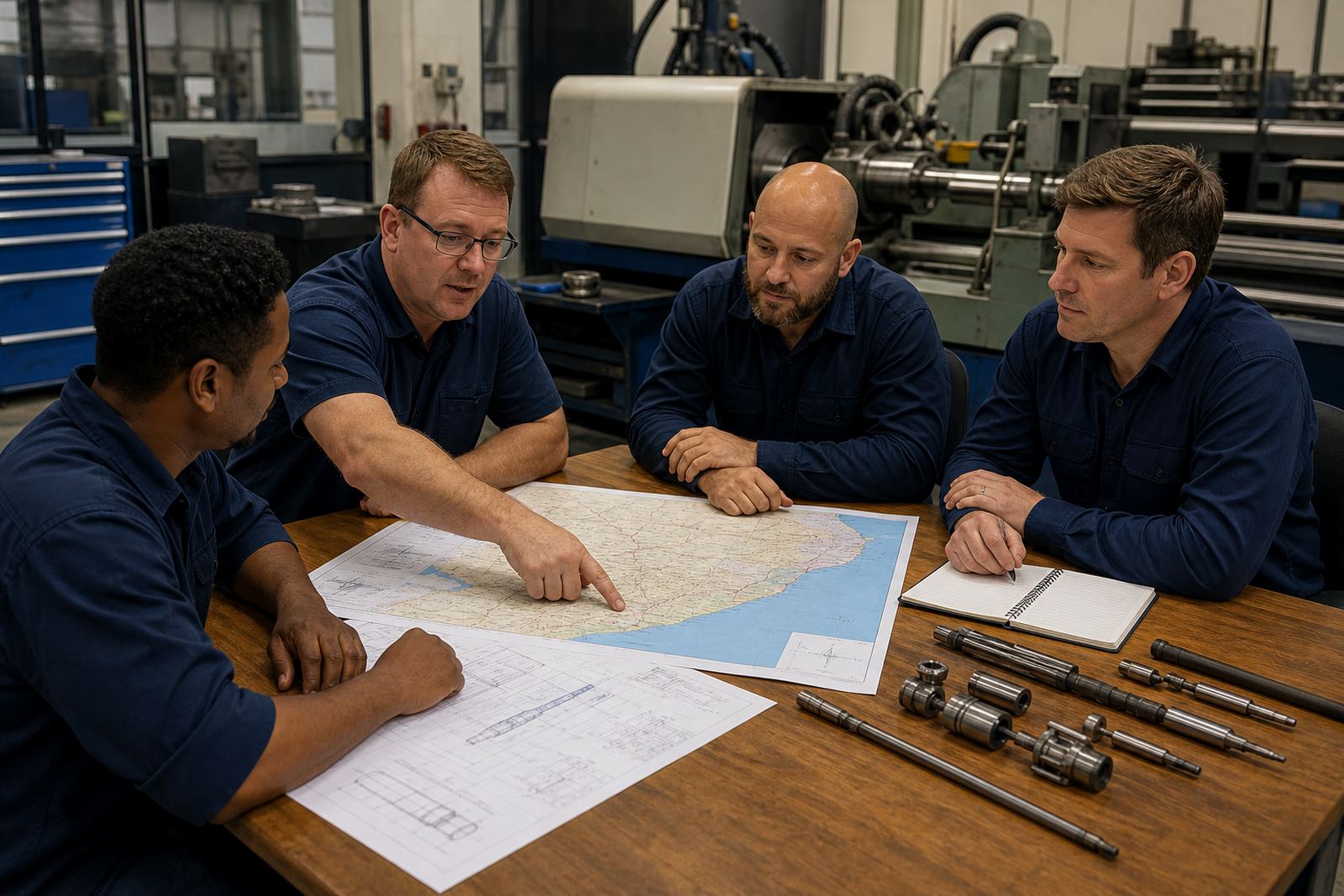
That is often where the real decision sits. A workshop in Benoni, Pretoria or Durban may need a different setup depending on batch size, operator skill and how often the work changes. If you are running short jobs with frequent changeovers, your guide should point you toward practical setup time, simple tooling changes and support that keeps production moving.
What to look for in gun-drilling and deep-hole boring
Our guides cover the questions that matter when you are matching a machine to production. You do not need guesswork, only a clear view of what the process must do in your shop.
- What hole depth and diameter range must be handled
- Whether the work is production or special-purpose machining
- How often tooling changes will be needed
- What level of operator input is practical on your floor
- How much floor space, coolant management and power planning is required
These points help you compare options without getting distracted by features you may never use. In South African workshops, where load shedding and maintenance windows can interrupt a run, practical planning matters just as much as capacity.
Tooling and setup guides for real workshop conditions
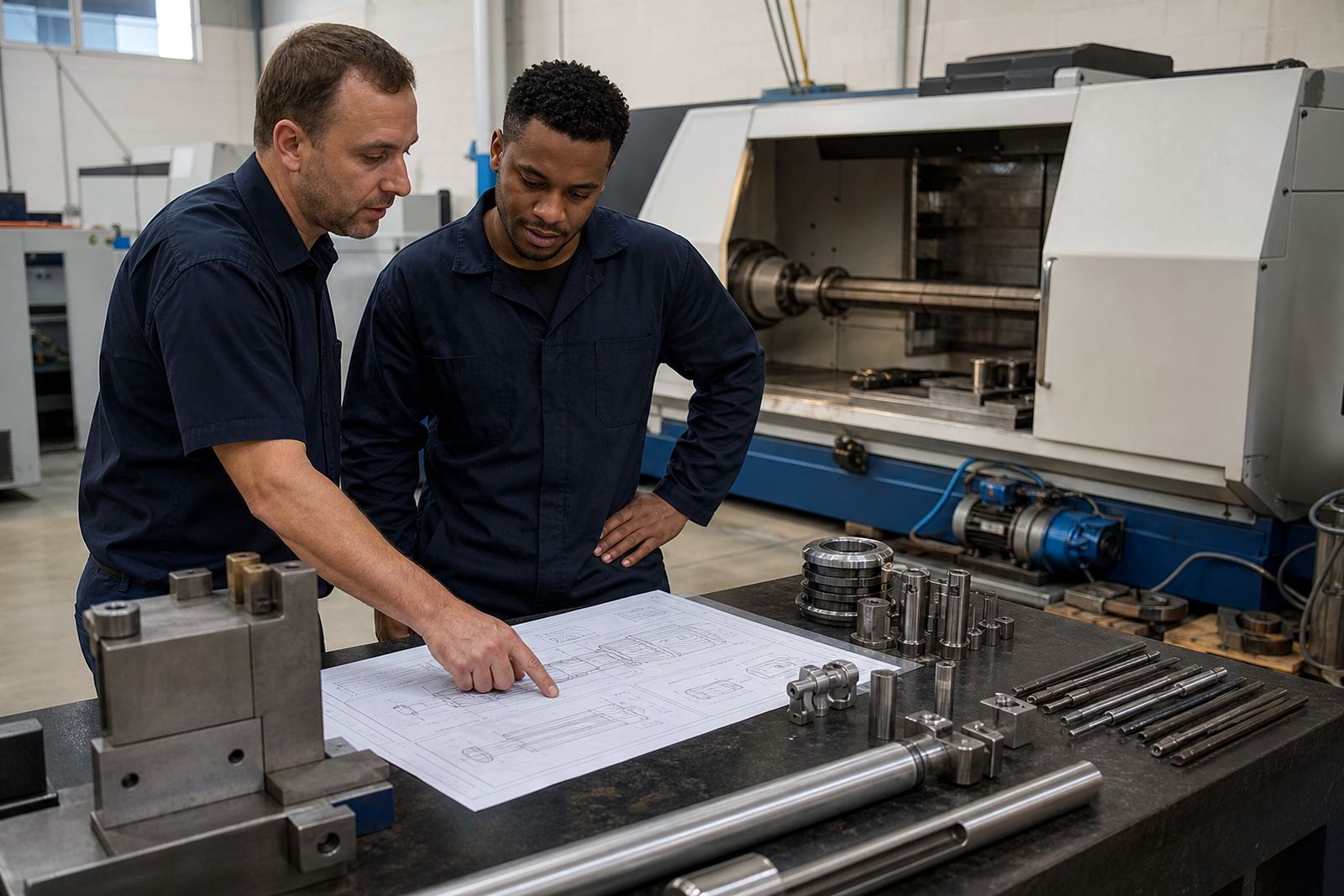
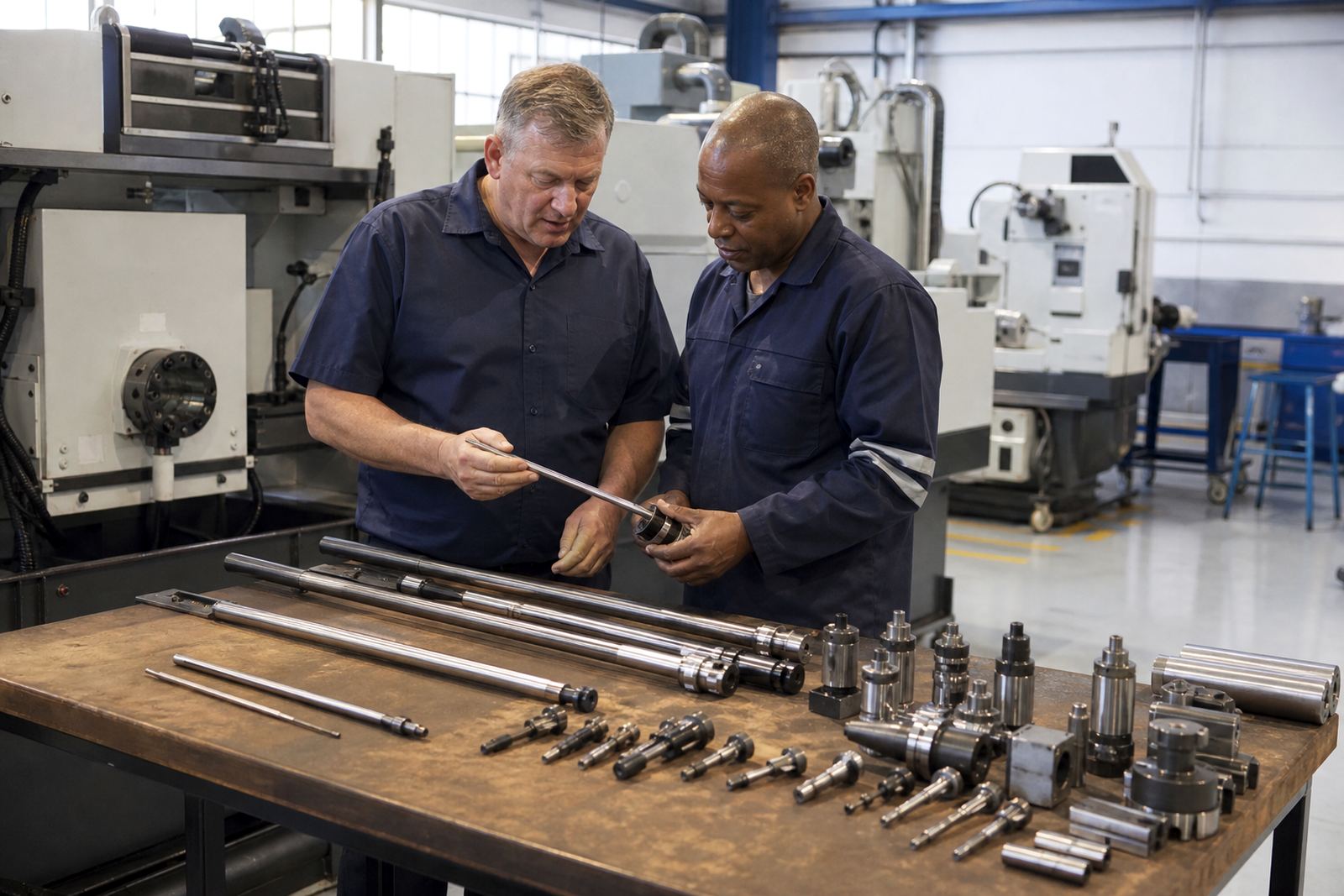
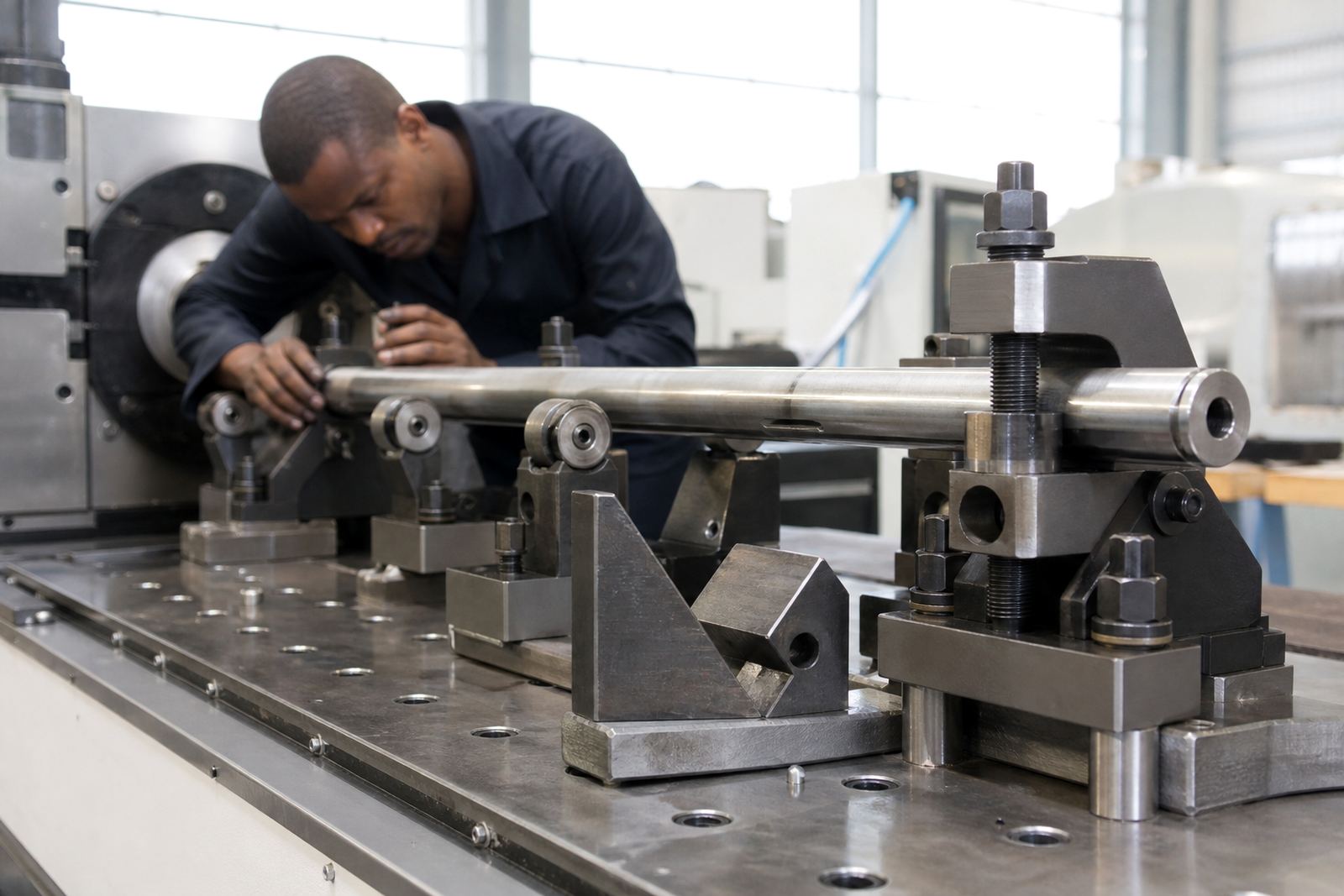
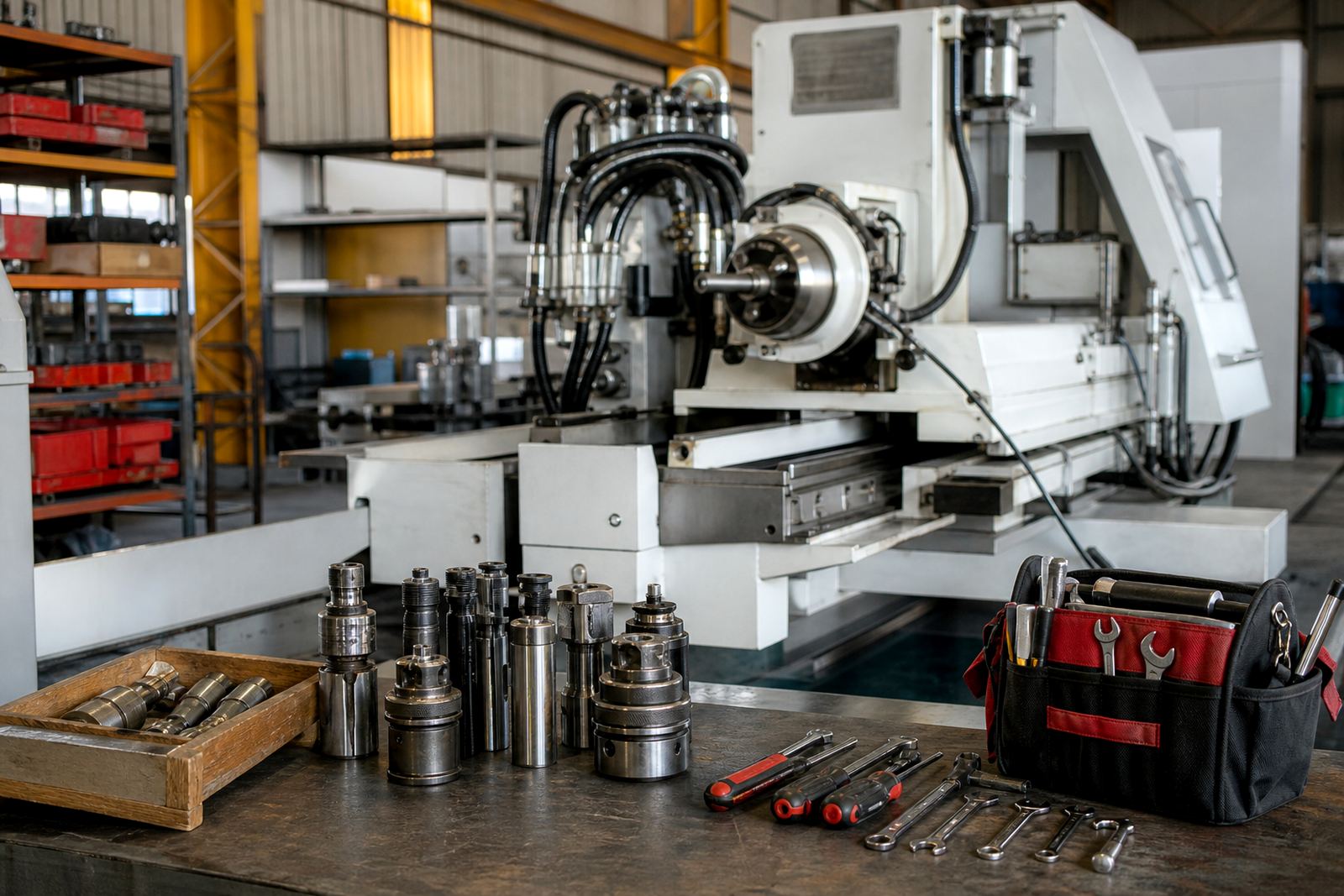
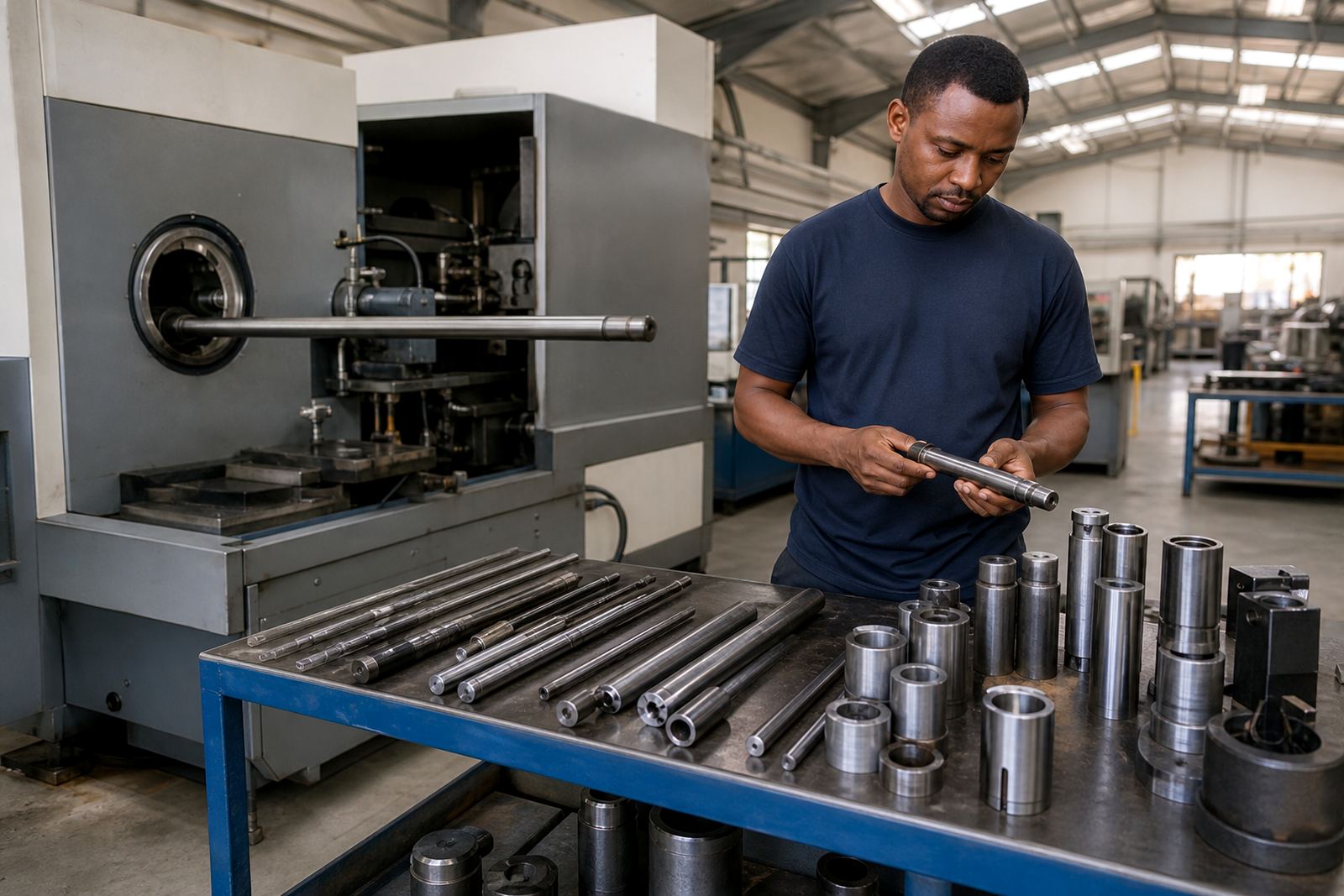
Tooling choice affects hole quality, tool life and setup time. The right guide should help you think about workholding, guidance, alignment and coolant delivery before the first part is loaded. A small set-up error can affect accuracy fast, especially on long deep-hole jobs.
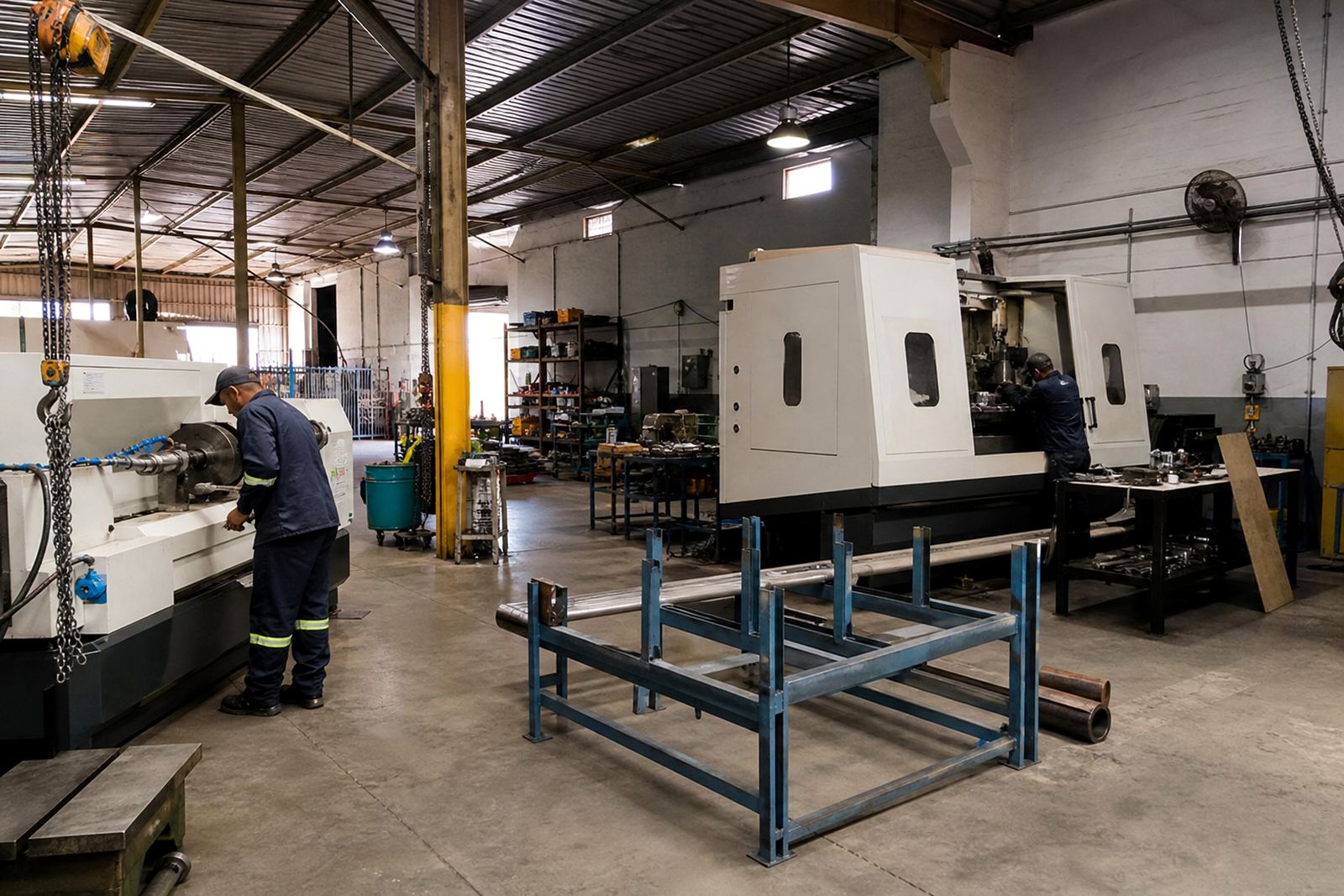
Our tooling and setup guides are written for everyday factory conditions, not ideal lab conditions. Coastal humidity in places like Cape Town and Gqeberha can change how equipment is stored and maintained, while inland workshops may deal with dust, heat and stop-start production. That means the right answers are not only about the machine, but also about support, cleaning routines and preventive care.
- Tooling selection for the part material and hole size
- Setup checks before production starts
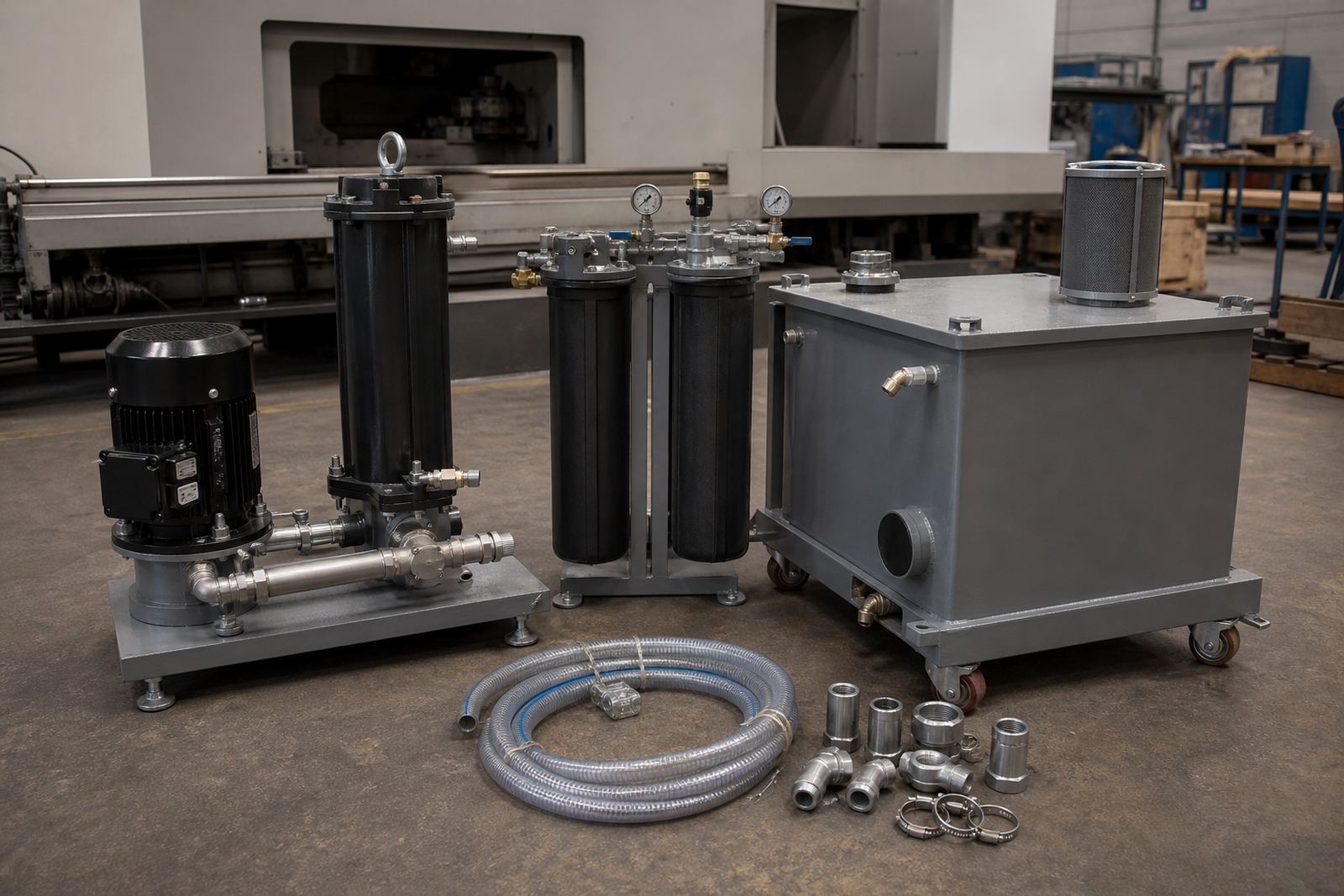
- Alignment and coolant system basics
- Storage and handling of tooling in humid or dusty sites
Installation, commissioning and production startup
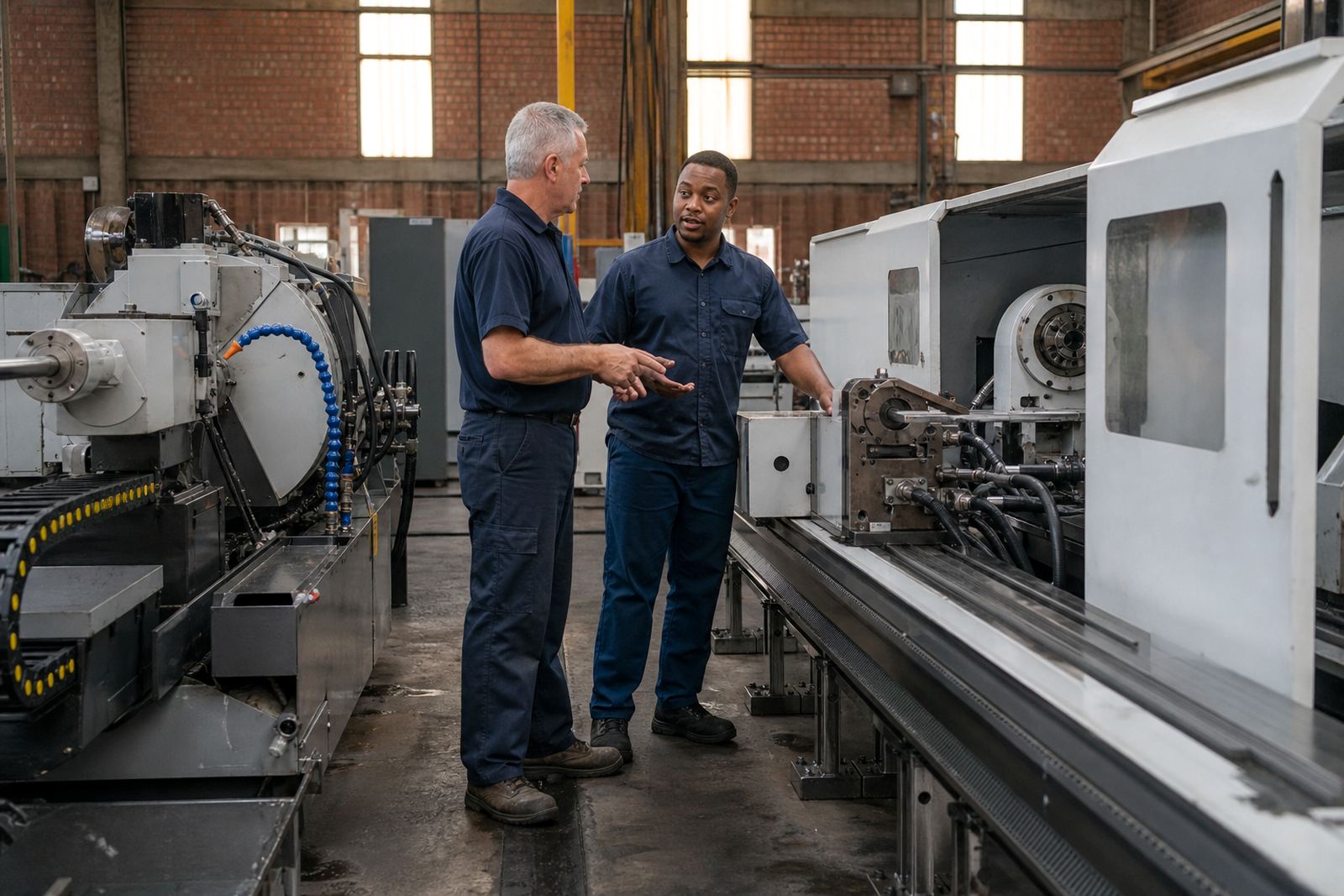
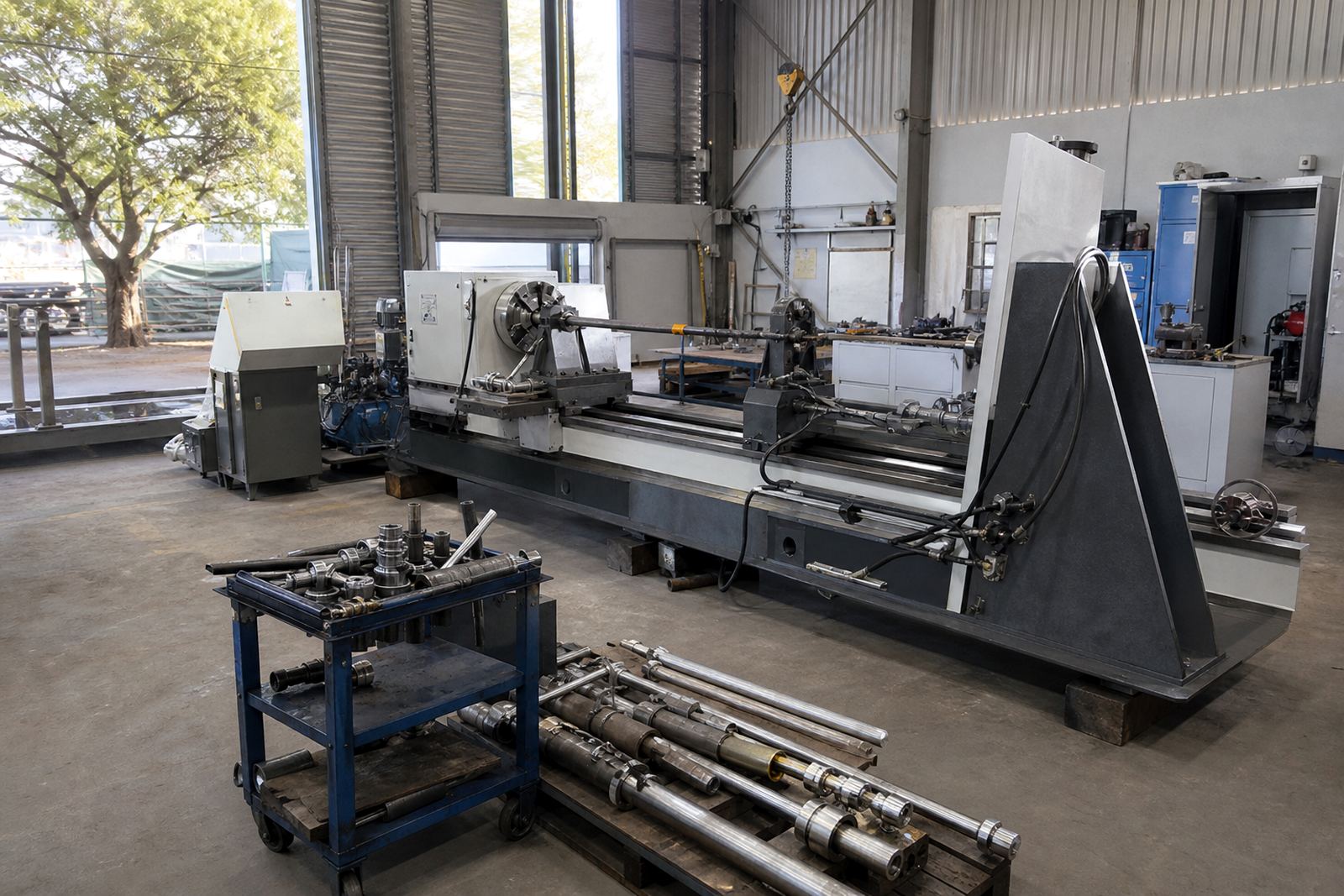
Buying the machine is only part of the job. The guides also explain what happens after delivery, including installation, commissioning and the first production run. A good startup plan reduces surprises and helps the team get stable output sooner.
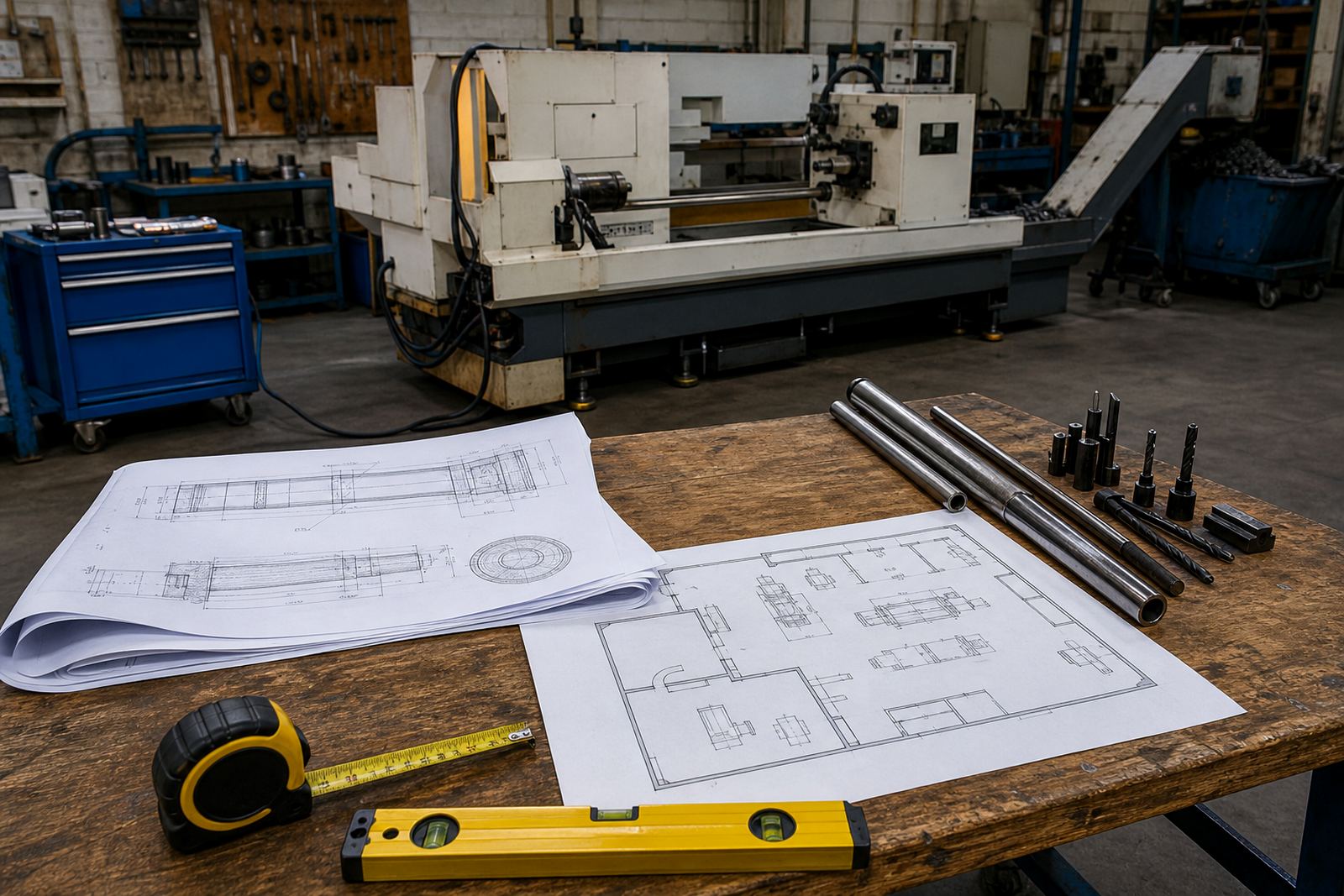
For shops in Gauteng and across the country, site readiness matters. Floor condition, access for moving equipment, power supply and coolant arrangements all need attention before commissioning starts. If these details are sorted early, the handover is smoother and the operator can focus on the process instead of fixing avoidable problems.
Operator training and process control
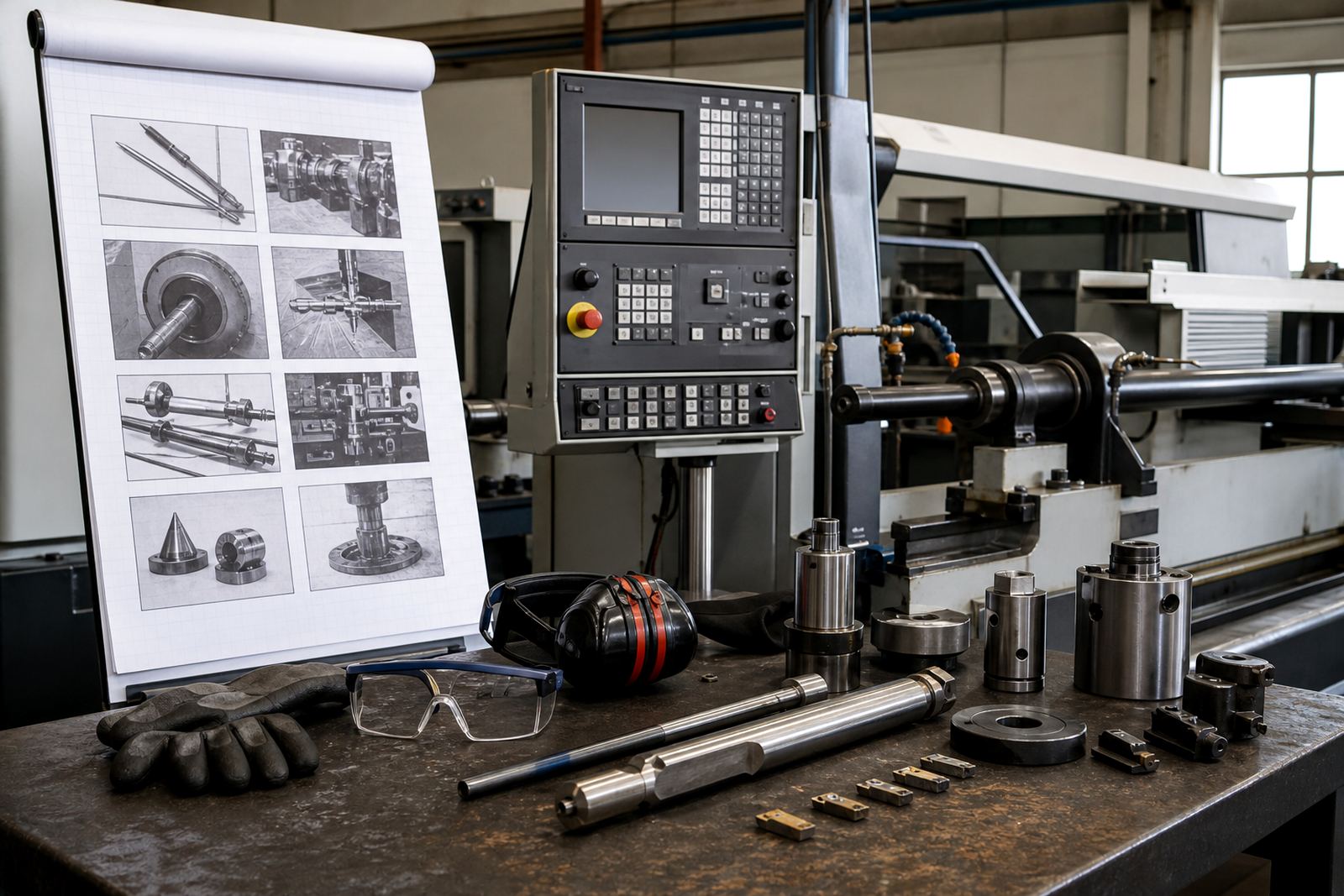
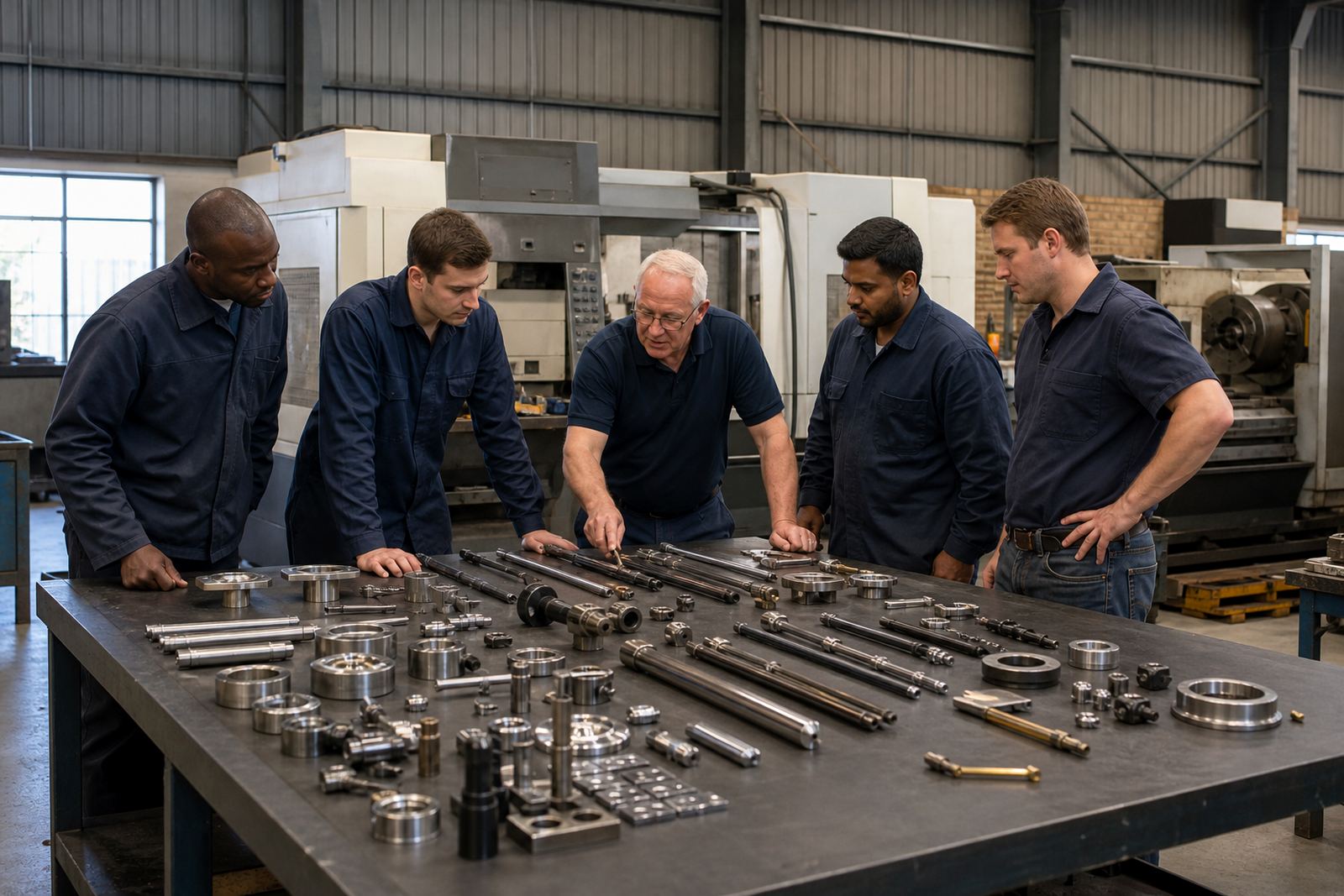
Even a well chosen machine needs trained hands. Our guides help managers and operators understand the basics of safe use, repeatable setup and practical process control. That includes how to spot early signs of drift, when to pause a run, and how to keep documentation simple enough to use every day.
The aim is not theory for theory’s sake. It is to help your team run a steadier process, reduce scrap and keep quality consistent across shifts. If a machine is being used by more than one operator, clear training notes and routine checks become even more important.
- Operator familiarisation and handover notes
- Process troubleshooting during production
- Basic checks for quality and repeatability
- When to call for service support instead of pushing on
Maintenance and support planning for South African sites
Deep-hole equipment works best when maintenance is planned, not left until a breakdown. These guides help you think ahead about preventive maintenance, spare parts support, coolant system service and alignment checks. That keeps smaller issues from turning into long stoppages.
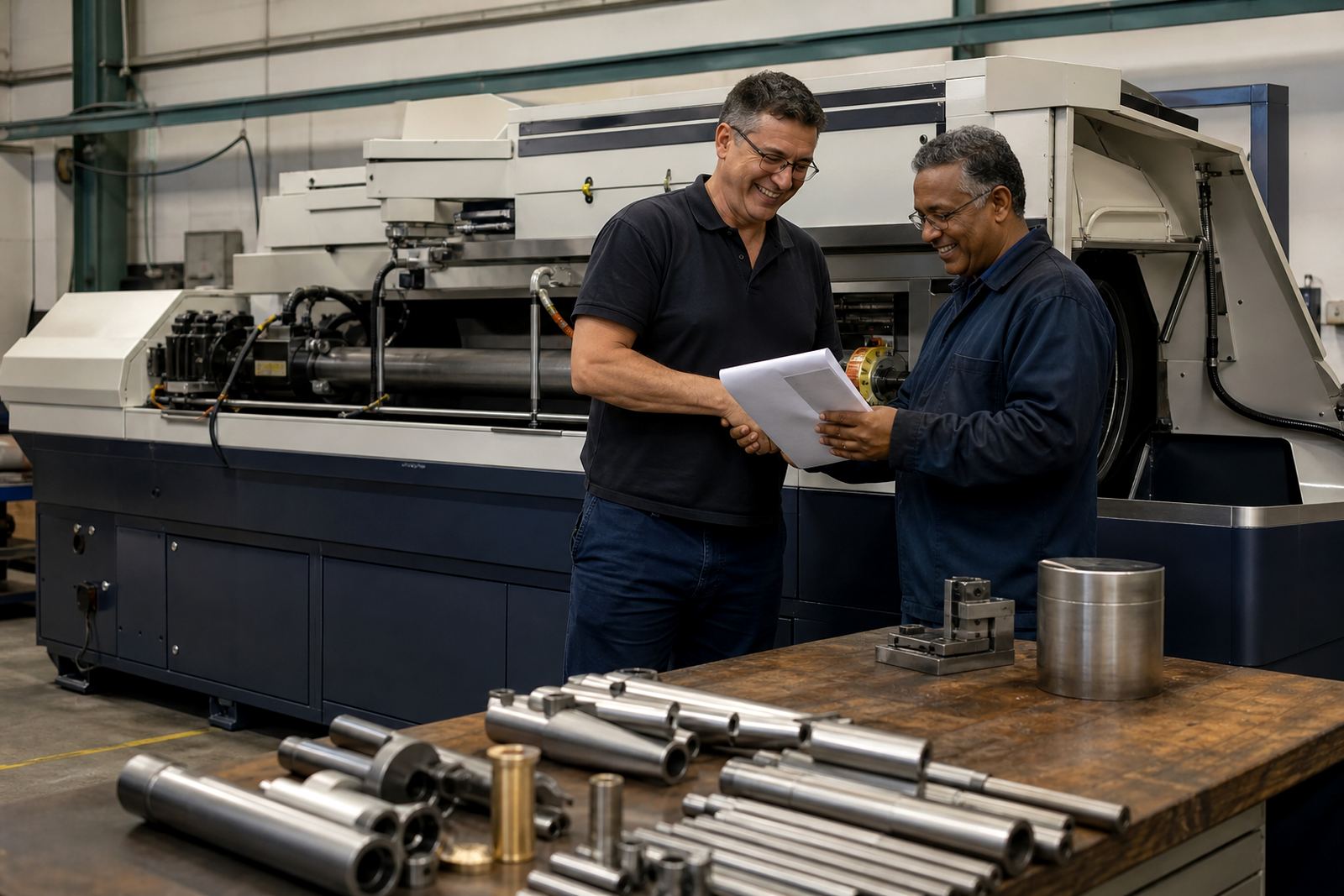
For manufacturers and engineering shops in Johannesburg, Pretoria, Durban, Cape Town and Gqeberha, support needs to be practical and local in feel. You want a team that understands workshop deadlines, municipal constraints and the pressure to keep production moving. Good support should fit the way your site actually works, not the other way round.