

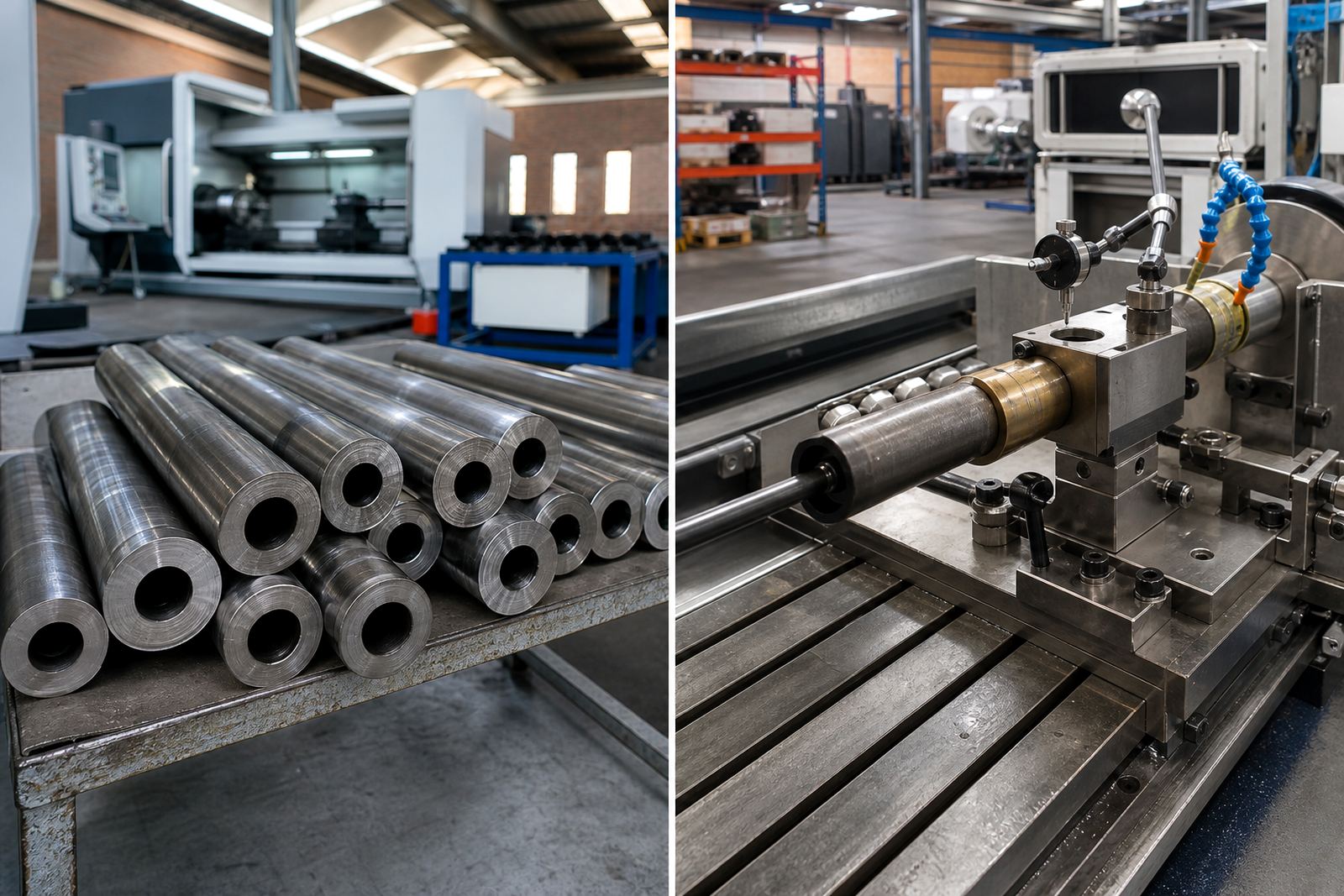
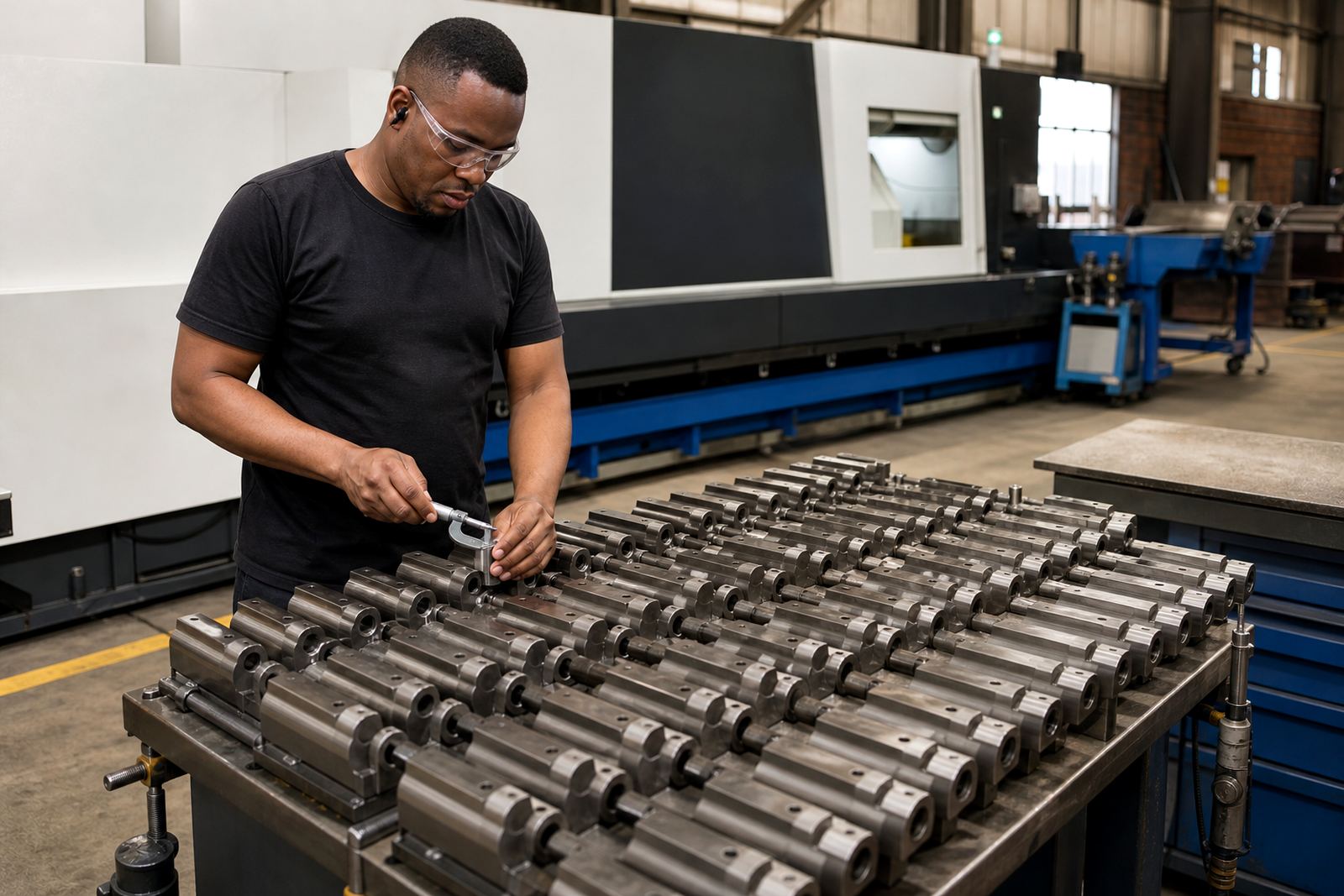
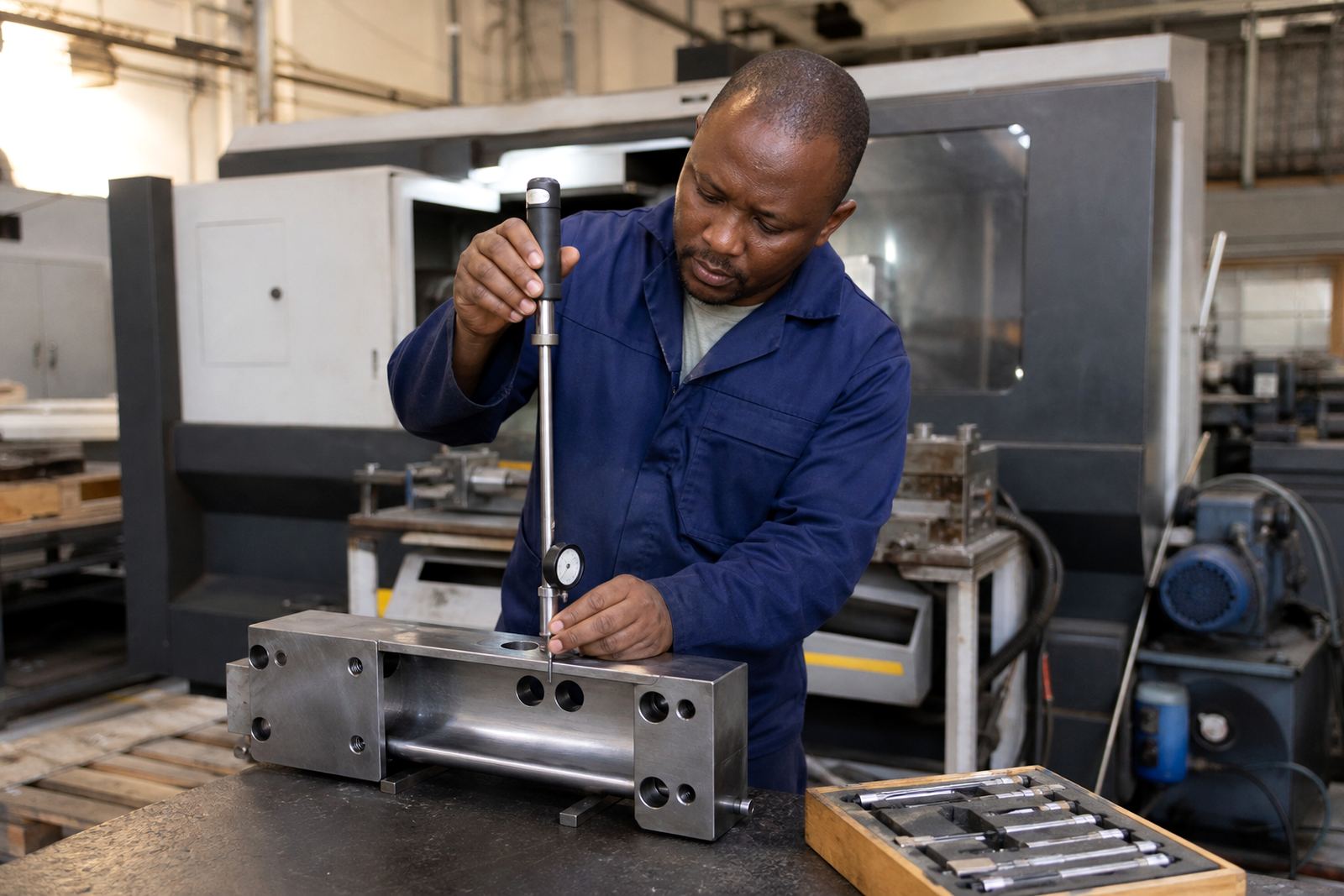
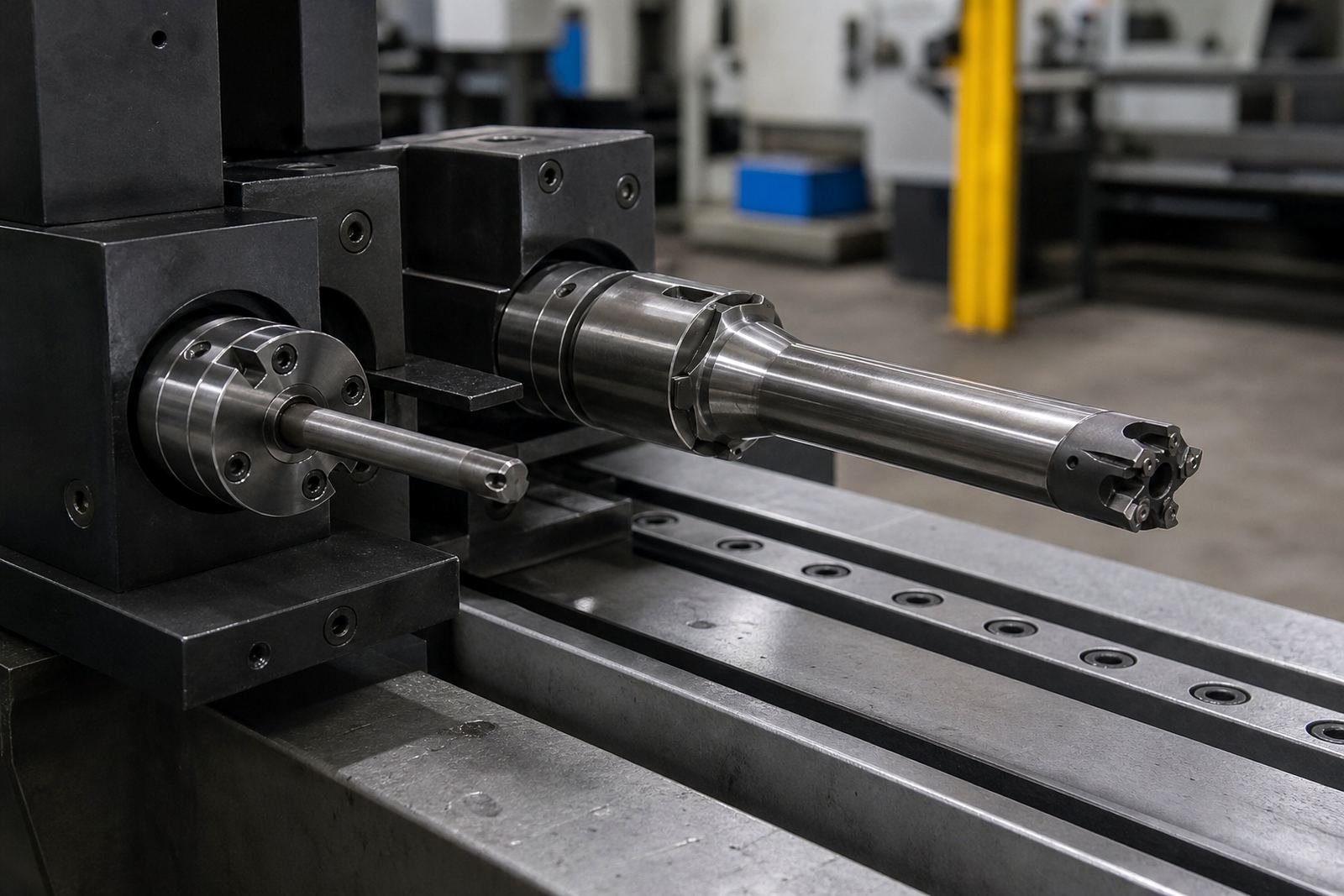
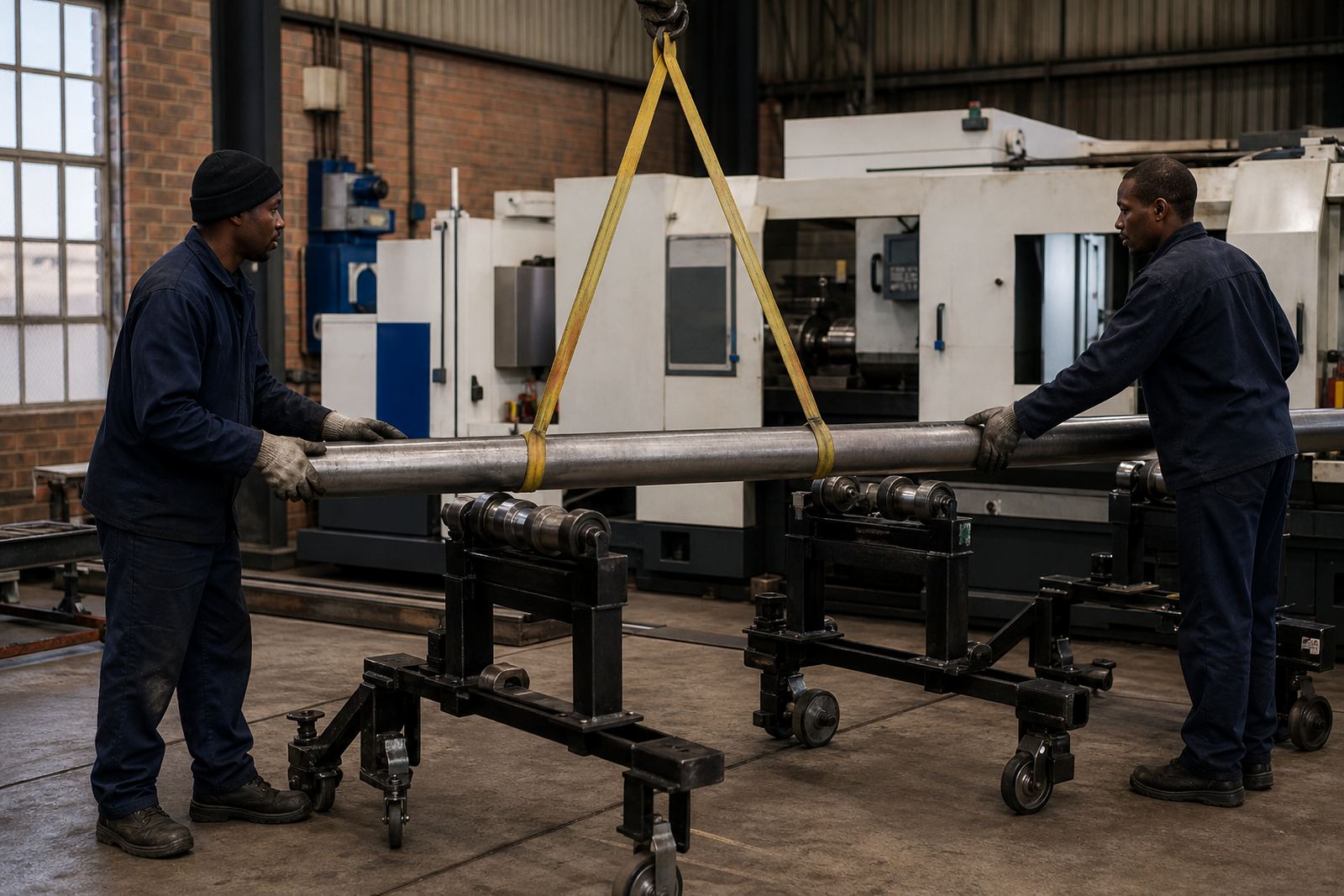
What This Journal Covers
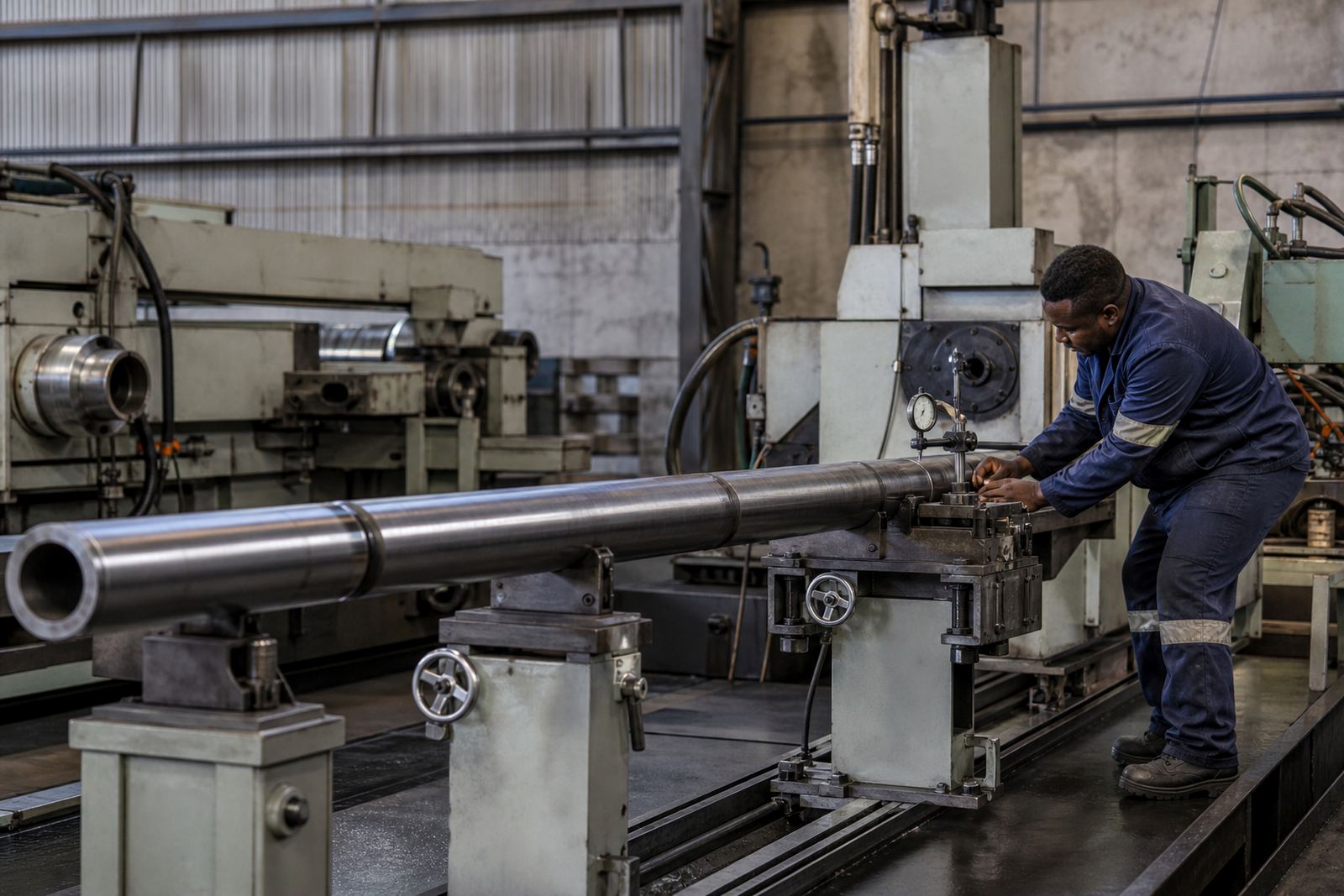
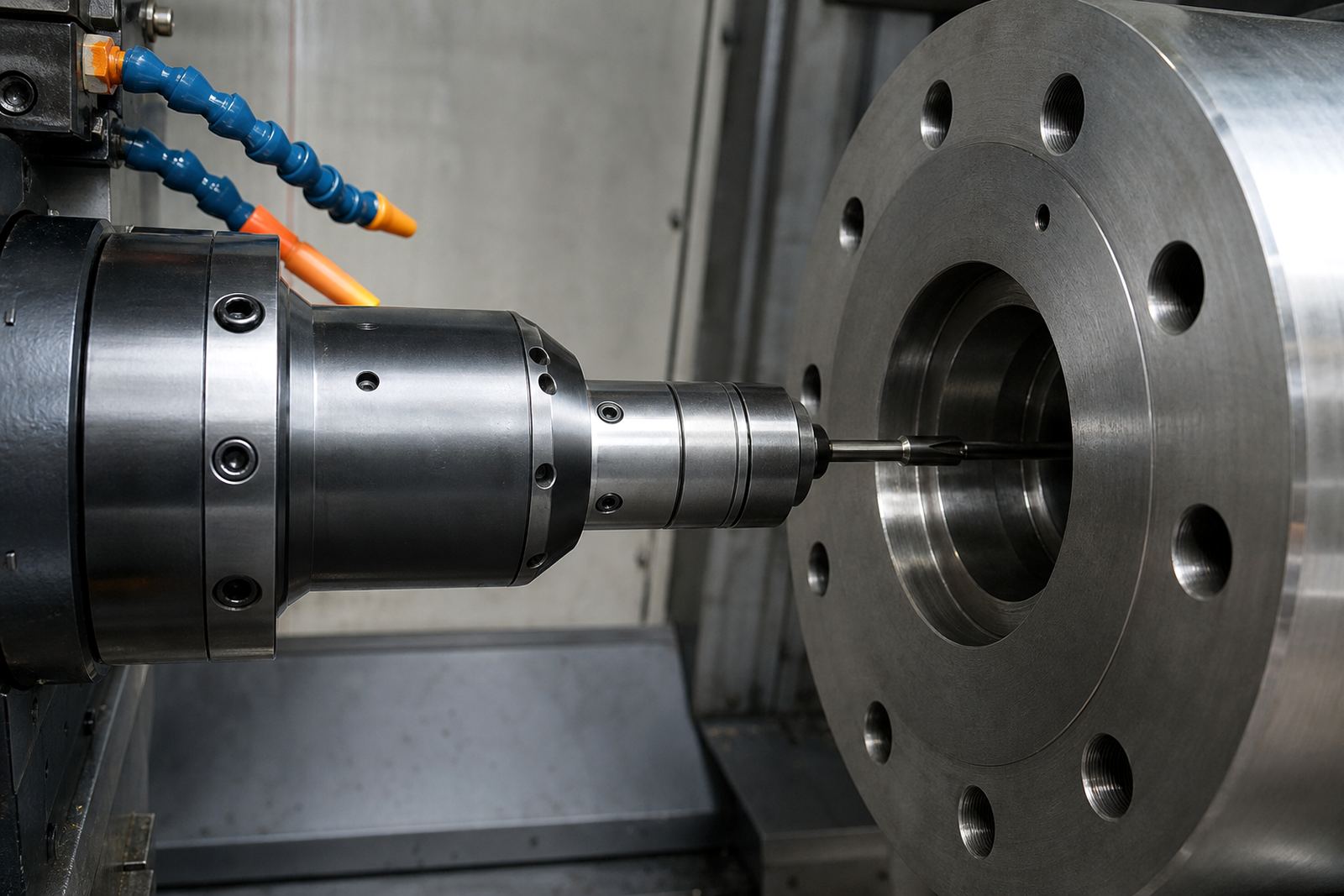
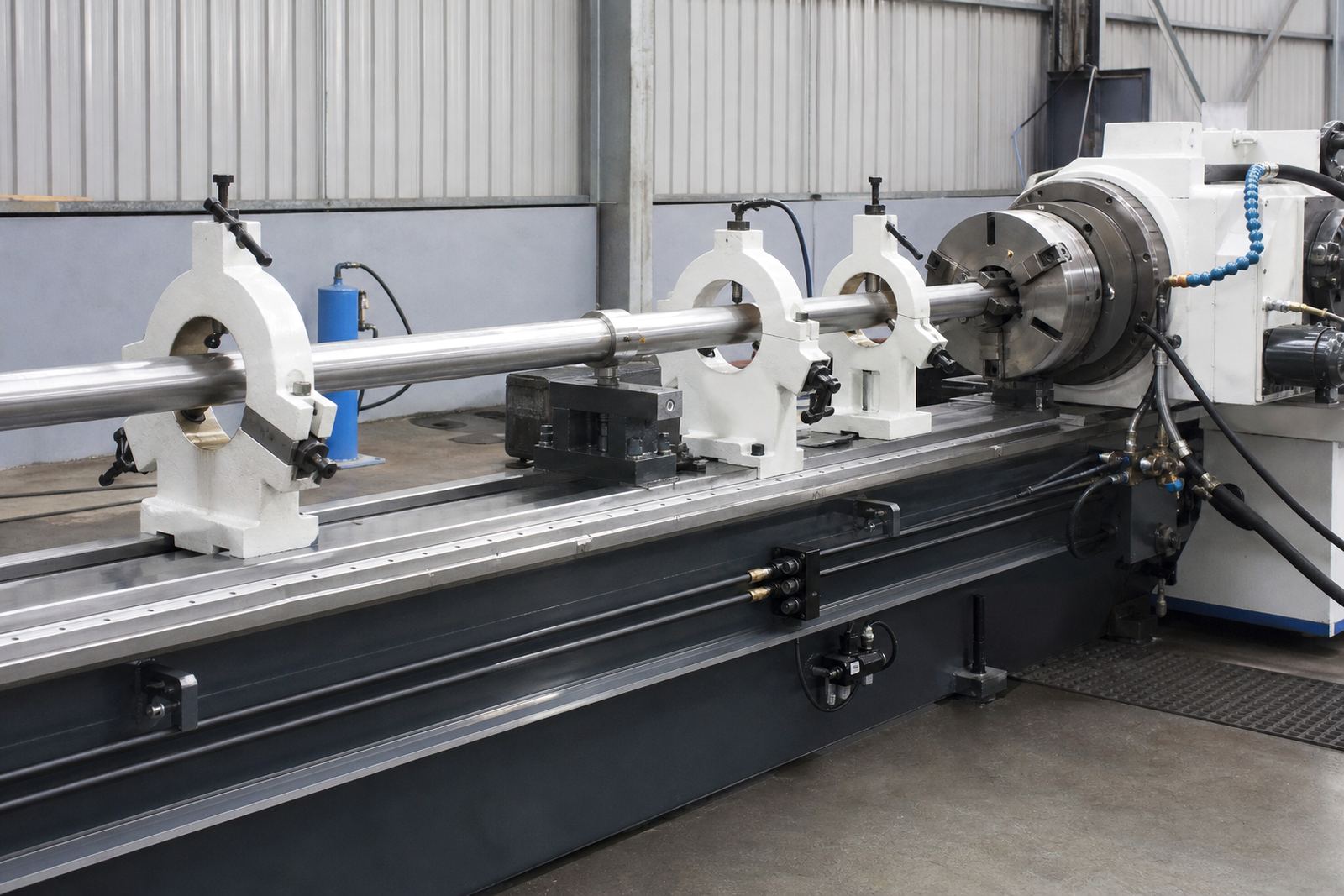
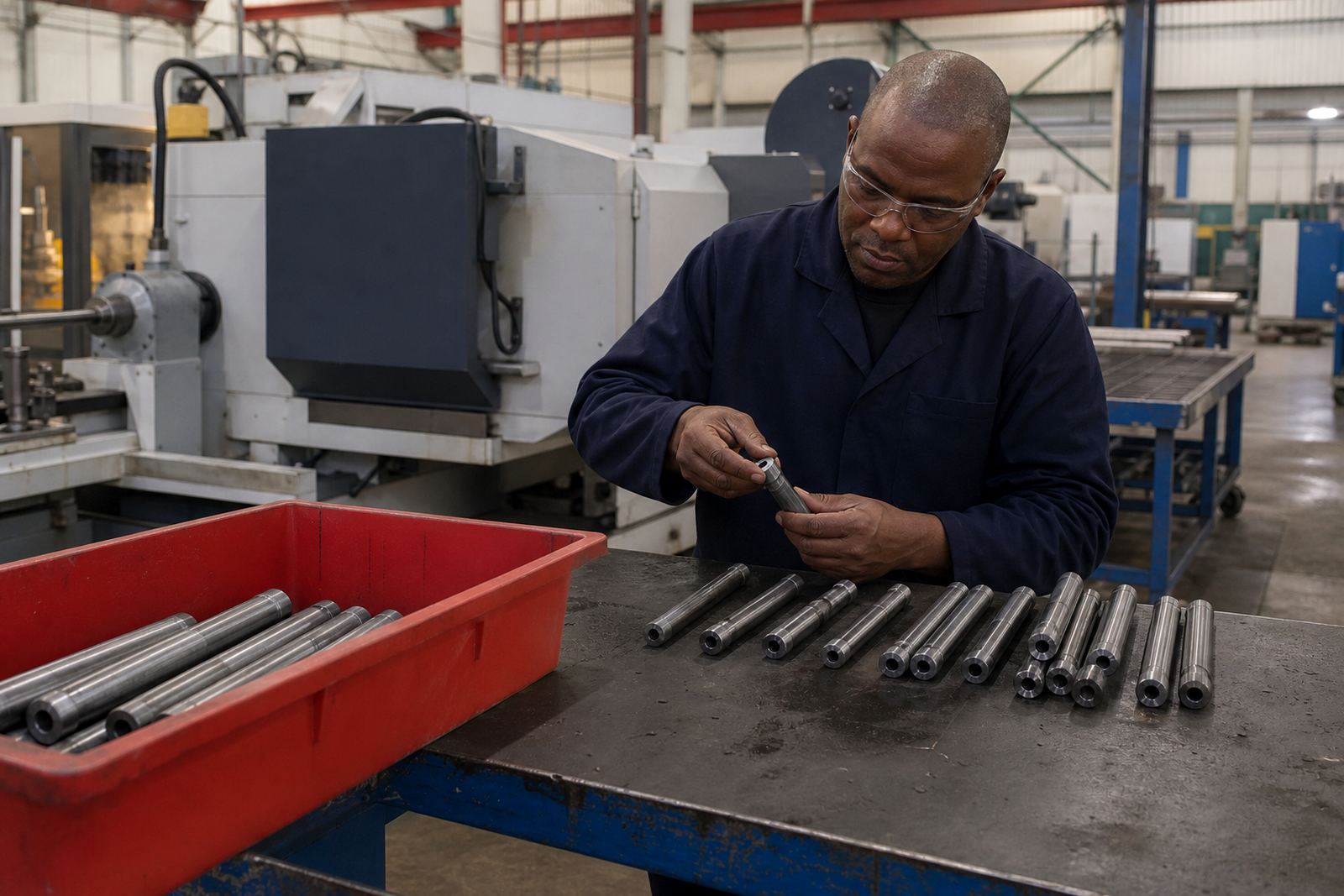
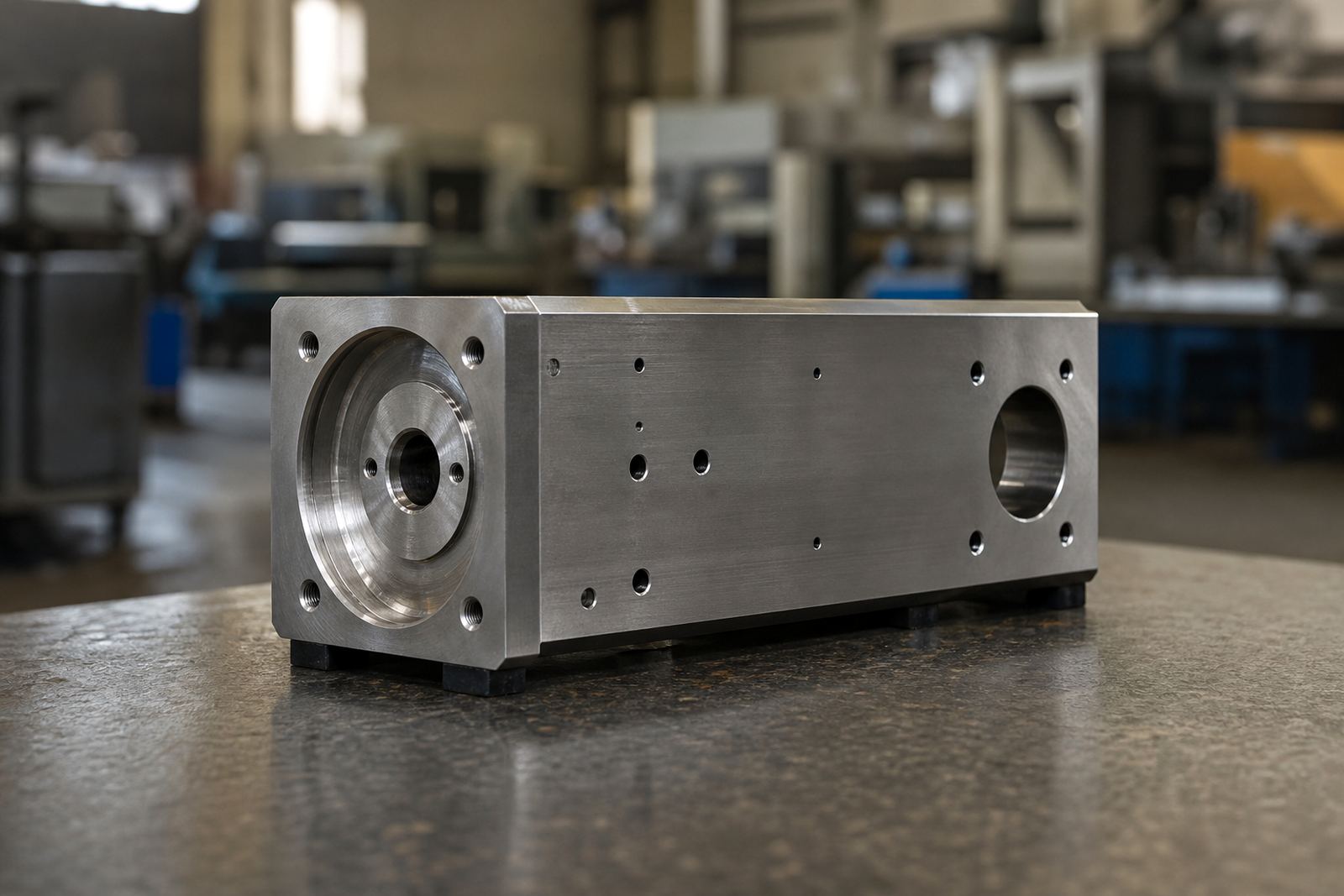
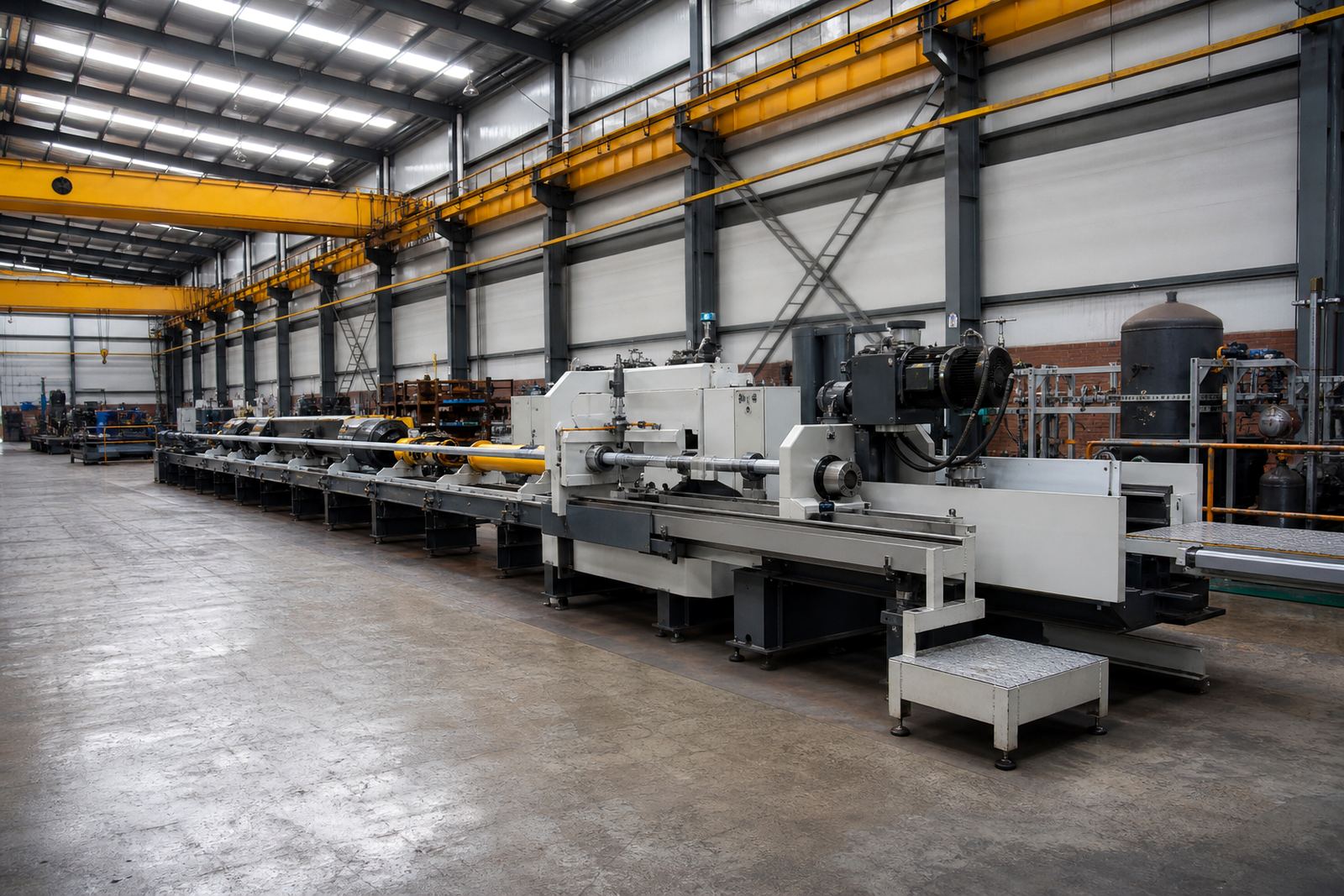
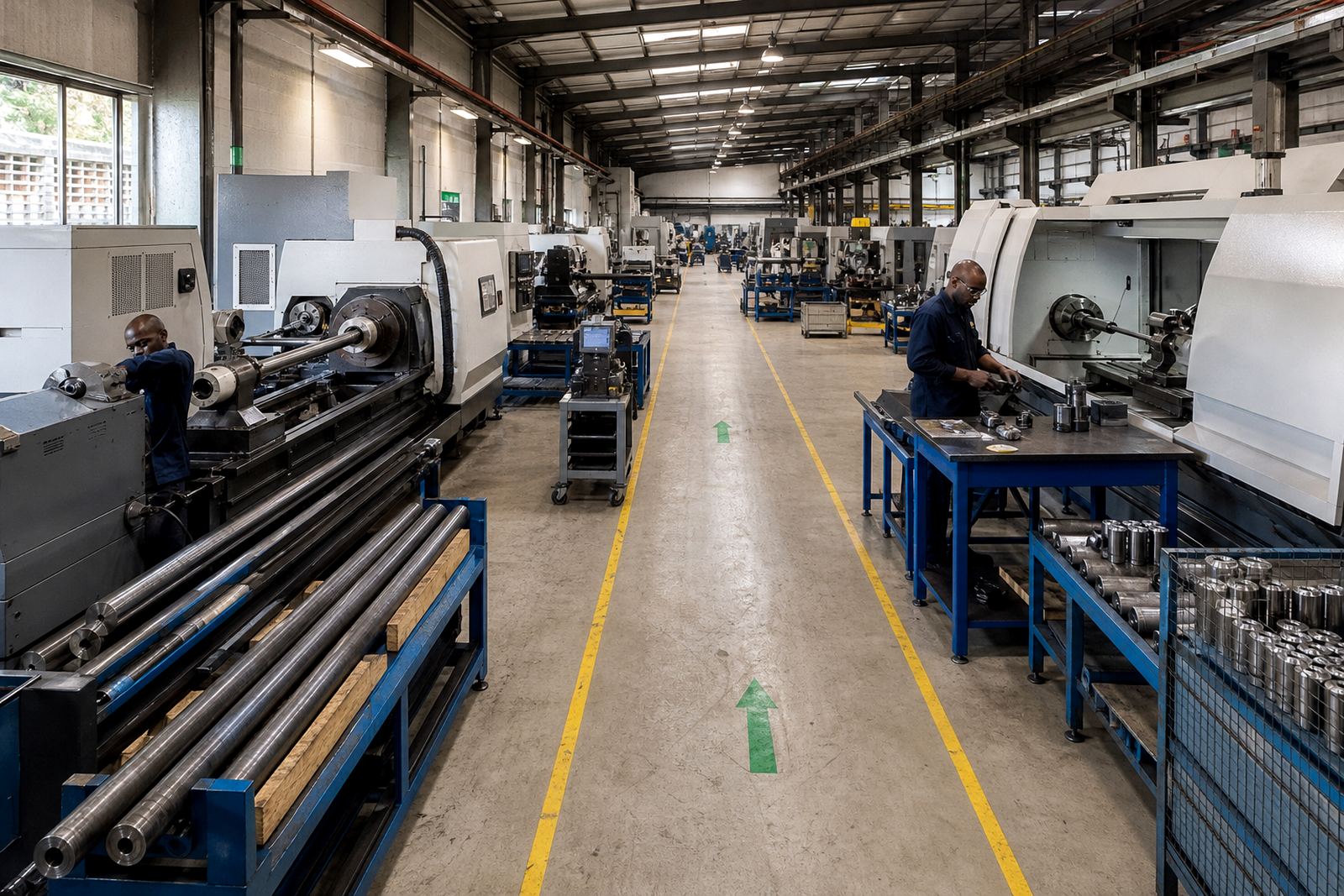
If your work involves gun-drilling or deep-hole boring, the right information saves time, scrap and machine downtime. This journal focuses on the practical side of the job: machine selection, tooling choices, setup checks, coolant handling, alignment, and the small process decisions that affect finish and repeatability.
The articles are written for people who already know the pressure of a full production floor. Whether you are running a single specialised machine in Benoni or supporting a busy shop in Durban, you will find guidance that fits day-to-day production rather than theory.
How to Use the Articles When Planning a Job
Start with the piece that matches your current bottleneck. If hole straightness is drifting, read about alignment and process control first. If tool life is inconsistent, begin with tooling selection and coolant delivery. If a new machine is being brought into the workshop, the setup and commissioning notes will help you ask the right questions before production starts.
- Check the part material and hole length before choosing a drilling approach.
- Confirm the required finish, tolerance and straightness up front.
- Match tooling, workholding and coolant delivery to the job.
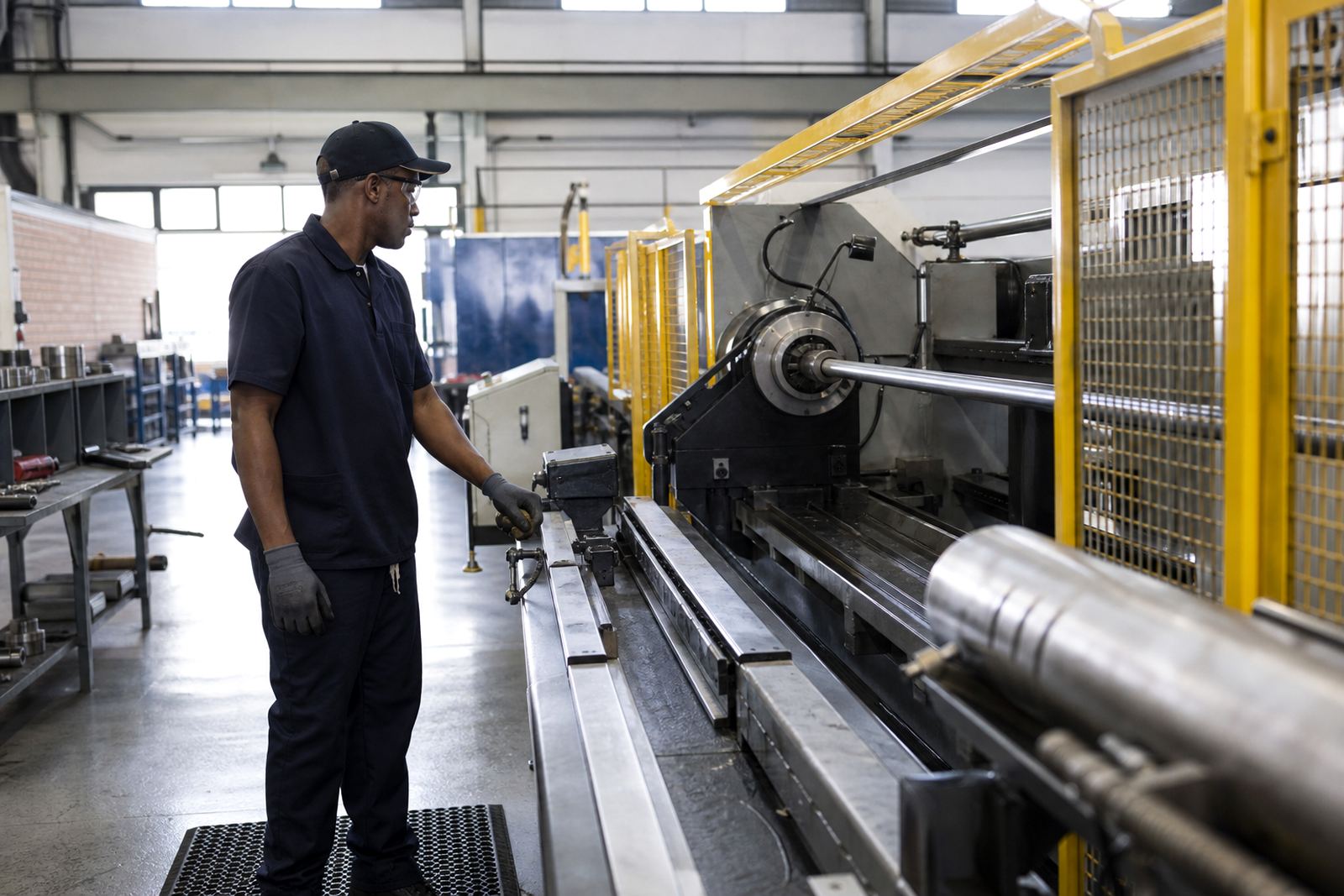
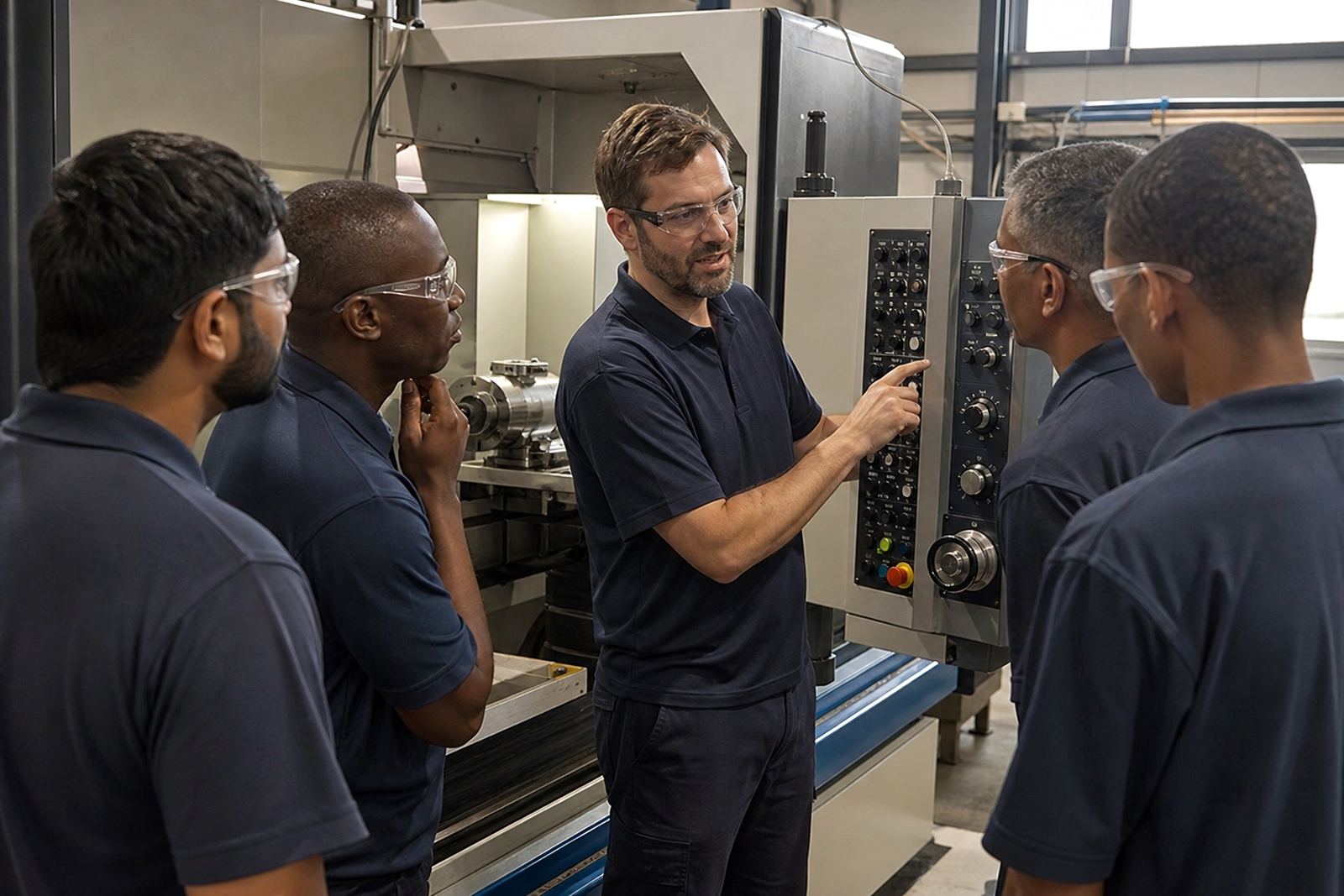
- Plan for operator training and first-off checks before full production.
Topics That Matter on the Workshop Floor
The journal is aimed at the issues that affect output in real South African shops, from load-shedding interruptions to coolant management in coastal humidity. You will find articles on machine installation, commissioning, alignment checks, process troubleshooting, preventive maintenance and breakdown support. These are the areas that usually decide whether a job runs smoothly or keeps stopping for adjustments.
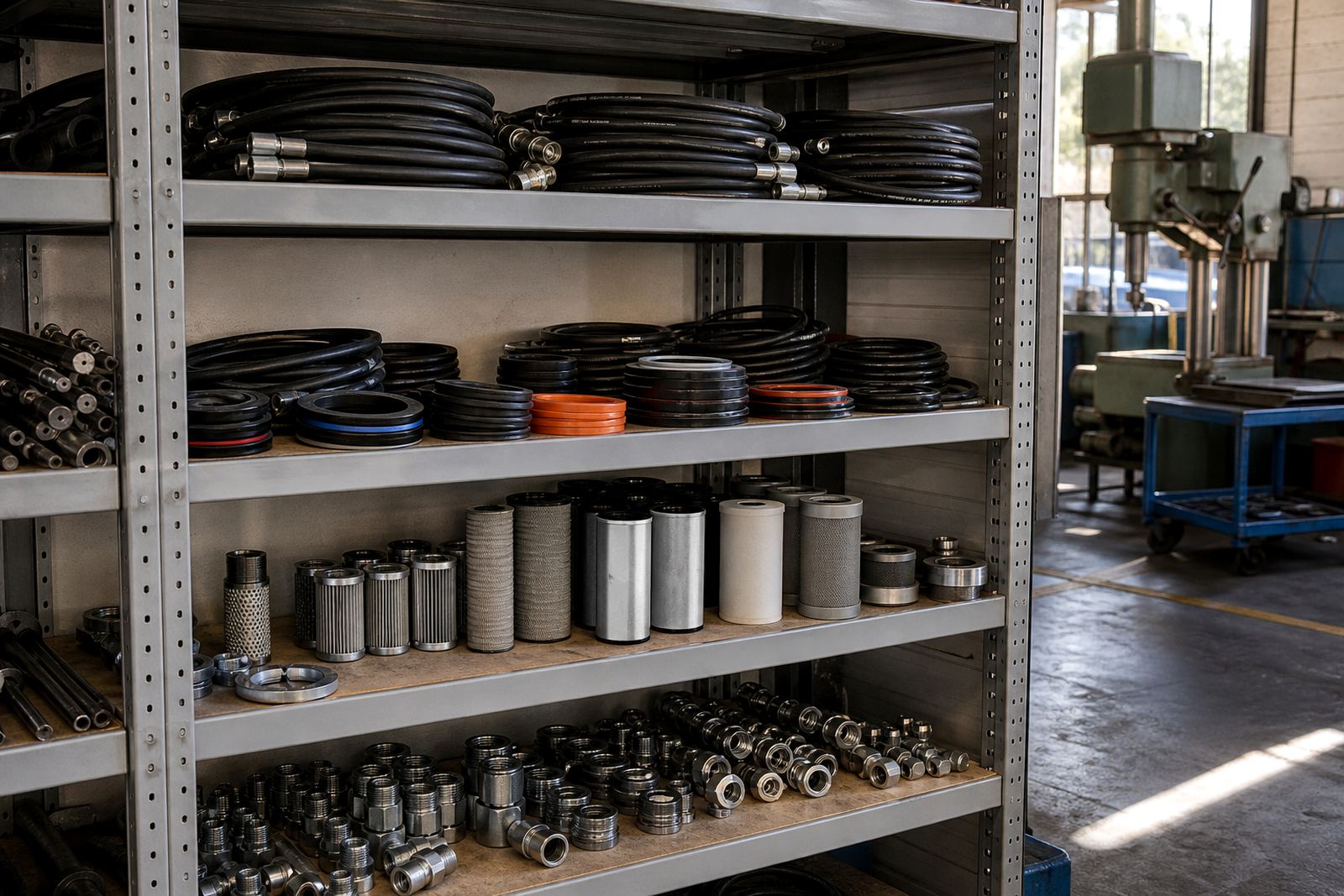
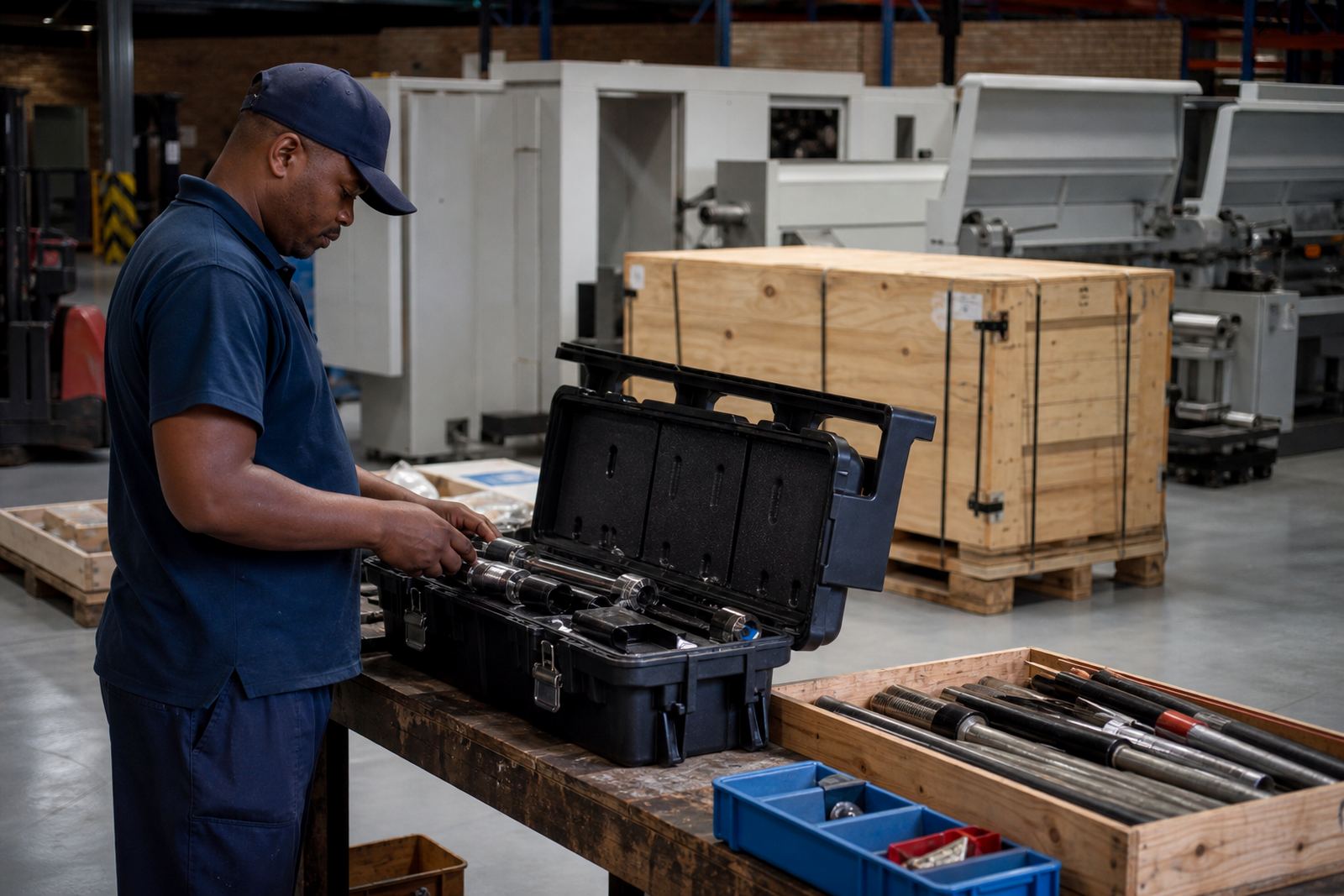
We also cover production startup and spare parts planning, because the first few days on a new process often decide how stable the run will be. A good start reduces rework and helps the team build a repeatable method quicker, which is what every production manager wants.
Tooling, Setup and Process Control
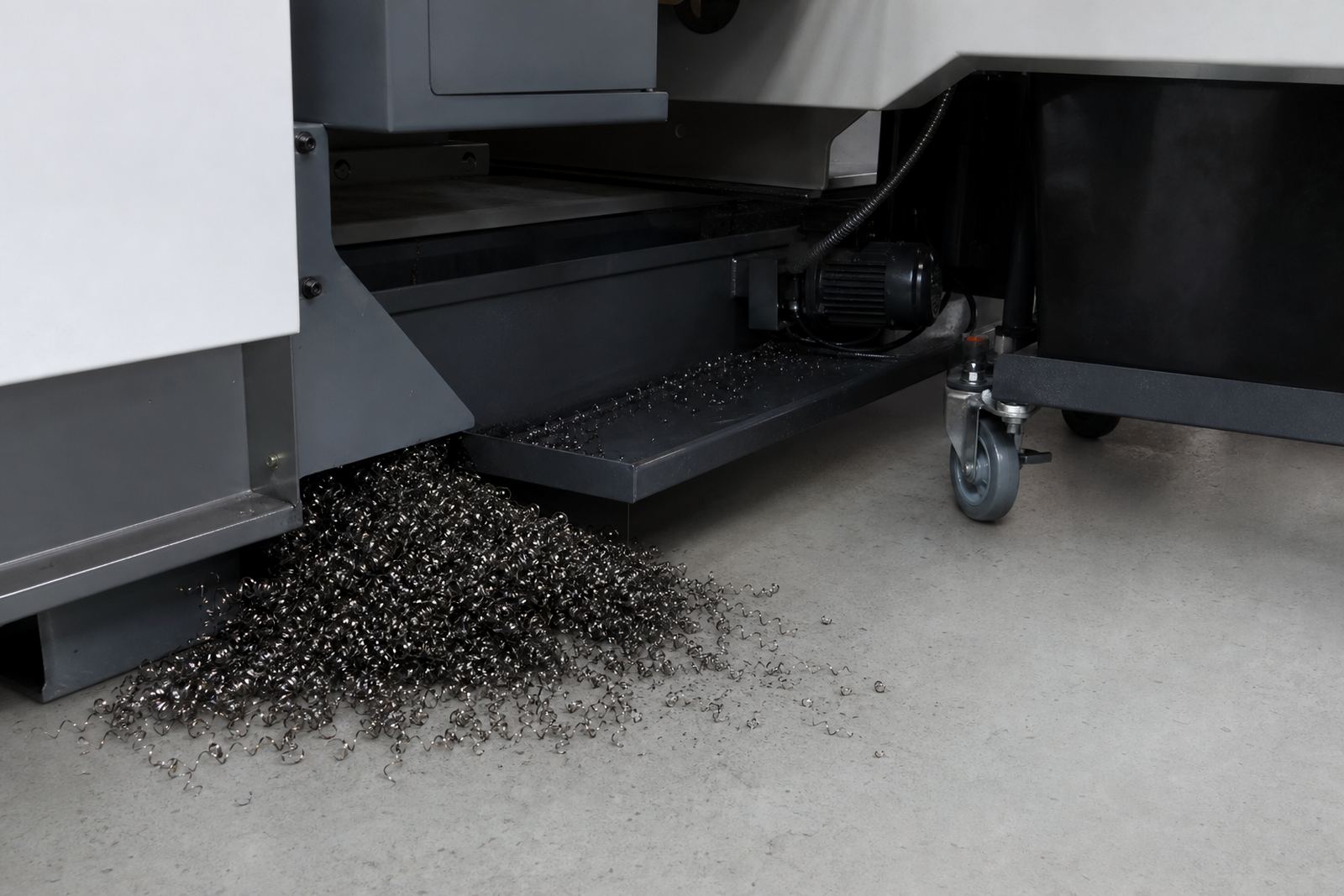
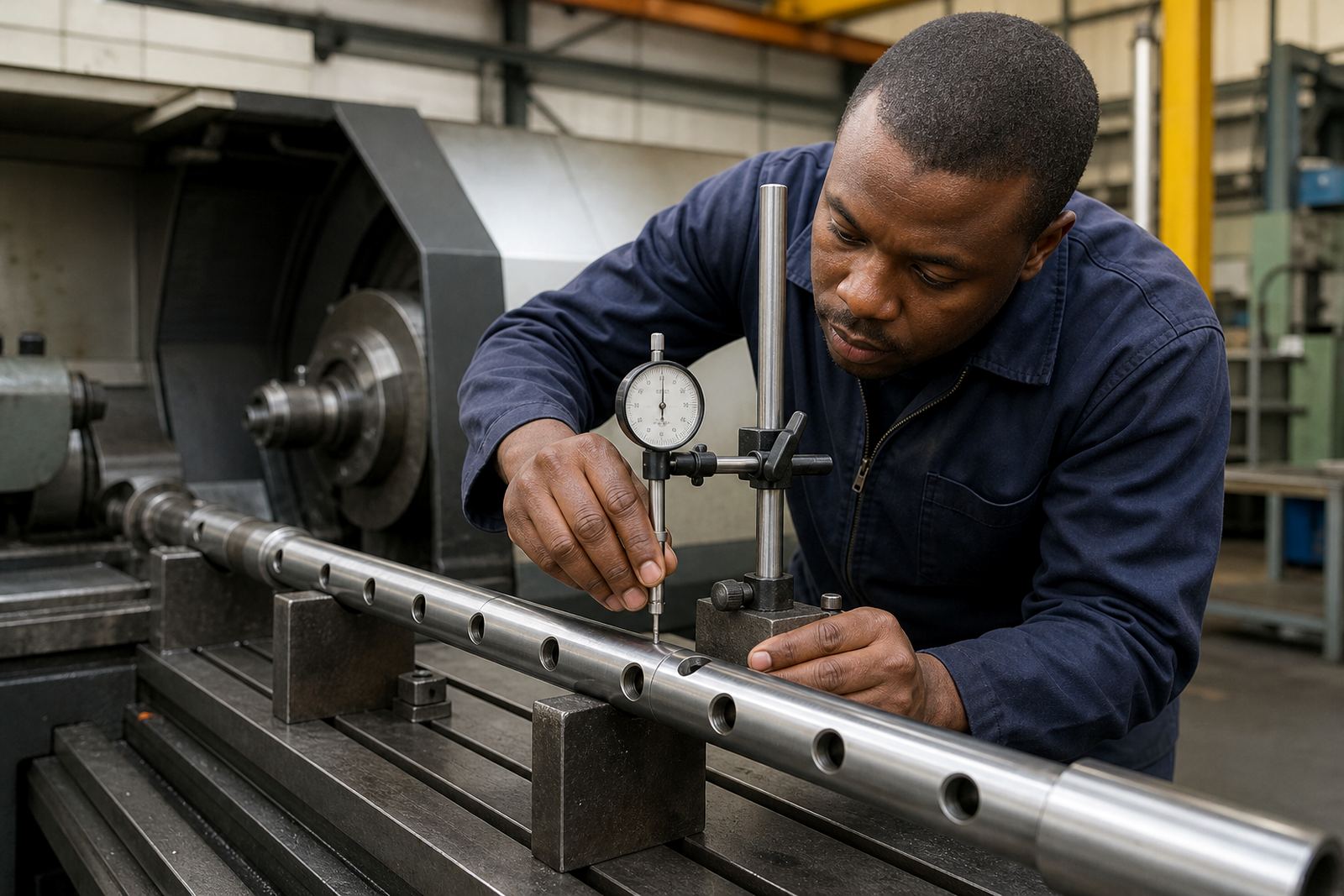
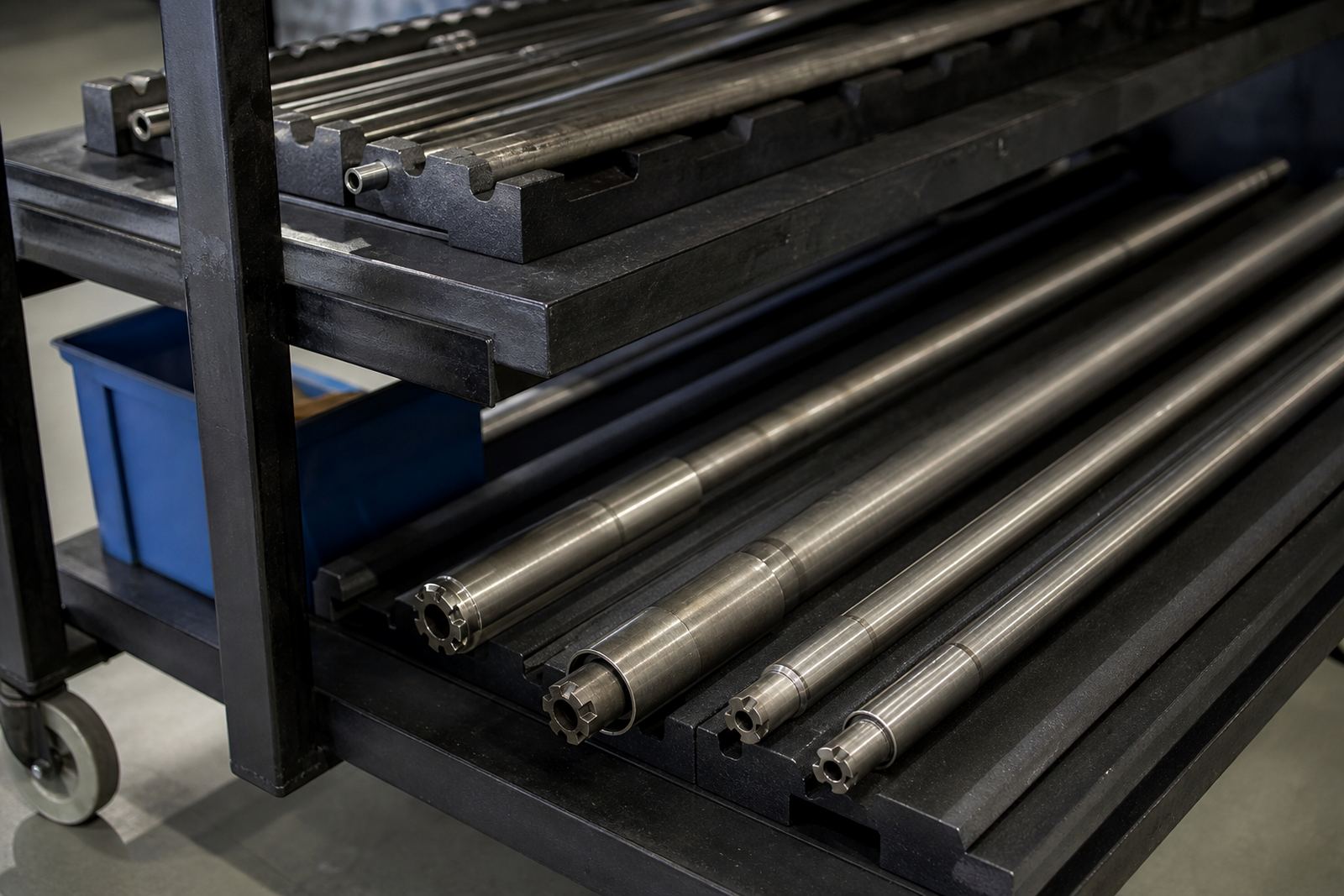
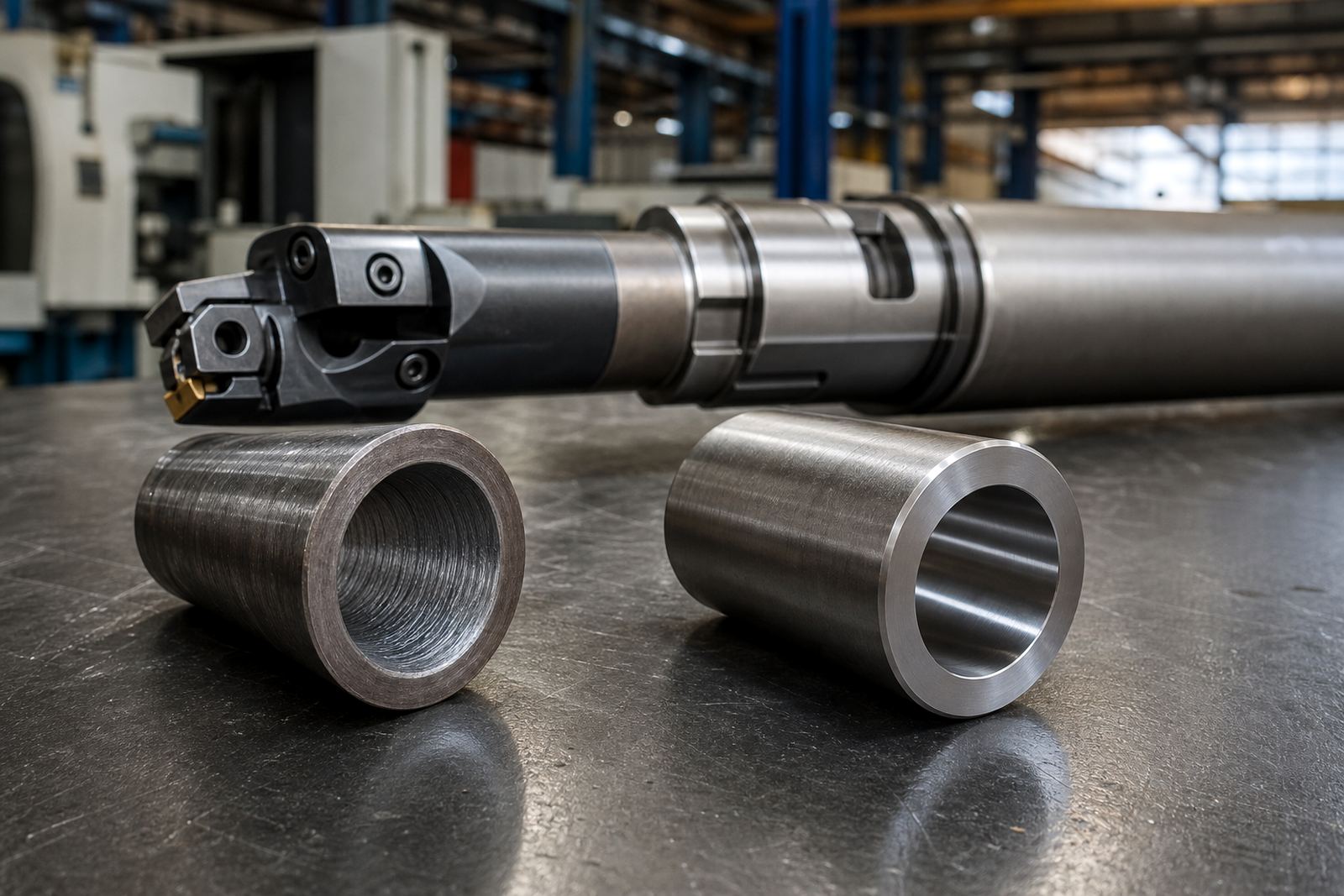
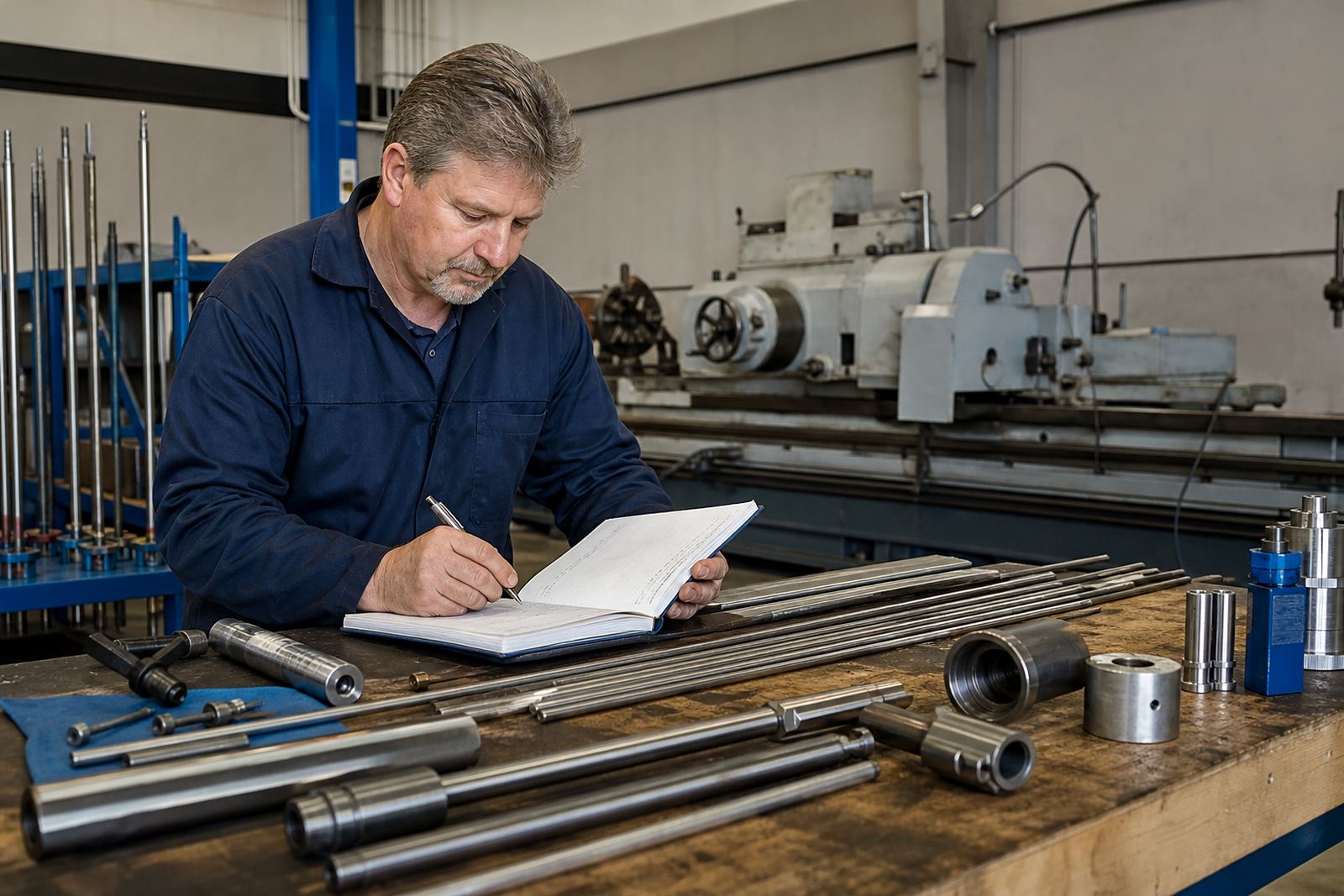
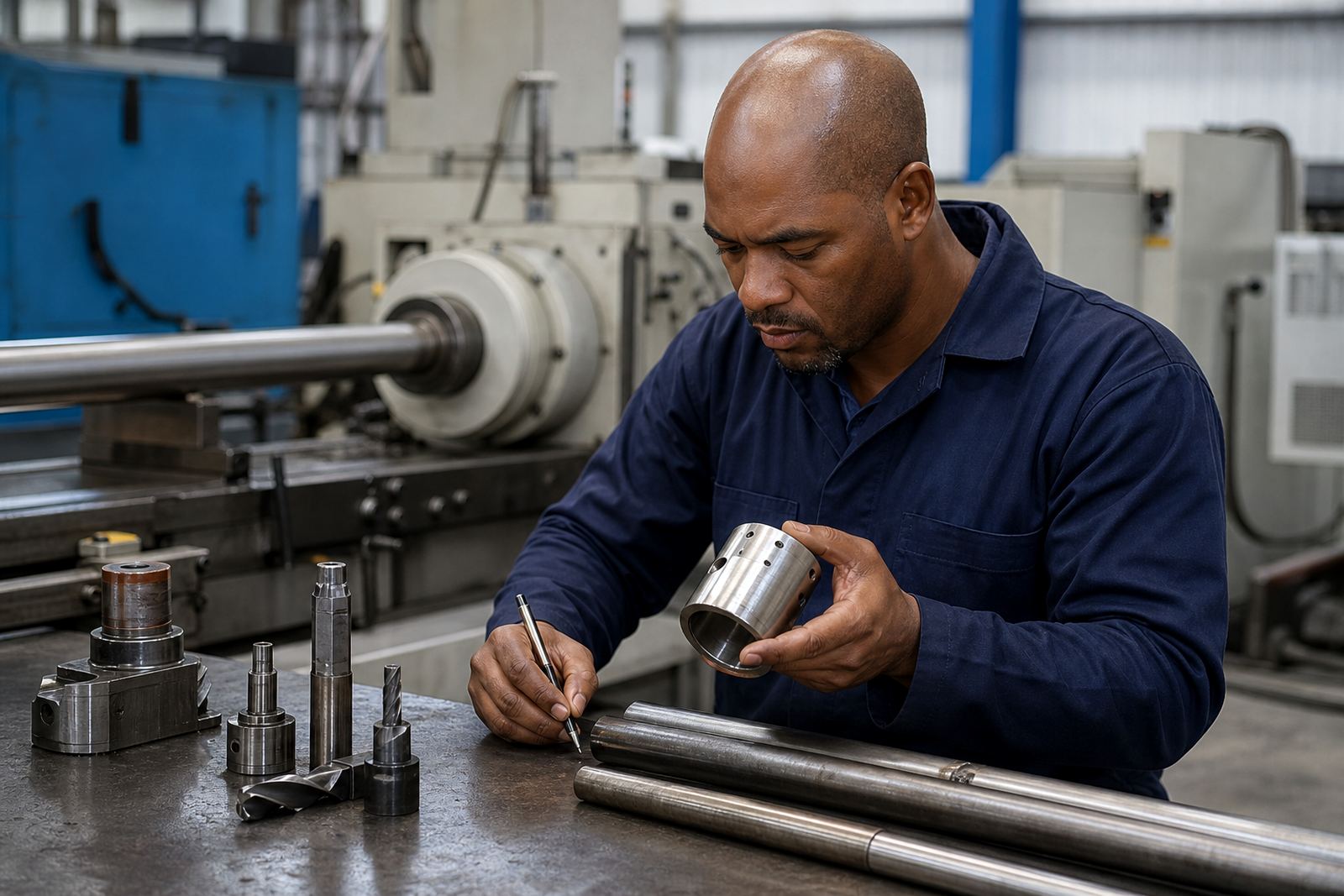
Deep-hole work depends on more than the machine itself. Tooling selection, setup optimisation and coolant system condition all play a part in how the bore behaves. Small issues can build into larger problems if they are left unchecked, so the journal keeps returning to the basics: centring, alignment, feed control and chip evacuation.
- Tooling selection guides for different hole depths and materials.
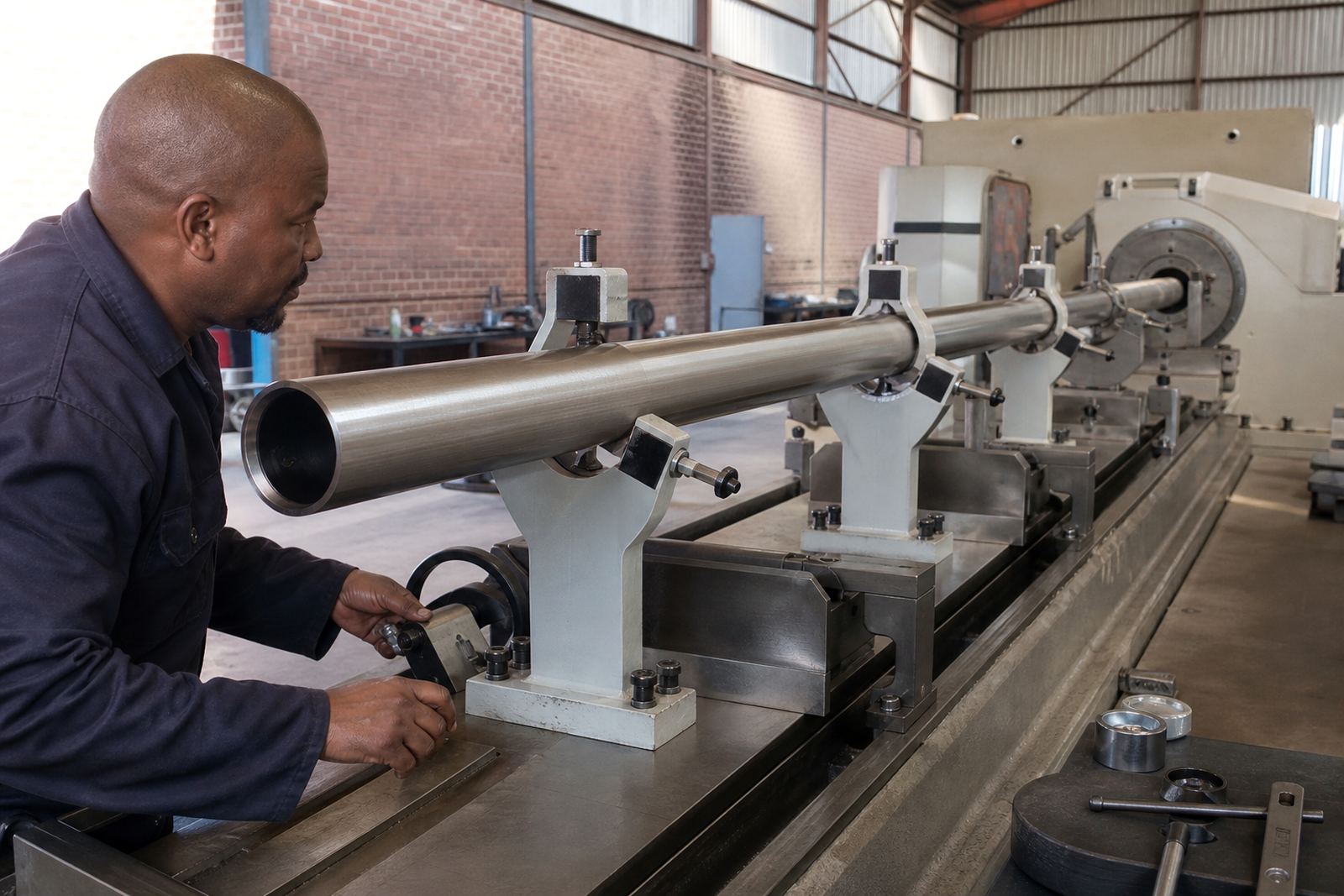
- Setup checks that help reduce drift during long runs.
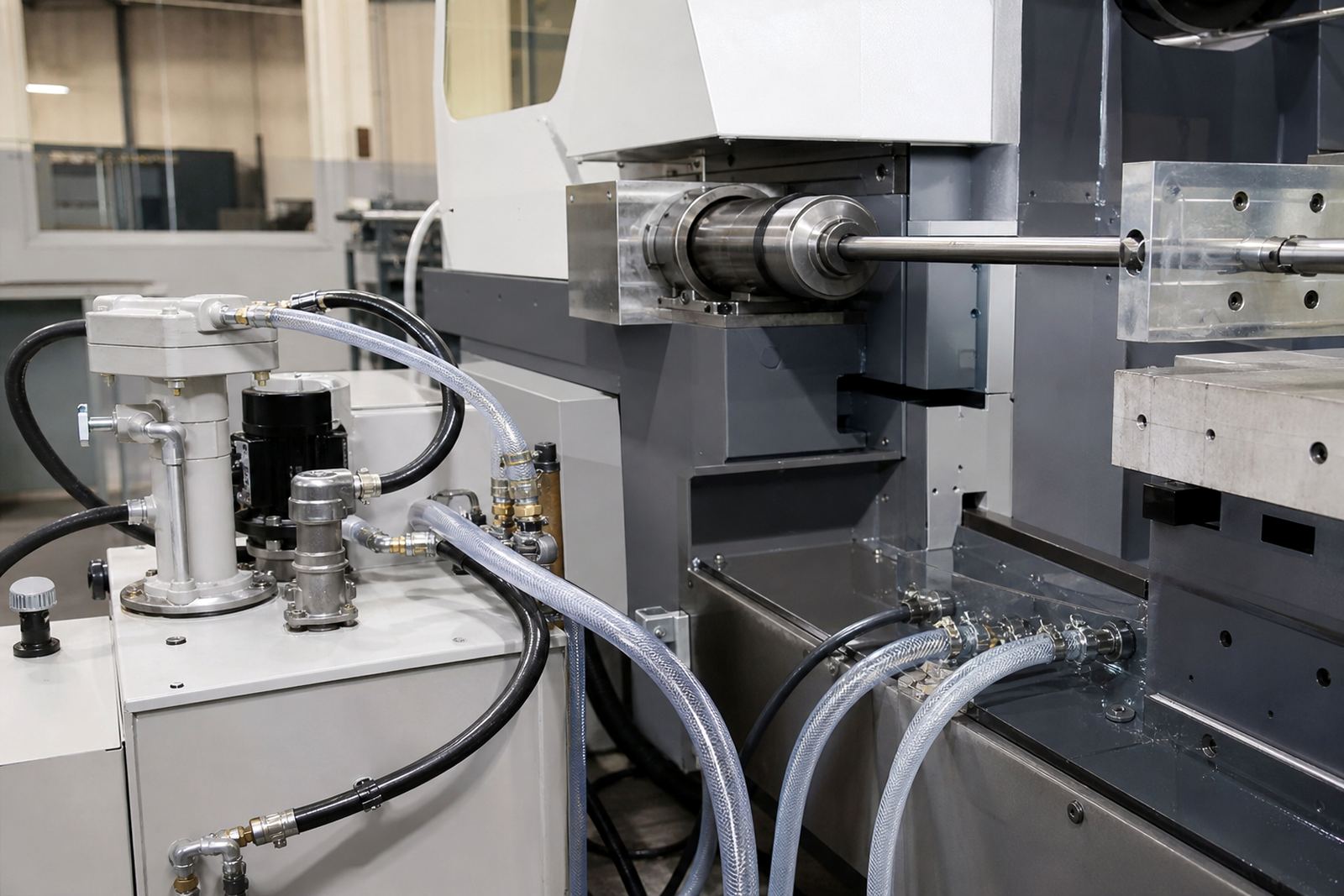
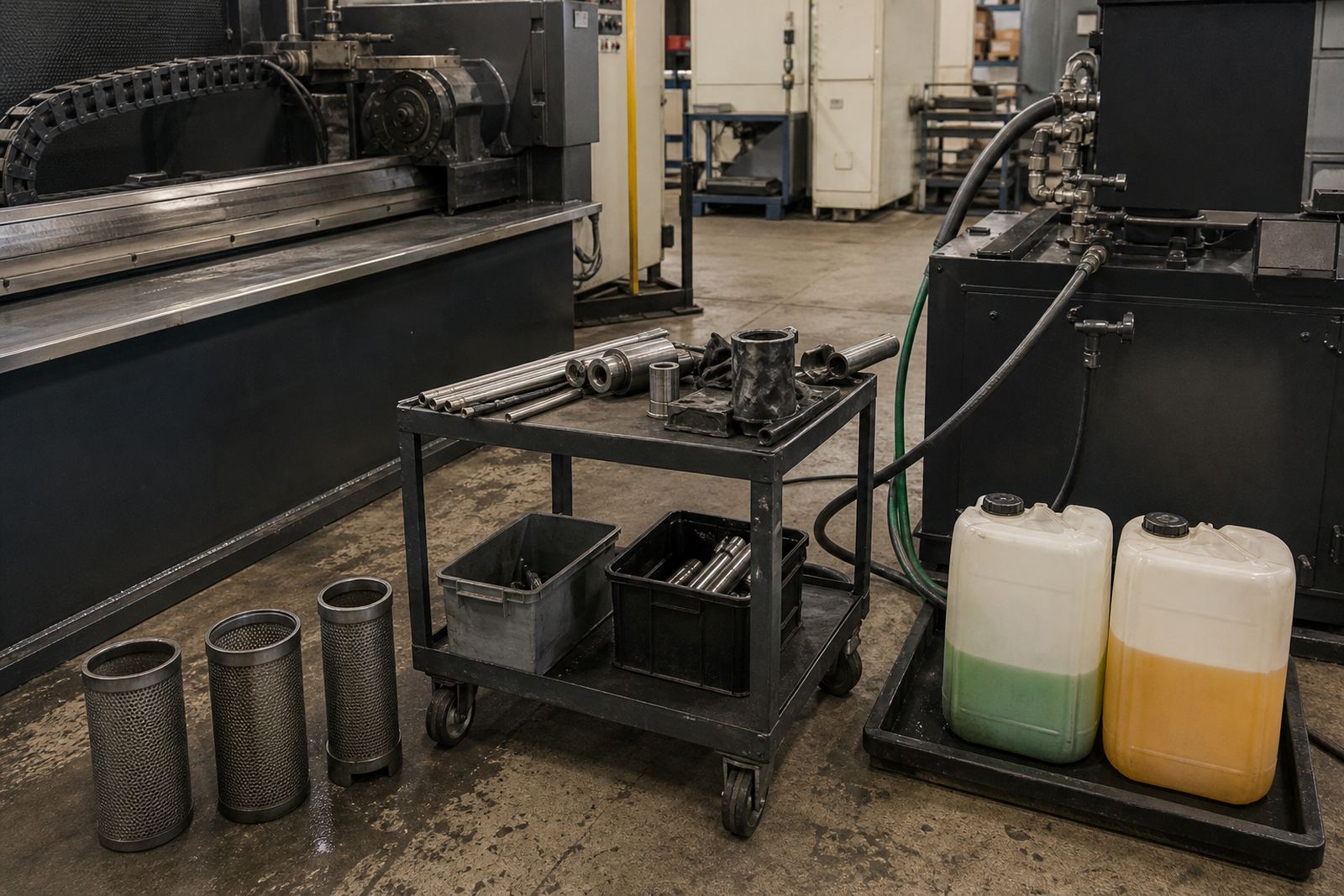
- Coolant system service notes for cleaner cutting and better tool life.
- Process troubleshooting tips for vibration, finish issues and inconsistent output.
Support for South African Production Conditions
Factories in Johannesburg, Pretoria, Cape Town, Durban and Gqeberha all work under different conditions, and the journal takes that into account. Power interruptions, municipal water quality, corrosion risk near the coast and local maintenance schedules can all affect deep-hole performance. Practical articles help you prepare for these conditions before they interrupt production.
We keep the focus on what works in local workshops, from East Rand support needs to larger Gauteng coverage. That means advice on preventive maintenance, operator training and spare parts support that you can use on an ordinary shift, not just in ideal test conditions.
Choosing the Right Article for Your Team
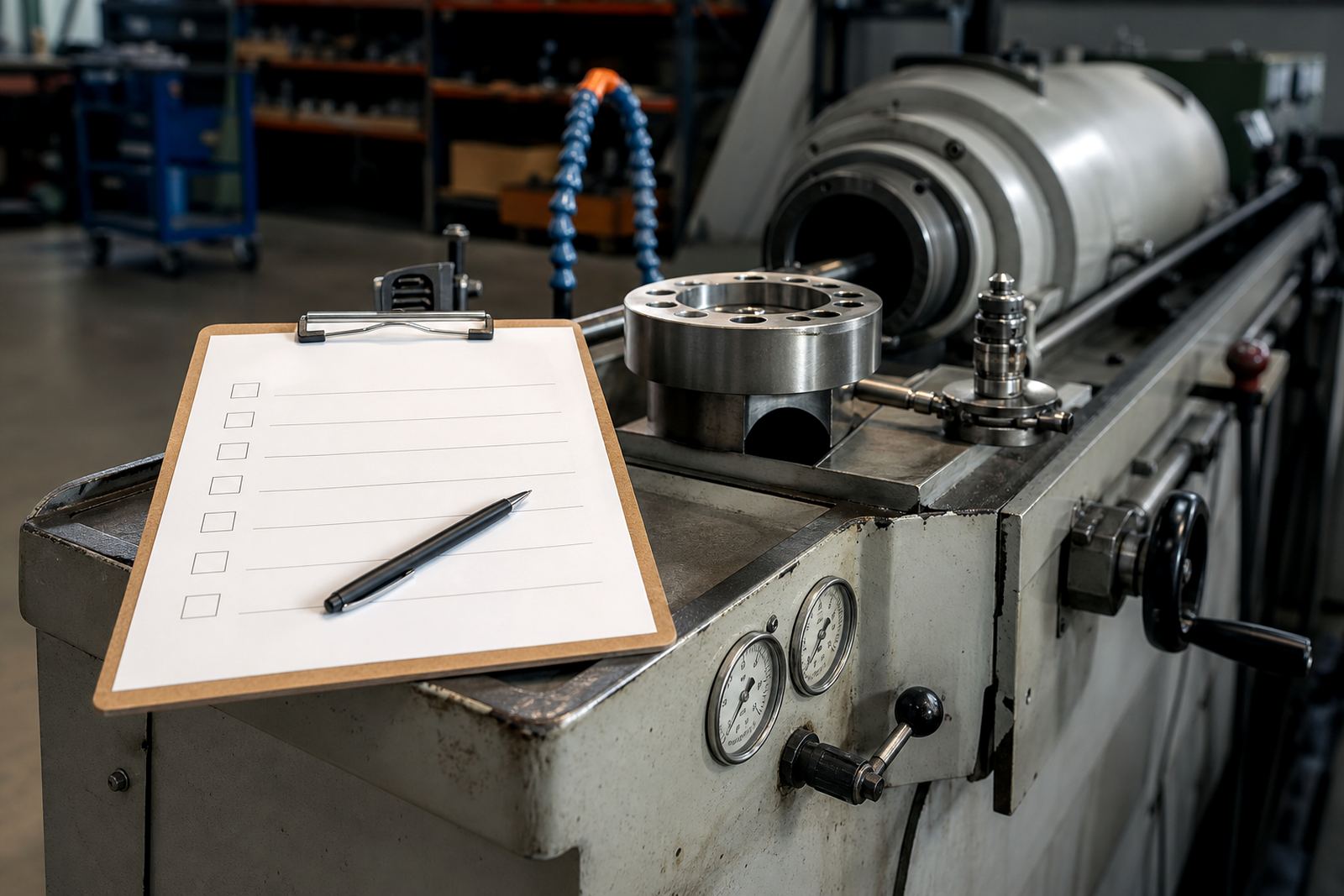
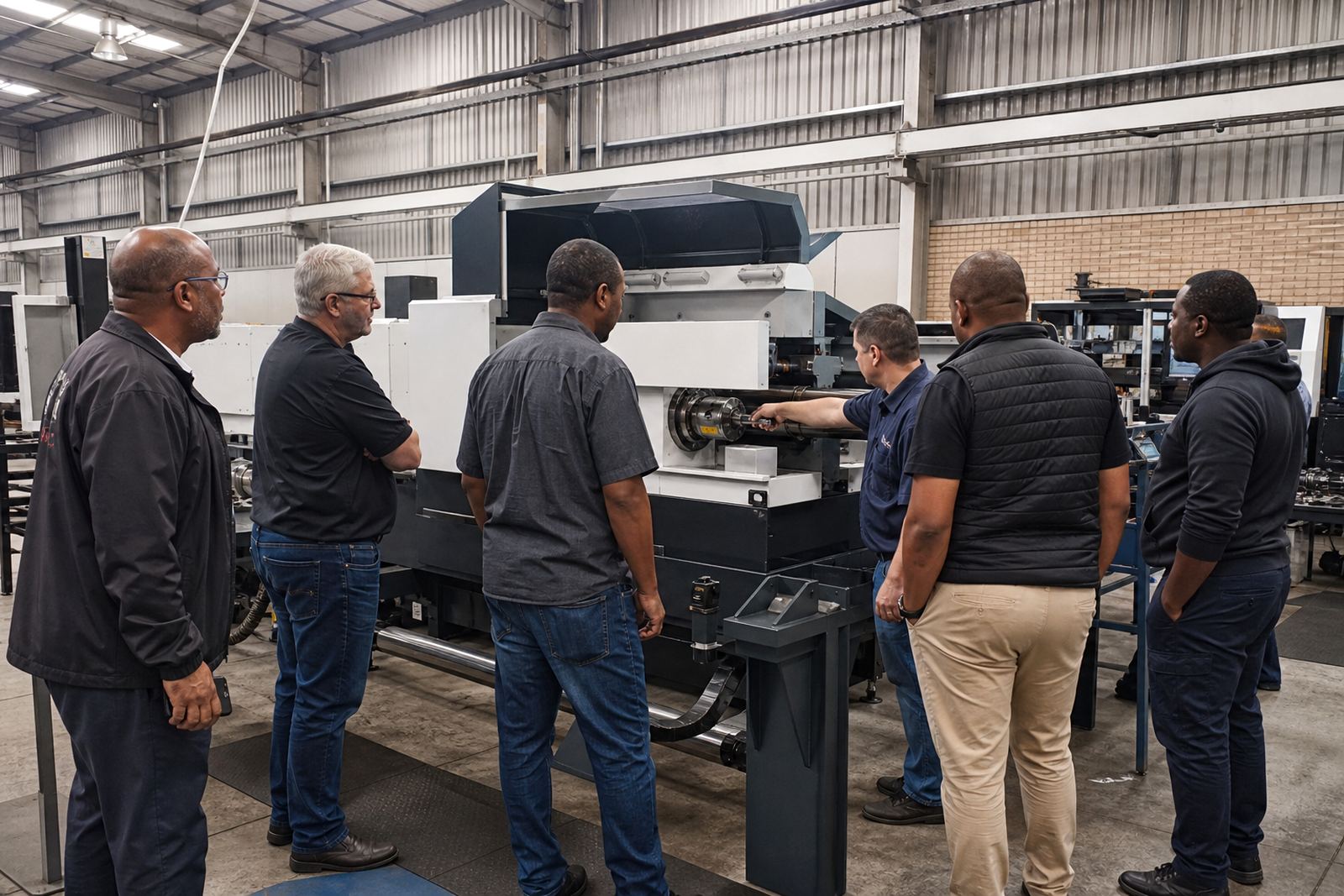
Not every reader needs the same level of detail. A sales engineer may want a short overview of setup considerations, while a machine technician may need a deeper look at alignment or commissioning. A workshop supervisor may want a practical checklist that the team can follow on shift. The journal is structured so you can move between those needs without wasting time.
When in doubt, choose the article that matches the stage of the job. New installation, first production run, routine maintenance or fault finding all call for different advice, and that is exactly how the content is organised.
Stay Close to Real Work
Deephole has supported manufacturers and engineering shops since 2008, so the journal reflects what customers ask for most often: clear setup advice, steady process control and support that keeps machines working. If you need direct help, use the enquiry form on our contact page and our team will route it to the right person.
From tooling support to training, the point is always the same: keep the process stable, keep the machine productive and keep the workshop moving forward. A well planned bore is easier to hold than to fix later.