

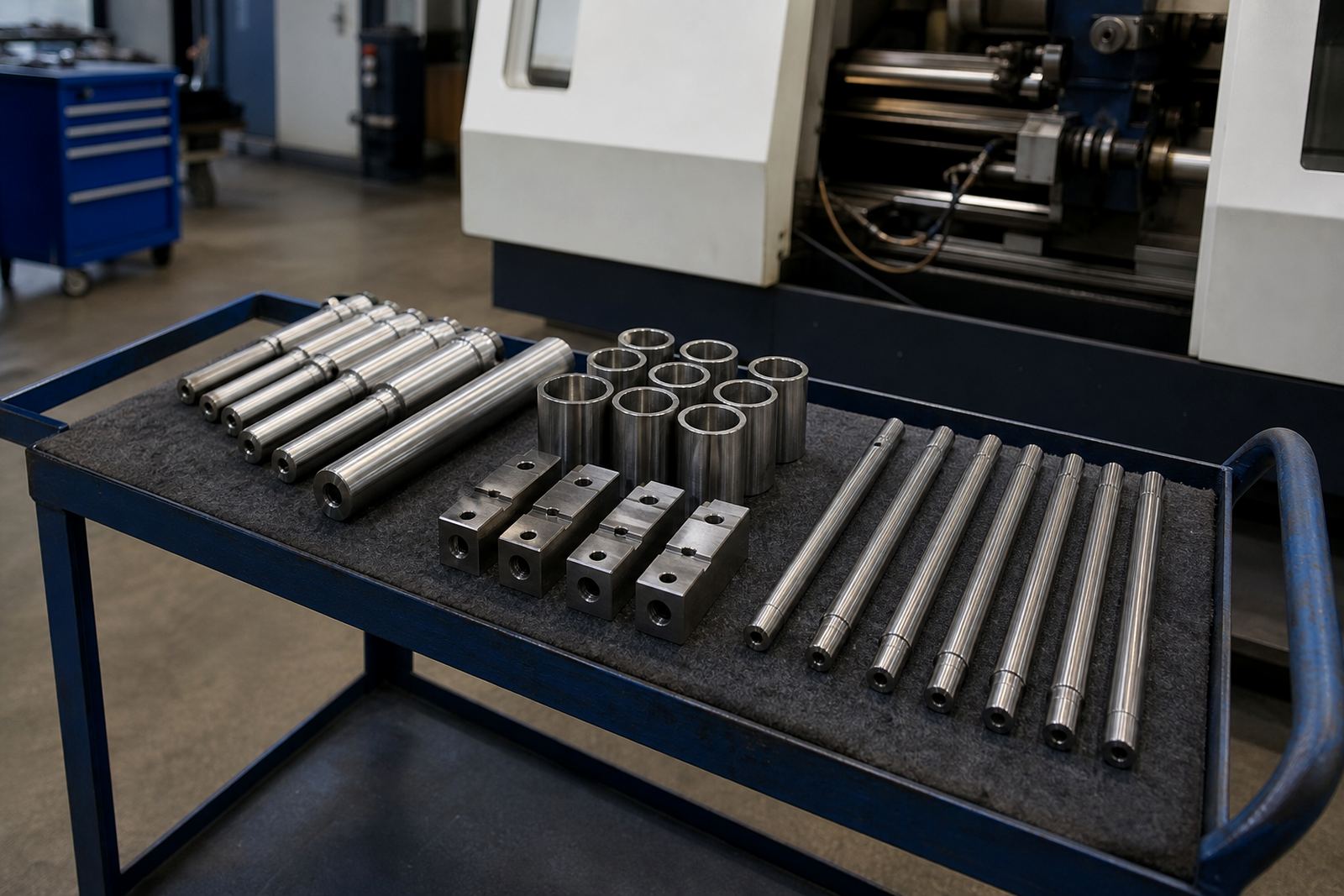
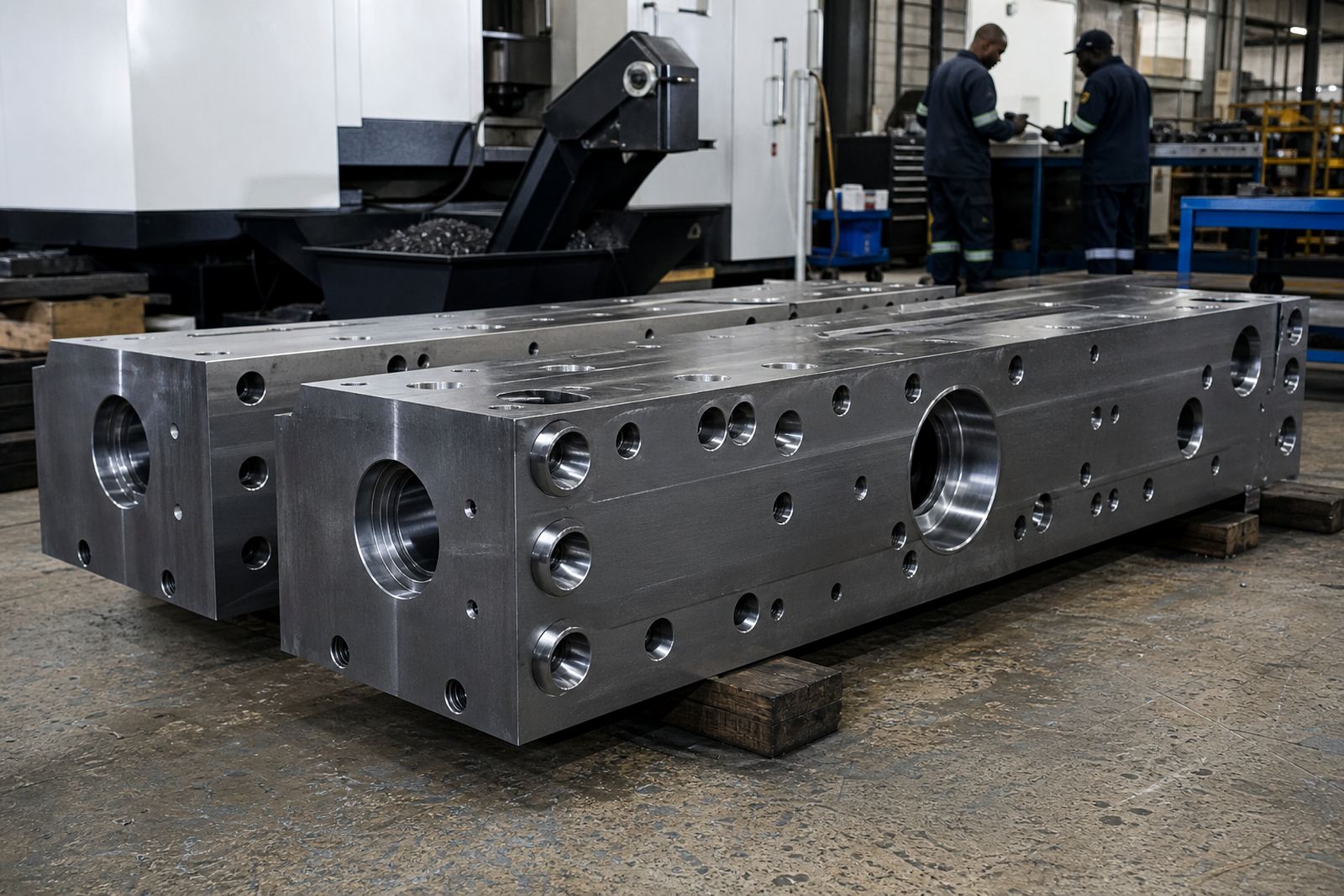
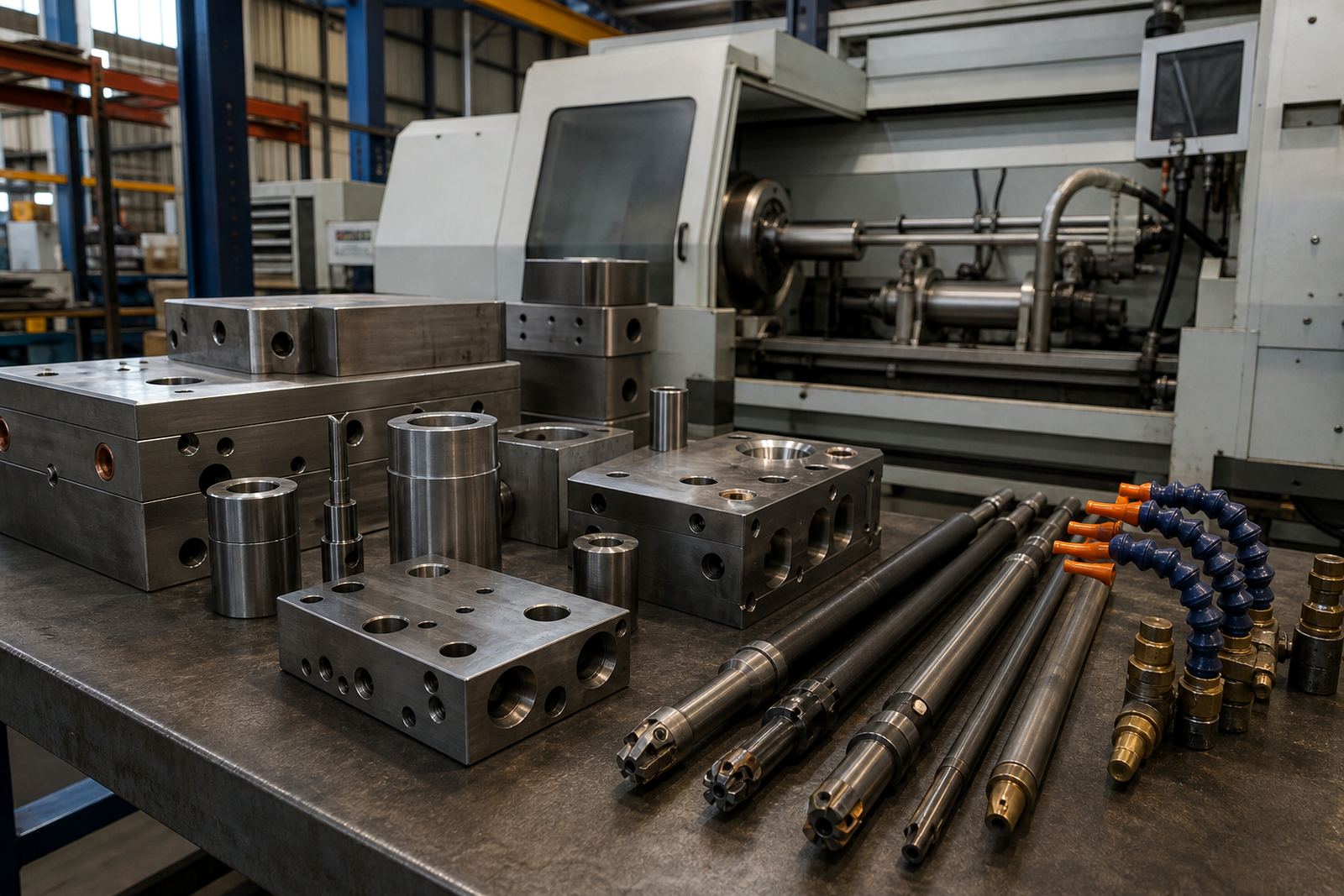
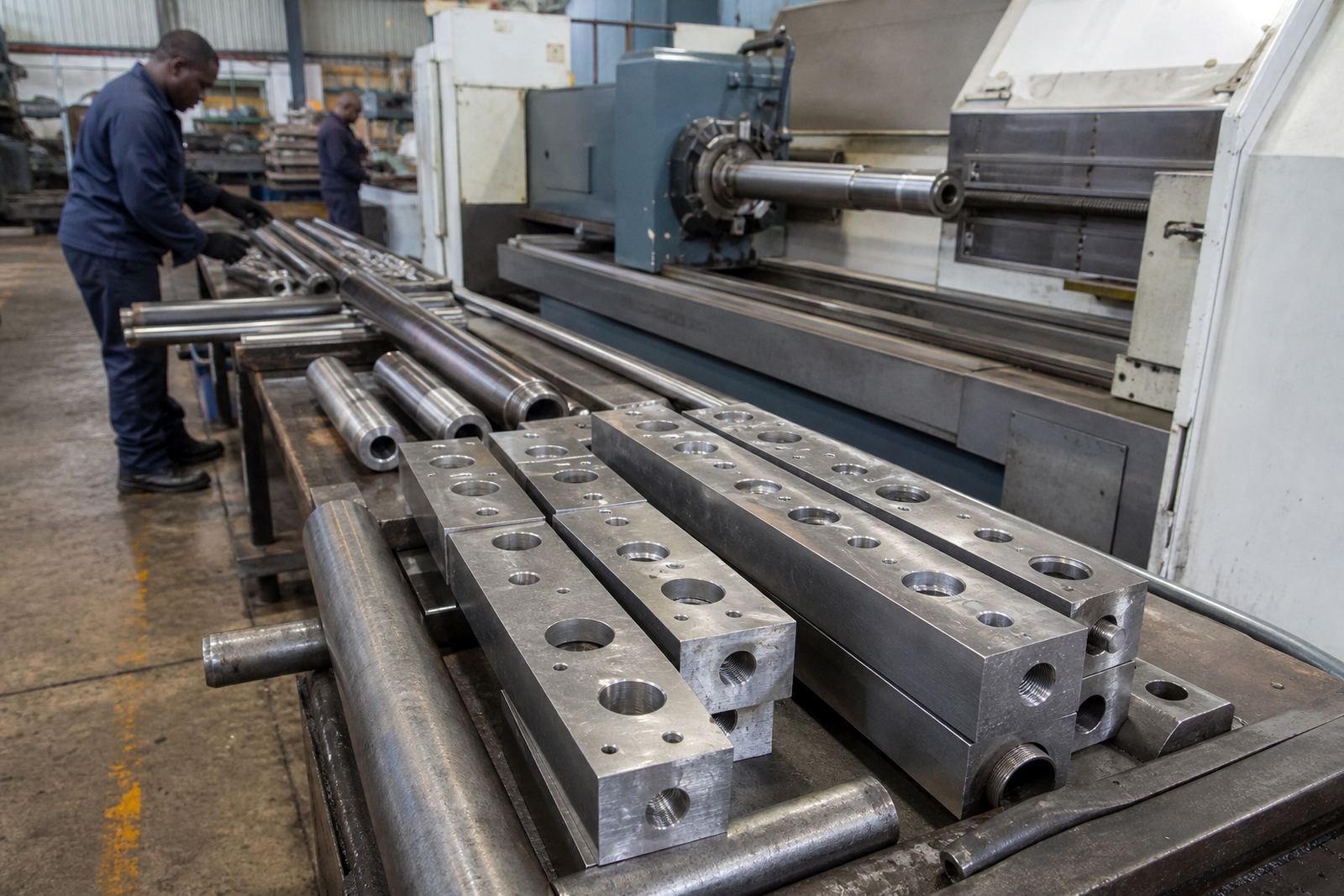
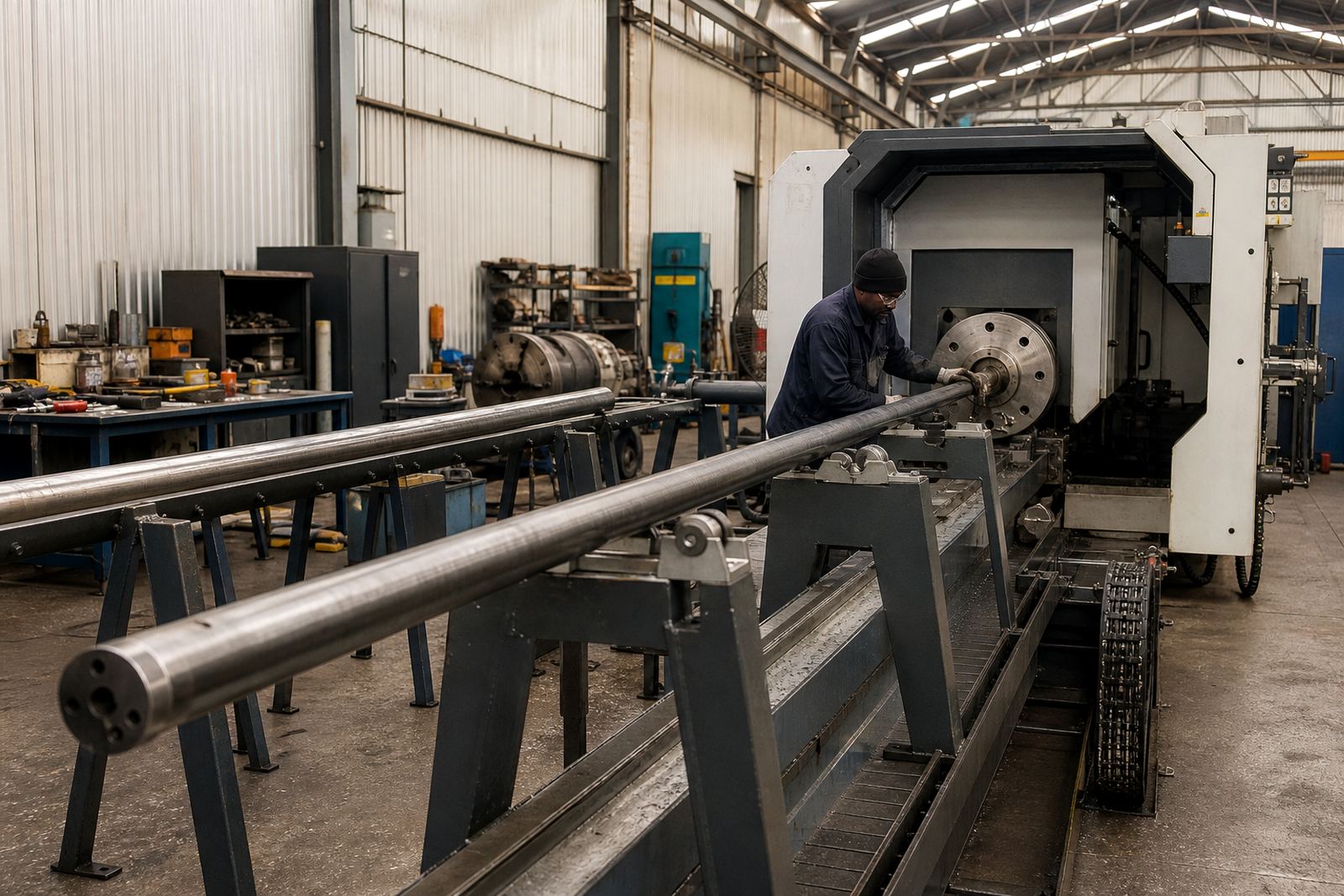
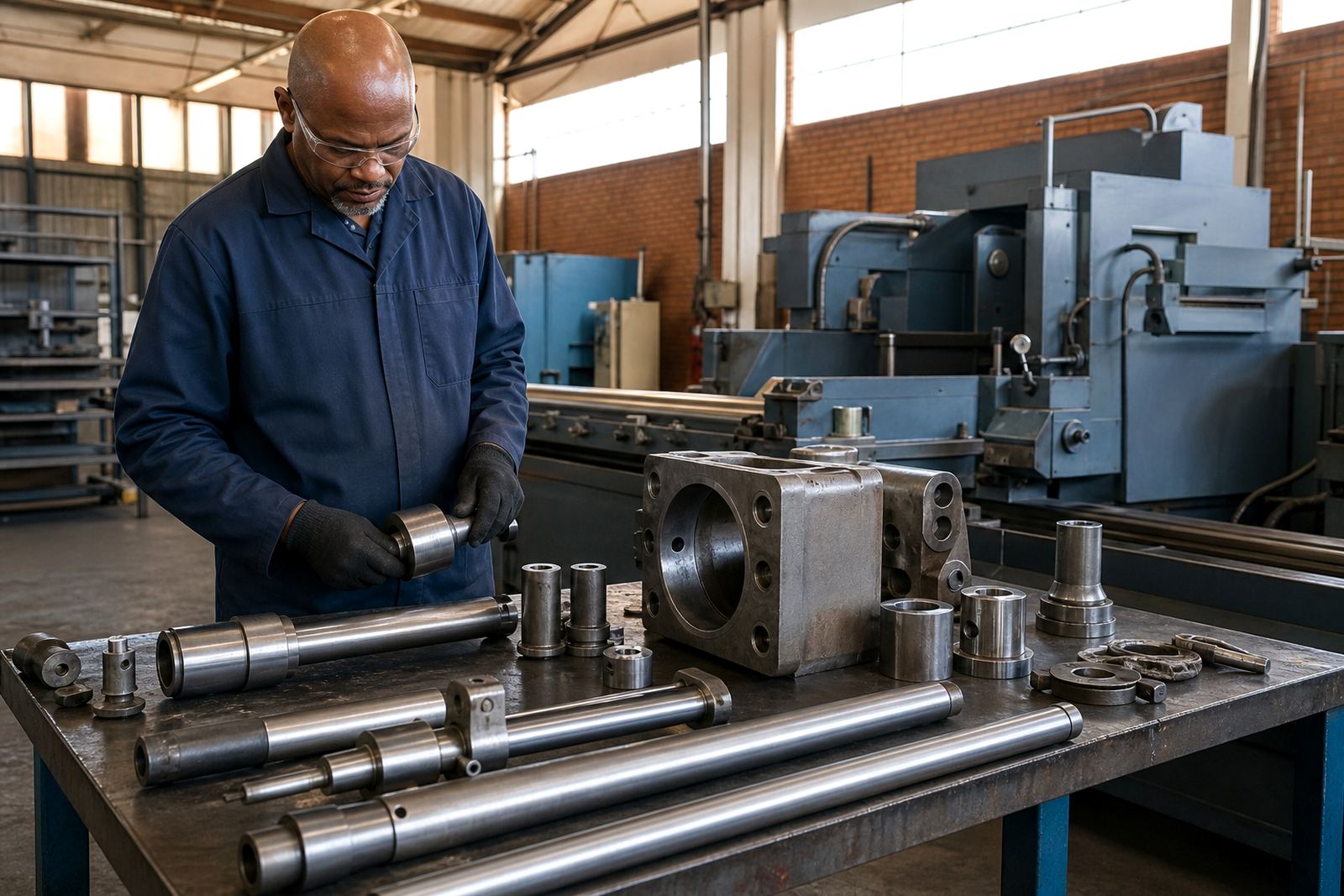
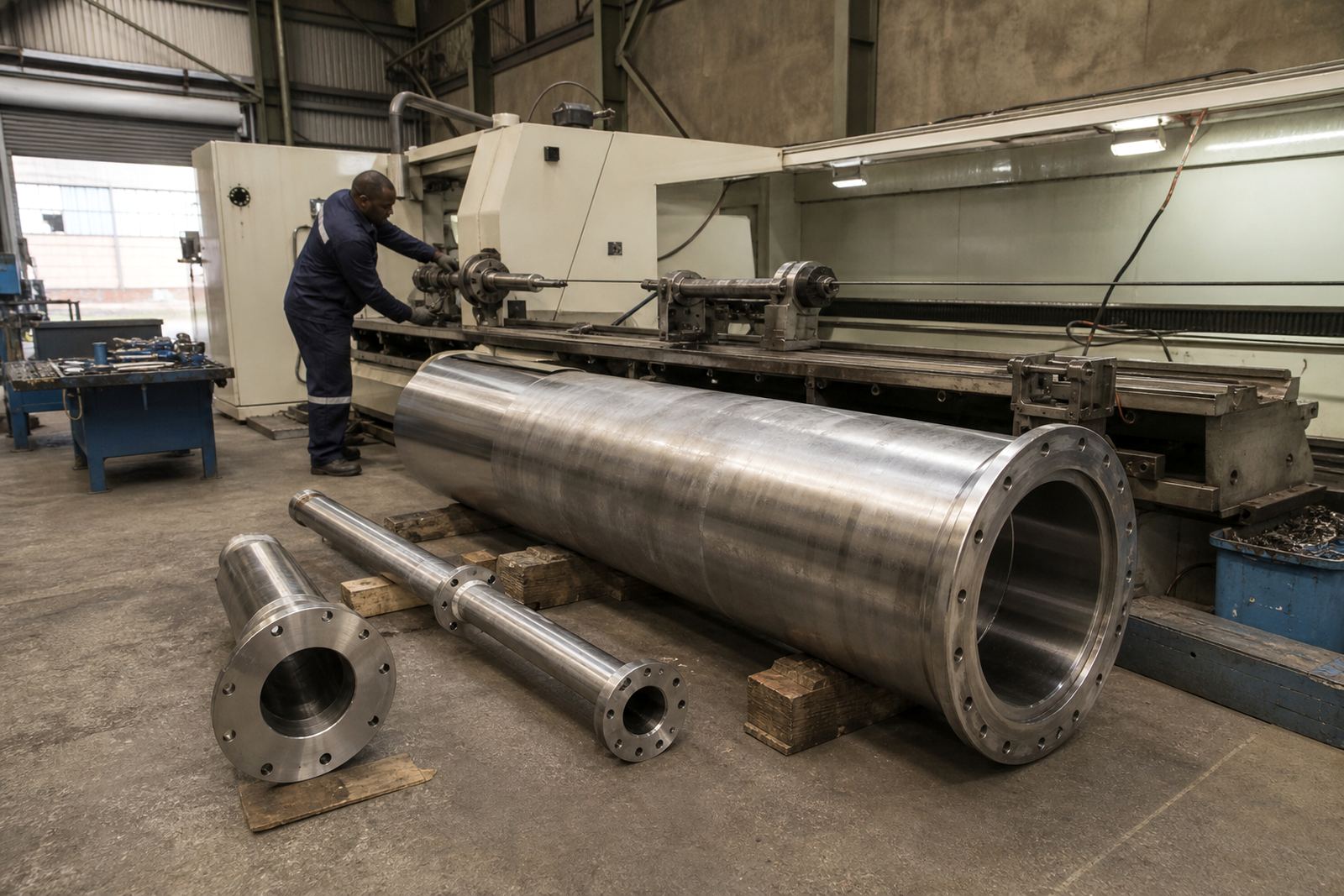
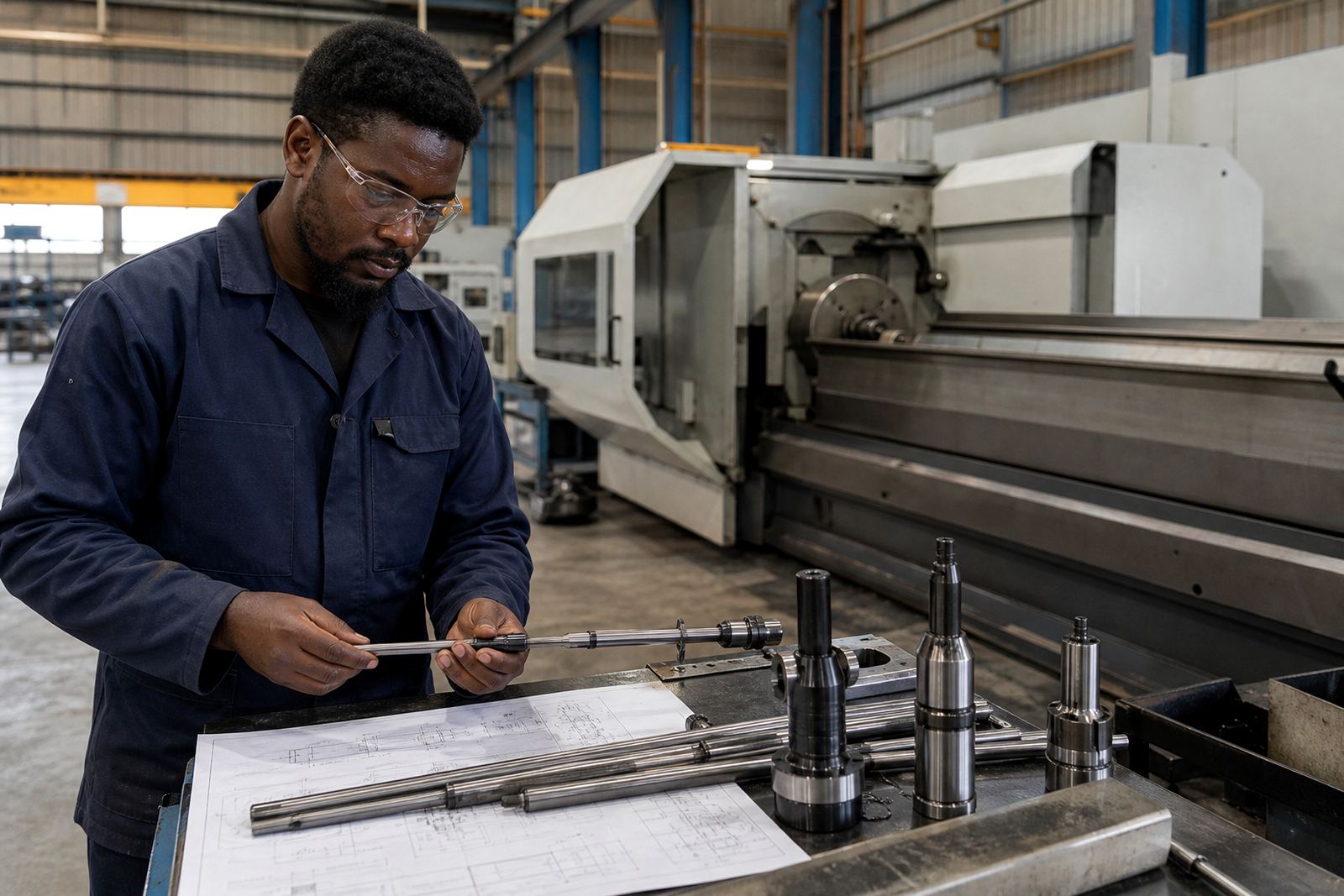
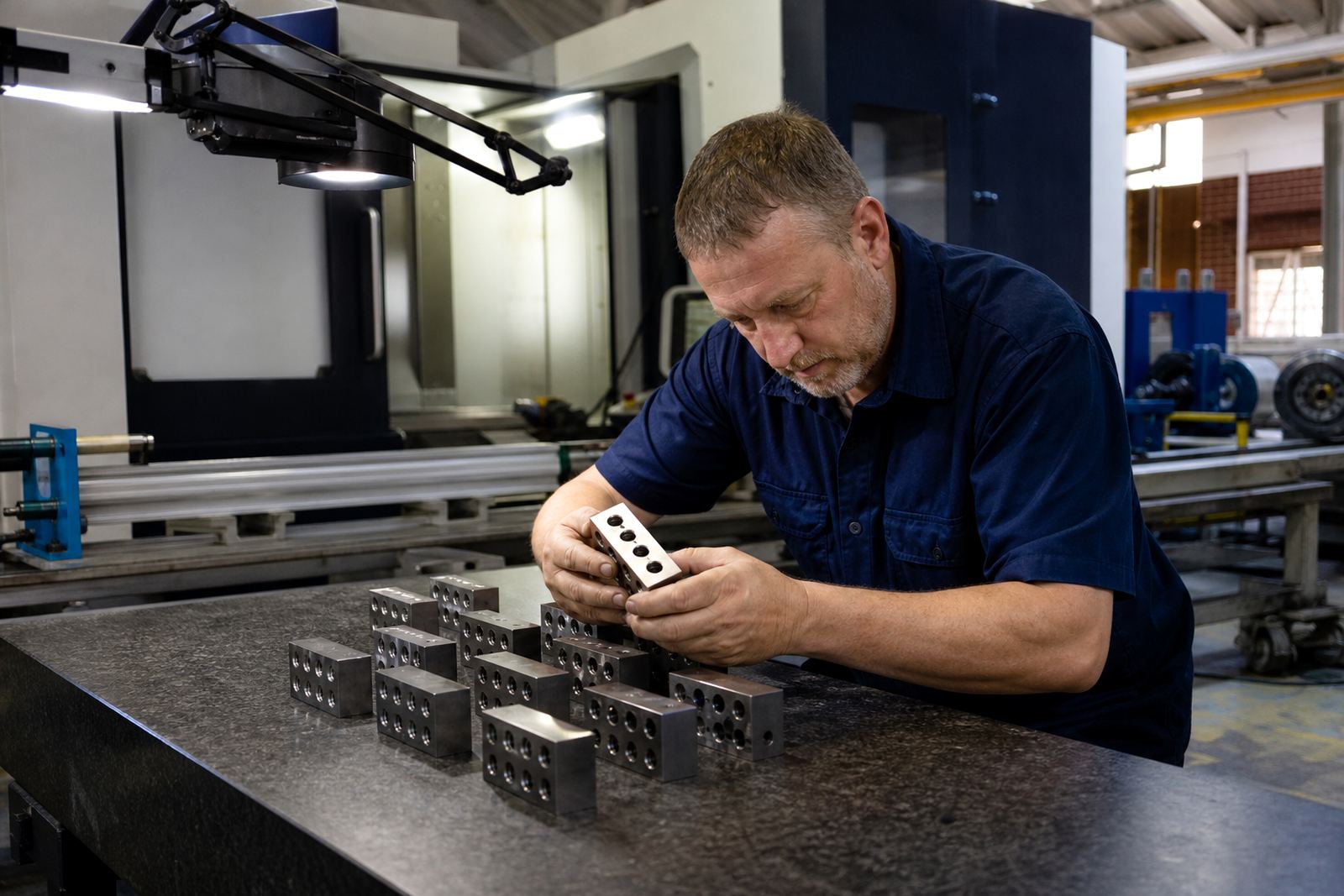
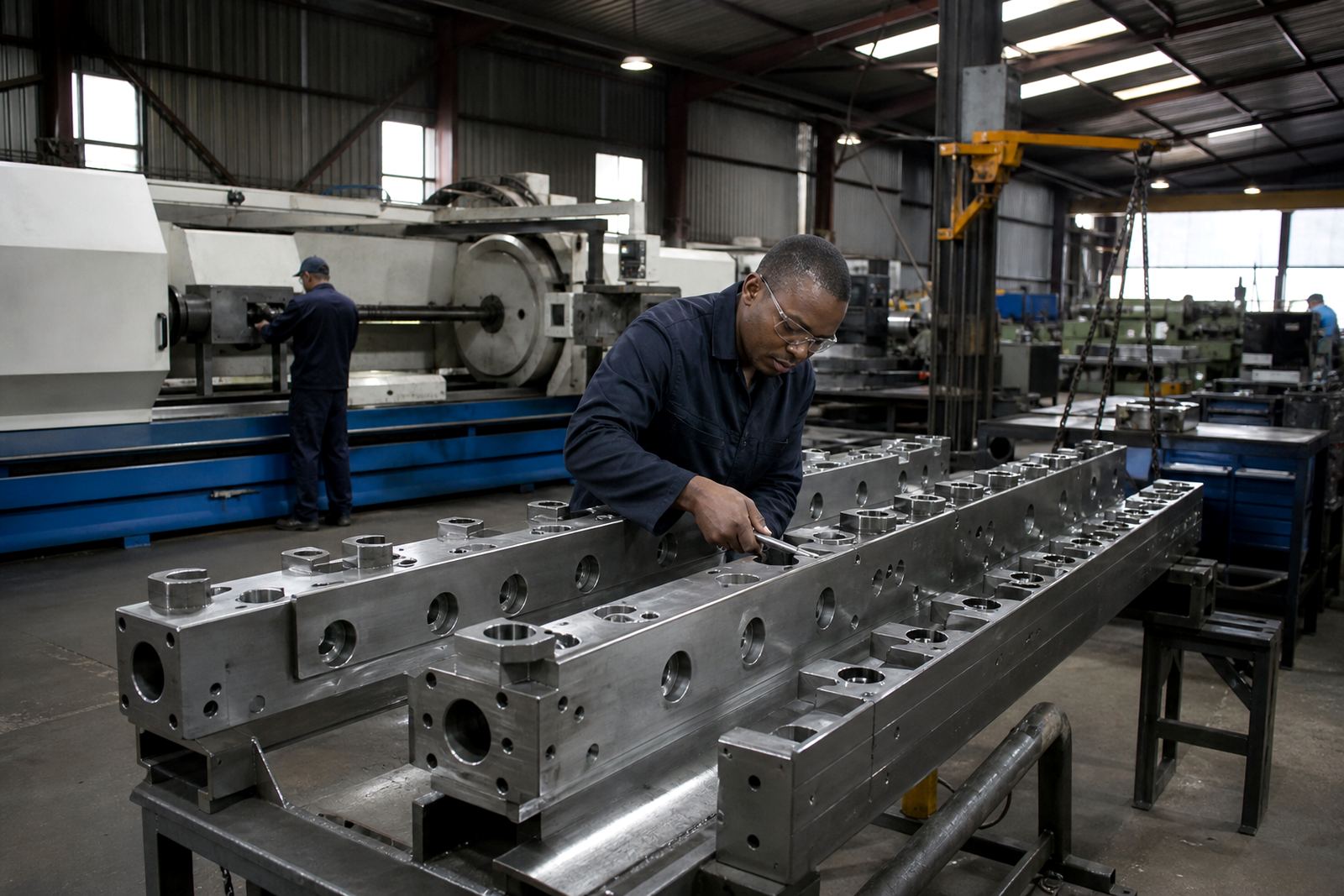
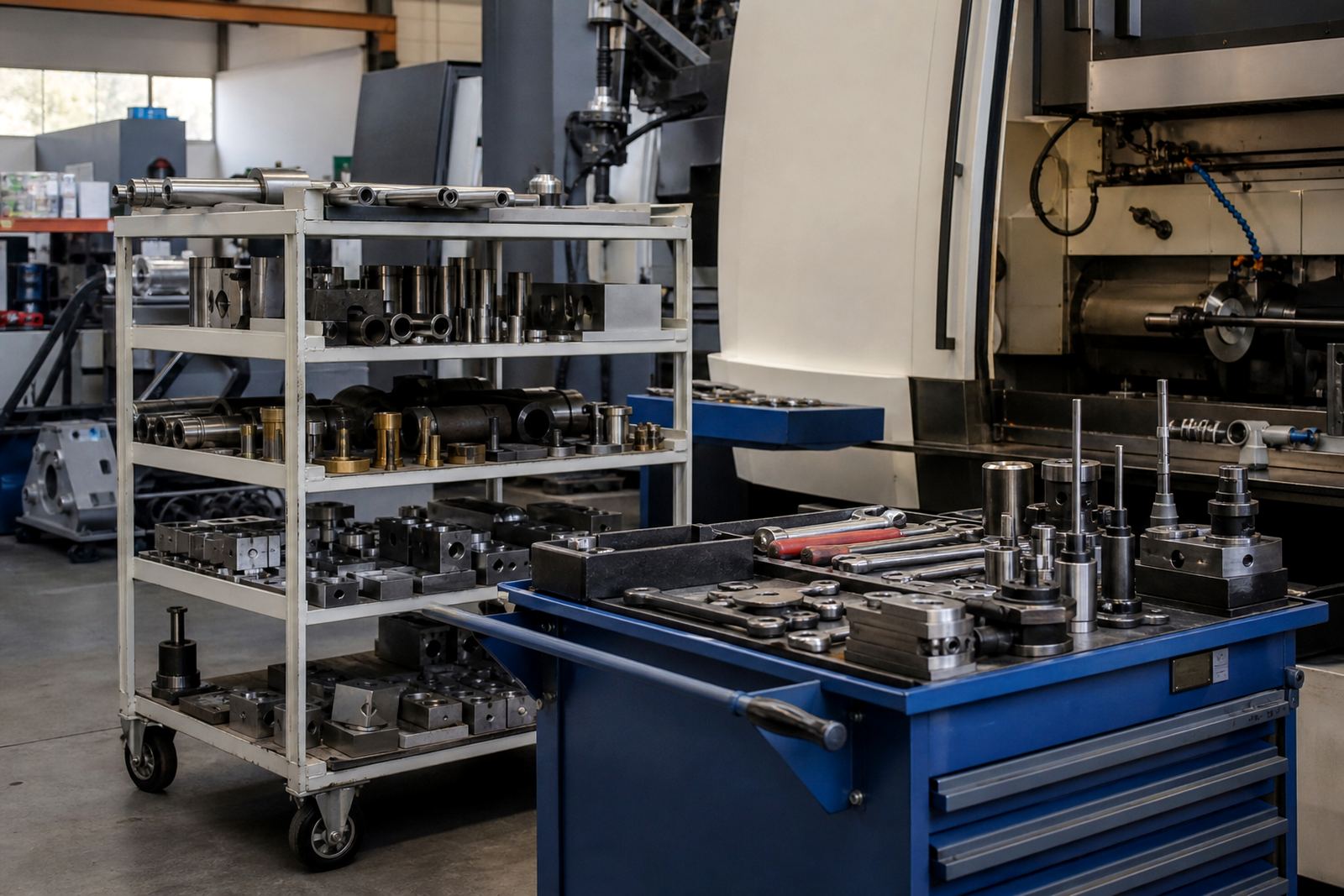
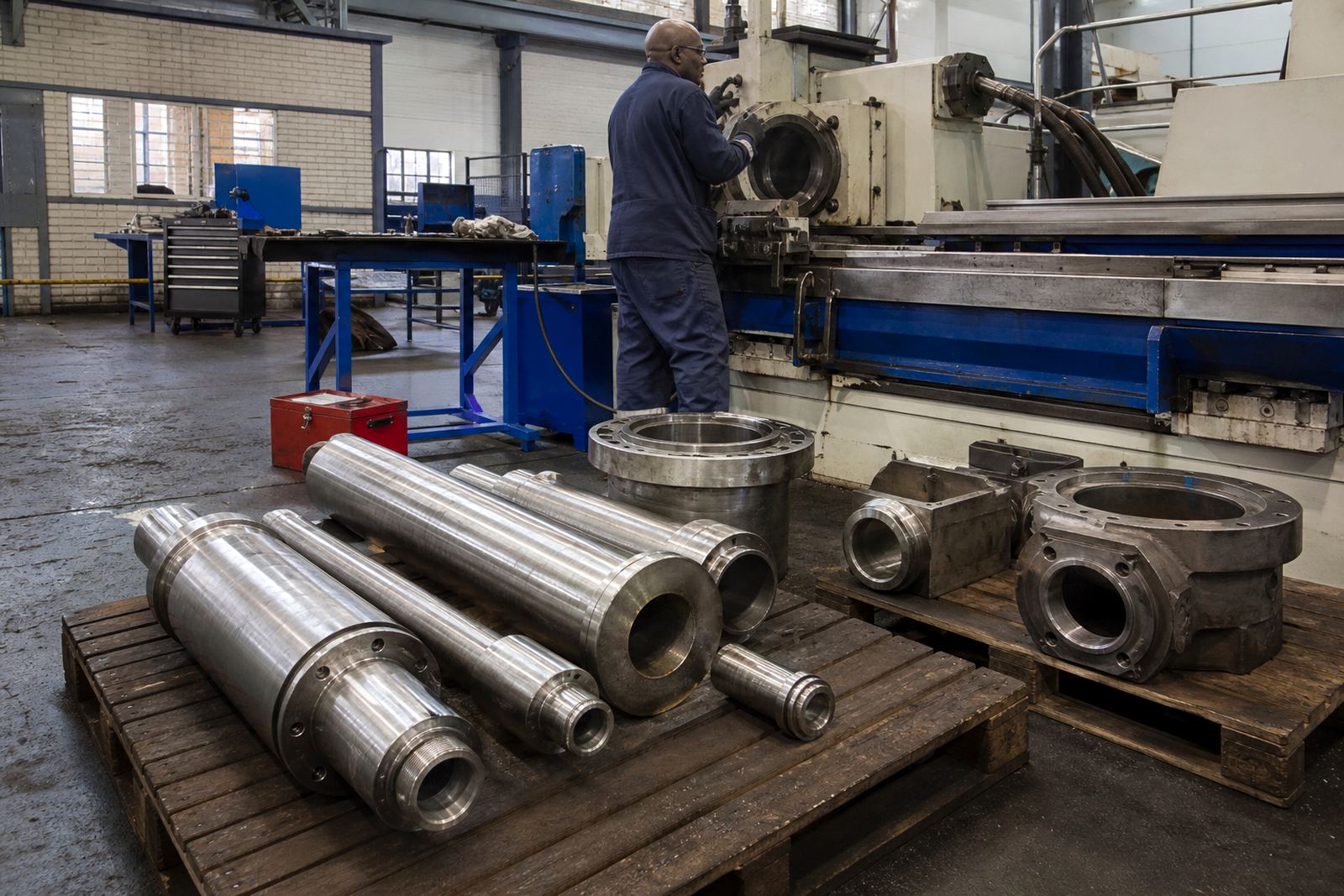
What These Drilling Projects Cover
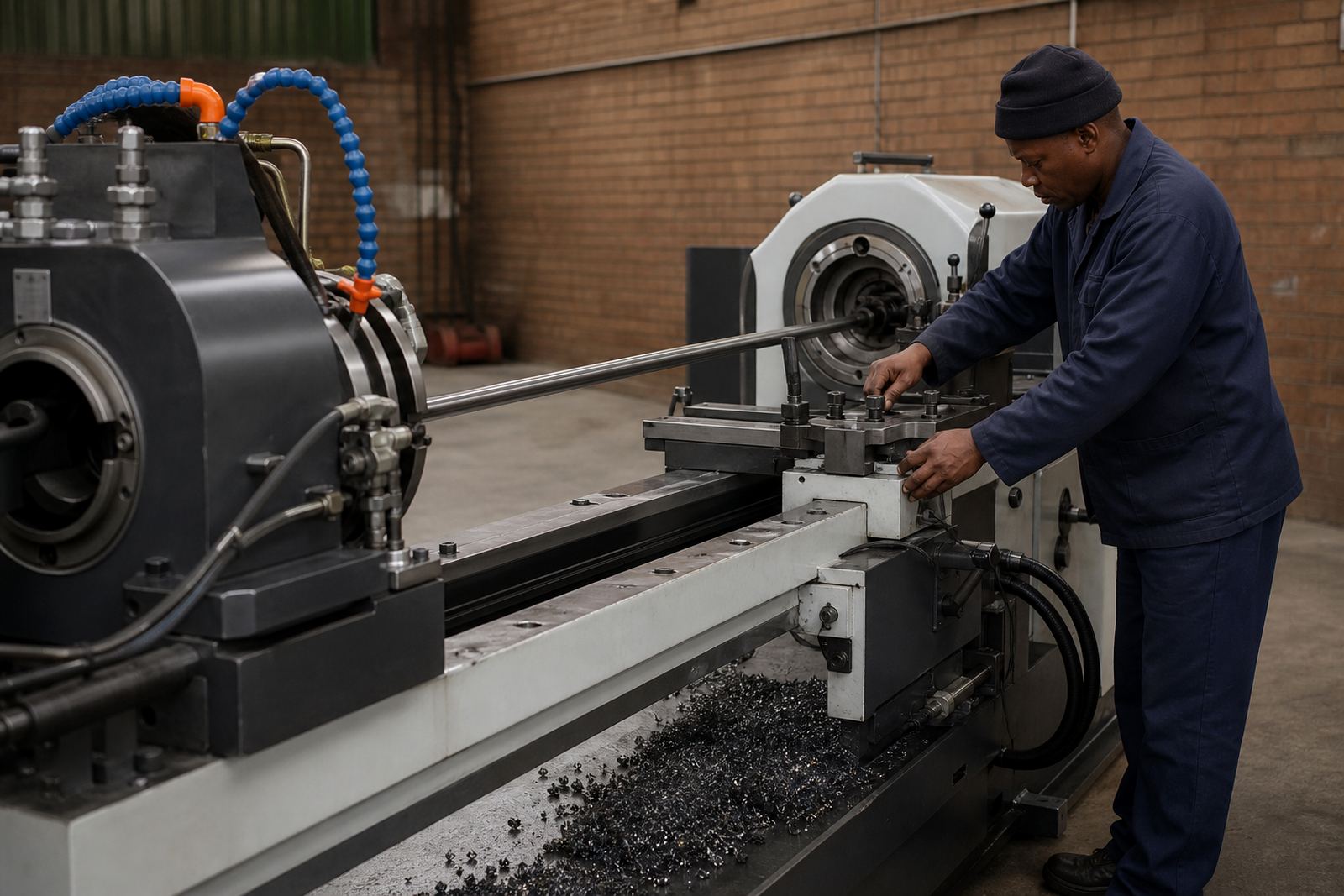
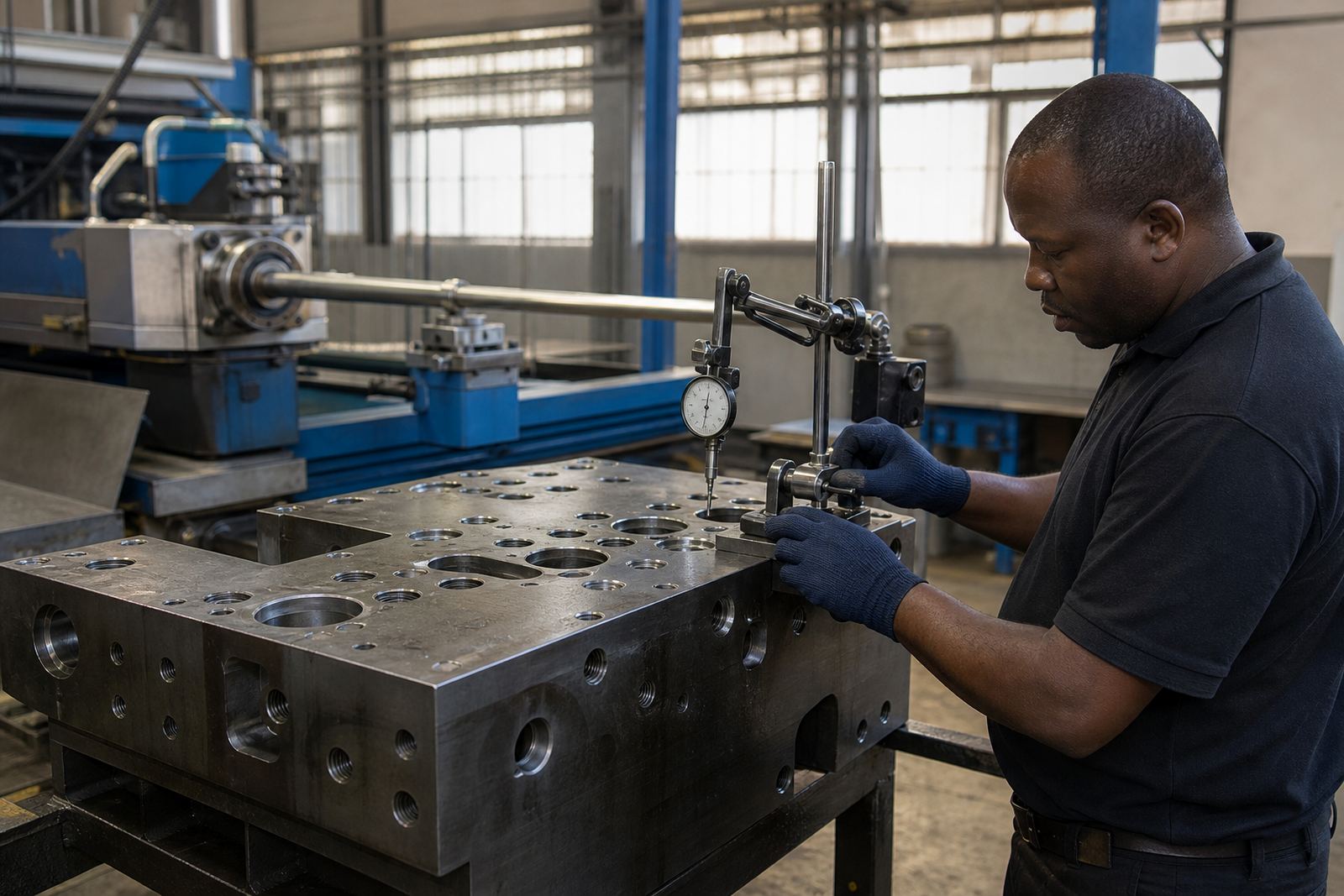
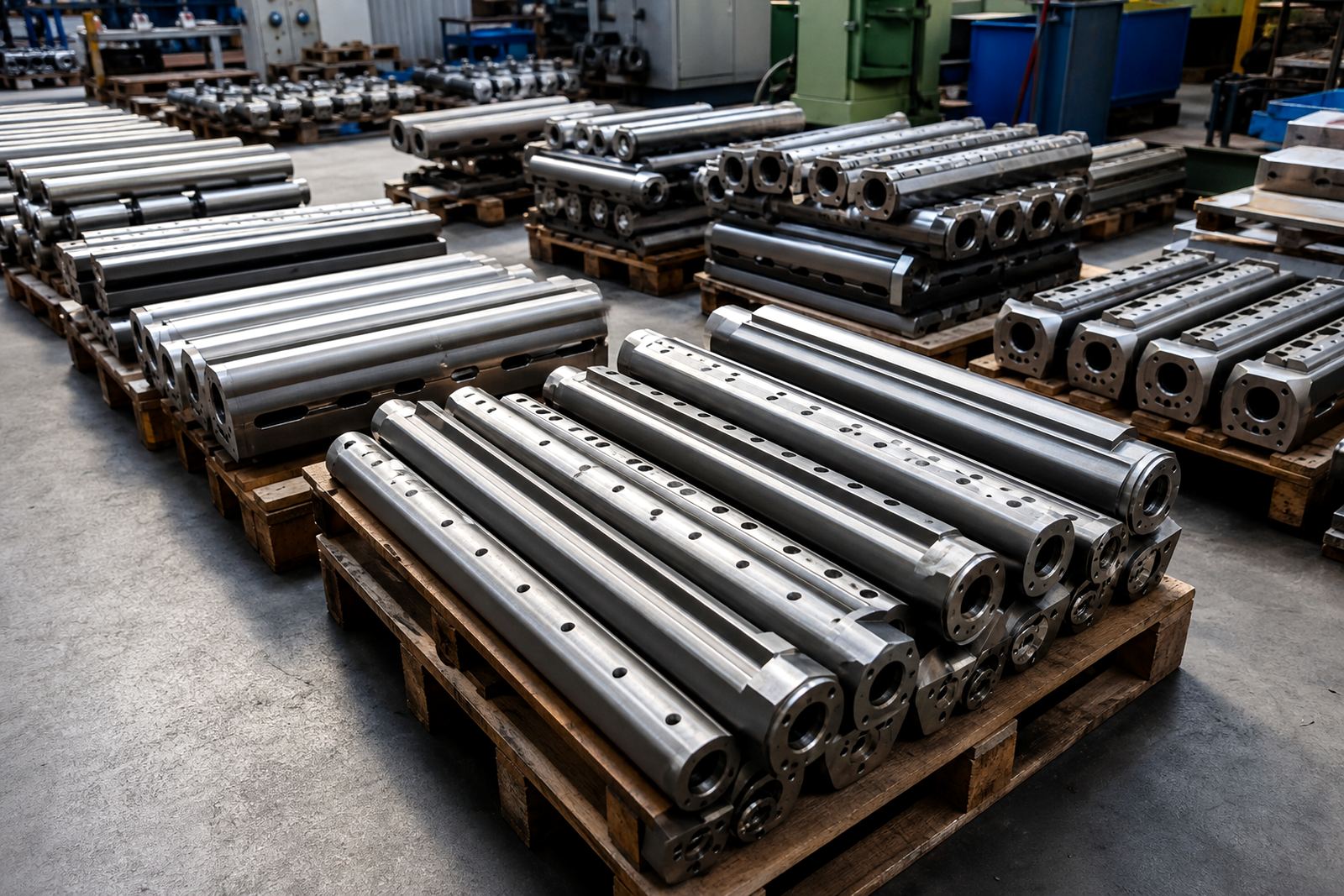
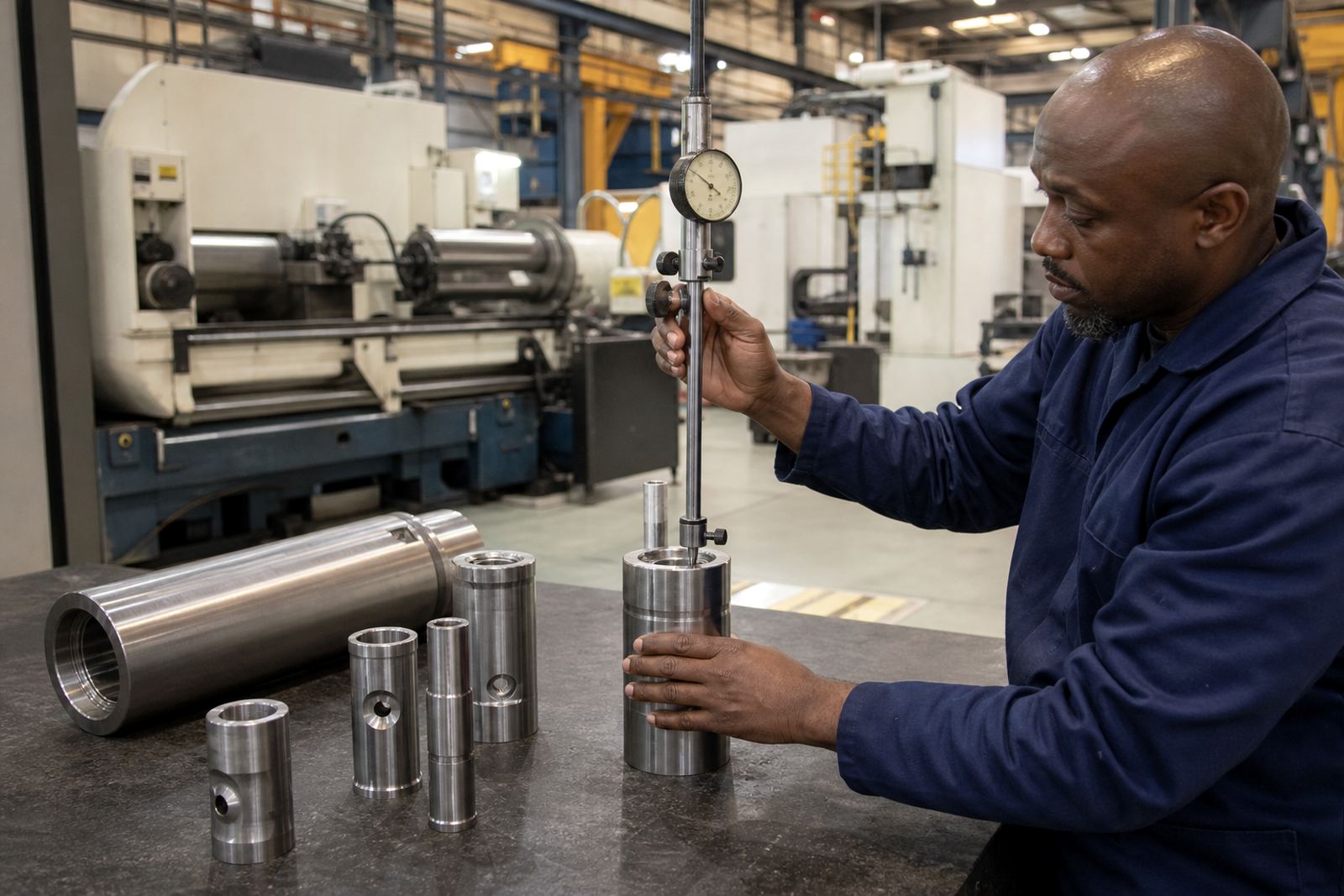
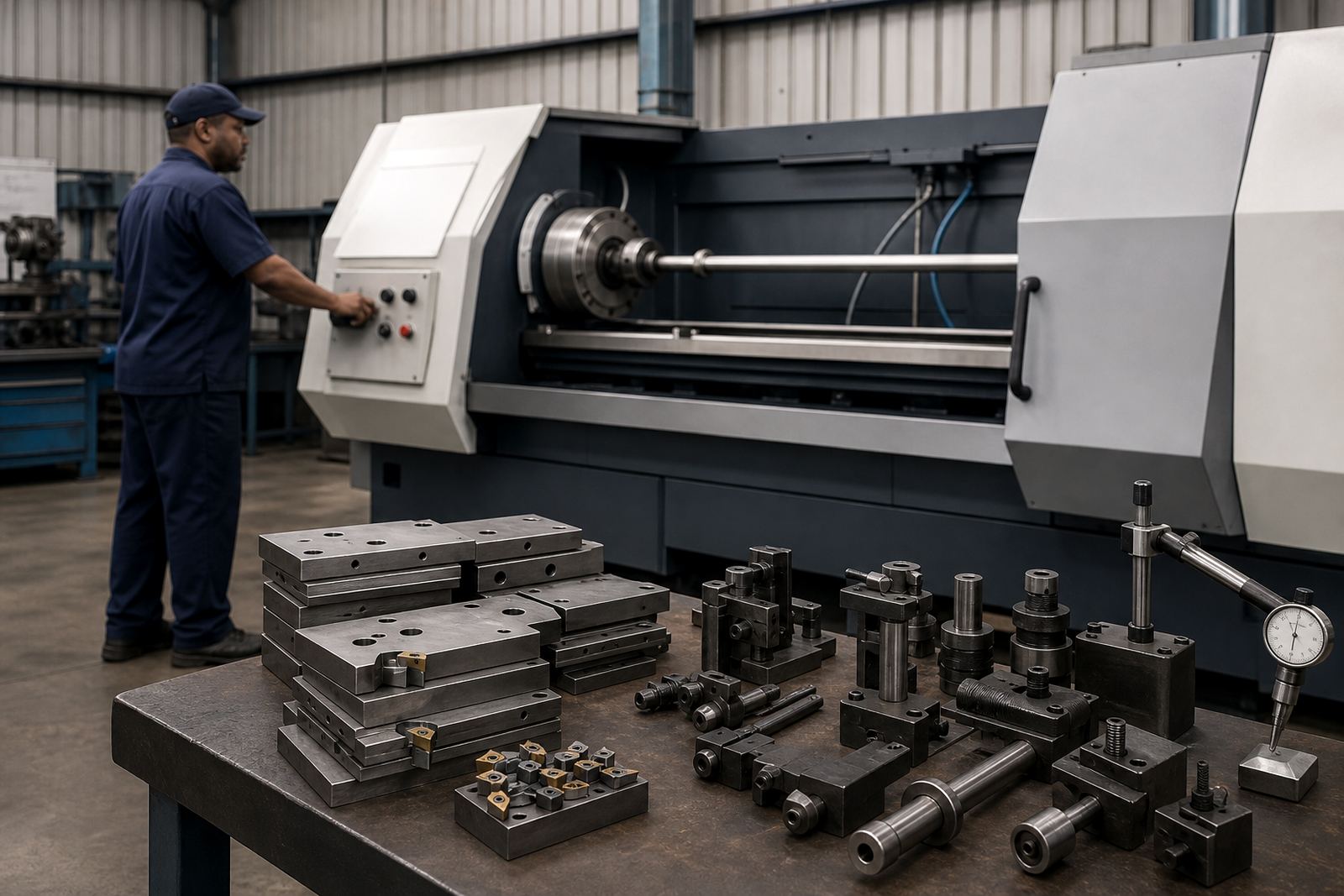
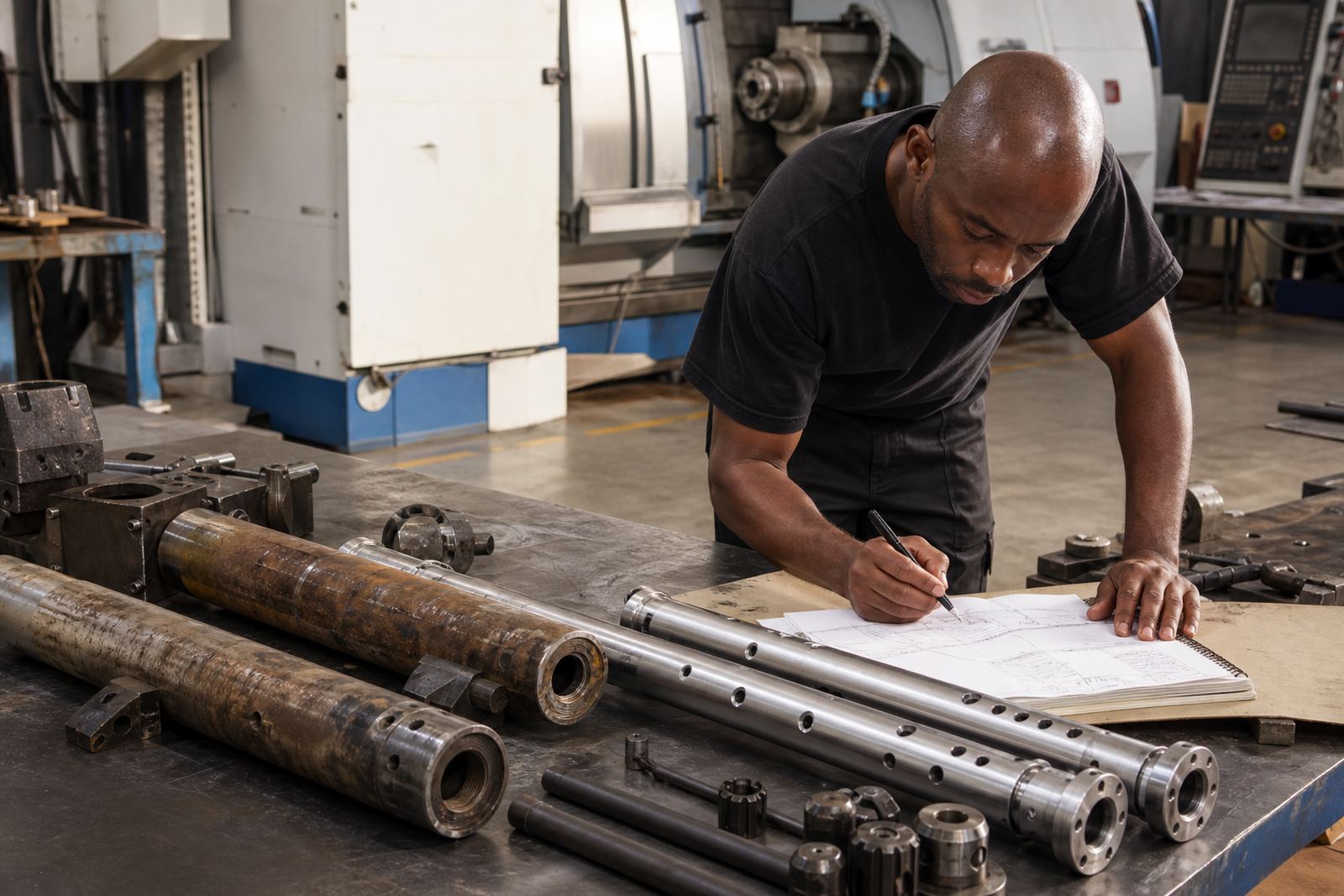
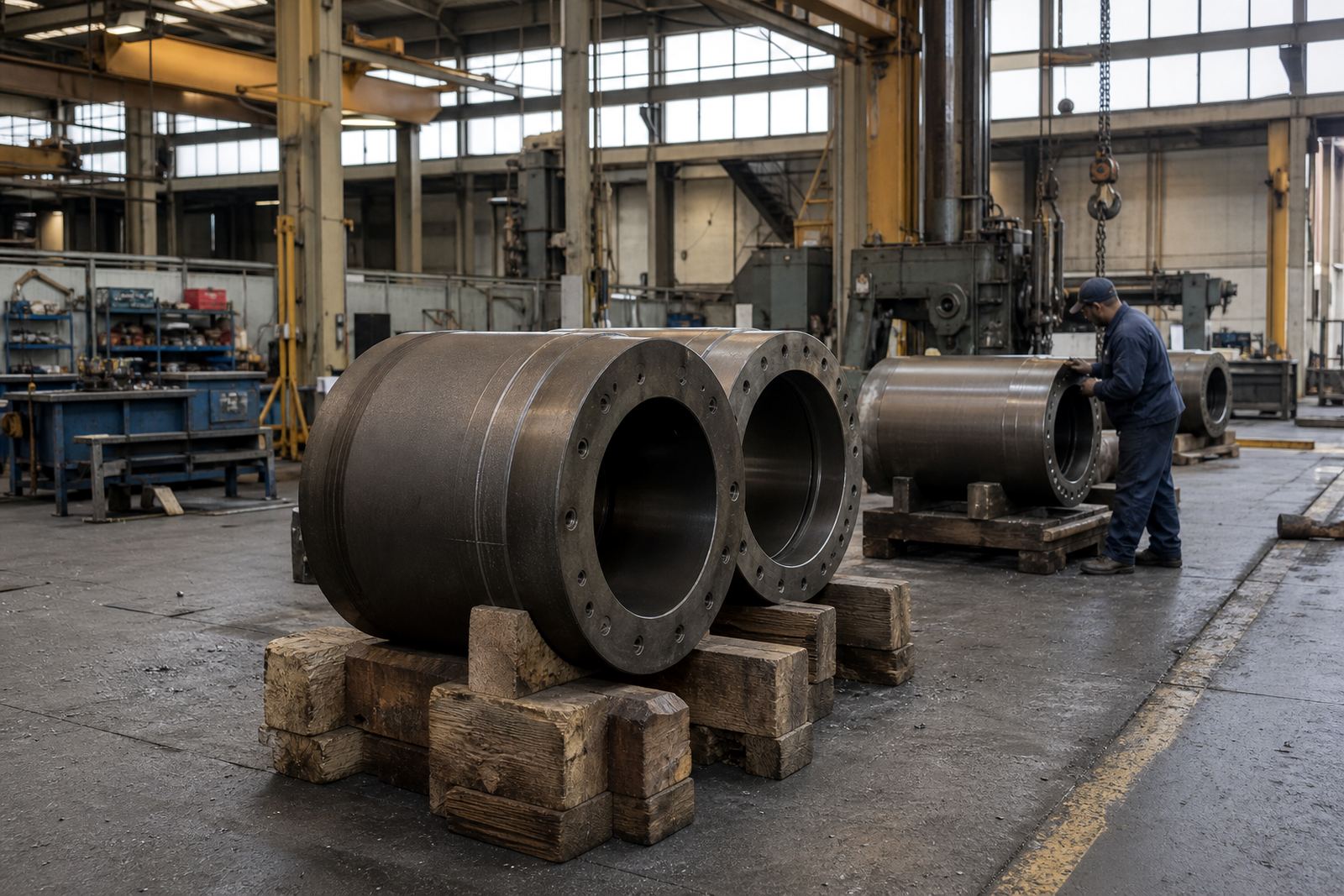
These project pages show the practical side of gun-drilling and deep-hole boring work, from first setup through to stable production. They are grouped by place and client type so manufacturers and engineering shops can see how different jobs are approached without having to sift through unrelated details.
Some work calls for careful hole straightness over long lengths. Other jobs need better chip control, improved coolant flow or a tighter start point before production can begin. The aim is to show the sort of process questions Deephole helps solve, whether the work is in Benoni, Johannesburg, Pretoria, Durban, Cape Town or Gqeberha.
How To Use The Project Listings
If you are comparing project pages, start with the material, hole depth, tolerance demands and the environment the machine will run in. Coastal humidity in Durban or Gqeberha can affect storage, coolant condition and corrosion control, while sites in Gauteng may need planning around power interruptions and shift based production.
- Check whether the job is gun-drilling, deep-hole boring or a mix of both
- Match the project to your part size, batch volume and finish requirements
- Look for notes on setup, alignment and tooling selection
- Use the page to see what support was needed before production could start
Typical Challenges On Deep-Hole Jobs
Deep-hole work is rarely only about making a hole. It is often about controlling heat, keeping the tool stable and making sure coolant reaches the cutting zone properly. Even a small issue with alignment or tooling can affect the result, so the supporting work matters just as much as the machine itself.
These project examples help show common problems such as chip build-up, tool wear, inconsistent finish and setup drift over time. In some cases, the main need is not a new machine at all but better commissioning, operator training or a proper alignment check to get the current line back into spec.
- Machine installation and commissioning
- Tooling selection and setup optimisation
- Process troubleshooting during trial runs
- Preventive maintenance and breakdown support
Support For Different Site Conditions
South African workshops work under different conditions, and the project pages reflect that reality. A production floor in Benoni may need quick response and spare parts support, while a shop in Cape Town may focus on planning around corrosion control and coastal conditions. In Pretoria or Johannesburg, the pressure may be on to keep a line moving through longer shifts and load-shedding schedules.
That is why the project pages are useful as a guide to the kind of setup and support that may be needed before the first part is cut. They show how Deephole approaches practical issues such as coolant system service, alignment checks and production startup, rather than leaving those details until after a problem appears.
Who These Projects Are For
The listings are aimed at manufacturers, engineers and production teams that need reliable deep-hole capability, not just equipment on paper. They are also useful for shops that already have a machine but need better tooling support, operator guidance or process troubleshooting to make it pay its way.
- Engineering shops taking on longer, more demanding bores
- Manufacturers setting up a new production line
- Teams needing machine installation or commissioning
- Operators looking for training and practical setup advice
- Facilities needing ongoing maintenance and breakdown support
Start With The Right Project Match
Choosing the right project page is a simple way to narrow down the kind of help you need. If the job is new, look for examples that mention startup support and tooling selection. If the machine is already in place, focus on alignment checks, coolant service or troubleshooting. That helps the enquiry go to the right place and saves time for everyone.
Deephole’s support team in Benoni, with coverage across Gauteng and major centres nationwide, works with a practical view of what gets a deep-hole job running properly. The right match usually comes down to process, not guesswork, and a clear project example can point the way.