

Where Deep-Hole Work Fits in South African Production
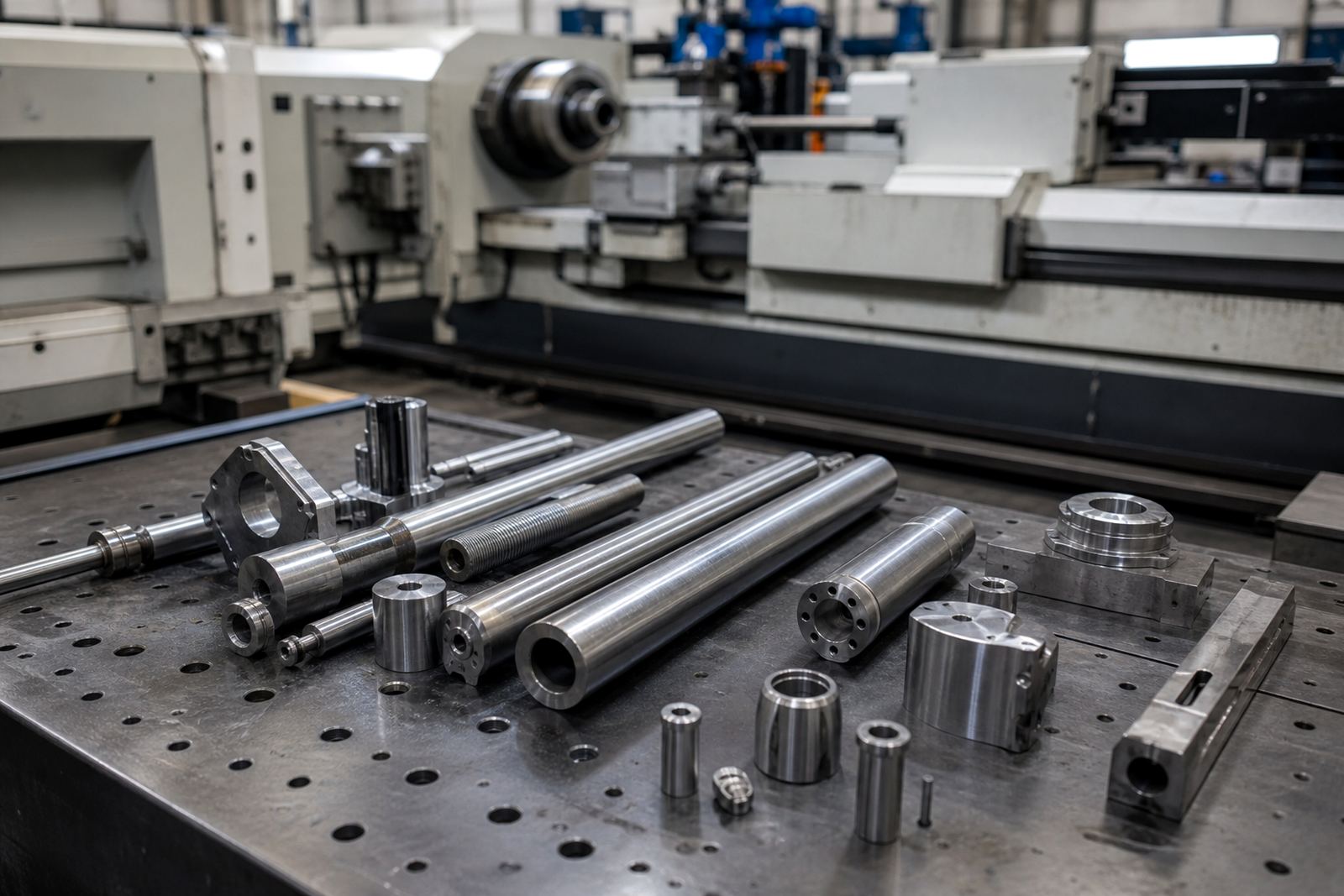
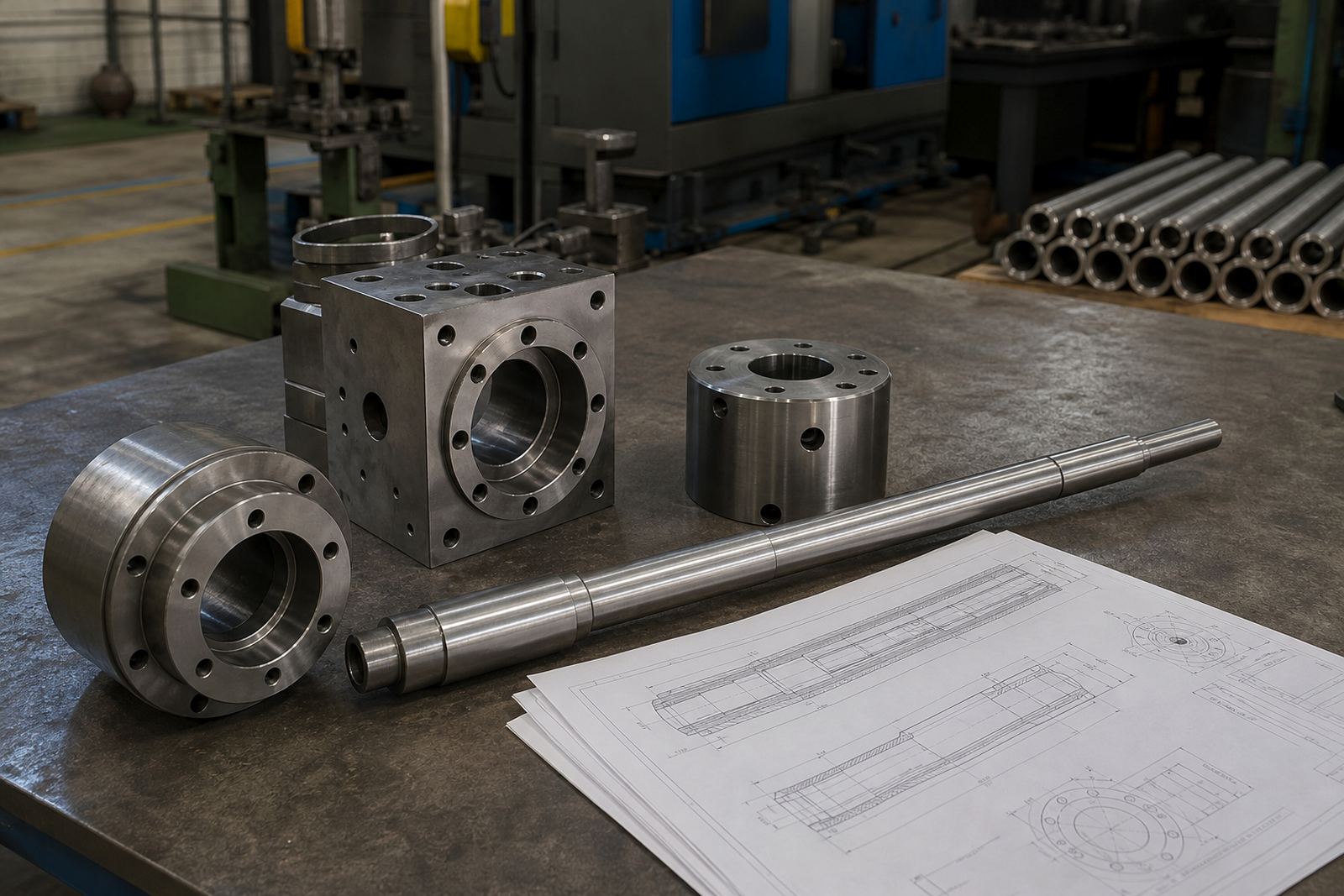
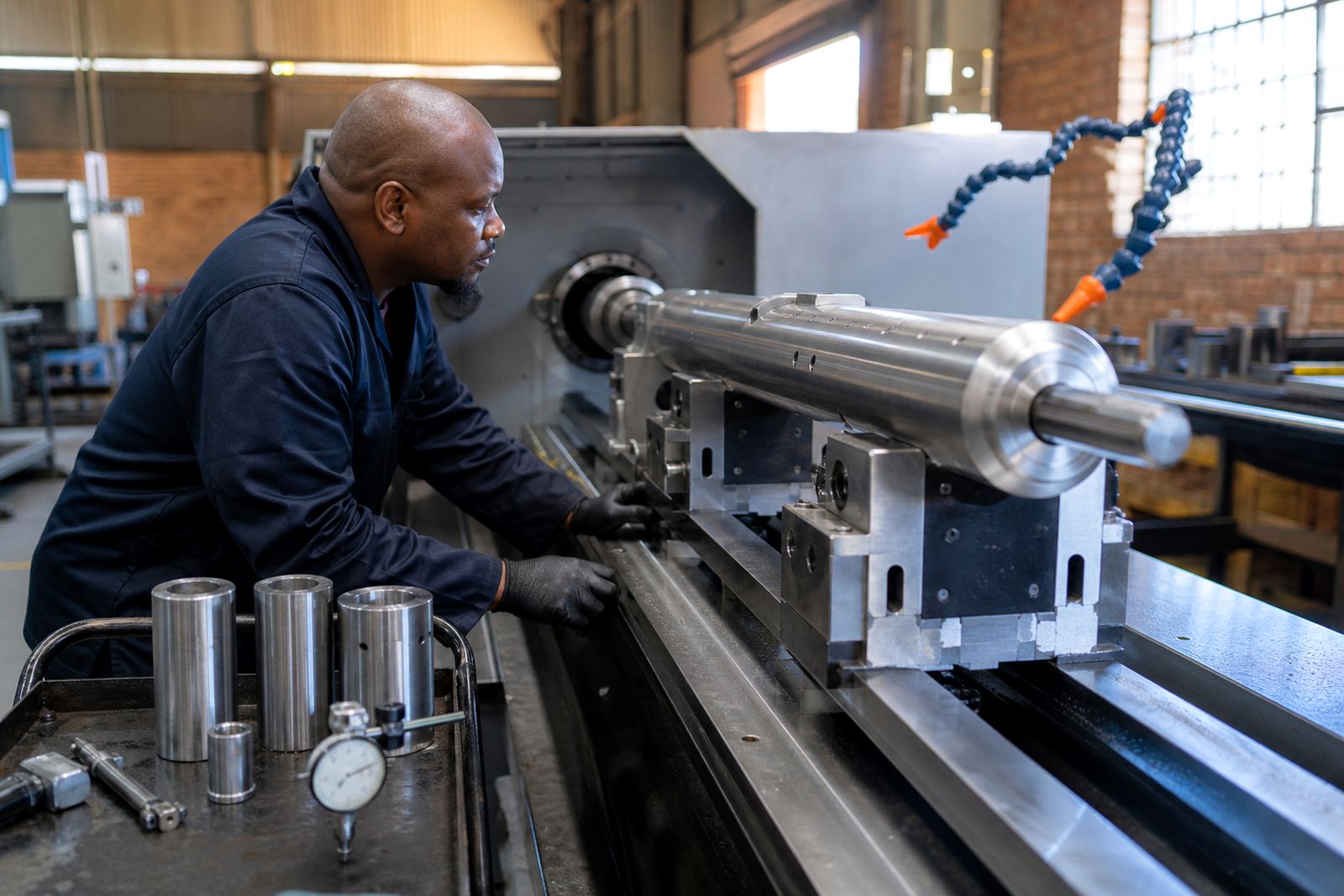
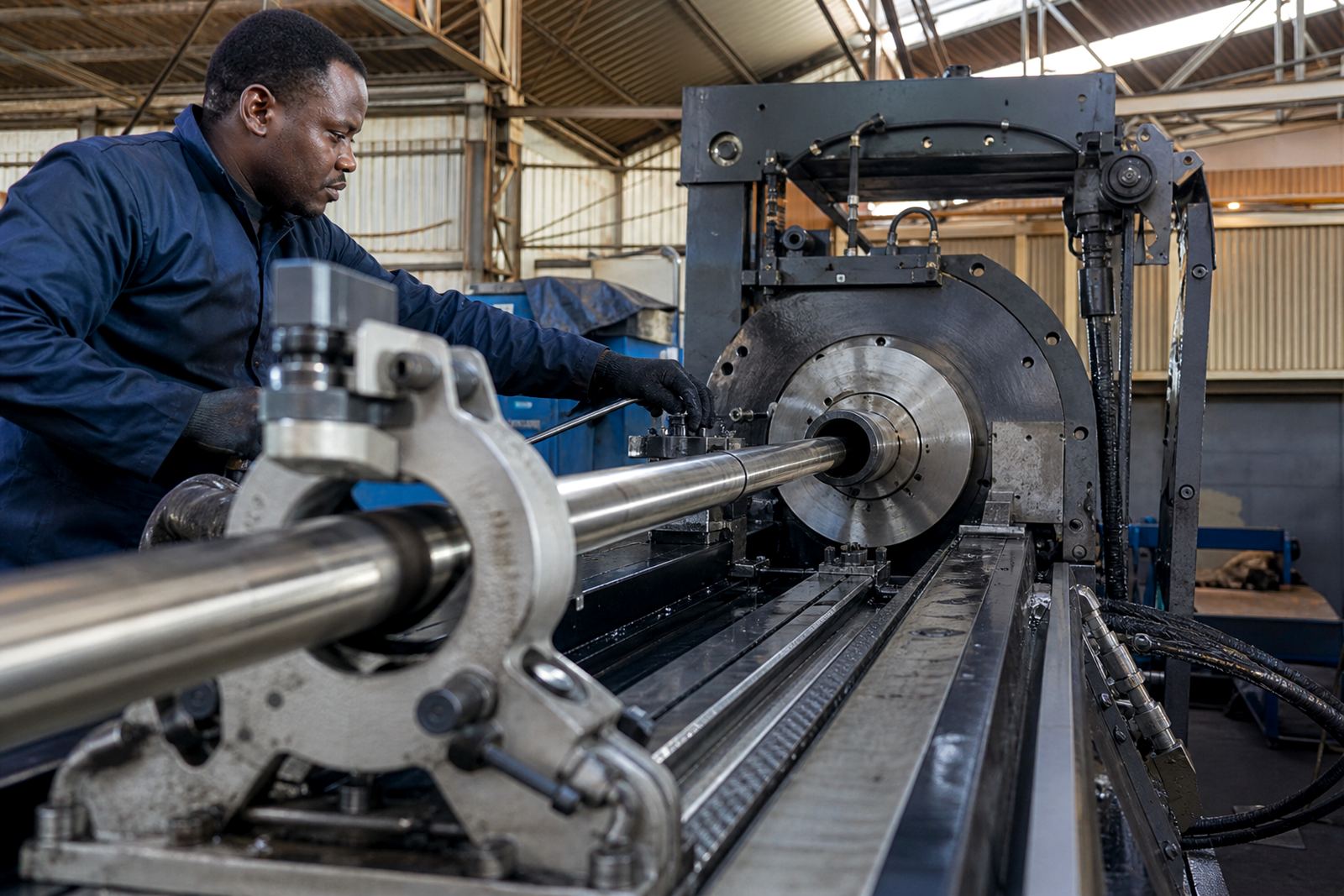
Deep-hole applications come up wherever a part needs a straight, accurate bore over a long depth, or where the finish and repeatability matter from one job to the next. In Gauteng, along the coast, and in inland plants with mixed shifts, the challenge is usually not only the drilling itself but keeping the process stable on varying materials and batch sizes. That is where gun-drilling and deep-hole boring machines earn their keep.
Deephole focuses on the practical side of these jobs: matching the machine to the work, then getting the tooling, setup and operator approach right. That may mean a new production line in Johannesburg, a maintenance workshop in Durban, or a specialist fabricator in Cape Town needing better control on long bores and tighter process consistency.
Common Deep-Hole Applications We See
Different industries use deep-hole processes for different reasons, but the core need is usually the same: accuracy, repeatability and a bore that performs as expected in service. Our support centres on the machine and tooling choices that help you reach that result without overcomplicating the process.
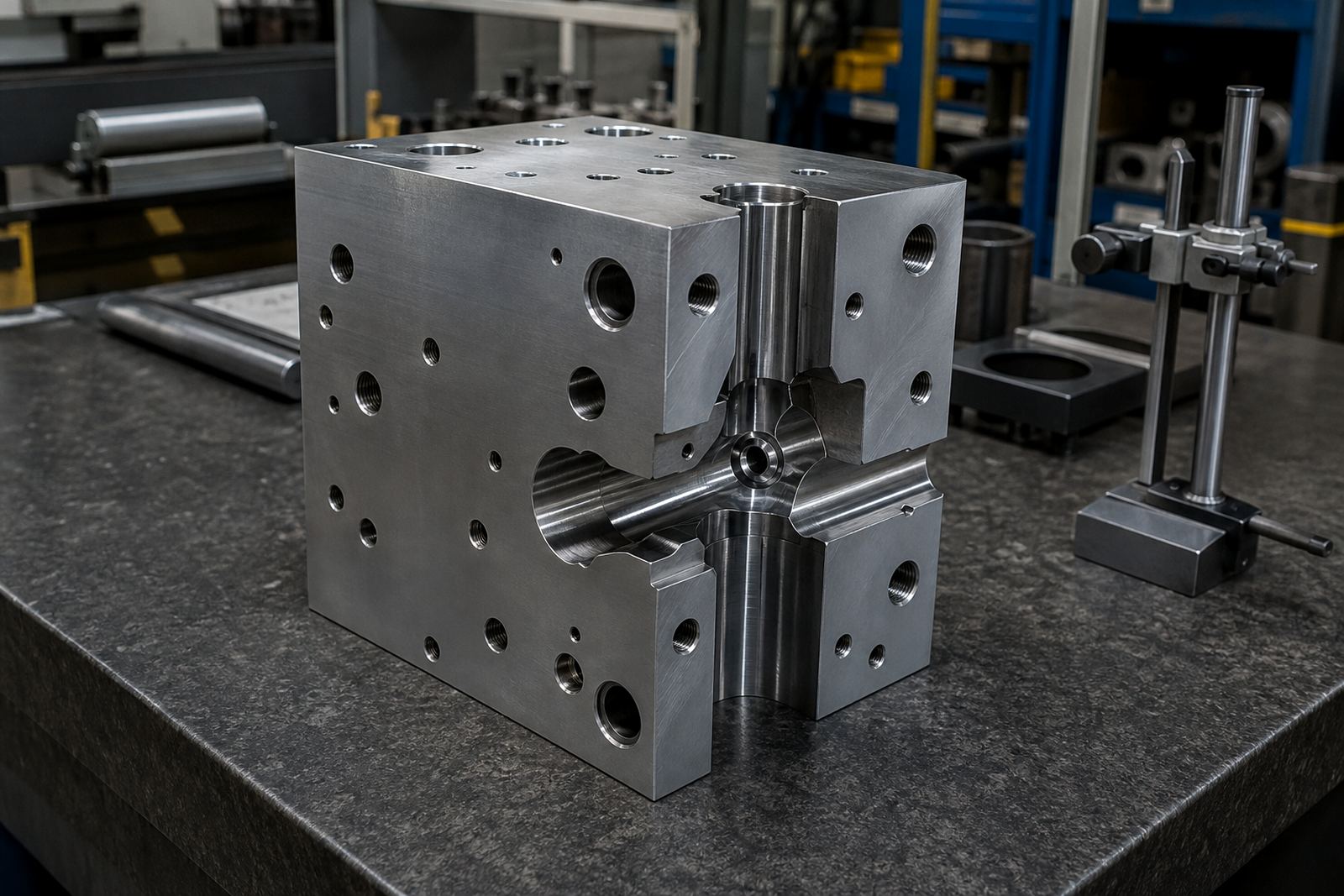
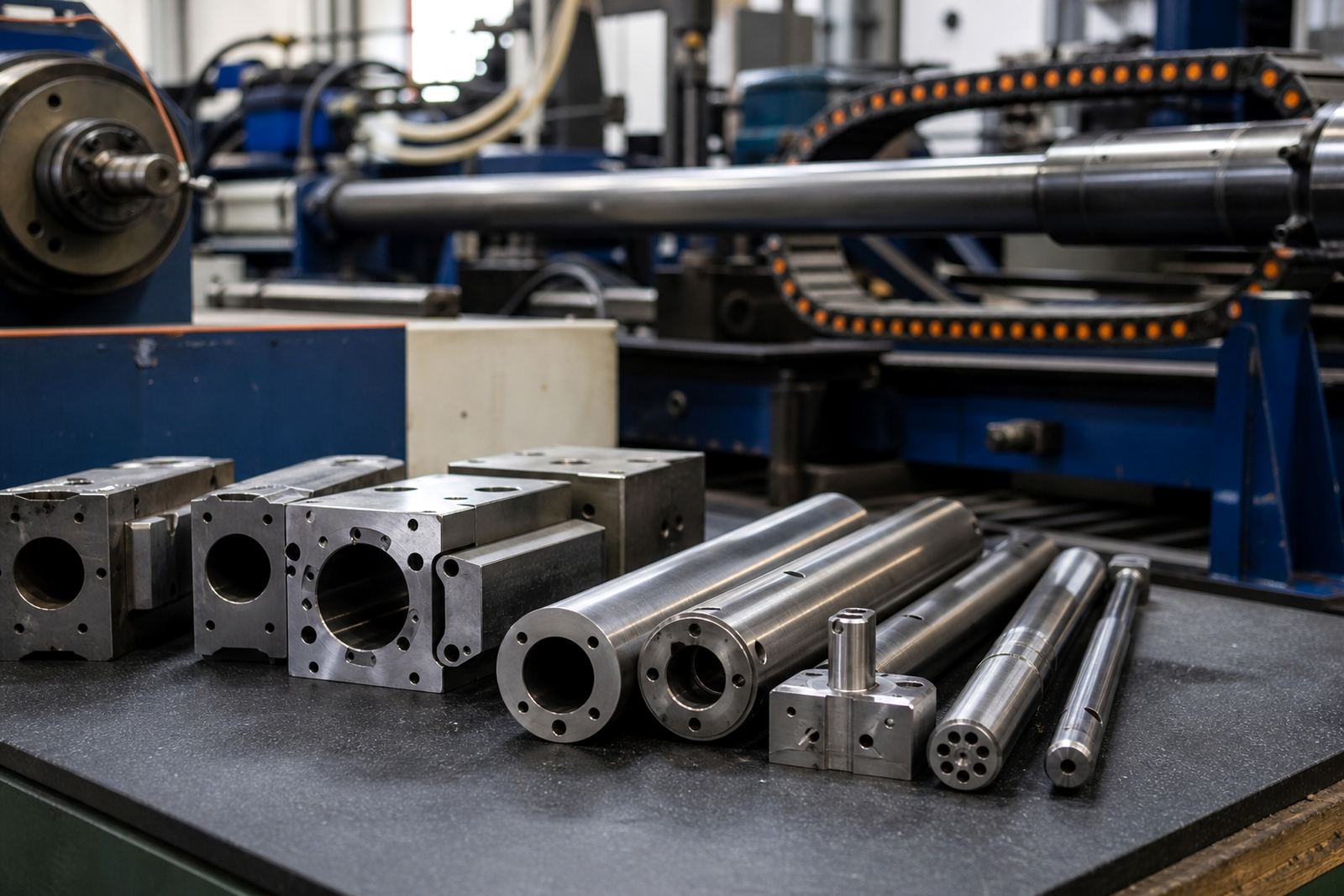
- Hydraulic and pneumatic component bores
- Tooling and die components with long, accurate holes
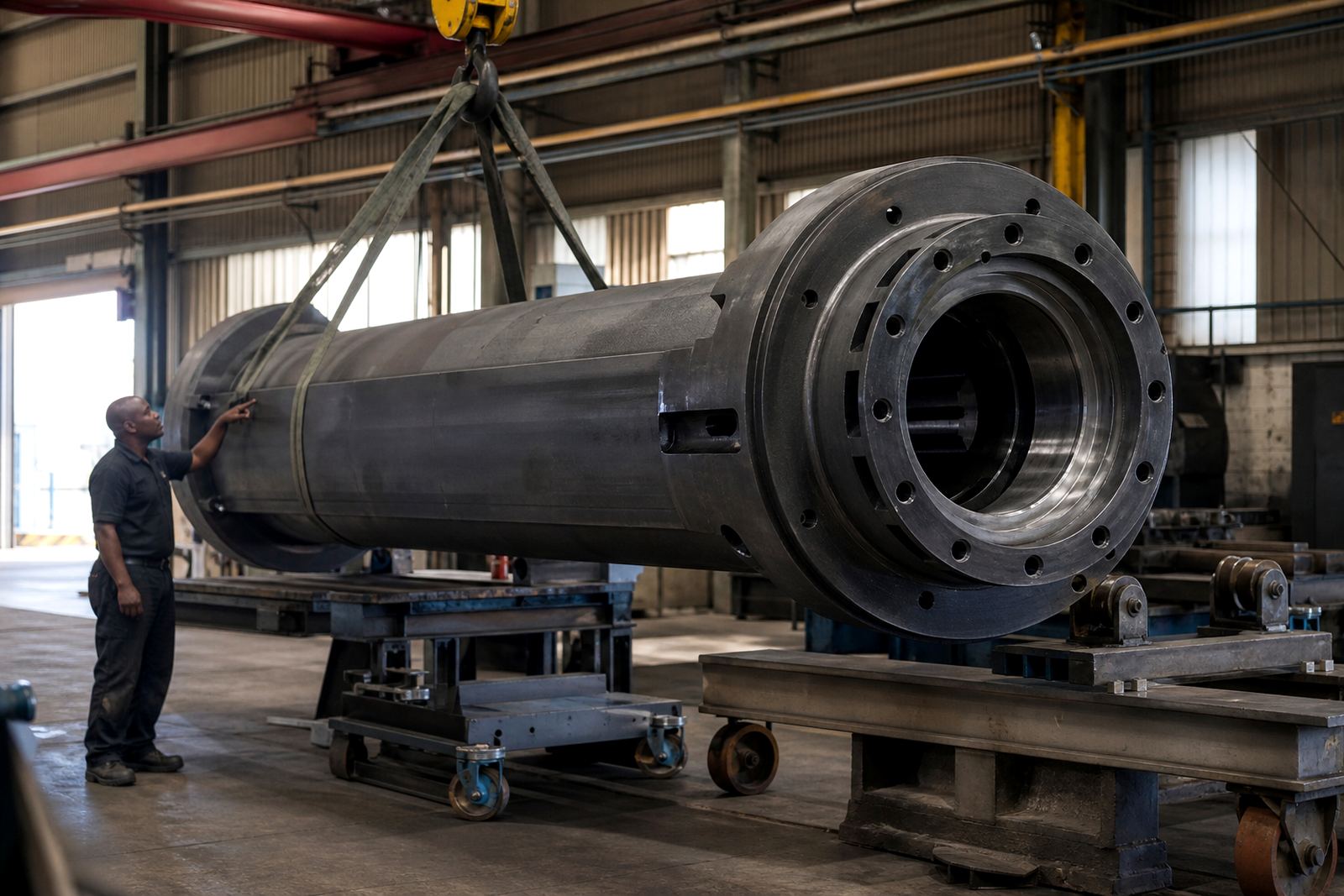
- Engineering shafts, sleeves and sleeves with deep internal features
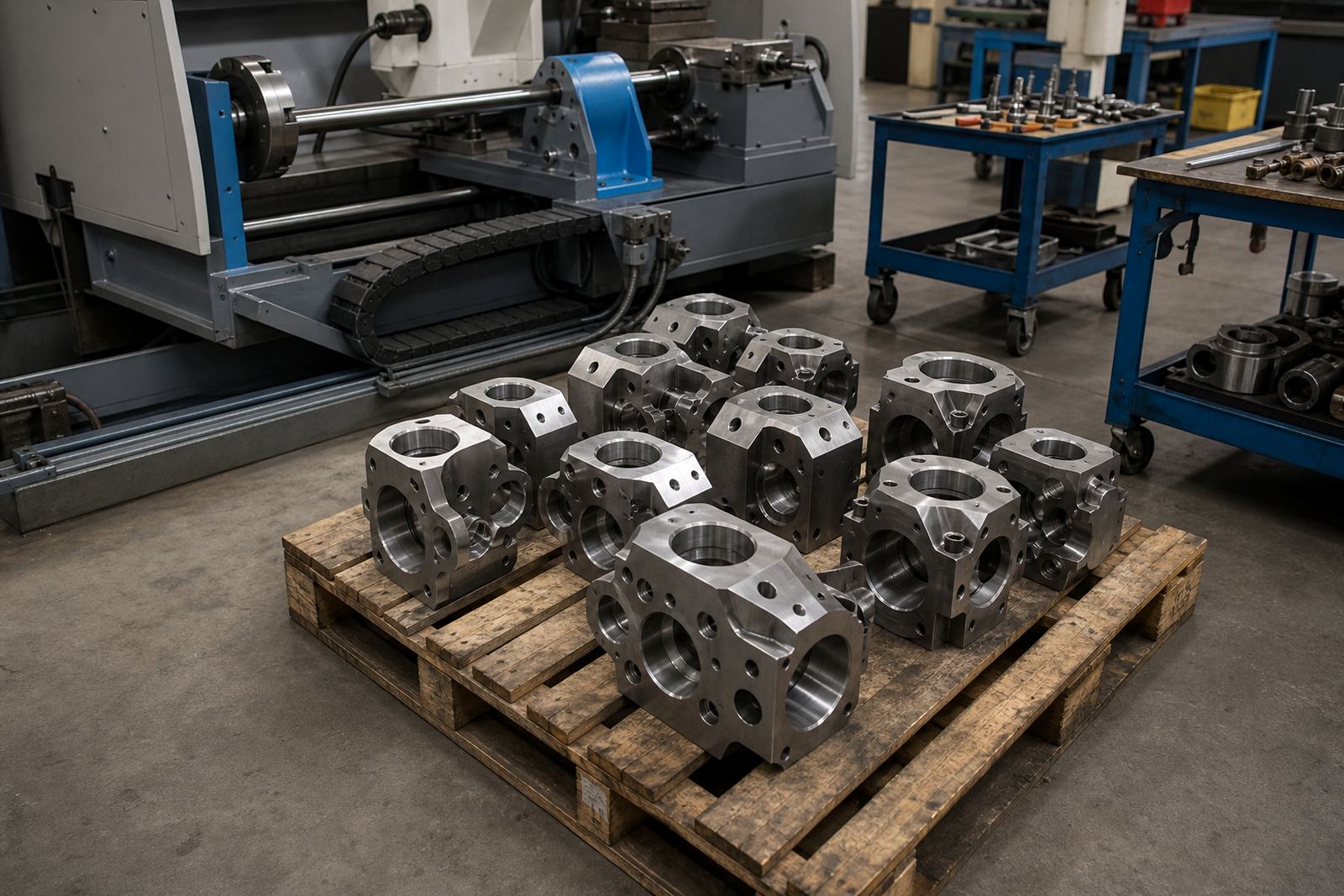
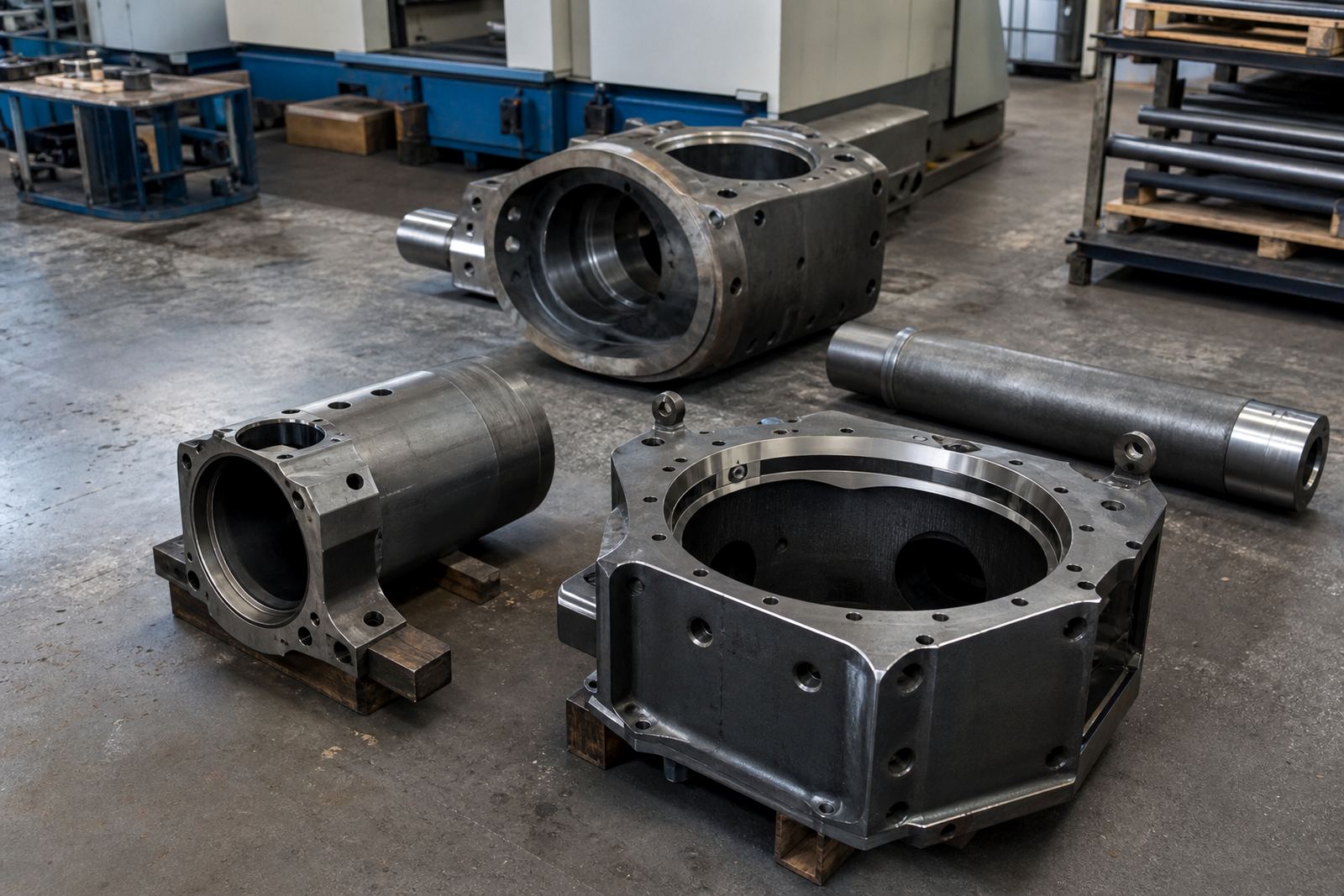
- Repair and refurbishment work where existing bores need attention
- Production parts where concentricity and surface finish matter
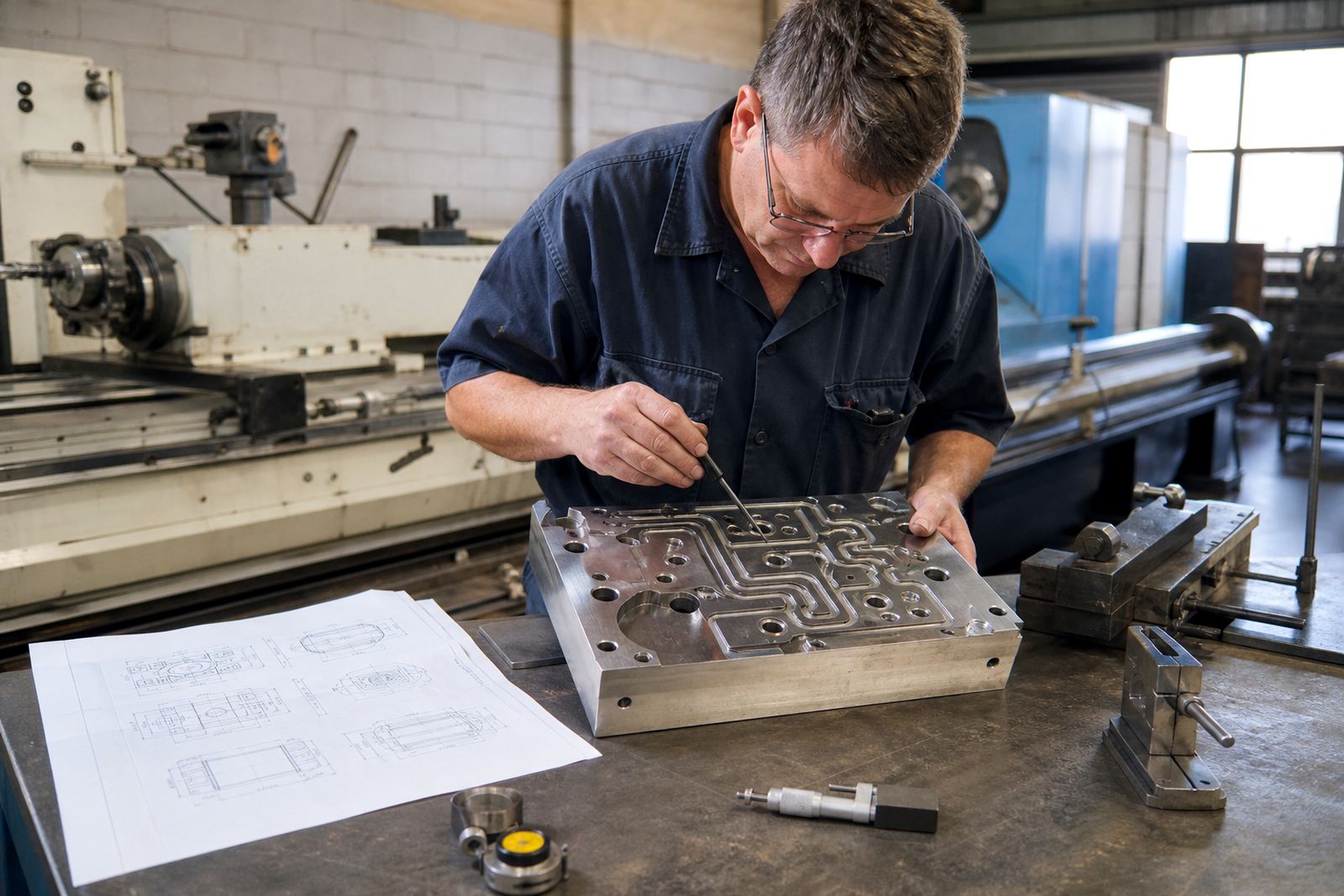
If your team is unsure whether gun-drilling or deep-hole boring is the better route, we look at the job shape, material, tolerances and production flow before recommending a path. That saves time later and avoids unnecessary rework.
Choosing Between Gun-Drilling and Deep-Hole Boring
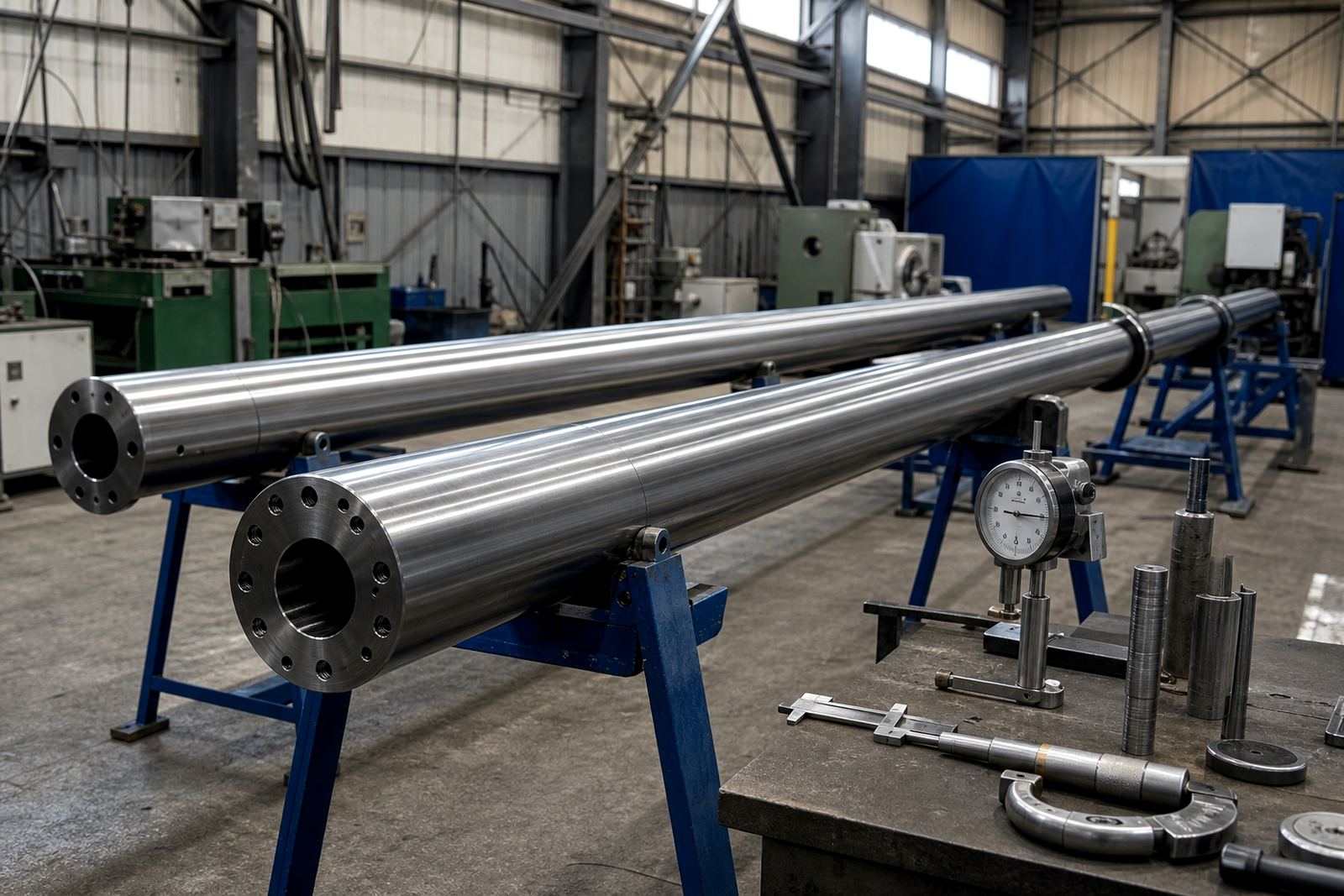
There is no single answer for every part. Some jobs suit gun-drilling because the bore is long and relatively small, while others call for boring because of the required diameter, process control or follow-up finishing. The best option depends on the workpiece, the depth-to-diameter relationship and how the part will be used after machining.
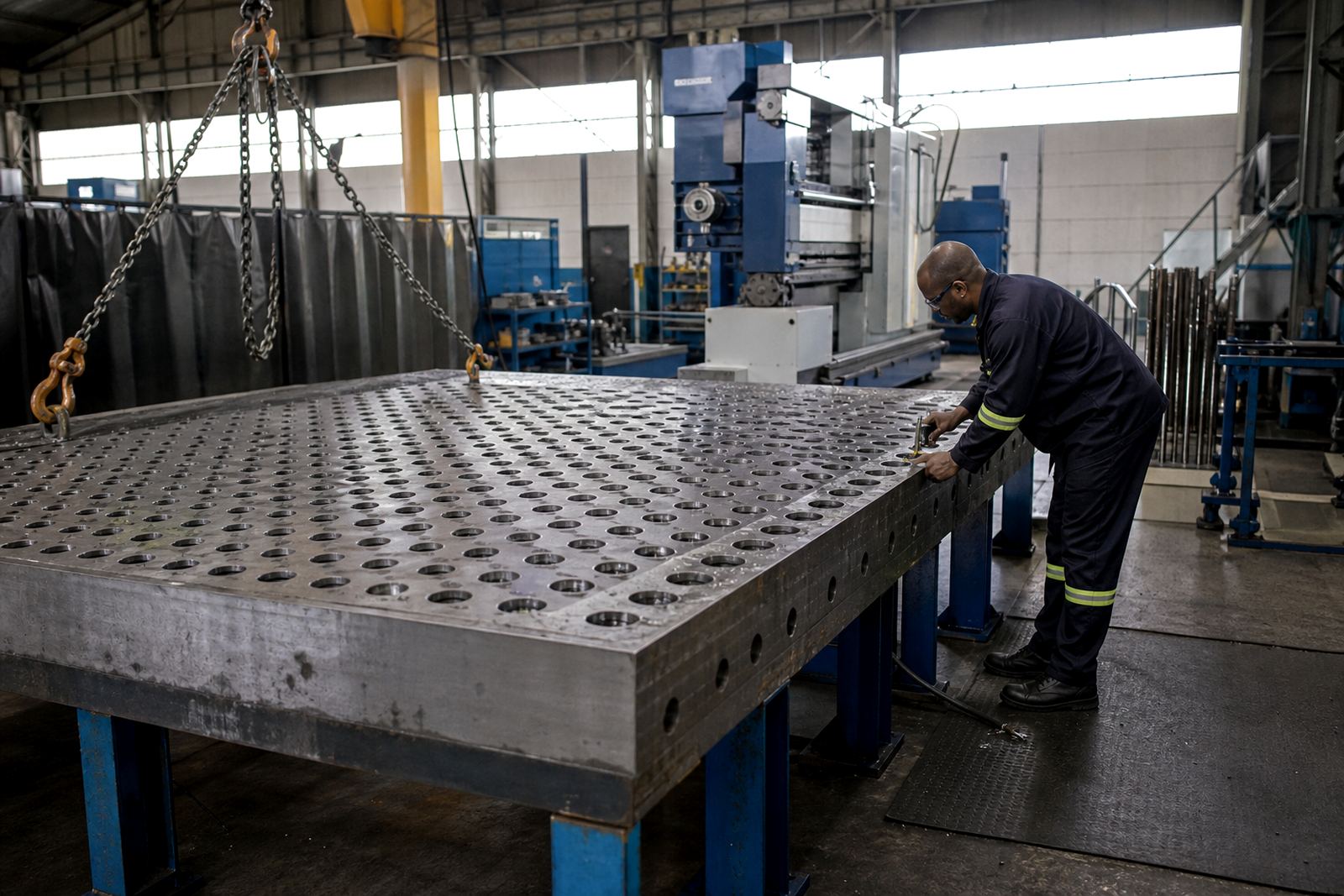
When we help a shop choose, we keep it practical. We look at fixture stability, coolant flow, chip control and whether the machine will be used for one-off work or ongoing production. That is often the difference between a process that stays reliable and one that gives repeated trouble on the shop floor.
- Part material and machinability
- Bore depth and required diameter
- Surface finish and straightness expectations
- Production volume and changeover frequency
- Available floor space and power supply
Tooling, Setup and Process Control
The machine is only one part of the outcome. Tooling selection, alignment and coolant management all affect how the bore behaves through the full depth. A poor setup can show up as chatter, heat build-up, chip issues or poor repeatability, especially in jobs that run for long periods or across shifts.
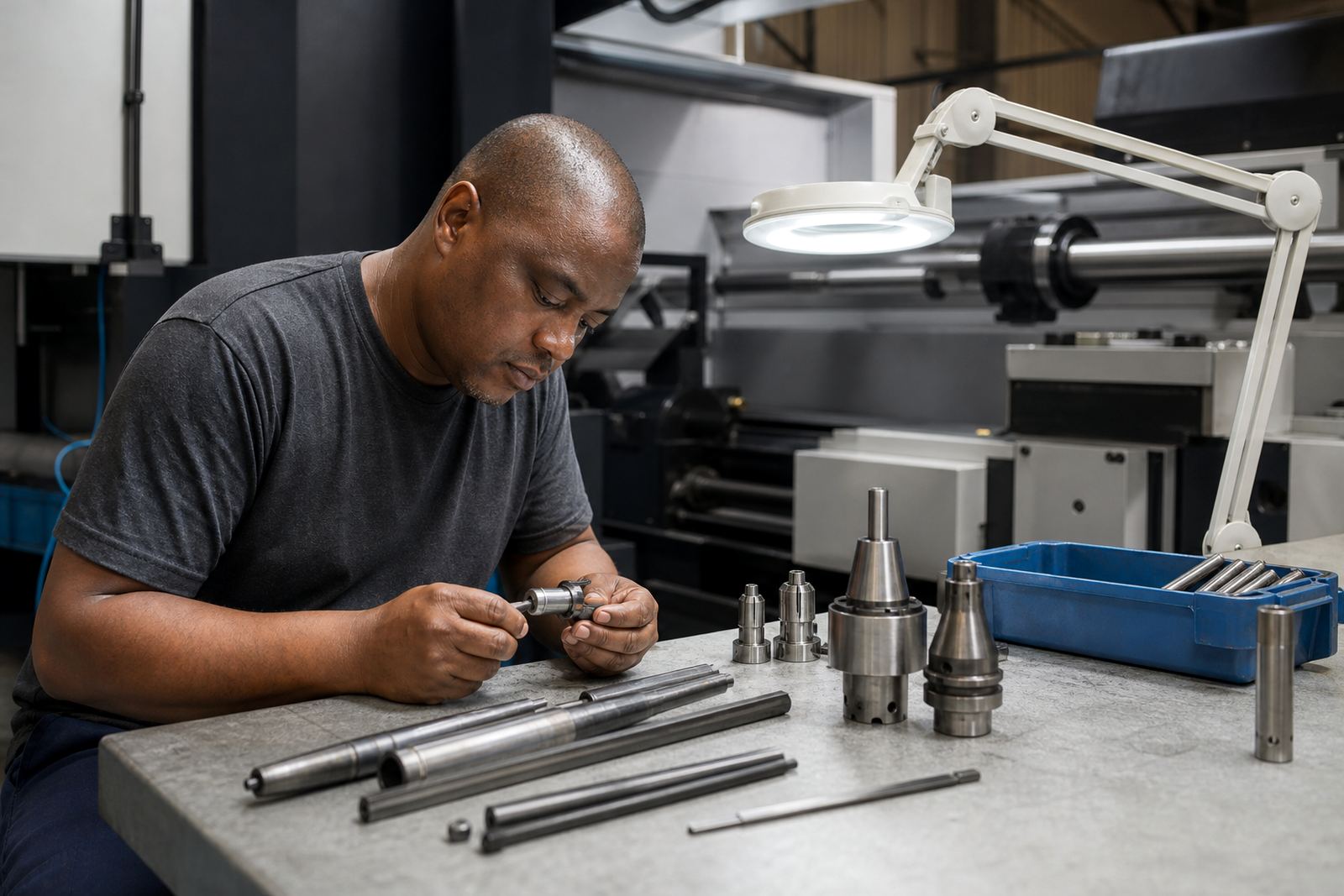
Deephole supports tooling selection and setup optimisation for South African workshops that need dependable output, not guesswork. We work with your team on alignment checks, coolant system service, production startup and operator training so the process is set up properly from day one. On busy sites in Benoni, Pretoria or East Rand operations, that support can make a real difference when deadlines are tight and machines need to keep moving.
Support for New Installations and Production Startup
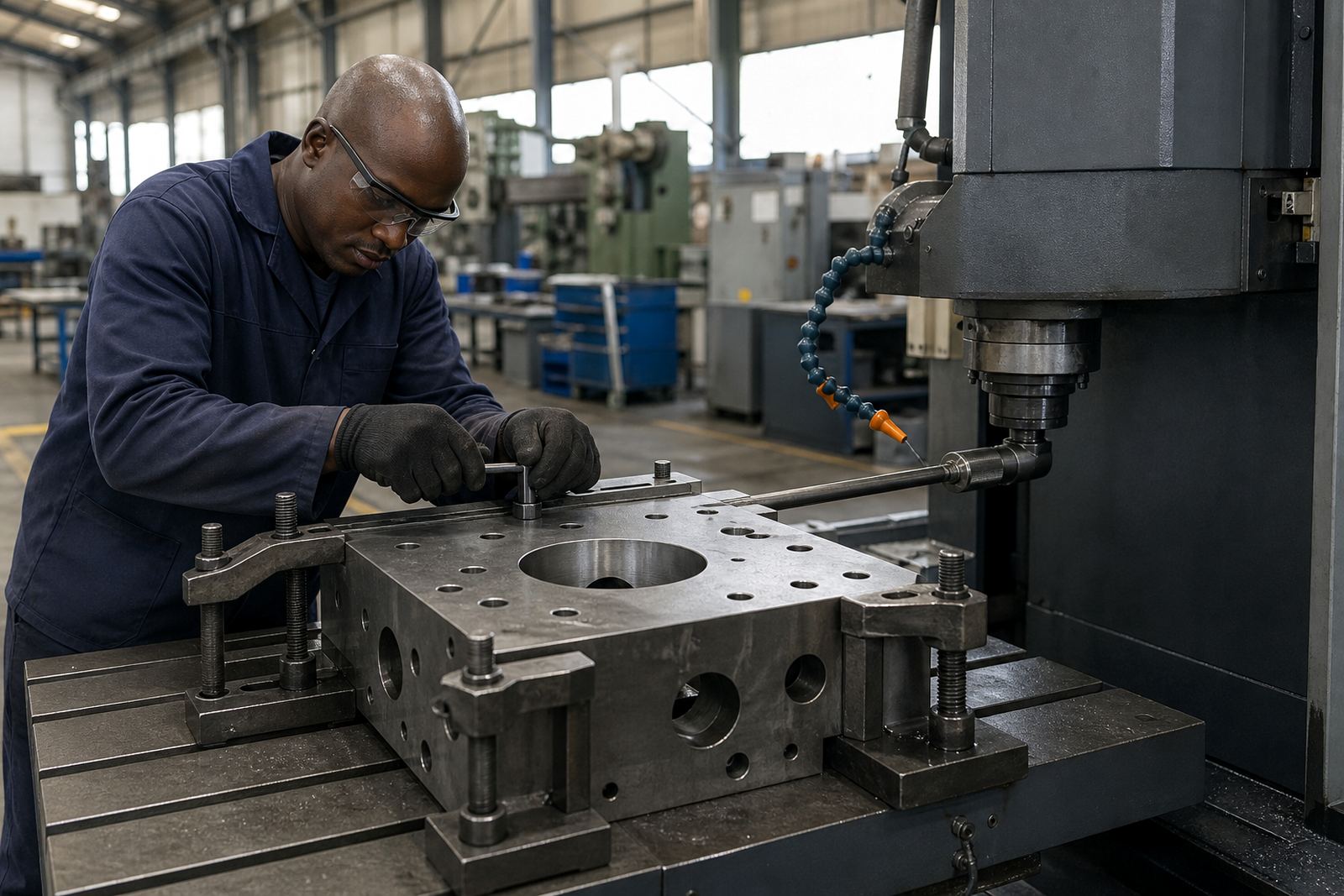
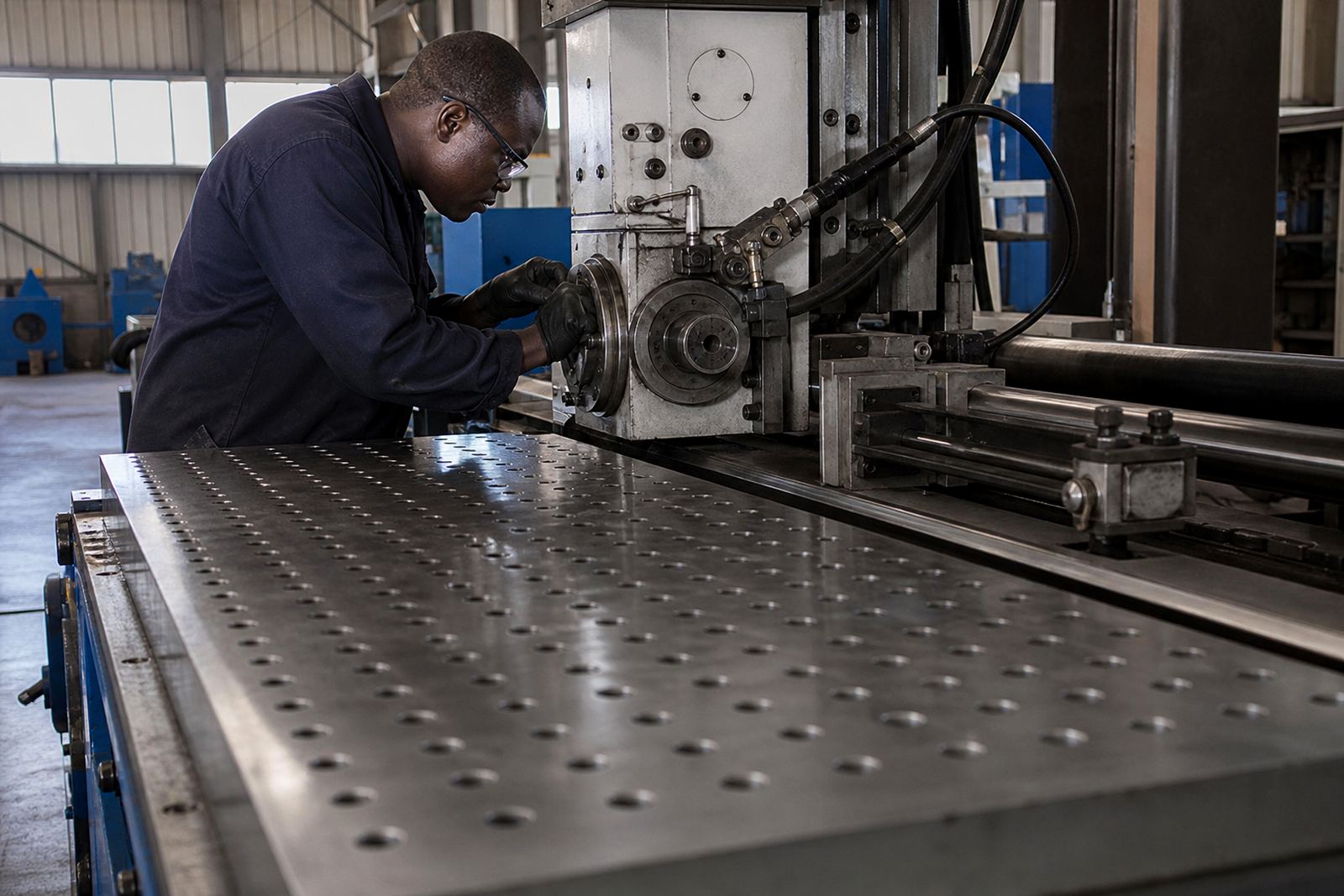
When a new deep-hole machine arrives, the first days on site matter. Installation, commissioning and initial training need to be handled carefully so the team can start work with confidence. We assist with machine installation and commissioning, followed by startup support that focuses on setup, safe operation and early process checks.
That practical support is especially useful where production must begin quickly, or where the site has limited downtime because of load-shedding, shift pressure or delivery commitments. Our team can help troubleshoot the first production runs, check alignment, and guide operators through the routine steps that keep the machine working as intended.
Ongoing Maintenance for Consistent Output
Deep-hole machines do best when they are looked after before problems start. Preventive maintenance, breakdown support, spare parts support and coolant system service all help keep the process steady. For workshops near the coast, humidity and corrosion can affect machine condition faster than expected, so regular checks are worth the effort.
We also assist with production troubleshooting when a bore is not coming out as planned, whether the issue is related to tooling wear, setup drift or coolant delivery. A quick intervention can save a batch, and it often prevents a small issue from turning into a full stoppage.
- Preventive maintenance planning
- Breakdown support and fault finding
- Spare parts support
- Coolant system service
- Alignment checks and corrective setup work
How to Choose the Right Deep-Hole Path
If you are planning a new process or improving an existing one, start with the part and the outcome you need. Consider the bore size, material, depth, tolerances and how many parts must run in a day or week. From there, Deephole can help you assess whether the machine, tooling and support package match the work in front of you.
Manufacturers in Johannesburg, Pretoria, Durban, Cape Town and Gqeberha often ask for the same thing: a process that is reliable, practical and supported by people who understand the shop floor. That is the approach we bring from our Benoni base, with support for manufacturers and engineering shops across South Africa.