
What the Springs workshop needed from the start
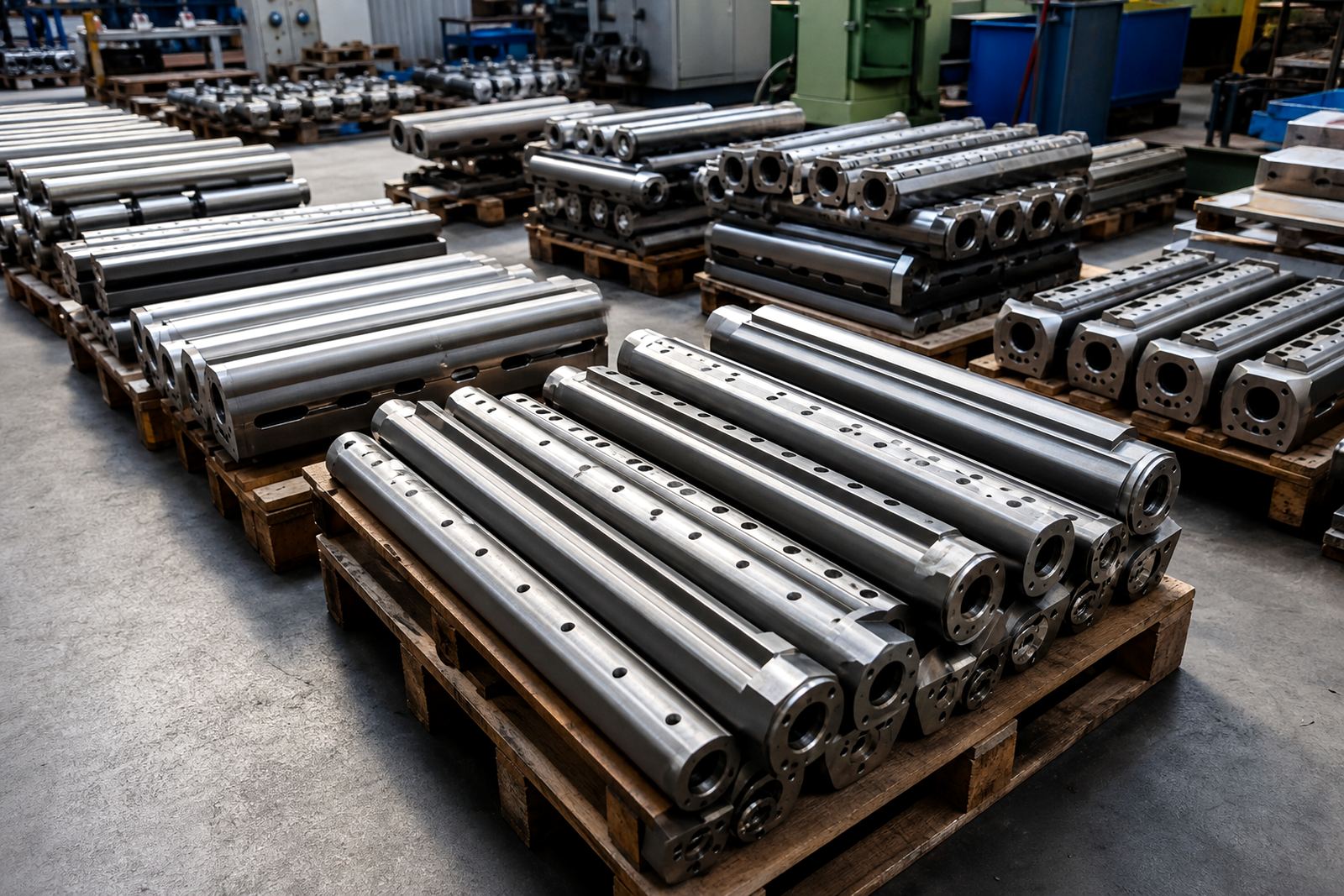
The client was a general engineering workshop in Springs, Gauteng carrying out deep-hole production work on parts that needed straight bores, repeatable finishes and proper control of the drilling process. The brief was clear: get the machine and tooling side in order so the team could move from trial work into steady production without chasing the same faults every shift.
In this kind of workshop, the pressure points are usually familiar. Material changes from job to job, coolant gets dirty faster than expected, and small setup errors can show up as poor hole quality or unstable drilling. The client needed support that was practical on the floor, with clear instructions for operators and a process that would hold up during normal production, not just during a demo run.
The operating constraints on a real production floor
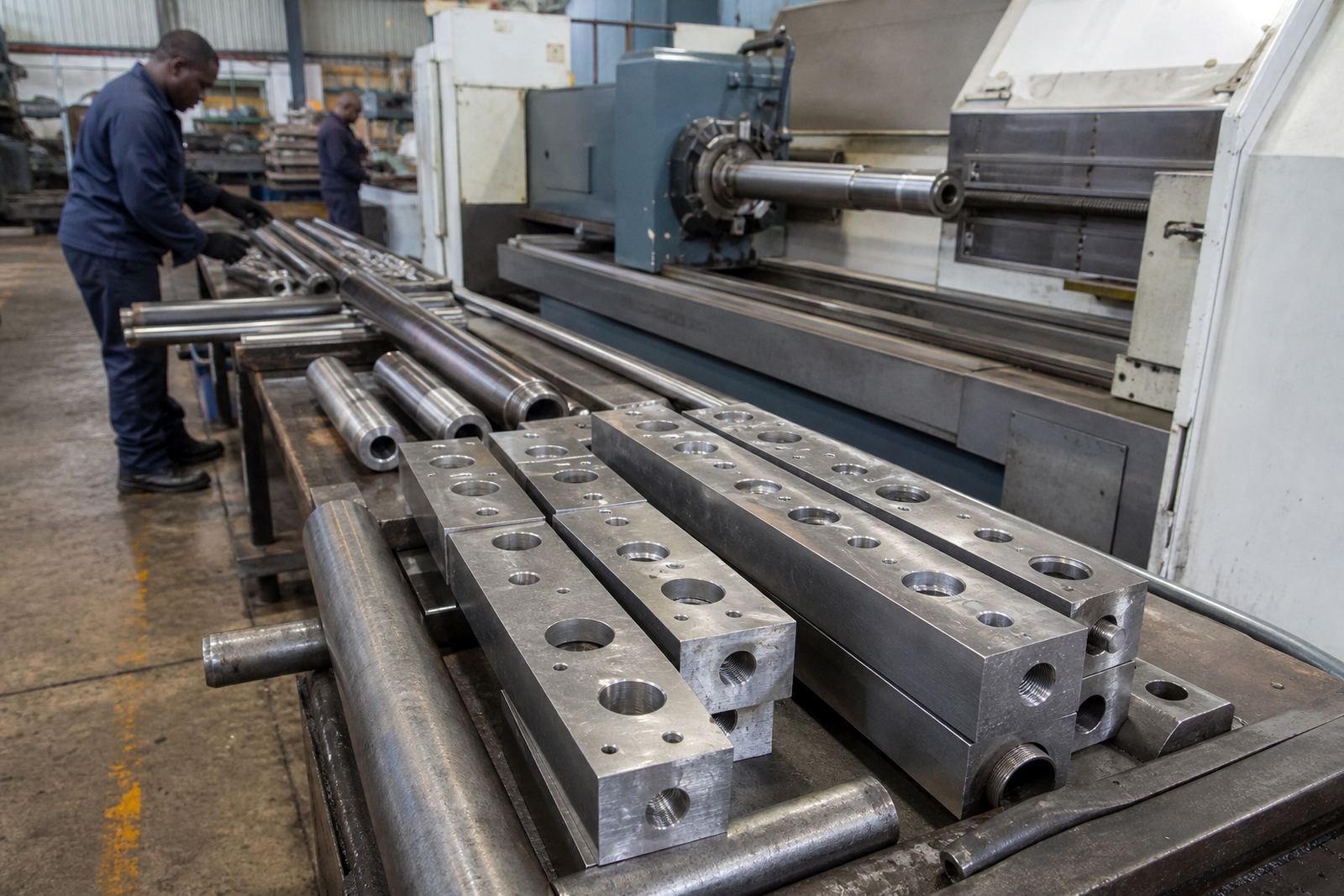
The Springs site was a working engineering environment, so the support plan had to fit around ongoing jobs, limited machine downtime and the normal noise and congestion of a busy shop. Like many Gauteng workshops, the team also had to manage load-shedding risk and keep production planning tight so setup work did not disrupt the rest of the shop. We also had to work within the space available around the machine, tooling trolleys and coolant handling area.
The most important constraint was consistency. Deep-hole work leaves little room for a casual setup, and once the job starts the team needs to know exactly what tooling, alignment and feed approach to follow. Small drift in setup can cost time quickly, so the goal was to build a repeatable method that the workshop could use day after day without depending on one person to remember every detail.
Machine setup, tooling selection and process tuning
Deephole supplied support around the machine setup and the tooling side of the process, including guidance on the cutting tools, support components and the basic operating sequence for the job. We checked the machine installation details, looked at alignment, and worked through the practical setup steps with the client’s operators so the team could run the process with more confidence.
Our support covered:
- Machine installation checks and commissioning support
- Tooling selection for the job type and material behaviour
- Setup optimisation for repeatable hole quality
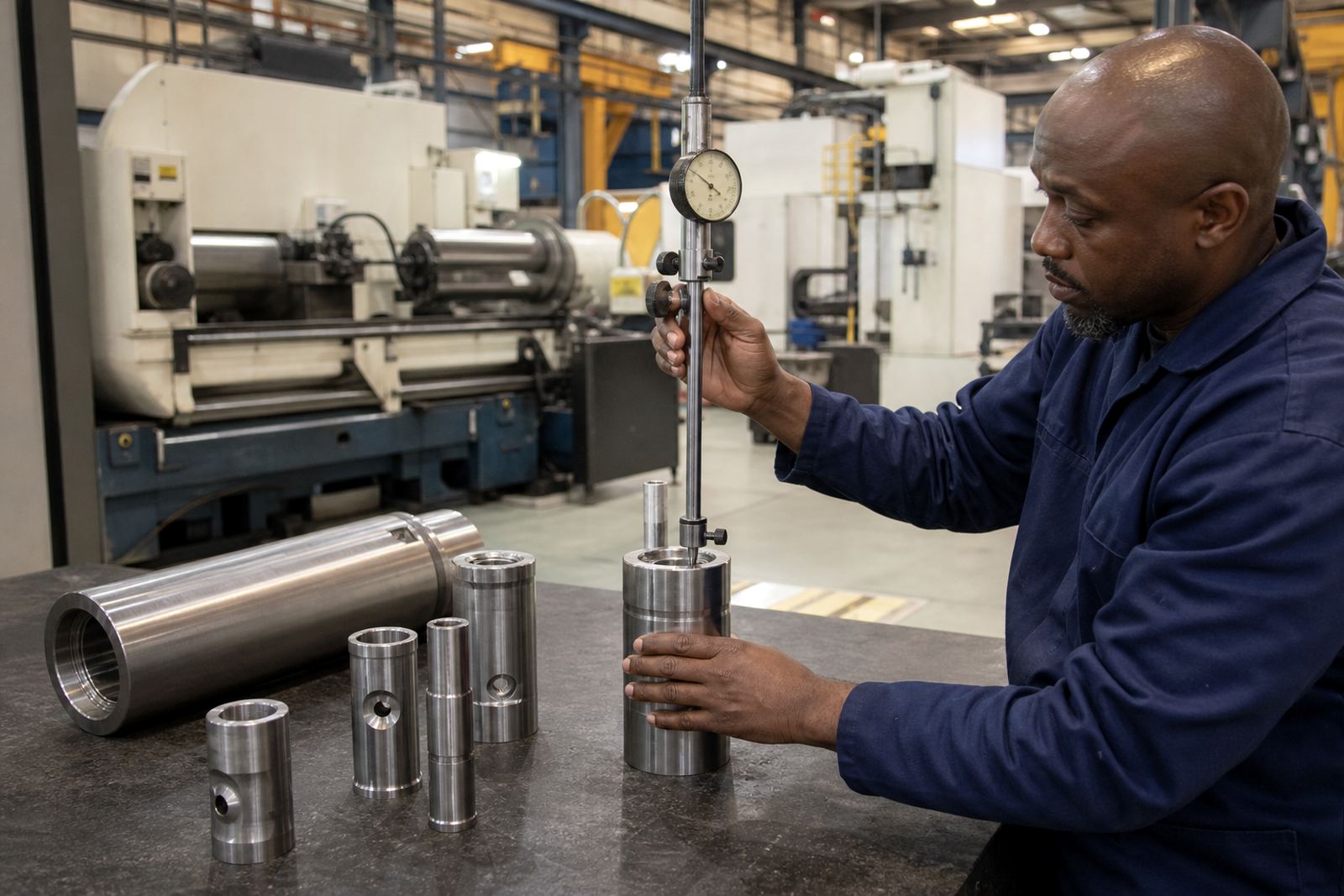
- Operator training on handling, inspection and routine checks
- Coolant system service and alignment checks where needed
- Process troubleshooting during the first production runs
We also looked at spare parts readiness and the day to day points that often get missed, like coolant flow, chip control and basic machine housekeeping. In deep-hole work those items matter, because a good setup can still fail if the support systems are not right.
How the support was delivered over the job
The project ran as a multi-week site support engagement, with the first stage focused on getting the machine ready and the second stage on production startup and operator confidence. Our service coordinator kept the visit plan moving, while the applications specialist and machine technician worked through the details on site. That mix matters because a workshop needs both technical know-how and someone who can keep the sequence sensible from one visit to the next.
During the setup phase we worked through the machine condition, the tooling fit and the production routine. Once the first parts were running, we stayed close enough to troubleshoot issues as they came up rather than leaving the team to work it out alone. That approach helped the client keep momentum and avoid unnecessary stop-start production. It also gave the operators a chance to ask questions while the process was live, which is usually when the useful learning happens.
- Support was planned around the client’s production window
- Training was done on the actual machine and tooling in use
- Checks were repeated after the first production runs
- Corrections were made while the job was still open, not after the fact
What changed once production started moving
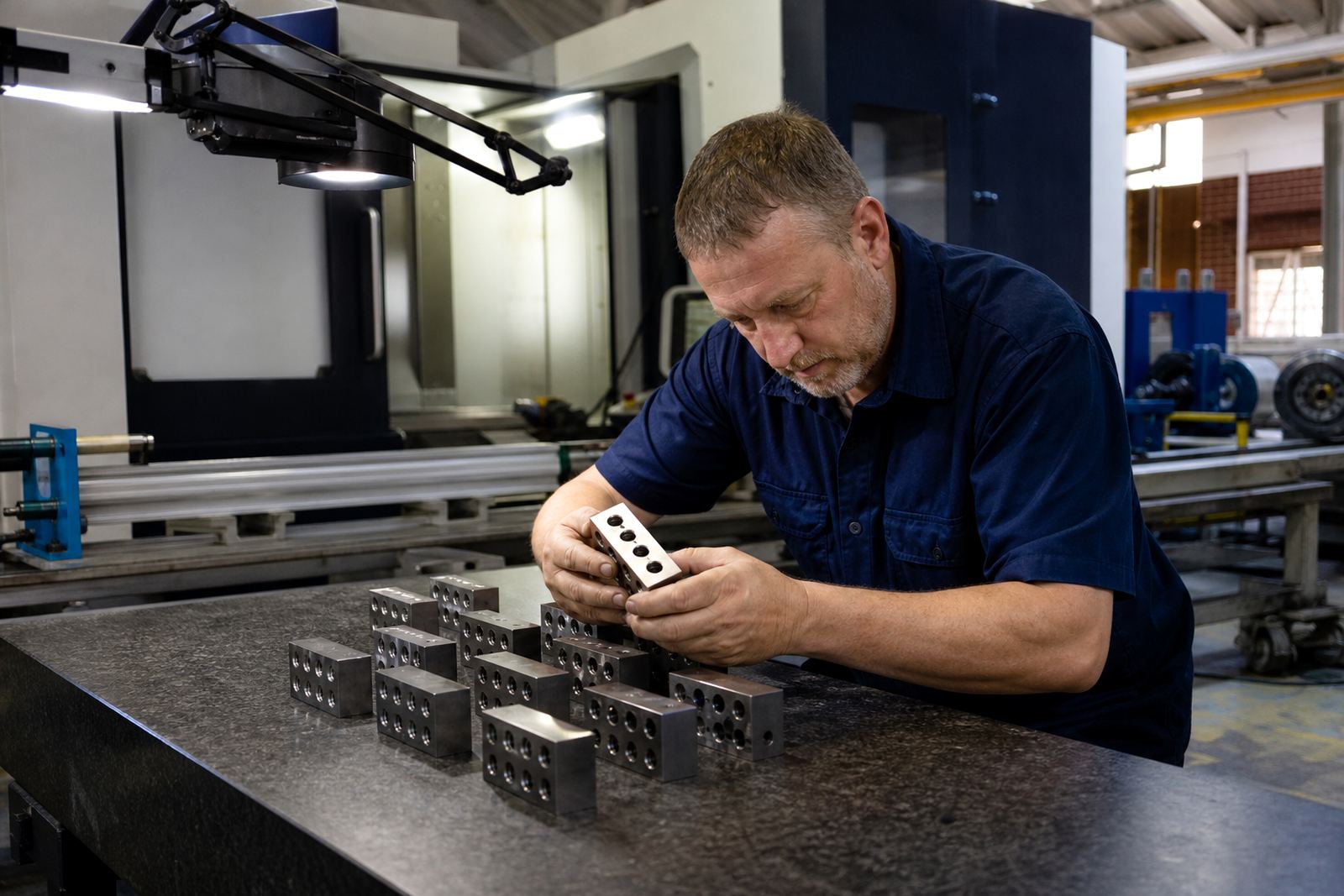
Once the setup had been tuned and the operators were comfortable with the routine, the workshop could move into a more stable production rhythm. The main improvement was control. The team had a clearer process for setting up the machine, handling tooling and checking the bore quality before moving on to the next job. That reduced the uncertainty that often comes with deep-hole work in a mixed engineering shop.
There was also a visible benefit in how the team handled troubleshooting. Instead of treating each issue as a new problem, they had a clearer way to isolate the cause, whether it was tooling, alignment, coolant or the job setup itself. That saved time and made the machine easier to manage across different work orders. It was not about chasing shortcuts, just getting the basics right and keeping them right.
For a Springs workshop, that kind of support is useful because production work changes quickly. One week may be a straightforward engineering run, and the next could be a harder material or a different bore requirement. The more the team can rely on a fixed method, the less likely they are to lose time on rework or guesswork.
What Deephole would repeat on a similar project
If we were doing this project again, we would follow the same practical order: confirm the machine condition first, select the tooling around the real job requirements, then train the operators on the actual production sequence. That order keeps the work grounded and avoids dressing up a setup problem as a tooling problem, or the other way round.
We would also keep the site support close to the first production runs, because that is where the useful adjustments show up. A deep-hole job often looks fine on paper but the real test comes when the machine is running under normal workshop pressure, with time limits and a queue of other work behind it. Staying with the job through that stage makes a difference.
For engineering shops in Springs and across Gauteng, that is the sort of support Deephole is built around: machine installation, commissioning, tooling selection, operator training, troubleshooting and breakdown support when needed. The aim is always the same, to help the workshop run the machine properly and keep production moving.
Key facts
| Project | Springs Engineering Job |
|---|---|
| Client type | General engineering workshop |
| Town | Springs, Gauteng |
| Core focus | Gun-drilling and deep-hole boring machine support |
| Scope | Setup, tooling, commissioning, training and troubleshooting |
| Timeline | Multi-week site support engagement |