
Cape Town brief: channel drilling that had to stay true
The client was a precision toolmaker in Cape Town working on parts that needed accurate channel drilling and a fixture arrangement that could be repeated by the team on every run. Their main concern was not only getting the holes in the right place, but making sure the work could be loaded the same way each time without wasting time on constant re-setting.
The brief was straight forward enough on paper, but the job carried real pressure on the floor. The workpieces were awkward to hold, the drilling path had to stay consistent, and the shop could not afford long changeovers. We were brought in to look at the process from the tooling side, then shape a practical setup that the operators could live with day after day.
What was holding the job back
Before the adjustment, the team was fighting a mix of alignment drift, setup time and tool wear that made the job slow to repeat. Channel drilling asks for a steady approach, especially when the part geometry gives very little forgiveness. If the fixture is not doing its part, the rest of the process becomes harder than it should be.
- Workholding needed to be more repeatable between batches
- Tool access had to suit the part shape without forcing awkward clamping
- Setup time needed to come down so the machine could spend more time cutting
- The shop wanted clearer guidance for operators during loading and checking
There was also the usual Cape Town factory reality to consider. Dust, coastal humidity and load-shedding all make a workshop less predictable than people like to admit, so any solution had to be practical and easy to maintain. No fancy theory, just a setup that stayed put and did the job.
Fixture design and tooling selection
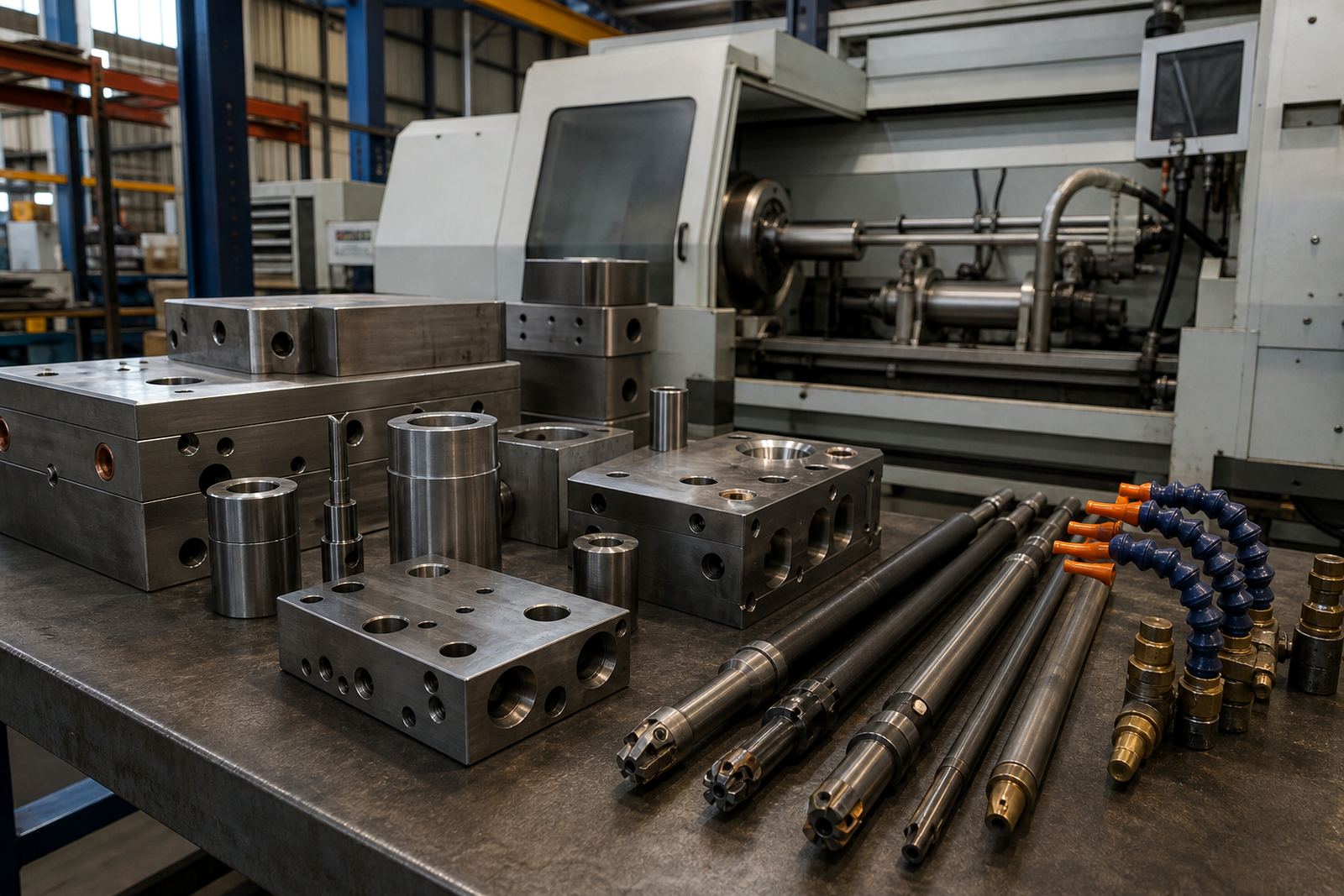
We supplied the tooling support around the drilling cycle and worked with the team on fixture design so the part could be located properly and clamped without distorting the workpiece. The idea was to make the loading sequence simpler, keep the drill path stable and reduce the chance of rework. That meant looking carefully at locating points, clamping order and clearance around the cut.
Tooling selection focused on keeping the drilling action controlled and serviceable. For a tooling shop, consistency matters as much as speed. A tool that cuts well but is awkward to maintain becomes a problem later, especially when more than one operator needs to run the job.
- Fixture layout review for repeatable part location
- Tooling selection to suit the channel drilling operation
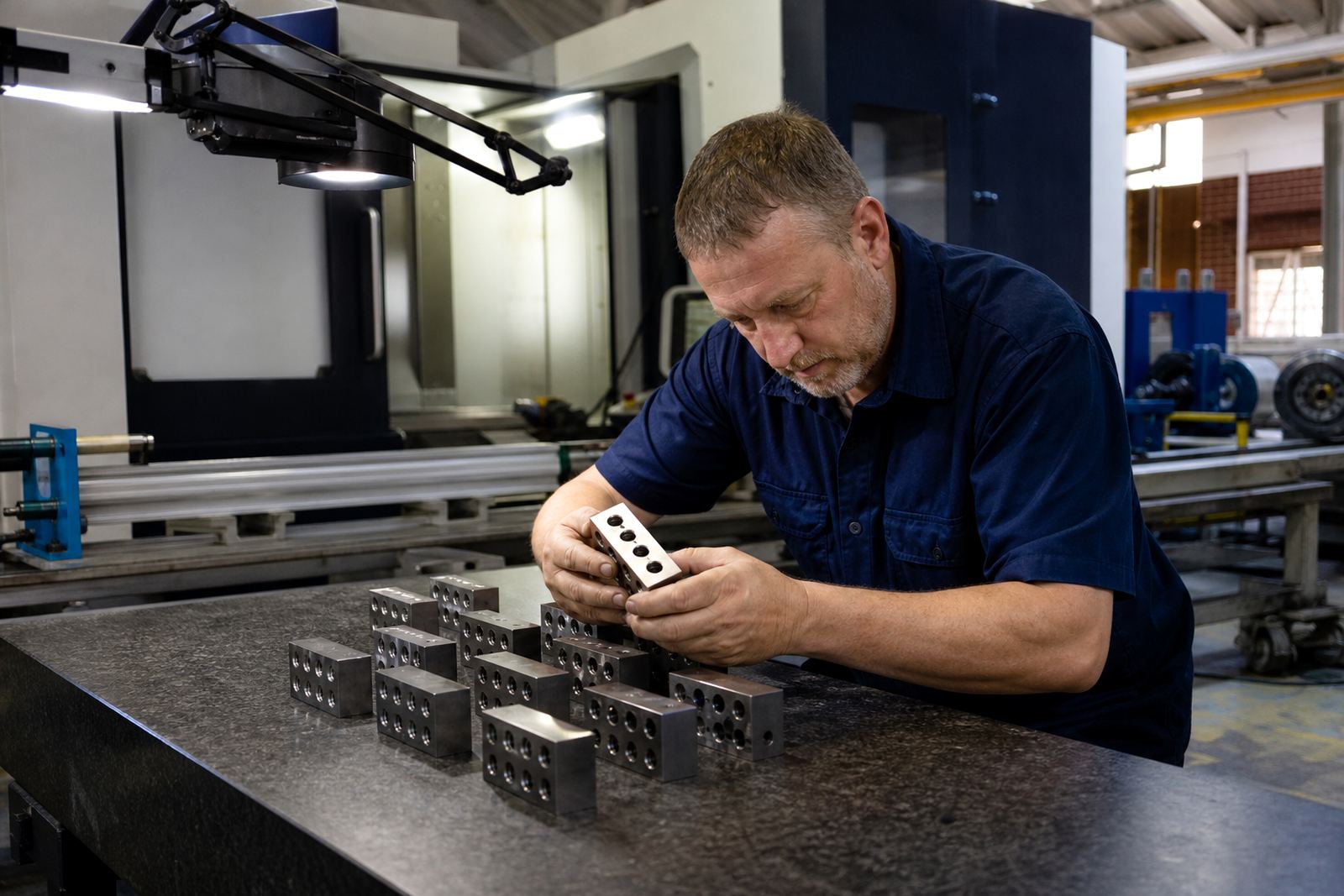
- Setup checks to keep the first-off part on target
- Operator notes for safer, quicker changeover
Installation support and setup optimisation
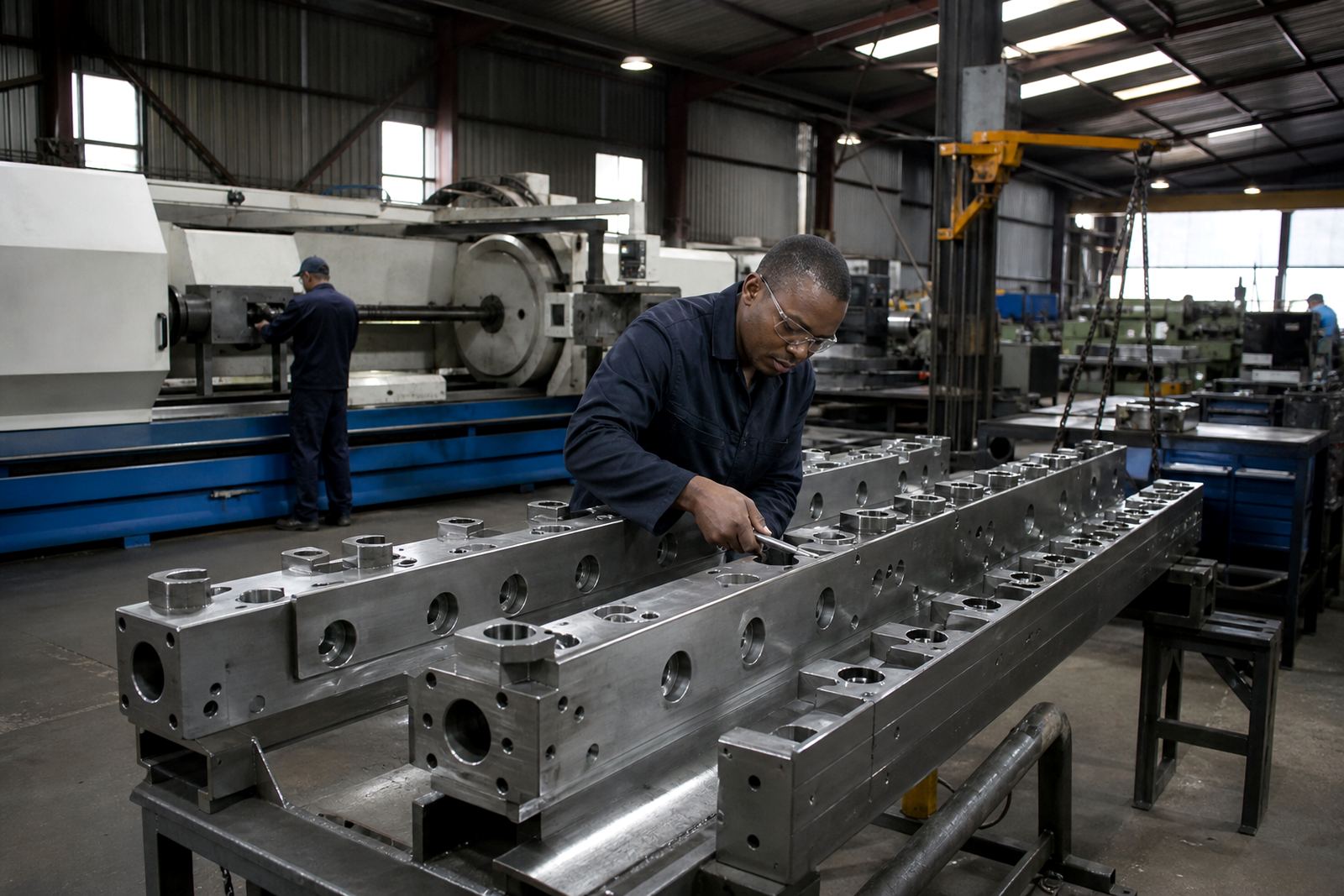
Our team handled the support side on site and worked through the installation and commissioning steps needed to get the process running properly. The job involved checking alignment, confirming the sequence for loading and setting the tooling, and then tightening up the process so the machine and fixture worked as one unit.
Once the basic setup was in place, we spent time on optimisation. That included watching the way the part settled in the fixture, checking for any movement during the drilling cycle and adjusting the process where needed. A small change at setup can save a lot of grief later, and this was one of those cases. The result was a cleaner routine for the team and less second-guessing at the machine.
Training the Cape Town shop floor
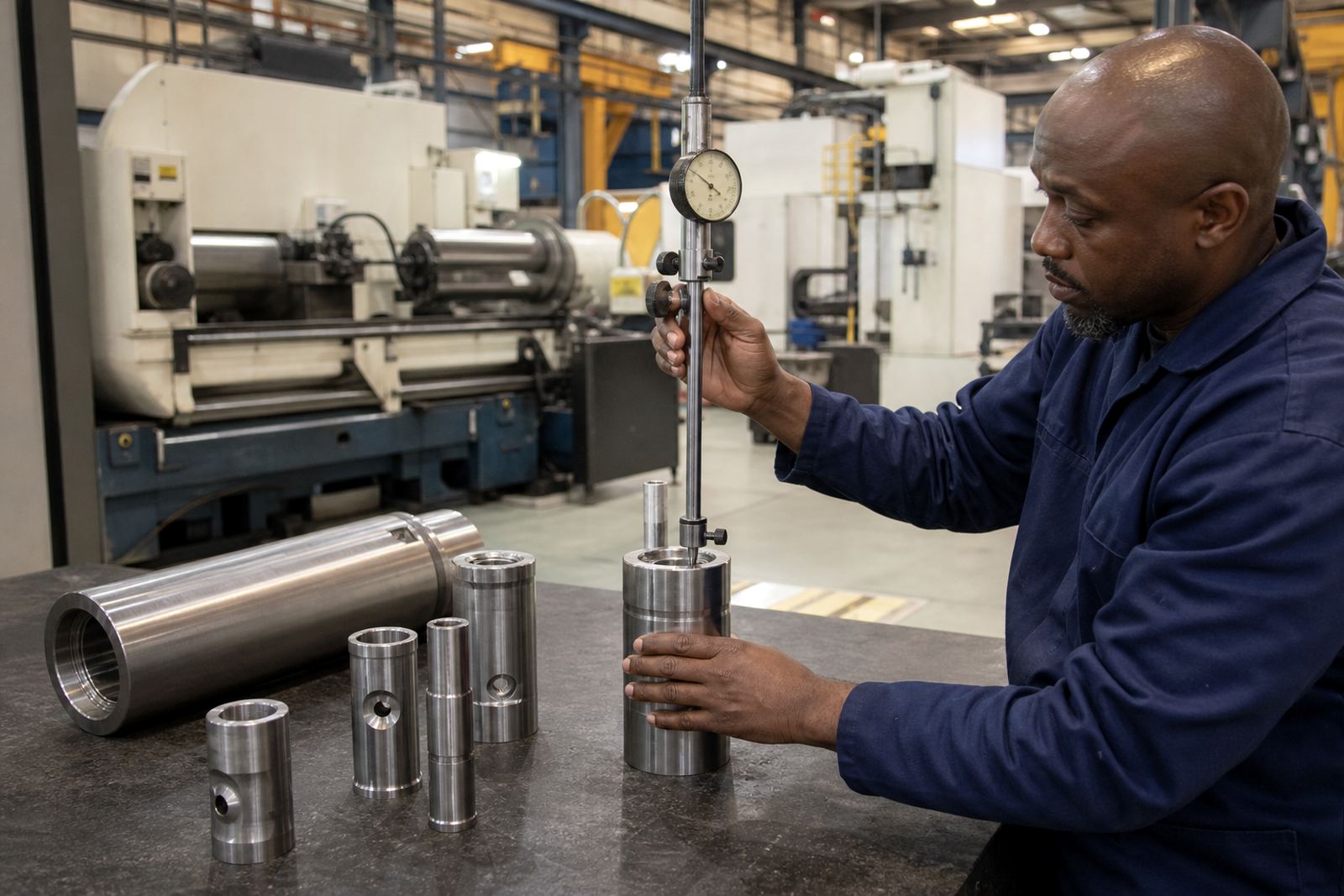
We did not just leave the job with a fitted fixture and a few notes. The operators and workshop staff were shown how to load the part, what to check before starting the cycle and how to recognise when something was out of line. That made the job easier to hand over inside the shop, which is often where these projects win or lose value.
Training also covered the small but important things that keep deep drilling work on track, such as keeping the coolant system in good condition, watching tool condition and knowing when to stop and inspect instead of pushing on. It sounds basic, but basic discipline is often what keeps a production job out of trouble.
- Operator training for loading and setup checks
- Guidance on coolant use and maintenance habits
- Clear handover notes for the team running the job
Timeline, outcome and what we would repeat
The project ran over a short, practical timeline of a few weeks from first review to final handover. That covered the brief, the fixture thinking, tooling selection, setup work and on-site support through the first runs. The aim was not to overcomplicate the process, but to get the Cape Town team to a point where they could repeat the job with more confidence.
The main outcome was a more stable drilling process with better repeatability and less time lost to re-setting. The fixture did its part, the tooling was easier to manage, and the team had a clearer process to follow. If we were doing the same job again, we would start with the loading sequence even earlier in the process, because that is where a lot of the time saving sits. Small details, but they matter.
For shops handling channel drilling or deep-hole work in Cape Town, Johannesburg, Pretoria, Durban or Gqeberha, the lesson is the same: good tooling is only half the job. The setup around it has to support the cut, otherwise the machine ends up carrying all the stress and that is not a fair ask.
Key facts
| Project type | Tooling job for channel drilling and fixture design |
|---|---|
| Location | Cape Town, Western Cape |
| Primary focus | Repeatable part location and controlled drilling setup |
| Work supplied | Tooling support, fixture guidance, setup optimisation and training |
| Timeline | Completed over a few weeks |
| Support areas | Installation, commissioning, process troubleshooting and operator training |