What a Deep-Hole Borer Does After Drilling
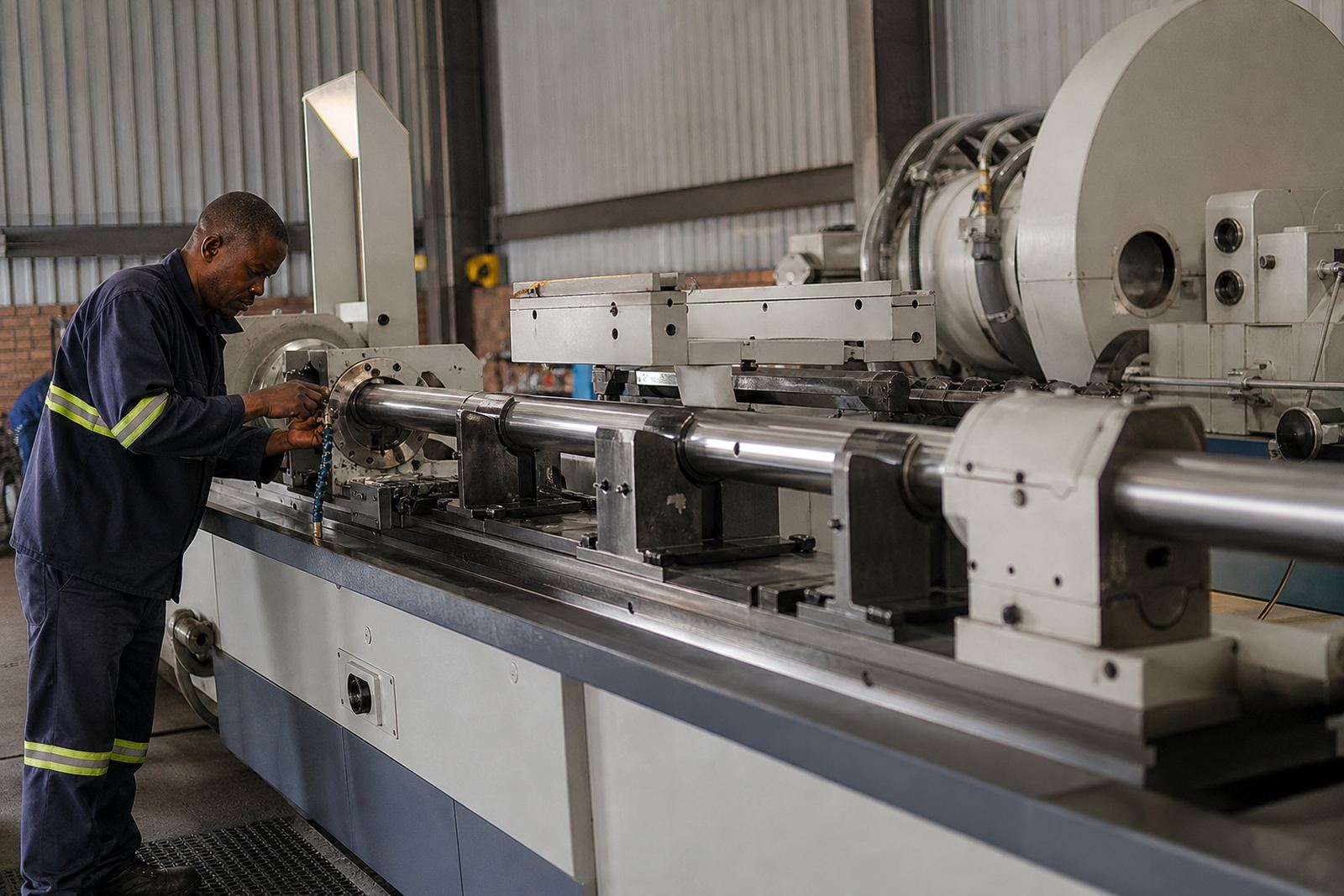
A deep-hole borer is built for the second stage of the process, where a drilled bore needs better control over diameter, alignment and surface finish. In many workshops the first drill pass gets the hole close, but the final internal quality is what counts when parts must fit, seal, rotate or carry fluid under pressure. This is where boring becomes the practical finishing step.
At Deephole, we focus on deep-hole boring machines for real production work, not general-purpose machines pressed into a job they were never intended to do. The machine, tooling and setup all have to work together. If the guide system is off, the bar is not suited to the material, or coolant delivery is poor, the result is chatter, taper or a bore that drifts out of tolerance. That is why the support side matters as much as the machine itself.
For shops in Johannesburg, Pretoria, Durban, Cape Town and Gqeberha, deep-hole boring is often used where the part is long, the tolerance is tight, or the cost of rework is high. You may be working on shafts, hydraulic parts, sleeves, manifolds, mould tooling or other components that need consistent internal quality from one end to the other.
Machine Sizes, Configurations and Working Range
Deep-hole boring machines are selected around the parts you make, the material you cut and the floor space you have available. Some workshops need a compact unit for shorter production runs, while others need a larger machine set up for longer components and repeat work. The right choice depends on bore length, component weight, required alignment and how the material behaves during cutting.
- Single or multiple-axis configurations depending on the job mix
- Manual assisted or CNC controlled setups for repeatable production
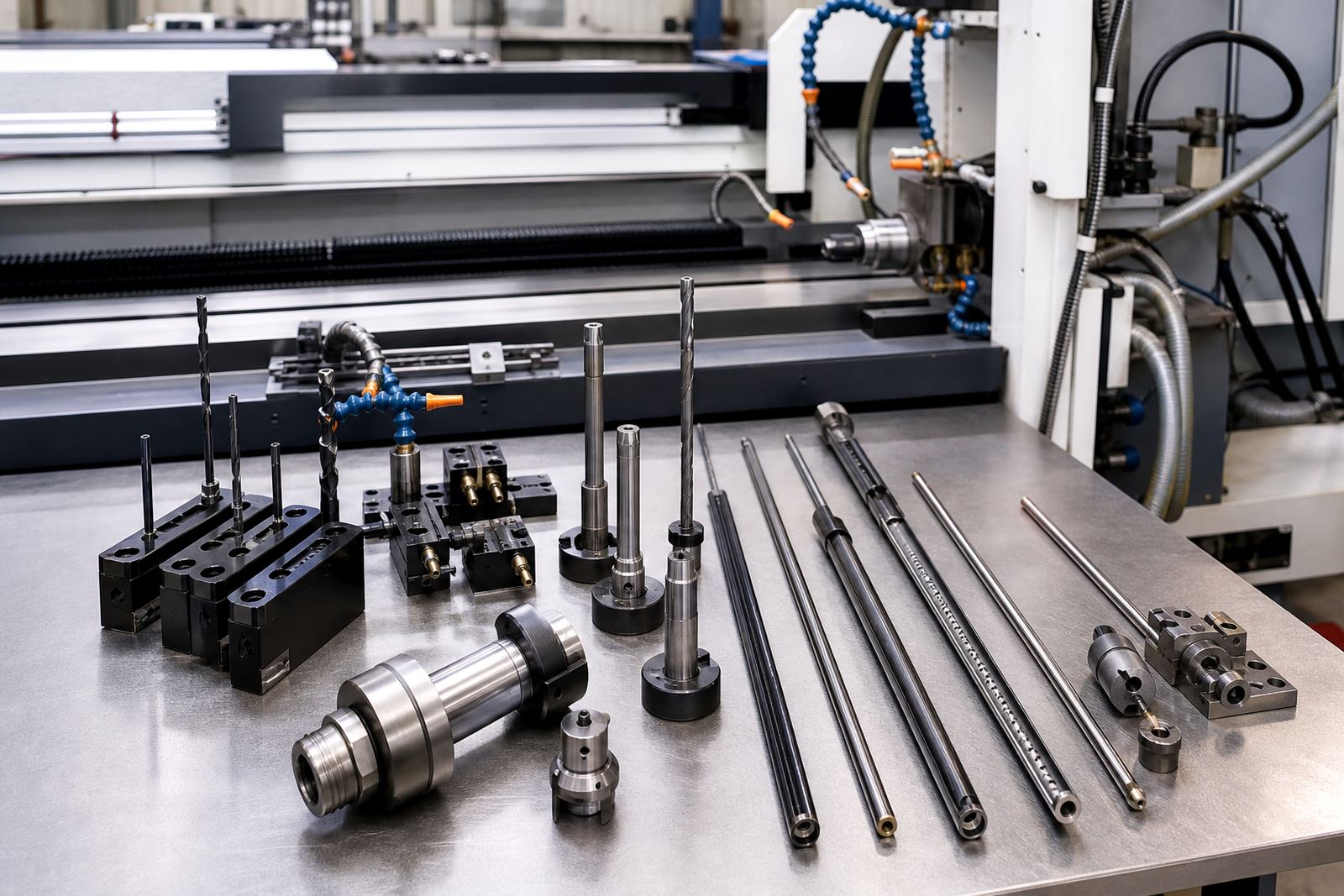
- Tooling packages matched to the bore diameter and material type
- Support for workholding, guide systems and coolant delivery
- Options suited to production runs, repair work and jobbing shops
Because every workshop has different products and volumes, Deephole helps you match the machine to the task rather than forcing a one-size-fits-all answer. We work with manufacturers and engineering shops that need dependable hole quality, setup that makes sense on the floor, and support that keeps the machine earning its keep.
Where Deep-Hole Boring Suits South African Production
Deep-hole boring suits operations where accuracy inside the part matters just as much as the outside dimensions. It is used after drilling when the hole must be brought to final size, improved for finish, or corrected for alignment. In practice, that can include components with long bores, stepped bores or critical internal passages that must hold tolerance over length.
It is common in shops that serve mining equipment, hydraulic repairs, general engineering, agricultural equipment, tooling, transport components and industrial maintenance. In coastal areas like Durban and Gqeberha, machine care also needs to account for humidity and corrosion. In Gauteng, dust and power interruptions can affect consistency if the machine is not set up properly and protected with the right maintenance routine.
For load-shedding planning, many customers want to know whether the machine can be managed within their site supply and backup arrangement. That comes down to the selected configuration, the machine load, the coolant system and how the rest of the workshop is running. We help you check the practical side before the machine lands on site.
Installation, Power and Workshop Requirements
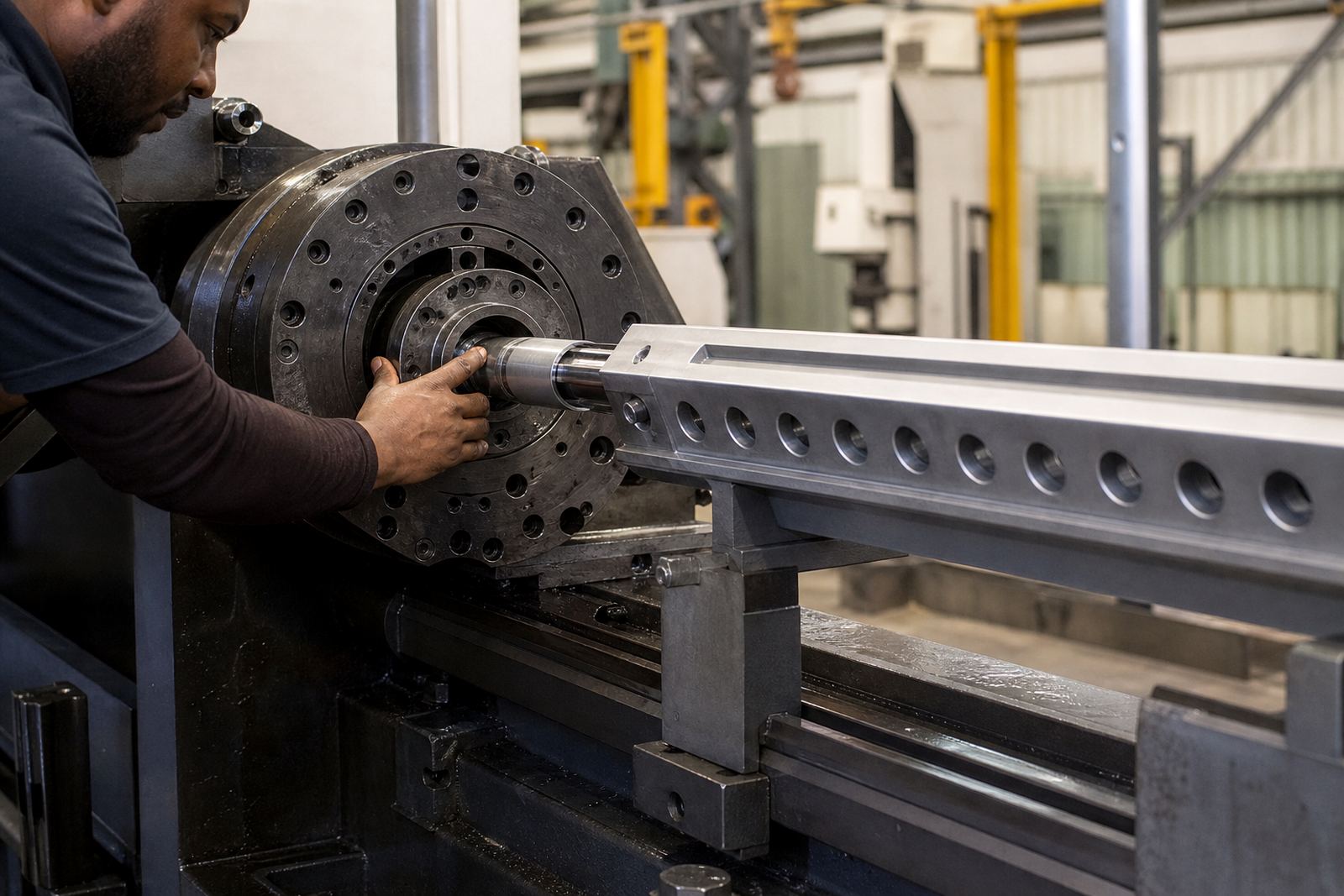
Installation starts with the floor, access and services. A deep-hole borer needs enough space for loading, operator movement, chip handling and maintenance access. The machine must be level and aligned properly from day one, because even a strong machine can give poor results if the base setup is rushed. Deephole handles machine installation, commissioning and alignment checks so the first parts are not left to guesswork.
Power needs are confirmed during the ordering stage and again before installation. We do not publish one fixed electrical figure because the requirement changes with the machine configuration and the support equipment chosen. If the site has unstable supply, the plan should also include how the coolant system, control unit and any auxiliary equipment will be handled during outages. Gas needs are only relevant where the selected process or support setup requires it, so that is checked case by case.
- Confirm floor space, access routes and lifting points before delivery
- Check power supply, backup power and site protection early
- Plan chip removal and coolant handling for daily operation
- Allow for operator access around the full working envelope
- Make sure the foundation or floor can support the installed machine
Tooling, Setup Optimisation and Operator Training
Tooling makes a direct difference to bore quality. The right boring head, guide arrangement, cutter choice and coolant approach can be the difference between a clean internal finish and a lot of rework. Deephole helps with tooling selection so the machine is matched to the job, not just switched on and hoped for.
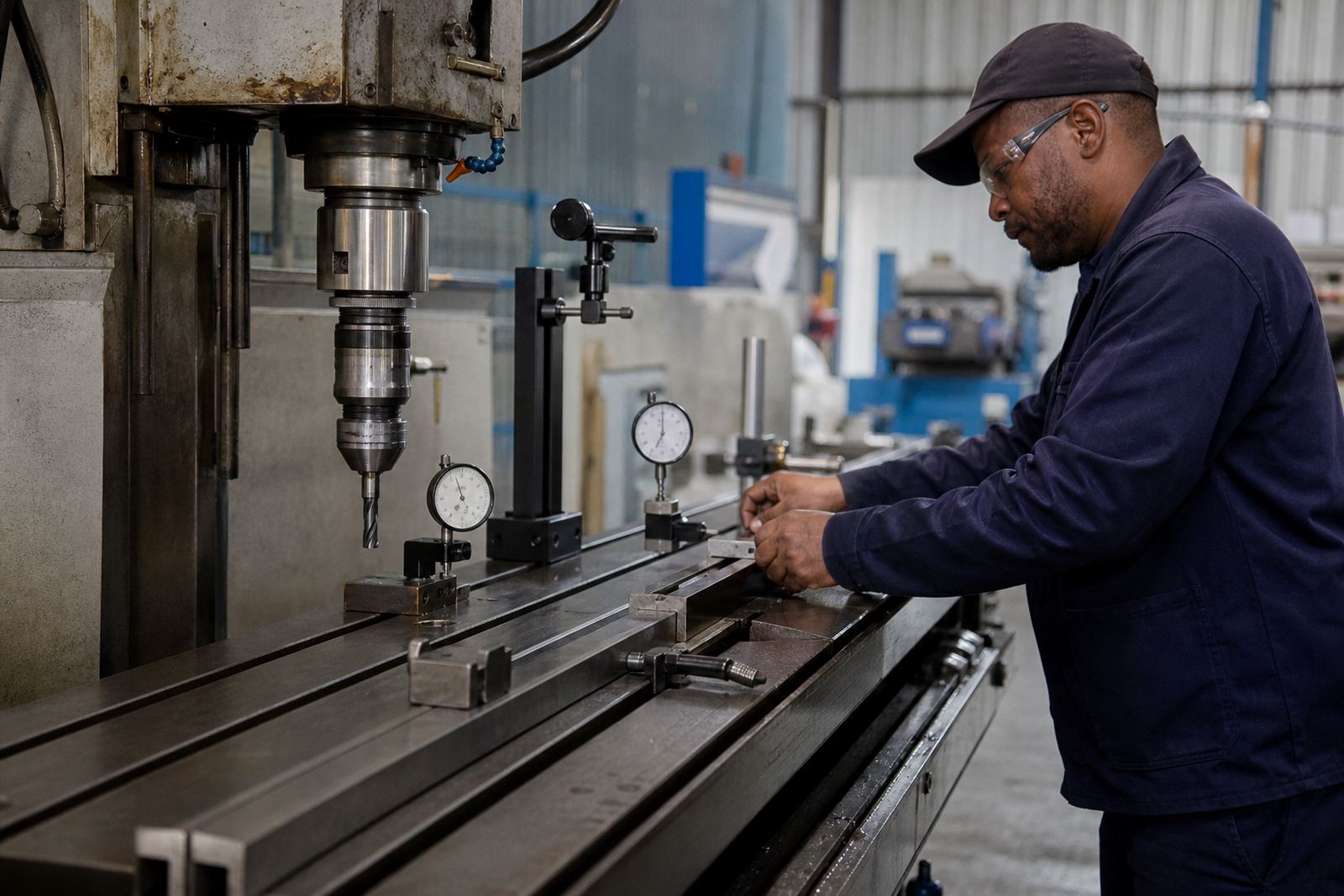
Setup optimisation is often where the biggest gains are found. That includes checking tool overhang, cutting pressure, feed balance, alignment and coolant flow. If the part is long or the material is difficult to cut, small changes in setup can prevent vibration and improve repeatability. Our team also provides operator training so the people on the floor know how to prepare the machine, monitor the cut and spot problems early.
Support is available from Benoni and across our South African coverage areas. Whether the need is Johannesburg Supply, Pretoria Support, Durban Support, Cape Town Supply, Gqeberha Support or East Rand Support, the aim is the same: keep the boring process stable and practical for production.
Care, Servicing and Breakdown Support
A deep-hole borer works best when it is kept clean, aligned and properly lubricated. Daily care should include chip clearing, coolant checks and visual inspection of the boring setup before the next run. If the coolant is dirty or the alignment shifts, bore quality will change quickly. Preventive maintenance is far cheaper than dealing with damaged tooling or scrap parts later.
Deephole supports preventive maintenance, coolant system service, spare parts support, process troubleshooting and breakdown support. If a machine starts leaving size variation, marks in the bore or unexpected vibration, the fault may be in tooling, setup, coolant delivery or alignment. Our service team looks at the full process rather than only the symptom. That saves time when production is under pressure and you need the machine back in use without delay.
For workshops around Gauteng and beyond, regular checks also help with seasonal conditions. Dust, humidity and long operating hours all affect machine condition, especially in sites that run hard and cannot afford interruptions. A good service routine keeps the machine steady and the parts coming off to the same standard.
What to Check Before You Order
Before ordering a deep-hole borer, the most useful information is the part list, bore range, material type and expected output. If the work changes from one component to another, it helps to know the full spread of sizes and the required finish. That lets us guide the machine and tooling choice properly instead of overselling capacity you will never use.
- Bore diameter range and finished size requirement
- Part length, weight and how the component will be held
- Material type and whether the job is production or repair work
- Required finish, straightness and tolerance targets
- Site conditions, power availability and backup arrangements
- Training, spare parts and support needs after installation
Clients contact Deephole through the enquiry form on our contact page, and we take it from there with practical guidance on machine choice, tooling and setup. Founded in 2008 and based in Benoni, Gauteng, we work under the direction of Marius Jacobus van Rensburg with a support team that includes sales, applications, service, training and tooling assistance. That structure helps us keep the conversation grounded in what the machine must do on your floor, not just what it looks like on paper.
Key facts
| Product type | Deep-hole boring machine for internal sizing, alignment and finish after drilling |
|---|---|
| Typical use | Production work, repair work and jobbing shop boring applications |
| Machine setup | Configurable to suit bore range, component length and workshop layout |
| Control options | Manual assisted or CNC controlled, depending on the selected configuration |
| Support services | Installation, commissioning, training, maintenance and breakdown support |
| Ordering details needed | Bore size, material, part length, site power, floor space and output requirement |