What the alignment kit is used for on the shop floor
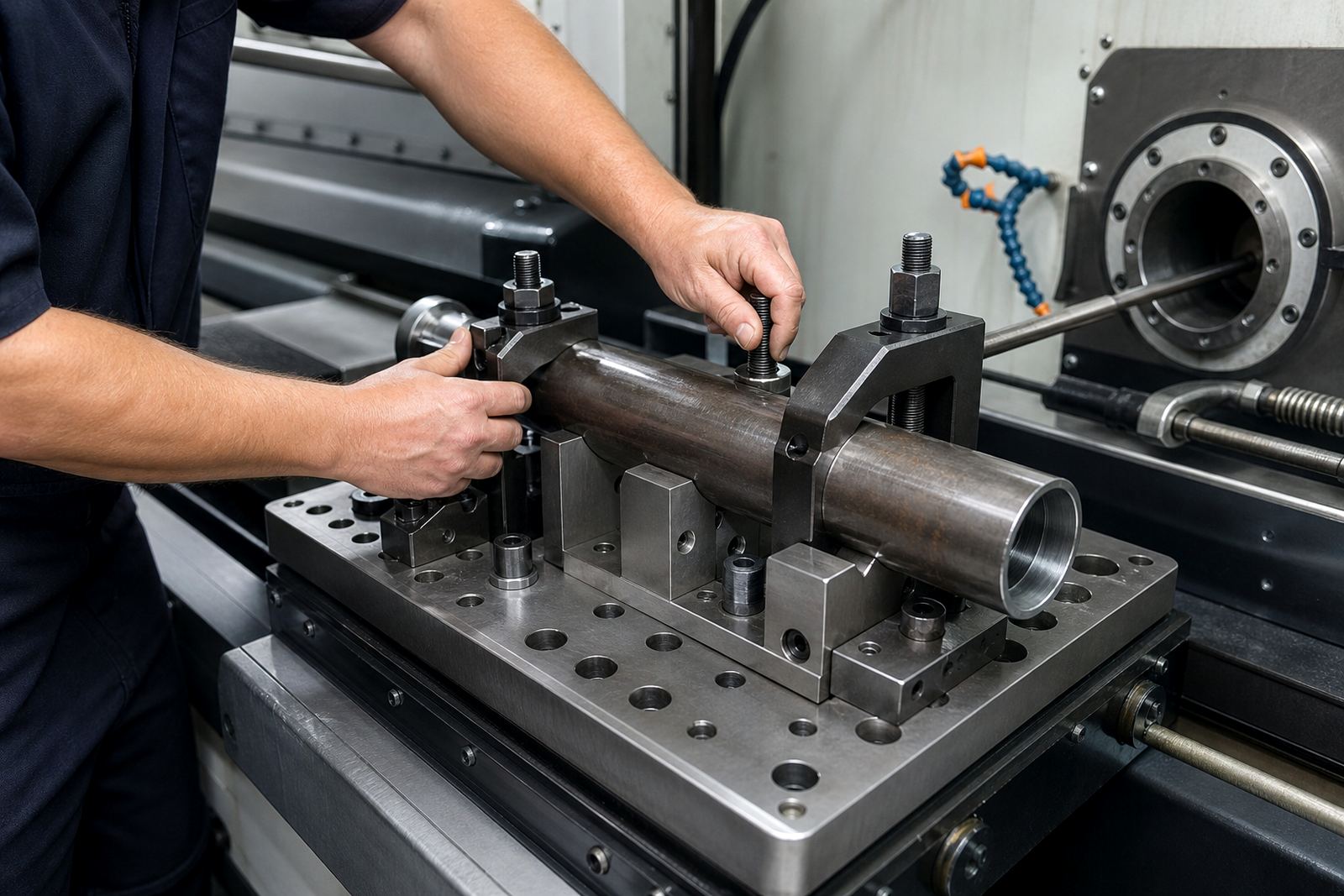
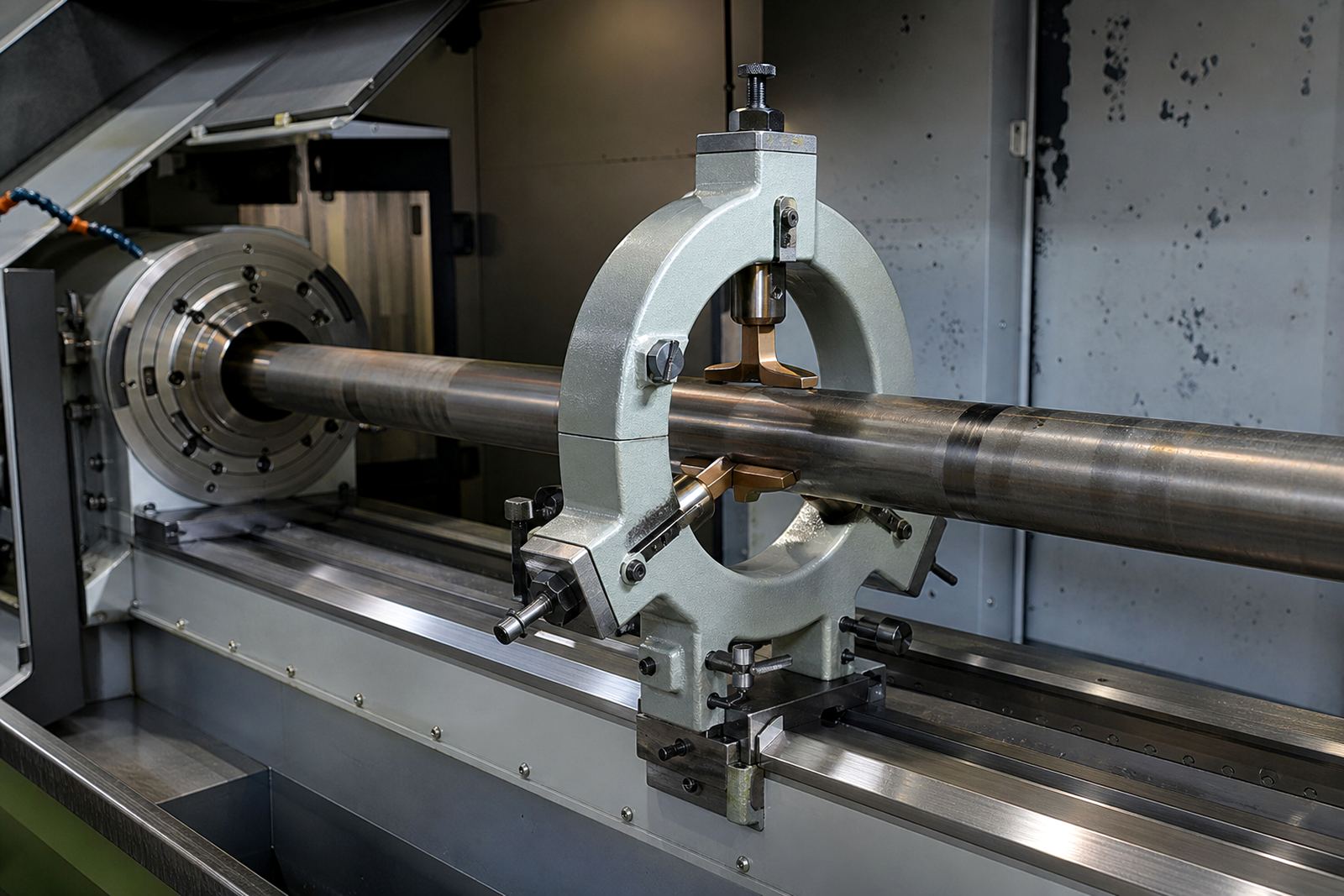
An alignment kit is a practical setup aid for confirming that the spindle, fixture and workpiece are in the correct position before drilling or boring begins. In deep-hole work, small errors at setup can show up later as poor hole finish, tool wear, chatter or a workpiece that runs out of tolerance. This kit is used to check alignment before production starts, after a changeover, and any time a machine has been moved, serviced or retooled.
For manufacturers and engineering shops working with long, straight holes, the kit gives your team a quicker way to verify position without relying on guesswork. It suits daily setup work in busy production bays, toolrooms and maintenance areas where machines may be running in shifts and time matters.
Typical kit contents and available options
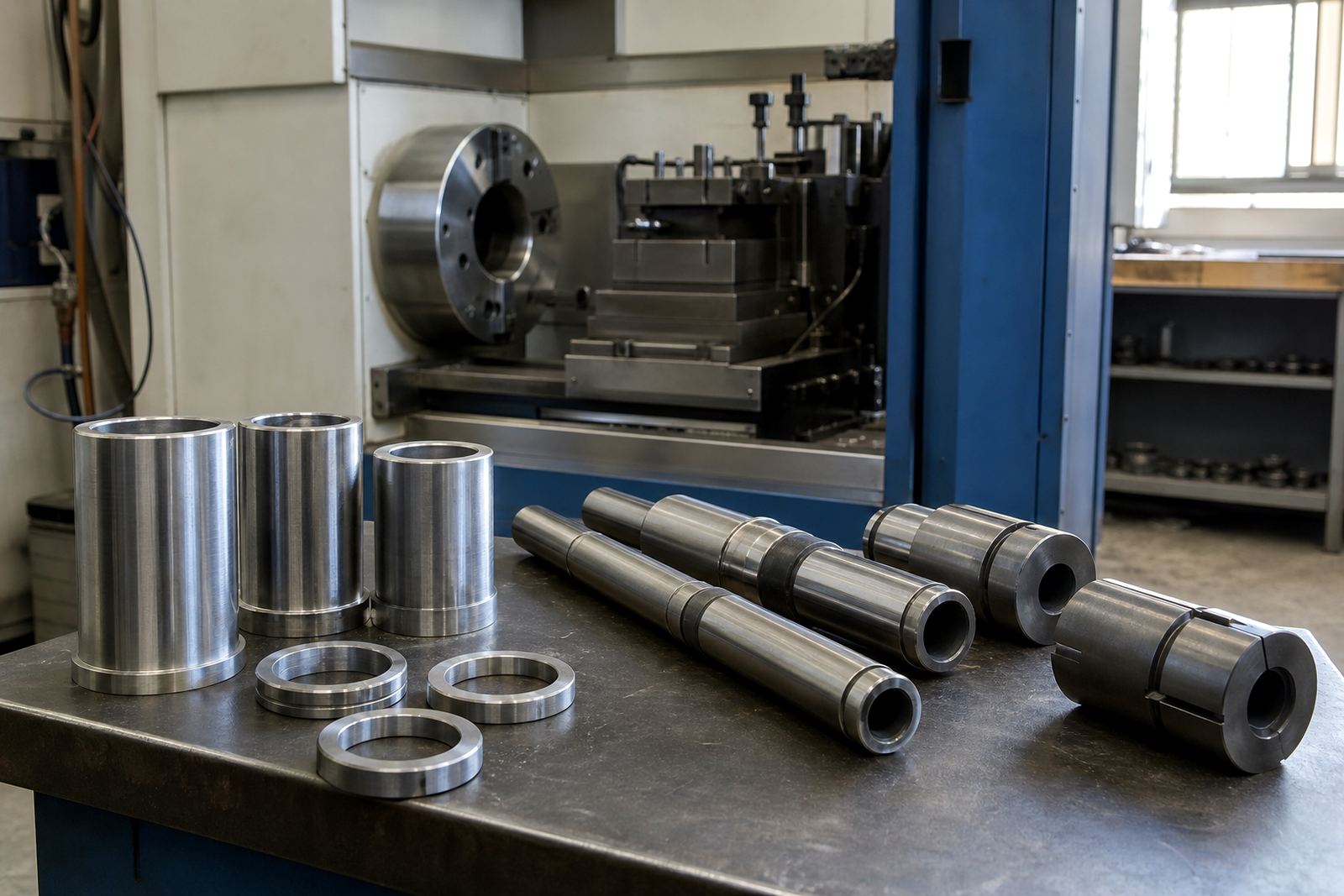
The exact make-up of the kit depends on the machine type and the setup task, but a typical package is built around practical alignment tools for spindle and fixture checks. If your shop works on smaller components or larger housings, the right option should suit the bore size, fixture layout and access around the machine table.
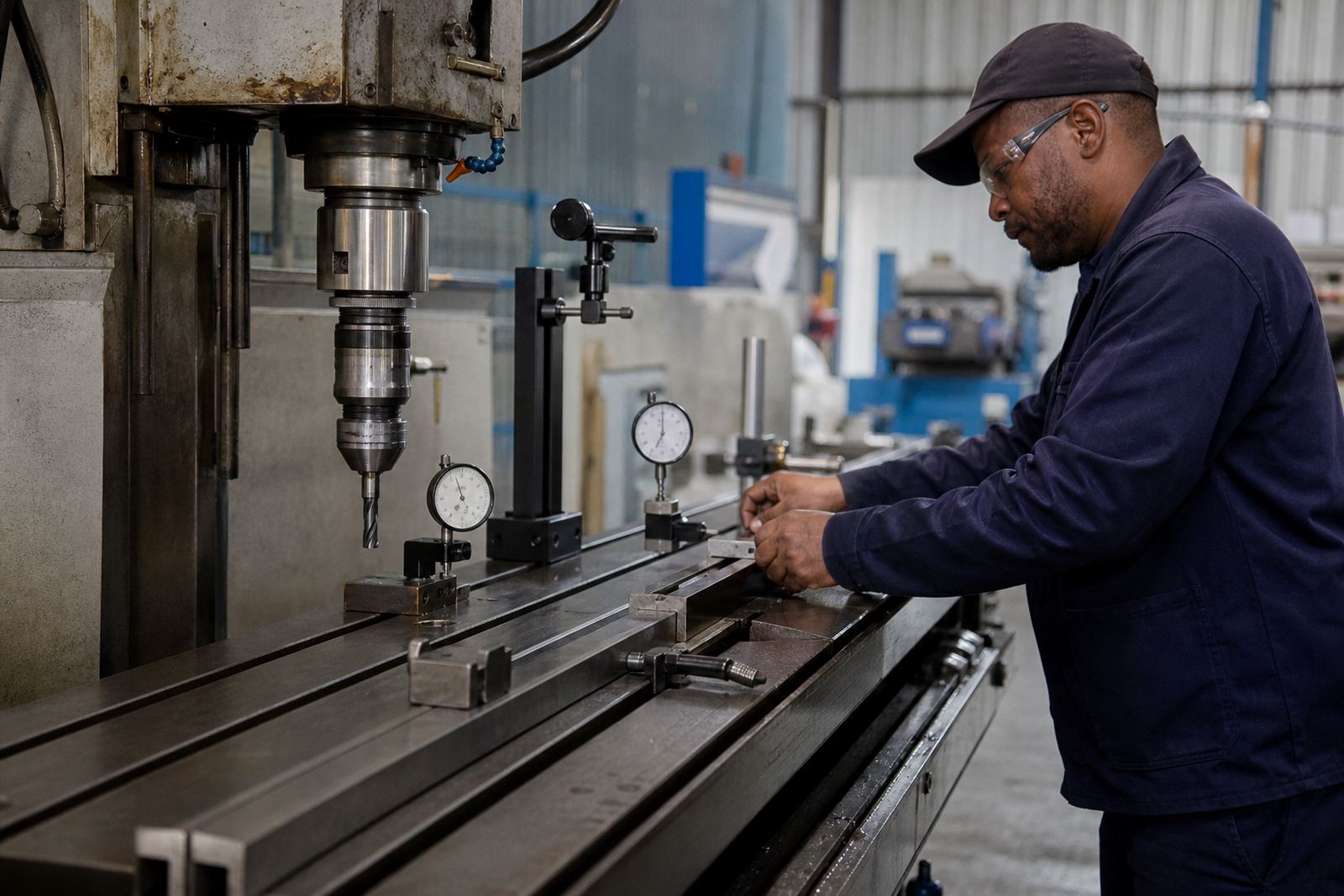
- Alignment bars or reference rods for basic line checks
- Dial indicator mounting points or holders for repeatable readings
- Fixture reference components for checking workholding position
- Carrying case or storage protection for workshop use
- Support for matching the kit to your machine and application
Where a site handles a mix of jobs, it is often better to choose a kit that can be used across more than one machine size rather than a single-purpose set. That makes it easier for a production team to standardise setup checks across the floor.
Where the kit suits best in South African production
This product suits machine shops, subcontractors, maintenance departments and production plants that need accurate setup before starting a deep-hole job. It is commonly useful in Johannesburg, Pretoria, Durban, Cape Town and Gqeberha where parts may need to be moved between machines, checked after transport, or re-aligned after routine maintenance.
The kit is a good fit for work involving shafts, hydraulic components, mould and die parts, heavy housings and other parts where straightness and repeatability matter. It is also useful in facilities that deal with load-shedding interruptions because a shutdown can affect setup checks and make it worth re-confirming alignment before restarting production.
- Gun-drilling and deep-hole boring setups
- Machine installation and re-commissioning work
- Routine process verification after maintenance
- Job changes where fixtures are swapped often
- Production areas that need quicker first-off checks
Installation, setup and site requirements
The alignment kit itself does not need a power supply or gas supply. It is a manual setup and checking tool, so the main requirement is a clean machine area and a crew that understands the sequence of checks. For best results, the machine should be level, the fixture secure and the work area clear of swarf, coolant residue and loose packing materials.
On site, the key is to use the kit as part of a proper setup process rather than as a once-off check. If a machine has been moved between bays or the floor has settled slightly, it is worth repeating the checks after installation and again after initial trial runs. In coastal areas like Durban and Gqeberha, the team should also keep the kit protected from moisture and salt air when not in use.
- No power required
- No gas required
- Needs a stable, clean setup area
- Works best with trained operators or setup staff
- Should be stored dry and protected from impact
Care, servicing and storage between jobs
An alignment kit is simple to look after, but it still needs care if you want repeatable results. Keep the measuring surfaces clean, wipe off coolant mist after use and store every part so it does not get knocked around in transit or mixed with other tooling. If the kit is used on a busy floor, assign one person to check that it is complete before and after shifts.
If readings start to drift or parts no longer seat correctly, the kit should be checked before it is used again. That may mean inspecting for wear, bent components, damaged contact faces or loose mounting hardware. For plants in Gauteng where dust and vibration can be constant, regular inspection helps avoid set-up errors that are easy to miss at first.
- Clean after each use
- Store in a dry case or cabinet
- Keep away from impacts and vibration
- Inspect before and after transport
- Replace worn or damaged parts promptly
What to confirm before ordering an alignment kit
Before ordering, it helps to confirm the machine type, spindle arrangement, bore size range and the kind of fixture work your team does most often. If you are setting up long-hole work on several machines, make sure the kit is compatible with the full range of jobs, not only one part size. It is also worth checking whether your operators need a basic kit for daily use or a more complete set for applications support and startup work.
For Deephole clients across South Africa, support usually starts with a practical discussion about the machine, the workpiece and the setup routine. That allows the right tooling and support approach to be matched to the site, whether the job is in Benoni, the East Rand, Johannesburg or further afield.
- Machine type and model
- Typical bore diameter and part length
- Fixture style and table arrangement
- How often the kit will be used
- Whether operators need training or setup support
- Storage and handling conditions on site
Key facts
| Product type | Manual alignment kit for setup checks |
|---|---|
| Main use | Spindle, fixture and workpiece alignment |
| Power requirement | None |
| Gas requirement | None |
| Use environment | Gun-drilling and deep-hole boring setups |
| Support | Selection, setup and operator training available |