
Why a steady rest matters on long bored parts
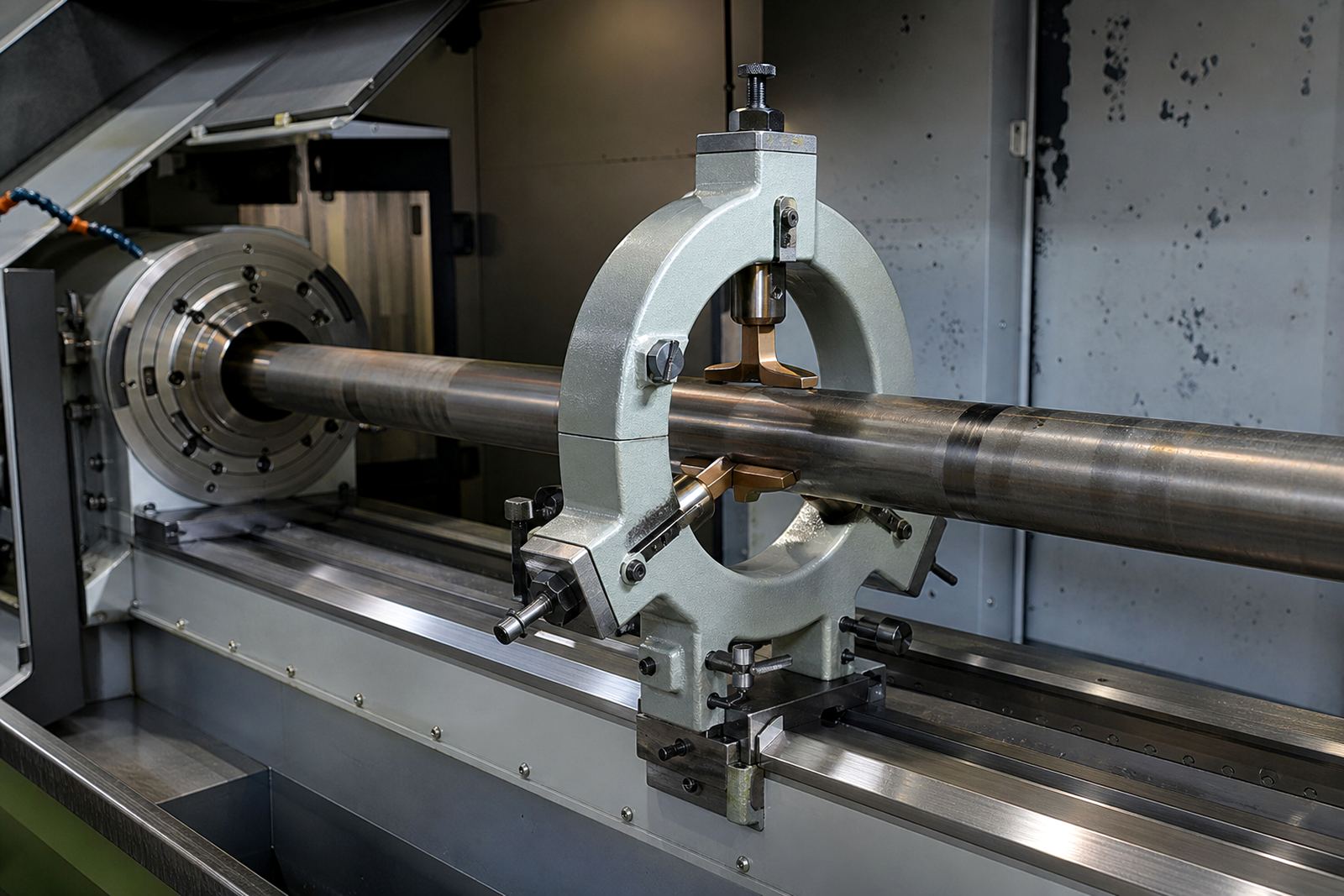
When a shaft, tube or bar gets long enough, it starts to move under cutting pressure. Even a small amount of flex can show up as chatter, poor hole finish or a drill that wanders off centre. A steady rest gives the part a fixed support point close to the cutting zone, so the machine can do cleaner work with less stress on the tool and the job. In South African workshops where work runs on mixed materials, load-shedding and tight turnaround times, that extra control can save a lot of rework.
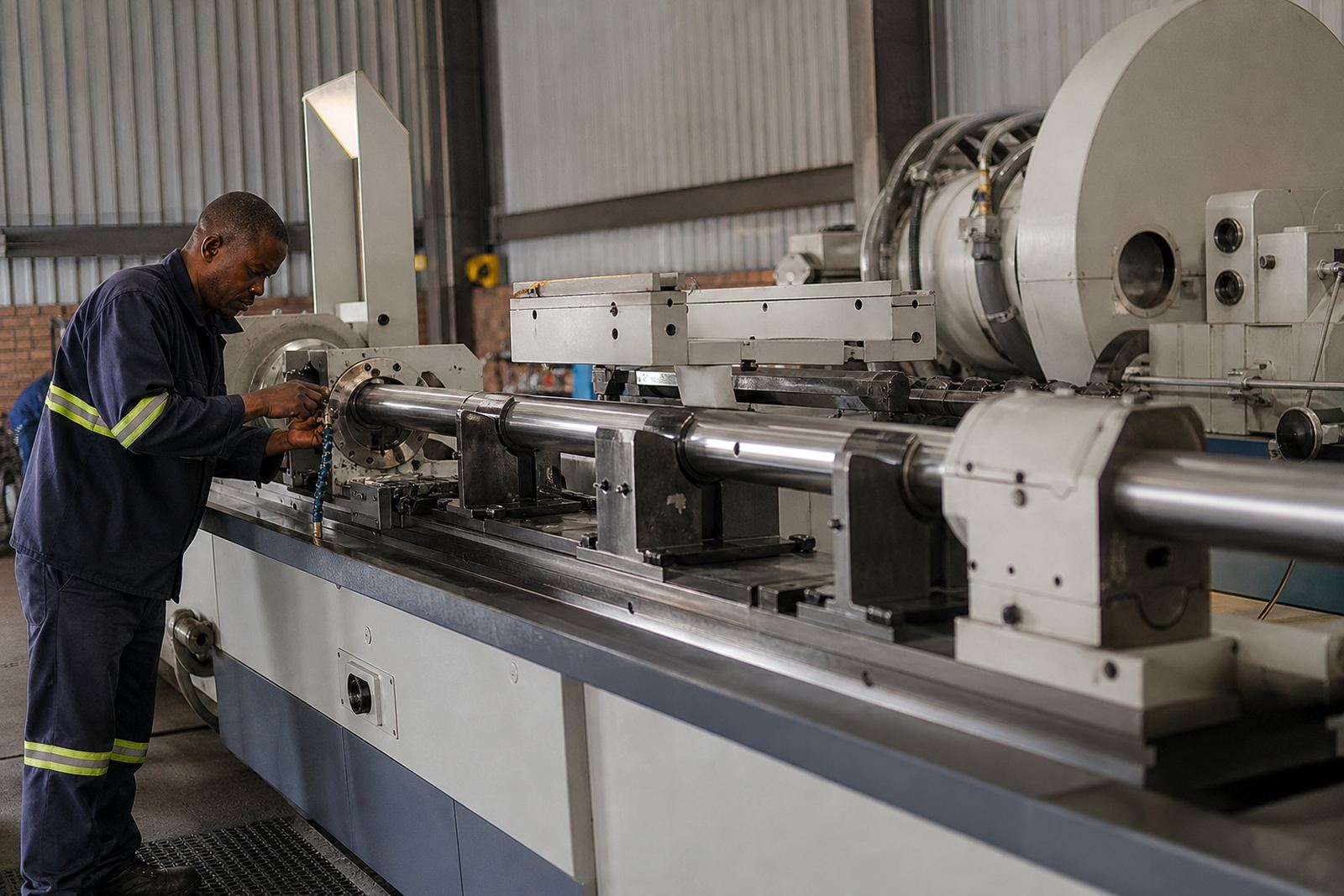
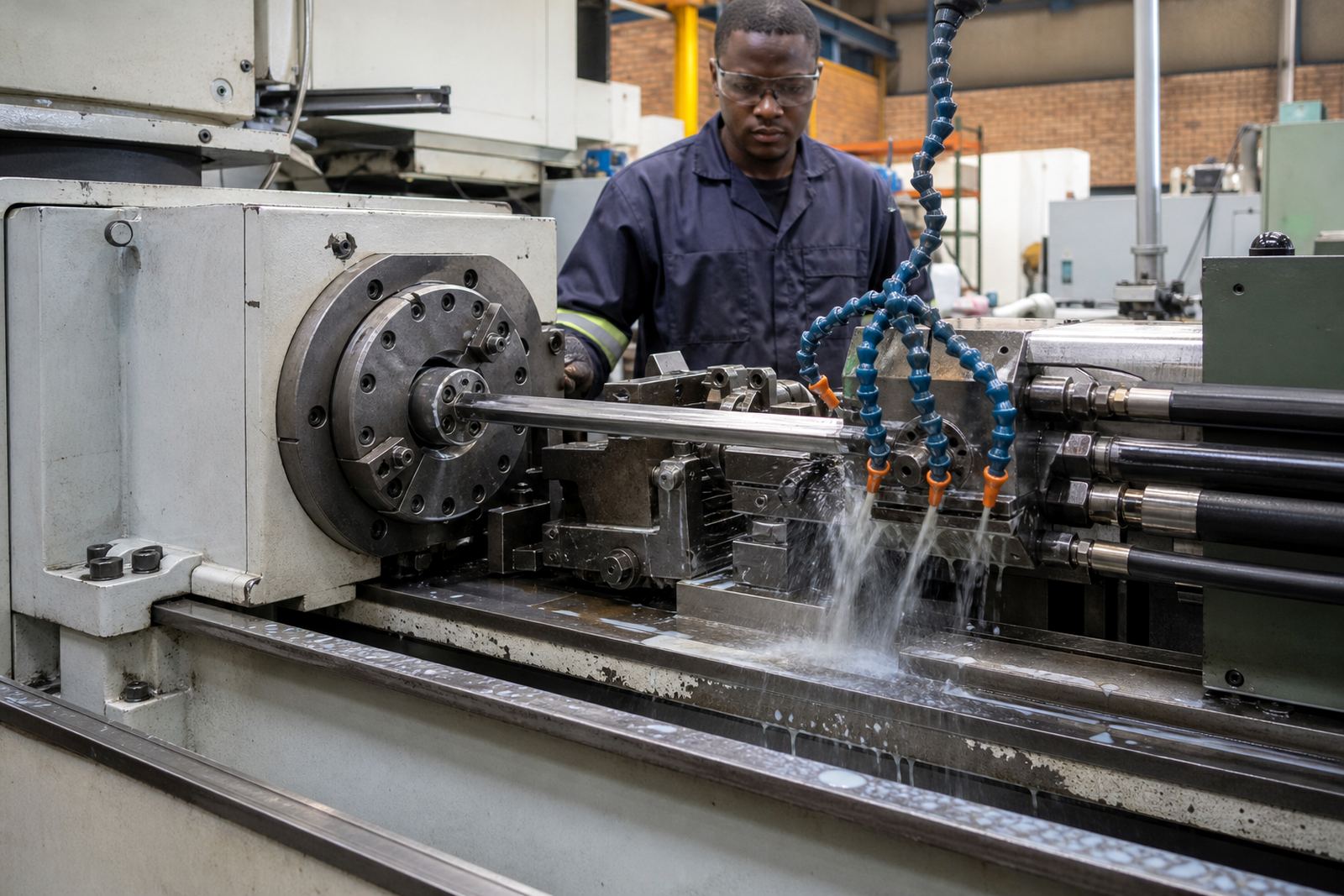
Steady rests are used with gun-drilling and deep-hole boring machines where the job length to diameter ratio becomes difficult to manage on supports alone. They are suited to parts that need accurate alignment over long lengths, especially where the workpiece is slender, heavy, or prone to vibration. Used correctly, the support helps improve surface finish, reduce tool wear and keep the process more predictable.
Steady rest configurations and size choices
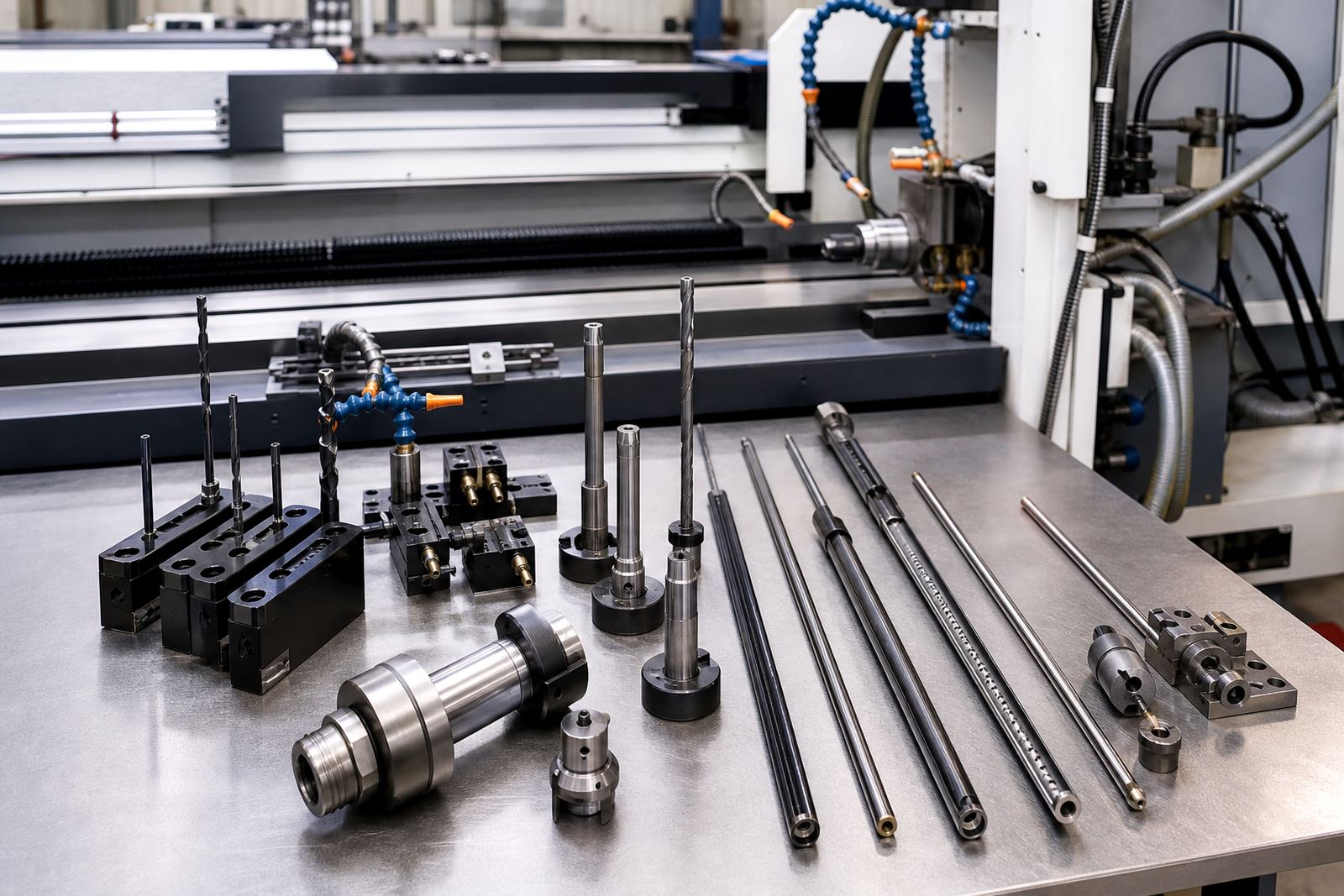
Deephole supplies steady rest systems in practical configurations for different machine setups and workpiece ranges. The right unit depends on the machine bed, the size of the part being supported, the type of material and where the support must sit during the cycle. Some workshops need a compact support for smaller precision parts, while others need a heavier arrangement for long industrial components used in hydraulic, automotive or general engineering work.
When selecting a system, the main points are the support opening, the contact arrangement and how the rest is mounted. The system must hold the part securely without marking it or creating drag that affects feed. The support points need to suit the surface condition of the workpiece, especially if the job is polished, plated or has a softer outer layer. In coastal areas like Durban or Gqeberha, the support surfaces also need to stand up to humidity and regular cleaning.
- Available for different workpiece diameters and support spans
- Mounting arrangements to suit machine layout and access
- Contact setup options for varying materials and surface finishes
- Manual or assisted positioning depending on the job flow
Where steady rests fit into your production
These systems suit manufacturers and engineering shops that drill or bore long parts as part of routine production. They are especially useful where hole straightness matters, or where the workpiece would otherwise sag between centres or supports. Typical applications include long shafts, bushings, gun-drilled blanks, structural precision parts and other components where concentricity is important. For shops in Johannesburg, Pretoria and the East Rand, the steady rest is often part of a repeatable setup that keeps production moving on multiple shifts.
A steady rest is not only about holding the part still. It also helps the operator control the whole process from setup through to production startup. If the support position is wrong, the tool can rub, chatter or push the part out of line. If it is set correctly, the machine can cut cleaner and the finishing work becomes easier. That is why we usually look at the full process, not just the hardware. A good support choice starts with the job, not with guesswork.
- Gun-drilling jobs with long, slender stock
- Deep-hole boring where alignment must stay consistent
- Parts that need support near the cutting zone
- Workpieces that show vibration or deflection during machining
Installation, alignment and site requirements
Correct installation is essential. A steady rest must be mounted squarely and aligned with the machine axis before production begins. If the support is off by even a small amount, the workpiece will not sit naturally and the tool path can suffer. Deephole provides machine installation, machine commissioning, alignment checks and setup optimisation so the support works properly with the rest of the drilling system.
Power needs depend on whether the steady rest is a manual support or part of a powered machine arrangement. Most steady rest systems do not need a separate heavy power supply on their own, but any related actuators, controls or monitoring devices should be checked against the site’s electrical supply. In South Africa, it is wise to confirm what happens during load-shedding and whether the machine setup should have controlled restart procedures. Air supply or gas is not usually a direct requirement for the support itself, though some installations may use plant air for clamping or ancillary functions. The floor must be level, clean and able to carry the load of the workpiece and machine section around it.
During commissioning we also check access around the machine, the operator position and how the support will be adjusted between jobs. If the workshop changes product sizes often, quick changeover becomes important. A setup that is simple to move and re-align will usually save time over the life of the machine.
Care, servicing and breakdown support
Like any precision support, a steady rest needs regular care. Contact surfaces should be kept clean, moving parts lubricated where required and fasteners checked for wear or looseness. If the support begins to mark the workpiece or if the part no longer sits true, it is time to inspect the contact condition and alignment. In busy workshops, this should be part of the normal preventive maintenance plan, not left until a fault appears.
Deephole offers preventive maintenance, breakdown support, spare parts support and coolant system service as part of a practical after-sales plan for machine shops. When a support system is not behaving as expected, the cause is often not the steady rest alone. It may be the machine base, the workholding, the coolant delivery or the way the part is being loaded. Our service team works through the whole setup so the problem is found properly and not just patched over. That saves time and avoids repeat stoppages.
- Inspect contact faces for scoring or uneven wear
- Check alignment after changes to setup or tooling
- Keep chips and coolant residue off the support surfaces
- Confirm clamping force and movement before production runs
What to confirm before you order
Before ordering a steady rest system, it helps to have the workpiece details ready. We need to know the diameter range, overall length, material type, machine model or mounting arrangement, and where the support must sit during the process. If the job changes often, tell us the full range so the system can be matched to the widest practical use. This avoids a setup that is too small for some jobs or too bulky for the others.
It is also worth confirming the finish condition of the part, the feed method, the coolant type and whether the workshop wants operator training with the supply. If the machine is going into a production cell, we can help with tooling selection, setup optimisation and production startup so the steady rest forms part of a working system rather than a single item on its own. If you are in Benoni, Johannesburg, Pretoria, Durban, Cape Town or Gqeberha, use the enquiry form on our contact page and we will work through the details with you. A proper brief at the start usually means a better fit and less back-and-forth later.
Support from Benoni to workshops nationwide
Deephole is based in Benoni, Gauteng and supports manufacturers and engineering shops across South Africa. Our team includes sales, applications, service, training and tooling support staff who understand the demands of deep-hole work in real production environments. Whether the requirement is a new support system, a replacement part or help getting a machine back into line, we aim to keep the process practical and clear.
From Johannesburg supply and Pretoria support to Durban, Cape Town and Gqeberha, our focus stays on correct setup, solid support and dependable follow-through. We help with machine installation, machine commissioning, operator training, process troubleshooting and alignment checks. If your steady rest is part of a wider drilling process, we can look at the full chain and help you get it working properly from the start.
Key facts
| Product type | Steady rest system for gun-drilling and deep-hole boring |
|---|---|
| Use | Supports long workpieces during machining to reduce deflection and vibration |
| Compatibility | Selected to suit machine layout, workpiece diameter range and mounting arrangement |
| Support setup | Configured to match job size, surface finish and process requirements |
| Site needs | Level floor, correct mounting, verified alignment and suitable electrical provision for related controls if fitted |
| After-sales | Installation, commissioning, alignment checks, maintenance and breakdown support available |