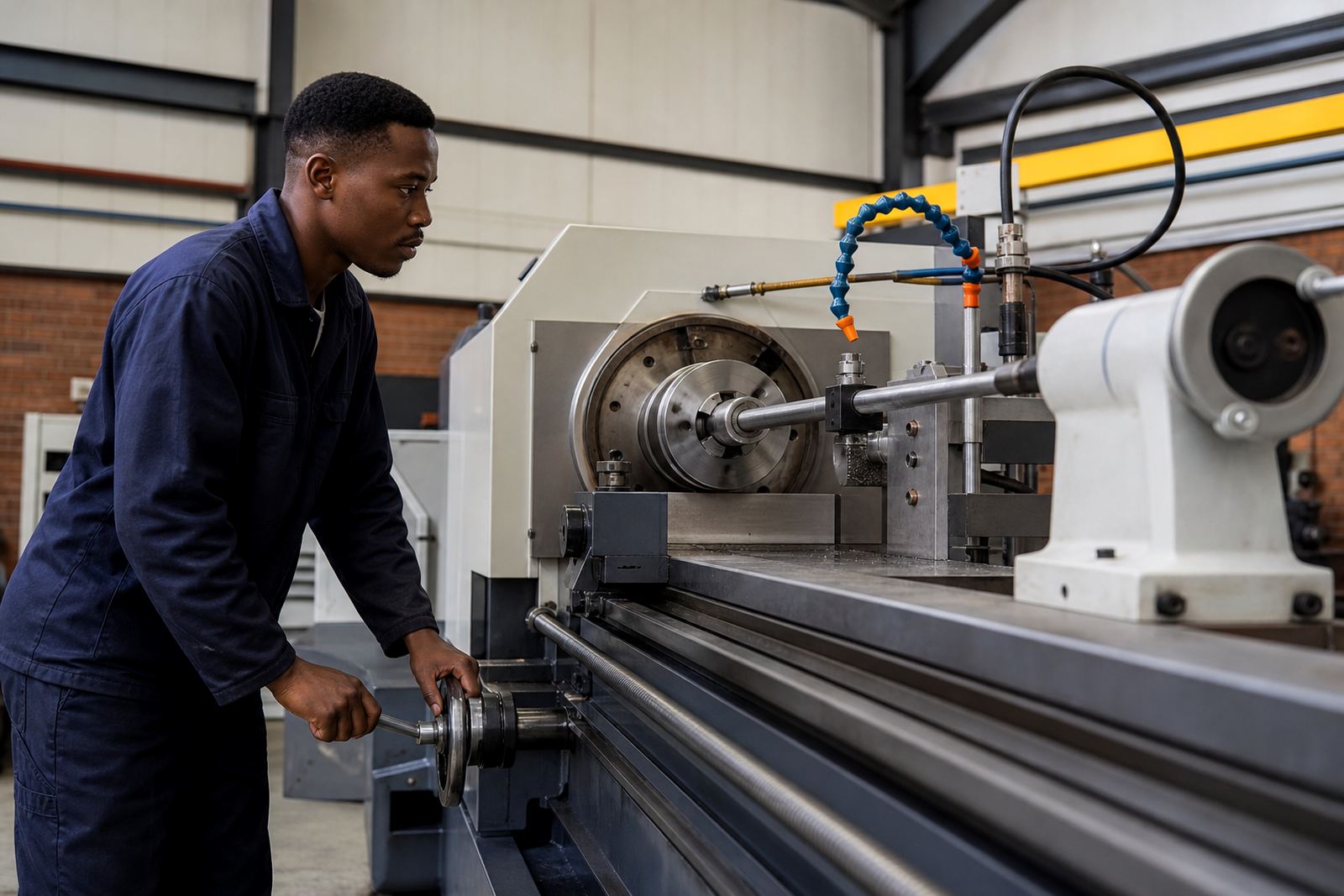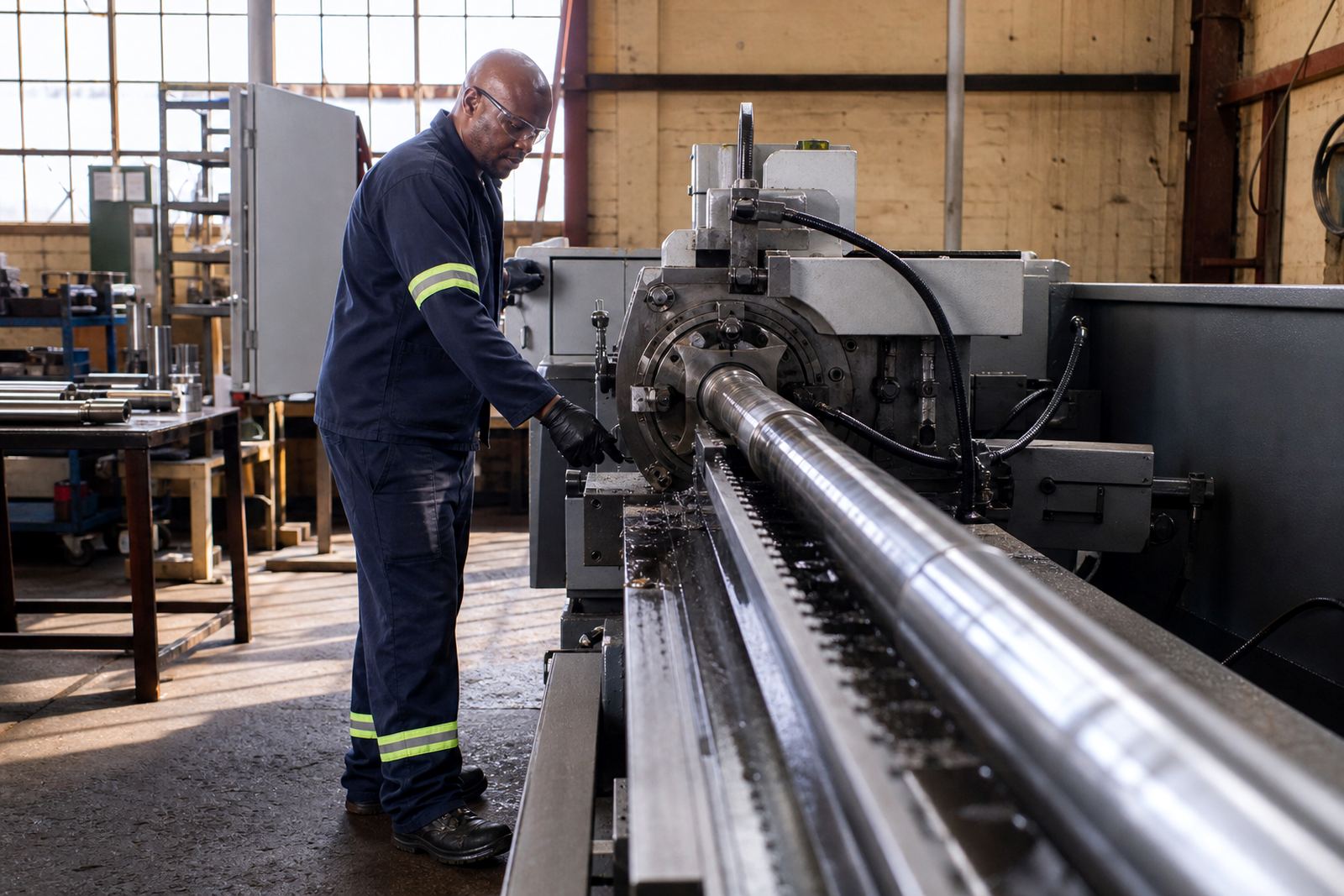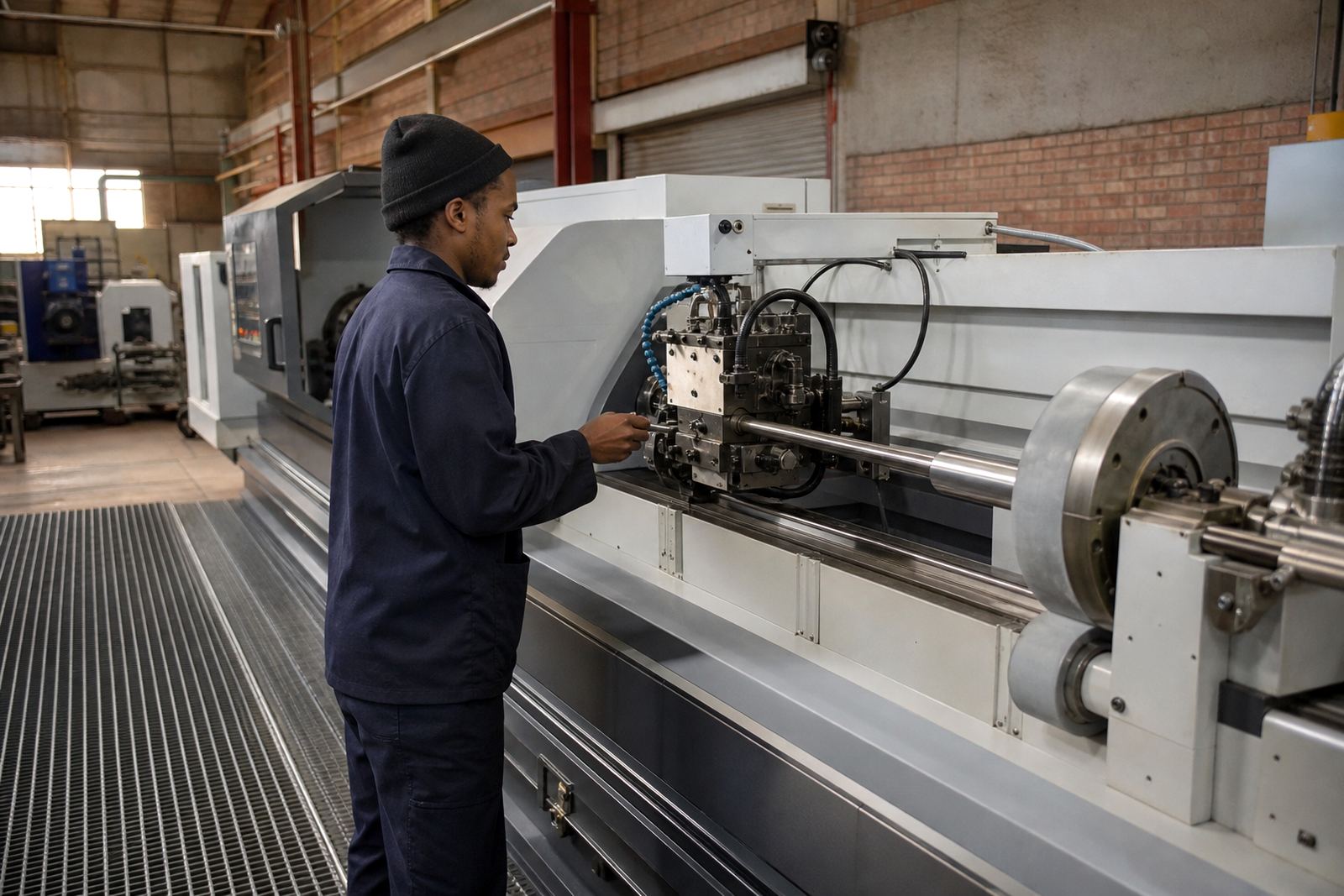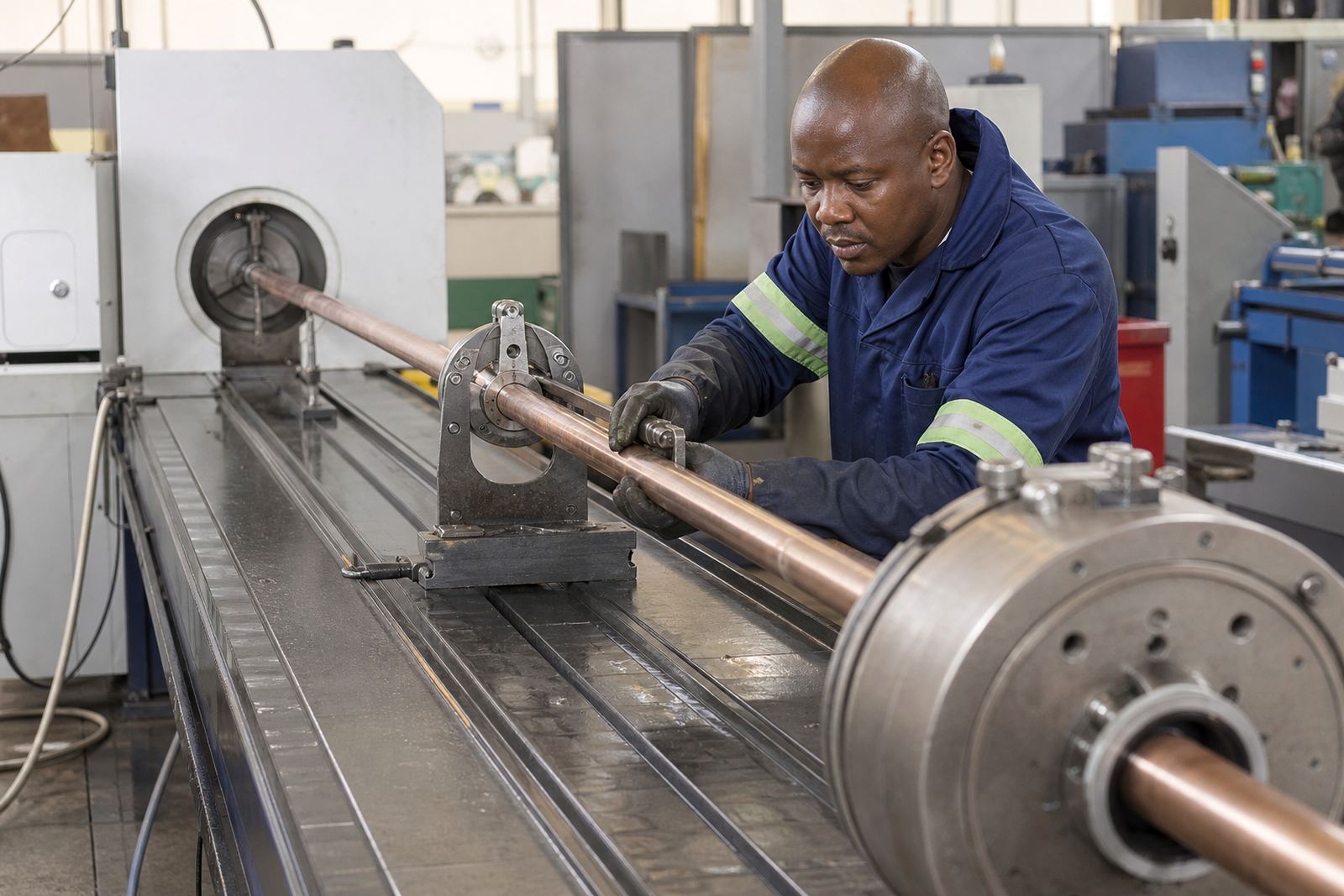
Start with the process, not just the symptom
When a deep-hole job starts drifting off spec, the issue is often a mix of setup, tooling condition and process settings rather than one single fault. The quickest way to narrow it down is to note what changed first, such as material batch, coolant flow, tool wear, workholding or operator setup.
For shops in Benoni, Johannesburg, Pretoria, Durban, Cape Town and Gqeberha, that first check saves time during a stoppage, especially when load-shedding or shift changes interrupt the normal routine. If a part is already on the machine, keep the job details handy so the support team can talk through the sequence with you.
- Material type and size
- Hole depth and required finish
- Tooling currently in use
- Coolant condition and pressure check
- What changed just before the fault appeared
Machine operation help for daily production issues
Technical help is often needed for the everyday things that slow production down. That can include setup questions, cycle repeatability, chip control, alignment checks and getting a machine back into consistent running order after downtime.
Deephole works with operators, supervisors and production managers to walk through the machine state step by step. The goal is to keep the process practical and clear, so the team on the floor can get back to output with less guesswork.
- Confirm the machine is level and aligned before production starts
- Check the clamping and part support are holding true
- Inspect coolant delivery and return paths
- Review the current tool condition and any wear marks
- Run a short trial piece before full production
Tooling questions that affect hole quality
Tooling choice has a direct effect on bore straightness, surface finish and tool life. If the hole is wandering, the chips are packing, or the finish is inconsistent, the first place to look is usually the tool condition and whether it suits the material and depth being machined.
Our team helps with tooling selection, setup optimisation and production troubleshooting for gun-drilling and deep-hole boring applications. That support is useful when a shop is running mild steel one day and tougher material the next, or when the same machine is expected to handle different work without much downtime between jobs.
- Select tooling for the required hole size and depth
- Check if the cutting edge is still suitable for the material
- Look for signs of chatter, wear or blockage
- Confirm coolant flow is reaching the cutting area correctly
- Review tool setting methods for repeatable results
What to check before calling for support
A short checklist helps the support conversation move faster. If you can give clear details from the machine floor, it is easier to work through the fault logically and avoid unnecessary stoppage. Keep the part sample, job card and recent setup notes close by.
In many Gauteng and coastal workshops, the same machine may be asked to do long runs during the week and short urgent jobs after hours. In those cases, the basics matter more than people think, especially coolant health and alignment after repeated changeovers.
- Machine model and current setup
- Tooling fitted and when it was last changed
- Material being machined
- Any unusual noise, heat or vibration
- Whether the fault started after maintenance, a power cut or a tool change
Support services available from Benoni
Deephole provides technical support across South Africa from our Benoni base, with help for manufacturers and engineering shops in Johannesburg, Pretoria, Durban, Cape Town and Gqeberha. Support can cover installation follow-up, commissioning questions, preventive maintenance and breakdown assistance, as well as spare parts support when the machine needs attention.
We also assist with coolant system service, alignment checks, production startup and operator training. For many shops, a clear handover after commissioning makes all the difference, especially when the team needs to keep production steady through long shifts and power interruptions.
How to get the right answer faster
The most useful support call is a structured one. Start with the job that is failing, describe the result you want, then explain what the machine is doing instead. From there, our technical team can narrow the issue and decide whether the fix is in tooling, setup, operation or maintenance.
If the machine is still running, do not change too many variables at once. One adjustment at a time gives cleaner results and helps avoid making a small issue into a bigger one. When the job is urgent, that discipline saves time and material.
Use the enquiry form on our contact page to request help and include the job details, the area you are in and the type of machine support needed. We will route the request to the right person, whether it is a tooling question, process check or machine fault that needs attention.