Project Brief From Alrode
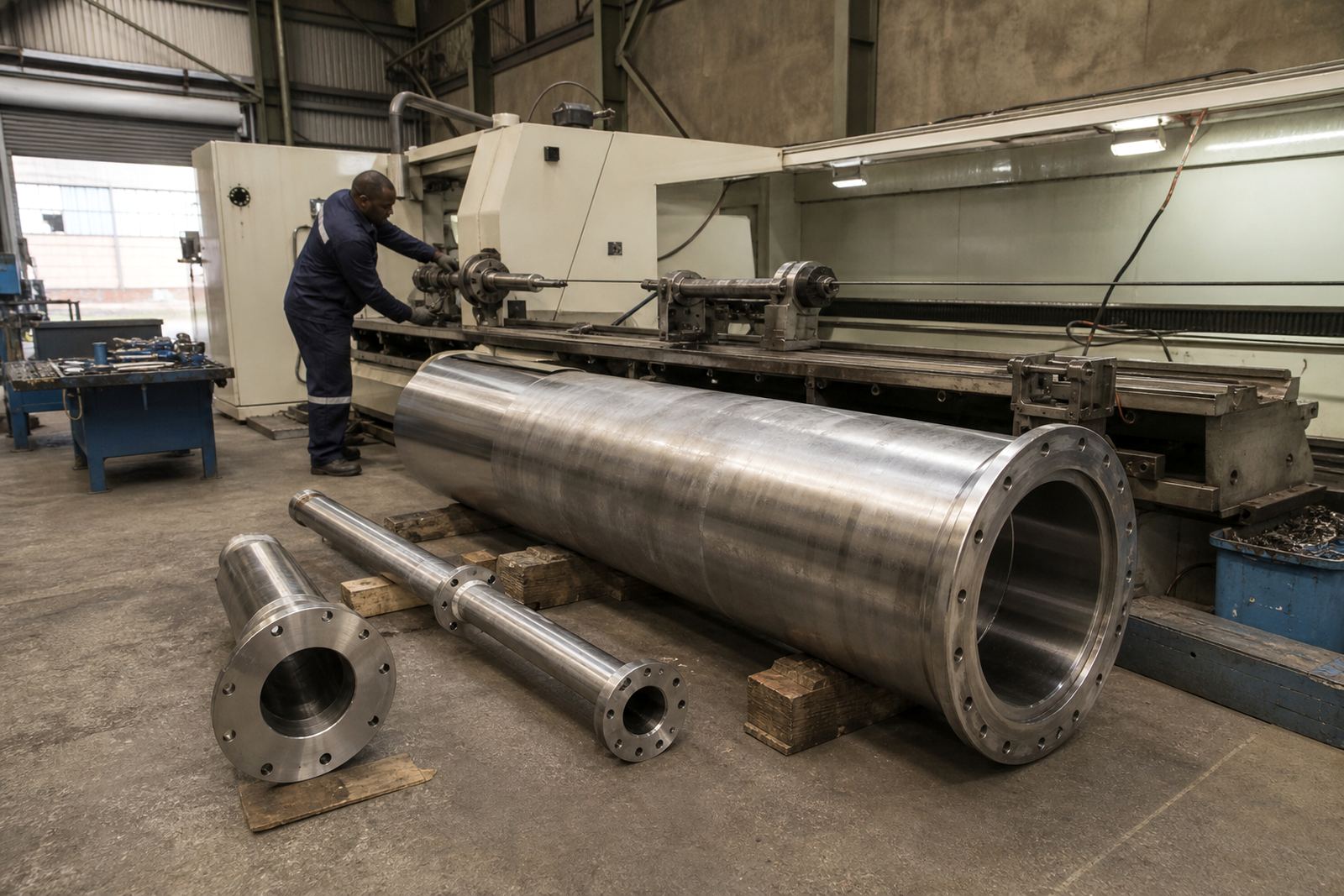
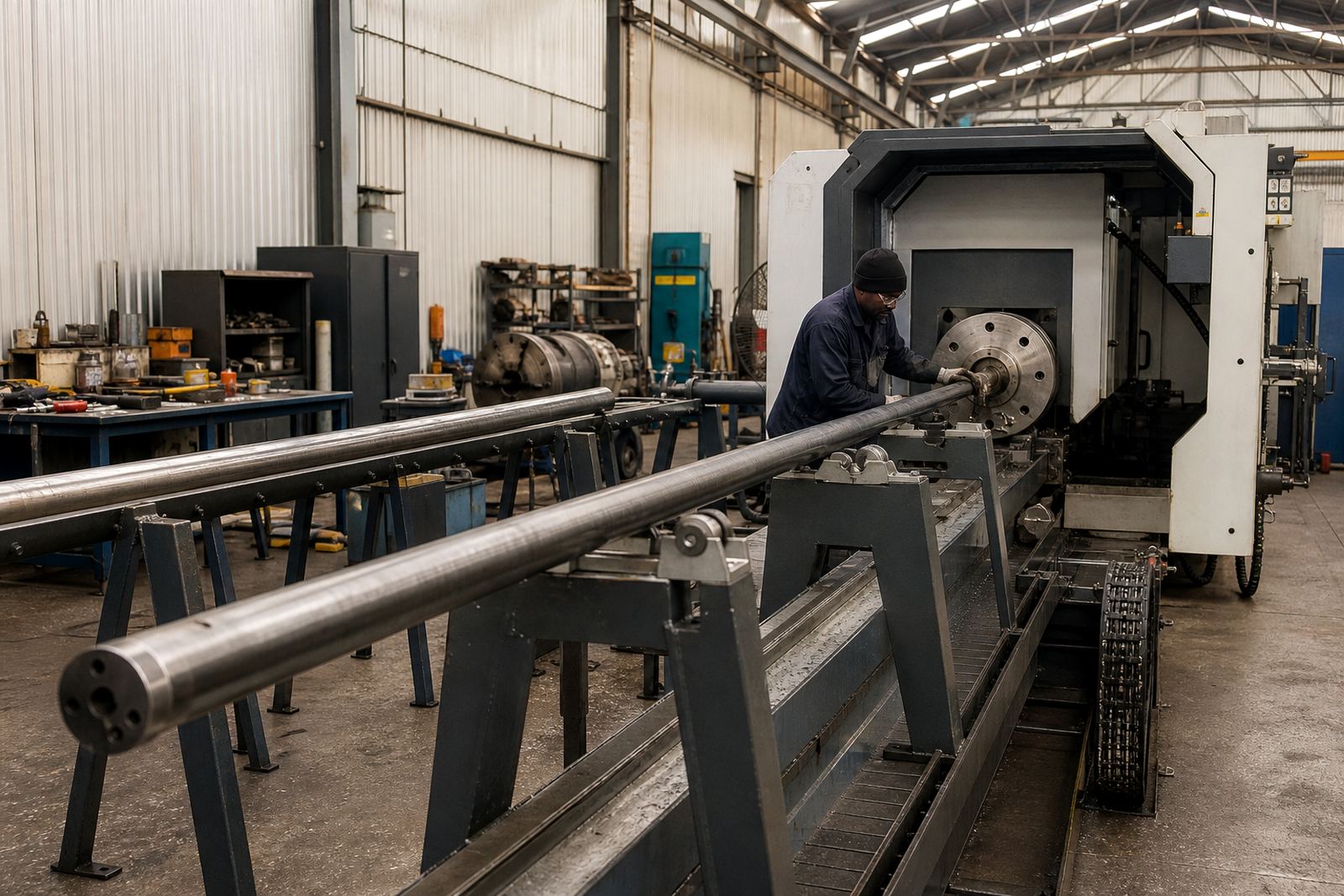
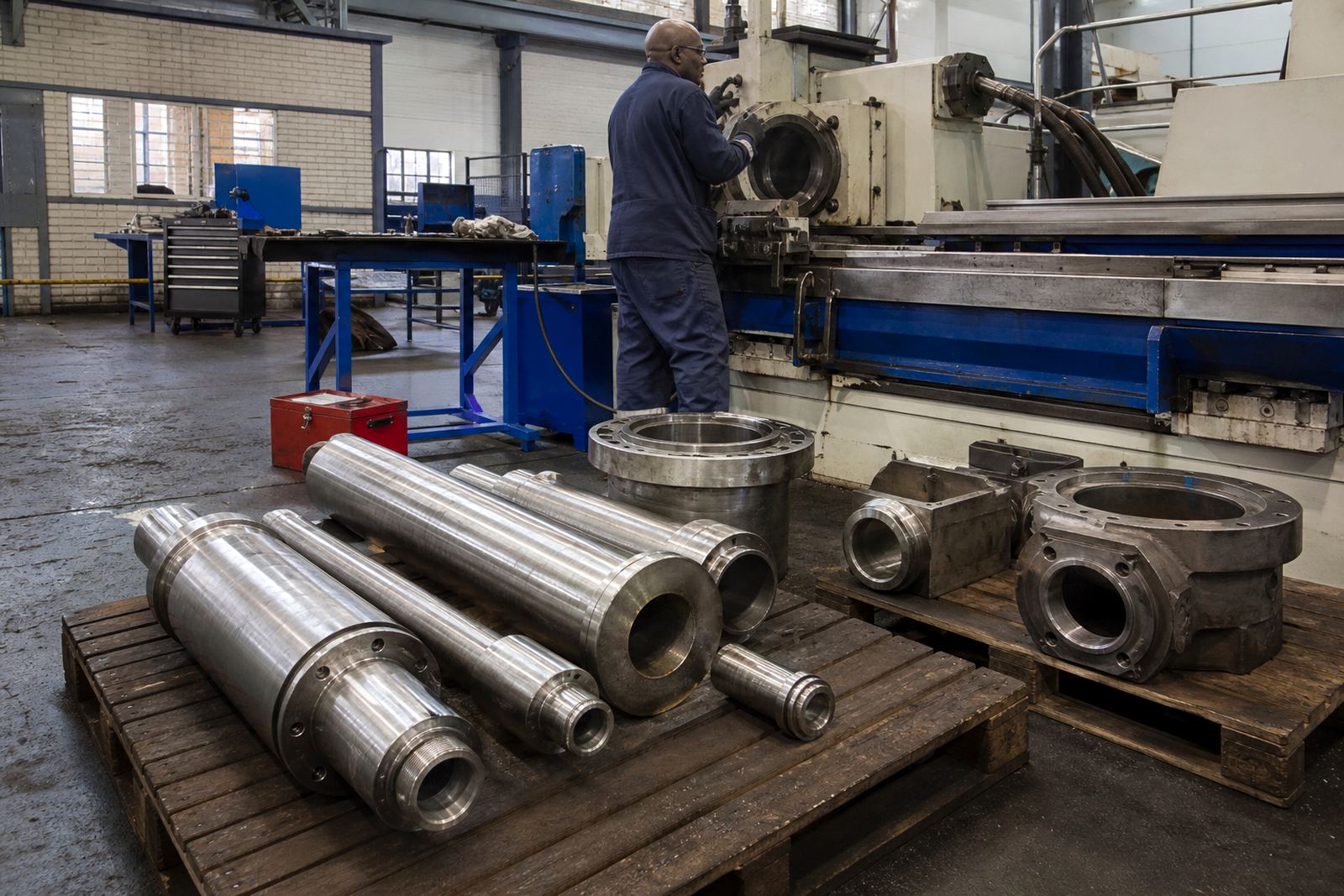
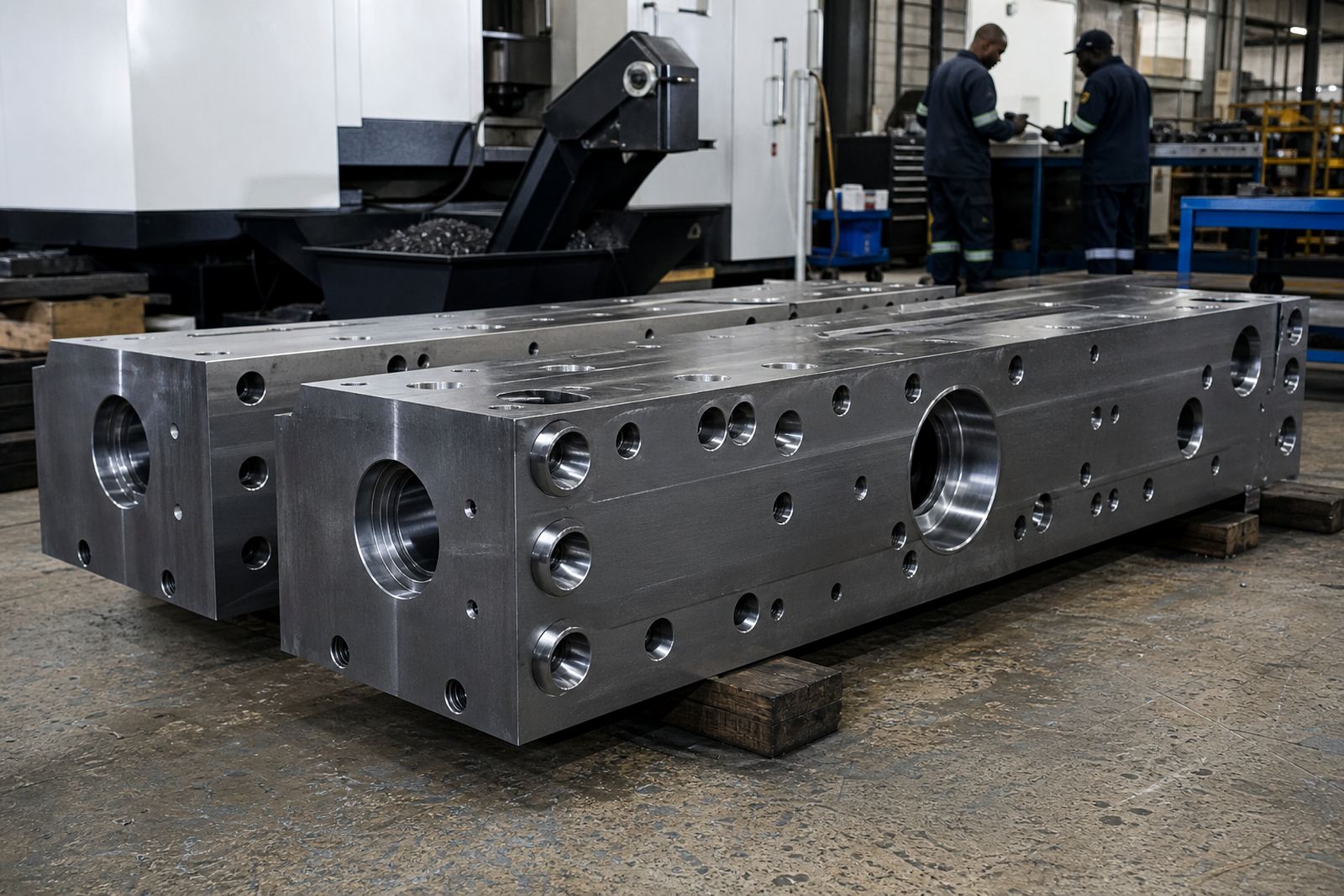
The client is a fabrication business in Alrode, Gauteng working with heavy steel components for industrial use. Their team needed a better way to produce long, straight holes through thick sections without spending extra time on rework, manual correction or tool wear that was difficult to predict.
The brief was clear: get the drilling process under control, match the tooling to the workpiece material and set up a stable process the shop floor team could repeat. They also wanted support that would hold up in a busy workshop where shifts, delivery dates and maintenance windows all compete for the same time.
- Location: Alrode, Gauteng
- Work type: long-hole drilling on heavy steel components
- Main need: accuracy, repeatability and shop-floor consistency
- Support requested: machine setup, tooling and operator training
What Was Holding The Job Back
The main constraint was the nature of the parts themselves. Heavy steel sections are not forgiving when the setup is off by even a small amount, and that shows up fast in hole quality, tool life and cycle consistency. The team also had to work around production pressure, so any new process had to fit into an active workshop without disrupting other jobs.
We also had to plan for the normal conditions that affect South African production sites: load-shedding risk, limited time for machine shutdowns and the need to keep a clean coolant and chip management routine. In an environment like that, the process has to be practical, not delicate.
- Heavy components required careful alignment before drilling
- Tooling needed to suit the material and hole depth
- The workshop had limited downtime for setup and testing
- Process stability mattered more than one-off test pieces
What Deephole Supplied And Set Up
We supplied support focused on the drilling process itself rather than general workshop advice. That included tool selection, setup optimisation, alignment checks and practical commissioning support on site. Our team worked through the machine and tooling arrangement with the operators, then adjusted the process until the drilling sequence was consistent and easy to follow.
The job also included training so the workshop team could handle daily use with confidence. We covered the basics of safe setup, tool handling, coolant checks and the signs that a process needs attention before it turns into scrap or downtime.
- Machine commissioning and production startup support
- Tooling selection for the drilling application
- Setup optimisation and alignment checks
- Operator training for day-to-day use
- Coolant system service and process checks
The Four Week Rollout
The work was completed over 4 weeks. In the first week, we assessed the job, looked at the existing process and confirmed the drilling requirements on the actual components. The second week focused on setup changes, tooling selection and initial test runs. By the third week, the process had been adjusted for repeatability and the operators were working through the same sequence each time.
In the final week we completed follow-up checks, answered workshop questions and made sure the team had a practical handover. That included what to watch for during setup, when to stop and inspect the tooling, and how to keep the machine in good condition between shifts.
Because the site was active, we kept the work efficient and direct. There was no room for overcomplication, only a need for a process that could keep moving with the rest of production.
Results At Shop-Floor Level
The main outcome was a more dependable long-hole drilling process for the fabricator’s heavy steel work. The team had clearer setup steps, better control over tooling choice and a more practical routine for production use. That reduced the guesswork that often builds up around deep-hole work, especially when the same machine is expected to handle different parts through the week.
The client also gained a support point they could return to when production needs changed. That matters in fabrication, where one job can call for a different setup from the next and the workshop cannot afford to relearn the same problem every time.
- More consistent hole quality across repeat parts
- Clearer setup routine for operators
- Better control over tooling wear and coolant checks
- Faster response when production questions came up
What We Would Do Again On A Similar Job
If we were starting a similar project again, we would follow the same practical order: confirm the part requirements first, match the tooling to the material, then prove the process on site before pushing into regular production. That approach saves time later because it deals with the real conditions in the workshop rather than assumptions on paper.
For fabrication clients in Alrode, Germiston, Wadeville and the wider East Rand, deep-hole work is often at its best when the machine, tooling and operator all follow the same plan. That is where setup support and follow-through make the difference.
Deephole supports manufacturers and engineering shops across South Africa with gun-drilling and deep-hole boring machines, tooling, commissioning, training and maintenance support. For clients who need help with a demanding drilling job, the first step is usually a straightforward enquiry through the contact page.
Key facts
| Project name | Alrode Fabricator Project |
|---|---|
| Client type | Fabrication client |
| Town | Alrode, Gauteng |
| Application | Long-hole drilling on heavy steel components |
| Programme duration | 4 weeks |
| Support provided | Machine installation, commissioning, tooling selection, setup optimisation and operator training |