Mixed-batch deep-hole work in Bellville
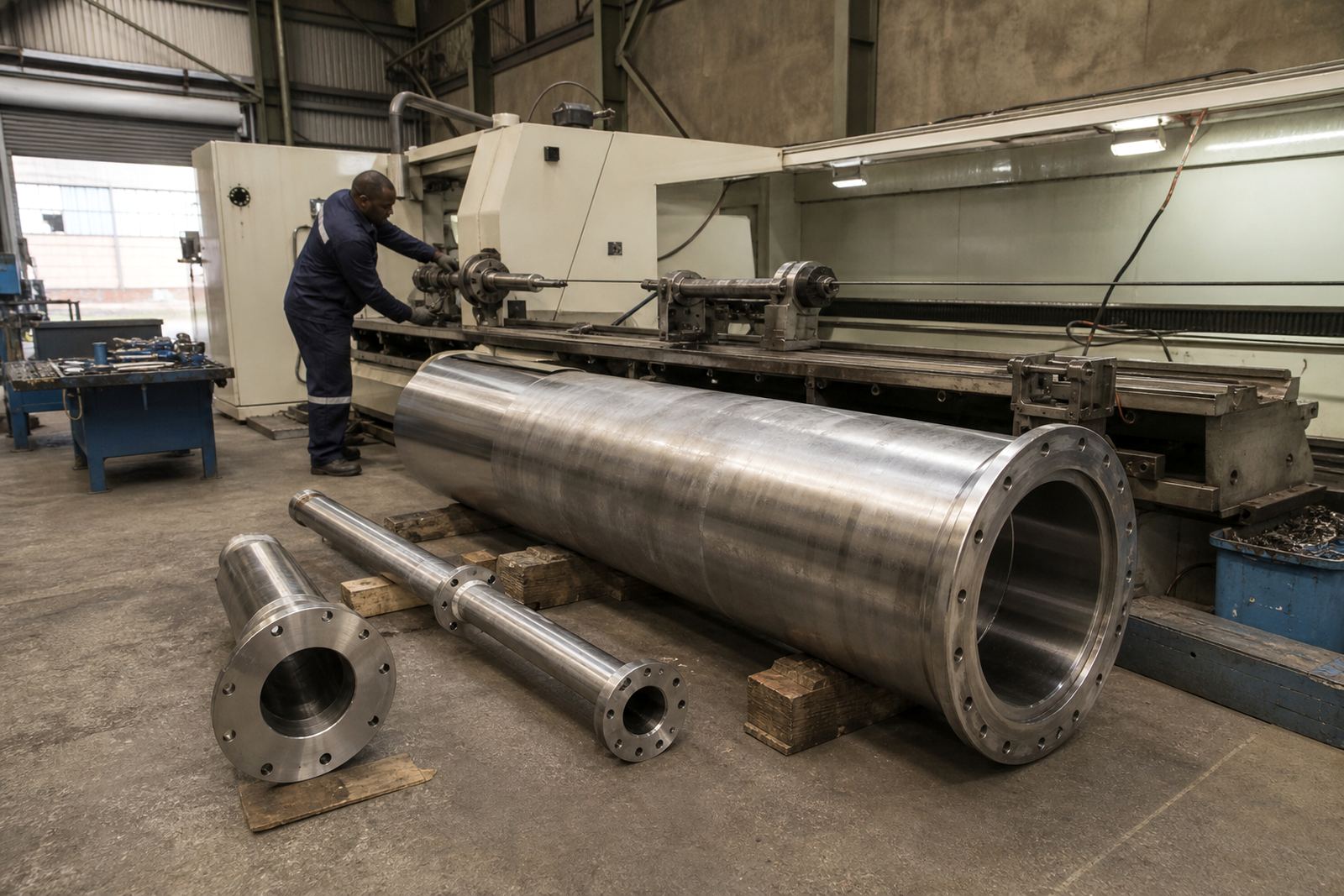
The project came from an engineering works in Bellville, Western Cape, handling a varied mix of components for local manufacturing and repair work. The shop needed support for deep-hole drilling and boring where job changeovers were frequent, tolerances were tight, and operators had to move from one component type to the next without losing time or consistency.
The brief was practical. Improve repeatability on long-hole work, reduce setup guesswork, and give the team a clear process for tooling selection, alignment and coolant control. The client also wanted support that suited a busy workshop with limited downtime, because the machines had to keep earning even during load-shedding planning and after-hours catch-up shifts.
- Client type: engineering workshop handling mixed-batch production
- Town: Bellville, Cape Town metro
- Work focus: deep-hole drilling and boring across several component types
- Priority: stable setup, faster changeovers, better operator confidence
What the workshop needed to fix
The main challenge was not one single fault. It was a combination of setup drift, tooling wear, and inconsistent process habits between shifts. On mixed work, even a small change in tool condition or alignment can show up quickly in hole straightness, surface finish and cycle reliability. The team needed a support plan that was simple enough to follow, but strict enough to hold the standard across different jobs.
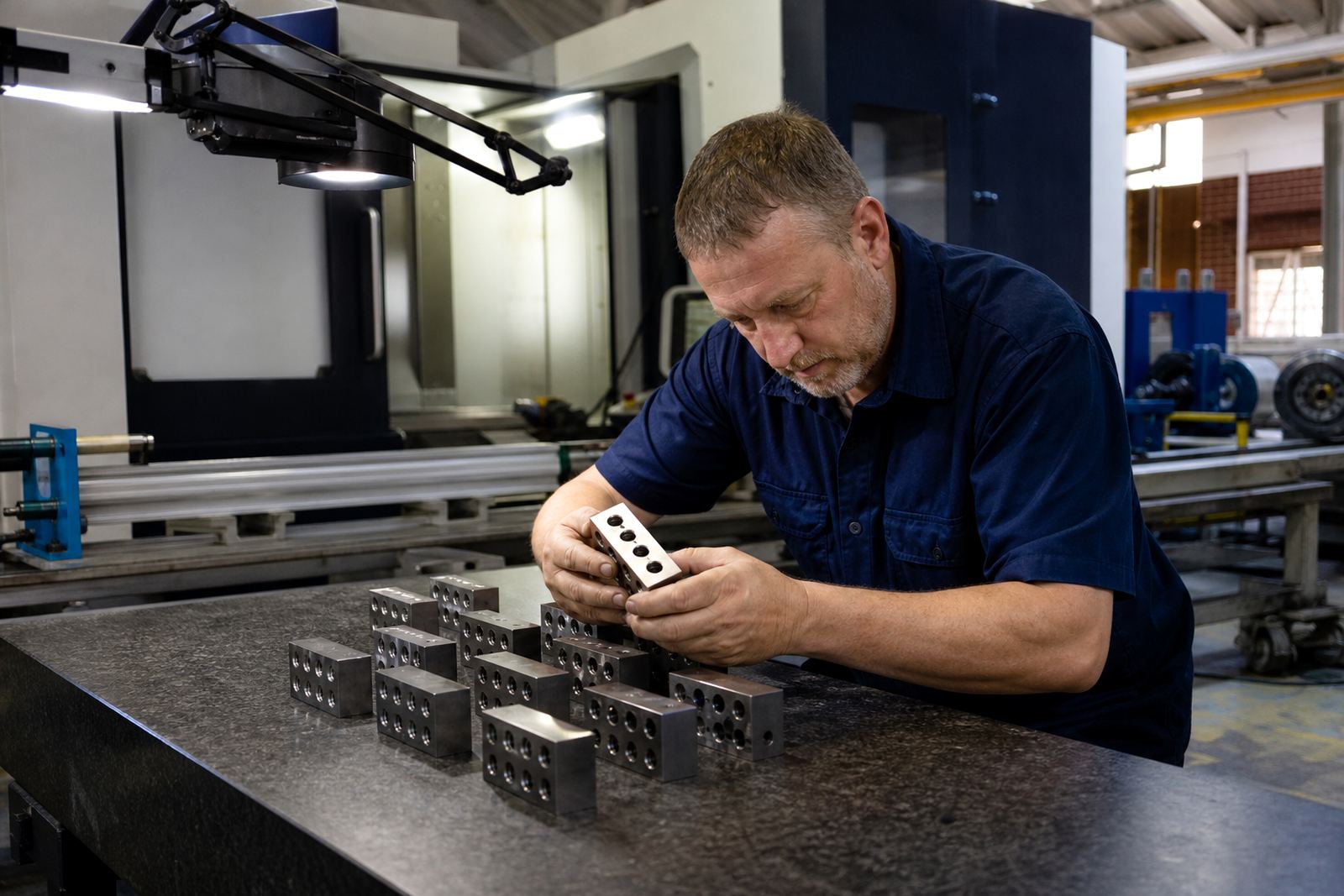
We reviewed the machine condition, the tooling arrangement, coolant delivery and the method used to start and guide the drill. We also looked at how operators were measuring and checking work during the run. In a shop like this, it helps to separate what is a machine issue from what is a process issue, because the fix is often in the way the job is set rather than in the cutting itself.
- Inconsistent setup notes between operators
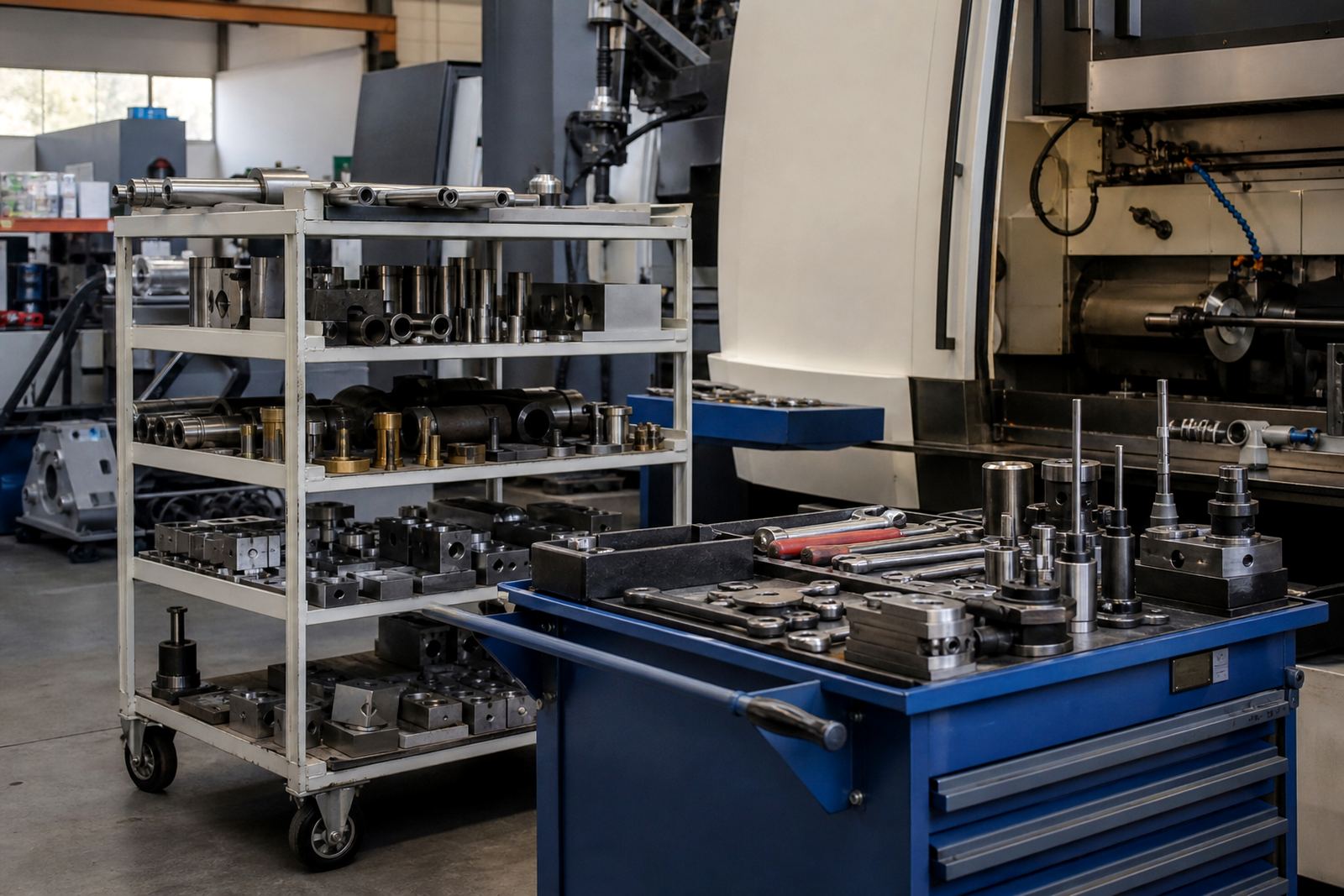
- Tooling selection that changed from job to job without a standard method
- Coolant delivery that needed closer attention during longer runs
- Operator confidence varied between day shift and follow-on work
Support supplied to the line
Deephole supplied practical support around machine installation checks, commissioning support, tooling selection and setup optimisation. We worked through the full sequence from job preparation to the first stable production run, then stayed involved through process troubleshooting and operator training. The aim was to give the team a repeatable method they could use on the next batch without starting from scratch.
Francis not, sorry, Francois du Plessis led the machine-side checks on alignment and setup, while Johan Smit handled applications work on drilling behaviour, tool engagement and process flow. Leanne Naidoo structured the operator training so the team could follow one clear method for changeovers, checks and handover notes. Sibusiso Khumalo assisted with tooling support, making sure the cutters, holders and consumables matched the work being done rather than forcing one setup for every job.
- Machine installation and commissioning support
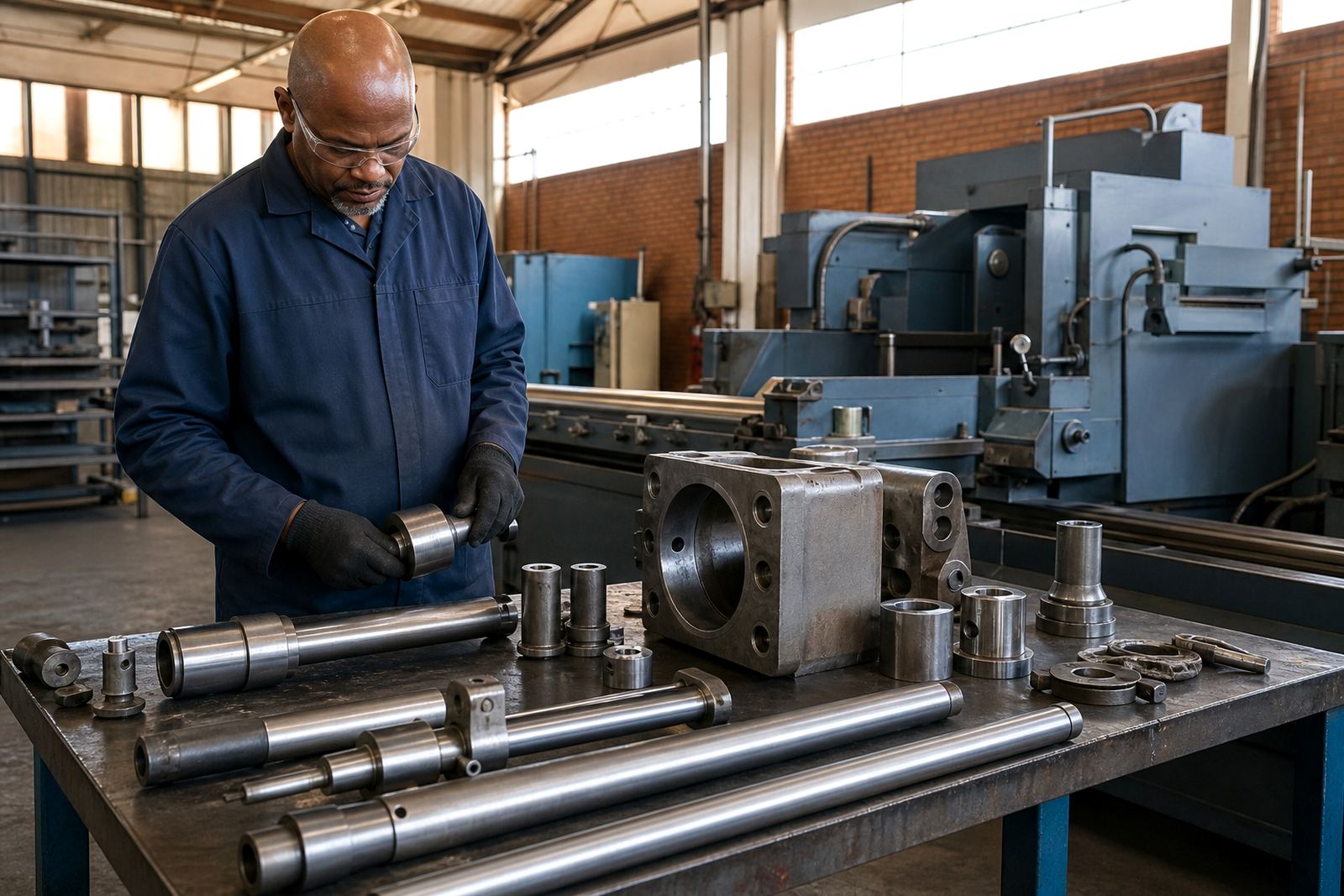
- Tooling selection for mixed-batch deep-hole work
- Setup optimisation for repeatable job changeovers
- Operator training with practical step-by-step checks
- Process troubleshooting during first production runs
Timeline, working method and site conditions
The work ran over four weeks from initial review to production handover. Week one covered the shop floor assessment and the first setup checks. Week two focused on tooling and coolant behaviour. Week three was used for operator training and live job support. In week four we went back through the same jobs to confirm that the team could repeat the process with less support from us.
Because the site had normal workshop pressure, with machines expected to keep running through power interruptions and late shift catch-up, we kept the support plan practical. That meant clear checklists, simple handover notes and a way to reset the machine after stoppages without losing the setup. The Bellville location also meant we had to consider coastal humidity in storage and coolant care, especially for tooling and machine surfaces left idle between runs.
- Week 1: assessment, alignment checks and job review
- Week 2: tooling and coolant system review
- Week 3: operator training and live troubleshooting
- Week 4: repeat runs and production handover
Results on the shop floor
The result was a steadier process for mixed-batch deep-hole work. The workshop gained a better way to set up jobs, choose tooling and check results before running full batches. Operators had clearer steps to follow, and the team could move between part types with less hesitation. For a shop that works on varied work, that matters because the time lost on one awkward setup often affects the rest of the day.
The client also had a better base for ongoing support. Preventive maintenance became easier to schedule, and breakdown support was less disruptive because the team now had a clearer picture of what good looked like on the machine. Tooling wear could be spotted earlier, and the coolant system was checked with more discipline rather than only when a problem showed itself.
- More consistent setup results across different component types
- Cleaner job handovers between operators and shifts
- Better control over tooling wear and coolant checks
- Less time lost correcting setup drift during production
What we would repeat on the next project
If we were doing the same sort of job again, we would keep the same approach: review the machine first, then lock down tooling, then train the people who will use it every day. That order works because the equipment, the process and the operator habits all affect the final result. Skipping one of those steps usually means the workshop has to solve the same problem twice.
For a Bellville or Gauteng shop with mixed-batch deep-hole work, we would again start with alignment checks, coolant system service and a realistic production startup plan. We would also keep spare parts support close to hand, because when a long-hole job is delayed by a small part, the whole queue can move. The main lesson from this project was simple: a good setup is not just about the machine, it is about the way the machine is used every day.
- Start with alignment and process checks before full production
- Use one standard method for tooling selection and changeovers
- Train operators on checks, not only on machine controls
- Keep maintenance and spare parts planning close to the production calendar
Key facts
| Project | Bellville Engineering Works |
|---|---|
| Location | Bellville, Western Cape |
| Client type | Engineering workshop handling mixed-batch deep-hole work |
| Scope | Machine installation support, commissioning, tooling selection, setup optimisation and training |
| Timeline | 4 weeks |
| Support covered | Process troubleshooting, preventive maintenance, coolant system service, alignment checks and production startup |