The brief from Centurion
The client was a metalworking and machining business in Centurion that needed maintenance support on a deep-hole drilling line used for repair work and replacement components. Their team wanted the equipment kept in production, but they also needed accuracy back in spec and a clear plan for parts, setup and operator handover.
The brief covered both corrective work and preventative maintenance. That meant checking the machine condition, replacing worn drilling items, confirming alignment, and sorting the process so the next production run could start without repeat faults. The site also needed practical support for shift work and limited downtime, so the schedule had to fit around active jobs and existing delivery commitments.
What we found on site
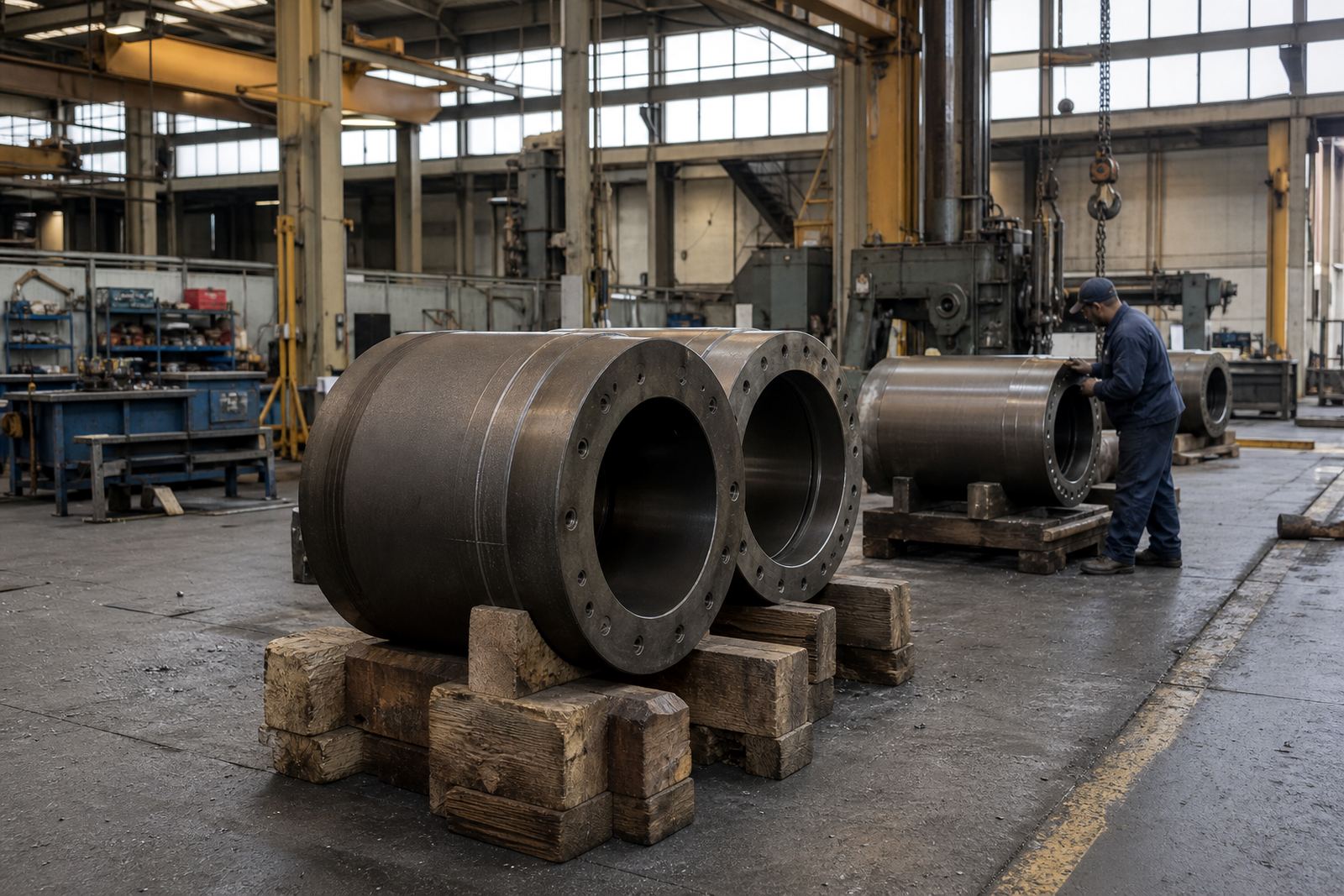
Our first visit focused on the machine condition, coolant system, tooling wear and the way the setup was being run day to day. The workshop was operating in a busy industrial area, so access, storage and floor space all mattered. There was also the usual Centurion pressure of keeping production moving while maintenance happens around other live jobs.
The main issues were not dramatic, but they were enough to affect repeatability. We found wear on drilling consumables, setup drift and a few points where alignment needed attention. That sort of fault is easy to live with for a while, then it starts showing up in hole quality, finish and tool life. In the local climate too, dust and temperature changes can creep into the process if coolant and cleaning routines are not kept tight.
- Replacement drilling components were identified for the affected work
- Alignment checks were carried out before any restart
- Coolant system service was added to the maintenance list
- Operator handling points were noted for follow-up training
Repair components and replacement drilling work
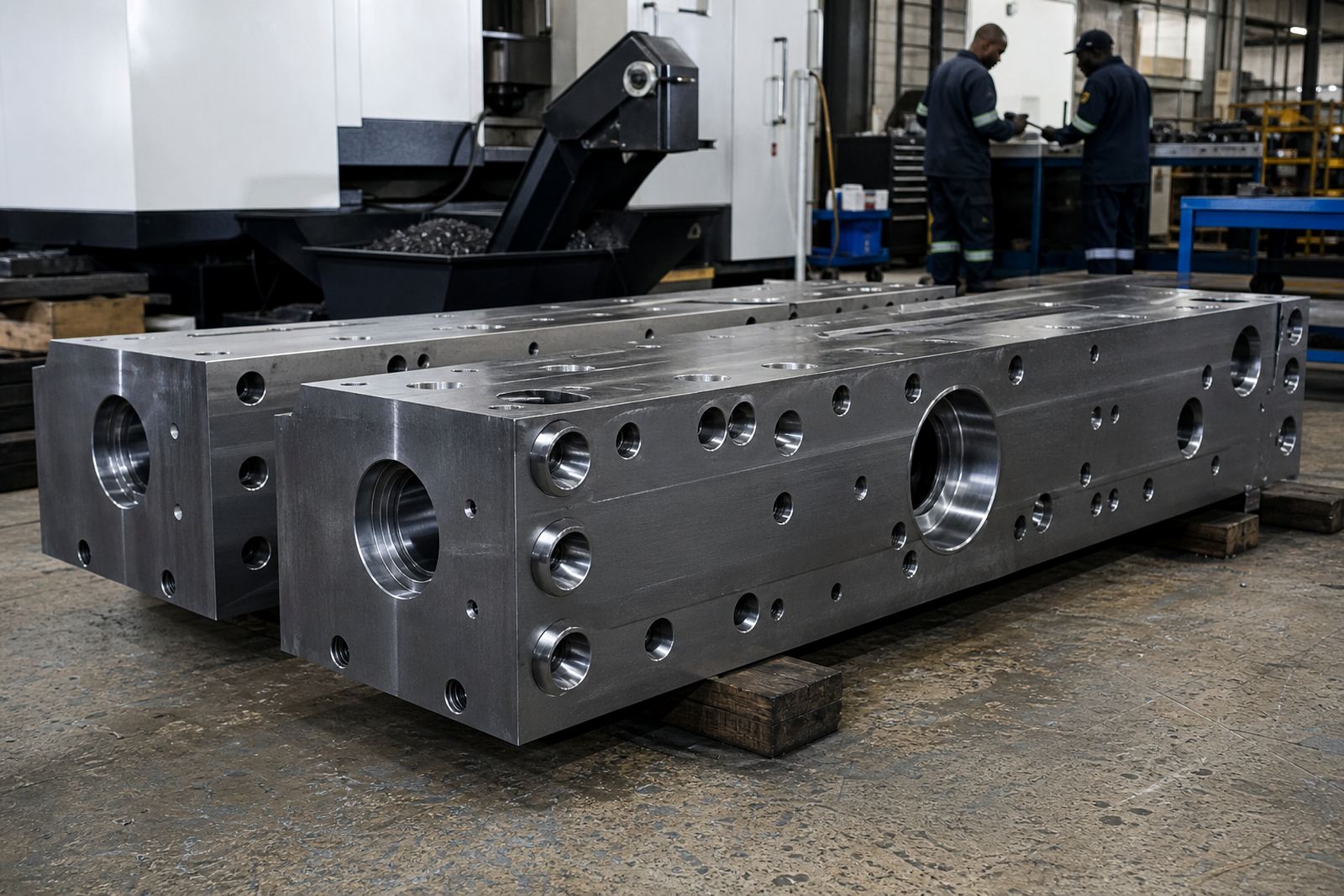
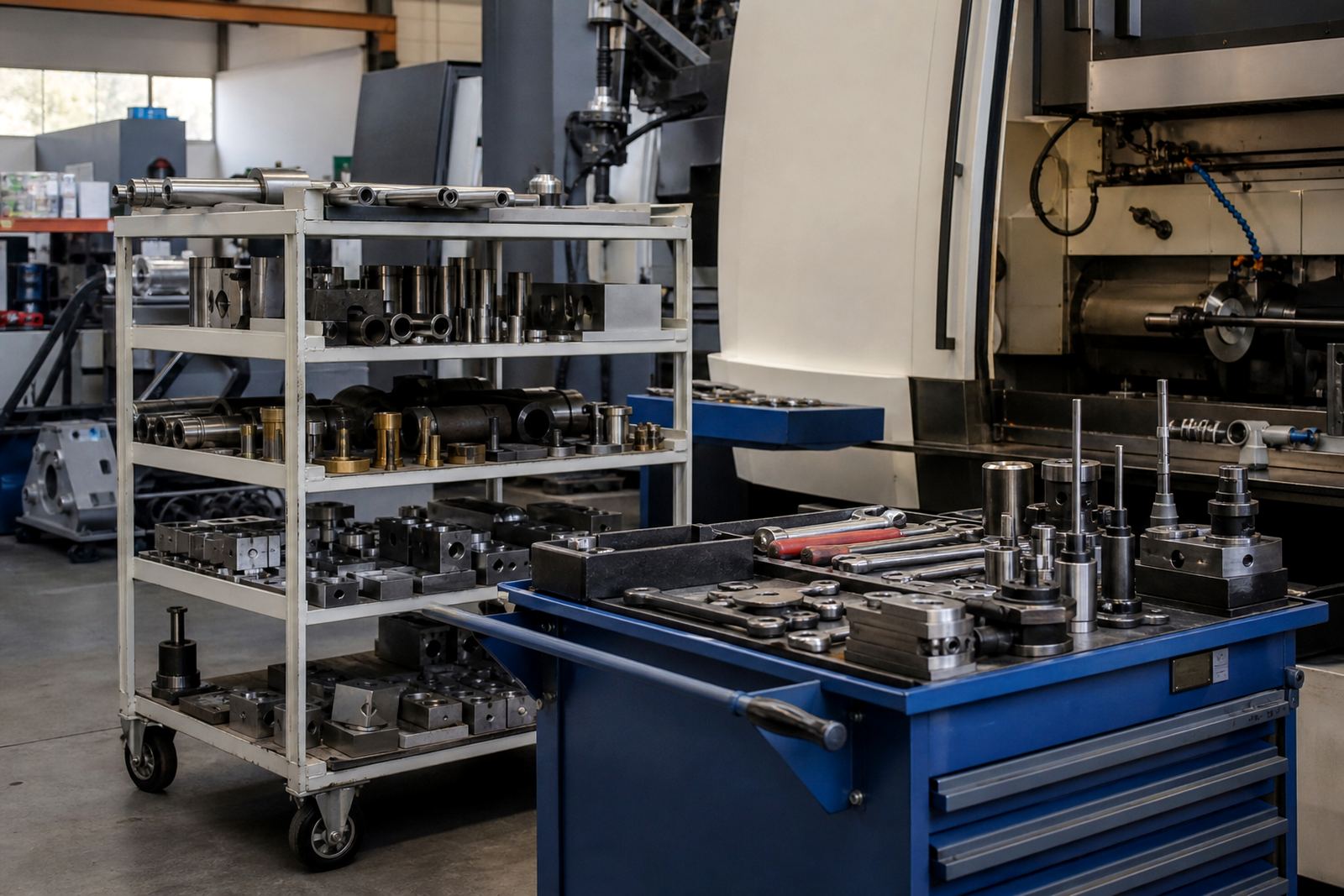
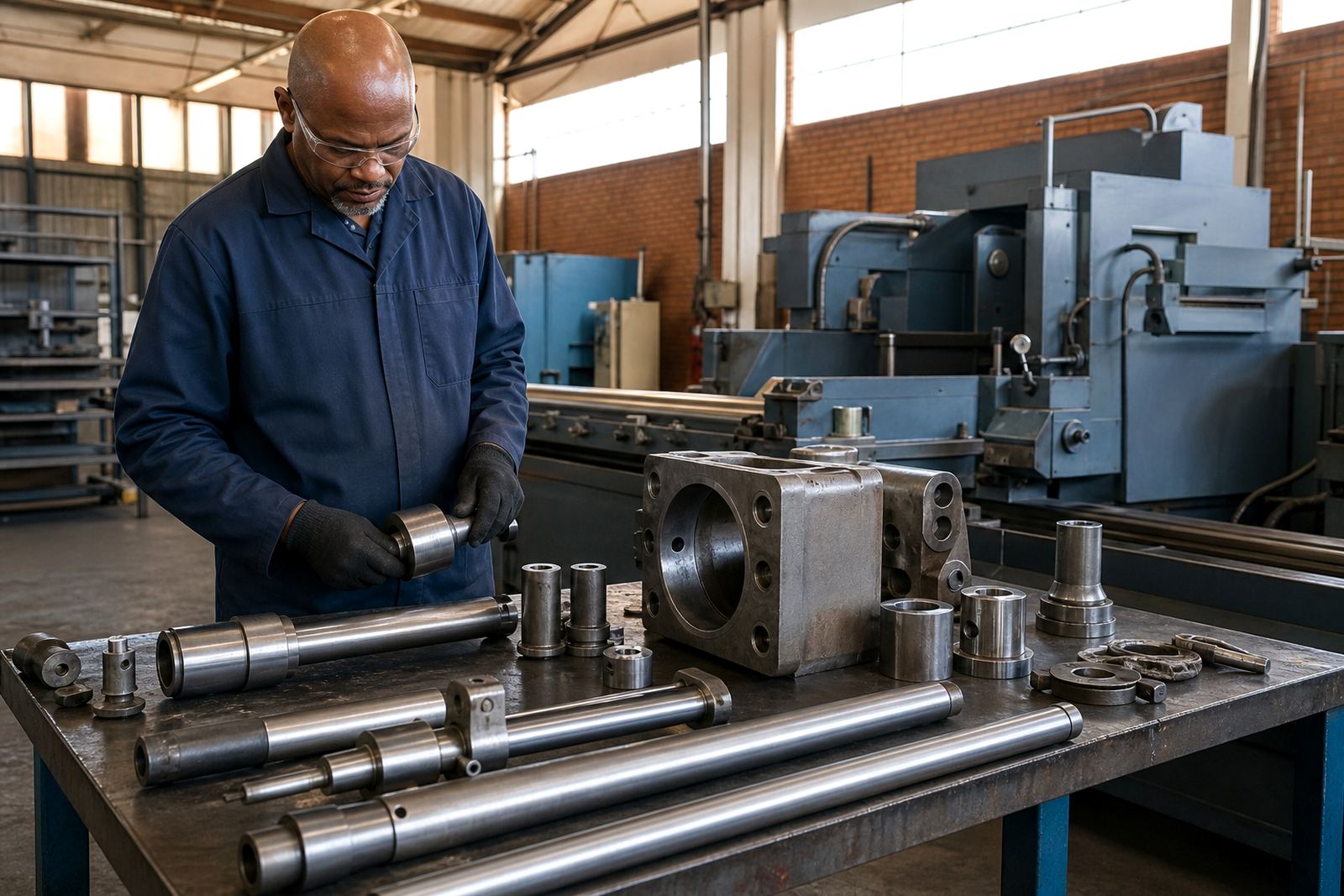
We supplied the replacement drilling items needed for the repair work and matched the tooling selection to the existing machine and application. The focus was not on changing the whole system, only on restoring dependable production with the right consumables and support pieces in place. That kept the job controlled and avoided unnecessary changes midstream.
The maintenance work covered setup optimisation, replacement drilling work and a practical review of process settings. Where the machine showed wear, we worked through the checks in sequence so the team could see what was changed and why. Francois du Plessis handled the machine-side work, while Johan Smit supported the process decisions and Sibusiso Khumalo advised on tooling fit. It helped to have the right people on the floor, not just a list of parts.
- Tooling selection for the repair application
- Replacement drilling items supplied and fitted
- Alignment checks completed before production restart
- Coolant flow and condition checked during service
Timeline and site constraints
The project ran over three weeks from first inspection to production startup support. Week one was inspection, fault finding and parts confirmation. Week two covered the maintenance work, replacement drilling items and setup optimisation. Week three focused on commissioning support, operator training and the first production runs after the intervention.
There were a few practical constraints. The workshop could not afford a long shutdown, and the team needed the machine back in service before outstanding work stacked up. Load-shedding planning was also part of the discussion, because a partial restart during an outage can create more problems than it solves. We kept the work staged, with clear hold points, so the client always knew what could move ahead and what had to wait.
Support from our Benoni base
Deephole coordinated the job from Benoni, Gauteng, with support for the wider East Rand and Gauteng area. Marius Jacobus van Rensburg oversaw the project direction, while Noluthando Dlamini handled the service schedule and follow-through with the client. Leanne Naidoo then took care of the training handover so the workshop team could run the machine with more confidence.
For Centurion, the benefit was straightforward: one supplier for machine installation support, commissioning checks, tooling selection and breakdown support if anything shifted after start-up. That kind of backup matters when a maintenance job is tied to production deadlines and not just a one-off repair. It also means the client has a contact point for future spare parts support and preventive maintenance, not only this current job.
Results after production startup
Once the maintenance work and replacement drilling components were in place, the client had a cleaner setup, steadier process control and a better base for repeat jobs. The machine was brought back into production with fewer interruptions, and the team could see the difference in how the tooling behaved during the first runs. The point of the project was not a flashy change, it was reliable output and a sensible maintenance path.
The job also gave the workshop a clearer routine for coolant system service, alignment checks and operator checks at the start of shift. That is often where maintenance jobs pay off longest. When the people on the floor know what to look for, small issues are caught early and the machine stays easier to manage. That saved them a fair bit of hassle, actually.
What we would do again on a similar job
For another Centurion maintenance workshop project, we would follow the same approach: inspect first, confirm the actual wear points, then supply only the tooling and replacement drilling items needed for the job. That keeps costs under control and avoids overcomplicating a machine that still has useful life left in it.
We would also keep the same mix of practical support, including process troubleshooting, preventive maintenance planning and operator training at the point of handover. On a deep-hole drilling machine, the best outcome usually comes from getting the basics right and keeping them right. If the setup is sound, the maintenance is easier to repeat and the production results stay more consistent.
- Inspect before replacing parts
- Confirm alignment before restart
- Train operators at handover, not later
- Build a maintenance schedule around real production needs
Key facts
| Project type | Maintenance-driven repair and replacement drilling work |
|---|---|
| Client location | Centurion, Gauteng |
| Timeline | 3 weeks |
| Scope | Repair components, replacement drilling work, setup optimisation and training |
| Support provided | Machine installation, commissioning, tooling selection and breakdown support |
| Team involved | Marius Jacobus van Rensburg, Ayanda Mokoena, Johan Smit, Noluthando Dlamini, Francois du Plessis, Leanne Naidoo, Sibusiso Khumalo |