Toolroom brief from Boksburg
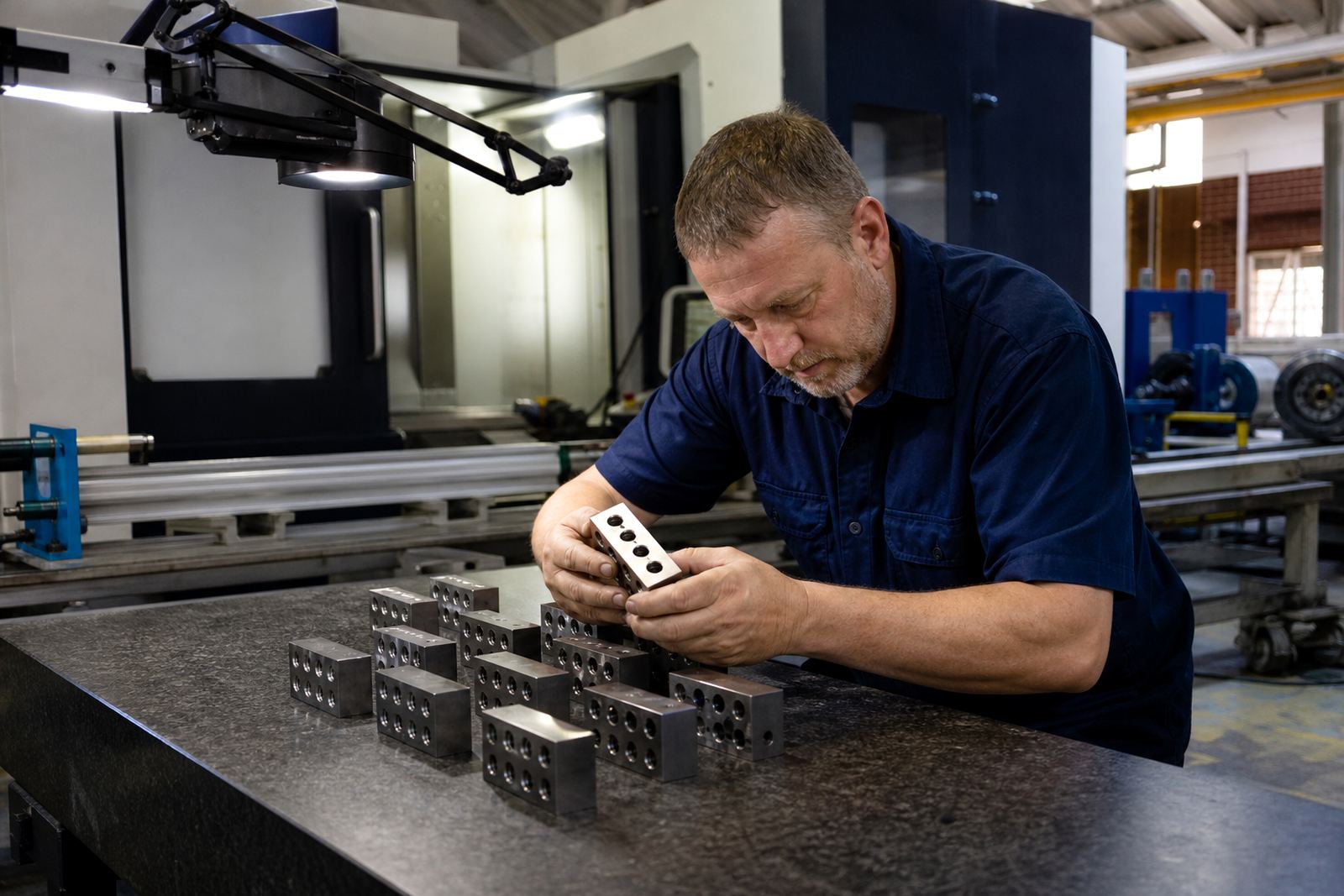
The job came from a toolroom in Boksburg that needed support for a tooling-focused deep-hole application with cooling channels. The team had a clear brief: set up the process so the holes could be produced consistently, keep the setup practical for day-to-day use, and avoid unnecessary rework once production started. It was not a case of chasing extra features. The priority was clean hole quality, repeatable location, and a setup that a small production team could manage without constant intervention.
The parts were intended for an industrial use case where the cooling path needed to perform properly, so the drilling approach had to match the material, the part geometry, and the available machine time. In a toolroom environment, even a small alignment error can affect the final fit-up, and with cooling channels that means trouble later in the production cycle. We treated the job as a process task first and a machine sale second, which is usually the safer way to handle these projects.
- Client type: Boksburg toolroom, working on tooling components with cooling channels
- Primary need: deep-hole drilling process support and setup planning
- Main concern: keeping the operation repeatable for production use
- Working approach: machine, tooling and operator setup as one package
What the job needed to handle
The main constraints were practical ones. The team needed a setup that would suit local manufacturing conditions, including power interruptions, floor space limits, and the usual pressure to keep parts moving through the shop. There was also a need to plan the sequence carefully so the work did not become too dependent on one skilled operator. That matters in South Africa, where load-shedding can interrupt a shift and a good setup has to be easy to recover from once power comes back.
We also had to work around the fact that deep-hole work is unforgiving when coolant flow, tool condition, or alignment drifts. The toolroom wanted guidance on how to set up the process so the cooling channels stayed accurate from part to part. That meant looking at the machine preparation, the tooling choice, the coolant system, the clamping method, and the order of operations. Nothing dramatic, just the sort of care that saves time later.
- Space and access in a working toolroom
- Need for repeatable setup after interruptions
- Coolant flow and chip evacuation control
- Lower dependence on one operator’s personal method
Machines, tooling and support supplied
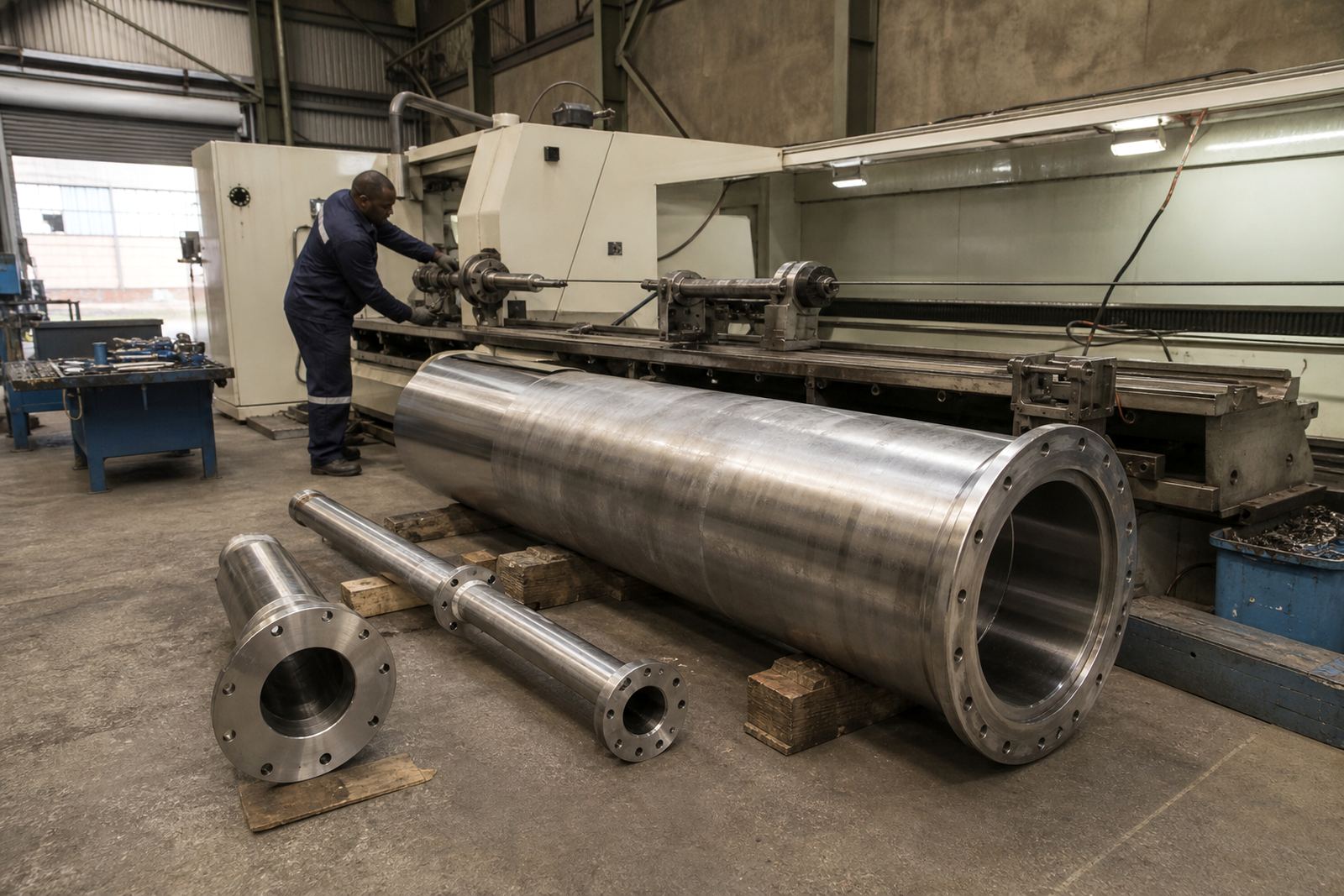
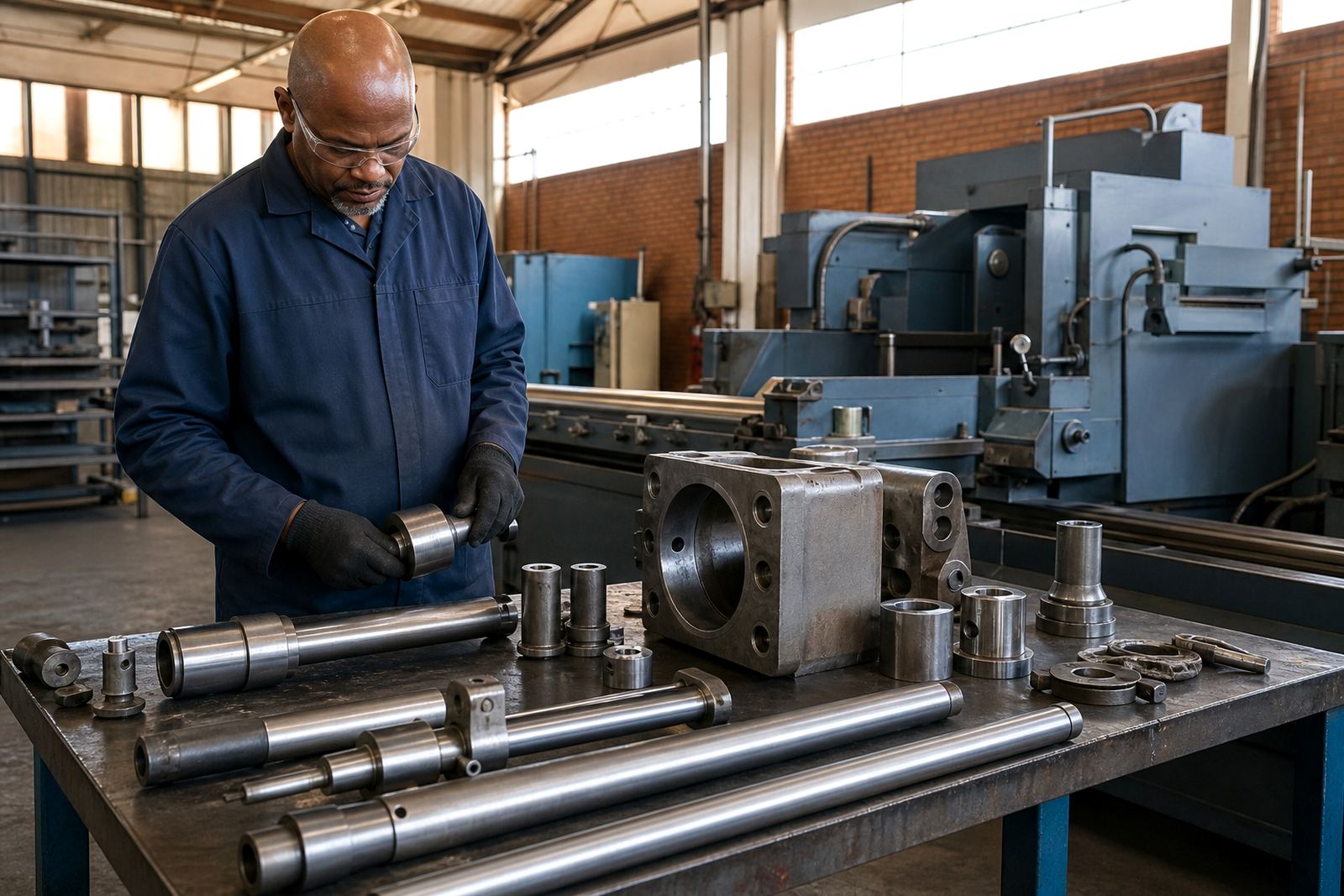
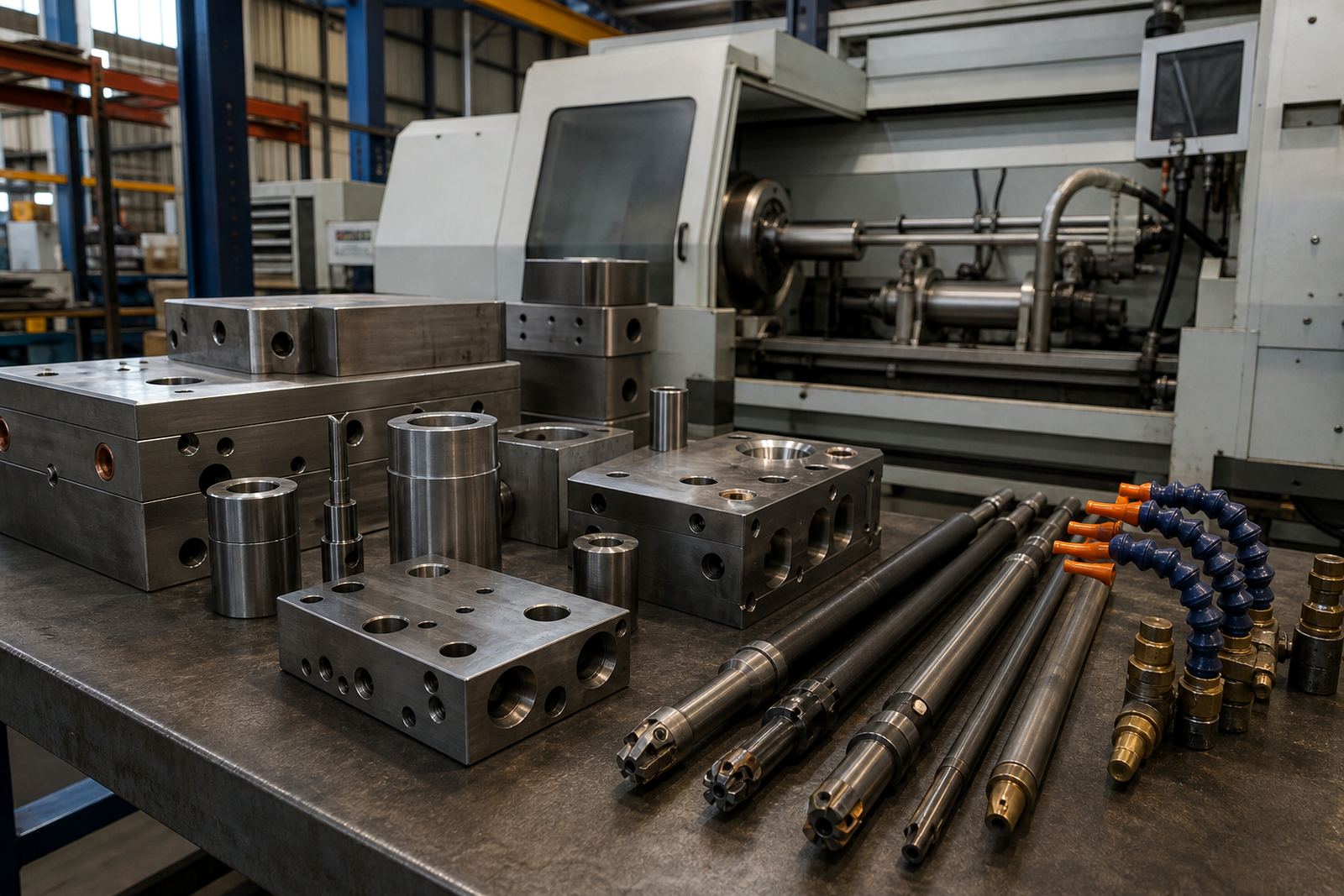
For this project we supplied deep-hole drilling support around the process rather than only the machine itself. That included tooling selection, setup guidance, alignment checks, and practical recommendations for the coolant system and workholding. Where the job required it, we also supplied consumables and helped the team understand what should be kept on hand for day-to-day running. The result was a setup that was easier to commission and simpler to keep stable once production started.
Our team also handled the machine-side practicalities that often get overlooked. Francois du Plessis assisted with the technical setup and hardware checks, while Johan Smit worked through the process detail with the toolroom team. Noluthando Dlamini coordinated the support sequence and timing, and Sibusiso Khumalo advised on tooling care and replacement planning. The point was not to overcomplicate the job, but to make sure every step had a clear reason behind it.
- Gun-drilling tooling selection for the application
- Setup optimisation for cooling channel accuracy
- Alignment checks before production start
- Coolant system service guidance and maintenance planning
Setup, commissioning and operator handover
The project was carried through over a practical timeline of three weeks. In week one we reviewed the brief, checked the available machine condition, and worked through the part requirements with the toolroom team. In week two we focused on setup optimisation, including the drilling sequence, coolant delivery and the checks needed before cutting metal in anger. In week three we handled commissioning support, operator training and the first production startup so the team could begin with confidence.
Leanne Naidoo led the training side and made sure the operators had a clear routine to follow. That covered preparation, safe start-up, what to watch during the cut, and when to stop and inspect the process. We kept the handover practical, because a good setup should not need a page of complicated notes to run correctly. If the shop can repeat the setup after a breakdown or a shift change, then the project is doing its job.
- Week 1: brief review and machine condition checks
- Week 2: tooling, coolant and alignment setup
- Week 3: commissioning, training and production startup
Results on the Boksburg floor
Once the setup was dialled in, the toolroom had a clear process for producing the cooling channels with less trial and error. The team could follow the same order each time, which helped with consistency and reduced the chance of a rushed reset after interruptions. The machine ran as part of a defined process rather than as a stand-alone piece of kit that only one person could coax into working.
The biggest value came from the care taken before the first part was run. By spending time on alignment, tooling choice and coolant setup, the shop avoided a lot of the usual friction that appears later when a deep-hole process is built too quickly. The team left with a stronger understanding of what to monitor, what to service, and when to call for support. That is the difference between a machine being installed and a process being ready.
- More repeatable production of cooling channel work
- Clearer setup routine for operators and supervisors
- Better control over coolant flow and hole quality
- Less time lost to avoidable setup mistakes
What we would do again
If we were called back to a similar Boksburg toolroom project, we would follow the same order again: review the part first, set the process before the machine, and keep the handover simple enough for normal shop conditions. That approach works well when the job depends on cooling channels, because the process has to survive real production pressure, not just a one-off trial.
We would also keep the support local and responsive. With our Benoni base and coverage across Gauteng and the major manufacturing centres, we can get involved early, help with installation and commissioning, and stay available for troubleshooting if something drifts later. For toolrooms and engineering shops, that kind of backup matters because small issues can become costly quickly if they are not handled in time.
- Start with process review before final setup
- Train operators on a repeatable routine
- Keep spare parts and consumables planned in advance
- Build in support for future alignment checks and breakdowns
Key facts
| Project location | Boksburg, Gauteng |
|---|---|
| Client type | Toolroom focused on cooling channel work |
| Application | Gun-drilling and deep-hole setup for tooling components |
| Timeline | 3 weeks from review to production startup |
| Services used | Tooling selection, setup optimisation, commissioning, training, support |
| Support areas | Benoni, Johannesburg, Pretoria, Durban, Cape Town, Gqeberha |