
Project brief for a Kempton Park mould shop
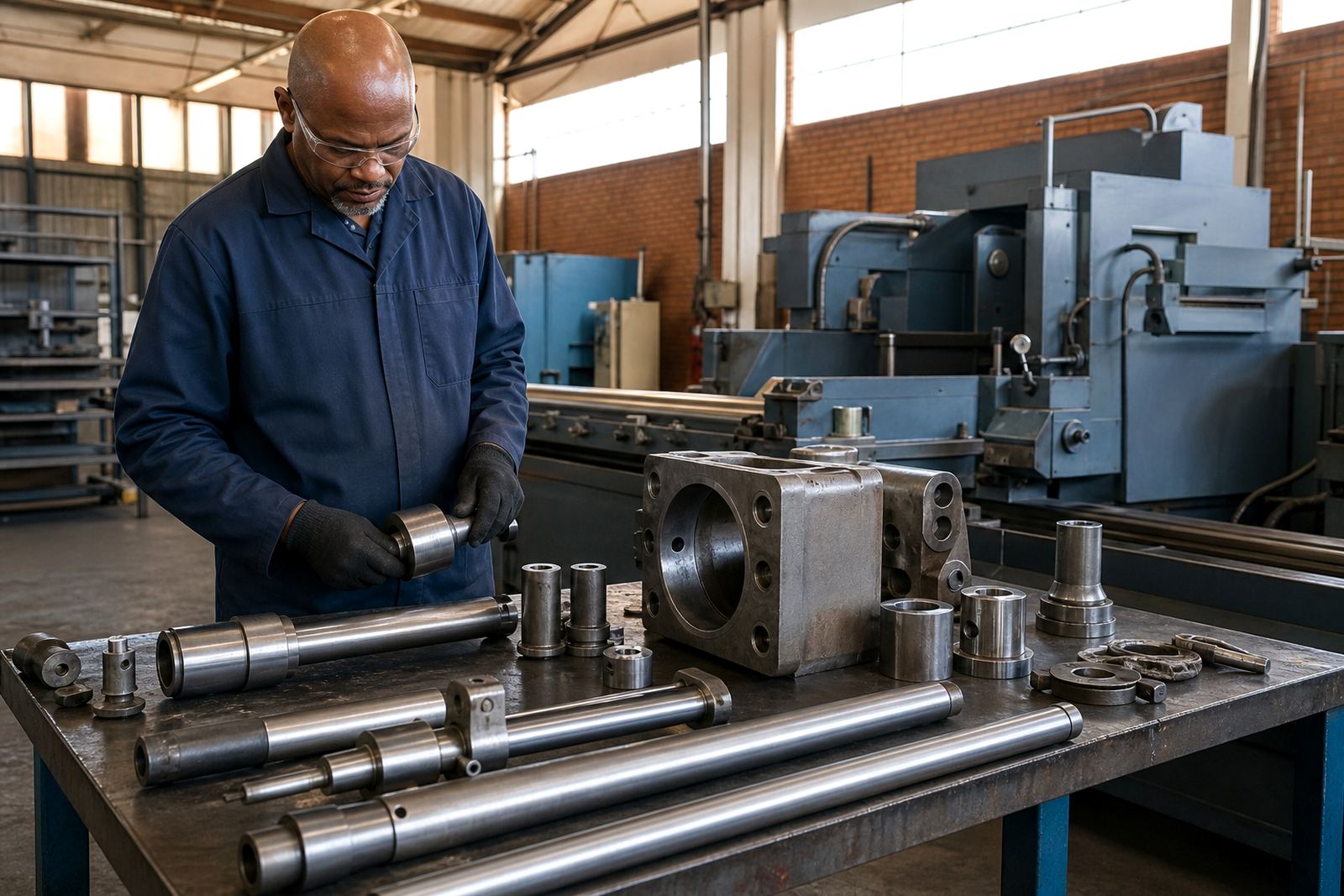
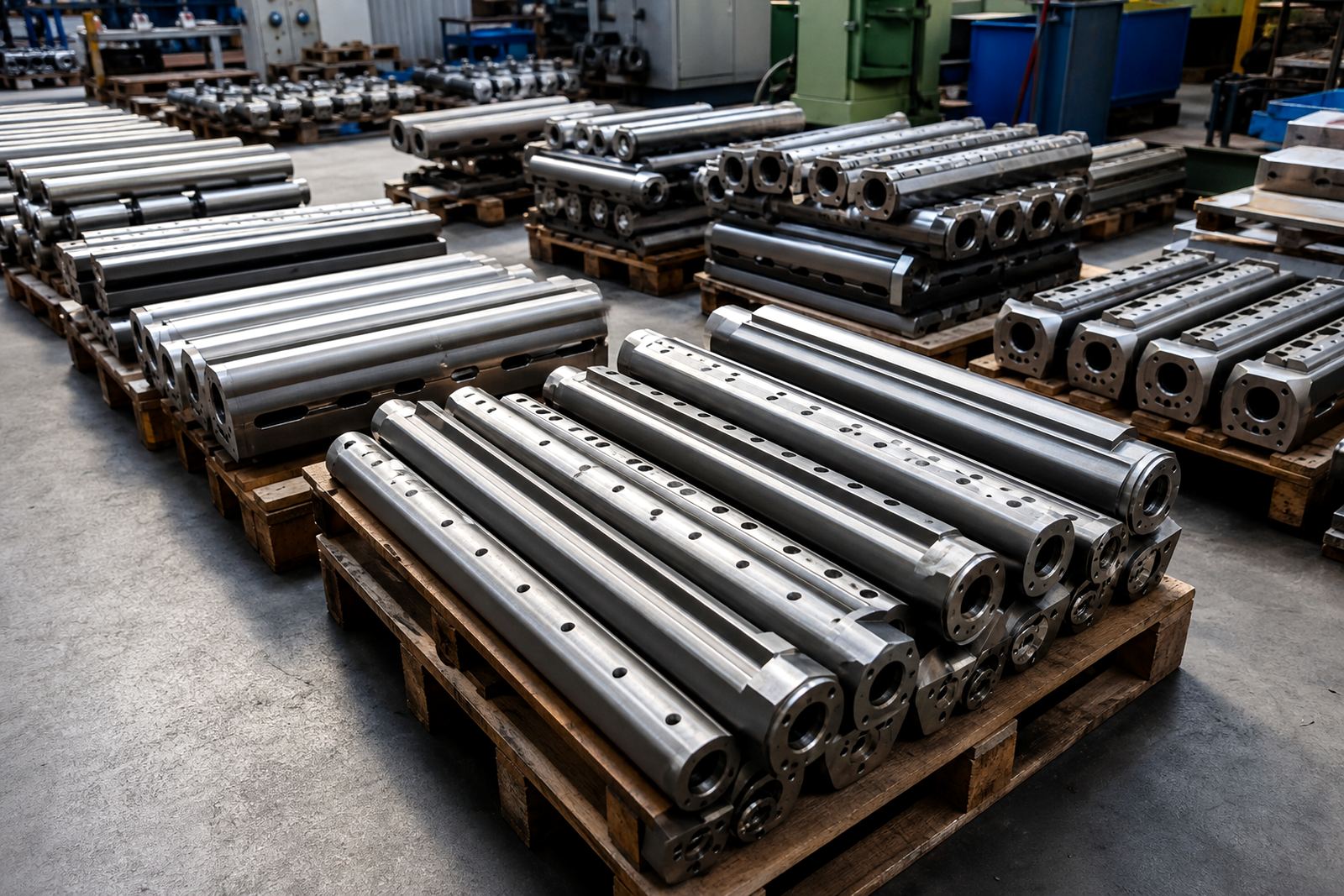
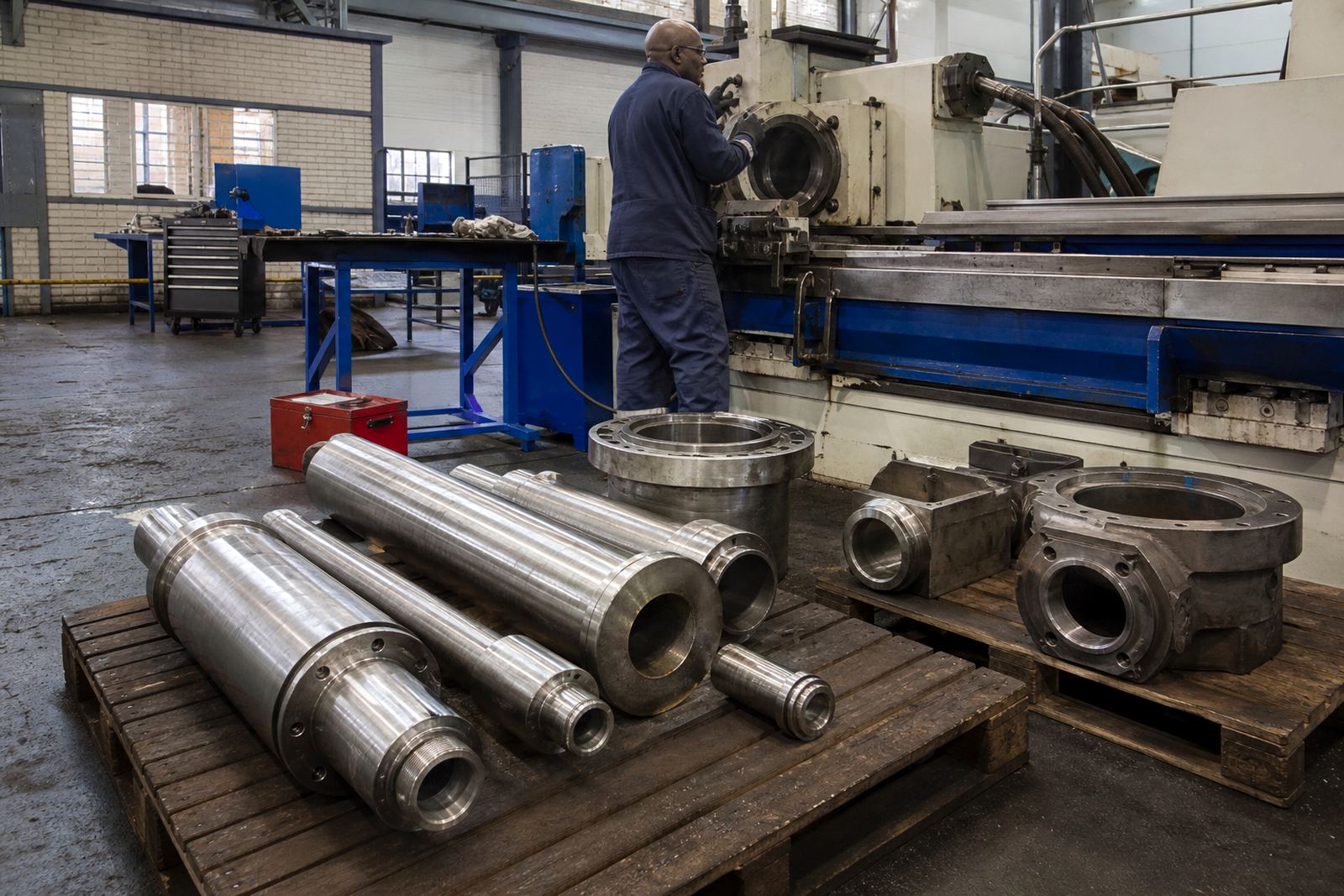
The client was a mould-making and precision engineering shop in Kempton Park working on components that needed accurate deep holes and consistent alignment from part to part. The brief was straightforward: improve hole quality, reduce rework and get a repeatable process that the team could keep using after the first run.
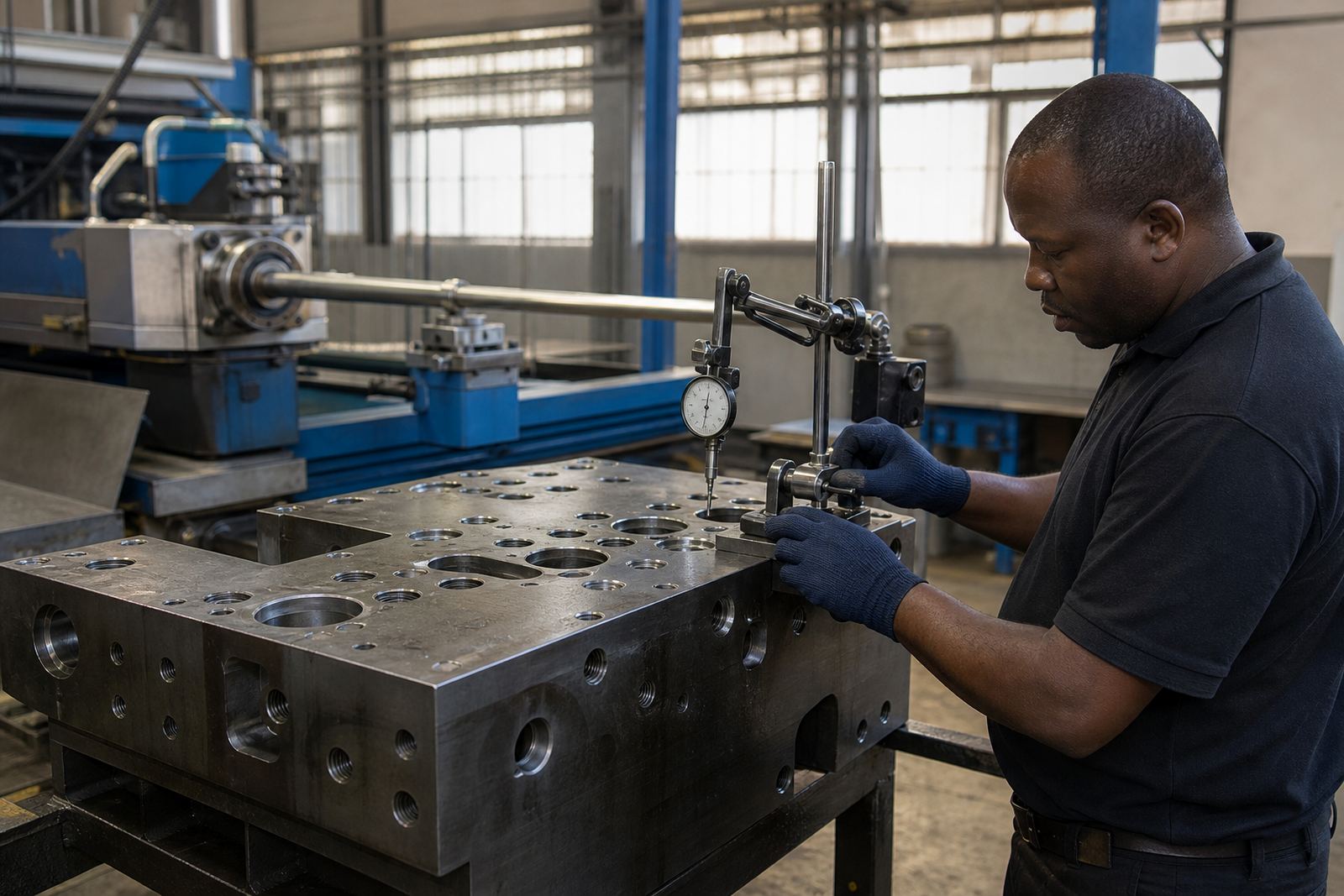
Because mould parts often have tight positional requirements, the main focus was not only the drilling itself but also how the workpiece was set up before the first cut. The team needed a practical approach that suited day-to-day production, not a one-off lab process. That meant checking fixturing, confirming reference points and keeping tool selection aligned to the material and hole depth involved.
Constraints on the job and why they mattered
Like many mould projects in Gauteng, the work had to fit into a busy shop floor with other machining already planned around it. The client wanted minimal downtime, and the setup had to work around normal production interruptions, including power dips and machine sharing across the shop. There was also the usual pressure to keep chips under control and maintain a clean bore surface without spending too long on each part.
- Hole alignment had to stay consistent across the batch.
- Surface finish needed to be clean enough for the next operation.
- Setup time had to stay practical for a working mould shop.
- The process had to be repeatable by the operators after handover.
Humidity and general shop conditions were also taken into account, since even small changes in coolant condition or machine cleanliness can affect hole quality on fine work. We kept the process simple enough for the team to maintain with normal in-house routines.
What Deephole supplied and set up
Deephole supplied the gun-drilling and deep-hole boring support needed for the project, along with tooling selection guidance and setup optimisation. Our work included checking the drilling arrangement, confirming the workholding, reviewing the coolant delivery path and making sure the tools matched the job requirement rather than forcing a general-purpose setup into a precision task.
We also assisted with process troubleshooting during the first run, then fine-tuned the operating method so the team could continue with confidence. The aim was to improve both accuracy and consistency, while keeping the machine time sensible for a mould shop that still had other orders moving through the workshop.
- Tooling selection for the hole size and material involved.
- Alignment checks before production drilling started.
- Coolant system review to support chip evacuation.
- Operator guidance for repeatable setup and handling.
Timeline and project flow
The project ran over 3 weeks from the initial site discussion to handover of the agreed process. The first week covered review, alignment checks and setup planning. In week two we worked through the drilling sequence and adjusted the process where needed. The final week was used for confirmation runs, operator training and closing out the details so the shop could keep running the job in-house.
That timing suited the client because it allowed the team to keep normal work moving while still giving enough time to resolve the details that matter on mould parts. We did not rush the setup, because on this kind of work a quick fix usually costs more later in rework or lost production time.
Results on hole quality and repeatability
The project produced a cleaner, more controlled drilling process with better alignment control and more consistent hole quality across the parts we worked on. The client was able to move ahead with less adjustment at the machine and more confidence in the finished result. For mould work, that kind of consistency matters because later operations depend on the holes being where they should be and staying true over the length of the job.
We also left the team with a clearer setup routine, which made it easier to repeat the same approach on similar components. The shop gained a process that was practical enough for day-to-day use, not something that only works when one specialist is on site.
What we would do again on a similar mould job
If we were called to a similar mould project in Kempton Park, we would follow the same order: confirm the alignment first, choose the tooling around the actual hole requirement, then verify the coolant and chip control before production starts. That sequence saves time later and helps protect the finished part from avoidable drift or marking.
We would also keep the handover simple, with clear setup steps for the operators and a short maintenance routine for tooling and coolant. In a working engineering shop, that practical approach is usually what keeps the result stable after the first batch is complete.
- Start with alignment checks before any production drilling.
- Keep tooling matched to the hole and material from the outset.
- Review coolant delivery and chip removal early.
- Train the operator on the same setup used for the trial run.
Key facts
| Project location | Kempton Park, Gauteng |
|---|---|
| Client type | Mould-related manufacturing and precision engineering shop |
| Project focus | Alignment, hole quality and repeatable deep-hole drilling |
| Scope of supply | Tooling selection, setup optimisation and process support |
| Timeline | 3 weeks |
| Support included | Installation guidance, commissioning support, training and troubleshooting |