Pinetown project brief for deep-hole work
The client was a machine shop in Pinetown handling parts that needed straight, consistent deep holes with better control over finish and repeatability. They were already doing general machining but wanted a more reliable way to set up gun-drilling and deep-hole boring work without wasting time on trial runs every shift.
The brief was clear: improve the tooling package, check the setup from spindle side to coolant delivery and give the operators a working method they could repeat. Because the shop was balancing production orders and day-to-day maintenance, they needed support that was practical and quick to apply, not a long theoretical exercise.
We also had to work within normal shop constraints. Power interruptions can affect schedule planning in KwaZulu-Natal and the client wanted a plan that would still make sense when the machine had to stop and restart during the week. The team needed setup help that would hold up in a busy environment with different operators coming onto the machine.
What the shop needed from the tooling side
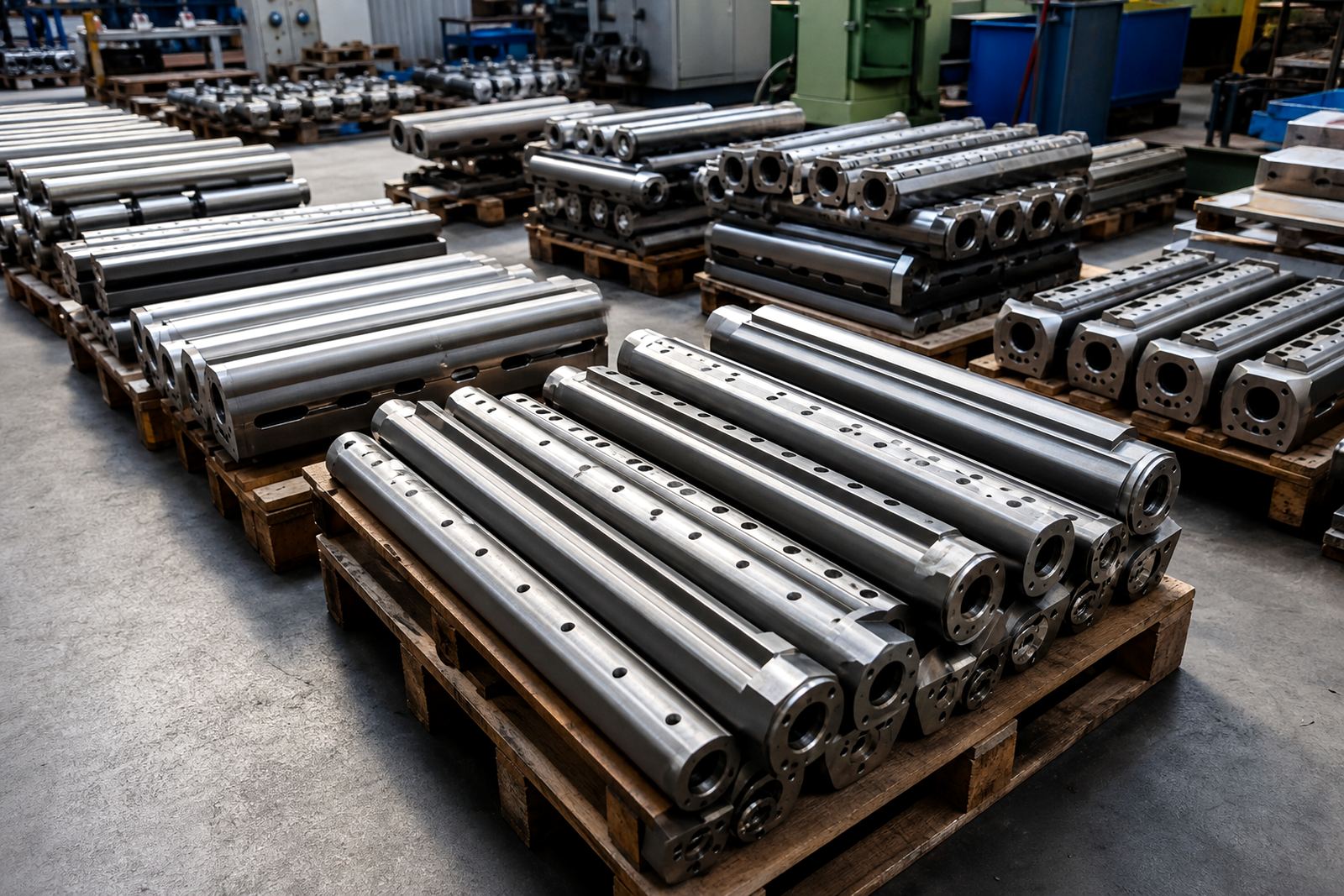
For this project, the biggest gap was not the machine itself but the tooling selection around it. The shop needed a clearer match between the workpiece, the hole requirements and the cutting tools in use. They also wanted support on consumables and replacement planning so the process would not stall while waiting for parts.
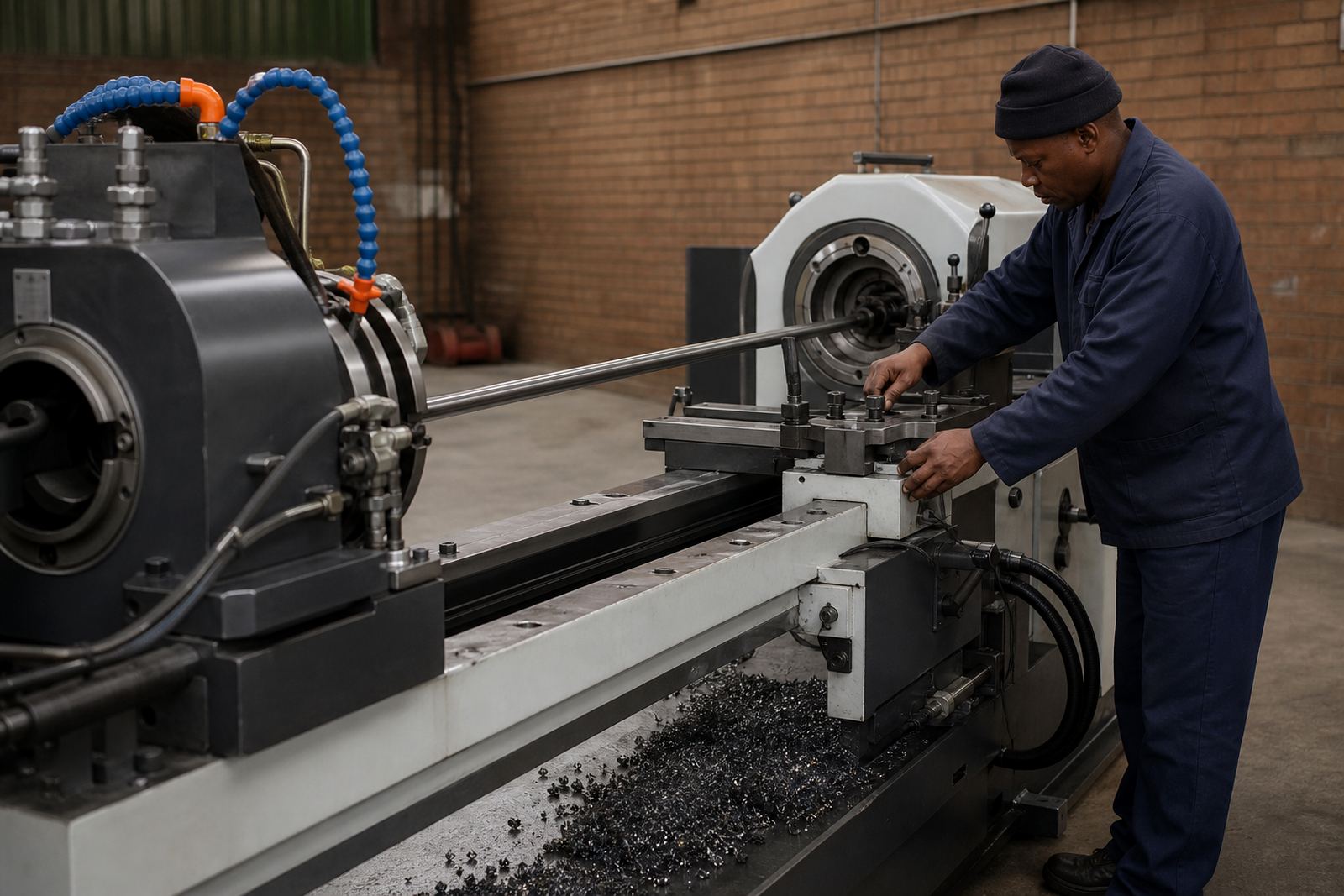
We reviewed the tooling requirements with the shop team and worked through the points that usually affect deep-hole results in day-to-day production. That included the way the drill is introduced, how the coolant is managed, how the setup is clamped and whether the operator has enough control to keep the process stable from one batch to the next.
- Tooling selection matched to the job list and material types
- Setup checks for alignment and holding method
- Coolant system review for flow, cleanliness and delivery
- Operator-friendly method for repeat work
- Spare parts and consumable planning for ongoing production
Setup support on the shop floor
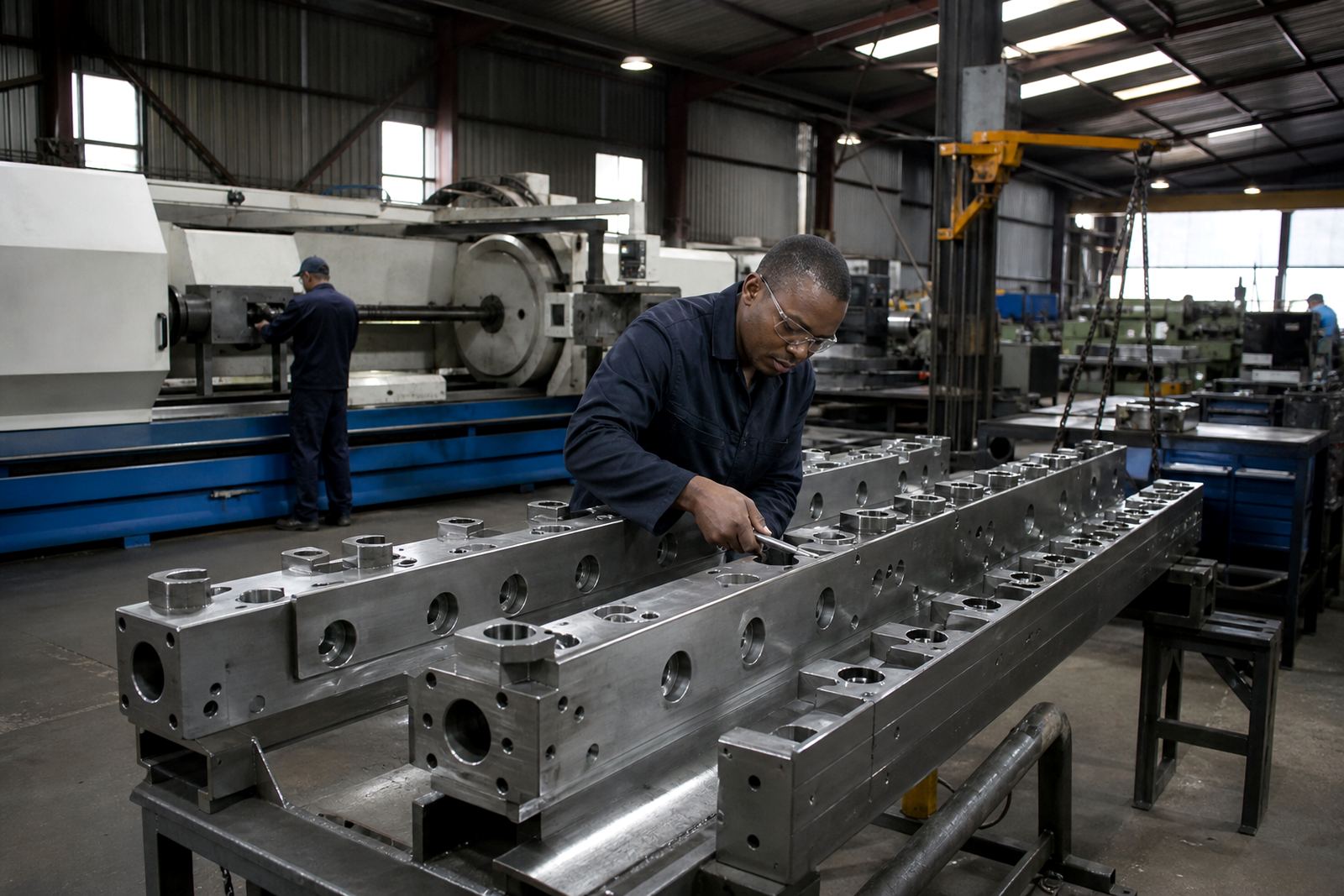
Once the tooling direction was agreed, Deephole worked with the Pinetown team on setup optimisation. The goal was to remove guesswork and give the operators a cleaner starting point before production began. We looked at alignment, tool handling, setup sequence and the practical details that affect hole quality once the machine is running.
Our service team also checked the surrounding support systems. On deep-hole work, a small issue in coolant delivery or part clamping can turn into scrap fast. So the setup was approached as a full process, not just a tool change. That meant checking the machine condition, confirming the tooling fit and making sure the team knew what to watch during the first parts.
- Machine installation support where required
- Machine commissioning guidance for first runs
- Alignment checks before production start
- Process troubleshooting during early trials
- Production startup assistance with the shop team present
Timeline and how the work was planned
The project ran over three weeks from first review to final handover. In week one, we assessed the existing setup, the tooling approach and the support needs around the machine. In week two, we worked through the selected tooling, setup changes and practical adjustments on the floor. In week three, we supported the first production runs, checked the results and helped the team settle into a repeatable method.
That timeline suited the shop because it avoided long stoppages. The work was planned around normal production windows, which matters in a busy machine shop where parts, operators and machine time all need to line up. It also allowed time for small corrections after the first test runs rather than forcing everything into a single visit.
One practical part of the schedule was making sure the crew had enough time for training between jobs. The team could not stop production for a full week so the support had to be phased in and tied to the actual workload. That kept the shop moving while still improving the process.
Training, handover and support after startup
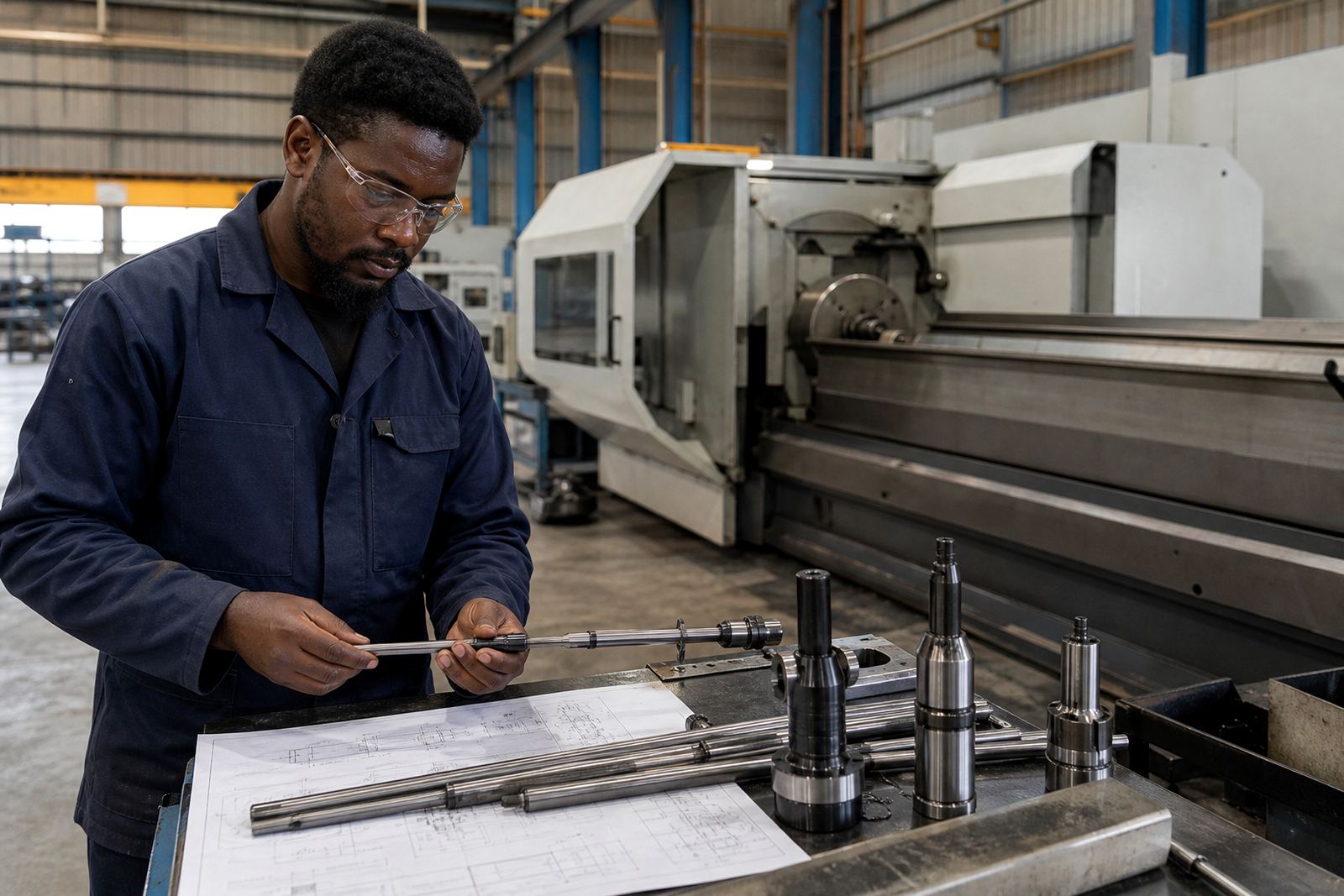
A strong setup is only useful if the operators can keep it going after the first day. We therefore included hands-on training and a proper handover for the machine shop team. This covered the working method, the checks to run before each shift and the steps to take if the process starts drifting.
Leanne Naidoo led the training side, while Johan Smit and Francois du Plessis handled the technical and machine support during setup. Noluthando Dlamini coordinated the service side so the shop always knew what came next. Where needed, Sibusiso Khumalo assisted with tooling support, and Ayanda Mokoena stayed close to the commercial and supply requirements.
- Operator training on setup sequence and checks
- Process troubleshooting for early production issues
- Preventive maintenance guidance for daily use
- Breakdown support planning if the machine needed follow-up
- Spare parts support and coolant system service advice
What changed for the Pinetown machine shop
By the end of the project, the shop had a more workable deep-hole setup and a clearer process for selecting and handling tooling. The operators had a better understanding of what to check before starting a job and how to keep the machine on track during production. That kind of control is what saves time when the work is repetitive and the tolerances matter.
The client also had a clearer support path for future work. Instead of starting from scratch for each job, they now had a baseline method they could return to. That matters when orders change and different parts move through the same machine. It also helps when a machine shop is trying to keep delivery dates steady under load shedding and general workshop pressure.
If we were to do the same project again, we would follow the same approach: review the job requirements first, choose tooling around the actual part family, then commission the setup with the operators involved from day one. That keeps the handover practical and gives the team a method they can use without calling in outside help for every small change.
Deep-hole machine support across South Africa
Deephole is based in Benoni, Gauteng and supports manufacturers and engineering shops across South Africa, including Johannesburg, Pretoria, Durban, Cape Town and Gqeberha. For machine shops needing gun-drilling and deep-hole boring machines, tooling, setup support and practical training, our focus stays on getting the process right first time where possible.
We work with production teams that need straight answers, proper setup help and support that fits real workshop conditions. That includes machine commissioning, operator training, tooling selection, alignment checks and ongoing service support when the machine must keep earning its place on the floor.
Key facts
| Project location | Pinetown, KwaZulu-Natal |
|---|---|
| Client type | Machine shop |
| Main requirement | Tooling selection and setup assistance for deep-hole work |
| Project duration | 3 weeks |
| Support provided | Tooling review, setup optimisation, training and handover |
| Service focus | Gun-drilling and deep-hole boring support |