Project brief from a Germiston manufacturing floor
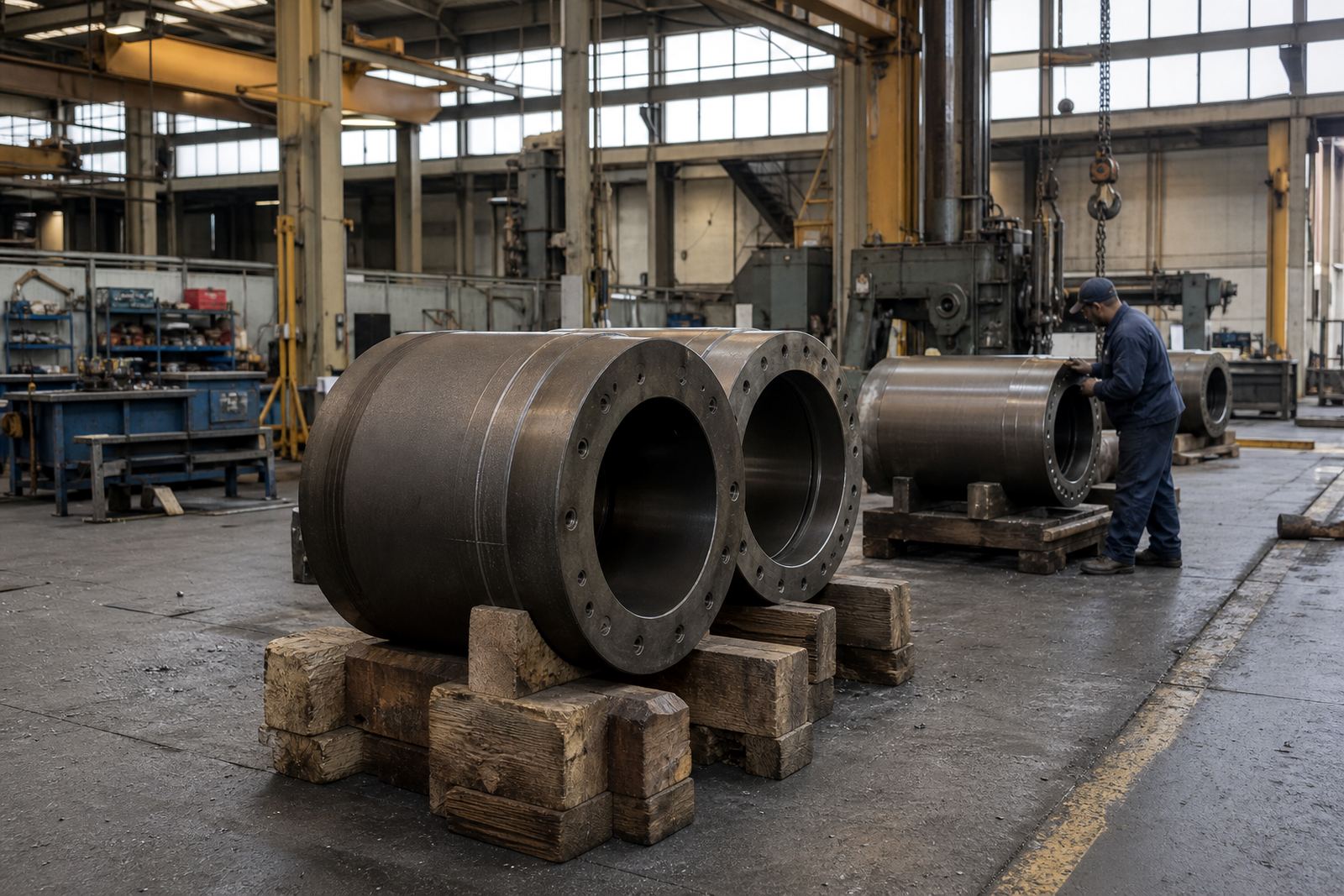
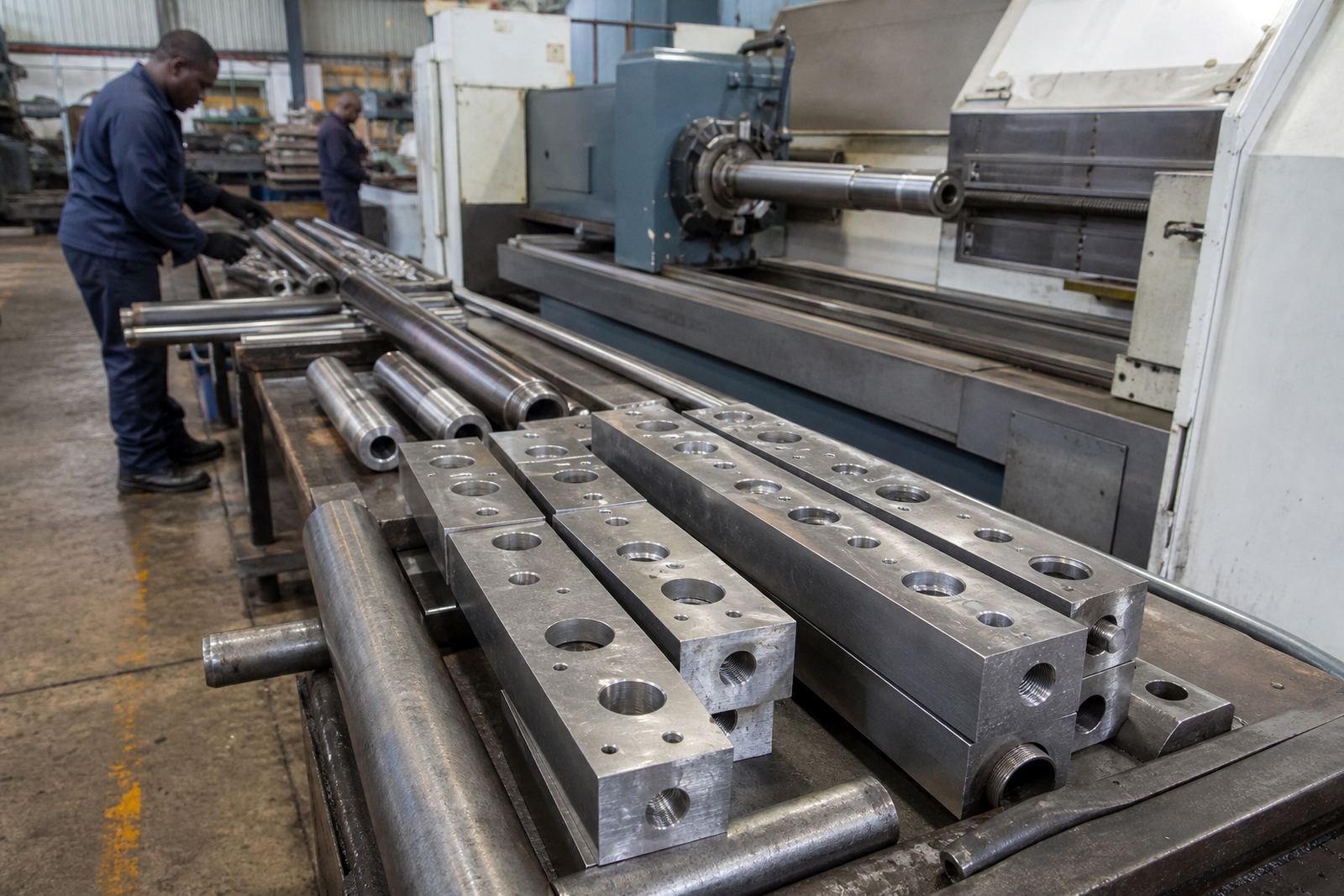
The job came from a hydraulic parts manufacturer in Germiston that was dealing with mixed quality on manifold drilling and internal passage control. The work involved repeated deep-hole drilling into compact blocks, where small alignment errors can send a passage off line, break through to the wrong cavity, or leave flow paths that do not clean up properly after machining. The client needed practical application guidance, not just a machine drop-off.
The brief was to improve hole placement, reduce tool wear and make the production process easier for the operators on shift. Their team wanted a better method for setting up the job, selecting the correct tooling and keeping drilling conditions stable when the material and part sizes changed. The site was in an active industrial area, so the plan also had to fit around normal production hours, limited floor space and day-to-day maintenance on existing equipment.
Constraints that shaped the drilling solution
Hydraulic manifolds are unforgiving parts. The bore paths must stay true, the entry points need to be repeatable and the internal passages must meet the drawing without excess breakout or distortion. On this job, the main limits were part consistency, chip control and getting reliable performance from the drilling setup without slowing the rest of the line.
There was also the usual local plant reality to work through. Power interruptions and load-shedding planning mean a process must restart cleanly after a stop. In Gauteng, many shops also have to manage compressed air use, coolant maintenance and regular checks on older fixtures that have seen years of service. For this reason the approach focused on simple, repeatable setup steps and support that the client’s own team could carry forward.
- Maintain bore alignment on manifold bodies with multiple intersecting passages
- Control chip evacuation during deep-hole drilling
- Keep setup repeatable across batches and operator changes
- Reduce unnecessary rework on parts with internal channels
What Deephole supplied and how it was applied
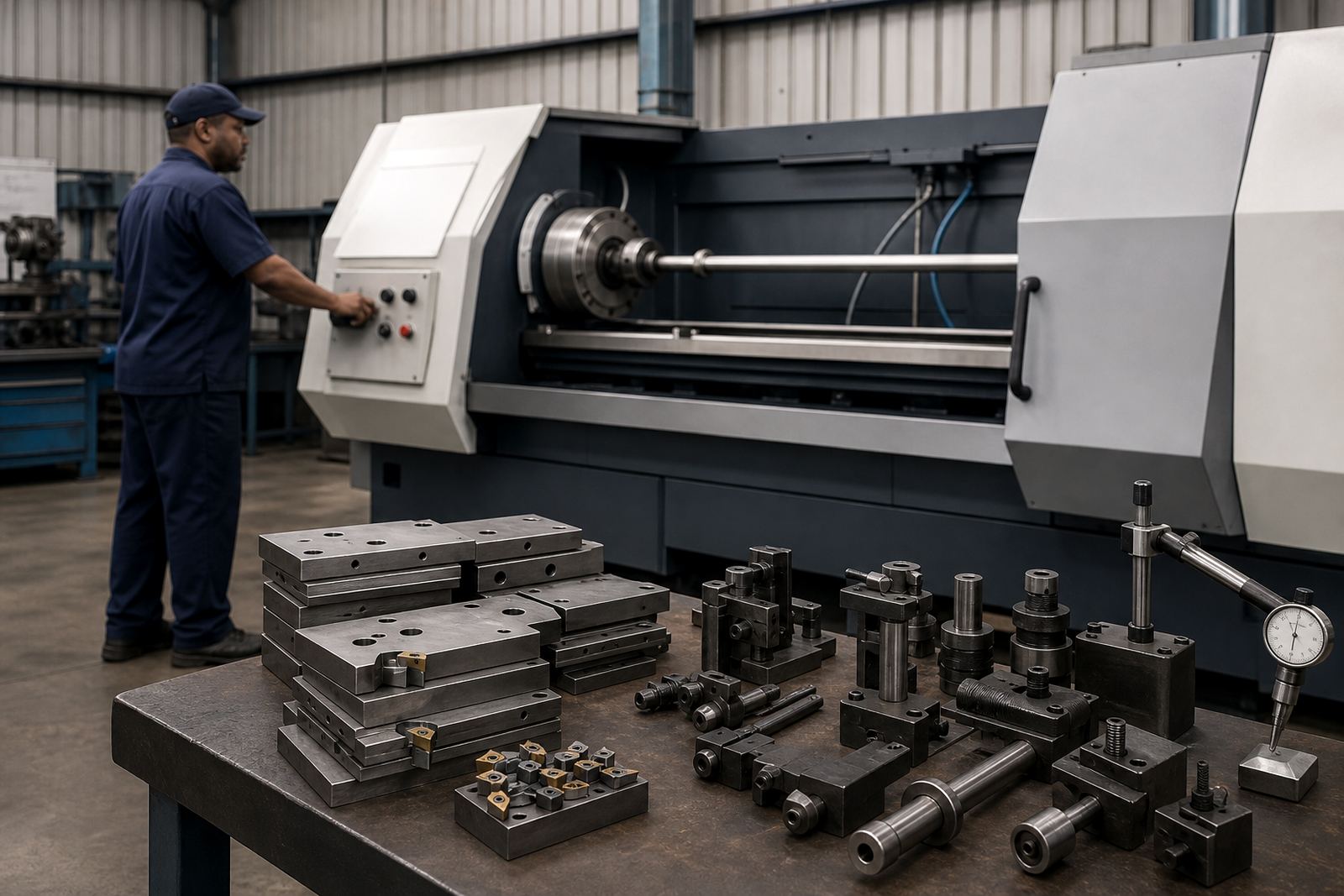
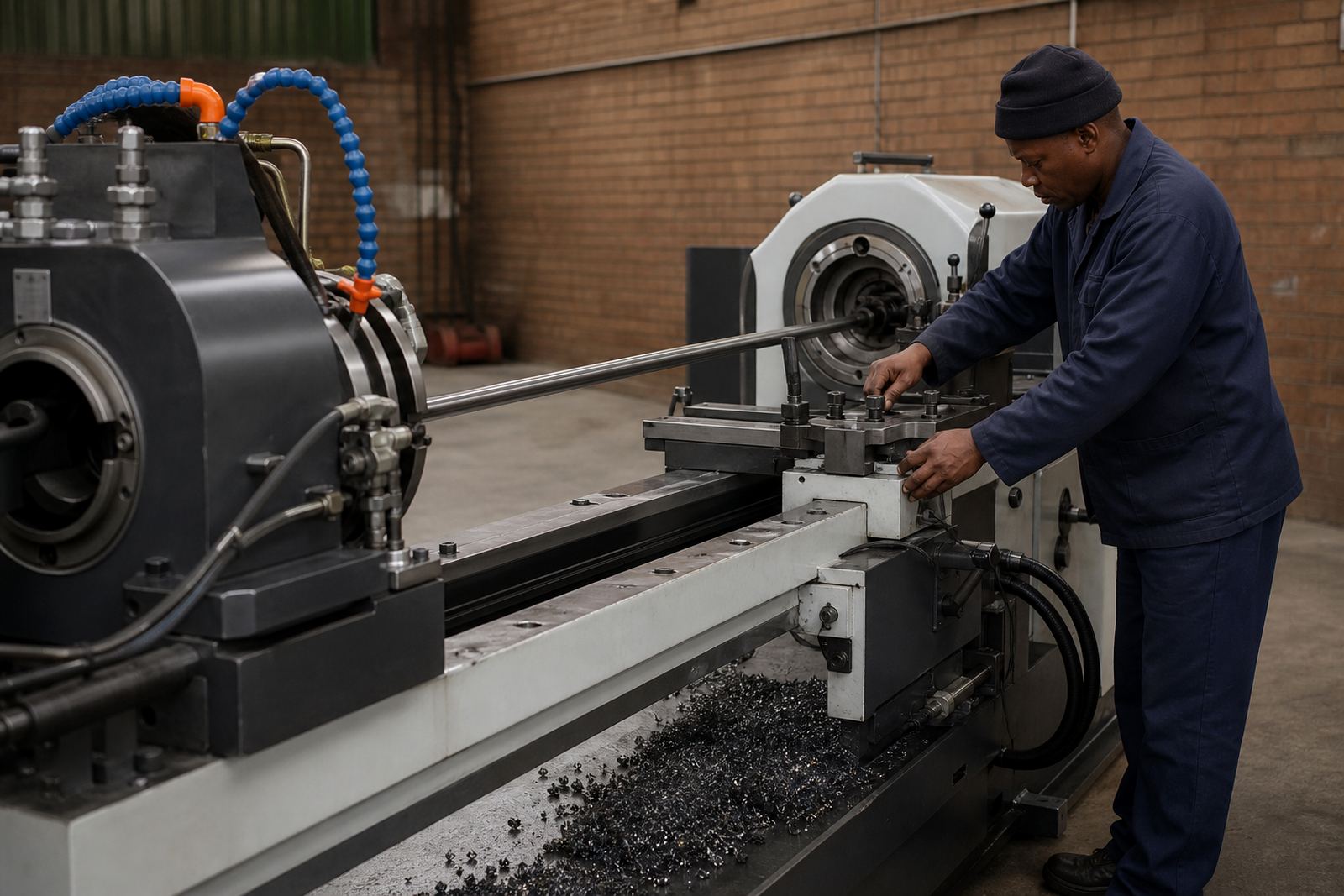
Deephole supplied guidance around the drilling process, tooling selection and machine setup for the manifold application. The work centred on gun-drilling and deep-hole boring practice, with attention given to the order of operations, the way the part was clamped and the way the operator checked alignment before cutting started. We also supported the selection of the right consumables and setup items needed for stable production.
The support package included commissioning assistance, setup optimisation and process troubleshooting. Where the client needed it, we checked alignment, reviewed coolant delivery and looked at the conditions around the drilling zone so the team could maintain cleaner bores and more predictable results. This was not a one-size-fits-all job. The application had to suit the part geometry and the way the shop runs its own production programme.
- Machine installation and commissioning support
- Tooling selection for deep-hole drilling work
- Setup optimisation for repeatable manifold drilling
- Process troubleshooting for passage control and bore quality
- Operator training for safe day-to-day use
Timeline from first visit to production start
The project ran over a short, focused period of several weeks. The first stage covered site review, application guidance and checks on the existing process. After that came tooling recommendations, setup adjustments and operator familiarisation. Once the team had a clearer drilling sequence, the process moved into trial runs and practical corrections on the floor.
By the end of the timeline, the client had a more controlled method for handling the manifold work. The support model was hands-on enough to resolve the immediate issues, but also practical enough for the in-house team to keep using after the project closed. That matters in a busy Gauteng workshop where production time counts and a process must be stable when the next order comes in.
- Week 1: application review and site assessment
- Week 2: tooling and setup recommendations
- Week 3: trial drilling, alignment checks and process tuning
- Week 4: operator training and handover support
Results seen on the shop floor
The main result was better control over the drilling process on hydraulic manifold bodies. With a more consistent setup and clearer operating method, the team could work with greater confidence when drilling internal passages. The process became easier to repeat and the staff had a clearer understanding of which checks mattered before each cycle began.
For the client, the value was practical. Less time was spent correcting avoidable errors, and the operators had a better handle on tool life, coolant condition and alignment checks. That makes a difference on parts where one bad hole can affect the whole component. It also helps a shop manage output when it has to balance urgent work, maintenance windows and the odd interruption from power or plant downtime.
- Improved consistency in manifold drilling setup
- Better control of internal passage formation
- Clearer operator method for checks and restart routines
- Reduced time lost to avoidable setup errors
What we would repeat on the next manifold job
If we were to do the same type of job again, we would start with the same sequence: review the part drawing, confirm the passage layout, assess the machine condition and then match the tooling to the actual drilling conditions on site. That order saves time later and avoids chasing faults that really begin at setup stage.
We would also spend the same attention on training. On hydraulic work, the operator needs more than a quick handover. They need to know how to check coolant delivery, recognise when chip evacuation is starting to slip, and confirm that alignment is still within the expected range. That is where Deephole’s support around machine installation, commissioning, training and preventive maintenance fits into the job.
From our Benoni base, we support manufacturers and engineering shops across Johannesburg, Pretoria, Durban, Cape Town and Gqeberha with deep-hole drilling and boring applications. For this Germiston project, the result came from practical support, not guesswork, and that is the same approach we bring to every new hydraulic drilling enquiry that comes through our contact form.
Key facts
| Project location | Germiston, Gauteng |
|---|---|
| Client type | Hydraulic component manufacturer |
| Application | Hydraulic manifold drilling and internal passage control |
| Scope of support | Tooling selection, setup optimisation, training and troubleshooting |
| Project duration | Several weeks from review to production start |
| Support base | Benoni, Gauteng |