What the Uitenhage tooling shop needed
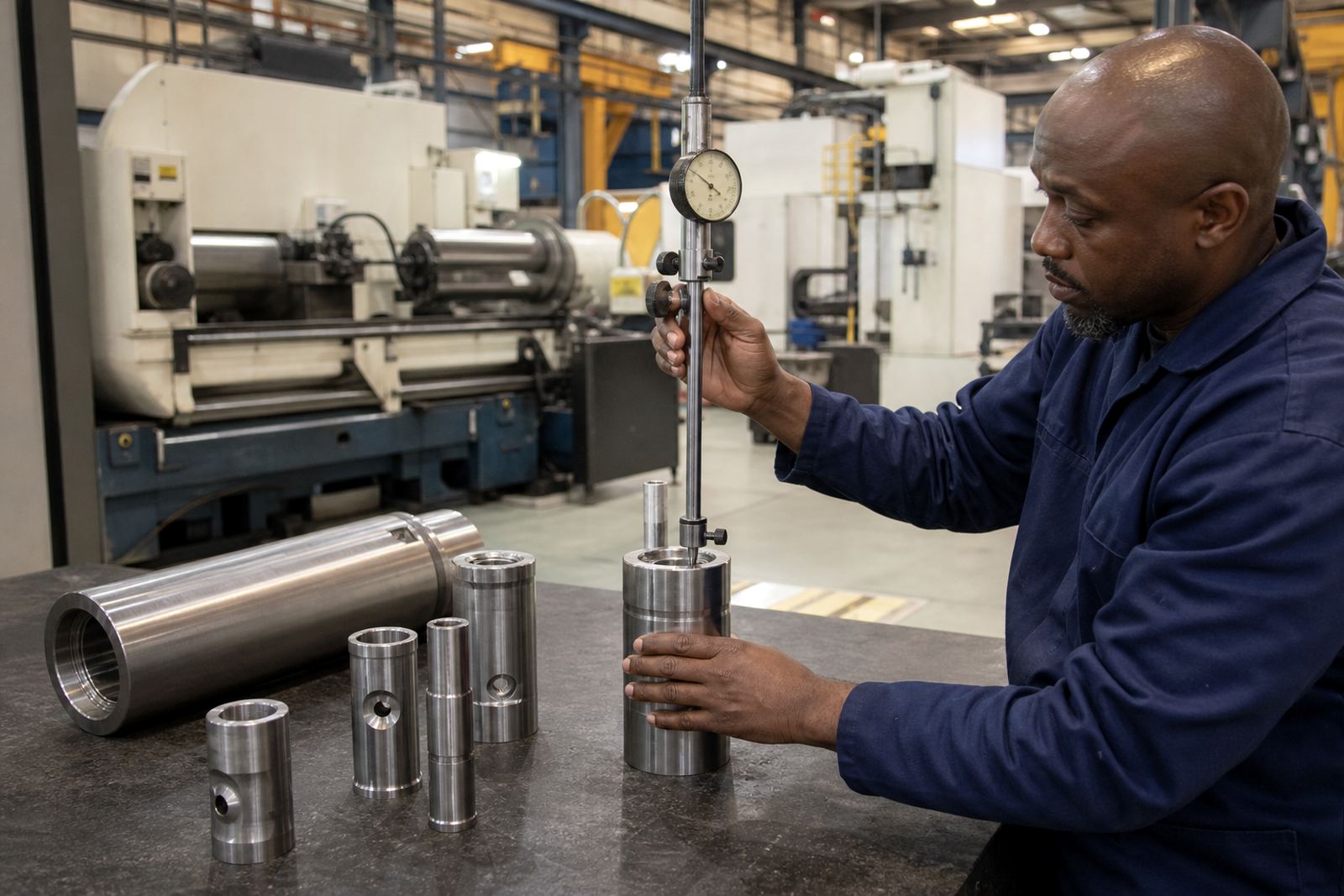
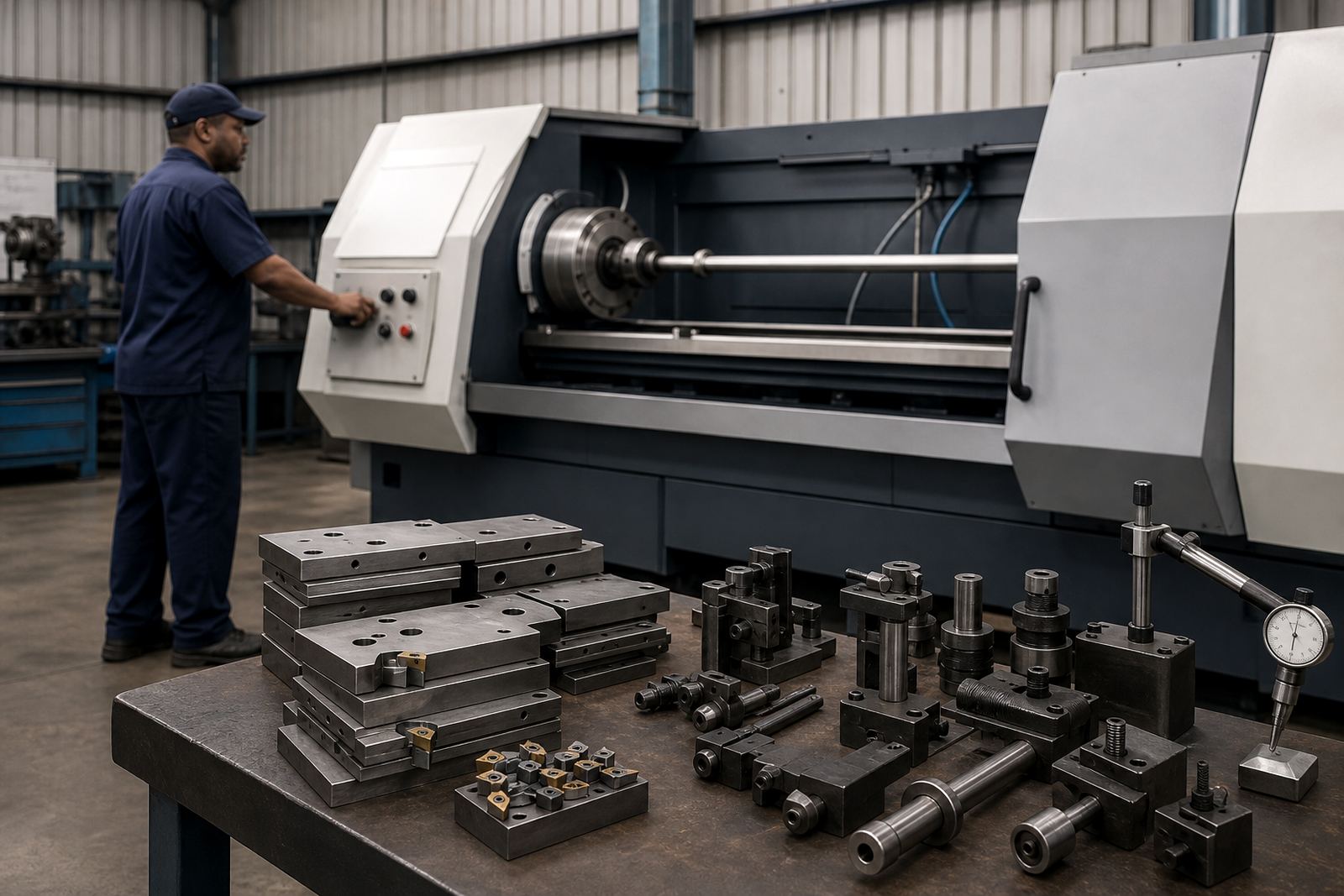
The client was a local tooling shop working on die components and related production parts where drilled channels, straightness and surface finish all matter. Their main requirement was not a full machine replacement, but support around gun-drilling and deep-hole boring so they could hold better consistency on internal features, reduce rework and keep production moving on time.
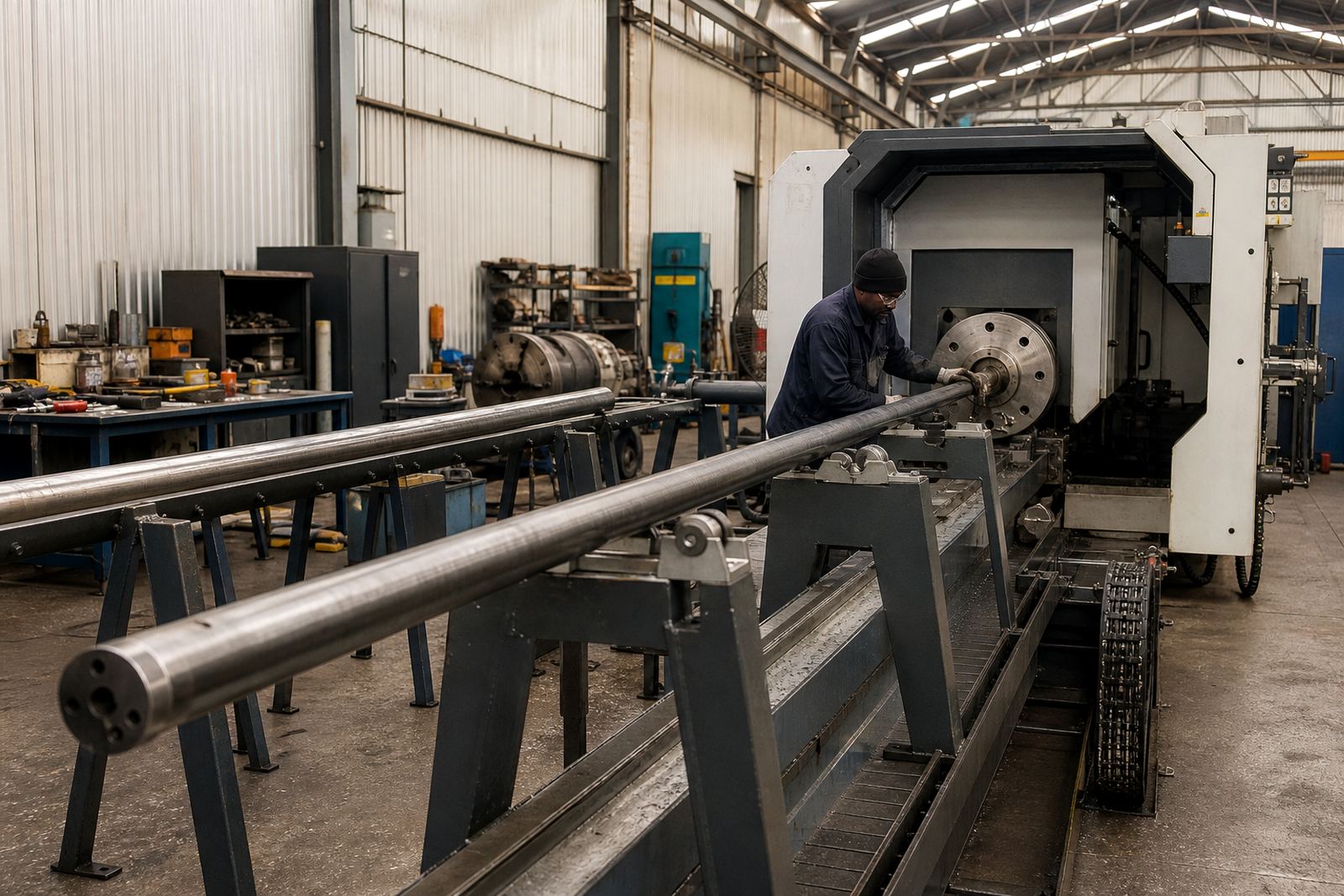
The work had to fit within an active shop floor, with normal pressure from due dates, changing jobs and the usual interruptions that come with load-shedding and maintenance windows. The team needed practical guidance that could be applied immediately, not theory. We kept the brief focused on tooling, setup and support for the parts they were already making.
Constraints on the job and why they mattered
There were a few clear constraints. The shop had to work around existing machines and fixtures, so any change needed to fit their current layout and not force a long shutdown. They also needed a method that could be repeated by different operators, because one person doing everything is risky when shifts change or the job queue gets busy.
- Limited downtime for setup changes and checks
- Need for repeatable internal features on die work
- Operator handover between shifts
- Support for tooling selection and setup optimisation
- Practical attention to coolant, alignment and chip control
Because the shop works in a busy production environment, even a small setup error can affect hole position, finish or tool life. We treated the job as a process control issue as much as a tooling issue, and that made the support more useful on the floor.
Tooling and setup support supplied
We assisted with tooling selection for deep-hole work, setup optimisation and alignment checks for the parts being produced. The aim was to match the tooling and setup to the job at hand, not to push a one-size-fits-all approach. That included looking at drill condition, coolant delivery, workholding and the order of operations so the shop could get cleaner results.
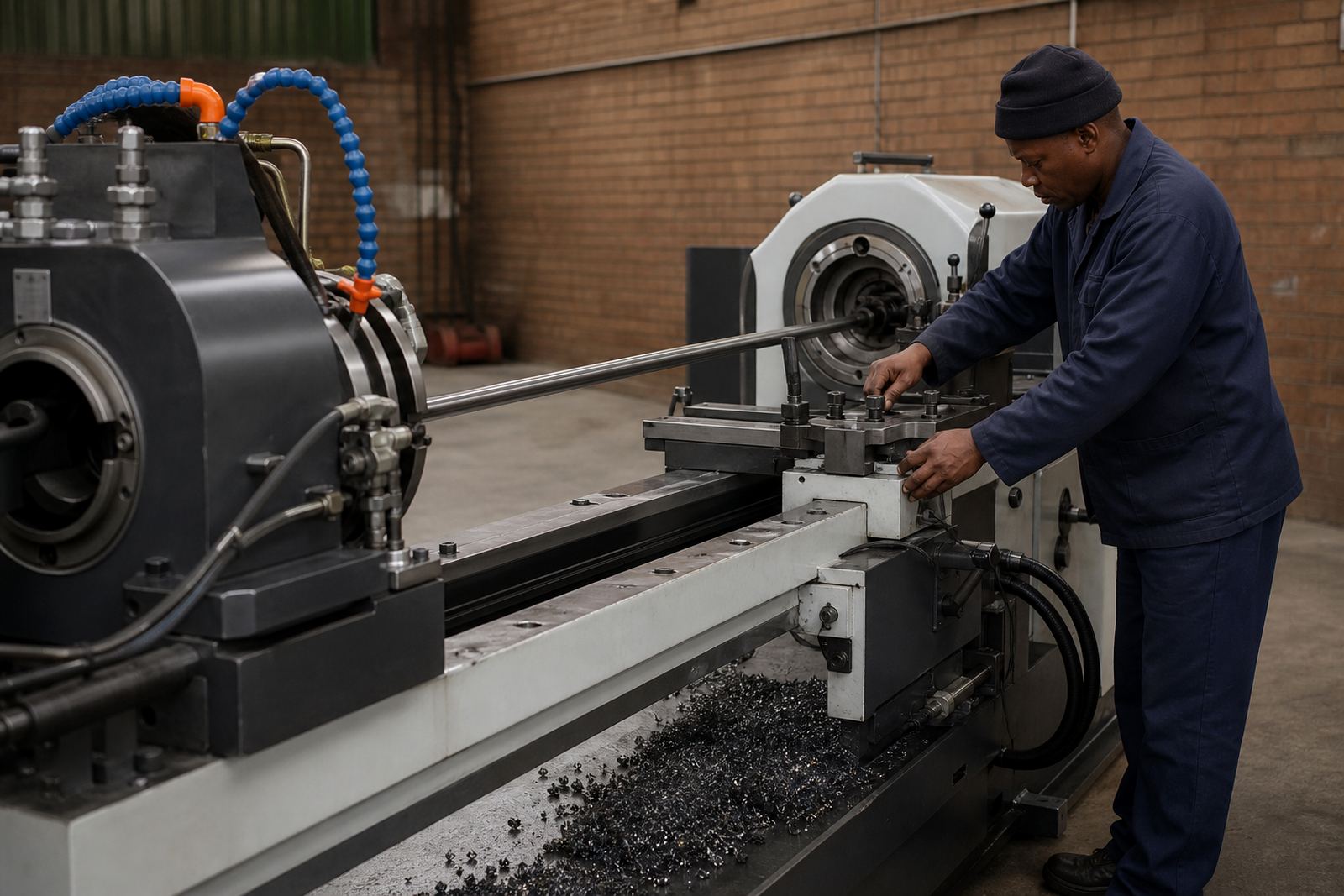
Where needed, we helped with process troubleshooting on drilled channels and internal features, especially where chip evacuation and bore consistency were causing concern. We also spent time on coolant system service and basic maintenance checks because poor coolant flow can quickly affect finish, heat and tool wear. In a wet coastal-free inland location like Uitenhage, the main issue was not humidity but keeping the process steady and the machine in good condition through normal shop use.
- Tooling selection for gun-drilling and deep-hole boring work
- Setup optimisation for repeatability
- Alignment checks on the machine and workholding
- Coolant system service and flow verification
- Process troubleshooting on internal channels and die features
Timeline from first visit to production handover
The job ran over three weeks. In the first week, we assessed the shop’s current setup, looked at the parts in production and identified the points where drilling quality was drifting. The second week was spent on setup changes, tooling support and operator coaching so the team could follow a repeatable method. In week three, we returned for follow-up checks, confirmed the adjustments and worked through any final issues that came up during production.
That timeline suited the client because it allowed them to keep some output moving while changes were made. There was no need to stop everything at once. Instead, we worked around their production plan and kept the support practical, which is usually the better way in a busy local tooling shop. A short course of action often works better than a long, drawn-out intervention.
Training for the operators on the floor
We provided operator training around setup discipline, tool handling and the signs that a bore is starting to drift out of spec. The team also needed guidance on checking coolant delivery, recognising tool wear and handling changeovers without losing the settings that had already been proven. This was important because the same machine can give very different results when the setup changes from one operator to the next.
The training lead took the team through the practical side of the process, including how to keep notes on setup points and how to make small corrections before a job turns into scrap. The applications specialist and tooling support consultant backed that up with direct process advice. It was hands-on and plain, which is usually what works best on a shop floor.
- Setup discipline for repeat jobs
- Tool wear checks before a batch run
- Coolant and chip control habits
- Changeover steps for more than one operator
- Basic troubleshooting before calling a stop
Results the shop could see in daily production
By the end of the support period the shop had a clearer method for handling drilled channels and precision internal features on die work. The immediate value was in steadier setups, better control over the drilling process and fewer interruptions caused by uncertainty around tooling choice or machine adjustment. The team also had a clearer understanding of when to inspect, when to adjust and when to leave a proven setting alone.
For a tooling shop, those gains matter because they show up in daily production rather than on a report. Less rework, more confidence at changeover and better control over the internal features are the kinds of improvements that help the workshop meet customer deadlines. It is not flashy work, but it saves time and money where it counts.
What we would do again on a similar job
If we handled a similar project again, we would follow the same approach: assess the current process first, match the tooling to the job, then support the operators until the method is repeatable. That approach suits South African tooling shops well, especially where production pressure, power interruptions and mixed job sizes all come together in the same week.
We would also keep the support local and practical. From Benoni, our team works with manufacturers and engineering shops across Johannesburg, Pretoria, Durban, Cape Town and Gqeberha, but jobs like this often need the same thing no matter where they are based: clear setup advice, proper training and follow-up that happens before small issues become bigger ones. That is how we keep gun-drilling and deep-hole boring work on track.
Key facts
| Project town | Uitenhage, Eastern Cape |
|---|---|
| Client type | Tooling shop supporting die work |
| Focus | Drilled channels and precision internal features |
| Timeline | 3 weeks |
| Core support | Tooling selection, setup optimisation and operator training |
| Service areas | Gun-drilling and deep-hole boring support |
| Base of operations | Benoni, Gauteng |