Commissioning That Gets the Machine Ready for Production
Machine commissioning is the final step before a new or relocated gun-drilling or deep-hole boring machine goes into steady production. It covers the checks, adjustments and handover work needed to make sure the machine is set up correctly for the job, the tooling and the workshop environment.
In South Africa, that often means dealing with floor conditions, power quality, coolant behaviour, dust, heat and operator handover all at once. A machine can arrive in good condition but still underperform if alignment, tooling fit, workholding or coolant delivery has not been checked properly.
We commission machines for manufacturers and engineering shops in Johannesburg, Pretoria, Durban, Cape Town, Gqeberha and nearby industrial areas. The aim is practical, stable production not trial and error on the shop floor.
What Is Included in a Typical Commissioning Visit
Each commissioning job is planned around the machine, the workpieces and the workshop setup. The scope can vary, but the usual inclusion covers the items below:
- Site readiness check before installation or startup
- Machine placement, levelling and alignment checks
- Power, control and utility verification
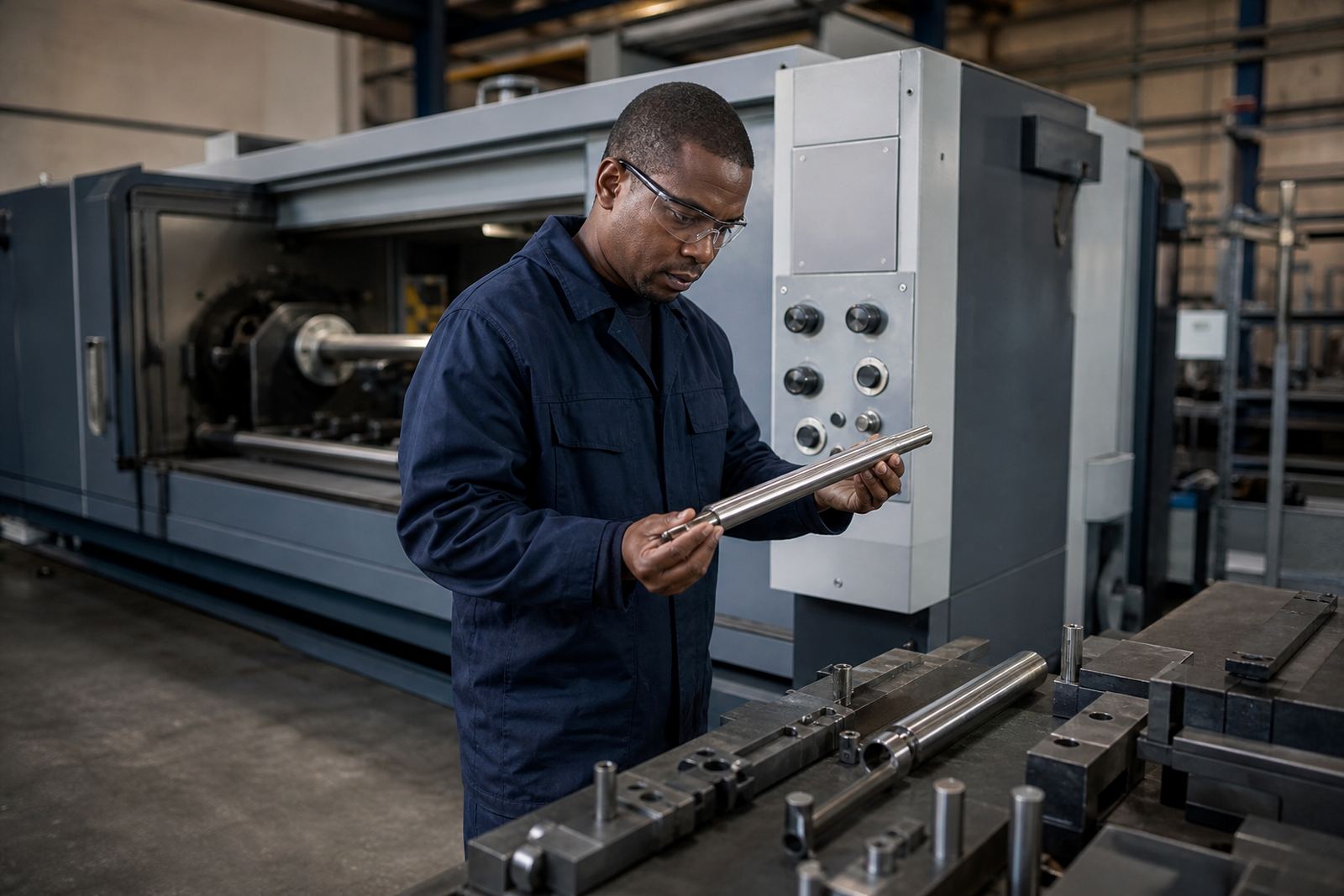
- Tooling and guide setup for the required process
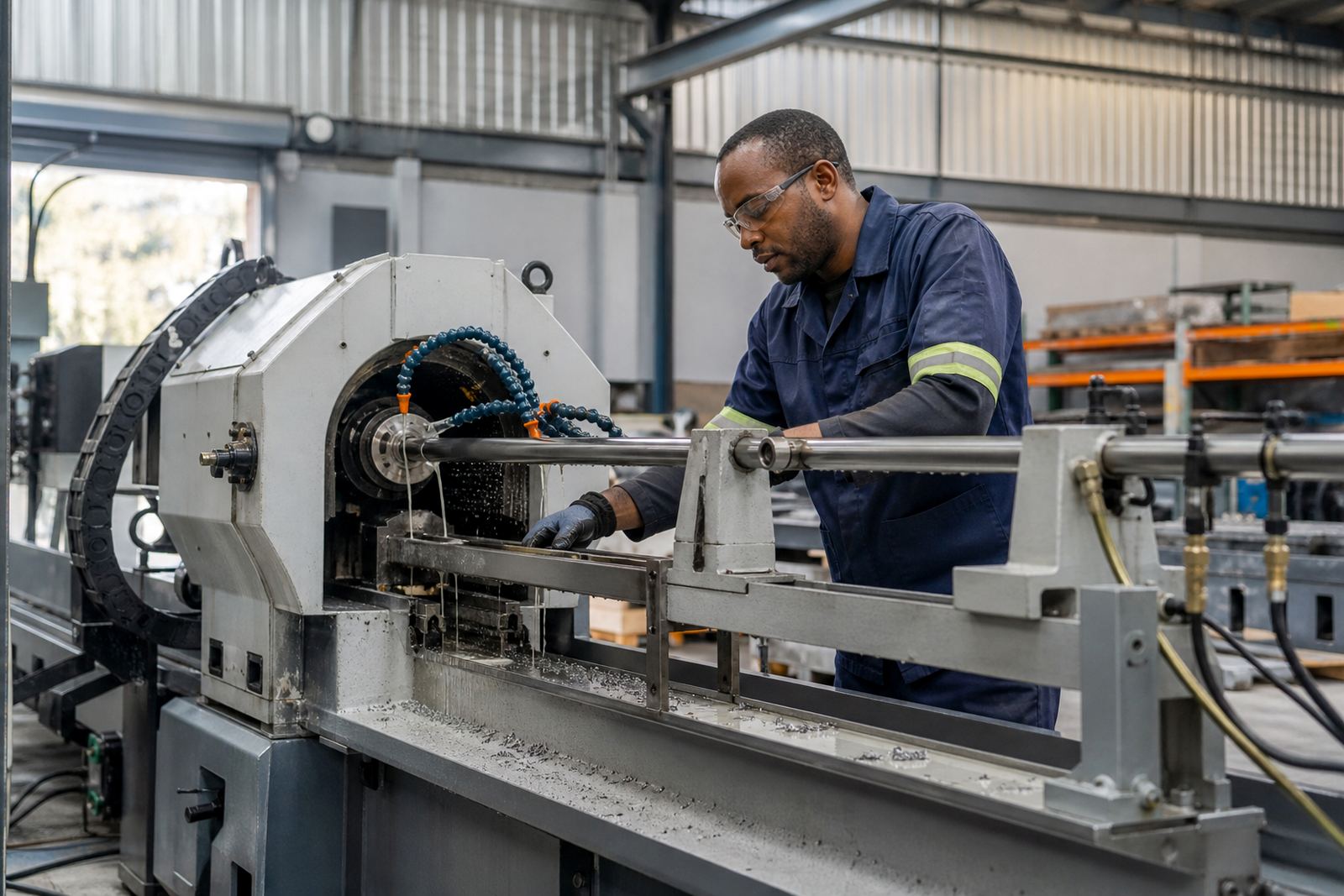
- Coolant system inspection and basic flow checks
- Dry run and initial cutting trials where suitable
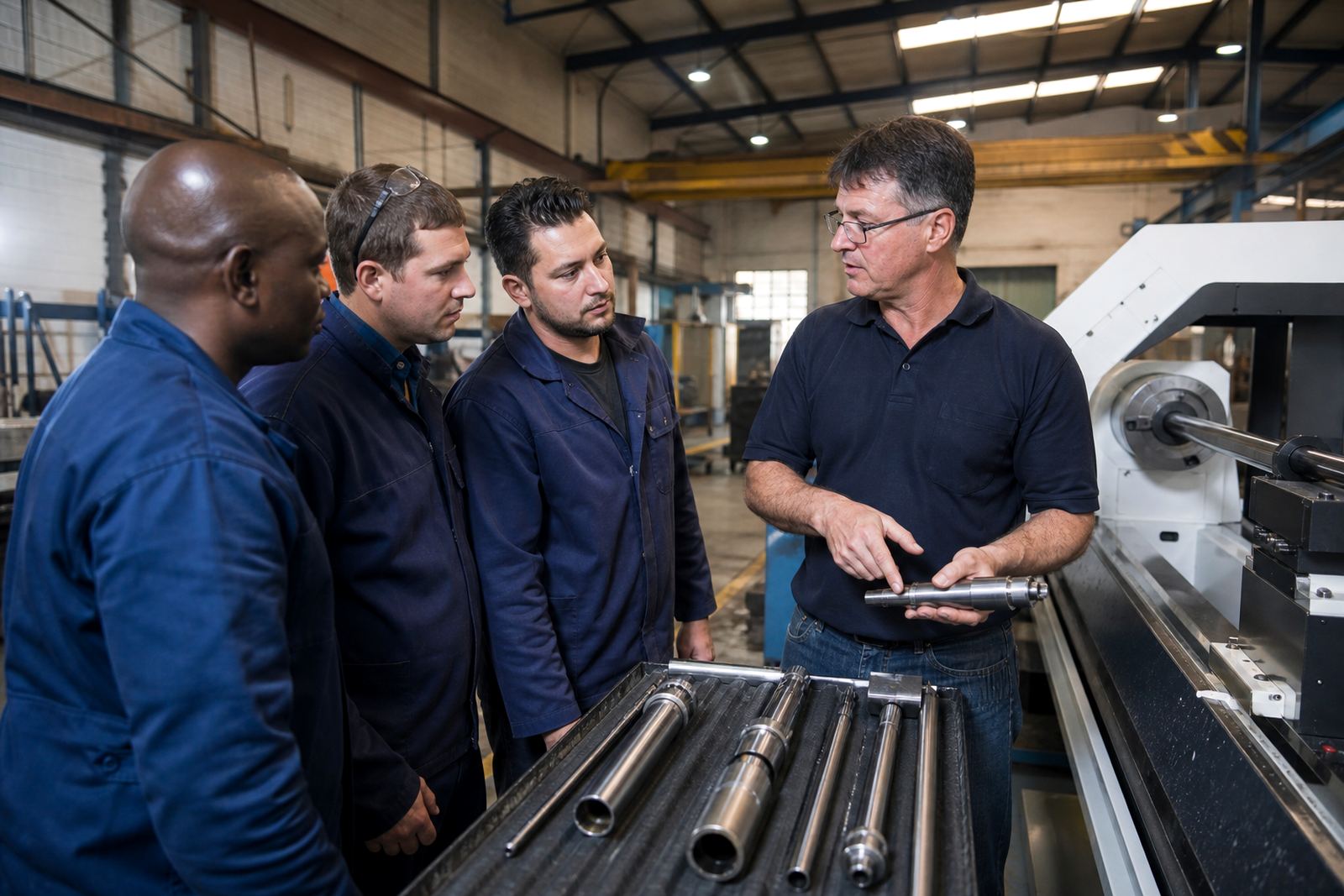
- Operator familiarisation and production handover
- Fault finding if the machine is not performing as expected
Where needed, we also assist with spare parts identification, process notes and follow-up adjustments after the first production runs. That extra support helps reduce stoppages during the first few shifts.
Our Commissioning Process From Arrival to First Output
We follow a structured process so nothing important is missed. First, we confirm the machine type, tooling requirements, part material and the production target. That lets us prepare the right checks before the visit and avoid wasting time on site.
Next comes the physical setup. This usually includes position checks, level checks, connection checks and alignment verification. If a machine was moved within the factory or brought in from another site, we pay close attention to foundation issues, hose routing, coolant supply and any signs of movement during transport.
- Step 1: Pre-site planning and scope confirmation
- Step 2: On-site inspection and machine readiness checks
- Step 3: Mechanical and utility setup verification
- Step 4: Tooling setup and process parameter review
- Step 5: Trial runs, adjustments and output confirmation
- Step 6: Operator training and handover notes
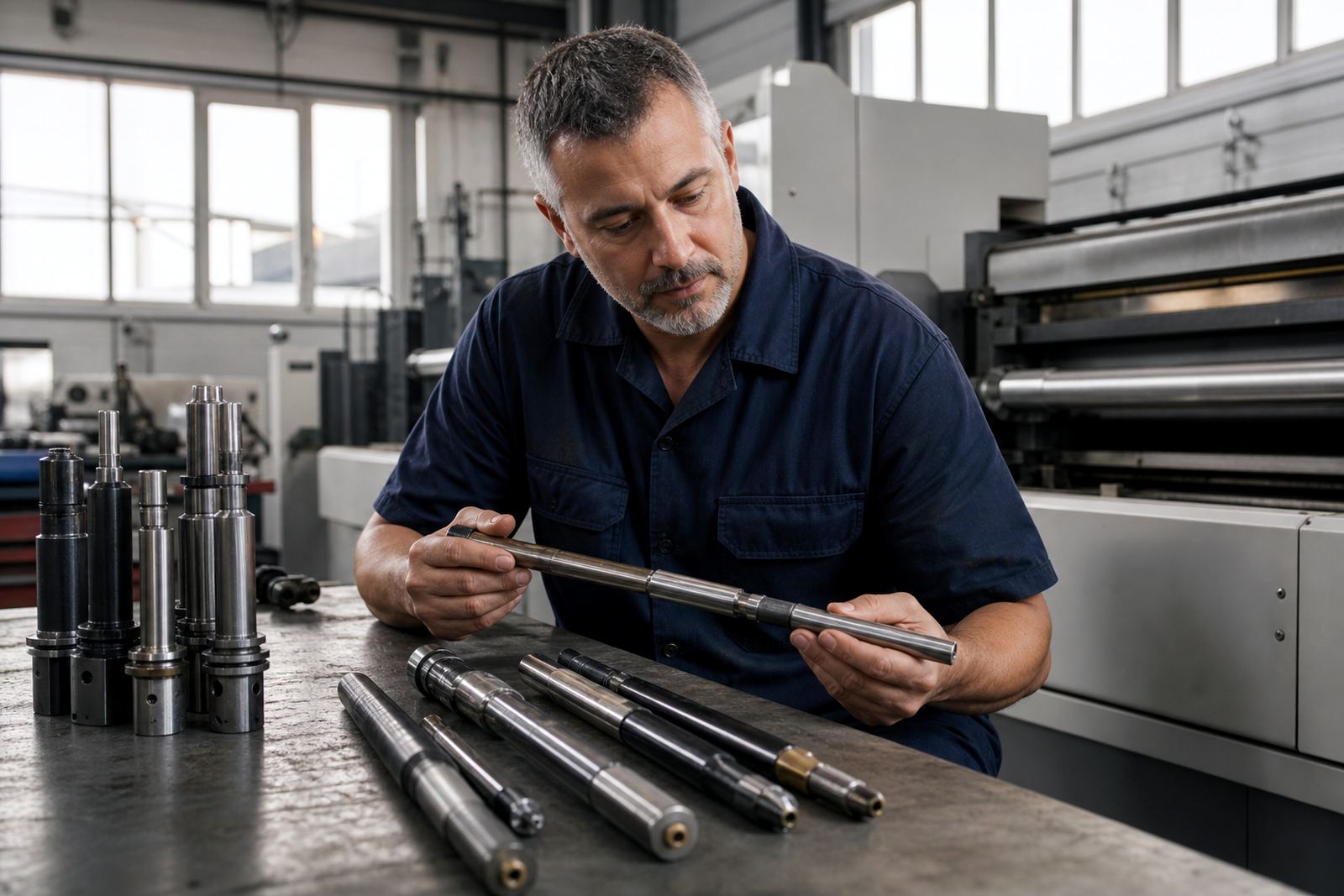
Once the machine is running, we review the first parts and make practical adjustments where needed. If the job calls for it, we stay through the startup period so the team can work with confidence instead of guessing.
Turnaround Times and Site Planning
Turnaround depends on the machine condition, the amount of setup work required and how ready the site is when we arrive. A clean installation with utilities in place and tooling on hand is usually quicker than a machine that needs alignment corrections or process troubleshooting.
For most commissioning work, we recommend allowing enough time for both setup and a first production run. That may mean a single day for a straightforward handover or a longer on-site visit when tooling, coolant or part quality needs closer attention. We will always talk through the likely time needed before work starts so the production team can plan around it.
Where load-shedding or unstable supply is a factor, we help the team plan around shutdowns and restart checks. That saves time and reduces the risk of starting production under poor conditions.
Pricing Approach That Matches the Scope
Commissioning is quoted according to the machine type, the site conditions and the amount of support needed during setup and startup. We do not price it as a one-size-fits-all job because the work can range from a basic verification visit to a full startup with training and process correction.
Our pricing approach is based on the actual scope agreed upfront. That may include travel, time on site, tooling review, commissioning checks, training and any follow-up work required to stabilise production. If the machine needs extra attention on alignment, coolant delivery or operator setup, we explain that clearly before proceeding.
This approach helps workshops budget properly and avoids surprises once the machine is already on the floor.
Maintenance Intervals After Commissioning
Commissioning does not end when the first part comes off the machine. Stable production depends on early follow-up and sensible maintenance intervals, especially on high-precision drilling work where small changes can affect hole quality and tool life.
We usually recommend a short check after the first production period, then regular maintenance based on usage, material type and workshop conditions. Coastal humidity in places like Durban and Gqeberha can affect coolant condition and corrosion risk, while dusty inland sites often need more frequent cleaning and inspection.
- Daily: coolant level, chip removal and basic visual checks
- Weekly: alignment observation, filter condition and tool wear review
- Monthly: coolant system service, hose inspection and function checks
- Quarterly: production review, setup verification and preventive maintenance planning
If a machine is running extended shifts or handling demanding materials, those intervals may need to be tightened. We can help set a practical maintenance routine that suits the workshop, not just a generic schedule.
Support Across Benoni and the Main Industrial Centres
Our base is in Benoni, Gauteng and we support machine commissioning for customers across the East Rand, Johannesburg, Pretoria, Durban, Cape Town and Gqeberha. That includes installation support, startup checks, tooling selection and operator training where needed.
Because deep-hole drilling work can be sensitive to setup quality, having the same team handle commissioning and the early support stages is useful. Ayanda Mokoena handles sales engineering discussions, Johan Smit assists with applications, Noluthando Dlamini coordinates service, Francois du Plessis supports machine work, Leanne Naidoo leads training and Sibusiso Khumalo assists with tooling support.
If you need commissioning assistance for a new machine, a relocated unit or a production restart, submit an enquiry through the contact page and we will work through the site requirements with you.
Key facts
| Service focus | Commissioning assistance for gun-drilling and deep-hole boring machines |
|---|---|
| Scope | Setup checks, alignment, startup verification, training and handover |
| Site support | Benoni, Johannesburg, Pretoria, Durban, Cape Town and Gqeberha |
| Typical outcome | Stable machine readiness for production use |
| Commercial method | Quoted to scope after review of machine, site and process needs |
| Follow-up support | Maintenance planning, troubleshooting and early production checks |