What process troubleshooting covers
Our process troubleshooting service focuses on the points that affect bore consistency on the shop floor. That includes hole straightness, surface finish, diameter variation, poor chip control, excessive heat, tool wear and alignment drift. We look at the full drilling chain from machine condition and tooling to coolant delivery, workholding and operator settings.
This service is suited to manufacturers and engineering shops in Benoni, Johannesburg, Pretoria, Durban, Cape Town and Gqeberha that need quick practical help on the machine, not general advice. If a part is coming out with chatter marks, taper, blocked chips or repeat rework, we help isolate the fault and set a better process.
- Hole quality review
- Alignment and setup checks
- Chip evacuation assessment
- Tooling and coolant flow review
- Operator process correction
Typical problems we investigate on site
Deep-hole work is unforgiving. A small setup error can show up later as a blocked channel, a wandering bore or poor finish. We investigate the common causes first, then move into the less obvious ones such as incorrect pecking behaviour, worn guides, unstable clamping or coolant contamination. The aim is to stop the guesswork and get a clear cause-and-effect picture.
We also check whether the issue changes from one job to the next. If one component family runs well and another does not, the answer is often in tool selection, stick-out, material behaviour or swarf packing. That matters on long jobs where the first few parts look fine and then the process starts drifting. It is a bit like the problem only shows after the machine has warmed up, which can be hard to pin down without a proper check.
- Hole wandering and alignment loss
- Chip packing and poor evacuation
- Heat-related cutting issues
- Surface finish defects
- Repeat tolerance failures
How our troubleshooting process works
We start with a discussion of the part, material, hole depth, diameter and the symptoms you are seeing. After that we inspect the machine condition, tooling, coolant system and setup against the job requirement. Where needed, we carry out alignment checks, examine the tool path and review the drilling parameters used by the team.
From there we identify the likely cause, agree the corrective action and show your team what to change. That may include tooling selection, fixturing adjustments, coolant pressure review, guide support changes or operator steps that need to be repeated more consistently. Where the issue is production based, we can also help confirm the corrected process before the job goes back into full running.
- Initial fault review and job history
- Machine and tooling inspection
- Process checks and measurements
- Corrective action plan
- Follow-up support after changes
What is included in the support visit
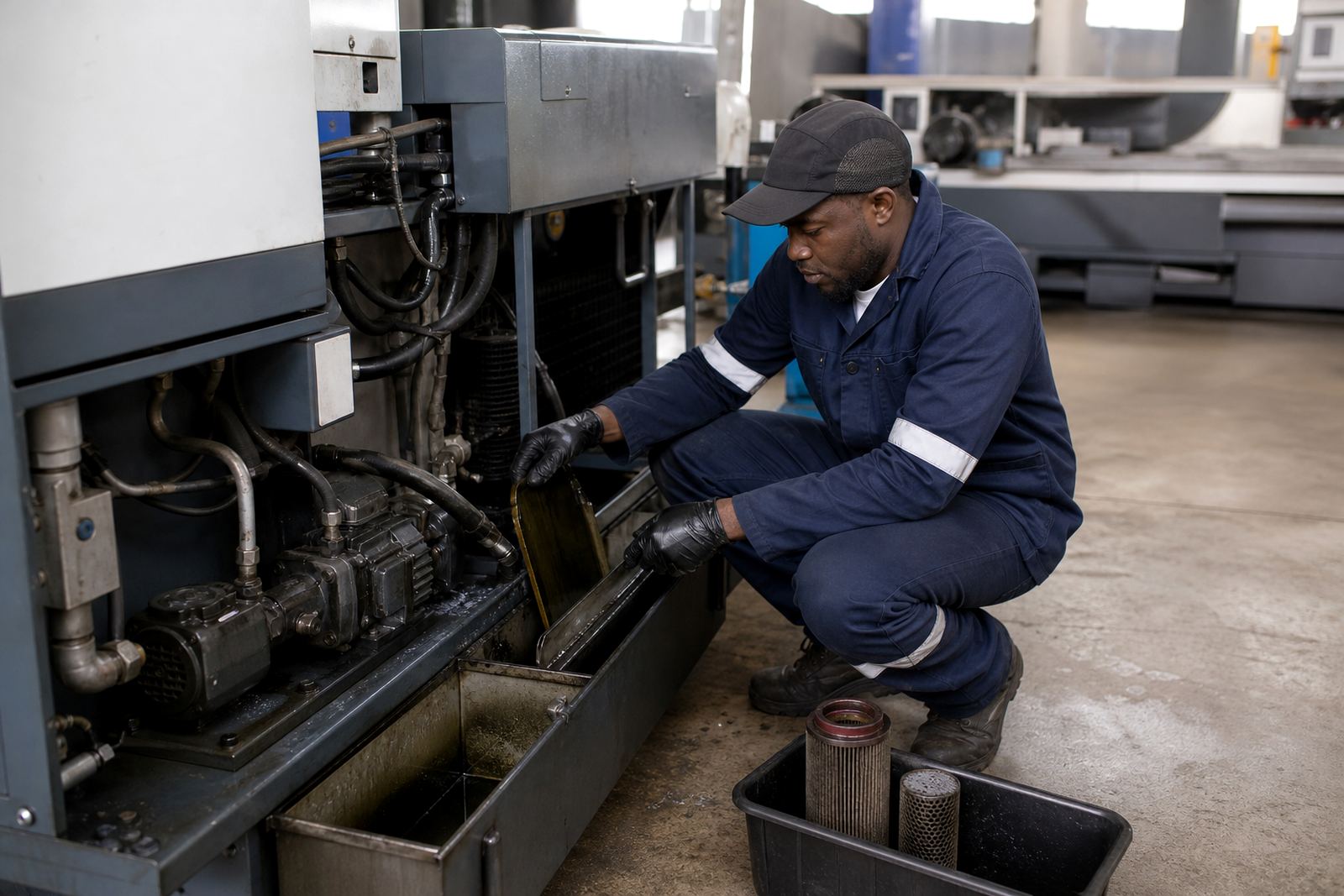
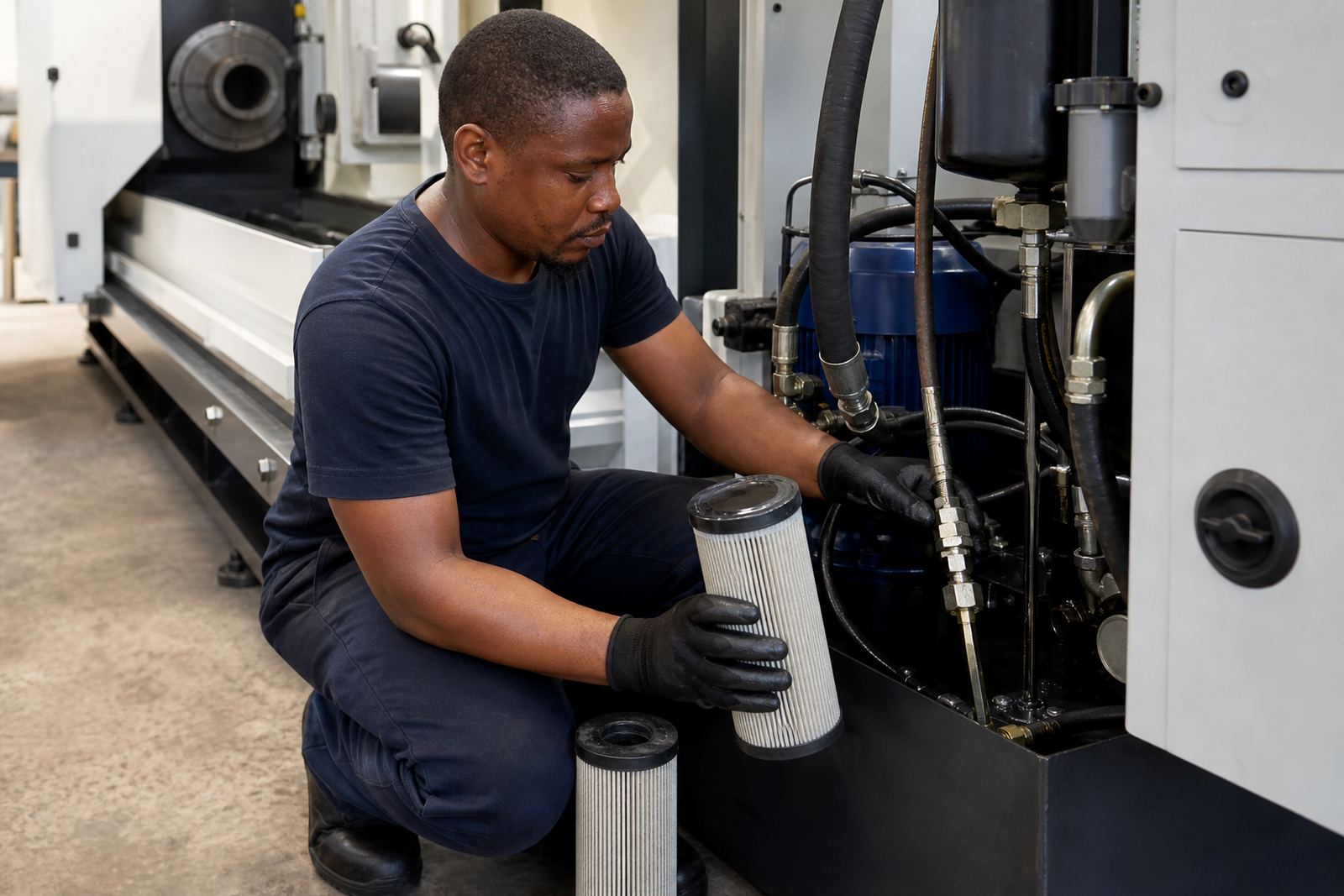
The support visit is focused on the process, not just the symptom. We look at setup optimisation, tooling condition, chip flow, coolant delivery and the practical steps that influence bore quality. If needed, we work with your operators and setters on the floor so they understand what to watch for on the next run.
Depending on the job, support can include alignment checks, spare parts advice, coolant system service recommendations, production startup guidance and basic preventive maintenance actions that help stop the same fault returning. We do not push unnecessary changes. If the setup is sound, we say so and point out where routine maintenance or replacement parts should be planned. That keeps the work honest and avoids wasted spend.
- Site-based fault finding
- Process correction and setup guidance
- Operator coaching during live running
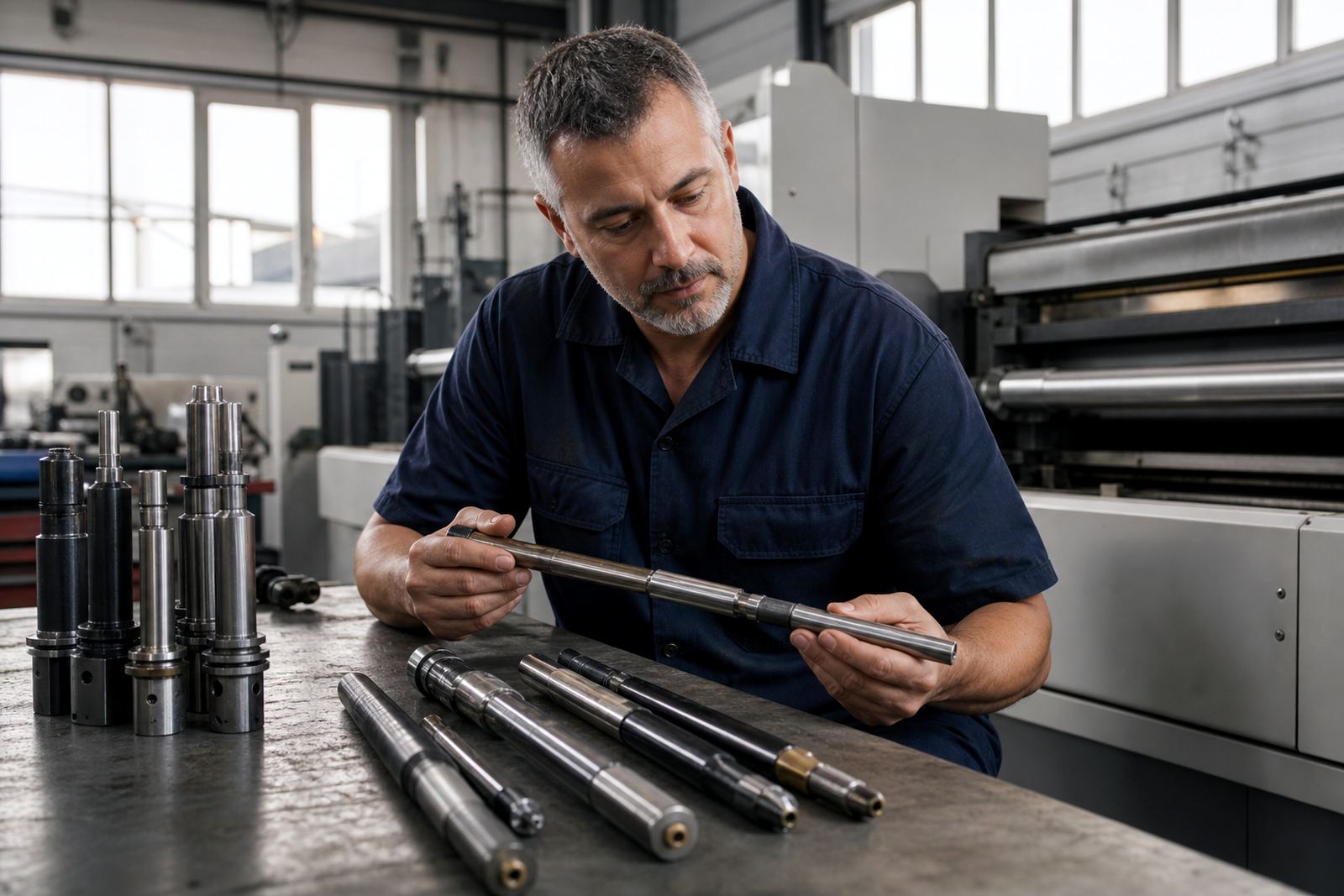
- Tooling support and replacement guidance
- Maintenance recommendations for repeat jobs
Turnaround, planning and support areas
For Gauteng customers, support can often be arranged quickly, especially for Benoni, the East Rand, Johannesburg and Pretoria. For Durban, Cape Town and Gqeberha, we plan visits around the urgency of the job and the equipment involved. If the issue is stopping production, we work to reduce downtime first and then follow with the deeper process correction.
We understand that some shops only have a short maintenance window, and load-shedding can make diagnosis awkward if the machine is not available when planned. We therefore work with the times you can actually access the machine, rather than forcing a one-size-fits-all visit. Where a visit is not yet the best option, we can guide the first checks so your team has a clear direction before we arrive.
- Benoni Support and East Rand Support
- Johannesburg Supply and Pretoria Support
- Durban Support, Cape Town Supply and Gqeberha Support
- Gauteng Coverage for repeat callouts and startup help
Pricing approach and maintenance intervals
Pricing is based on the scope of the fault, the location, the time required on site and whether the work involves troubleshooting only or follow-up correction as well. We keep it practical and quote according to the machine, tooling and process involved. If the issue can be handled with a short diagnostic visit, we do not turn it into a larger job than necessary.
For maintenance intervals, we recommend reviewing the drilling process whenever a new material, tool batch or production run is introduced. On busy machines, it makes sense to schedule periodic alignment checks, coolant system service and tooling inspection before performance slips. Even where a line looks stable, a small check every few months can prevent the kind of problem that shows up when a big order is already on the floor. It saves time and avoids rework later on.
- Quoted by scope, not guesswork
- Suitable for one-off faults and repeat production issues
- Planned maintenance intervals can be tied to production volume
- Follow-up support available after corrective action
Key facts
| Service type | Process troubleshooting for gun-drilling and deep-hole boring |
|---|---|
| Core focus | Hole quality, alignment, chip evacuation and setup correction |
| Support area | Benoni, Gauteng and major South African manufacturing centres |
| Typical inputs | Part drawing, material details, machine history, tooling details and fault symptoms |
| Service options | On-site investigation, operator guidance, follow-up correction and maintenance advice |
| Common follow-through | Tooling selection, coolant system checks, alignment checks and preventive maintenance |