Tooling matched to the hole, the material and the machine
Tooling selection is where many deep-hole jobs are won or lost. A setup that works on mild steel may struggle on stainless, alloy bar or long components where chip control and coolant delivery matter just as much as the drill itself. We help you choose drilling, boring and support tooling that fits the job, whether you are working from a Benoni shop floor or running repeat production in Johannesburg, Durban, Cape Town or Gqeberha.
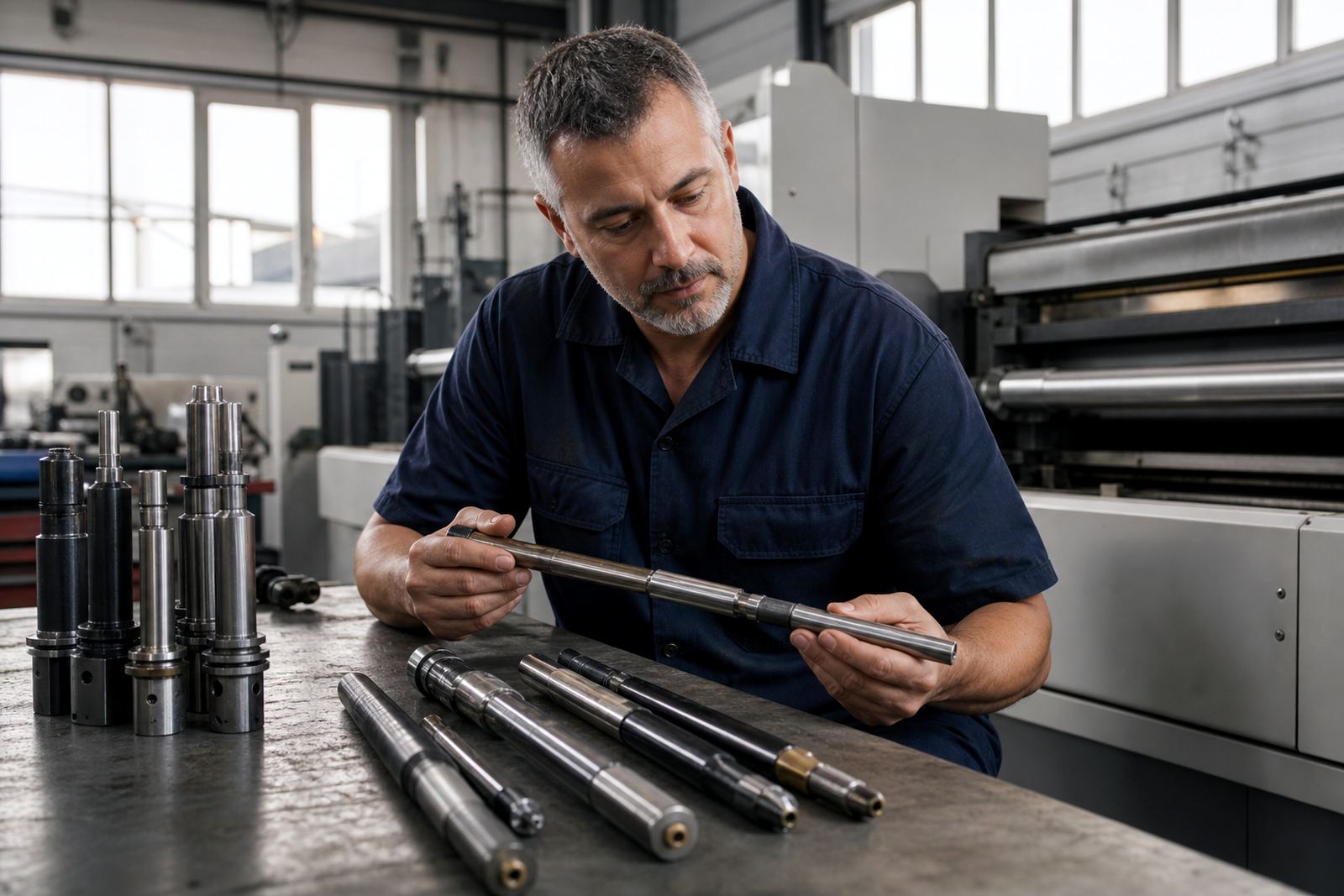
Our focus is practical. We look at hole diameter, depth, tolerance, finish requirement, workpiece material and how the part is held through the full cycle. That includes guide pads, bushings, boring heads, drill bodies, support sleeves, clamping points and the coolant path. If the tool selection is off, the machine spends more time correcting than cutting, and that costs time on every shift.
What our tooling selection service includes
We do not only point at a catalogue and leave you to figure out the rest. The service is about building a workable tool package for your production needs, then backing it up with setup support and aftercare. For some shops that means replacing worn consumables and aligning the current process. For others it means planning a new deep-hole operation from the ground up.
- Tooling assessment for gun-drilling and deep-hole boring applications
- Selection of suitable drill bodies, boring tools, guides and support items
- Advice on coolant delivery and chip evacuation requirements
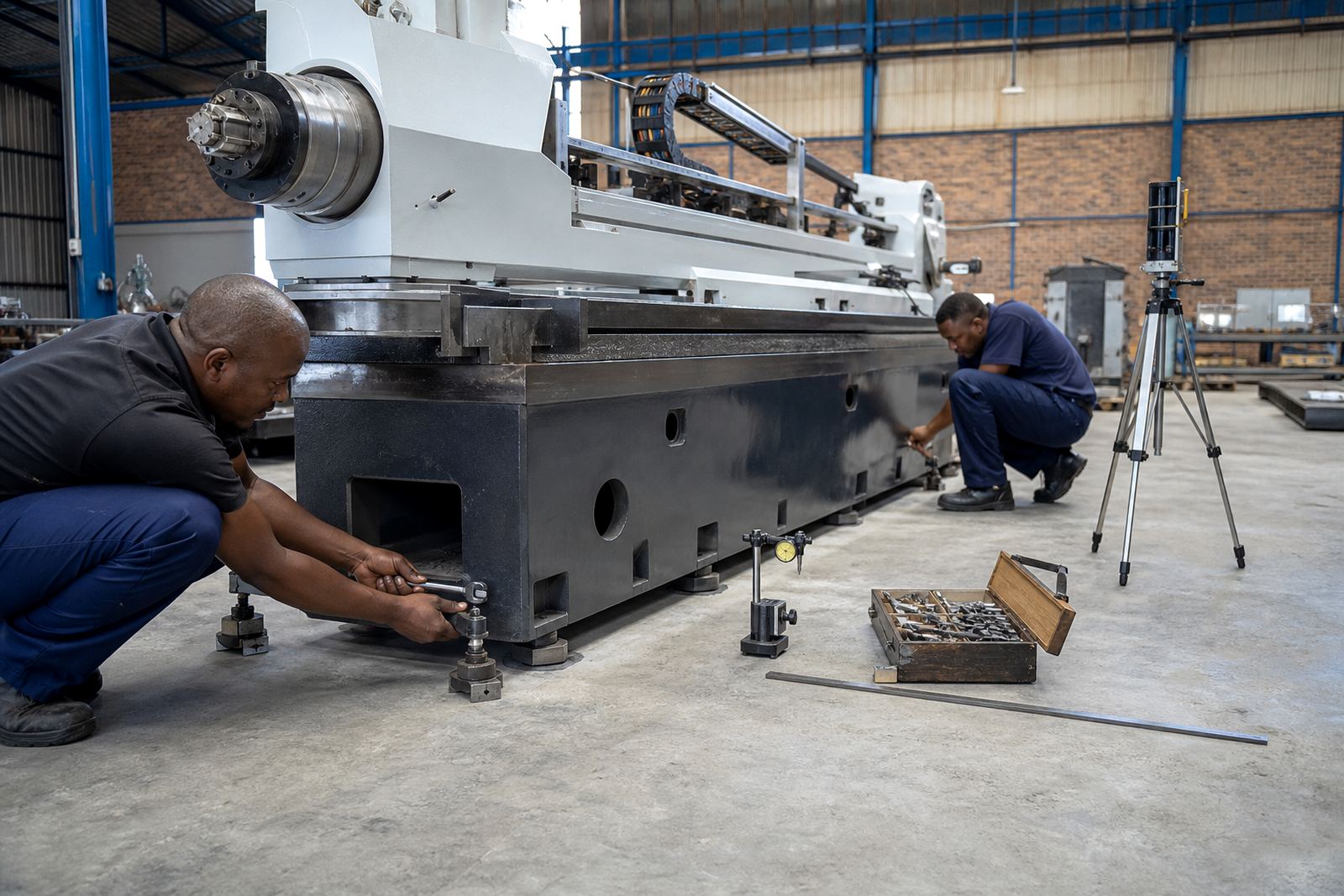
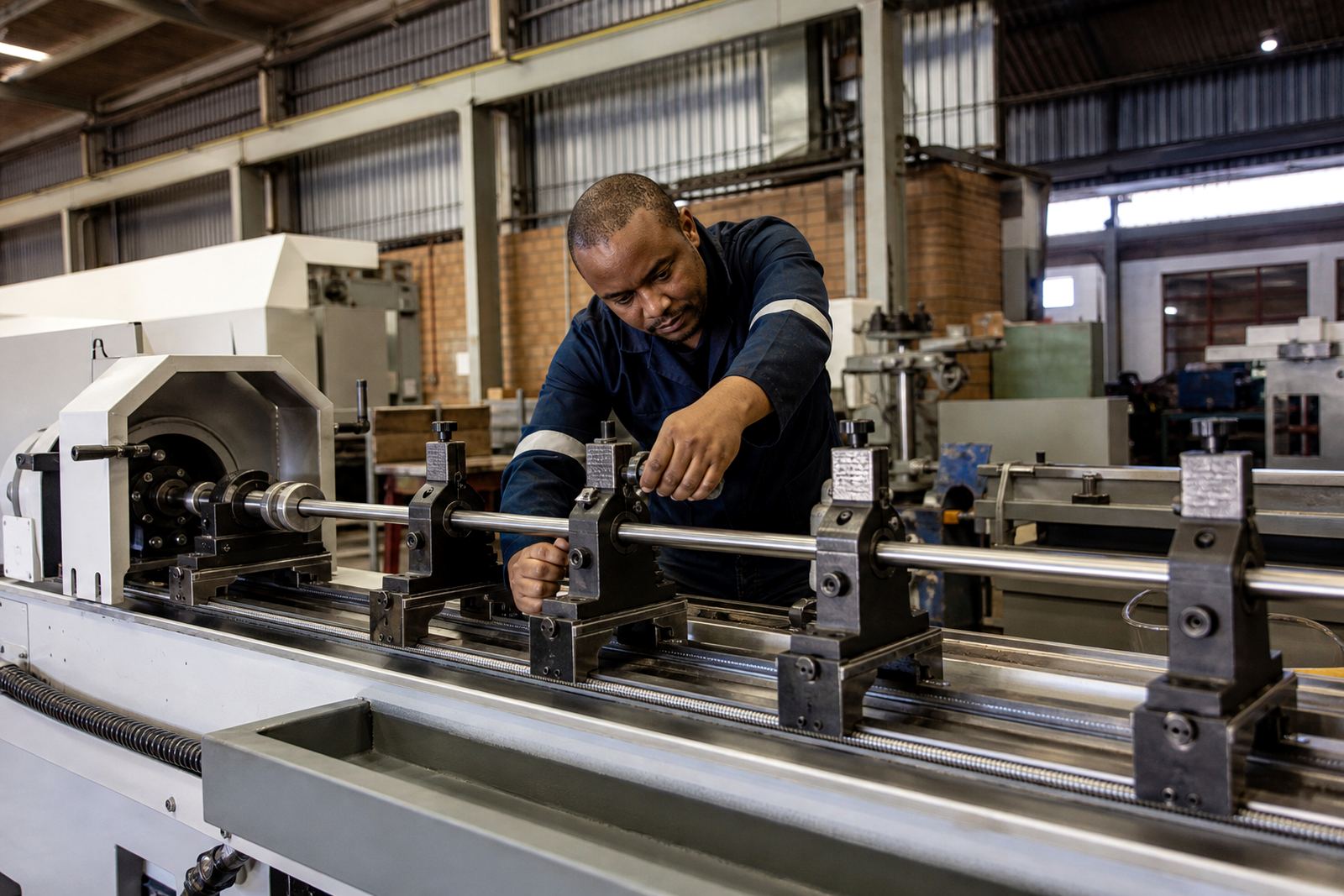
- Setup checks for alignment, runout and workholding compatibility
- Operator guidance for changeovers, wear checks and safe handling
- Support for spare parts planning and replacement intervals
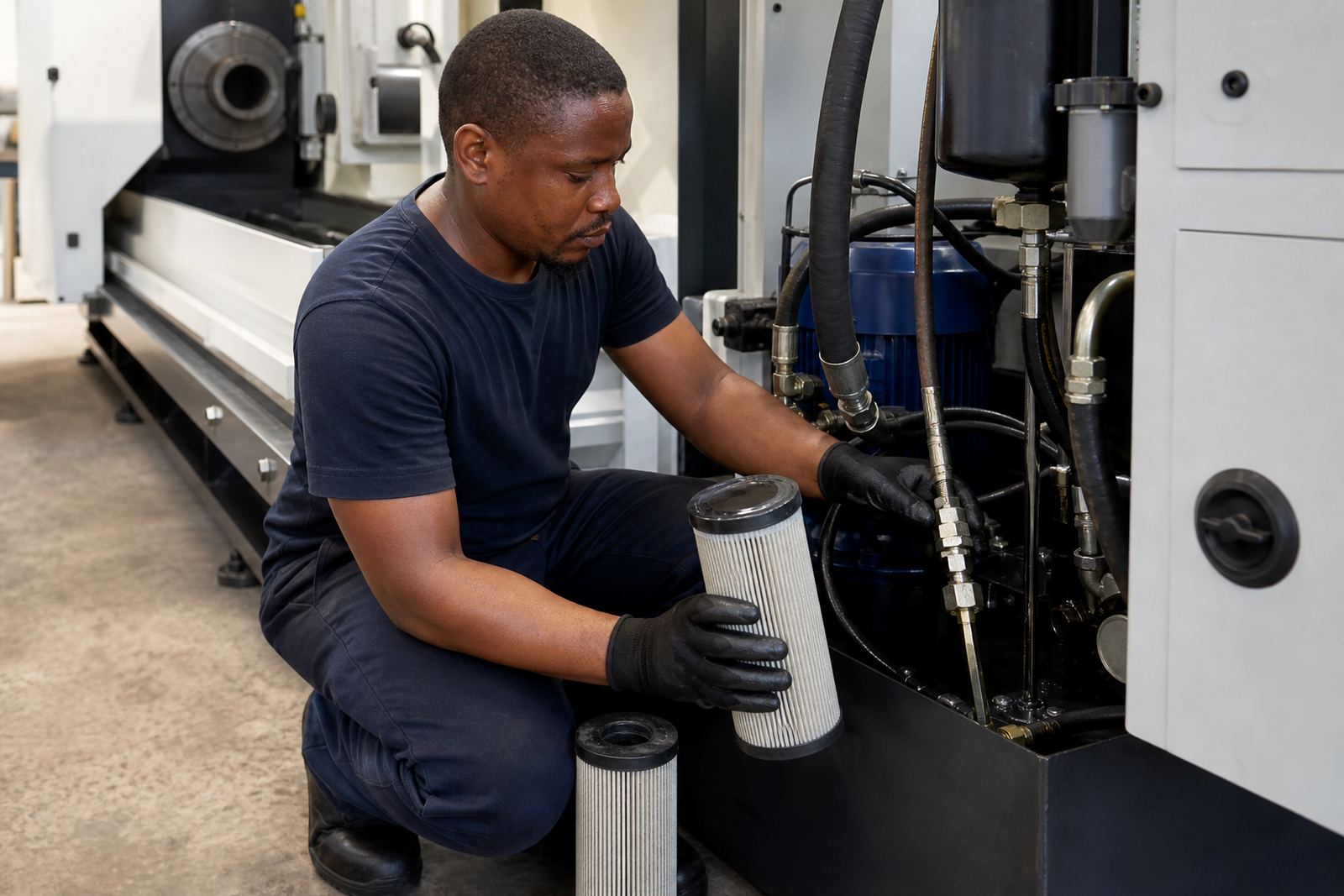
We also advise on the small items that often get overlooked such as seals, bushings, inserts, adapters and coolant related components. In deep-hole work those items are not extras, they are part of the cutting system.
How we decide which tooling will suit your application
Every recommendation starts with a few practical questions. What is the material, what depth is required, what finish must the bore achieve and what support does the machine already have. We also check whether the job is one-off, batch work or a regular production part, because that changes how long tooling should last and how quickly it needs to be changed over.
From there we review the machine type and the current process. If there are signs of chatter, poor chip breakage, heat build-up or taper over depth, the issue may be tooling selection, setup or maintenance rather than the machine itself. The aim is not to over-spec the job, but to choose a set-up that is dependable and practical for local production conditions, including load-shedding starts, fluctuating workshop temperatures and coastal humidity in some areas.
- Material and hardness of the component
- Required hole diameter and depth-to-diameter ratio
- Tolerance and surface finish target
- Coolant pressure, filtration and flow condition
- Machine condition and available spindle support
- Operator skill level and production volume
Turnaround, pricing and how we scope the job
Turnaround depends on the detail already available. If you can provide drawings, current tool details and a clear description of the issue, we can move faster and narrow the options early. Where the process is unclear, we may recommend an on-site review or a remote working session so the tooling choice is based on the real setup, not guesses.
Pricing is handled according to scope. A straightforward replacement recommendation is priced differently from a full tooling review with setup support, training and follow-up checks. We keep the approach practical and transparent so you know whether you are paying for advice, supply, installation support or ongoing maintenance planning. If a job needs urgent attention because production has stopped, we prioritise the response and keep the next steps clear.
For many shops the best value comes from getting the tooling right at the start, rather than buying cheaper items that wear too fast or need repeated adjustment. That saves money in the long run and keeps the machine making parts instead of waiting on corrections.
Setup checks that protect finish and accuracy
Good tooling still needs good setup. We support alignment checks, tool seating, coolant line inspection and wear verification before production starts. On deep-hole work, a small setup error can show up as drift, poor finish or excessive tool wear after only a short run. That is why our support includes the practical checks that keep the process stable.
We also help with process troubleshooting when parts are not coming out as expected. This can include review of holding pressure, guide condition, feed approach, chip removal and coolant temperature. If a machine is being commissioned or restarted after downtime, we can assist with production startup so the tooling, operator and machine are working together from the first batch.
- Alignment checks before cutting starts
- Wear checks on consumable tooling and support items
- Coolant delivery inspection and filtration review
- Tool change and reset procedures for repeat work
- Process correction where finish or straightness is off target
Maintenance intervals that keep tooling predictable
Deep-hole tooling should be checked at regular intervals, not only when a part fails. The right interval depends on material, cycle time and how hard the machine is worked. In busy production environments we usually advise scheduled inspections during planned maintenance windows, especially where the shop is running long shifts or dealing with power interruptions that affect coolant and pump conditions.
We help you set a maintenance rhythm that suits the way your team works. That may include daily visual checks, weekly setup verification, and deeper inspection at planned service points. On older or heavily used systems, more frequent checks may be needed on bushings, seals, guide elements and coolant related items. Keeping a simple record of wear patterns makes future tool selection easier and more accurate.
Where needed, Deephole can support preventive maintenance planning, spare parts support and coolant system service so the tooling is not fighting a dirty or unstable process. A clean, well aligned machine with the right consumables will usually give better results than a more complicated setup that is badly maintained.
Support from Benoni to the major industrial centres
Deephole is based in Benoni, Gauteng and supports manufacturers and engineering shops across South Africa. Our team works with customers in Johannesburg, Pretoria, Durban, Cape Town and Gqeberha, with local support cover for the East Rand and wider Gauteng area. That means you are dealing with people who understand day-to-day workshop pressure, municipal compliance limits, production deadlines and the need to keep machines running when schedules are tight.
Our team includes Marius Jacobus van Rensburg, Ayanda Mokoena, Johan Smit, Noluthando Dlamini, Francois du Plessis, Leanne Naidoo and Sibusiso Khumalo. Each plays a part in making sure the tooling chosen for your job is sensible, available and supported after installation. If you are unsure what your machine needs, start with the enquiry form on our contact page and we will take it from there.
Key facts
| Service focus | Tooling selection for gun-drilling and deep-hole boring applications |
|---|---|
| Primary support area | Benoni, Johannesburg, Pretoria, Durban, Cape Town and Gqeberha |
| Tooling categories | Drill bodies, boring tools, guides, bushings, inserts, adapters and support items |
| Process checks | Alignment, runout, coolant delivery, chip evacuation and wear assessment |
| Typical response | Depends on the detail supplied and whether an on-site review is needed |
| Maintenance planning | Daily, weekly and planned interval checks based on job volume and material |