Planned Maintenance for Deep-Hole Drilling Equipment
Preventive maintenance is the scheduled care that helps a machine hold its accuracy and keep running when the work is steady and the deadlines are tight. For gun-drilling and deep-hole boring machines, that means checking wear points, cleaning out swarf paths, testing key settings and making sure the coolant system is doing its job properly.
In South African workshops, dust, heat, coastal humidity and load-shedding all put extra pressure on production equipment. A planned maintenance visit reduces the risk of surprise stoppages, rough finishes and unnecessary tool damage, especially where a machine is expected to work long shifts or handle demanding material. It also helps keep the floor tidier and the machine safer for operators.
What Our Preventive Maintenance Includes
Each visit is planned around the machine, its operating hours and the type of holes being drilled or bored. Deephole focuses on the areas that matter most for precision, cooling and day-to-day reliability. The work is practical and methodical, with clear feedback after the inspection.
- Machine cleaning and removal of chips, sludge and residue from critical areas
- Alignment checks on relevant machine axes and supporting components
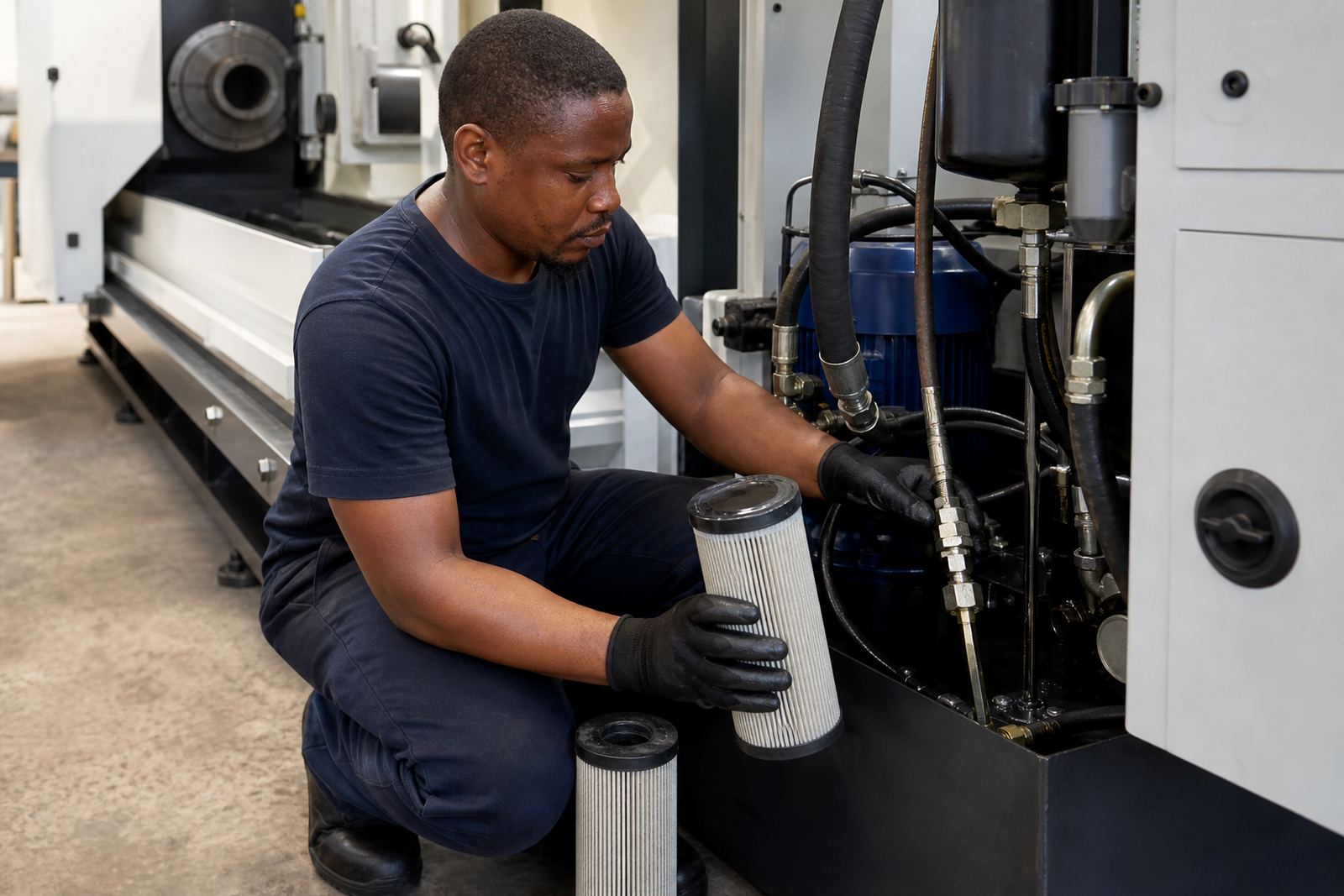
- Coolant system inspection, filter checks and flow condition review
- Lubrication checks on moving parts and wear-prone points
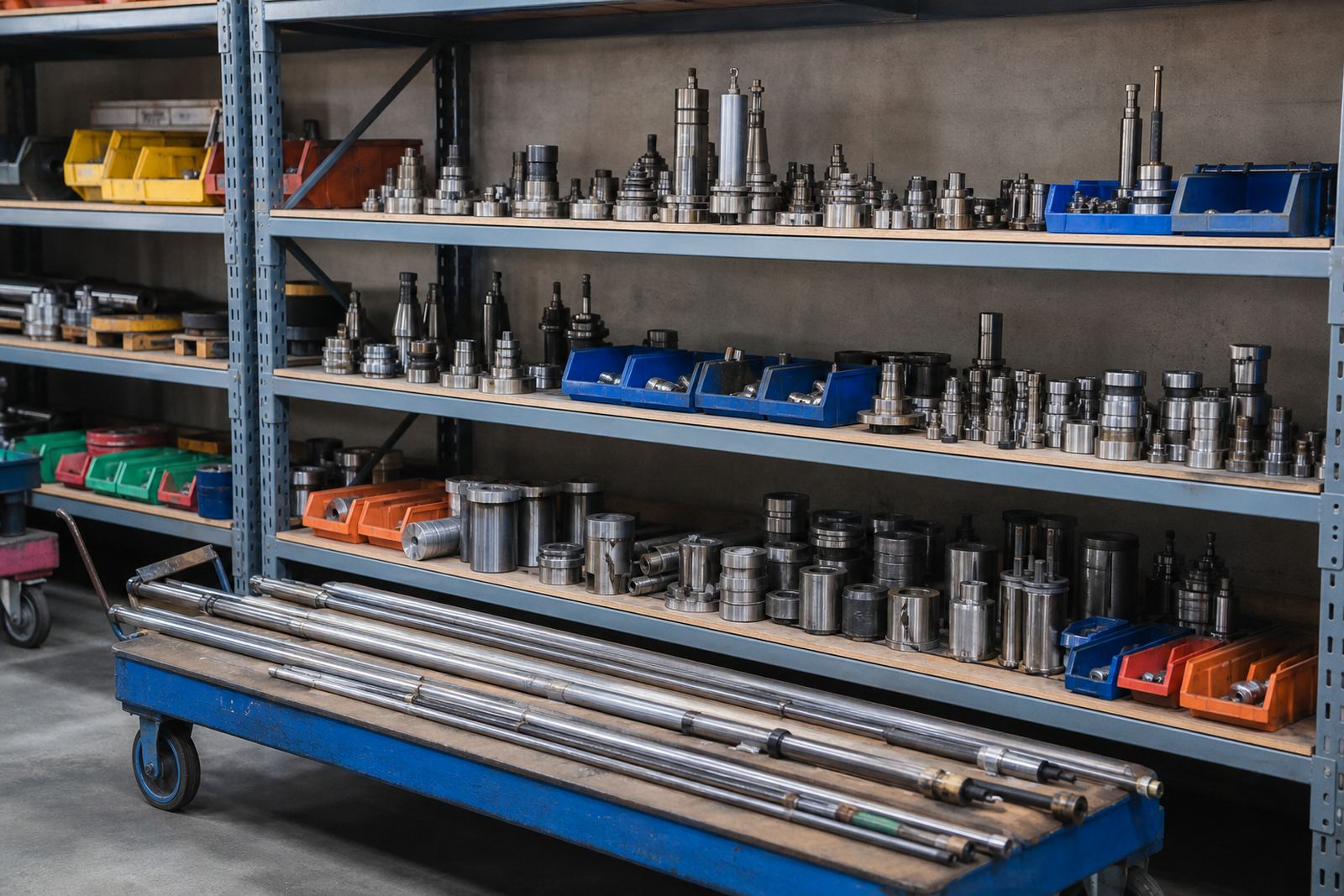
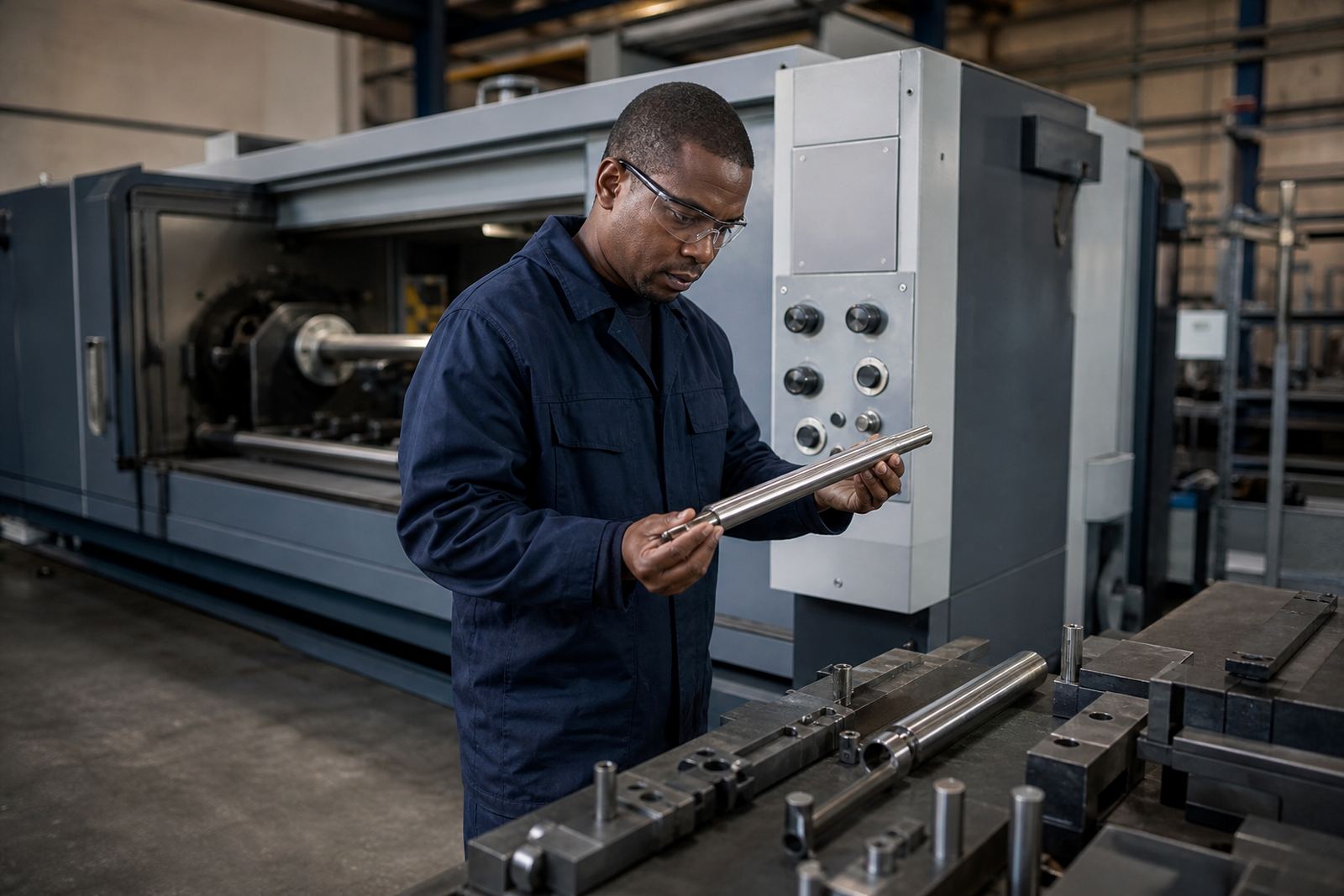
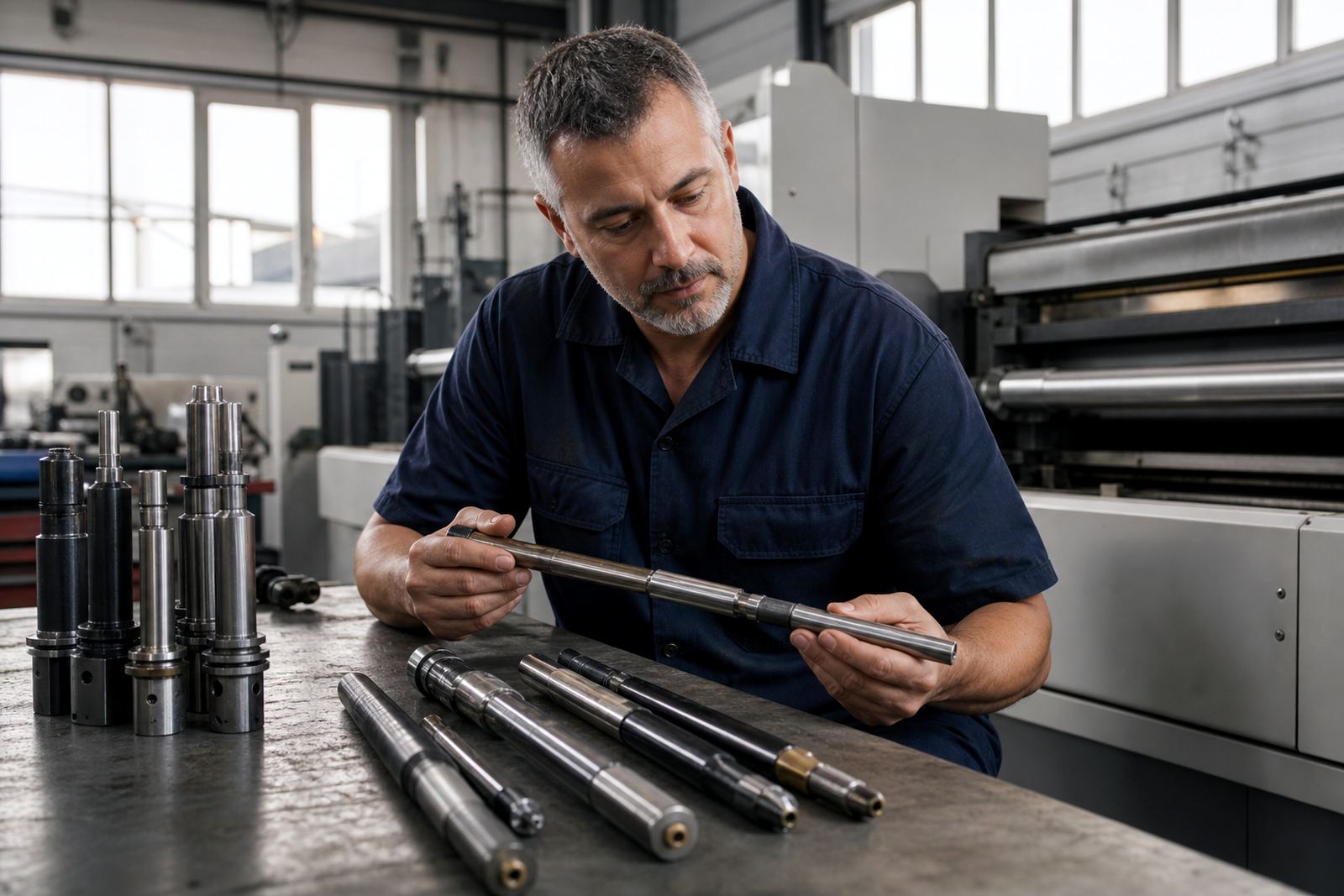
- Tooling condition review, including holders, guides and related accessories
- Electrical and control cabinet visual inspection for dirt, heat or loose connections
- Safety device checks and general operational condition review
- Notes on parts that should be monitored or replaced before failure
Where needed, we also inspect setup repeatability and look for the small issues that lead to poor hole quality such as vibration, uneven feed feel or poor chip evacuation. A machine can be running and still be out of condition, so the aim is to pick up those signs early.
How the Service Process Works
The process starts with a service request through the enquiry form on our contact page. From there, the team reviews the machine type, current symptoms if any, and the best time to attend without disrupting production more than necessary. In many cases the first step is a short telephonic or written assessment so the visit is focused from the start.
- Step 1: Enquiry and machine details are captured
- Step 2: Maintenance scope is agreed according to the machine and usage
- Step 3: Site visit or workshop visit is scheduled
- Step 4: Inspection, cleaning and checks are carried out
- Step 5: Findings and recommended actions are shared
- Step 6: Follow-up support, parts sourcing or further service is arranged if needed
This approach keeps the work organised and helps your team plan around production. It also makes it easier to track what was done previously, which is useful when the same machine is running on the same job month after month.
Recommended Maintenance Intervals
There is no single interval that suits every machine, because duty cycle, coolant quality, material type and workshop conditions all make a difference. A machine running in a dusty Gauteng environment with regular use will need attention more often than a lightly used unit in a controlled space. Coastal sites may need extra attention to corrosion, electrics and coolant condition because humidity can affect parts sooner than expected.
As a practical guide, Deephole helps customers set a maintenance plan based on operating hours and condition. Some machines benefit from monthly checks on coolant and cleanliness, while others need quarter-annual or bi-annual visits for a fuller inspection. After installation or a production startup, it is wise to review the machine sooner rather than later so early wear or settling can be picked up. The schedule should be realistic, not overcomplicated, and easy for the workshop to follow.
Turnaround, Downtime and Workshop Planning
Preventive maintenance is best done before a problem stops production. Where possible, work is planned during quieter shifts, end-of-week windows or other suitable times so the machine is not out longer than needed. If a condition looks more serious during the inspection, the next steps are discussed before any extra work is carried out.
For operations with tight delivery dates, a maintenance visit can be staged to reduce interruption. For example, some checks can be completed first, then a second visit arranged for parts, alignment or follow-up actions. That way the shop keeps moving and the machine is not left in a half-finished state, which causes more trouble than it saves.
Pricing Approach and Support After the Visit
Pricing is based on the machine type, the condition of the equipment, the scope of work and whether the visit is for one machine or several on the same site. A straightforward maintenance call is priced differently from a full inspection that includes corrective work, replacement parts or extra troubleshooting. We keep the approach clear so you know what is included before work starts.
After the visit, Deephole can assist with spare parts support, coolant system service, alignment checks, operator training or process troubleshooting if the machine needs more than routine maintenance. If a fault is starting to show a pattern, our team can help separate normal wear from something that needs immediate attention. That saves time and helps the workshop plan spending properly instead of chasing the same issue twice.
- Clear scope before work begins
- Site-based or workshop-based support depending on the machine and location
- Follow-up recommendations for parts, settings or operating practices
- Support across Benoni, Johannesburg, Pretoria, Durban, Cape Town and Gqeberha
Key facts
| Service type | Preventive maintenance for gun-drilling and deep-hole boring machines |
|---|---|
| Core checks | Cleaning, alignment checks, coolant system inspection, lubrication review and safety checks |
| Support areas | Benoni, Johannesburg, Pretoria, Durban, Cape Town, Gqeberha and wider Gauteng |
| Maintenance planning | Scheduled around operating hours, machine condition and workshop production needs |
| Typical follow-up | Spare parts support, breakdown support, operator training and process troubleshooting |
| Request method | Enquiry form on the contact page |