Boring tools for internal correction and finishing
Deep-hole boring tools are used where a drilled hole needs more than just removal of material. They help correct size, improve roundness, refine surface finish and bring the bore back into spec after drilling. In production work, that matters on parts such as hydraulic components, shafts, sleeves, manifolds and other long internal bores where accuracy is critical.
At Deephole, we focus on boring tools that support real shop floor work in South Africa. That means tooling that suits setup changes, machine alignment checks and the type of day to day use found in manufacturing plants, jobbing shops and repair workshops. We supply and support boring tooling for internal correction on deep-hole jobs where the cutting process must stay stable over a long reach.
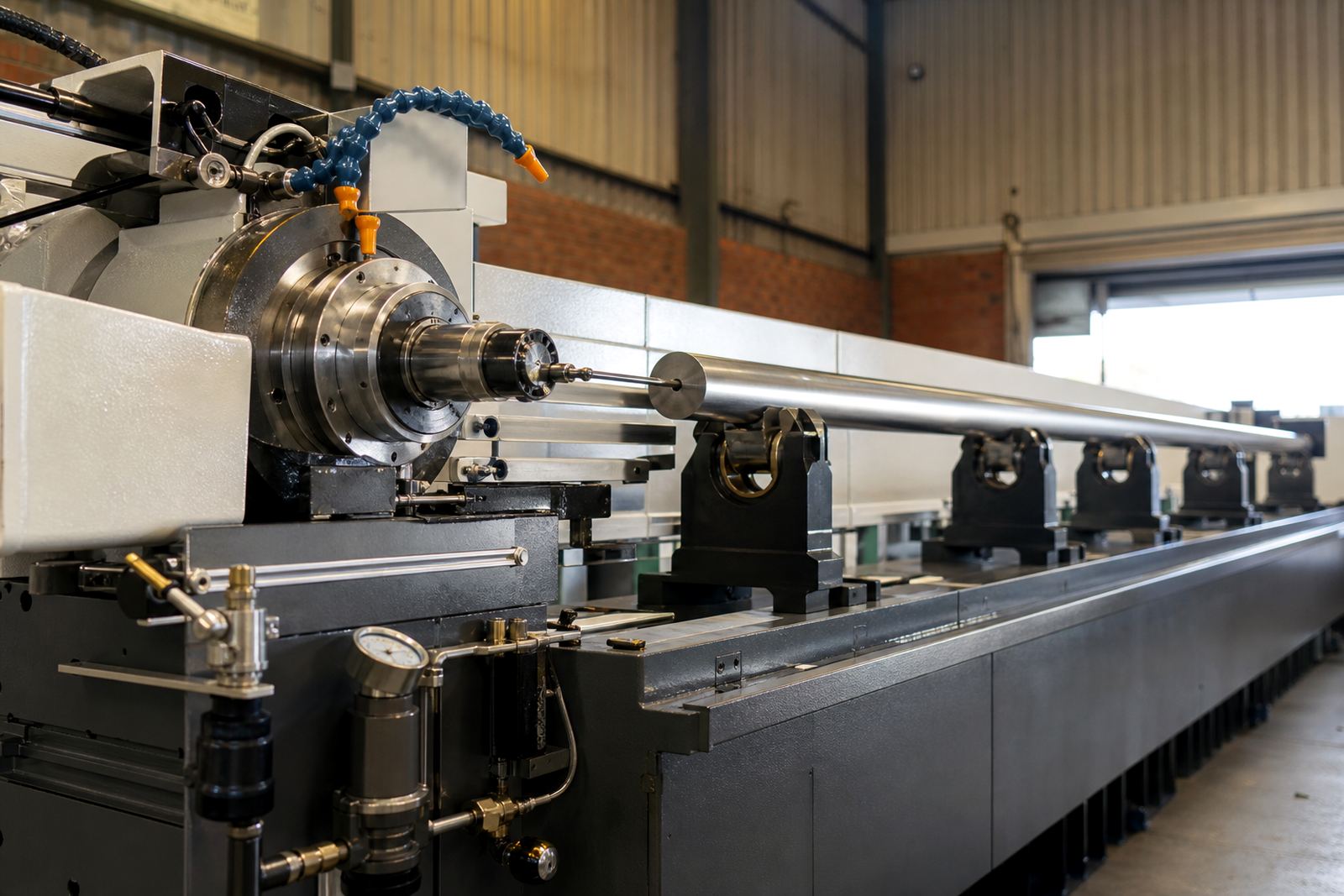
Because deep-hole boring is often done after drilling, the tool has to work with the existing hole, the workholding and the machine condition. If the bore is not straight, or coolant delivery is inconsistent, the result can drift quickly. That is why tooling choice and setup are as important as the cutter itself.
Tooling types, sizes and common options
Boring tools are not one-size-fits-all. The right selection depends on the bore diameter, reach, material, required finish and how the part is being processed. We help with tooling selection so the boring setup matches the job instead of forcing the job to suit the tool.
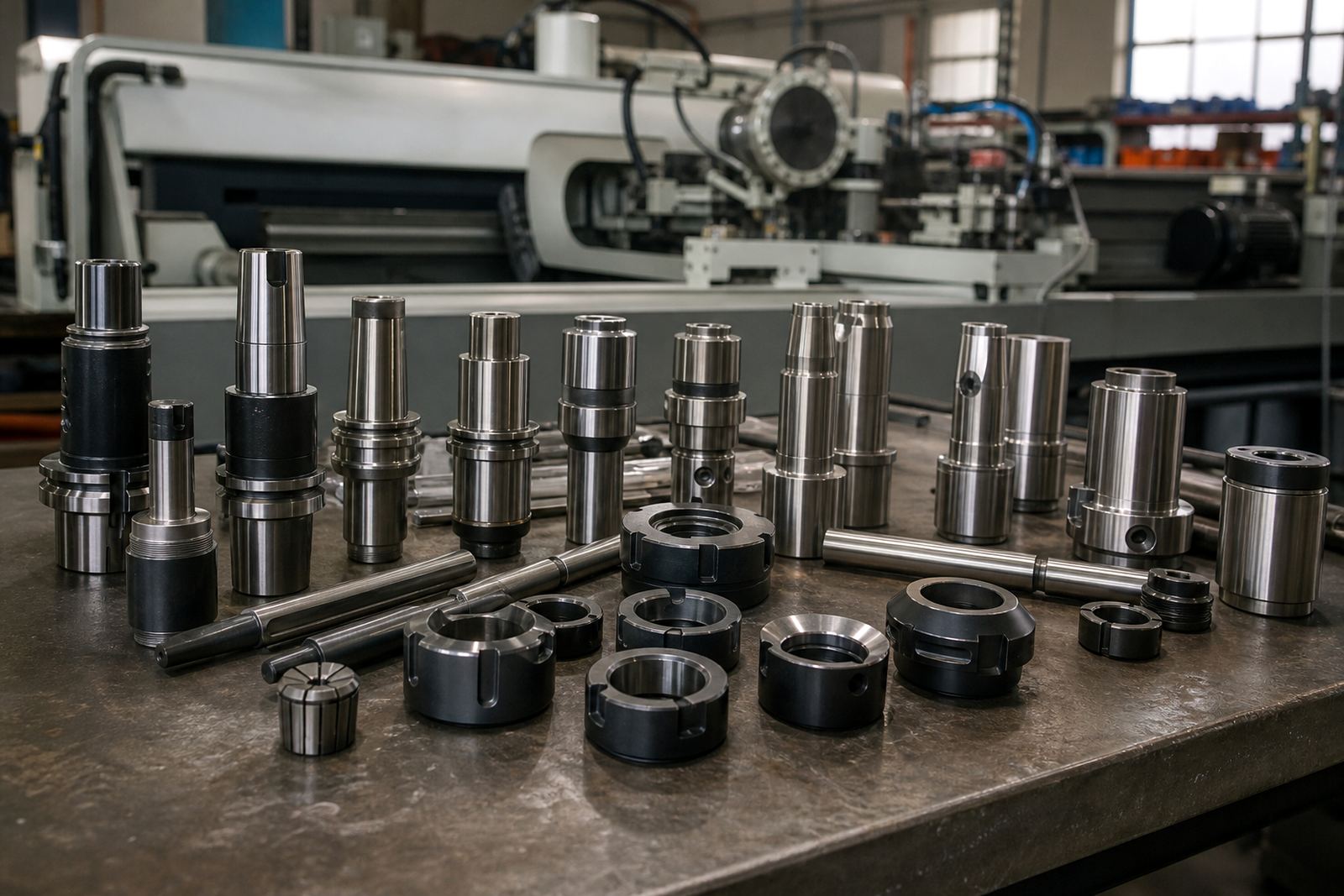
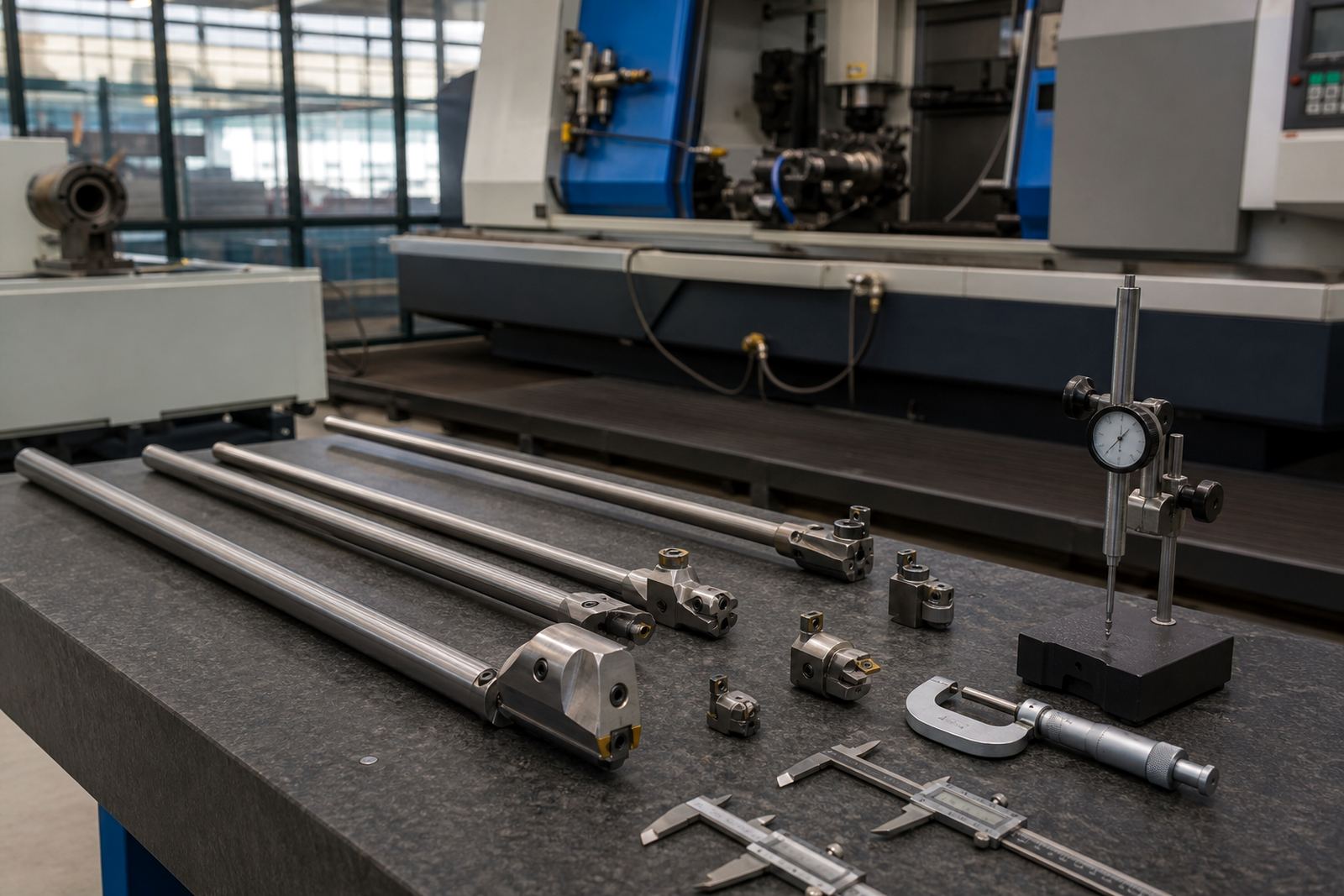
Common options include single-point boring tools, modular boring heads, pilot supported tools and custom setups for longer reach work. Depending on the application, the tooling may be selected for rough correction, semi-finishing or final finishing. Some jobs need a rigid tool for heavier correction, while others need a lighter cutting action to protect the bore finish.
- Tool body type matched to bore depth and machine layout
- Cutting insert or tip style suited to the material being machined
- Adjustable or fixed setting depending on repeatability needs
- Support features for long reach, vibration control and bore stability
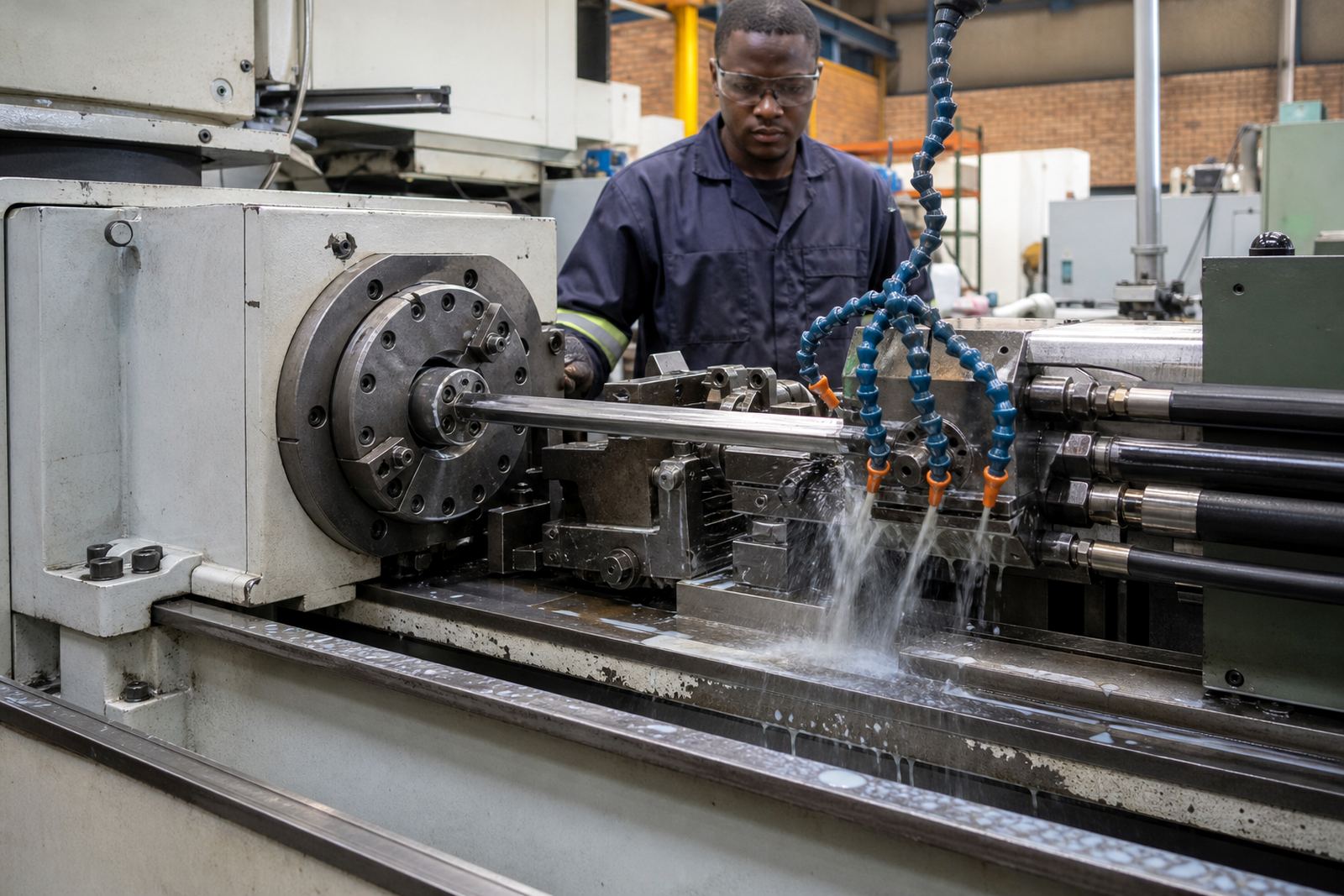
- Coolant delivery arrangement for chip removal and heat control
We do not push a standard size for every workshop. The correct boring tool is the one that fits the hole, the material and the output target. On some jobs the main issue is chatter, on others it is straightness or final size. The tool needs to answer that specific problem.
Where boring tools suit the work
Deep-hole boring tools suit manufacturers and engineering shops that work with internal features needing accurate correction. They are used in industries where parts must run true, seal correctly or assemble without forcing. That includes general engineering, maintenance repair, hydraulic work, heavy equipment parts and precision component production.
In practice, boring tools are useful when a drilled hole is close but not quite right. The hole may be slightly undersize, have a rough finish or need a final pass before assembly or inspection. They also help when a component has to be brought back into service after wear, provided the setup and material condition allow it.
Across Johannesburg, Pretoria, Durban, Cape Town and Gqeberha, we see the same pattern: shops need tooling that can be set correctly, maintained properly and supported when process problems show up. That is where our applications support helps, especially when a part behaves differently from batch to batch.
- Long internal bores that need correction after drilling
- Parts that require improved finish for sealing or fit
- Jobs where roundness and straightness are monitored closely
- Production runs needing repeatable internal sizing
- Repair and refurbishment work on worn components
Installation, setup and power requirements
Boring tools are only as good as the setup behind them. Correct installation includes tool clamping, alignment, machine condition checks and coolant delivery setup. If the machine is not true, the tool will show the problem quickly. Our team assists with machine installation, commissioning and setup optimisation so the boring process starts on the right footing.
Power needs depend on the machine being used, not just the tooling. Deep-hole boring setups may also rely on stable coolant delivery and sometimes compressed air or other auxiliary services for machine functions, chip clearing or support systems. Where power interruptions are part of the day, load-shedding planning matters. Shops often need to protect tool settings, maintain coolant condition and restart without losing alignment.
For coastal workshops in Durban and Gqeberha, corrosion control and coolant management matter more because of humidity. In Gauteng, dust and thermal change can affect machine condition over time. Our support covers practical checks that help keep the bore process under control, including alignment checks, production startup help and process troubleshooting.
Care, servicing and daily checks
Deep-hole boring tools need regular inspection to keep cutting conditions consistent. Wear on inserts, setting drift, coolant contamination and minor runout issues can all affect the finish. A tool that was working last week can start leaving marks, taper or size variation if it is not checked properly.
Our preventive maintenance and breakdown support is aimed at reducing downtime and keeping the tooling and machine in usable condition. We also support coolant system service and spare parts supply where the process depends on clean flow and stable pressure. On shops running mixed work, it is worth keeping a simple log of tool settings, insert changes and any unusual cutting behaviour.
- Inspect cutting edges for wear before each run
- Check tool seating and clamp security after setup changes
- Watch coolant flow, filtration and chip evacuation
- Confirm alignment after machine movement or service work
- Replace worn components before finish quality starts to drop
Small issues on deep-hole work can become expensive very fast. A slight shift in alignment or a blocked coolant line can affect a full batch, so routine checks are worth the time.
What to check before ordering boring tools
Before placing an order, it helps to have the hole details, the part drawing and a clear idea of the finish required. The more complete the order information, the easier it is to match the tool to the job. If a drawing is available, that is the best starting point. If not, measure the existing bore and note the material, the machine type and the production target.
We support enquiries through our contact page and can help with the practical questions that affect ordering. That includes whether the job needs rough correction or final finishing, whether the bore is blind or through, and how much setup adjustment the machine can handle. If the part is sensitive to heat, chips or vibration, that should be stated from the start.
- Bore diameter and required final size
- Hole depth and whether the bore is blind or through
- Material type and hardness range if known
- Machine model and available setup space
- Required finish, tolerance and production volume
When these details are clear, we can recommend the right boring tool, the related tooling and the support needed to get the process running properly. That saves time in the workshop and reduces trial-and-error on the machine.
Key facts
| Product type | Deep-hole boring tools |
|---|---|
| Primary use | Internal correction, finishing and process refinement |
| Tooling styles | Single-point, modular, pilot supported and custom setups |
| Application fit | Long bores, size correction and finish improvement |
| Support available | Selection, setup, commissioning, troubleshooting and maintenance |
| Ordering info needed | Bore size, depth, material, machine type and finish requirement |