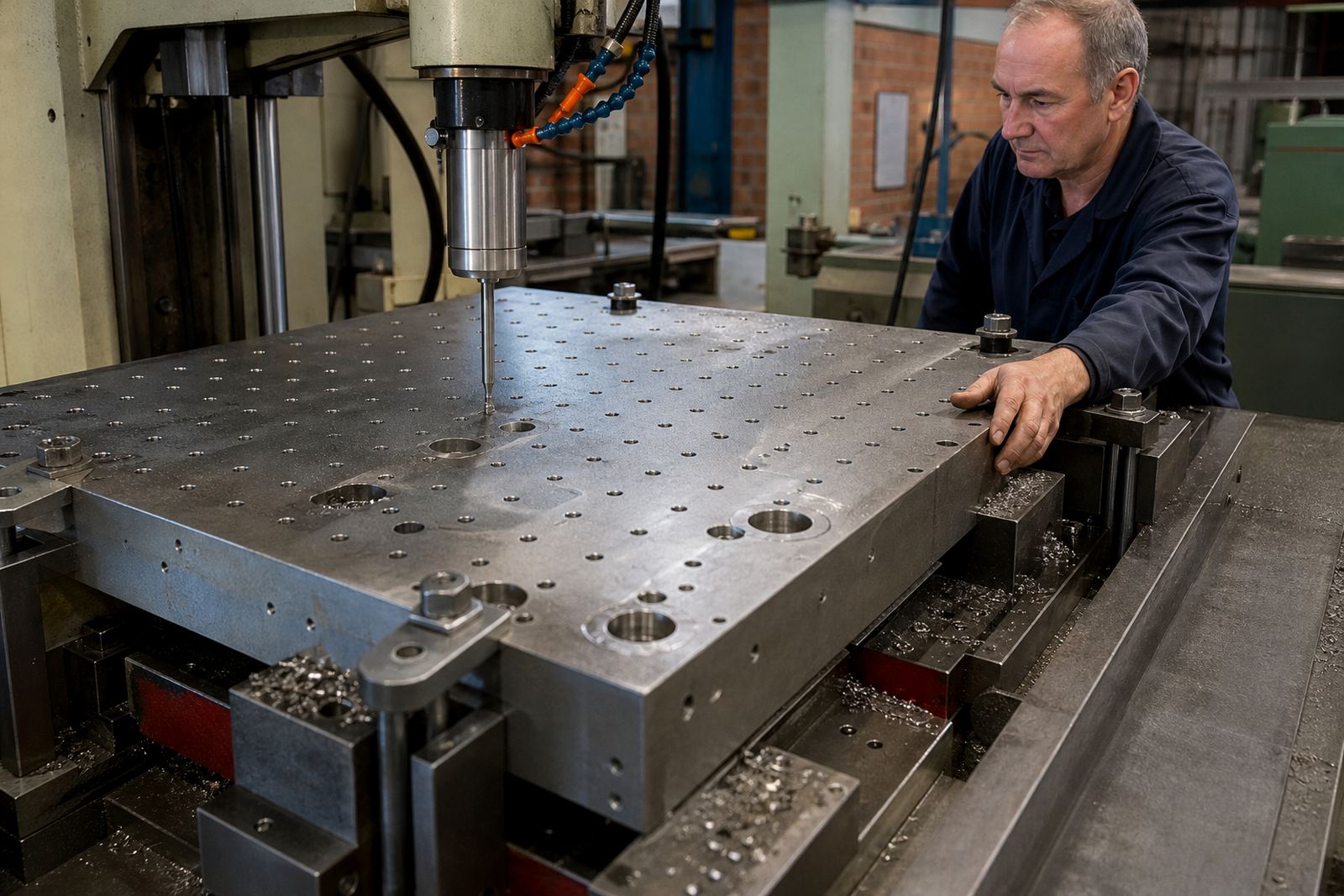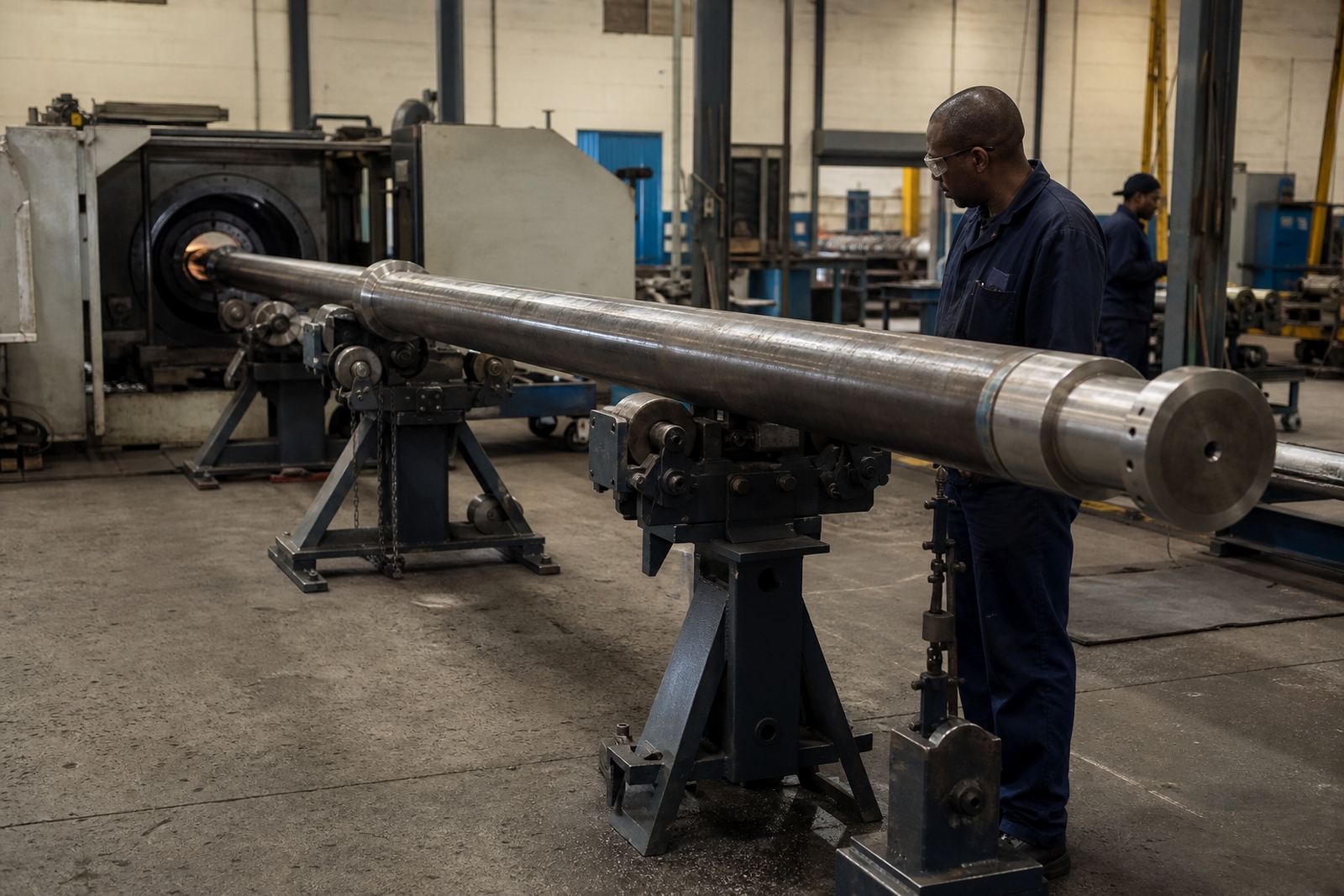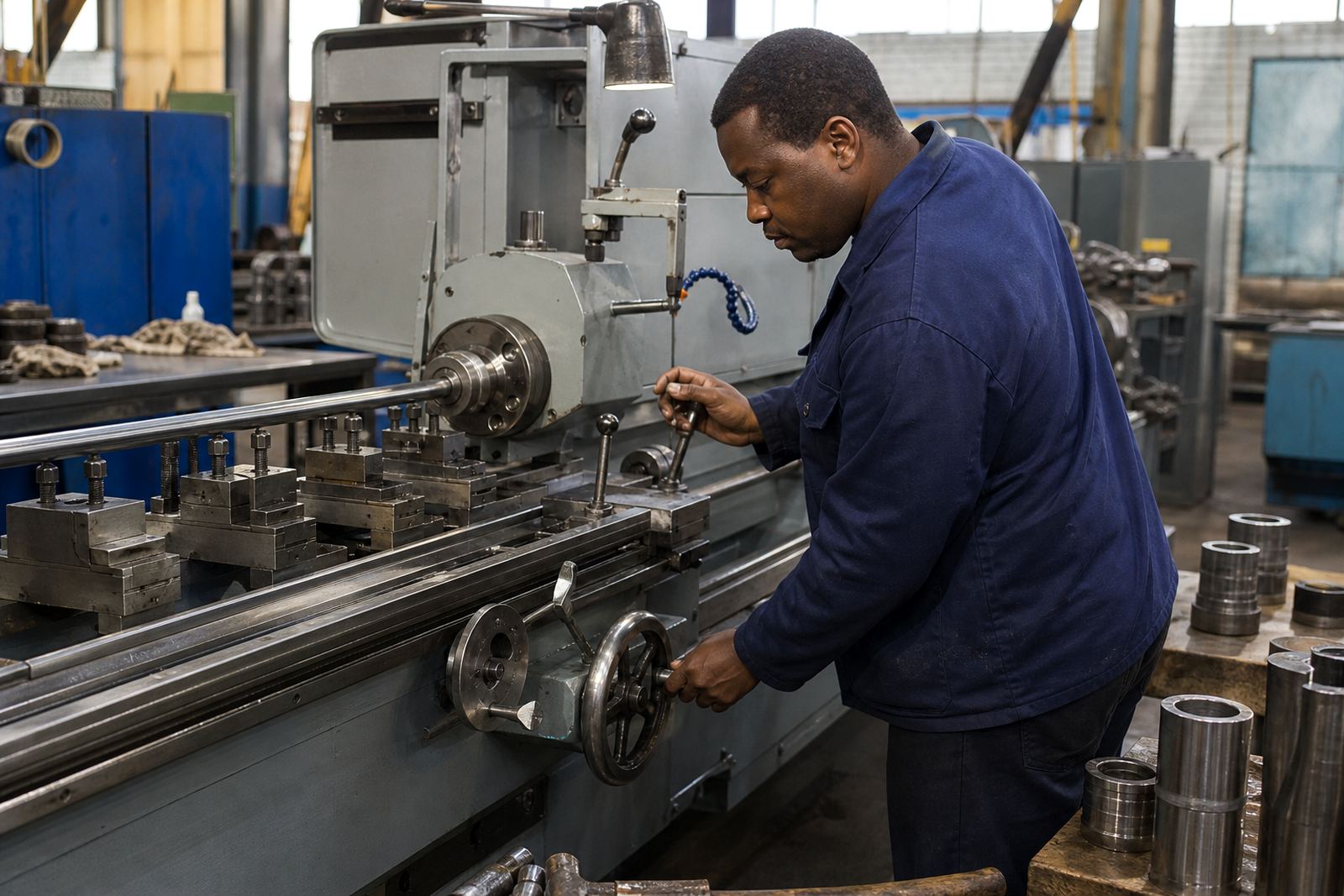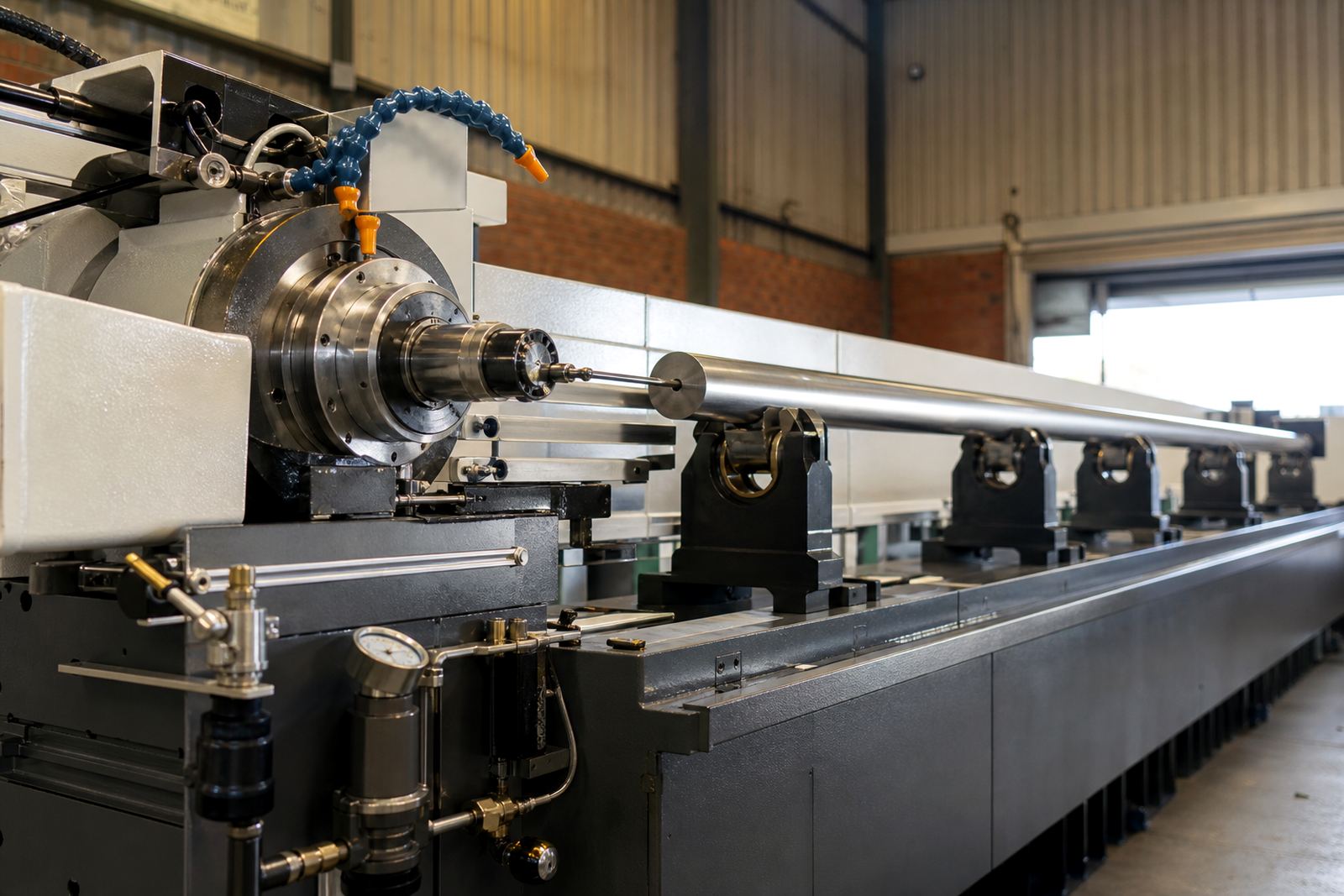
Built for focused deep-hole drilling work
The Single Spindle Unit is a practical choice when the job calls for one controlled drilling point, steady chip evacuation and accurate setup from part to part. It suits production runs, repair work and smaller batches where the operator needs direct access to the drilling process rather than a multi-station arrangement.
In a shop environment, that usually means less time spent changing over between jobs and more time keeping the hole straight, clean and within the required finish. For many customers in Johannesburg, Benoni, Pretoria and the East Rand, a single spindle machine is the right fit for components that need careful attention at one hole at a time, without overcomplicating the line.
- Suitable for focused drilling, pilot work and deep-hole boring tasks
- Practical for controlled setup and repeatable workpieces
- Works well where floor space is limited and job flow changes often
- Can be matched to the tooling and coolant setup required for the material
Where the Single Spindle Unit suits best
This type of machine is typically selected by manufacturers and engineering shops handling parts that demand straight, accurate holes over a deeper reach than ordinary drilling can handle. It is often used for shafts, sleeves, tooling parts, hydraulic components and other workpieces where the drill path and surface finish both matter.
It also suits operations that need a sensible balance between performance and operator control. If your team is running a mixture of short batches and recurring repeat work, a single spindle setup can be easier to manage than a larger system. It is especially useful when production planning changes through the week and the machine has to be reset for different jobs with minimal fuss.
- Job shops handling mixed work across different materials
- Maintenance and repair teams doing precise rework
- Small to mid-size production areas needing a compact drilling station
- Operations that want clear visibility on process, tooling wear and chip control
Size, options and layout choices
Single spindle units are generally selected and configured around the part size, hole depth, workholding method and the space available in the workshop. The exact arrangement depends on the application, but the main decision points stay the same: bed length, workholding, spindle arrangement, coolant delivery and the level of control needed by the operator.
In some cases the machine is chosen mainly for a tight footprint. In other cases the focus is on access for longer parts or better support for alignment checks. The right options are usually set during product selection so the machine, tooling and setup procedure all work together from day one.
- Workholding matched to the component shape and clamping method
- Coolant system setup for drilling stability and chip removal
- Operator controls suited to the pace of the shop
- Tooling package selected for the material and hole requirement
Installation, power and utility needs
Installation should be planned with the machine position, access for loading and unloading, and the support space needed around the spindle area. The unit must be levelled and aligned correctly during commissioning, since even a small error in setup can affect hole quality and tool life. For many sites, especially where shop floors are busy or shared with other equipment, this is where proper planning saves time later.
Power requirements depend on the final machine build and control package, and the same applies to any compressed air or gas-assisted functions if fitted as part of the application. In South Africa, this also means factoring in load-shedding, stable supply and any backup arrangements the workshop already uses. If the site is on a coastal location such as Durban or Gqeberha, humidity and corrosion protection should also be considered in the installation plan.
- Space for safe loading, operator access and maintenance checks
- Correct electrical supply as specified for the selected unit
- Compressed air or gas support only where the build requires it
- Attention to power stability, especially in areas affected by load-shedding
Tooling, setup and process support
Good deep-hole work depends on more than the machine itself. Tooling selection, guide support, coolant flow, alignment and feed setup all affect the result. Our team helps customers choose the right tooling and set the process so the machine is used properly for the material, hole size and production target.
That support includes installation, commissioning, tooling selection, setup optimisation, operator training, process troubleshooting, preventive maintenance, breakdown support, spare parts support, coolant system service, alignment checks and production startup. For shops in Gauteng and beyond, that means the machine is not only delivered and installed, but also set up to work in the real conditions of the workshop.
- Tooling matched to the job and material
- Operator training for day-to-day use and safe practice
- Alignment checks after installation and during maintenance
- Process troubleshooting when hole quality or tool life changes
Care and servicing over time
As with any precision drilling machine, routine care keeps the unit performing properly. Coolant condition, chip removal, guide condition, alignment and the state of the tooling all need regular attention. If the machine is used hard every day, a planned service routine helps prevent small issues becoming larger stoppages.
For South African sites, maintenance planning should also allow for dust, heat, power interruptions and the working rhythm of the shop. A machine that is checked before production starts, monitored during use and serviced on schedule will generally give steadier results. We support customers in Benoni, Johannesburg, Pretoria, Durban, Cape Town and Gqeberha with practical maintenance and fault-finding support when needed.
- Check coolant flow and fluid condition regularly
- Inspect alignment and tooling wear at planned intervals
- Keep the work area clean for chip removal and safe access
- Book preventive maintenance before problems start affecting output
What to confirm before you order
Before ordering a Single Spindle Unit, it helps to confirm the type of work you need to do, the materials involved and the hole sizes you expect to run most often. You should also confirm part length, clamping method, floor space, utility supply and whether the setup will need extra tooling or coolant support. That information makes it much easier to match the machine to the job instead of forcing the job to suit the machine.
It is also worth checking what level of support you want after installation. Some sites only need a machine delivered and commissioned, while others need training, process tuning and ongoing service support. Through our enquiry form, clients can ask about supply, setup and support for Benoni, Johannesburg, Pretoria, Durban, Cape Town and Gqeberha, with coverage across Gauteng and the East Rand.
- Material type and typical hole depth
- Part size, holding method and available floor space
- Electrical supply and any compressed air or gas needs
- Tooling, training and servicing support after startup
Key facts
| Machine type | Single spindle deep-hole drilling unit |
|---|---|
| Primary use | Focused gun-drilling and controlled deep-hole boring |
| Setup | Configured around part size, tooling and coolant needs |
| Power | Electrical supply to suit the selected build and site requirements |
| Utilities | Compressed air or gas support where required by the application |
| Support | Installation, commissioning, training, maintenance and breakdown support |