What a guide bush system does on deep-hole jobs
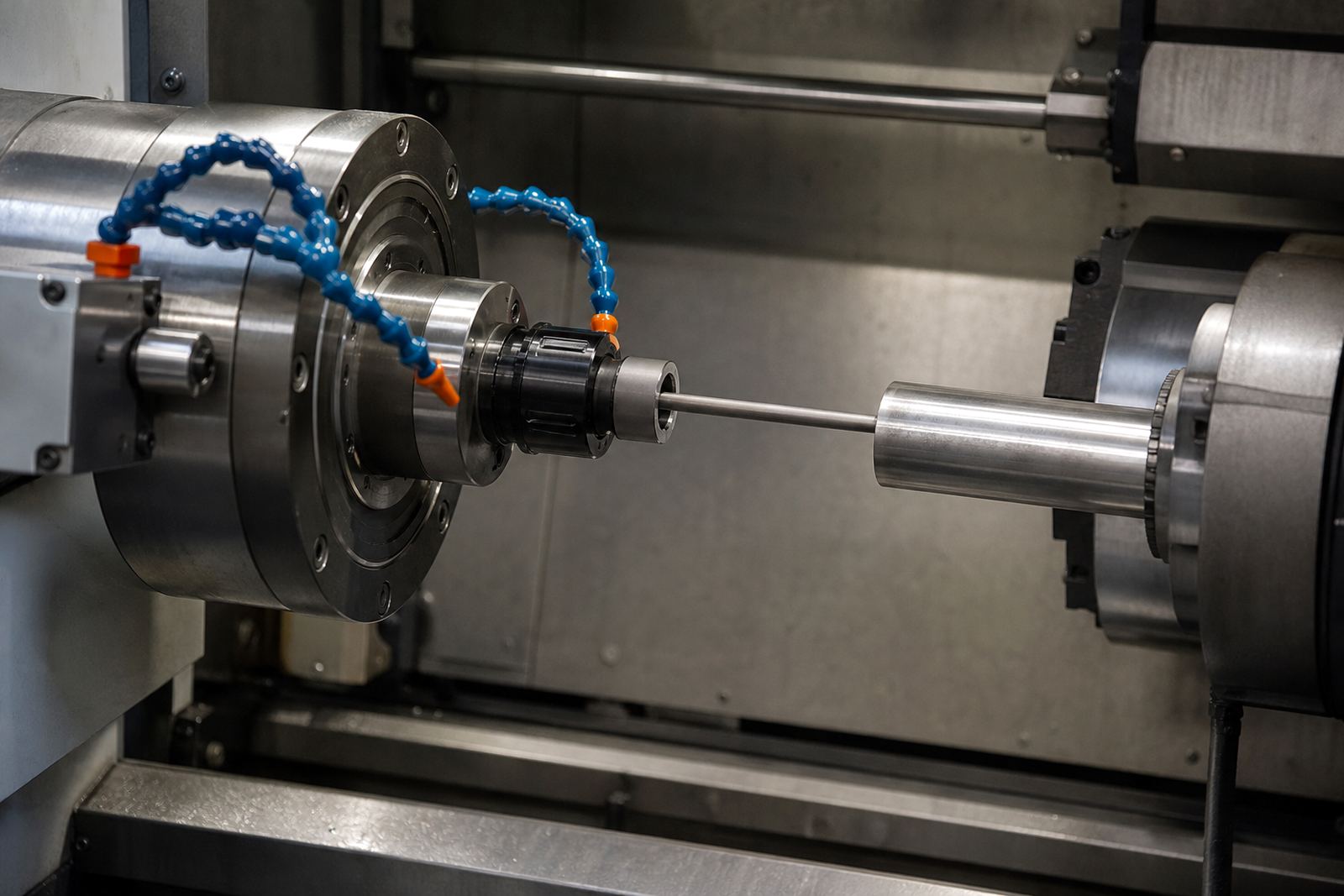
A guide bush sits at the point where the drill enters the workpiece, giving the tool a controlled start and helping reduce wandering at entry. On gun-drilling and deep-hole boring work, that first part of the cut is critical because a small error there can carry through the whole hole.
In practice, the bush supports alignment, helps the tool cut more consistently and makes setup easier when you are working on long holes, repeat parts or components that need closer positional control. It is not a substitute for correct machine setup, coolant delivery or suitable tooling, but it does give the operator a better starting point for the process.
For shops in Benoni, Johannesburg, Pretoria, Durban, Cape Town and Gqeberha, this matters when production must keep moving and the hole entry has to be repeatable across shifts. When load-shedding or rushed changeovers affect workflow, a proper guide bush arrangement can help keep the job more predictable.
Guide bush sizes and arrangement options
Guide bush systems are selected around the machine, the bar or drill size, the workpiece and the entry requirement. Deephole supplies guide bush arrangements to suit different deep-hole setups, from one-off jobs to recurring production runs. The exact bush and holder arrangement should always match the tooling, part geometry and support method on the machine.
- Fixed guide bush arrangements for repeat production work
- Changeable bush options for shops handling more than one drill size
- Entry support setups for short runs, prototypes and maintenance jobs
- Matched bush and holder selection for the machine and workpiece face
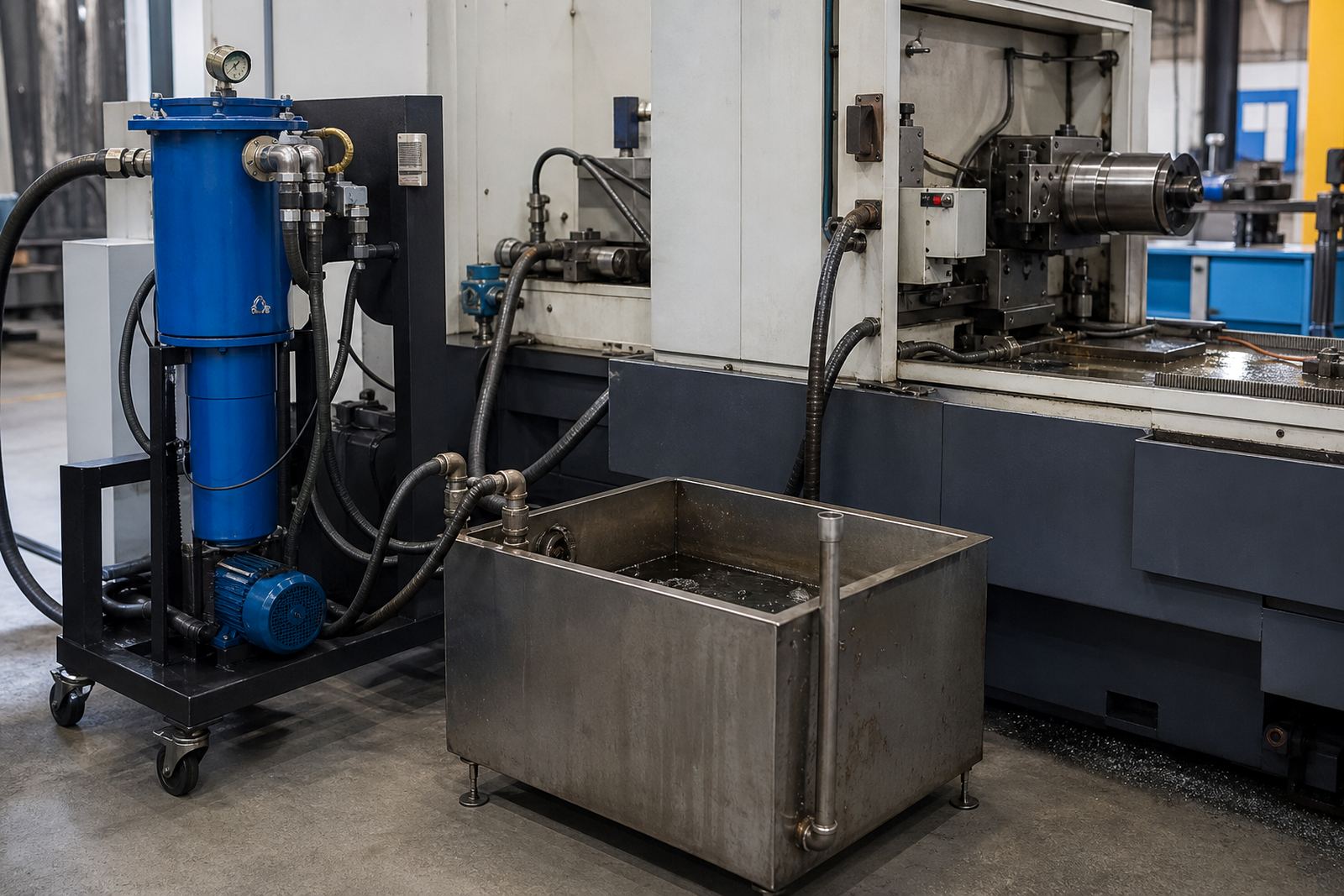
- Options for setups where coolant delivery and chip control need careful attention
For many engineering shops, the practical question is not only the bush size, but whether the bush can be swapped quickly and kept in good condition during daily use. That is where proper tooling selection and operator training save time.
Where this system suits best
This product suits manufacturers and engineering shops that drill deep holes in metal parts and need better entry control. It is often used where the job demands straight starts, cleaner surface entry and more confidence during long-hole production.
Typical use cases include shafts, hydraulic parts, mould components, precision bores and other parts where the first few millimetres of the cut set the tone for the rest of the process. It also suits shops that need more stable results on materials that tend to deflect or mark easily at the entry point.
Where coastal humidity affects stored tooling, or where a workshop runs through heat, dust and stop-start production, the guide bush should be part of a proper maintenance routine. In Gauteng and coastal areas alike, keeping the face clean and the bore in good condition helps avoid unnecessary wear and entry damage.
Installation, power and coolant needs
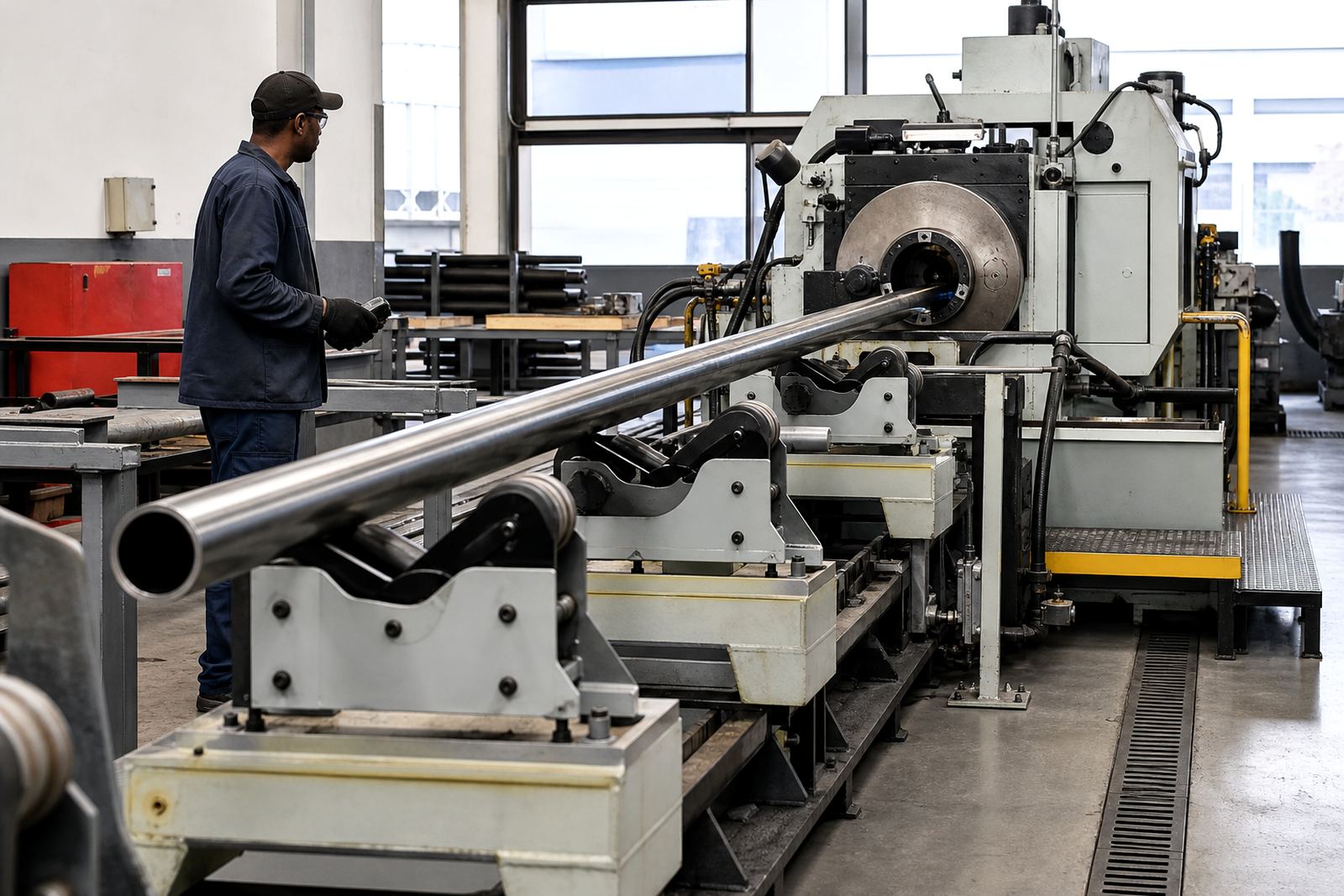
Installation is usually tied to the machine setup, the workholding arrangement and the entry point on the part. A guide bush system needs to be mounted squarely, aligned correctly and checked before the job starts. If the bush is not seated properly, it can introduce the very problem it is meant to reduce.
Most guide bush arrangements are mechanical and do not require electrical power or gas. What they do need is correct machine setup, suitable coolant delivery where the process calls for it, and enough access for the operator to inspect the contact point. In some cases, the surrounding tooling and support hardware matter just as much as the bush itself.
- No dedicated electrical supply required for the bush itself
- No gas connection required
- Coolant flow and chip removal must suit the drill process
- Mounting faces should be clean and checked before each run
- Alignment should be verified after any tool change or setup change
Deephole supports machine installation, commissioning and alignment checks, which helps when a new bush arrangement is being introduced into an existing production line.
Care, servicing and wear checks
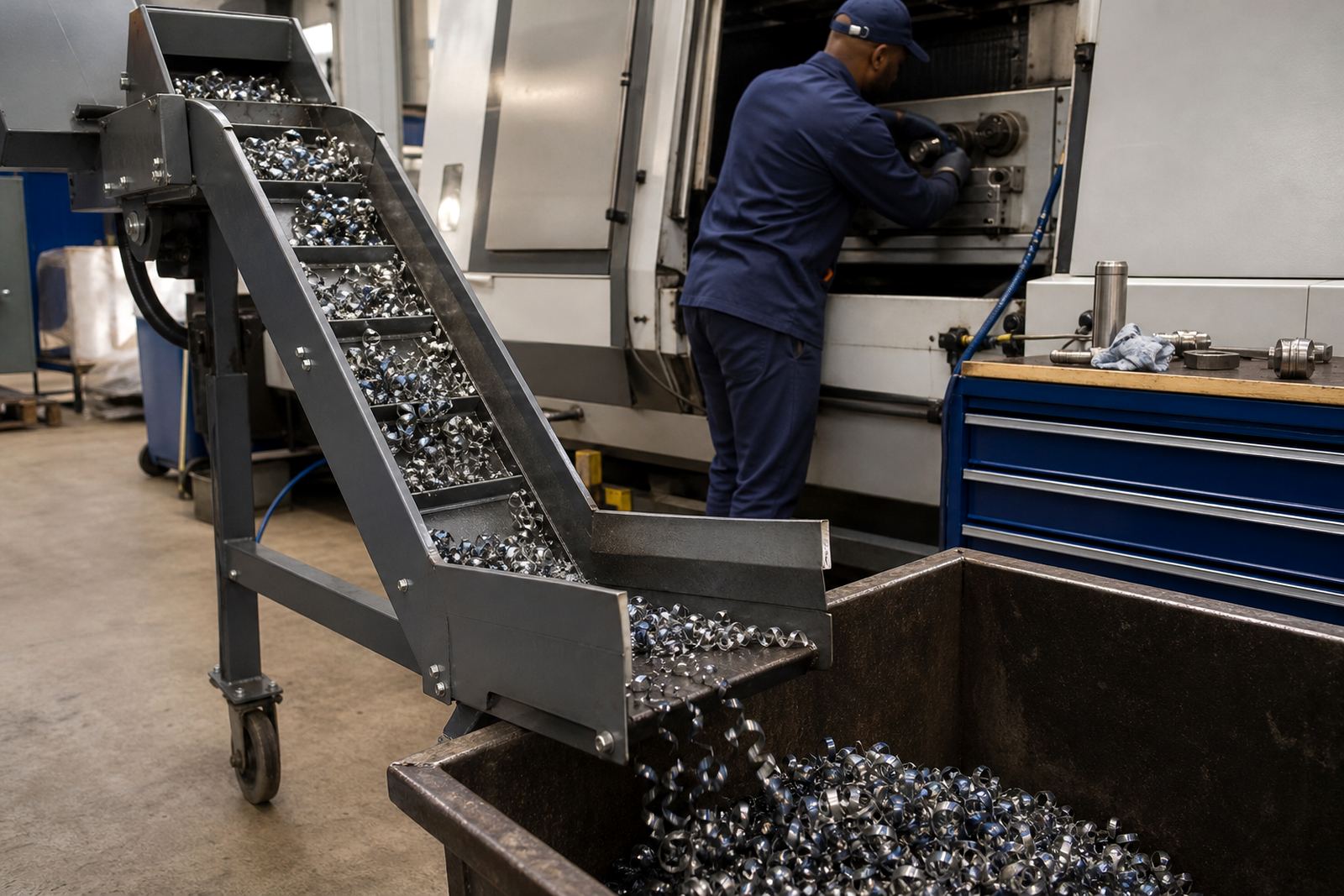
Guide bushes are working parts and need regular checking. Even if the system looks simple, wear at the entry point can affect the hole and the tool. A bush that is scored, loose or contaminated with swarf will not support the cut properly.
Routine care should include cleaning after use, checking for damage, confirming the bore is still within the needed condition and replacing parts before the wear becomes a production fault. On busy shops, preventive maintenance is often cheaper than chasing recurring alignment complaints after the fact.
- Clean the bush and holder after each shift where possible
- Check for scoring, burrs and heat marks
- Inspect mounting faces and fasteners during scheduled maintenance
- Keep spare bushes available for common jobs
- Review coolant condition if entry marks or chip build-up appear
Where breakdown support is needed, Deephole assists with process troubleshooting, spare parts support and coolant system service so the bush system remains part of a working production setup, not just a loose component in the cabinet.
What to check before ordering
Before ordering a guide bush system, it helps to have the key job details ready. That lets the supply and support team match the arrangement to the machine and the application instead of guessing on site.
Have the following information available when sending an enquiry through the contact form on the Deephole contact page:
- Machine type and current setup method
- Tool diameter, bar size or drill size being used
- Workpiece material and hole depth requirement
- Whether the job is production, repair or prototype work
- Required entry support and any alignment concerns
- Any space limits, access limits or coolant constraints on the machine
If the shop is in Benoni, East Rand, Gauteng or further afield, Deephole can help with tooling selection, setup optimisation and operator training so the bush arrangement is introduced properly and used correctly from day one.
Key facts
| Type | Guide bush arrangement for deep-hole drilling entry support |
|---|---|
| Use | Alignment control and drilling entry stability |
| Configuration | Supplied to suit the machine, tooling and job application |
| Power requirement | No dedicated power required |
| Gas requirement | No gas required |
| Support | Installation, setup, servicing and process support available |