What a horizontal machine is used for
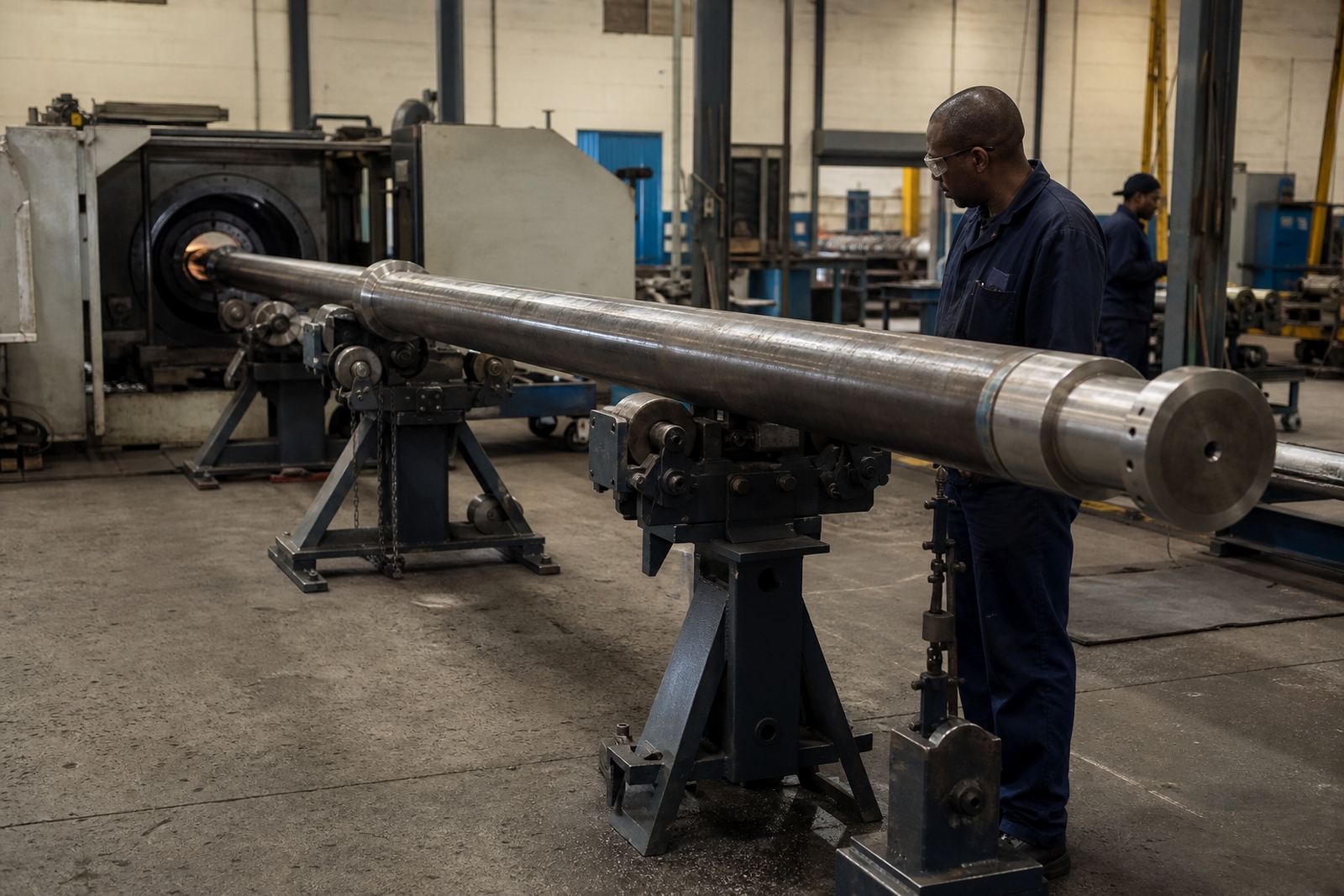
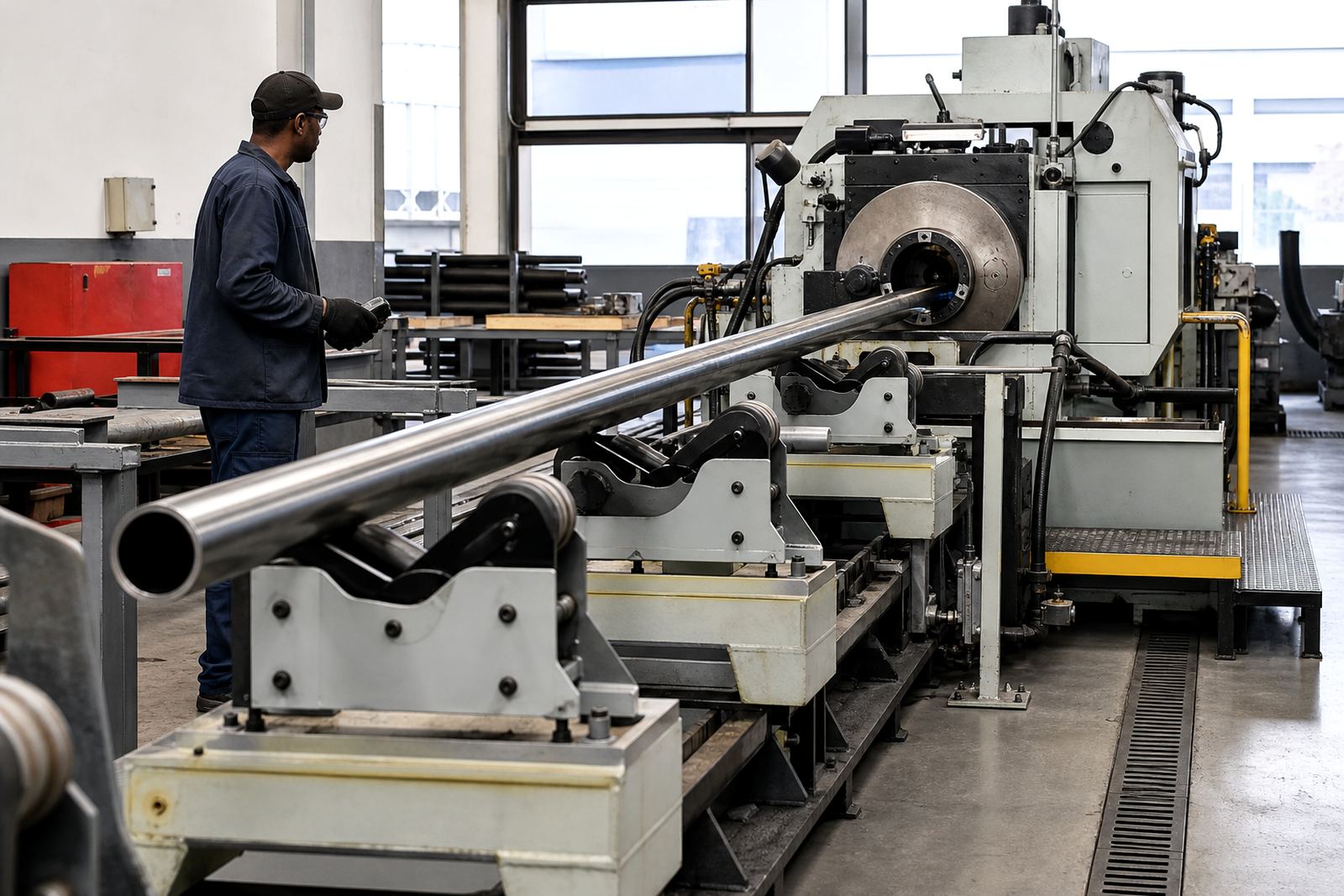
A horizontal machine is built for drilling and boring long parts where gravity, flex and alignment matter. In this format the workpiece is supported along a horizontal axis, which makes it easier to handle shafts, tubes, hydraulic parts and other components that need straight holes over extended lengths. For shops working on repeat jobs, the layout also helps with loading and unloading, especially where overhead lifting or limited floor space is part of the daily routine.
Deephole supplies horizontal gun-drilling and deep-hole boring machines for South African production environments that need clean hole quality and consistent positioning. These machines are commonly considered where conventional drilling starts to wander, or where a part needs controlled internal geometry with stable support from the first setup through to the last cut.
Sizes and options to match the job
Horizontal machines are selected around the part, the hole depth and the way the component is held. Some shops need a compact machine for shorter runs and repair work, while others need a larger setup for long production parts with multiple drilling points. The right arrangement depends on bore length, workpiece diameter, tool reach and whether the job is single-piece or batch based.
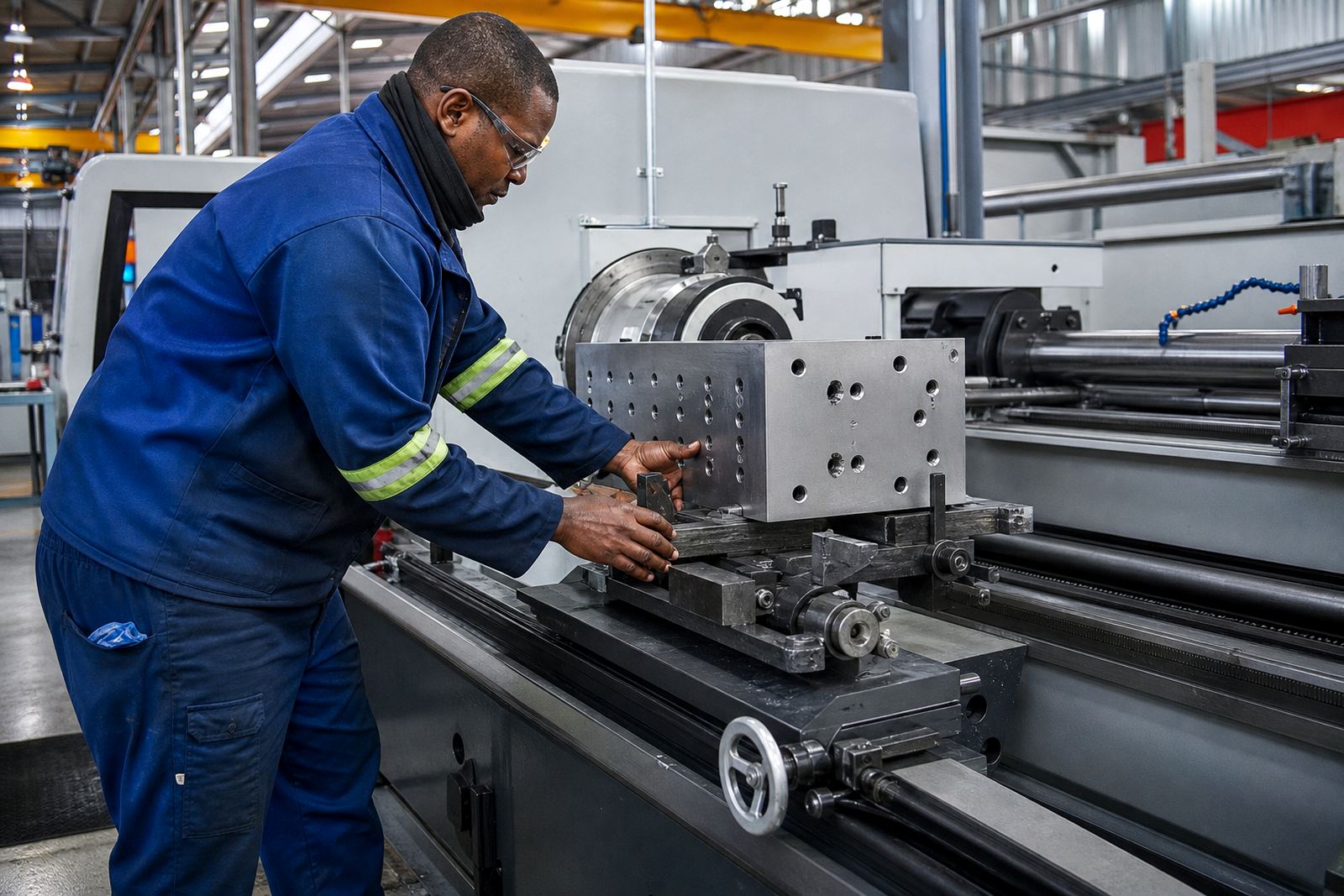
Options usually centre on workholding, feed control, spindle arrangement, coolant delivery and the style of support needed at the infeed and outfeed ends. We also look at tooling access, chip management and how much operator adjustment is required during setup. A good horizontal machine should suit the job without forcing the shop to fight the machine at every changeover.
- Horizontal deep-hole drilling format for long workpieces
- Machine options for gun-drilling and deep-hole boring duty
- Work support arrangements for alignment and repeatability
- Tooling and fixture selection for the part profile
Where horizontal machines fit best
These machines suit manufacturers and engineering shops that work with long, straight or tubular components. Common applications include hydraulic and pneumatic parts, shafts, mould and die components, machine parts, and precision parts that need internal holes running true over distance. They also suit shops in Johannesburg, Pretoria, Durban, Cape Town and Gqeberha that need dependable production support for local and export work alike.
Where the shop is dealing with coastal humidity in Durban or Gqeberha, or dust and temperature swings in Gauteng, machine protection and maintenance planning matter just as much as drilling performance. The format is practical for production areas where floor loading, movement routes and lifting access need to be considered before the first install. It is also useful where a part must be held steady for longer cycle times and the operator needs clear access to the work zone.
Installation, power and service needs
Installation starts with floor space, foundation suitability, access for lifting and the route into the workshop. The machine must be positioned for alignment, operator access and safe movement of long workpieces. We also check the surrounding area for coolant handling, chip removal and any local site rules that affect setup in an industrial building or shared facility.
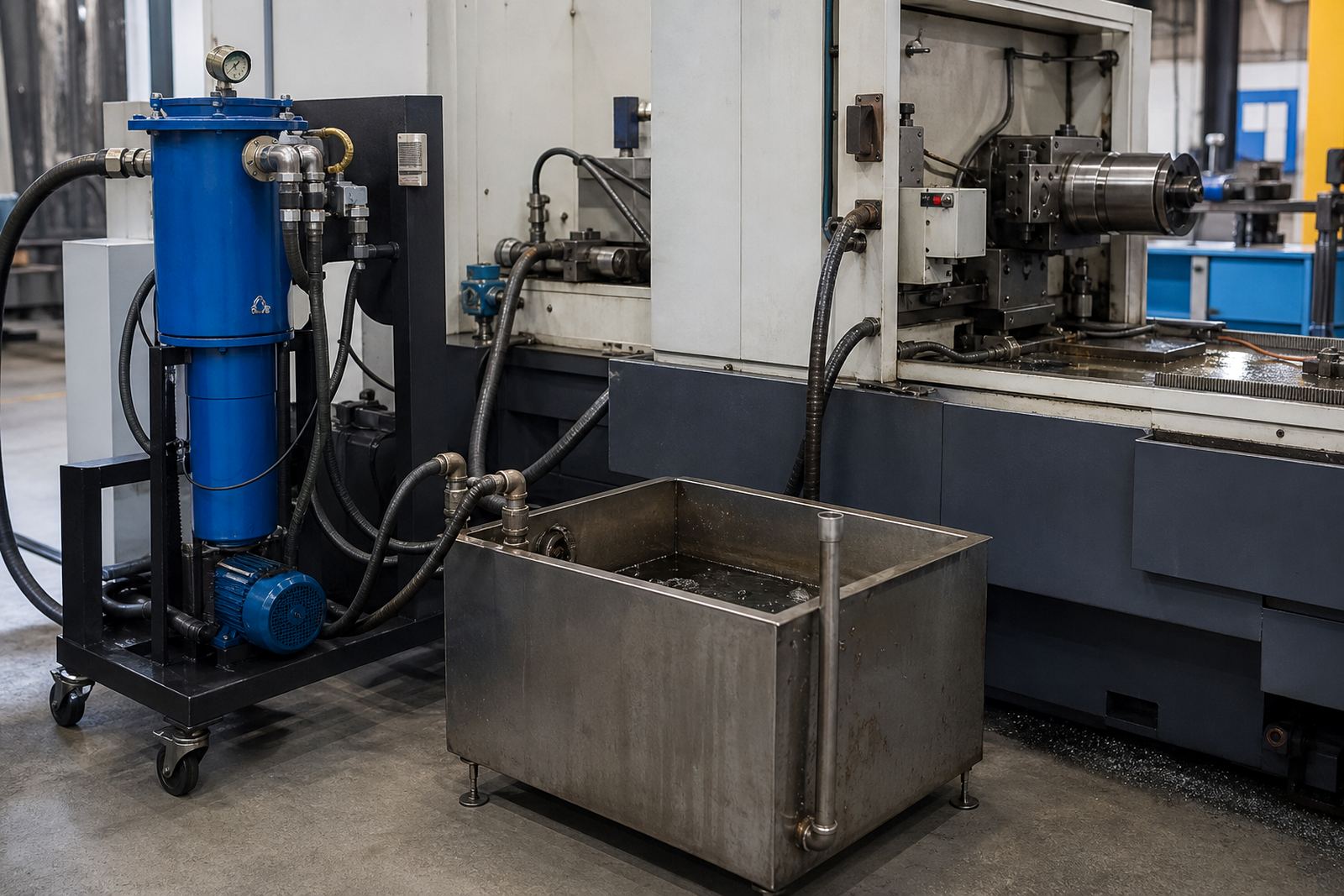
Power requirements depend on the selected machine and its auxiliaries, so these must be confirmed before delivery. In many plants the support systems are just as important as the main machine, especially where coolant circulation, filtration and hydraulic functions are involved. If the site is affected by load-shedding, planning for restart procedure and controlled shutdowns is worth doing upfront, not after the first interruption.
- Site survey before delivery and installation
- Machine commissioning and alignment checks
- Coolant system service and setup optimisation
- Production startup support for the first jobs
Tooling, setup and drilling control
On a horizontal machine, tooling choice has a direct effect on hole quality, cycle time and tool life. The setup must suit the material, the hole depth and the finish required. Deephole assists with tooling selection, setup optimisation and process troubleshooting so the shop is not left guessing when feed, support or coolant delivery needs adjustment.
For long workpieces, alignment checks and tool condition checks are part of normal control. Small changes in clamping or support can affect the result, so the machine must be set up carefully each time the part changes. A good setup reduces chatter, improves straightness and makes it easier to keep output consistent across a shift. In practice, the most successful shops treat setup as part of production, not an afterthought.
Care, servicing and what to check before ordering
Before ordering, confirm the part size range, the longest workpiece length, the number of holes, the required support method and the available floor space. It is also worth checking whether the job needs only drilling or a combination of drilling and boring. If the shop runs different materials, ask about tooling compatibility and how easy the machine is to adjust between jobs.
For ongoing care, plan preventive maintenance, spare parts support and regular checks on coolant flow, alignment and moving parts. Clean coolant and good chip control help protect both the machine and the bore finish. Where production is continuous, breakdown support and spare parts access can make the difference between a short pause and a lost day. Franscois du Plessis from our service side often reminds customers that a machine that is checked early usually costs less to keep in line than one that is left until it starts marking parts.
Key facts
| Machine type | Horizontal deep-hole drilling and boring format |
|---|---|
| Primary use | Long workpieces requiring stable support and alignment |
| Operation | Suitable for precision drilling and controlled boring applications |
| Workholding | Configured around the part, support points and access needs |
| Support services | Installation, commissioning, training, maintenance and troubleshooting |
| Supply area | Benoni, Gauteng and major industrial centres across South Africa |