What a shaft drilling machine is used for
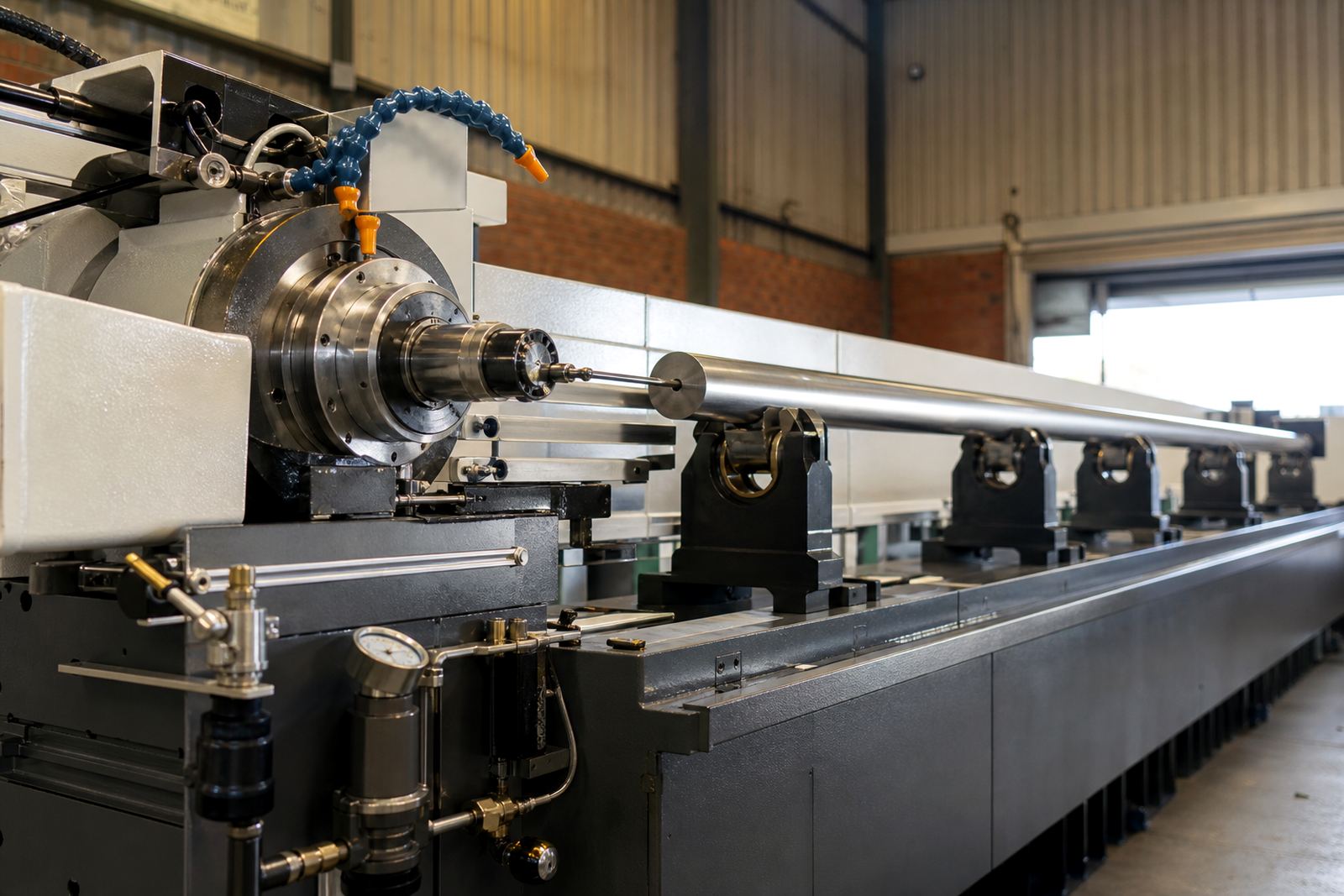
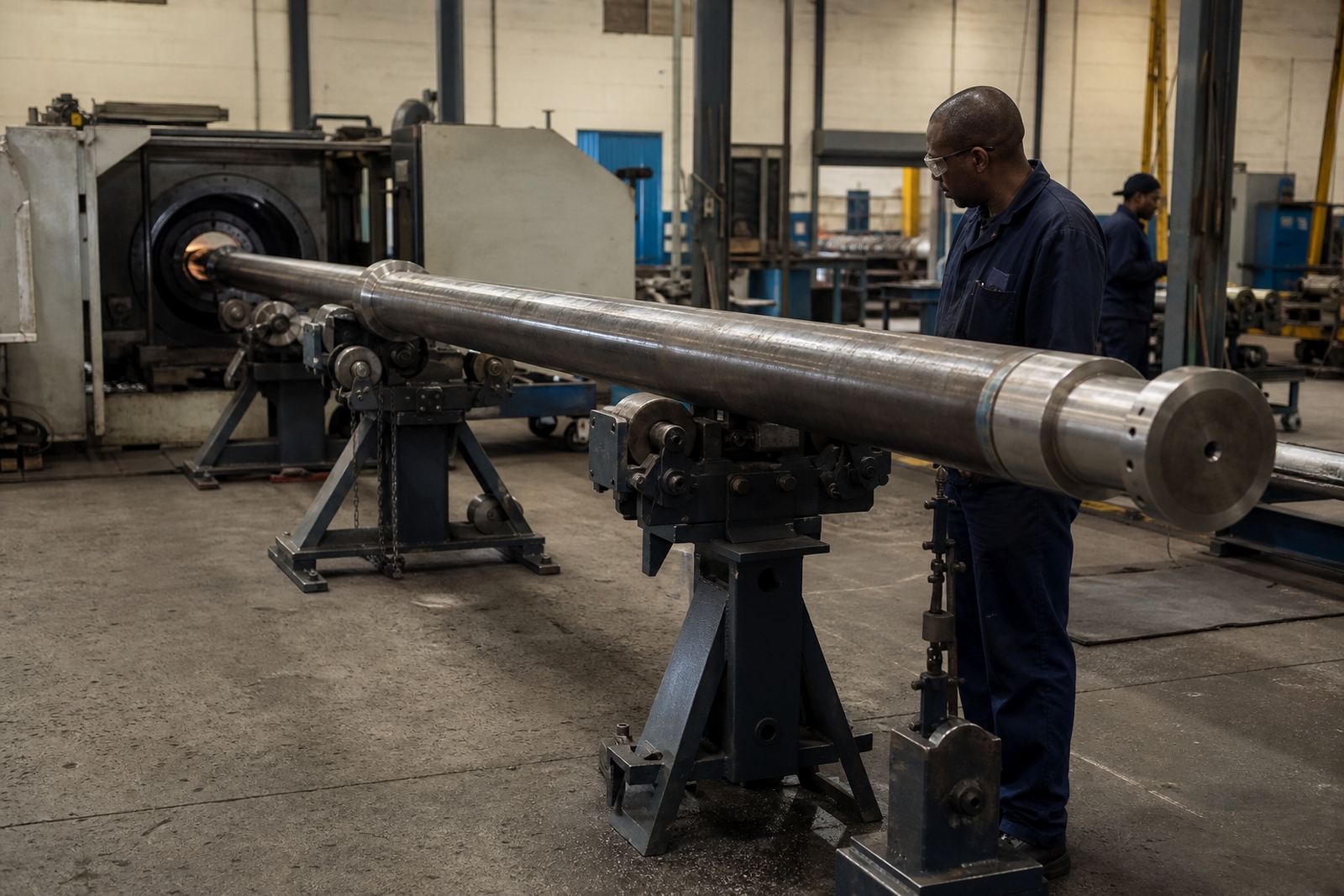
A shaft drilling machine is built for jobs where a straight, controlled hole has to run through a round part without wandering off line. That makes it suitable for drive shafts, long cylindrical components, sleeves and similar parts used in general engineering, repair work and production runs.
In practice, the value is in repeatable alignment and controlled chip removal. On a shaft job, a small error at the start can show up far down the bore, so the machine, drill tooling and setup all need to work together. Deephole supplies the machine and the practical support around it, from first setup through to production startup.
This type of equipment is often considered where a normal drilling setup struggles with hole length, finish or positional accuracy. It is also useful when the workpiece needs proper support, stable clamping and coolant delivery to keep the bore clean and the tool cutting properly.
Machine sizes and options to match the job
There is no single shaft drilling machine that suits every shop. The right choice depends on the shaft length, outside diameter, hole depth, material and the level of finish required. Some users need a compact unit for smaller batches while others need a heavier machine for longer parts and more demanding work.
Options typically come down to workholding, spindle arrangement, feed control, coolant handling and the tooling package selected with the machine. Deephole helps you match the machine to the work you actually do, not just the catalogue picture. That avoids paying for capacity you will never use, or buying a machine that is too light for the job.
For South African shops, it also helps to plan for the space available in the workshop, lifting access for installation and the type of power supply on site. If the machine will be used in a coastal area such as Durban or Gqeberha, you should also plan for corrosion control and regular care around exposed surfaces and electrical parts.
Where this machine suits best
This product suits manufacturers and engineering shops that drill repeatable holes into round components and want tighter control over the process. It is a practical fit for jobbing work in Benoni, Johannesburg, Pretoria, Durban, Cape Town and Gqeberha where delivery deadlines and rework costs matter.
It is also a good choice where the same job comes back again and again, because a proper setup saves time on each repeat run. If your shop handles maintenance parts, small production batches or customer specific work, a shaft drilling machine can improve consistency and reduce scrap.
In many Gauteng workshops, load-shedding planning is part of daily life, so it is worth considering how the machine will be started, stopped and protected during power interruptions. That matters for control systems, coolant pumps and the condition of the bore if a cut is interrupted mid job.
Installation, power and workshop readiness
Before installation, the site should be checked for floor space, access for lifting, machine foundation requirements and the support equipment needed around the machine. That includes coolant management, chip removal, lighting, compressed air where required and a clean area for loading and unloading shafts.
Power needs depend on the machine selected, so the supply should be confirmed before delivery. In South African workshops that run on mixed electrical loads, it is sensible to check the breaker size, cable condition and earthing before commissioning. If the machine requires compressed air for functions or cleaning, that supply should also be planned in advance.
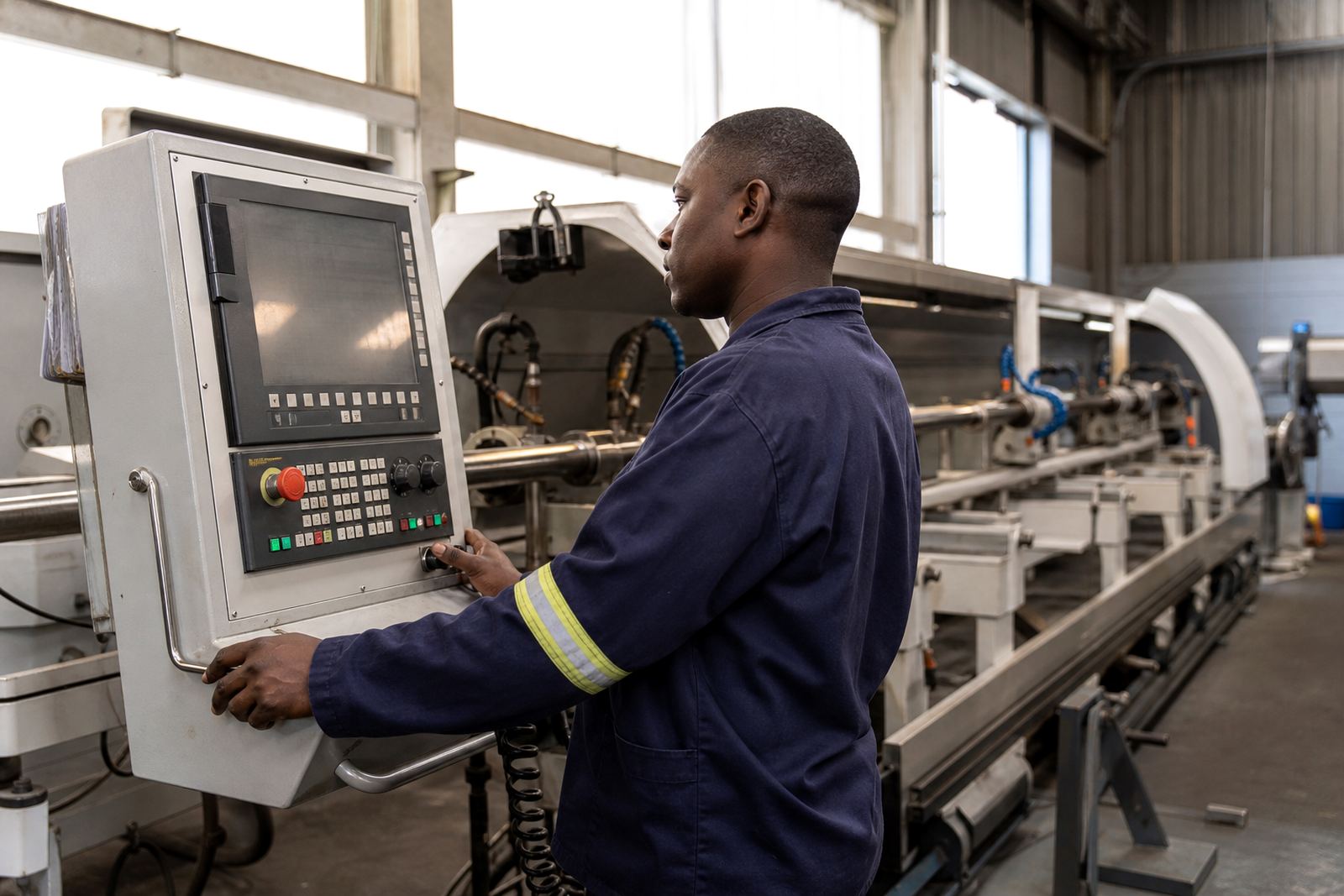
Deephole handles machine installation and commissioning, then works through alignment checks, setup optimisation and production startup. This is where a good machine becomes a usable shop tool rather than a piece of equipment sitting idle because the first setup was rushed.
Tooling, setup and process support
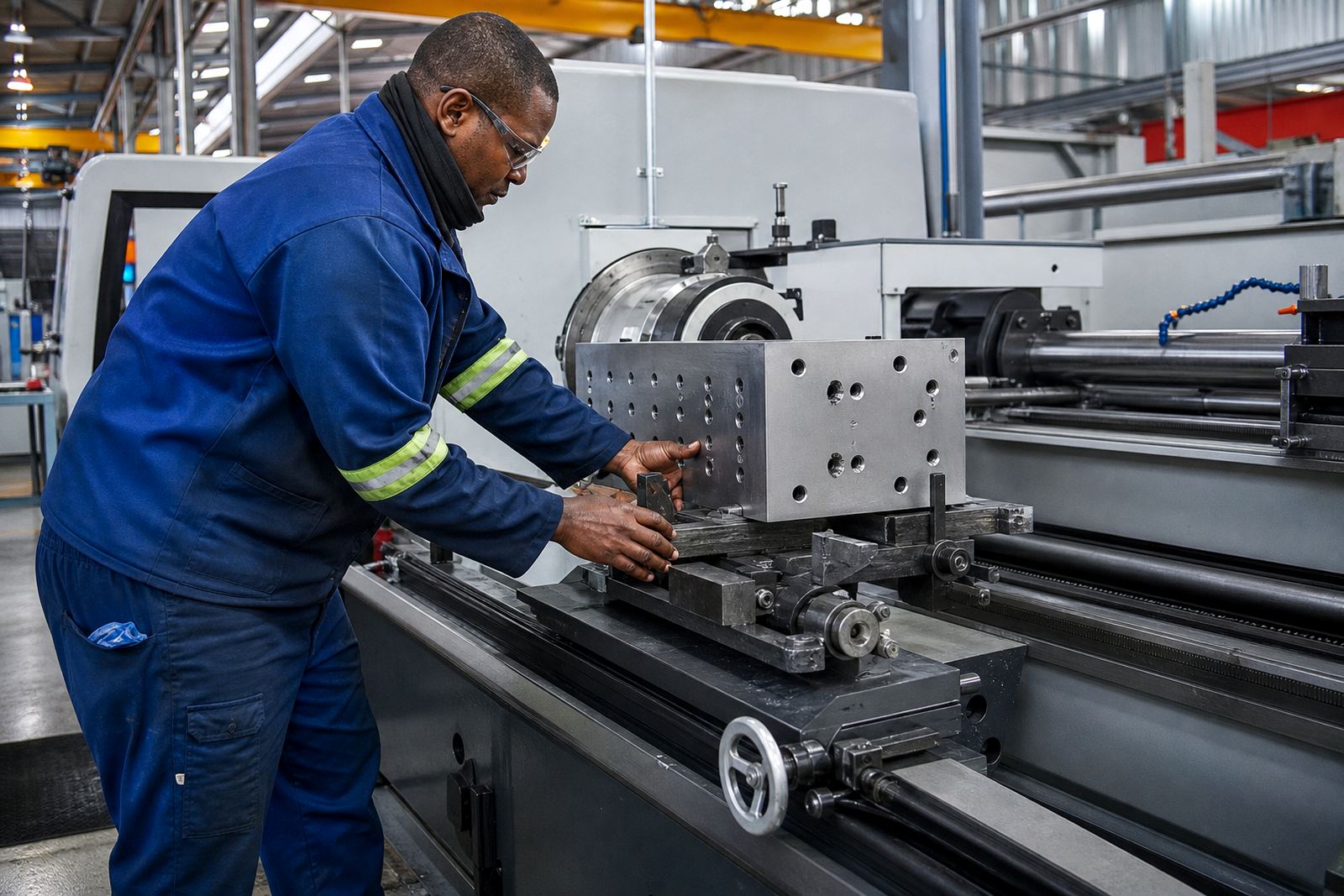
The machine is only part of the job. Shaft drilling work depends heavily on correct tooling selection, correct clamping and a stable setup that keeps the drill on line. Tool choice must suit the material, hole depth and finish requirement, otherwise chips can pack, heat can build and the bore can drift.
Deephole supports tooling selection, setup optimisation and process troubleshooting so the job is set up to run properly from the start. That includes help with feed settings, coolant delivery, alignment checks and operator training. For shops taking on new work, this support can save a lot of trial and error.
We also assist with spare parts support, coolant system service and preventive maintenance, which matters when the machine is part of daily production. A short stoppage can throw off the whole schedule, so the aim is to keep the machine ready and consistent.
What to check before you place an order
Before ordering a shaft drilling machine, make sure the job requirements are written down clearly. The main points are the shaft diameter range, the length of workpieces, the hole depth, the material type and the finish needed. If you do not have those details ready, it becomes harder to choose the correct machine and tooling package.
You should also check how the parts will be loaded, what tolerances matter most and whether the machine must suit one job or a wider mix of work. If the machine will be used by different operators, ask about training and the level of support needed during startup. A well set up machine is easier to run and gives fewer surprises later.
When you are ready, send the enquiry through the contact page and Deephole will work through the application with you. The team in Benoni supports customers across Gauteng and South Africa, including Johannesburg, Pretoria, Durban, Cape Town and Gqeberha.
Key facts
| Machine type | Shaft drilling machine for accurate work on cylindrical parts |
|---|---|
| Application | Deep and accurate drilling on shafts, sleeves and similar components |
| Configuration | Supplied to suit the job and workshop layout |
| Support | Installation, commissioning, training and maintenance support |
| Utilities | Electrical supply and coolant planning required, compressed air where applicable |
| Ordering note | Final specification depends on part size, depth and production needs |