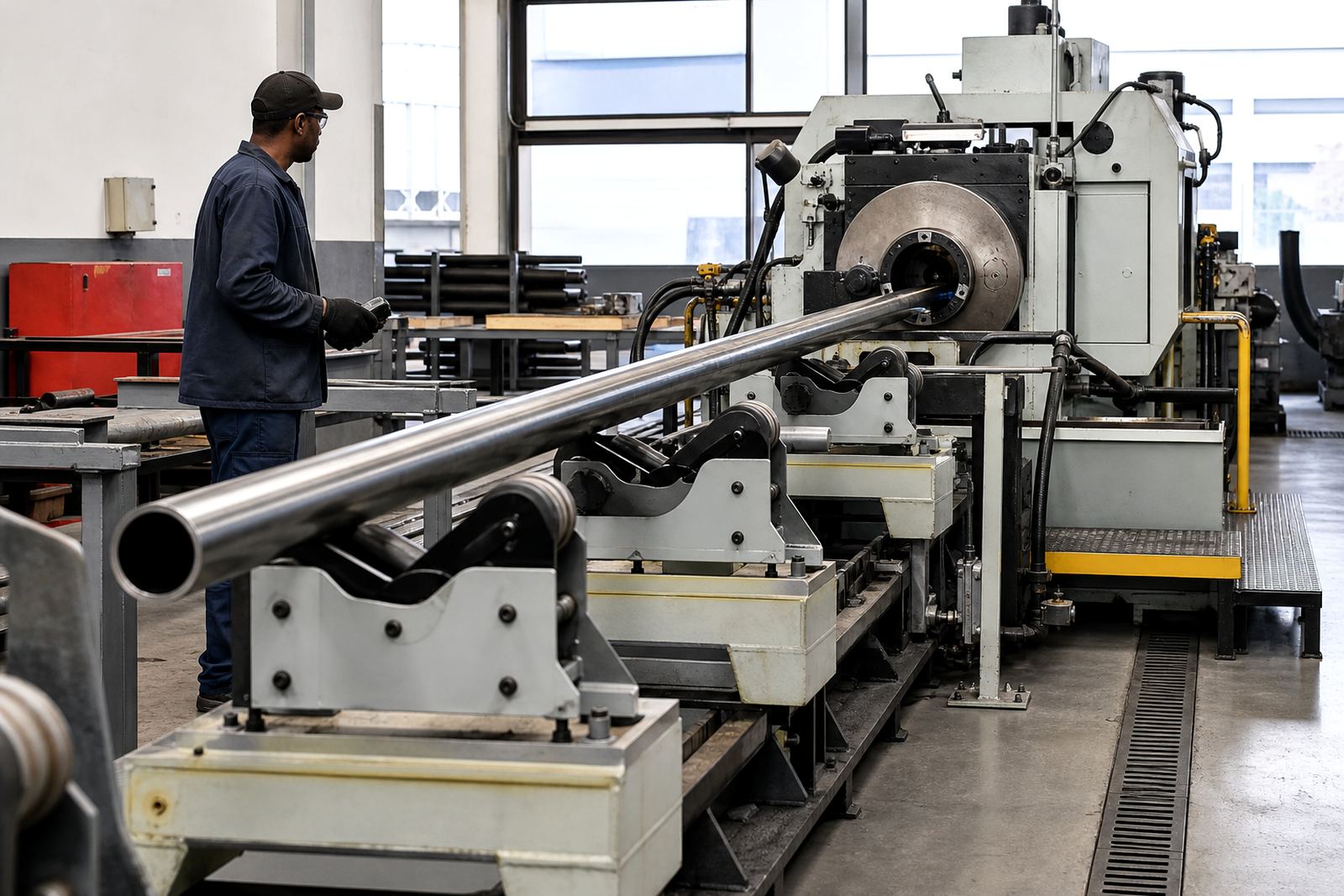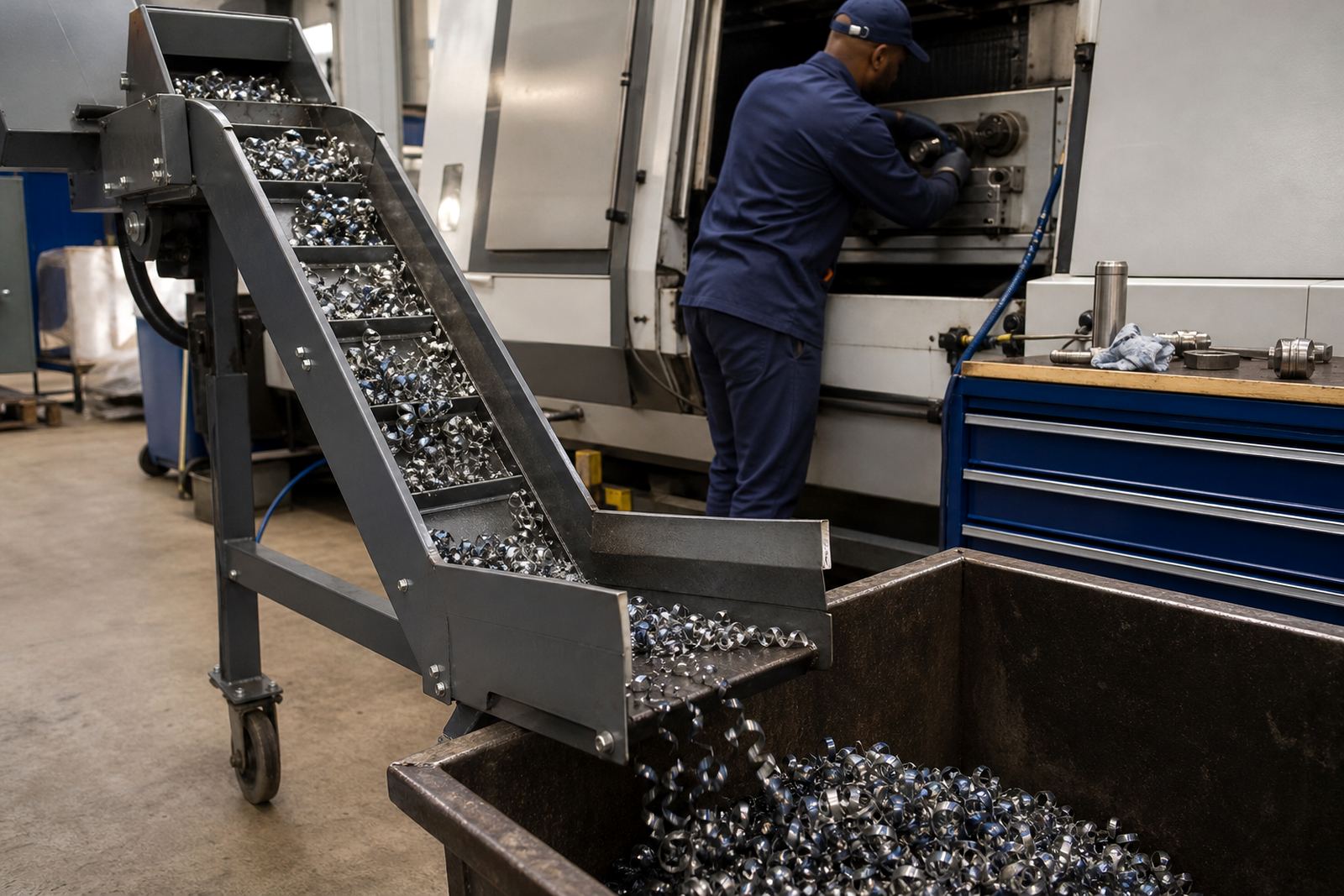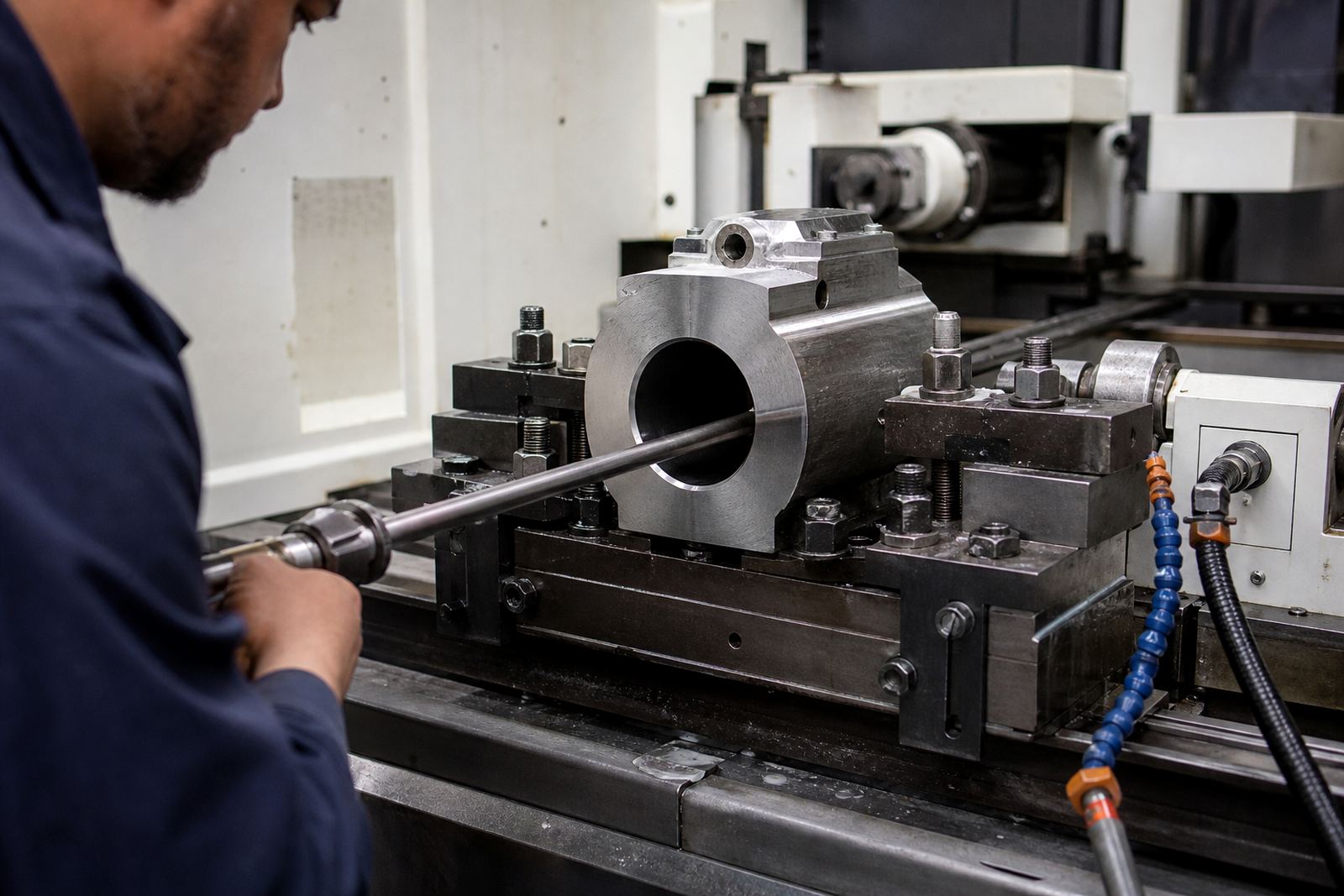

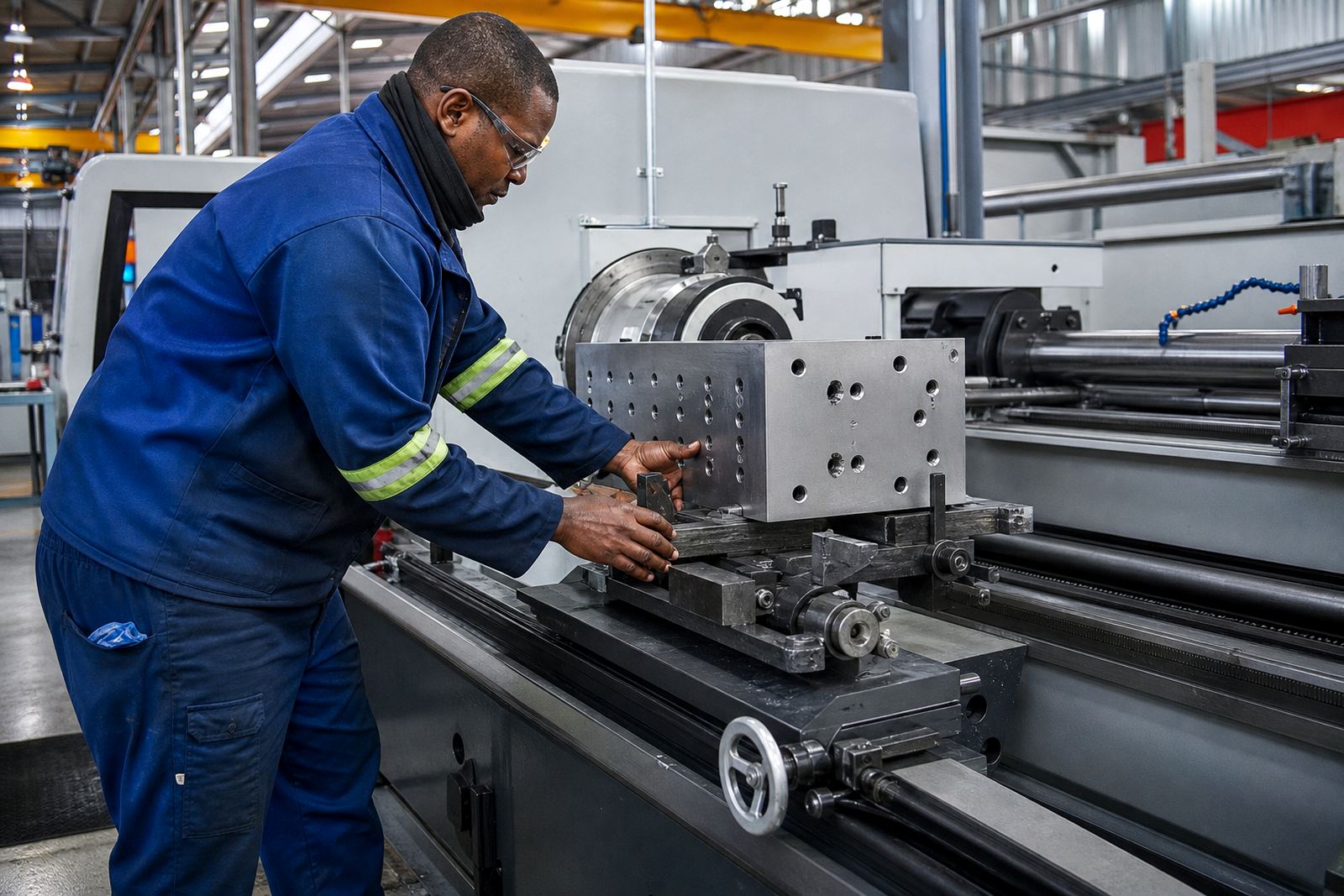
Built for mould work and cooling channel drilling
Our mould core driller range is suited to toolrooms that need accurate drilling into mould plates, inserts and related tooling components. The machine is used where deep, straight holes are required for cooling channels, water lines and core drilling work, with less room for error than general purpose drilling. In practice, that means stable drilling, controlled feed and a setup that keeps the workpiece true from the first hole to the last.
For many South African shops, this type of machine fills an important gap between ordinary drilling and specialist deep-hole work. It helps when you need cleaner bores, better repeatability and a safer process on valuable tooling. It is a practical fit for mould makers, engineering shops and maintenance teams that want more control over production and less rework after machining.
- Suited to mould plates, inserts and core drilling jobs
- Useful for cooling channels and long, straight bores
- Helps improve accuracy on repetitive tooling work
Machine sizes, options and working setup
We supply mould core drilling machines in configurations that suit different shop sizes and production demands. The right choice depends on the size of the parts you handle, how many holes you drill in a shift and whether the machine will sit in a toolroom, maintenance bay or dedicated production area. Some customers need a compact machine for limited floor space in Benoni or Pretoria, while others need a heavier setup for ongoing work in Johannesburg, Durban or Cape Town.
Options are usually selected around the job, not the name on the machine. That can include the working envelope, control layout, coolant handling, workholding and the level of support needed for startup. If the job involves regular changeovers, we look closely at fixture style, tooling access and how quickly the operator can set up the next part. The aim is to keep the machine useful for everyday work, not only for special jobs.
- Single station or production style configurations, depending on output needs
- Manual and controlled-feed options may be considered by application
- Workholding and fixture layout can be matched to mould part geometry
- Support can include tooling advice and setup optimisation
Where it suits in South African production
This machine suits shops that work with moulds, dies, precision components and tooling repairs. It is often a better choice where cooling passages must be placed accurately and the bore quality affects the final performance of the tool. In coastal areas such as Durban and Gqeberha, proper coolant management and corrosion care are important. In Gauteng, many shops also need a machine that copes well with power interruptions and restart procedures after load-shedding.
Deephole works with manufacturers and engineering shops across Johannesburg, Pretoria, the East Rand and further afield. We also support clients who need help getting a new machine into production without long delays. If a toolroom is busy, the value lies in a machine that can be installed properly, aligned carefully and handed over with the operator confident on the first job.
- Toolrooms and mould shops
- Engineering and maintenance departments
- Production environments with recurring core drilling work
- Sites needing support for restart after outages or planned shutdowns
Installation, power and site requirements
Before installation, the site needs a level floor, enough access for the machine and a clear plan for coolant, power and operator movement. We handle machine installation and commissioning, which includes placement, alignment checks and startup support so the machine is ready for proper use. If the machine is moving into an existing workshop, we also look at how it fits with nearby equipment, extraction, storage and safe walkways.
Power requirements vary by model and build, so the exact supply must be checked before delivery. In some cases the machine may need specific electrical provision, especially where the workshop already has heavy loads running on the same supply. If compressed air or gas assisted functions are part of the chosen setup, those requirements are confirmed during ordering and planning. This matters more in busy shops where a poor setup can cause downtime on day one.
- Check floor level and access before delivery
- Confirm electrical supply and breaker capacity for the selected model
- Plan coolant supply, drainage and spill control
- Allow space for loading, clamping and operator movement
Tooling, setup and process control
Good results on a mould core driller depend on the tool as much as the machine. Deephole assists with tooling selection, setup optimisation and process troubleshooting so the drilling process stays consistent. That includes guidance on suitable tools, holders, guiding elements and the correct approach for the material being drilled. When a shop is running different steels or changing job types often, setup discipline becomes even more important.
We also help with production startup and operator training. This is useful where the machine will be used by more than one person, or where the team needs a repeatable method for setting depth, checking alignment and controlling wear. Small setup errors can show up as poor hole quality or extra finishing work, so it is worth getting the procedure right from the start. A well set process saves time and reduces scrap.
- Tooling selection matched to job type and material
- Process support for depth control and hole consistency
- Operator training for safe, repeatable use
- Troubleshooting for finish, alignment and drilling behaviour
Care, servicing and spare parts support
Like any precision drilling machine, a mould core driller needs regular care to stay accurate. Preventive maintenance helps protect feeds, guides, coolant circuits and the general condition of the machine. Coolant system service is especially important where long drilling cycles are common, or where the machine runs in warm, dusty or coastal conditions. Alignment checks should also form part of the maintenance routine, because small changes can affect hole position and finish.
Deephole provides breakdown support and spare parts support when something needs attention. We also help with machine commissioning, setup checks and production startup after maintenance. For shops that cannot afford long stops, planned servicing is often the cheaper option. It keeps the machine working and makes faults easier to catch before they become bigger repairs.
Our support team includes Marius Jacobus van Rensburg, Ayanda Mokoena, Johan Smit, Noluthando Dlamini, Francois du Plessis, Leanne Naidoo and Sibusiso Khumalo, with service and tooling support coordinated from Benoni, Gauteng.
What to confirm before you order
Before placing an order, it helps to confirm the part type, hole depth, hole diameter range, material and expected output. You should also check whether the machine will be used for one-off mould work, repeat production or mixed toolroom jobs. If the machine must fit into an existing line, the floor space, access route and power provision should be measured properly before delivery. That avoids delays and last-minute changes on site.
We recommend checking the following points carefully:
- Workpiece size, clamping method and available setup space
- Required drilling depth, hole size and finish expectations
- Material type and whether coolant control is needed for the job
- Electrical supply, compressed air or other utility needs
- Who will operate the machine and what training is needed
- Whether you need installation, commissioning and ongoing support
If you are comparing options for a mould shop in Gauteng, KwaZulu-Natal or the Western Cape, the best result usually comes from matching the machine to the job, not the other way around. Use the enquiry form on our contact page and we will help assess the right setup for your application.
Key facts
| Machine type | Mould core driller for cooling channel and core drilling work |
|---|---|
| Typical applications | Mould plates, inserts, tooling components and precision drilling jobs |
| Configuration options | Model dependent, with setup matched to part size and production needs |
| Control and feed | Precision drilling setup with control details confirmed to the selected machine |
| Utilities | Electrical supply, coolant provision and any air or gas needs confirmed on order |
| Support services | Installation, commissioning, tooling selection, training, servicing and spare parts support |