Manual control for practical deep-hole work
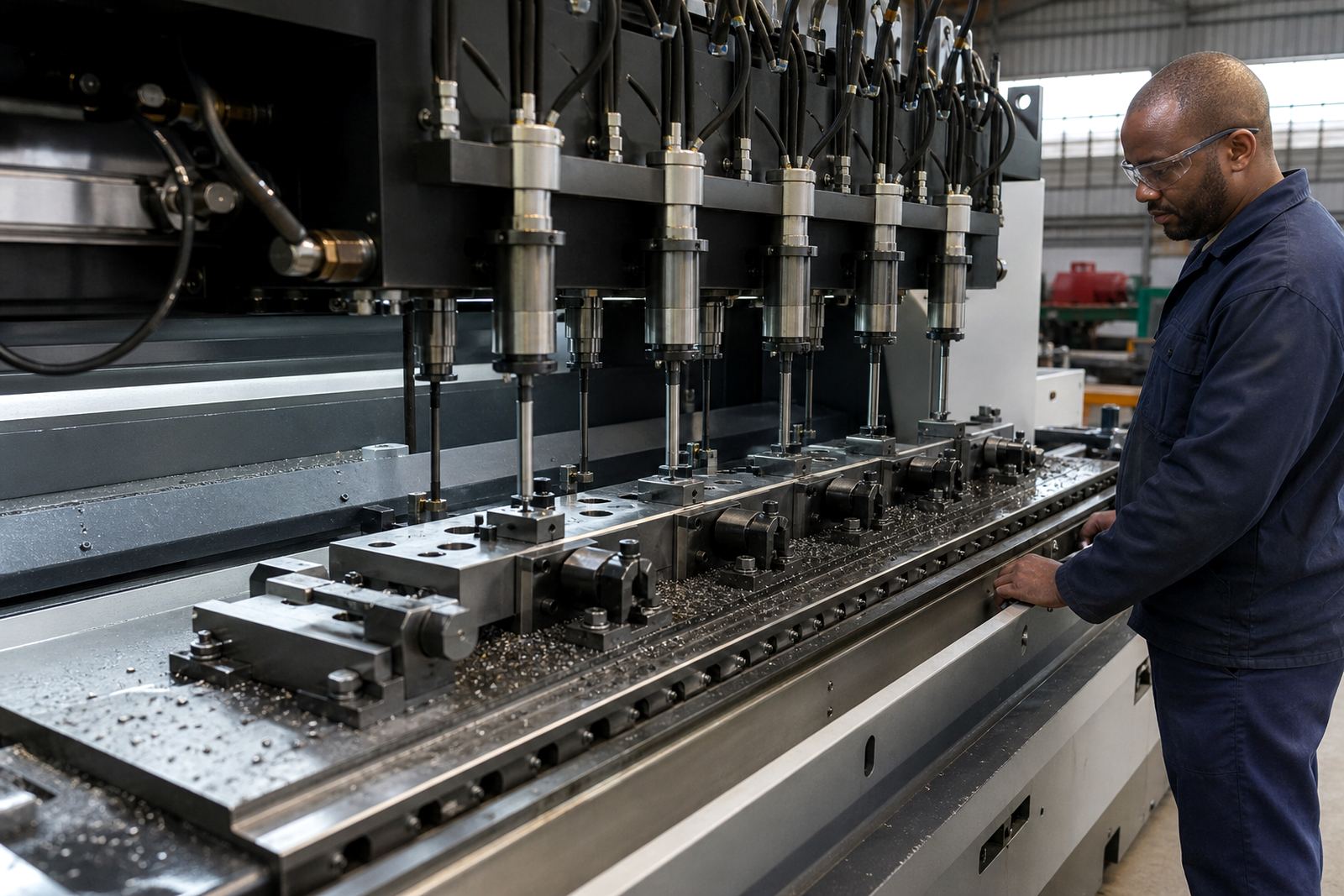
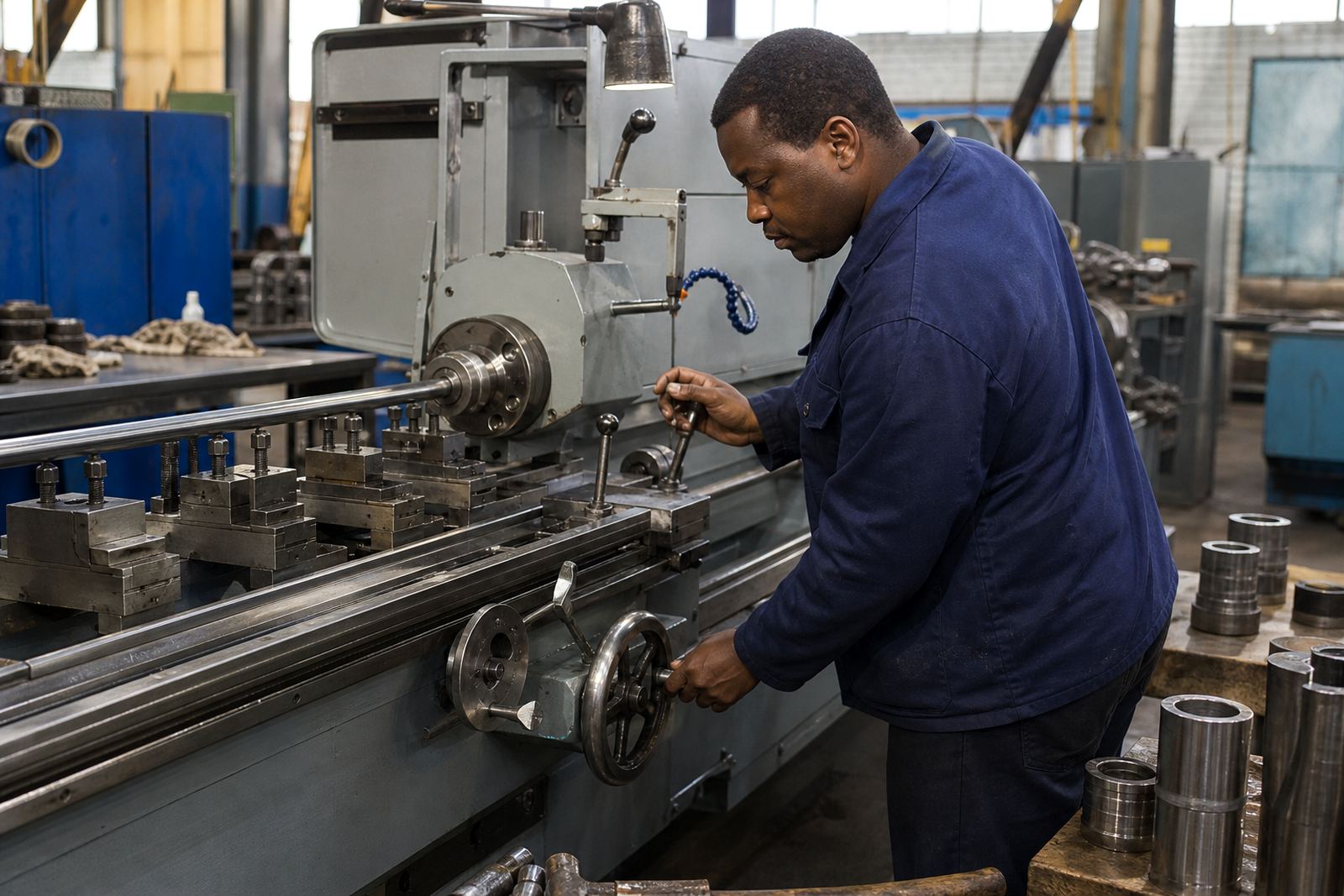
A manual gun drill is used where the job calls for steady control, a clear setup and dependable drilling on components that need straight, repeatable holes. It suits workshops that handle repairs, short runs, prototype work and general manufacturing tasks where a fully automated line is not necessary. The operator manages feed, setup and process checks, which makes the machine useful for smaller batches and changing workpieces.
For many South African engineering shops, that flexibility matters. Jobs change, power supply is not always ideal, and a machine has to fit into an existing bay without causing major disruption. A manual gun drill is also easier to integrate into a workshop that already has turning, milling or drilling stations nearby, especially when the team needs one machine for several different parts.
Where a manual gun drill fits best
This type of machine suits manufacturers and repair shops that need deep-hole drilling on shafts, hydraulic parts, tooling components, bushings and other pieces where hole straightness matters. It is also a sensible option when the work volume is steady but not high enough to justify a more complex system. For many shops in Johannesburg, Pretoria and the East Rand, it is the kind of machine that can keep production moving without overcomplicating the process.
- Repair and maintenance workshops
- Small to medium production runs
- Engineering shops with varied part sizes
- Toolrooms and fabrication teams
- Sites that need manual oversight on every job
Deep-hole drilling is unforgiving if the setup is poor. That is why a manual machine still needs the right tooling, careful alignment and a clear process. With the correct support, it can give consistent results on demanding work without unnecessary complexity.
Sizes and options to match the job
Manual gun drill machines are selected around the part, the hole depth and the kind of work the shop does day to day. Deephole assists with machine selection, tooling choice and setup planning so the machine matches the actual workload rather than a guess on paper. Options can include different spindle arrangements, workholding layouts and accessory choices depending on the drilling application.
When ordering, it helps to think about the longest part you expect to drill, the material type, the hole diameter range and how often the machine will change over from one job to the next. A shop doing contract work in Cape Town or Durban may need different tooling support from a manufacturer running repeat parts in Gauteng. The machine should suit both the part size and the workflow around it.
- Single machine setup for workshop flexibility
- Tooling matched to hole diameter and material
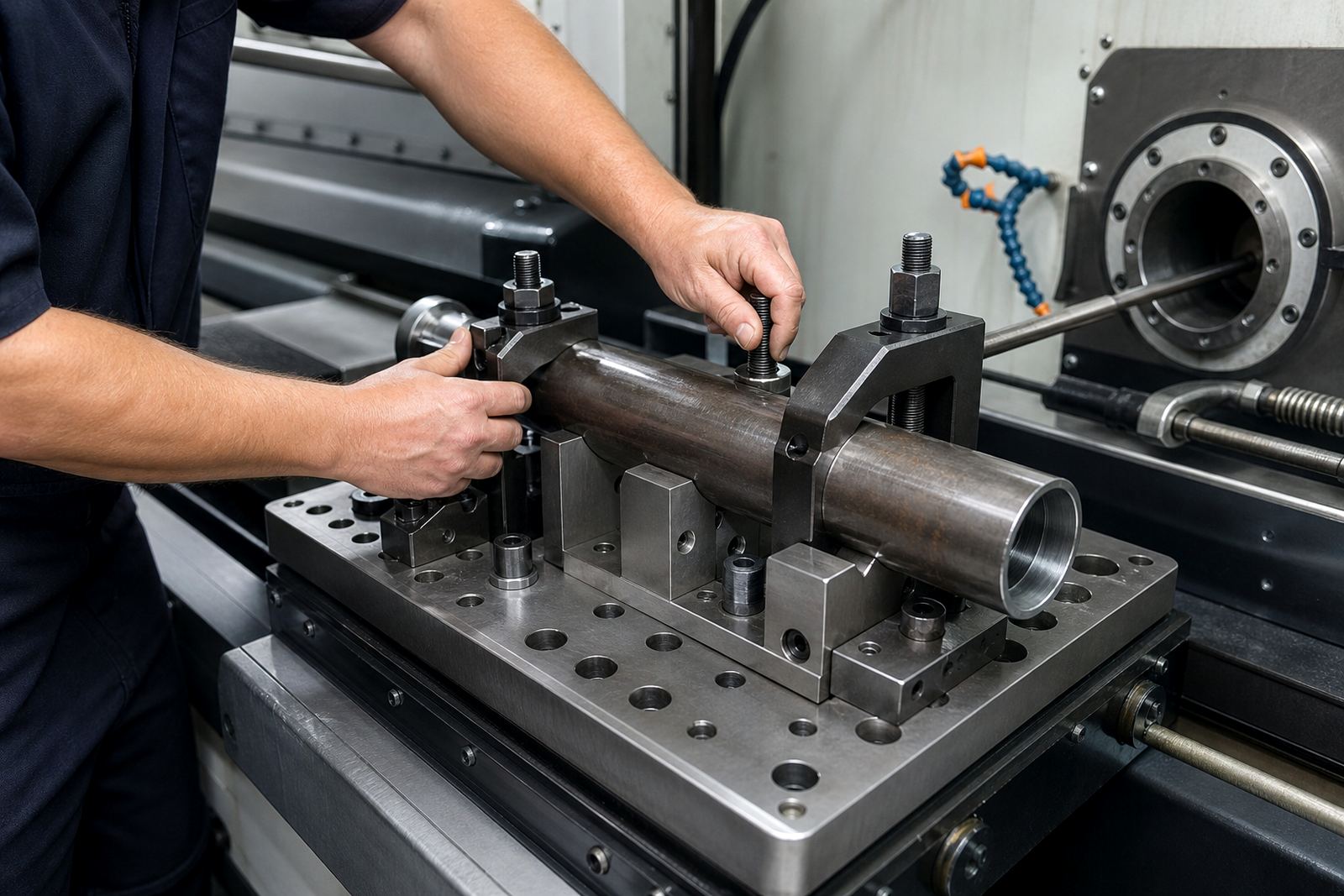
- Workholding and alignment aids for repeat jobs
- Accessory choices based on coolant and chip control needs
Installation, power and workshop services
Installation should be planned with floor space, access for moving equipment and the workshop power supply in mind. Depending on the model and site, a three-phase electrical supply may be required, and the machine area should allow for coolant management, chip removal and safe operator movement. In some workshops, compressed air may also be needed for supporting functions linked to the tooling or cleaning process.
Load-shedding planning is part of the conversation in South Africa. If production cannot stop unexpectedly, it is worth thinking about safe shutdown routines, restart steps and any backup arrangements the site already uses. Deephole provides machine installation, commissioning and production startup support, so the machine is checked properly before it is handed over.
Services available include:
- Machine installation and commissioning
- Alignment checks and setup optimisation
- Operator training
- Process troubleshooting
- Breakdown support and spare parts support
- Coolant system service and preventive maintenance
Care, servicing and day-to-day upkeep
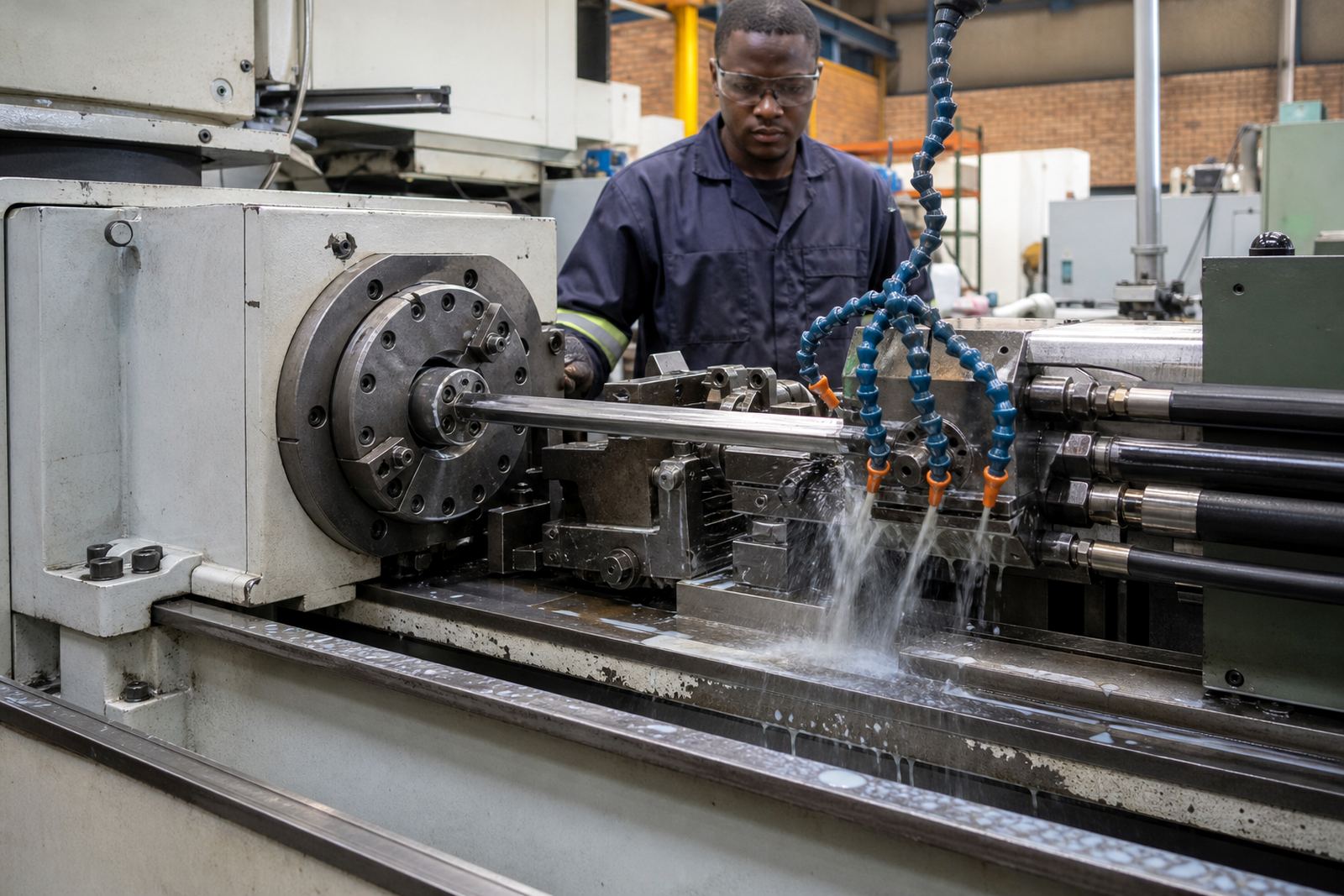
Gun drilling depends on correct setup, clean coolant and good tool condition. Regular servicing helps avoid poor hole finish, chatter, tool wear and avoidable downtime. In coastal areas such as Durban and Gqeberha, humidity can affect stored tooling and machine condition, so keeping the machine clean and protected between jobs is worth the effort. In Gauteng workshops, dust and daily production traffic can also build up around the machine if it is not maintained.
Francois du Plessis, our Machine Technician, supports servicing and fault finding, while Noluthando Dlamini coordinates the schedule so work does not drift. The aim is simple: keep the machine ready for the next job, not just after a breakdown. Preventive maintenance is usually easier than chasing repeated faults later on.
- Check coolant condition and flow regularly
- Inspect alignment before critical jobs
- Keep tooling clean and stored properly
- Monitor wear on guides and support parts
- Plan service intervals around production breaks
What to confirm before you place an order
Before ordering a manual gun drill, it helps to have the part drawings, material details and the required hole size range ready. That lets Deephole confirm the right machine and tooling setup, and it reduces the risk of ordering equipment that does not suit the work. If the machine will be used for more than one job type, note the widest range of parts you expect to run.
Johan Smit, our Applications Specialist, and Sibusiso Khumalo, our Tooling Support Consultant, assist with the practical side of the process, from selection through to first production. Leanne Naidoo also handles training so operators know how to use the machine correctly from day one. For customers in Benoni, Johannesburg, Pretoria, Cape Town, Durban and Gqeberha, support is arranged through our enquiry form on the contact page.
- Hole diameter and depth required
- Material type and part hardness
- Expected batch size and changeover frequency
- Available floor space and power supply
- Coolant, chip control and tooling requirements
- Training, installation and after-sales support needs
Key facts
| Machine type | Manually controlled gun drill for deep-hole drilling work |
|---|---|
| Typical use | Straightforward deep-hole drilling in workshops and production areas |
| Control method | Operator-controlled feed and setup |
| Power requirement | Site-dependent, commonly a three-phase supply on suitable models |
| Support services | Installation, commissioning, training, maintenance and breakdown support |
| Ordering inputs | Part size, hole depth, material, tooling needs and site conditions |