Controlled drilling for regulated defence parts
Defence parts often start with a simple requirement on paper, then turn into a job where every hole depth, surface finish and straightness call-out matters. In this kind of work, the machine, tooling and process plan must all be matched to the part before the first chip is made.
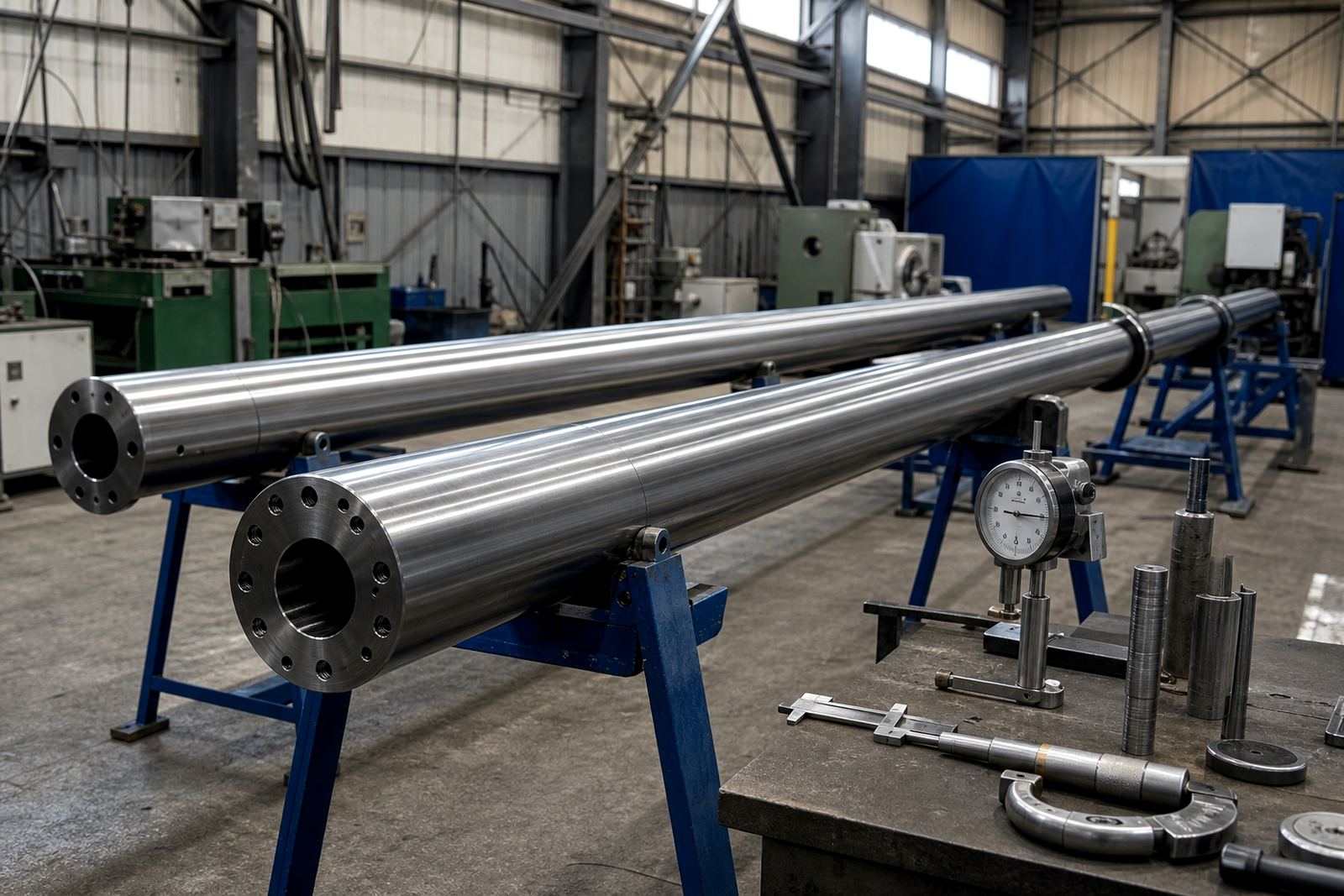
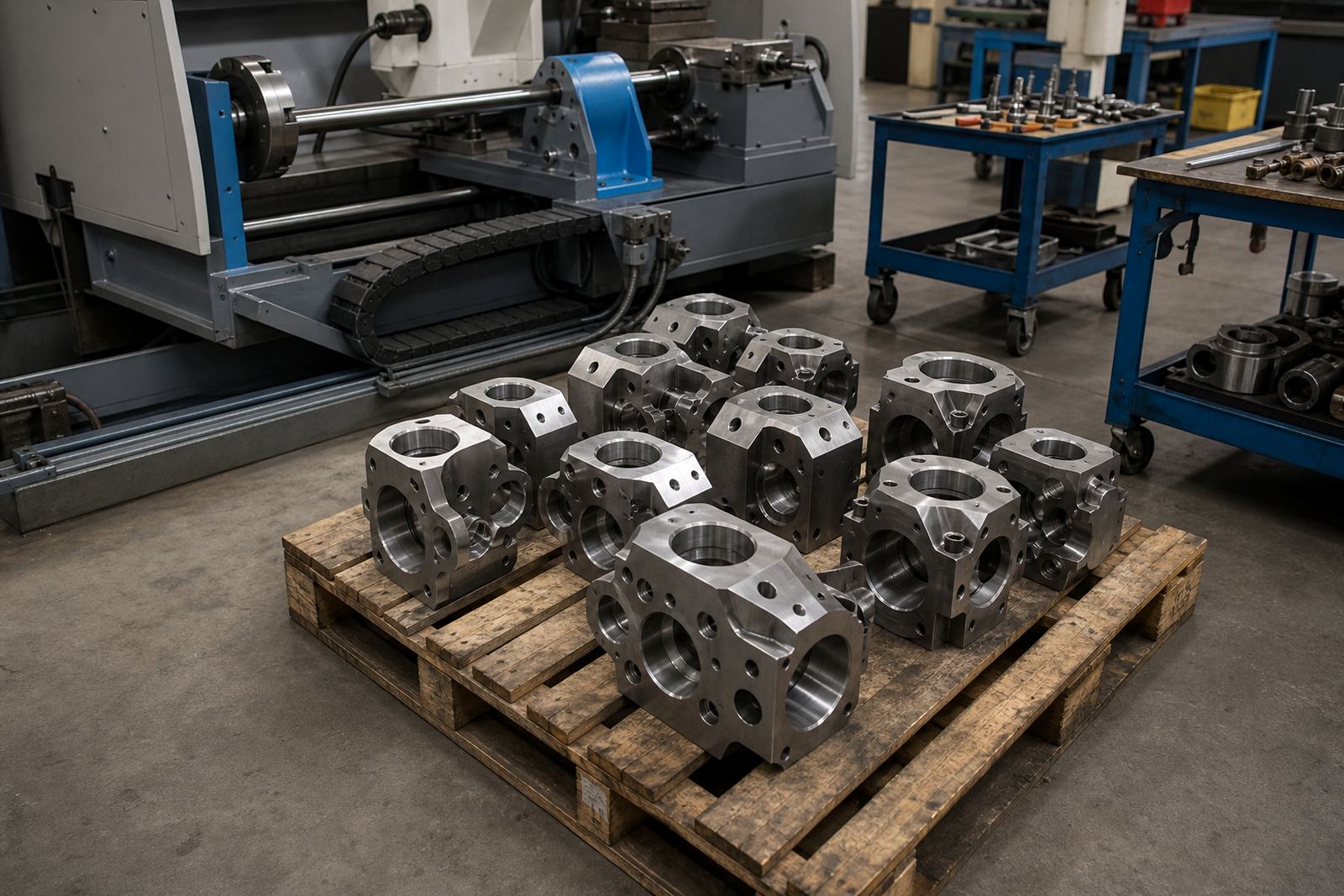
Deephole works with manufacturers and engineering shops that need controlled drilling for specialised components such as housings, shafts, blocks, sleeves and other precision parts used in regulated programmes. The aim is not just to drill deep, but to do it repeatably, with a process that can be monitored, documented and adjusted when the material or geometry changes.
For many Gauteng and coastal factories, the challenge is not one single difficult job. It is keeping a process stable across small batches, urgent orders and changes in material supply. That is where machine setup, alignment and tooling choice become as important as the machine itself.
Typical machine set-up for this use case
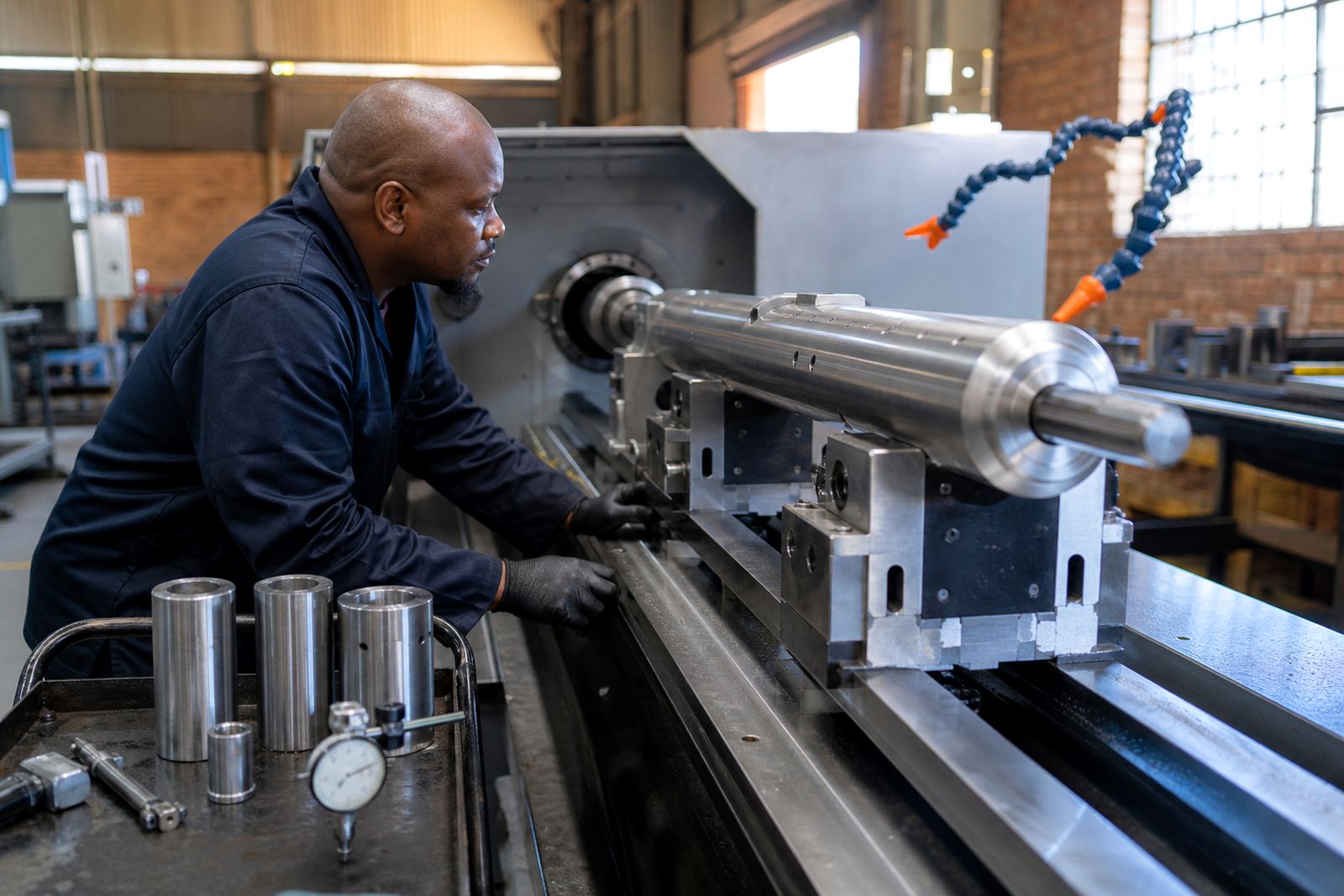
For defence parts, the usual setup depends on the component, but it often includes a deep-hole drilling machine or gun-drilling machine, the correct tooling package, coolant control and a reliable workholding arrangement. Some jobs also need deep-hole boring capability for later-stage finishing or correction work.
In practice, a good production cell needs more than the machine frame. It needs stable support equipment, a clean working area and a plan for handling tool wear, chip control and part inspection. If a shop is running tighter tolerances, setup discipline becomes critical. One loose clamp or poor alignment can ruin a part after hours of cycle time.
- Gun-drilling machine for long, controlled holes
- Deep-hole boring machine for finishing or correction work
- Tooling matched to material type and hole diameter
- Coolant system service and chip management
- Alignment checks and regular process verification
- Operator training for repeatable loading and setup
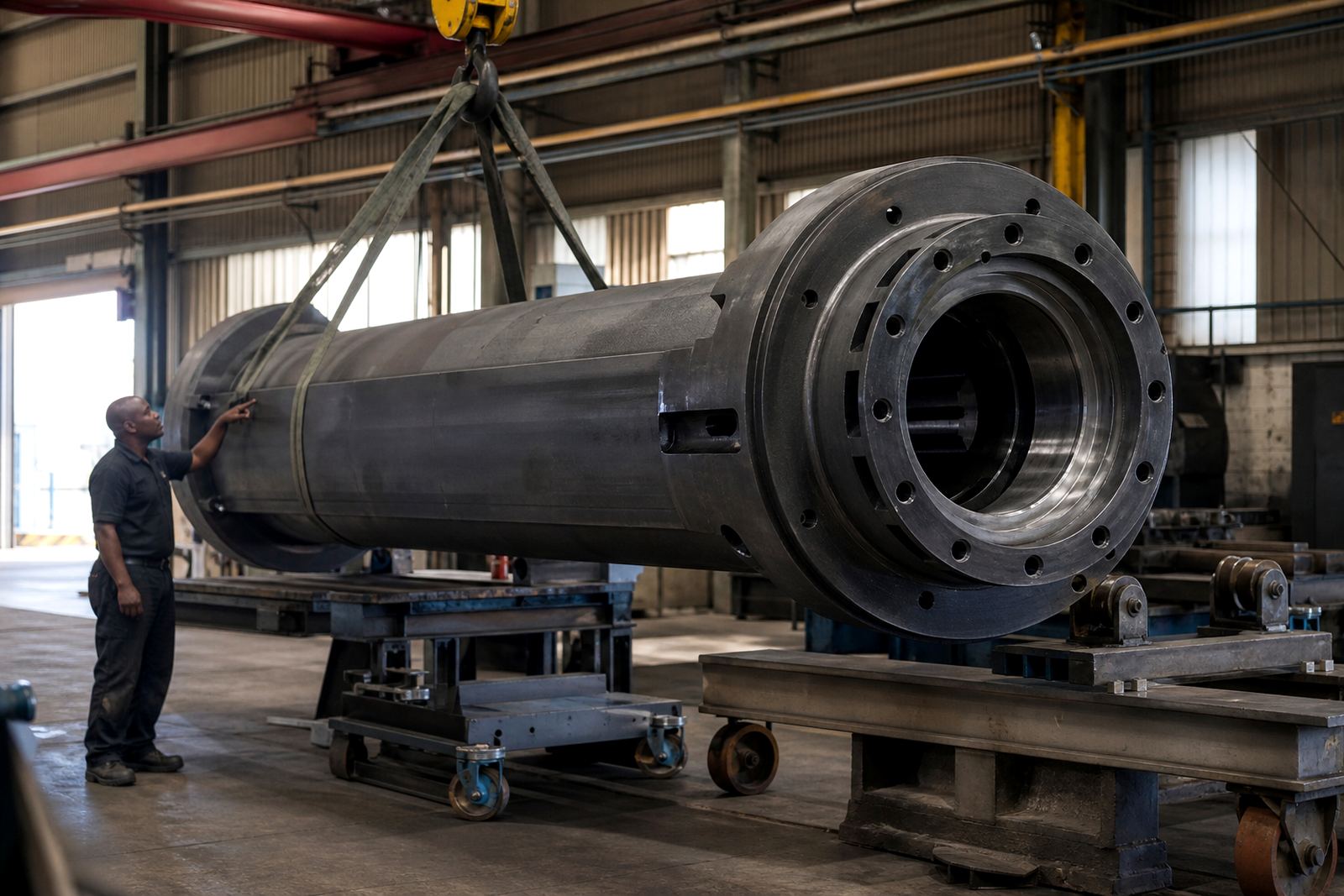
Where parts move between turning, drilling and inspection, the layout should allow a clear flow so operators are not carrying heavy components across the shop floor more than needed.
Layout and planning advice before you buy
A deep-hole machine should be planned around the part family, not only the floor space available. If the machine is for long parts, check whether there is enough infeed and outfeed space, room for material handling, and a sensible position for coolant service access. In some shops, the machine fits, but the workflow doesnt.
It also helps to think about the power supply, compressed air if needed, and local site conditions. In South Africa, load-shedding can interrupt production, so the shop should plan for safe restart procedures and protect controls and stored settings. On the coast, humidity can affect tooling storage and machine care, so that must be factored in from day one.
Deephole supports installation, commissioning and production startup so the machine is not just delivered and left. The point is to get the process running properly with the right tooling, the right setup sequence and a practical maintenance routine for the team on the floor.
- Measure the longest part and the full loading envelope
- Check floor loading, access doors and machine service space
- Plan for chip removal and coolant maintenance
- Allow space for inspection and tool prep close to the machine
- Decide who signs off setup changes during production
Common mistakes on defence part work
One common mistake is treating deep-hole drilling like a standard machining job. It is not. The process is sensitive to alignment, tool condition and coolant delivery, so a machine that is out by a small amount can create much bigger problems deeper in the hole.
Another mistake is choosing tooling too early without understanding the part material and hole requirements. If the tooling is not matched properly, the team may see poor finish, drift, short tool life or inconsistent cycle times. That adds cost and can delay a contract that already has tight timing.
It is also easy to overlook training. Even an experienced machinist can lose time if the machine is new, the tooling arrangement is unfamiliar or the process has a different boring sequence. A short learning period is normal, but it should be managed with proper support not guesswork.
- Poor alignment before first production run
- Inadequate coolant flow or dirty coolant
- Tooling selected only on price, not on process fit
- Skipping operator training and setup checks
- Ignoring preventive maintenance until a breakdown happens
Budget ranges for machines, tooling and support
Budget planning for defence parts should include more than the machine price. A complete purchase may include tooling, installation, commissioning, training, spare parts support and any coolant or alignment work needed to start production properly. The right figure depends on the machine size, process demands and how much support the shop needs during startup.
As a practical guide, smaller entry-level setups may start in the lower hundreds of thousands of Rand, while more advanced production systems with tooling packages and commissioning can run well into the higher hundreds of thousands or beyond. Support items such as training, preventive maintenance and spare parts planning should also be budgeted, because those costs affect output every month.
For regulated work, the cheaper option is often the most expensive one if it causes scrap, rework or downtime. A better approach is to match the machine and tooling to the parts you actually make, then plan for the first six months of production with proper support in place.
How Deephole supports defence part production
Deephole is based in Benoni, Gauteng and supports manufacturers and engineering shops across Johannesburg, Pretoria, Durban, Cape Town, Gqeberha and the East Rand. Our team handles machine installation, commissioning, tooling selection, setup optimisation, operator training, process troubleshooting and breakdown support.
For defence part work, that support is usually about getting the process stable and keeping it that way. Marius Jacobus van Rensburg leads the business, with support from Ayanda Mokoena on sales engineering, Johan Smit on applications, Noluthando Dlamini on service coordination, Francois du Plessis on machine work, Leanne Naidoo on training and Sibusiso Khumalo on tooling support.
If you are planning a new line, upgrading an existing machine or trying to reduce rework on deep-hole parts, the best first step is to send an enquiry through the contact page. From there, Deephole can help assess the job, the tooling and the support needed for a workable setup.