When Roller And Shaft Jobs Need More Than A Standard Drill
Rollers, drive shafts, hydraulic shafts and similar cylindrical parts often look simple until the hole length goes deep and the tolerances tighten. At that point ordinary drilling can struggle with wander, heat build-up and chip clearance. In Gauteng workshops and coastal plants alike, that means extra rework, more scrap and longer machine time.
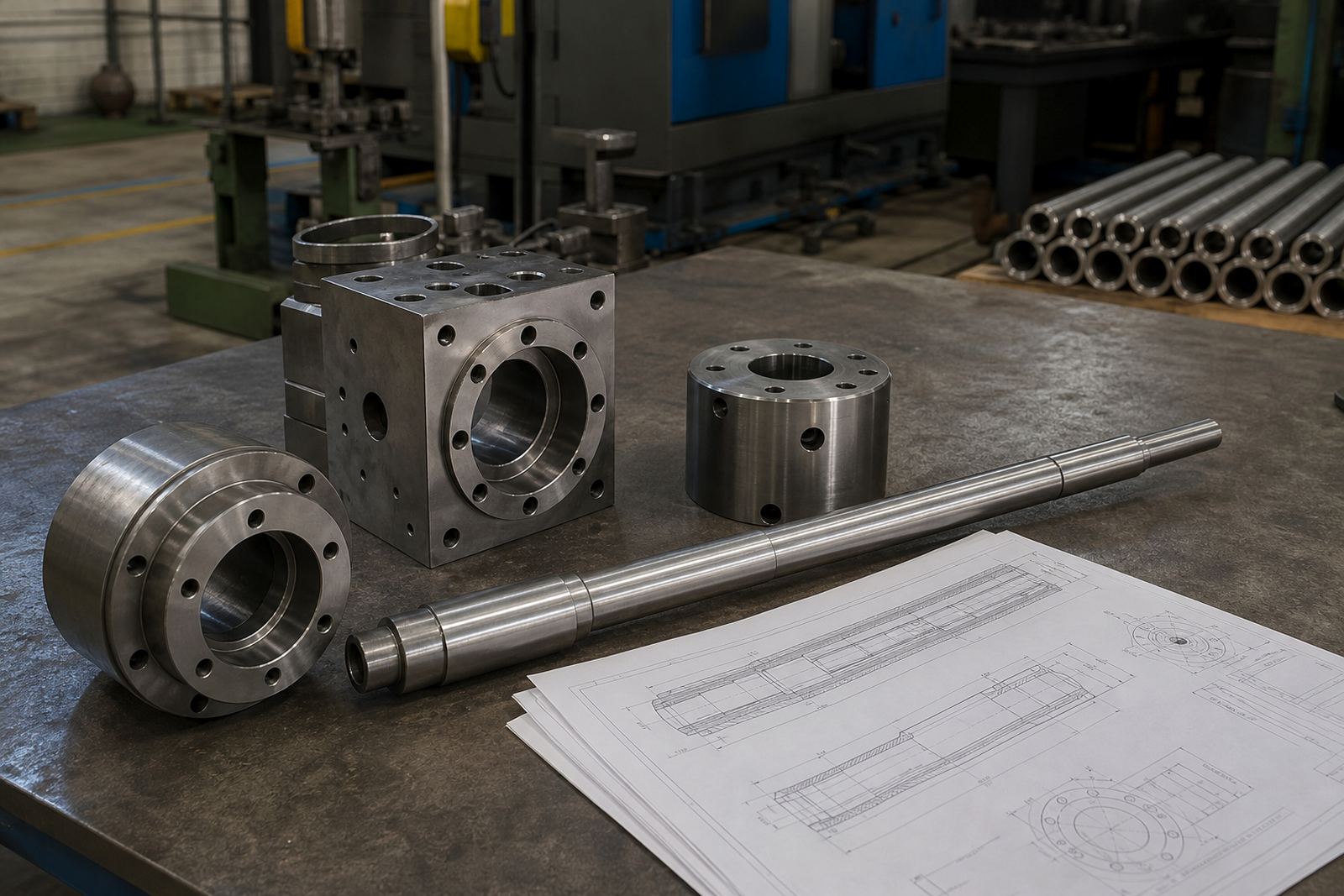
We work with manufacturers that need long-hole drilling on production parts where straightness and repeatability matter. The usual situation is a shaft that must stay accurate over a long length, or a roller body that needs internal drilling before further machining, balancing or assembly. The right machine and set-up depends on the material, hole depth, batch size and whether the part is a one-off or a repeat job.
For these applications, the main goal is controlled drilling with stable support, suitable tooling and a process that the operators can repeat without guessing. That is where gun-drilling and deep-hole boring equipment becomes the practical choice.
Typical Equipment Set For Long-Hole Work On Cylindrical Parts
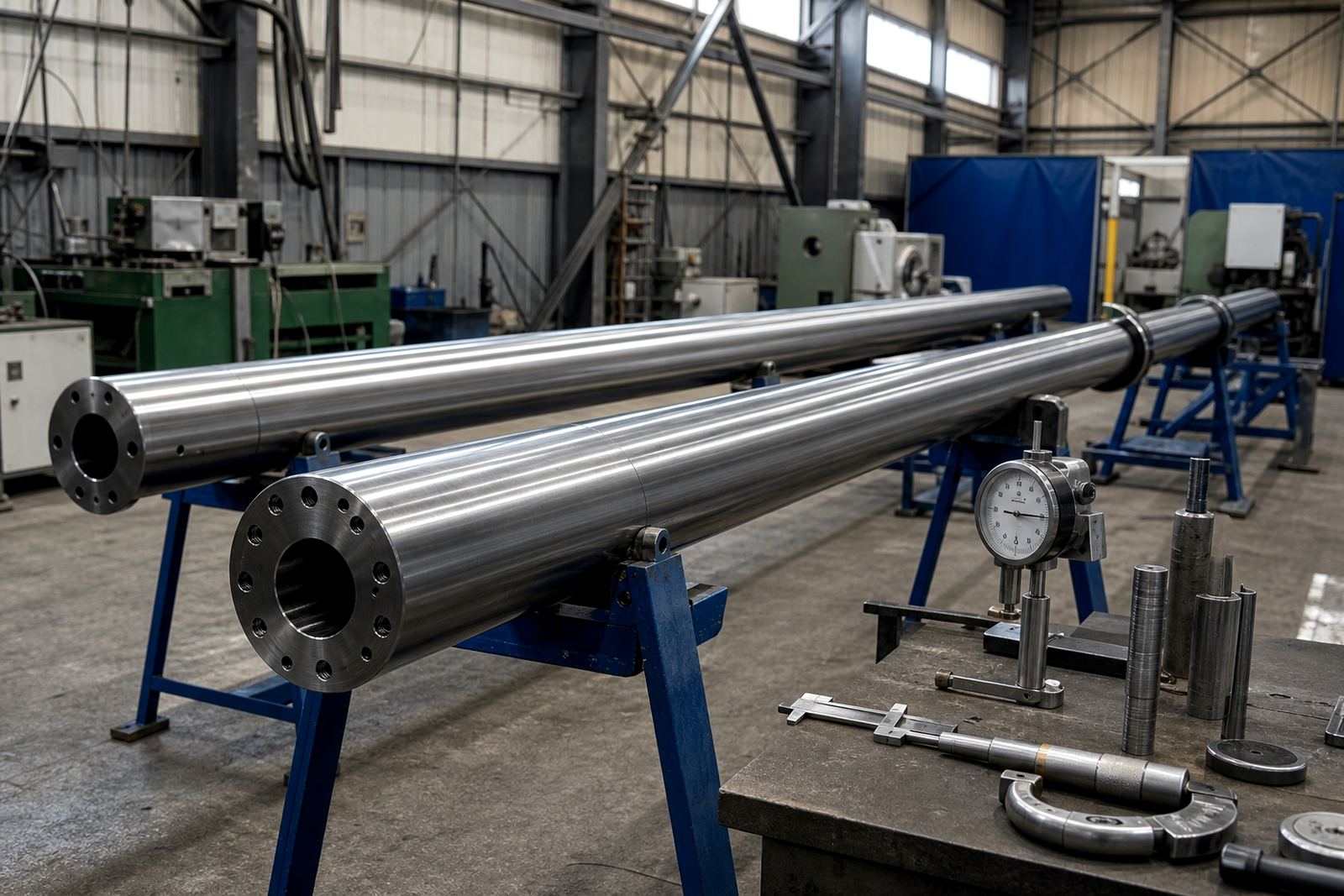
A complete production set-up usually involves more than the machine alone. You need the drilling machine, correct tooling, coolant support, accurate workholding and a way to handle long parts safely. On rollers and shafts, good fixturing matters because a small alignment error can become a costly problem over the full length of the bore.
- Gun-drilling machine or deep-hole boring machine suited to the part length and material
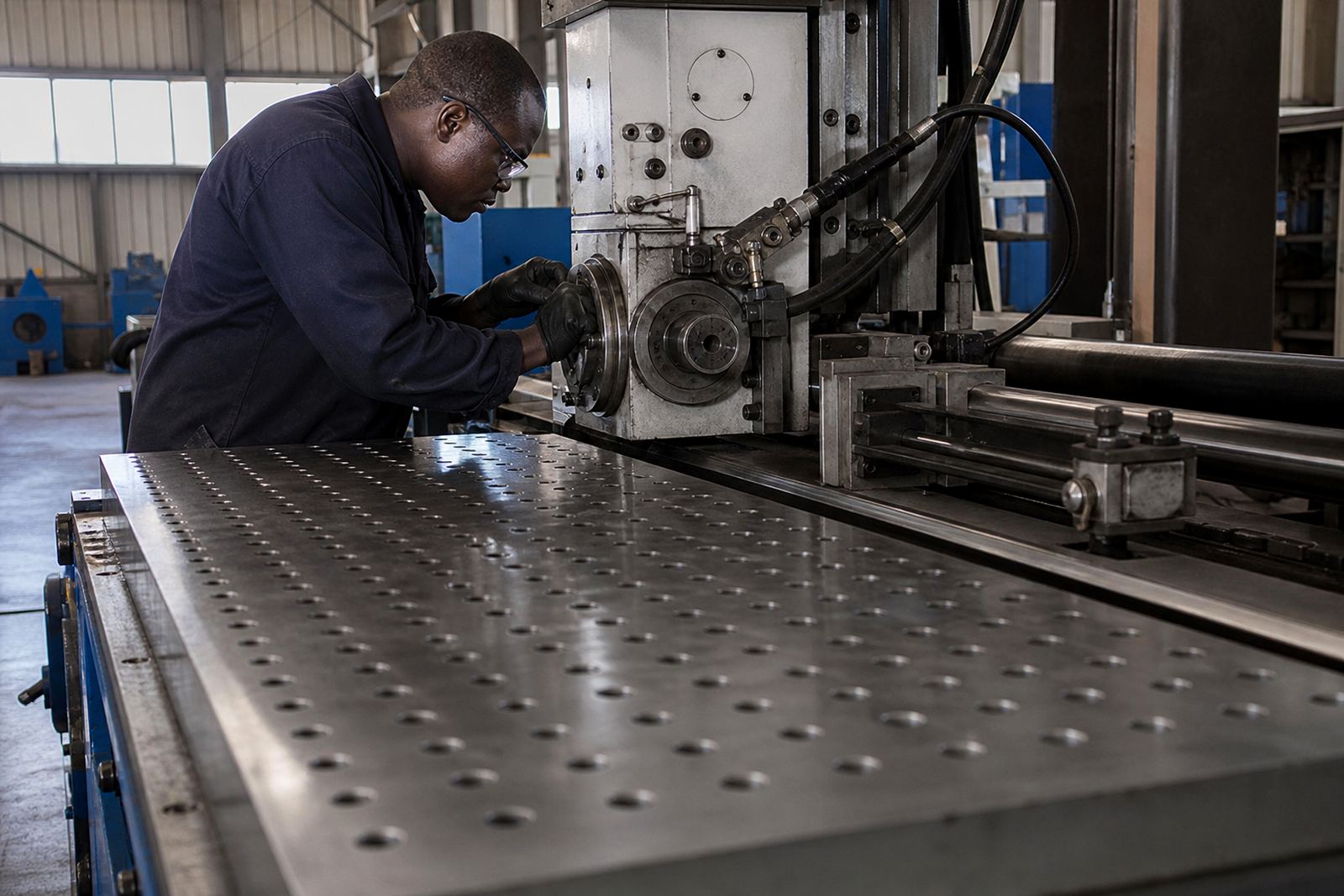
- Workholding for shafts, rollers and cylindrical blanks
- Tooling selected for the hole diameter, depth and finish required
- Coolant system support for chip evacuation and heat control
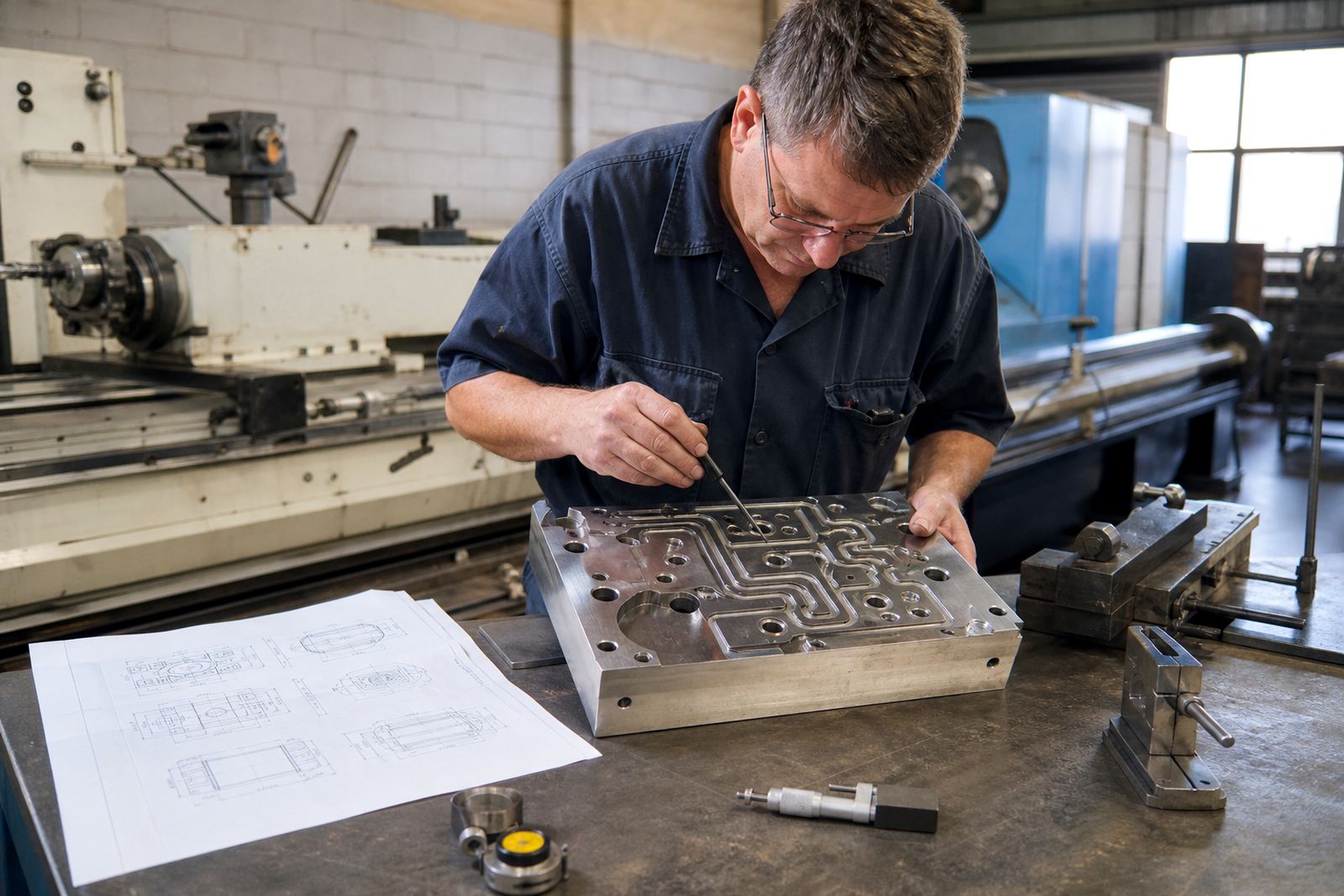
- Alignment checks before production starts
- Operator training so changeovers and setups stay consistent
We help customers choose tooling and support items around the machine, not just the machine itself. That includes setup planning, production startup and spare parts support so the line keeps moving when load-shedding, maintenance or breakdowns interrupt the day.
Planning The Layout Before The First Shaft Runs
Good planning saves time later. For long cylindrical parts, the shop needs enough floor space for loading, part support and operator movement. The machine should sit where long material can be handled without awkward lifting or unsafe manual movement. In busy Johannesburg and Pretoria workshops, this often means thinking carefully about incoming raw stock, finished part storage and access for service work.
If the job is going into a production cell, plan the path from raw stock to inspection. The layout should allow for safe loading, coolant management and easy cleaning. In humid coastal areas such as Durban and Gqeberha, corrosion protection and coolant care are also important, especially if parts wait between processes. If the site is subject to municipal limits or power interruptions, it helps to plan for restart checks and coolant system service as part of the routine.
We also advise customers on where operator training fits into the layout. A setup that is easy to access but hard to monitor often leads to mistakes. A better arrangement is one where the operator can check alignment, tool condition and chip flow without stopping the whole process every few minutes.
Common Mistakes On Rollers And Shafts
Most problems on long-hole jobs come from rushing the setup or trying to use the wrong method for the part. A roller or shaft can look forgiving from the outside, but the bore still needs control from start to finish. Once the hole starts drifting, correcting it can cost more than the part is worth.
- Using general-purpose drilling methods where deep-hole tooling is needed
- Poor clamping or support on long, slender parts
- Skipping alignment checks before production starts
- Ignoring coolant flow and chip removal
- Running worn tooling until finish and straightness drift
- Not training operators on setup changes and process checks
We often see issues after a breakdown or after a new job is moved onto an existing machine without proper adjustment. That is where process troubleshooting and preventive maintenance help. A short inspection can prevent a full day of lost production, and in some cases it stops damage to the workpiece and the machine itself.
Budget Ranges For Machine, Tooling And Startup Support
Budgets vary widely because the right solution depends on the part size, hole depth, batch volume and level of automation. For South African buyers, it is useful to separate the spend into machine, tooling, installation and startup support. That way the full cost is easier to compare against production needs.
For planning purposes, lower-complexity setup support and tooling packages may sit in the tens of thousands of Rand, while a larger machine project with installation, commissioning and production startup support can move into the higher Rand range depending on the application. Tooling selection, spare parts support and coolant system service should also be allowed for, because they affect day-to-day output and not just the purchase price.
If you are budgeting for a new line or replacing an older machine, it is worth setting aside funds for operator training and alignment checks as well. These services do not only help on day one. They also reduce the risk of scrap when new staff take over or when the machine is moved between jobs.
Support Across Benoni And Major South African Centres
Deephole is based in Benoni, Gauteng and supports manufacturers and engineering shops across South Africa, including Johannesburg, Pretoria, Durban, Cape Town and Gqeberha. Our team covers machine installation, commissioning, tooling selection, setup optimisation, operator training and breakdown support. That matters on roller and shaft work because many problems show up during the first run, not after months of production.
Our support team includes people who handle sales, applications, service coordination, machine work, training and tooling. That means the advice you get is tied to the practical side of production, not just the sale. If a shaft job needs process changes, special tooling or a better coolant approach, we can help plan it properly before the batch starts.
Clients reach us through the enquiry form on our contact page. From there we can review the part, the expected hole length and the production setup, then discuss the machine, tooling and support needed for the job.
Getting The First Production Run Right
For rollers and shafts, the first production run sets the standard. If the machine is aligned, the tooling is correct and the operator knows the sequence, the job becomes repeatable. If those basics are missed, every later batch carries the same problem.
We help customers prepare for production startup, whether the work is for general engineering, rotating equipment, hydraulic components or custom cylindrical parts. The aim is simple: accurate long-hole drilling with less waste and fewer stoppages, even when power interruptions, busy shift patterns or demanding materials get in the way.
When the setup is right, deep-hole work on rollers and shafts becomes predictable enough to plan around. That is what keeps production moving.