
Why valve bodies need accurate deep-hole drilling
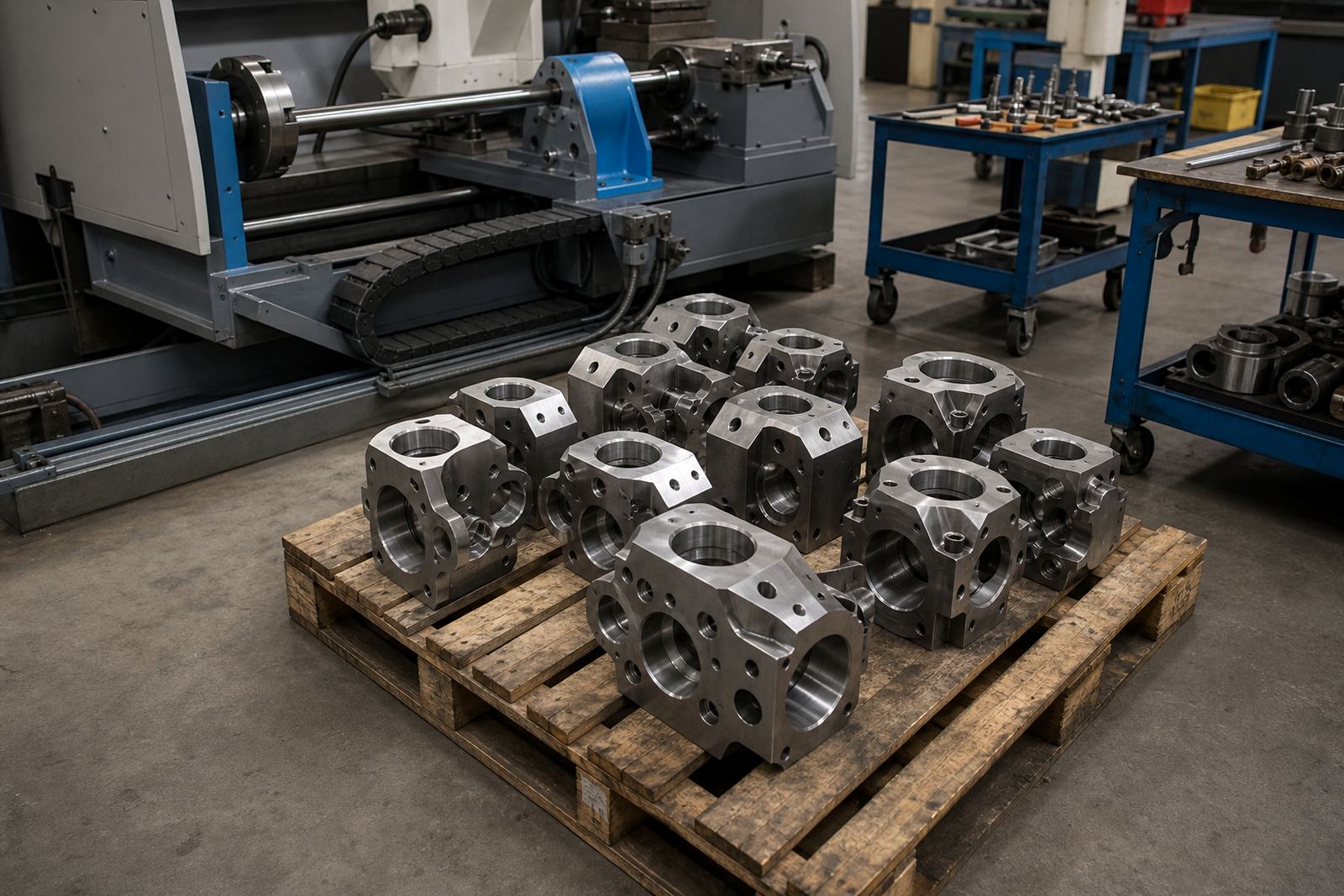
Valve bodies often look straightforward from the outside, but the real work sits inside the part. Internal passages, intersecting holes and control channels need to meet in the right place, at the right angle and with a clean finish so the body can be machined further, assembled and tested without rework.
In many shops, the challenge is not only making the hole, but keeping it straight through varying wall sections and across different materials. Small errors can lead to poor flow, leakage, uneven wear or extra time on finishing. That is why gun-drilling and deep-hole boring machines are used where normal drilling starts to drift or leaves too much variation for production work.
For valve bodies, control blocks and related components, the aim is consistent passage alignment from one part to the next. On repeat work, even a minor setup problem can multiply quickly. A sound drilling process saves time on inspection, keeps scrap down and makes later machining easier for the rest of the job.
Typical machine set-up for valve body work
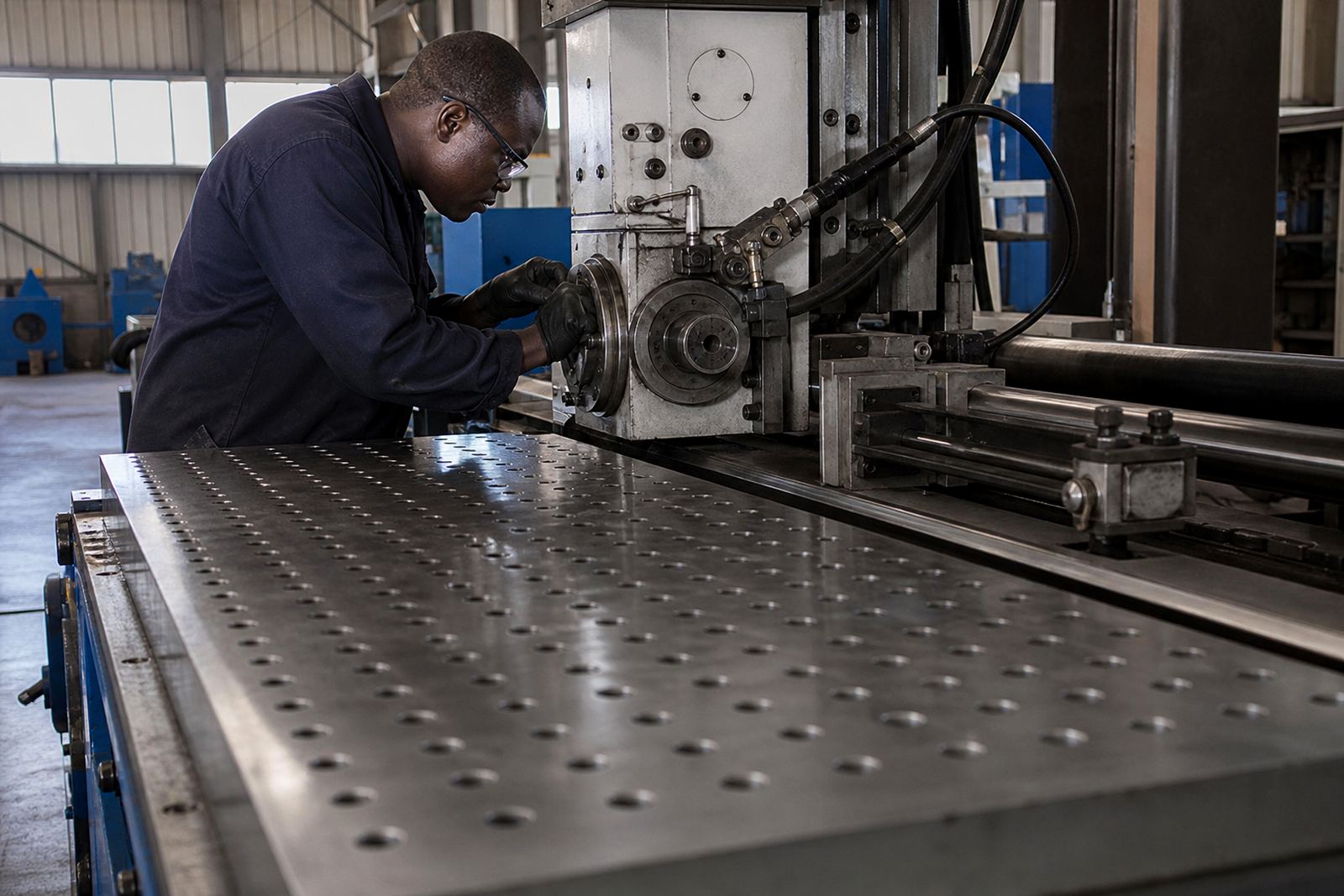
The right equipment depends on the size of the body, the material and how the passages are arranged. Some jobs suit gun-drilling for long, straight holes with good positional control. Others call for deep-hole boring where larger diameters or different machining steps are needed. Many shops use a mix of machine types and tooling to suit different valve families.
A practical production set-up usually includes:
- Gun-drilling or deep-hole boring machine matched to the part size
- Proper workholding and fixture plates that support the body without distorting it
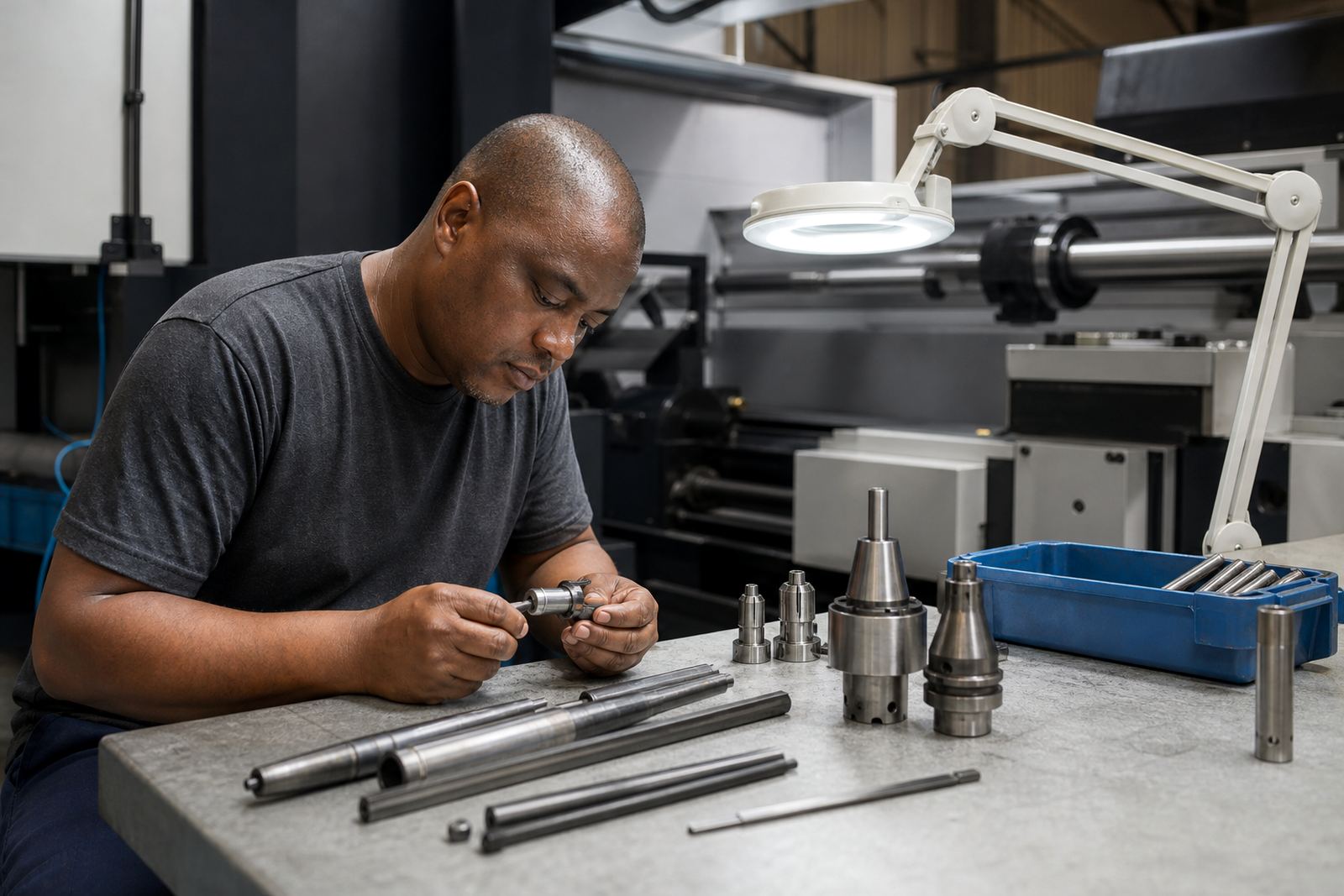
- Guides, bushings and tooling sized for the passage being drilled
- Coolant delivery and filtration suitable for long-cycle drilling
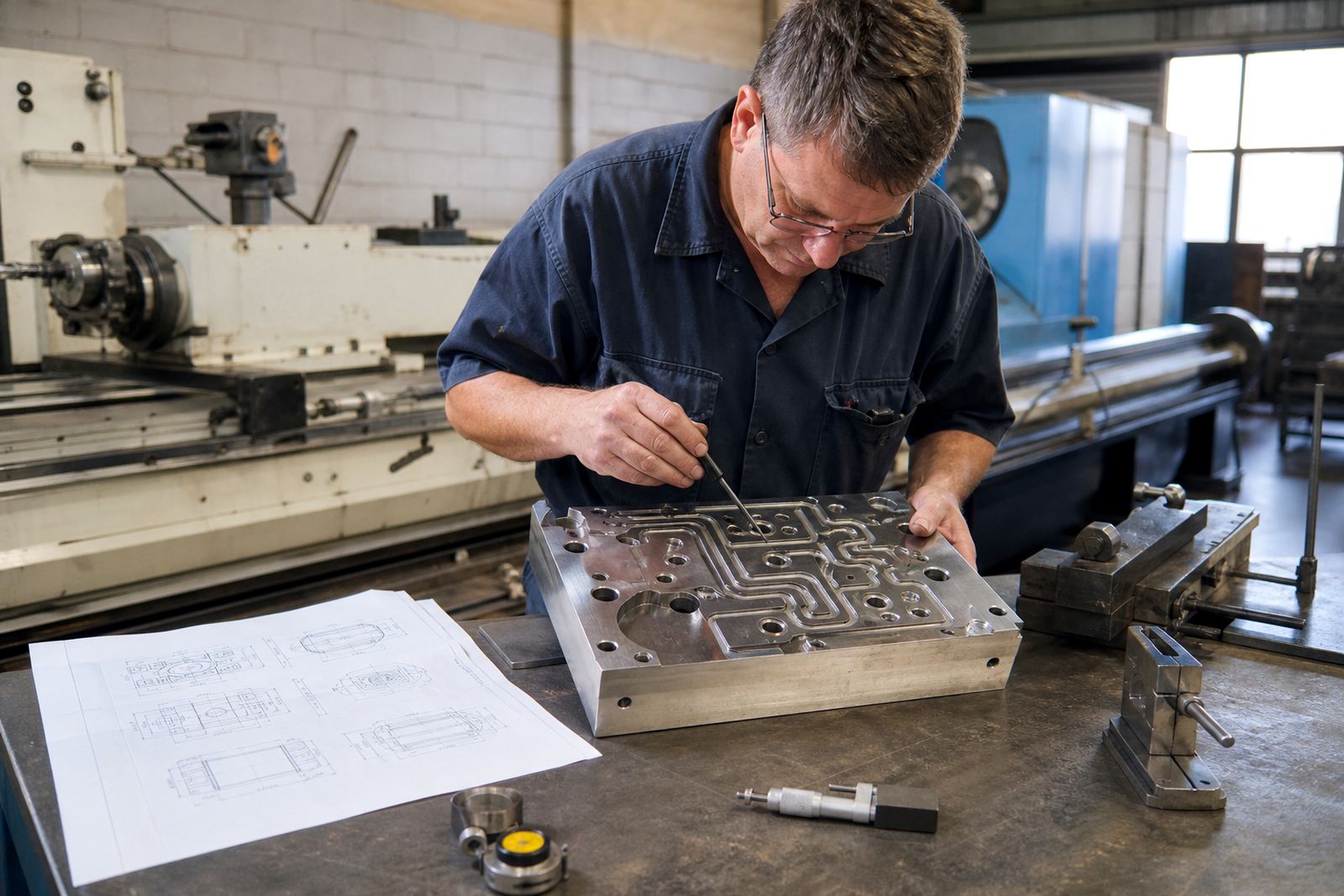
- Measuring tools for checking location, straightness and depth
In Benoni and the wider East Rand, many workshops are working around power interruptions, limited floor space and mixed production runs. That makes a stable set-up important. If the fixturing is awkward or the coolant flow is inconsistent, the machine will spend more time waiting than cutting.
Layout planning before the first hole is drilled
Before production starts, the part drawing and machining sequence should be checked carefully. Valve bodies can have blind passages, stepped holes, intersecting bores and features that leave little room for error. Planning the sequence matters because one passage can influence the next. If the order is wrong, you may block access, weaken the part or create burrs that are difficult to remove later.
Good planning also covers coolant access, chip removal and how the body will be loaded and unloaded. For shops supplying Johannesburg, Pretoria, Durban, Cape Town or Gqeberha, transport and turnaround times may differ, but the process concerns stay the same. The machine operator should know which hole is critical, which face is the datum and where the inspection points are before the first setup is approved.
- Confirm datum points and clamping positions before machining
- Check whether the hole sequence will affect later operations
- Plan for deburring and cleaning between steps
- Allow enough access for probing or manual inspection
Common mistakes that create scrap or rework
Valve body drilling problems often start small. A fixture that is slightly off, a worn tool, or an unclear drawing note can turn into a part that no longer meets spec. In some cases the hole is technically present, but it is not where it should be. In others, the bore finish is uneven and the part needs extra handwork before it can move on.
Typical mistakes include poor clamping that distorts the body, incorrect coolant pressure or flow, rushing the setup, and not checking tool condition often enough. Another common issue is assuming all internal passages can be drilled in one sequence without considering chip evacuation. When chips pack inside the bore, finish and accuracy both suffer.
We also see problems where the machine is sound, but the support process is weak. Operators need clear instructions, the tooling needs to suit the job and maintenance should be done before the machine starts giving trouble. A preventive approach is usually far cheaper than stopping production after a failed part batch.
Support for setup, training and production start-up
Deephole supports valve body work from the first machine discussion through to production start-up and ongoing support. Our team covers machine installation, commissioning, tooling selection, setup optimisation, operator training, process troubleshooting, preventive maintenance, breakdown support, spare parts support, coolant system service and alignment checks.
For a shop taking on new valve body work, the first few jobs are often the most important. That is where the process is defined: which tooling works, how the part should be clamped, how long each cycle takes and what checks must happen at each stage. Once that is settled, the shop can repeat the work with less risk and better throughput.
Our Benoni base supports customers across Gauteng and throughout South Africa. Whether a client is in Johannesburg, Pretoria, Durban, Cape Town or Gqeberha, the goal is the same: a machine set-up that suits the part, the material and the way the workshop actually runs day to day.
Budget ranges for valve body drilling projects
Budget depends on the part size, the level of automation needed, tooling choice and whether the workshop is setting up a new line or improving an existing one. For valve body work, it is usually worth separating the budget into machine cost, tooling, workholding, commissioning and training. That gives a clearer picture than looking at the machine alone.
As a rough planning guide, smaller tooling and set-up improvements may sit in the tens of thousands of Rand, while complete machine projects, special fixtures and support packages can run into several hundred thousand Rand or more. The final figure depends on the depth of the holes, the number of passages, the material and how much production support is needed at the start.
For many local workshops, the better question is not only what it costs, but what it saves in scrap, rework and downtime. A machine that is right for the job, properly set up, usually pays back by giving steadier output and less pressure on operators when orders come in hard and fast.