When a fixture plate needs more than ordinary drilling
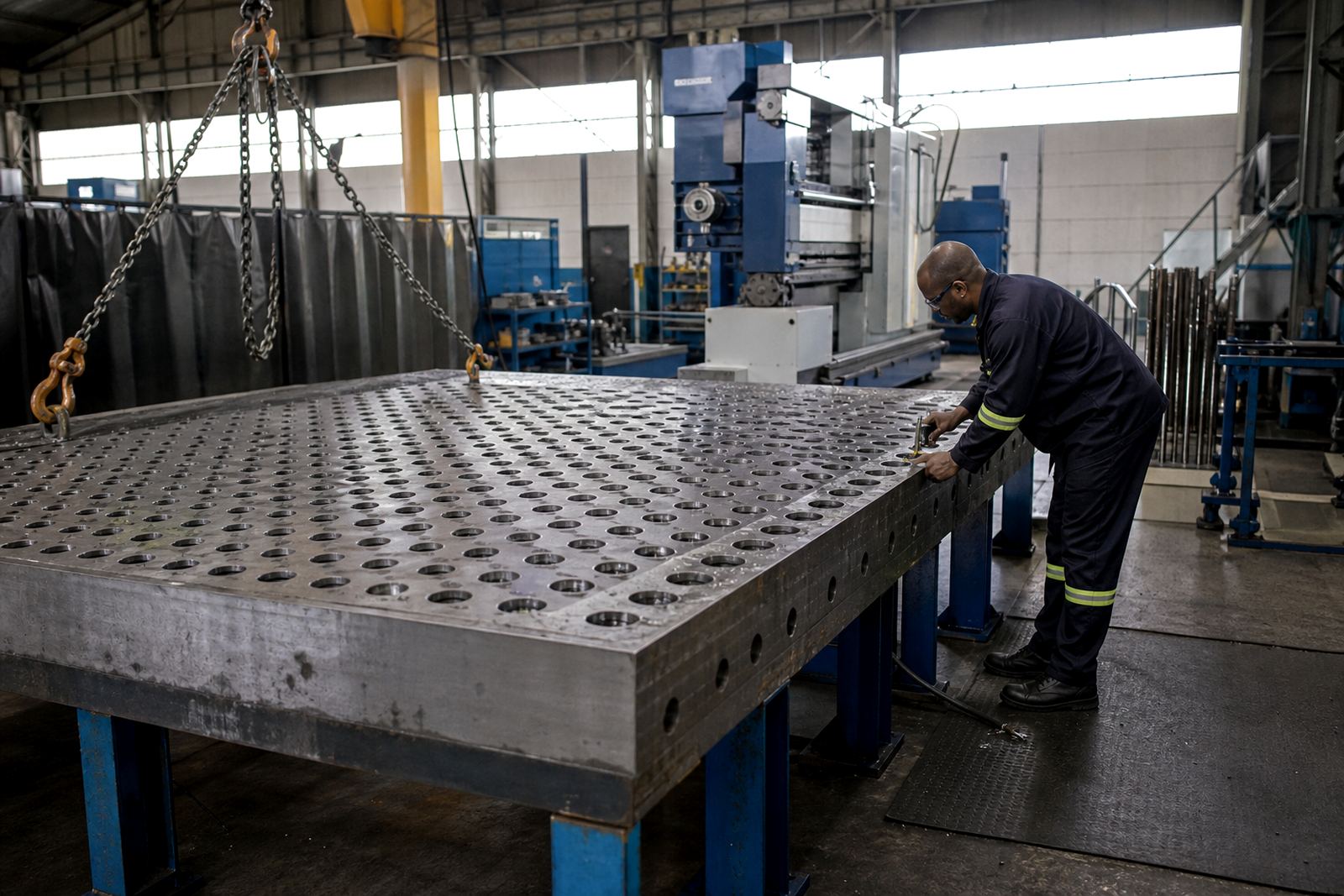
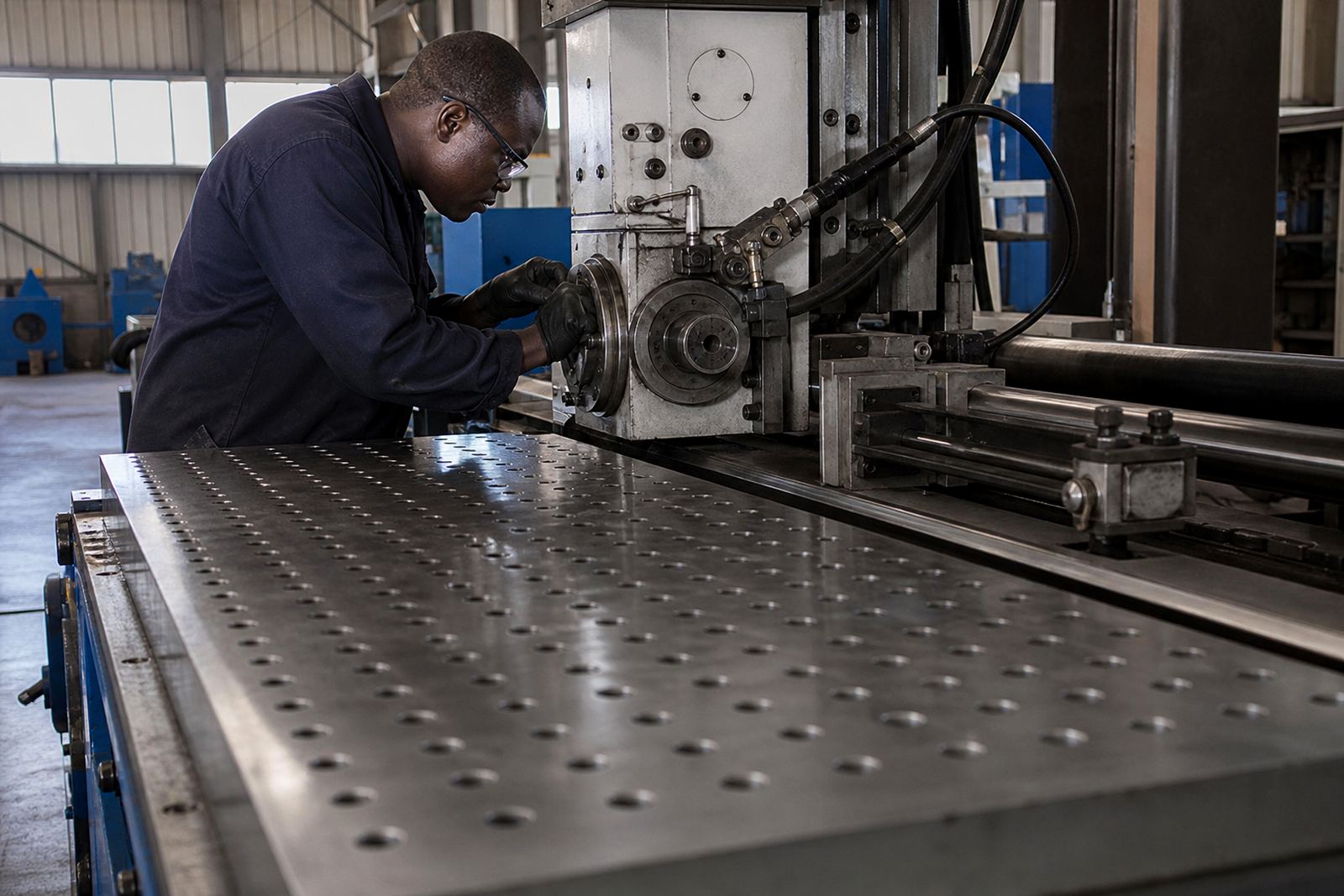
Fixture plates carry clamps, locators, guide bushes and other hardware that must sit exactly where the process needs them. When the plate is being used for repetitive work, even a small error in hole position can show up in poor part location, uneven clamping or extra setup time on the line.
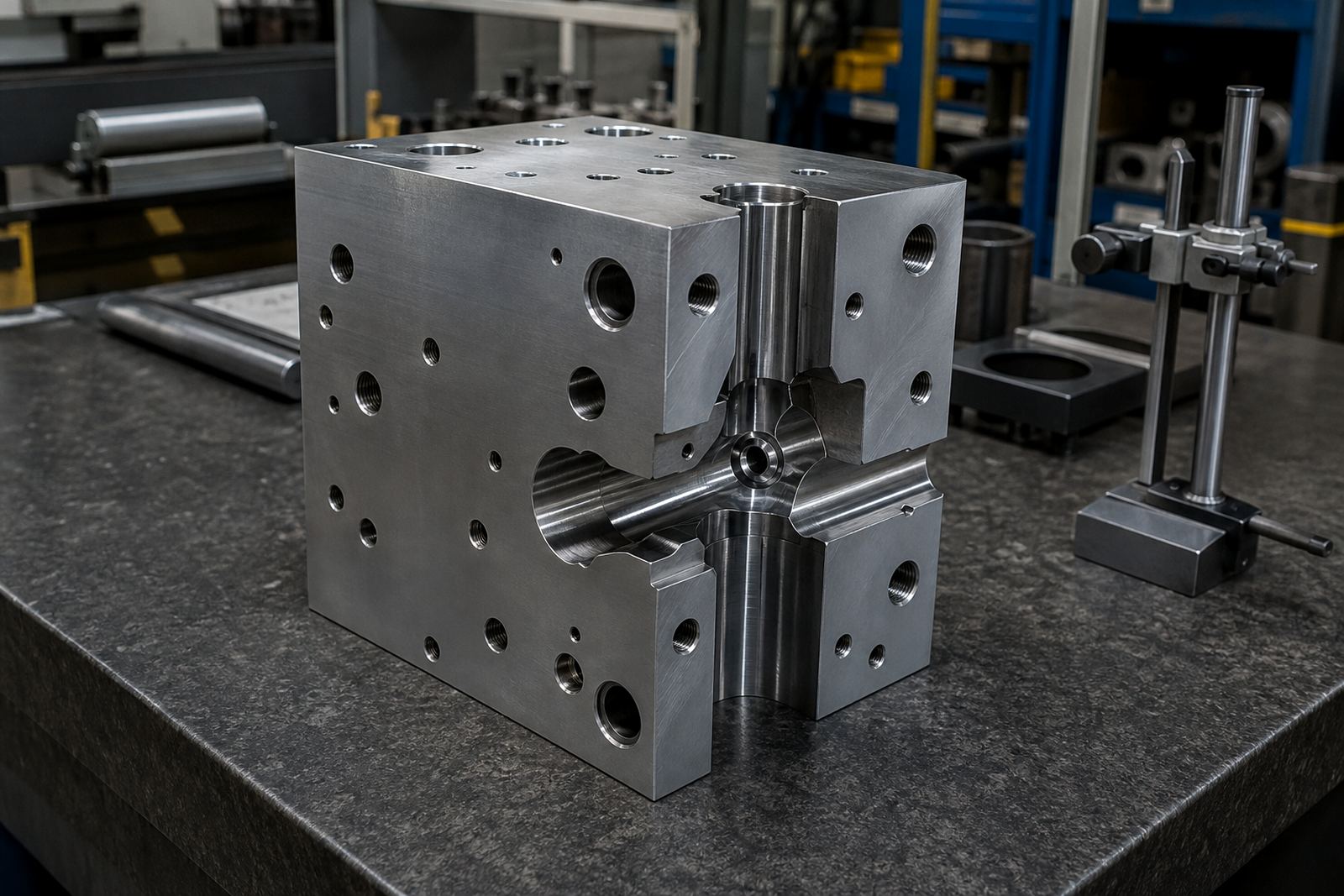
In South African workshops, fixture plates are often made for machining, welding, inspection and assembly work. The plate may need drilled holes that are clean, straight and ready for tapping, reaming or bushing. Where deep, narrow or closely controlled holes are required, gun-drilling or deep-hole boring gives better control than general purpose drilling, especially on thicker plates and higher duty applications.
For clients in Johannesburg, Pretoria, Durban, Cape Town and Gqeberha, the real question is usually not only how to make the holes, but how to make them repeatably on a busy shop floor. That is where careful setup, correct tooling and proper coolant delivery matter.
Typical equipment set for fixture plate work
The equipment set depends on the plate size, material and the required hole quality. Some jobs can be handled with a standard machine and a proper fixturing plan, while others need dedicated deep-hole equipment and careful process control.
- Gun-drilling machine for small diameter, deep or highly controlled holes
- Deep-hole boring machine for larger bores, correction work and tighter bore quality
- Tool holders, bushes and guides matched to the hole size and material
- Coolant system support for chip removal and heat control
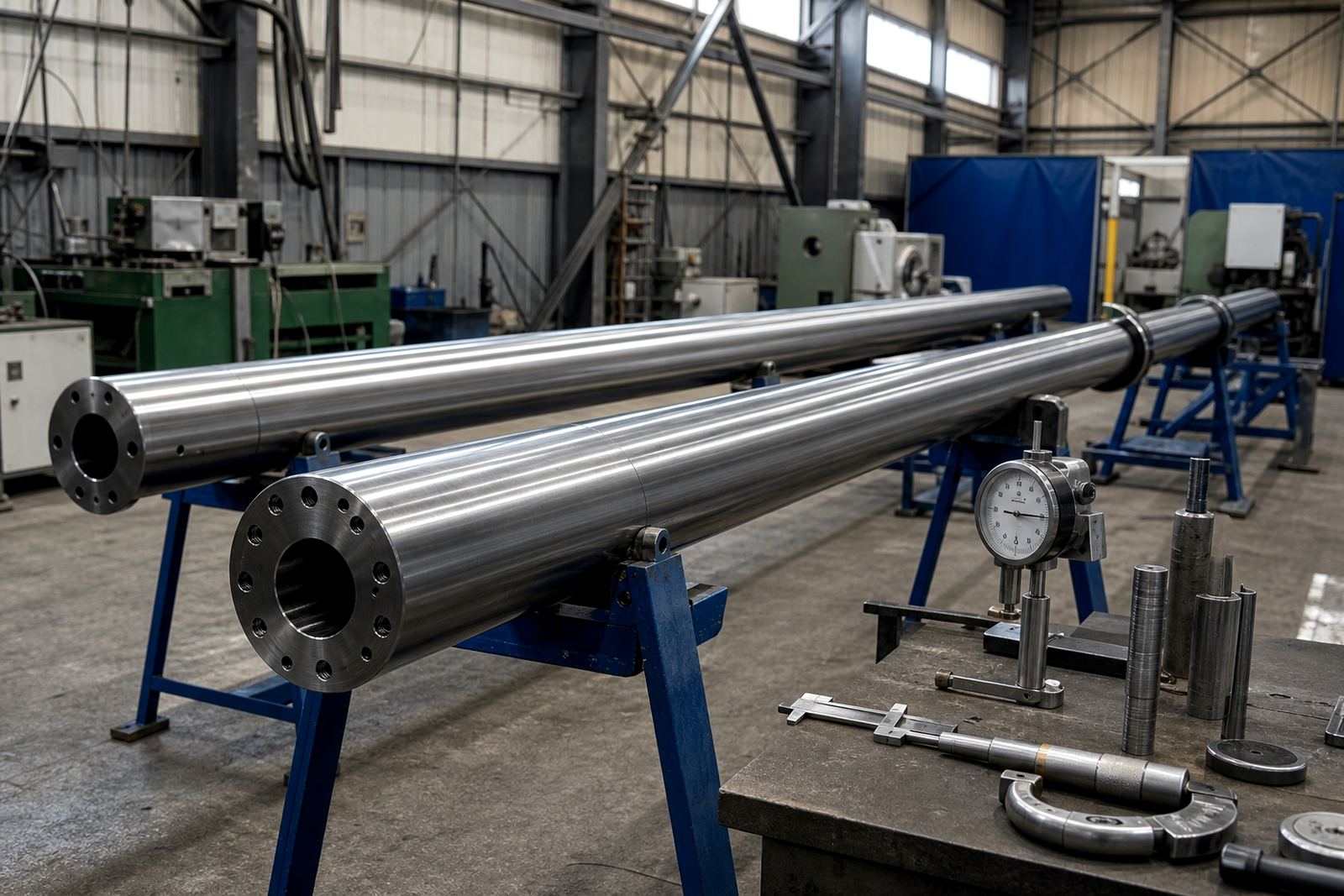
- Measuring tools for alignment checks and hole position verification
- Workholding and clamping arrangements that keep the plate flat during machining
At Deephole, we focus on the practical side of the job. That means helping with tooling selection, setup optimisation, and whether a plate should be drilled in one setup or split into stages to protect accuracy. The best choice is not always the fastest one on day one, but it usually saves time later when the plate has to be used every shift.
Layout planning before the first hole is drilled
Good fixture plates start with a proper layout. Hole spacing, edge distance, plate thickness and access for tools all need to be checked before machining starts. If the plate will carry locators or bushes, the underside clearance and fixing method must also be planned early.
On many jobs, the plate is drawn in a hurry and the drilling stage gets treated as routine. That is where problems begin. A hole that is too close to a clamp point, too near an edge or placed without enough allowance for tapping can create issues that are expensive to correct. In humid coastal areas like Durban and Gqeberha, leaving a plate half finished for too long can also invite surface rust, so the work sequence matters.
Before production starts, it helps to confirm:
- Which holes are functional and which are for mounting only
- Whether holes need drilling, boring, tapping or bush installation
- How the plate will be held without distortion
- What finish is needed on the bore and surrounding surface
- Whether coolant, chips and swarf can be cleared properly during machining
Common mistakes that cost time and money
Most fixture plate problems come from poor planning rather than the drilling process itself. A hole pattern might look simple on paper, but once the plate is on the machine, the details become important. If the machine is not set correctly or the tooling is not suited to the material, the result can be poor location, wandering holes or a finish that does not suit the application.
Another common issue is underestimating the support work around the machine. Plates can be large and heavy, especially in Gauteng manufacturing shops where thicker steel is often used for repeat production work. If the loading arrangement is awkward, setup time grows and the risk of movement during machining goes up.
- Using general drilling when the hole needs better straightness
- Skipping alignment checks before starting the first hole
- Choosing tools that do not suit the plate material
- Ignoring chip evacuation on deeper holes
- Leaving no allowance for maintenance or replacement of bushes
Process troubleshooting is often needed when a plate has already been partly made and something is not right. Deephole can assist with the correction side as well, including alignment checks, tooling review and production startup support after the job has been reset.
Budget ranges for fixture plate drilling work
Fixture plate budgets vary a lot because the cost depends on plate size, hole count, depth, tolerance, tooling and how much setup is involved. A small shop making one-off plates for internal use will usually budget differently from a production plant that needs several matching plates for daily use.
As a broad planning guide, South African buyers often look at the following ranges for drilling related support and setup work, excluding the cost of the plate itself and any major machine purchase:
- Basic tooling and setup support: from about R5 000 to R20 000
- Process setup, alignment checks and commissioning support: from about R15 000 to R45 000
- Special tooling packages or deeper-hole applications: from about R30 000 upward
- Machine installation, commissioning and startup assistance on new equipment: quoted to the job
If a new gun-drilling or deep-hole boring machine is being added to the workshop, the budget needs to include installation, operator training, preventive maintenance planning and spare parts support. Load-shedding also has to be considered, because interrupted power can affect coolant systems, machine warm-up and job scheduling. A practical plant plan will allow for that from the start.
Support for shops across South Africa
Deephole is based in Benoni, Gauteng and supports manufacturers and engineering shops across South Africa, including Johannesburg, Pretoria, Durban, Cape Town and Gqeberha. Our team includes sales, applications, service, training and tooling support, which helps when a fixture plate job needs more than a machine quote.
For fixture plate work, the most useful support is often hands-on. That can include machine installation, commissioning, tooling selection, setup optimisation, operator training, breakdown support, spare parts support, coolant system service and alignment checks. Where a shop is starting a new production run, production startup support can help get the first plates right before the job becomes routine.
Clients reach us through the enquiry form on our contact page. From there, we can discuss the plate, the machine set, the hole requirements and the best route for production in your area.