What medical tooling work usually needs
Medical components leave very little room for error. Whether the job is for surgical instruments, fluid transfer parts, precision sleeves or small production items with deep bores, the process must hold position, surface finish and consistency from first piece to repeat work. In these jobs, poor chip control or a small alignment issue can turn into scrap very quickly.
Clients usually come to us when they need better control on long, narrow bores and cleaner output from the first setup. The aim is not just making a hole, but keeping it repeatable through a full batch and across shifts. That matters especially where QA checks are strict and every part must line up with the next one.
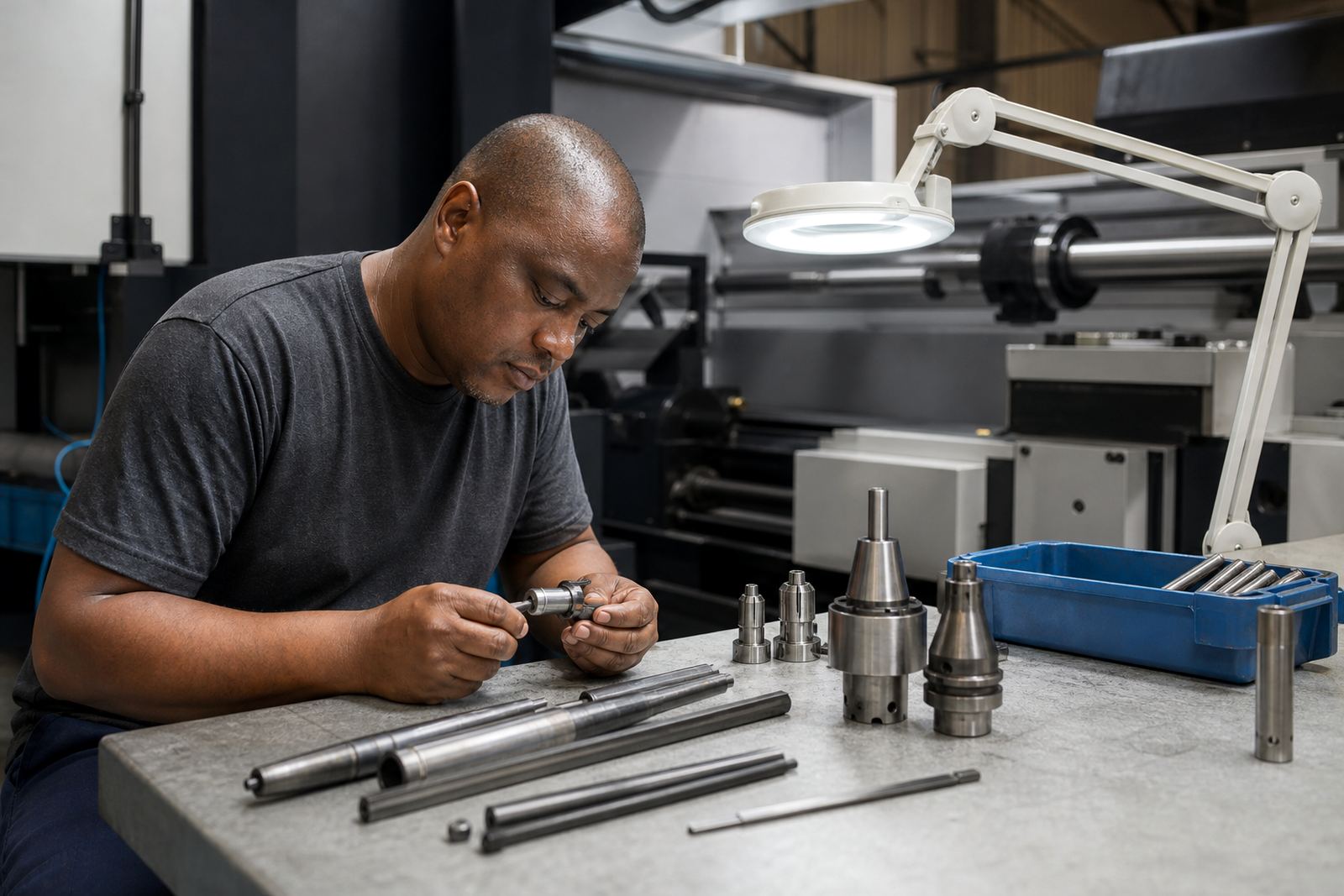
Typical equipment set for medical parts work
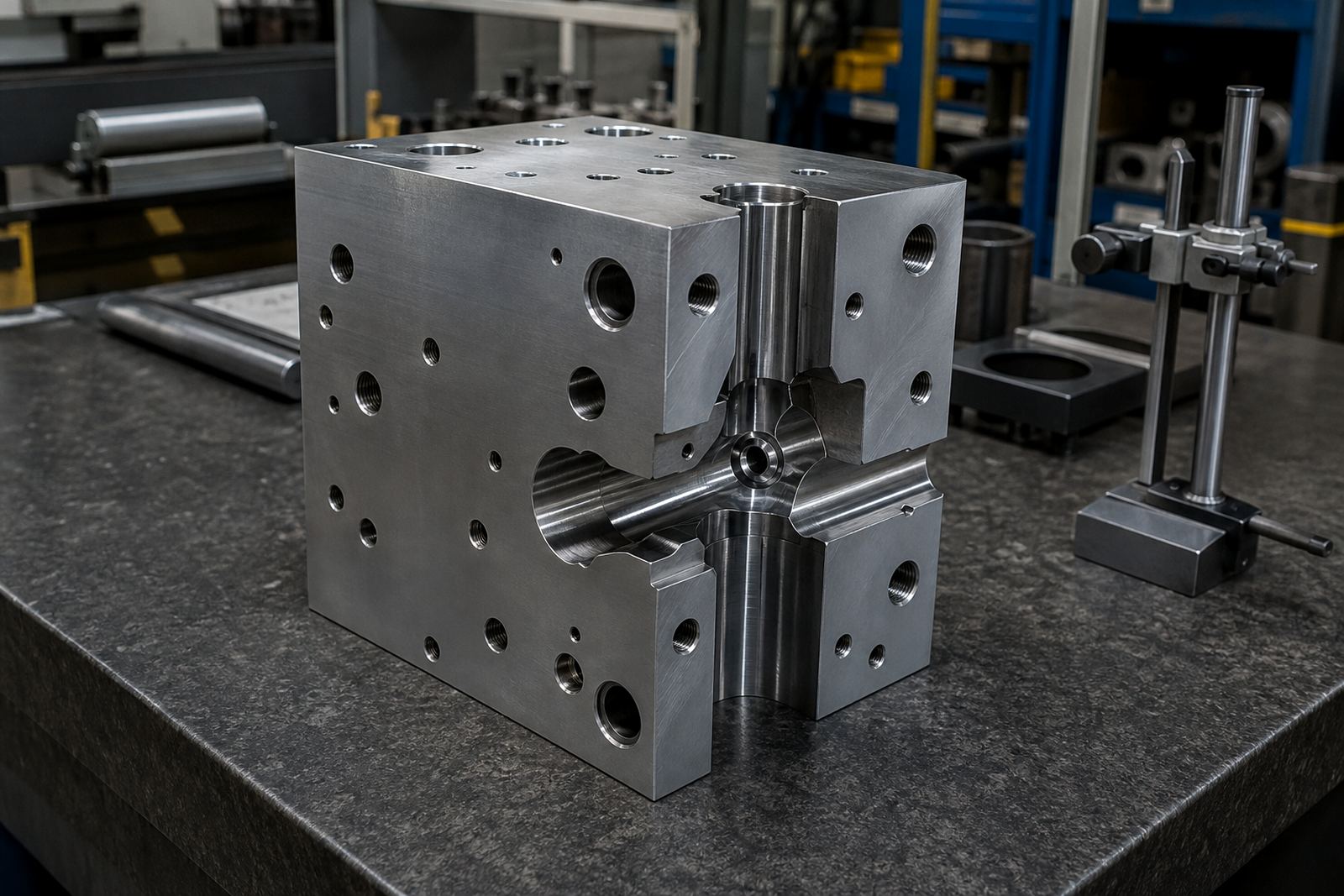
For medical tooling applications, the equipment set is usually built around deep-hole drilling and boring with careful support around the machine. The exact mix depends on the part, the material, and whether the work is short run or ongoing production. We help with machine selection, tooling choice and setup so the line is matched to the job rather than forcing the job to suit the machine.
- Gun-drilling machine for long, straight bores on smaller diameter work
- Deep-hole boring machine for controlled stock removal and finishing
- Tooling packages suited to the material and bore length
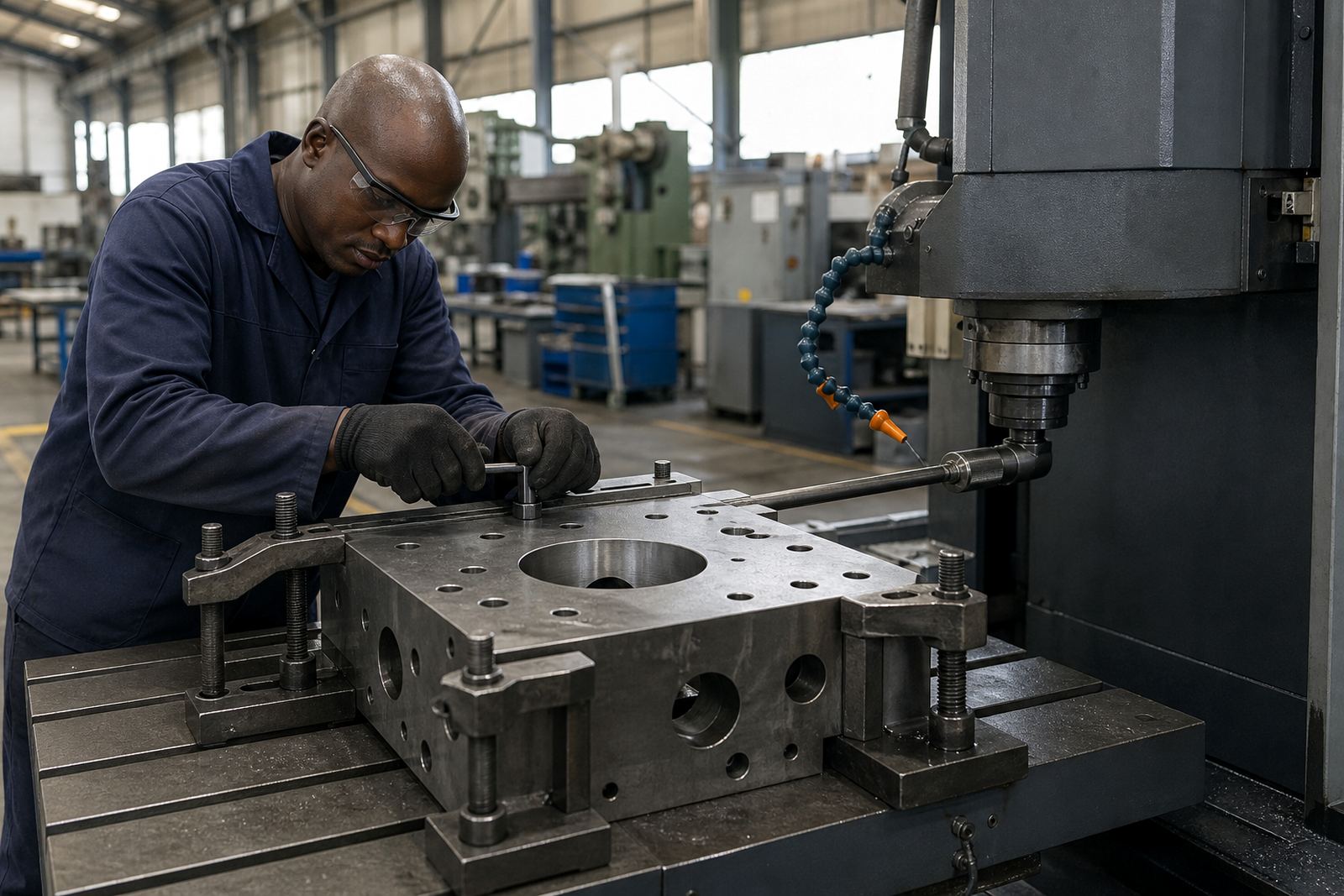
- Workholding and fixtures that keep the part stable during drilling
- Coolant support and chip handling for cleaner production
- Measuring and alignment checks for setup verification
For many shops, the real difference comes from matching tooling and process to the part size early. A medical component often looks simple on paper, but the bore quality can be demanding and there is not much forgiveness if the setup is off.
Planning the layout before the first production run
Before installation, it helps to plan the machine area around access, power, coolant handling and maintenance. Benoni, Johannesburg and Pretoria shops often have tight floor space, so the layout needs enough room for loading, unloading and safe operator movement. If the machine is squeezed into a corner, daily work becomes harder and setup times go up.
We usually advise clients to think through the following points before commissioning:
- Material flow from receiving to machining to inspection
- Floor space for part handling and future maintenance access
- Power stability and backup planning for load-shedding interruptions
- Coolant management and chip removal to keep the area clean
- Lighting and inspection space near the machine
- Noise, ventilation and any factory rule that may apply
In coastal areas like Durban and Gqeberha, humidity also affects storage, tooling care and machine condition, so the support plan should include routine checks and proper protection. A little planning up front saves a lot of down time later.
Common mistakes on medical deep-hole jobs
Most problems start before the first cut. A bore that is slightly out of line, poor coolant delivery, or tooling that is not matched to the material can all show up as finish problems or drift during the run. On medical work, that usually means rework and wasted time, which no one wants.
We often see the same issues repeat on these jobs:
- Choosing tooling before confirming the process window
- Skipping alignment checks after machine movement or servicing
- Using the wrong coolant mix or letting coolant quality slide
- Trying to push production before the operator is fully trained
- Not planning for spare parts and routine wear items
Another common mistake is assuming one setup will suit every part in the batch. In practice, a small change in material, bore depth or holding method can change the result quite a bit. That is why process control and operator training matter as much as the machine itself.
Budget ranges in Rand for setup and support
Budgets vary depending on whether the client needs one machine, a full setup or support on an existing line. Deephole works with South African manufacturers on new installation, commissioning, tooling selection, process troubleshooting and ongoing maintenance, so the budget should be built around the actual work requirement not guesswork.
As a practical guide, smaller support projects such as setup advice, tooling selection or process troubleshooting may start in the low five-figure range, while installation and commissioning for a dedicated deep-hole drilling or boring cell will usually sit higher. Tooling, fixtures, coolant support and spare parts can also move the total up depending on the bore size, part mix and production target. For a proper production startup, it is better to budget for the machine, the setup and the first round of operator training together. That avoids a half-finished line that cannot run properly.
We can help clients phase the spend if needed, especially when a shop is upgrading in steps. That is often the most practical route for a family business or a growing engineering shop in Gauteng.
How Deephole supports medical tooling production
Our team supports manufacturers across South Africa from our Benoni base, with coverage into Johannesburg, Pretoria, Durban, Cape Town and Gqeberha. For medical tooling jobs, the support usually starts with the enquiry form on our contact page, then moves into application review, tooling advice and a plan for installation or site support.
The Deephole team includes Marius Jacobus van Rensburg, Ayanda Mokoena, Johan Smit, Noluthando Dlamini, Francois du Plessis, Leanne Naidoo and Sibusiso Khumalo. Between them, the focus is on machine installation, commissioning, alignment checks, preventive maintenance, breakdown support, coolant system service and production startup. If a line is already running but not holding the right result, we can look at the full setup and work through the cause step by step.
For medical tooling, that kind of hands-on support matters. The parts may be small, but the demands are high and there is no room for guesswork.