When Pump Parts Need More Than General Machining
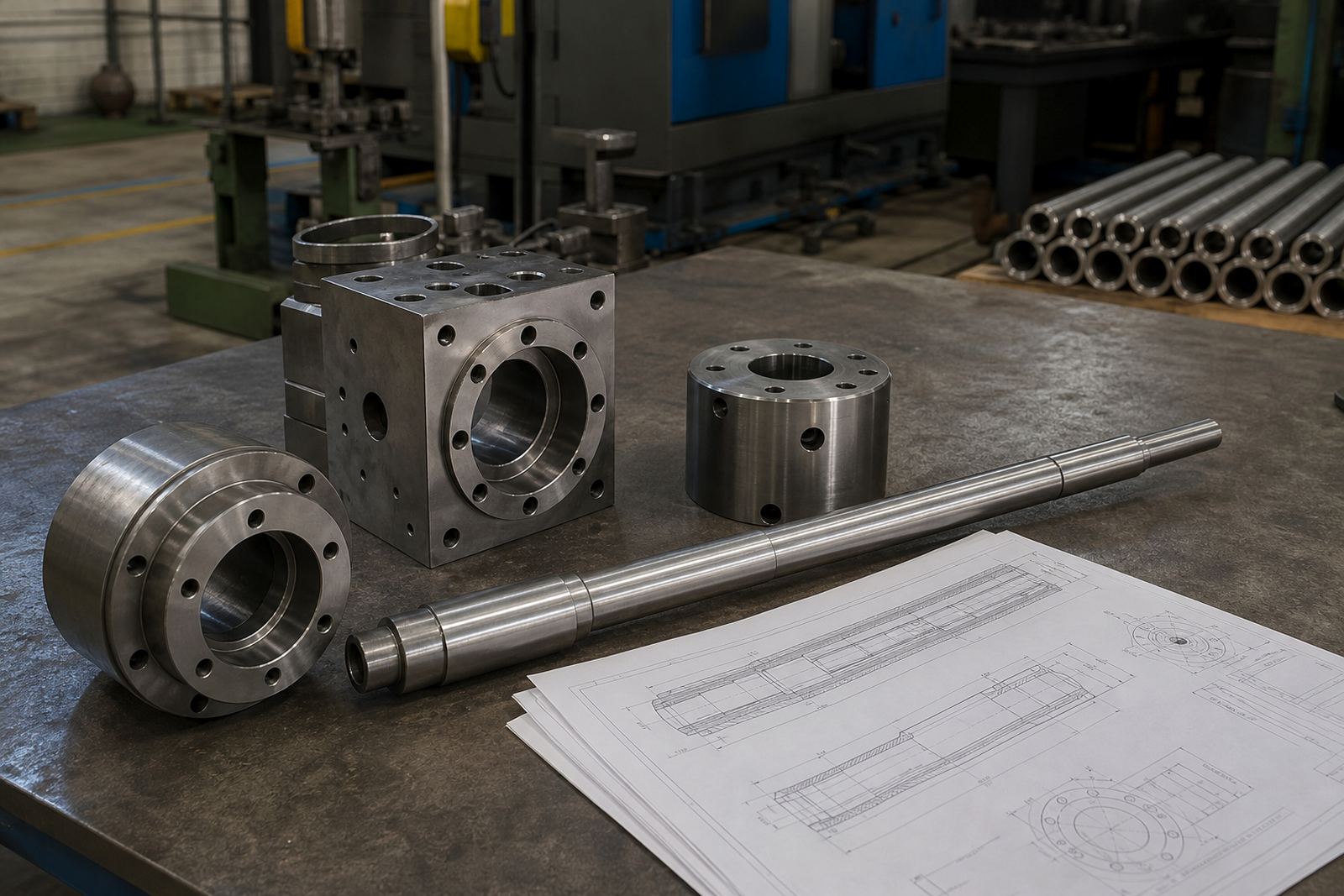
Pump components put pressure on the boring process in a way that general workshop work often does not. Shafts, sleeves, bodies and fluid-handling parts need consistent hole quality, accurate alignment and a finish that supports sealing, flow and bearing life. If the bore wanders or the set-up is off, the part may still look acceptable on the bench but cause trouble in service.
In Benoni and across Gauteng, many shops work on stainless, carbon steel and other common pump materials for industrial and municipal applications. Deephole supports these jobs with gun-drilling and deep-hole boring machines, plus the tooling and process advice needed to keep the work repeatable. For pump components, that includes sensible setup planning, coolant management and operator training from the start.
Typical Pump Component Work Environments
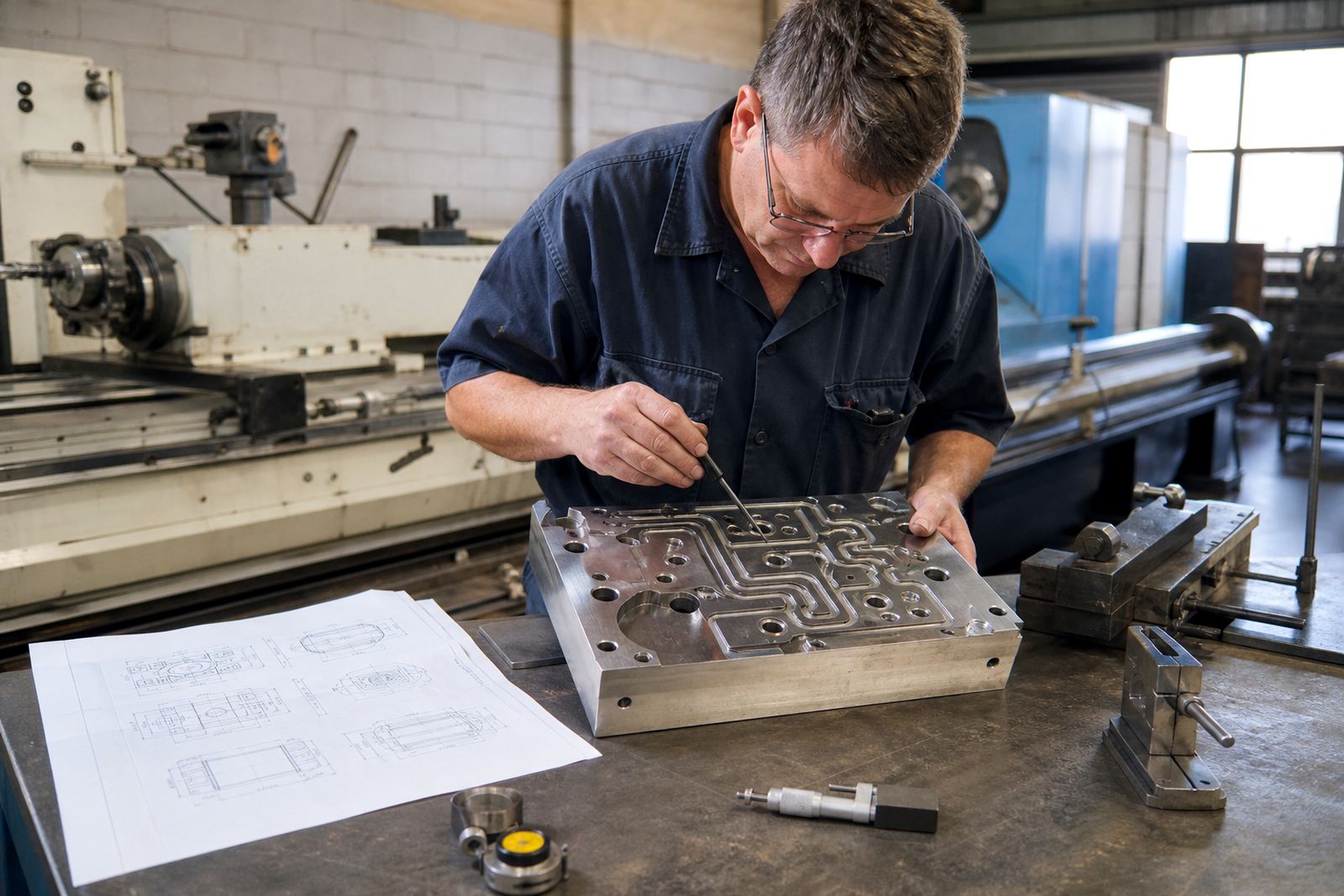
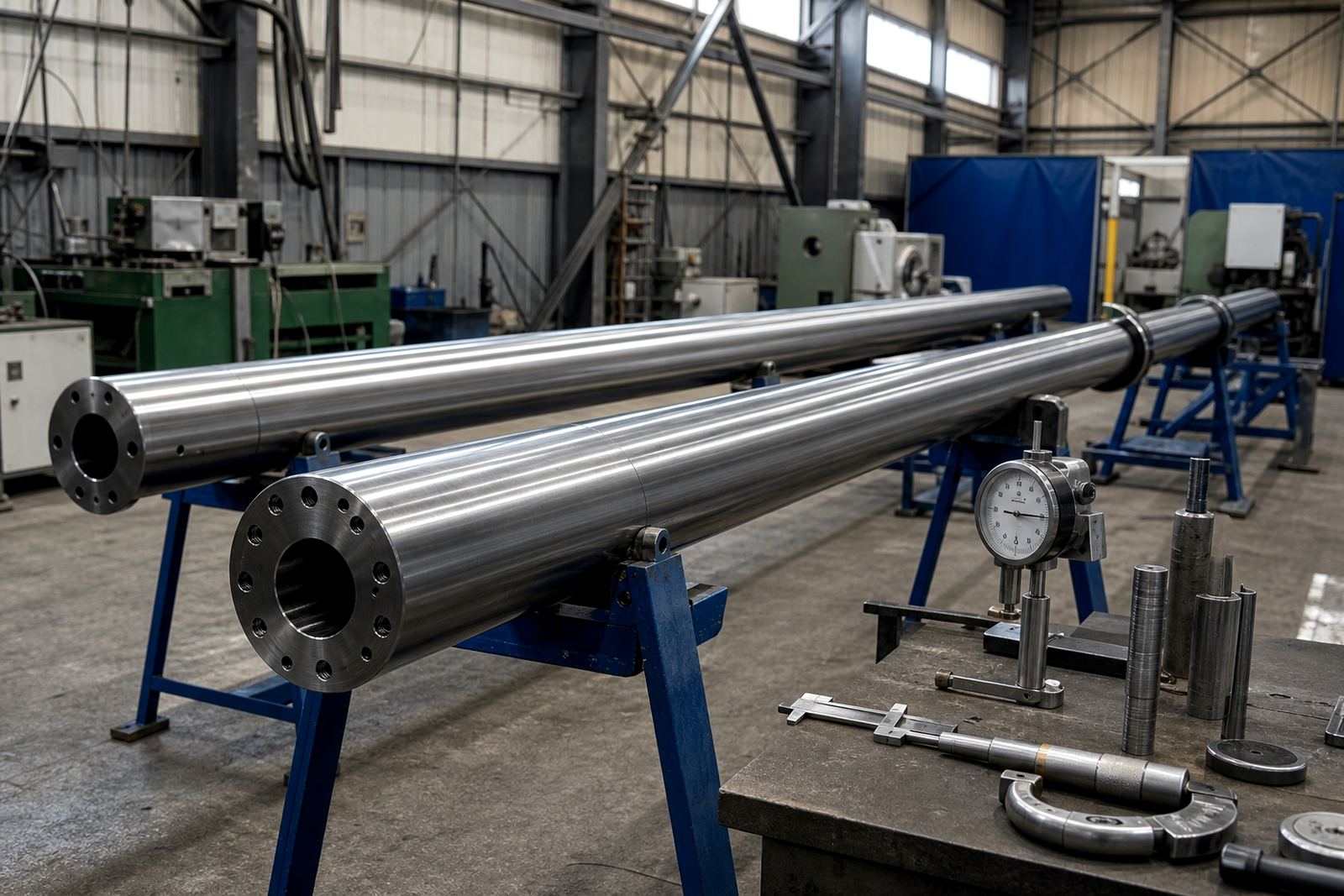
We often help shops that machine parts for water transfer, slurry handling, chemical duty and general plant maintenance. The work may involve long shafts, drilled passages in sleeves, housing bores, or cross-drilling for flow paths and lubrication. The equipment set is usually a mix of machine tools, inspection tools and support equipment that can keep up with small batches or steady production.
- Gun-drilling or deep-hole boring machine suited to long, straight bores
- Tooling for the material and bore size required
- Workholding that keeps the part stable during setup and cutting
- Coolant system service to support chip removal and tool life
- Alignment checks and simple measurement tools for in-process control
- Spare parts support for consumables and wear items
For some shops, the main challenge is not the machine itself but getting the whole process lined up properly. A bore that is slightly off in a pump shaft can create vibration, seal wear or premature failure. That is why setup and process control matter just as much as the cut.
Layout Planning for a Practical Pump Parts Cell
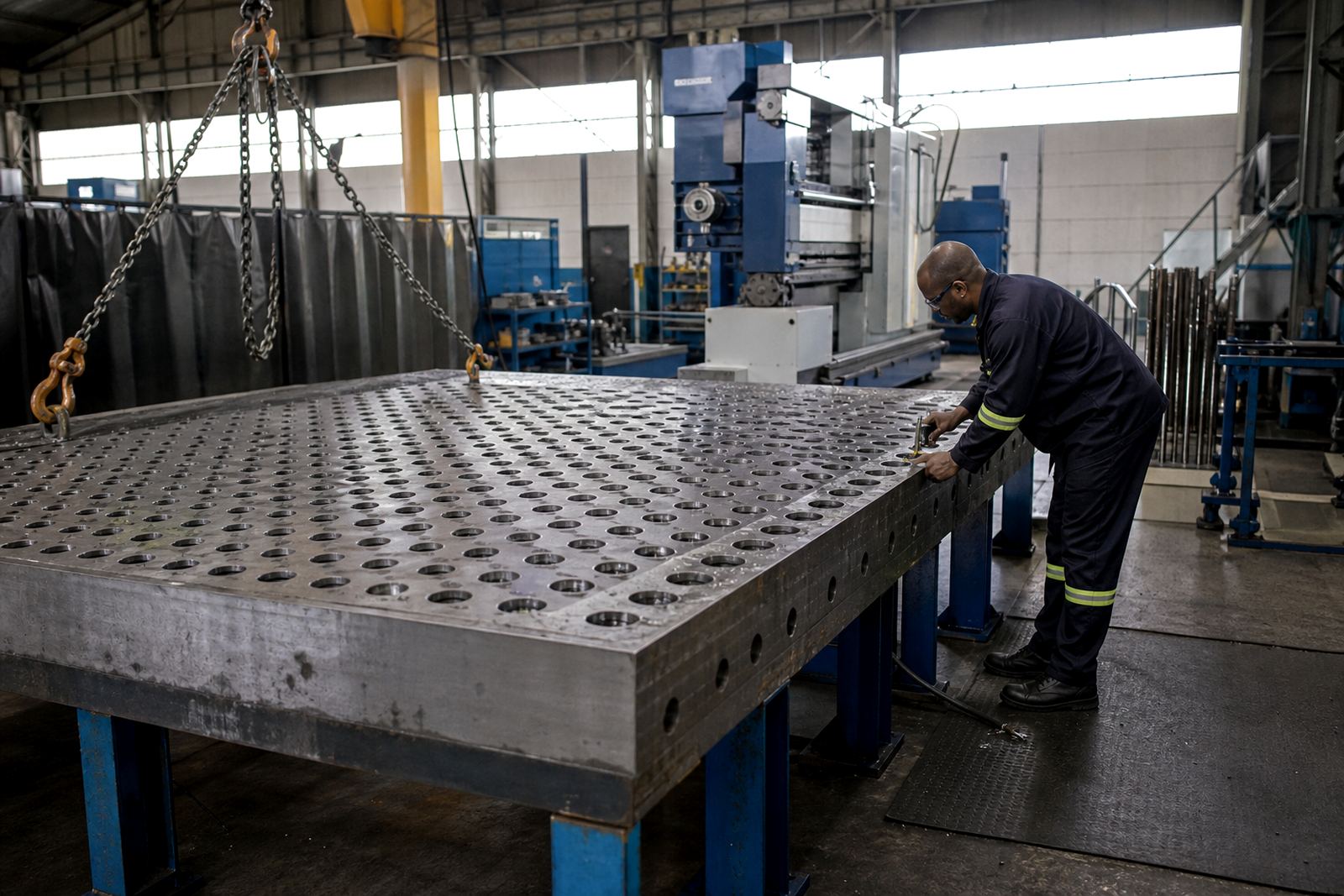
A pump component area does not need to be over-complicated, but it does need space for safe handling and clear movement between loading, machining, checking and cleaning. In South Africa, many workshops are working around load-shedding and limited floor space, so the layout should make sense on a normal day and also when power supply is uneven. Keep the machine area close to inspection and coolant handling, but leave enough room for lifting long workpieces without rushing.
For a planned installation in Johannesburg, Pretoria, Durban, Cape Town or Gqeberha, we usually look at floor access, power stability, ventilation, coolant return and whether the team can load parts without strain. On the East Rand, a practical layout often beats a crowded one. It is better to have clear access and a clean working path than to squeeze in one more table or rack.
- Allow space for long shafts and sleeves to move safely in and out
- Keep measuring and setup tools close to the machine, not across the shop
- Plan for coolant containment and easy cleaning around the machine base
- Check power supply, especially where outages or voltage dips are common
- Leave access for service, alignment checks and preventative maintenance
Common Mistakes on Pump Shafts and Sleeves
Many pump part problems start with the first setup. A part clamped slightly out of line can lead to bore drift, poor finish or a job that needs rework. Another common issue is choosing tooling only on price instead of matching it to the material and bore depth. The result is short tool life, poor chip control and unnecessary downtime.
Coolant is another area where workshops trip up. If the system is not maintained, chips can recirculate and scratch the bore, or the cut can become inconsistent as heat builds. For jobs in coastal areas like Durban, humidity and storage conditions can also affect tooling and components if the store room is not managed properly. It sounds simple, but it makes a difference. Small errors add up fast on deep-hole work.
- Poor alignment before the first cut
- Wrong tooling for the material or hole depth
- Ignoring coolant condition and filtration
- Rushing production startup before the process is stable
- Skipping operator training on feed, setup and inspection
Support We Provide from Benoni to the Major Centres
Deephole is based in Benoni, Gauteng and supports manufacturers and engineering shops across South Africa, including Johannesburg, Pretoria, Durban, Cape Town and Gqeberha. Our team works with machine installation, commissioning, tooling selection, setup optimisation, operator training, process troubleshooting and preventive maintenance. That support helps when a shop is bringing in a new machine or trying to steady an existing process.
Marius Jacobus van Rensburg leads the business, with support from Ayanda Mokoena, Johan Smit, Noluthando Dlamini, Francois du Plessis, Leanne Naidoo and Sibusiso Khumalo. When a pump component job needs attention, the aim is to keep the machine productive and the process practical. If a site needs breakdown support, spare parts support, coolant system service or alignment checks, we respond through the contact form on our contact page.
Budget Ranges for Pump Component Projects
Budgets depend on whether you are adding one machine, setting up a small cell or improving an existing line. For pump components, the real cost is often spread across the machine, tooling, installation work and training. A lower entry project may focus on tooling selection and setup optimisation, while a larger one can include commissioning, production startup and ongoing support.
As a working guide, many South African shops plan separately for the machine package, installation and the first round of consumables. Smaller support jobs may start from a few thousand Rand for assessment or setup work, while a full machine and tooling project can move into the hundreds of thousands of Rand or more depending on scope. The best approach is to define the parts, bore sizes, materials and throughput first, then build the budget around the actual use case rather than guessing. That keeps the spend tied to production, not just purchase price.
What to Send Through on Enquiry
When you send an enquiry, include the pump part type, the material, the bore length or depth if known, and whether the work is for repair, low volume production or regular manufacturing. If you already have a machine, tell us what is going wrong, whether it is finish, straightness, cycle time or repeatability. That gives the team a clear starting point and saves time on the first conversation.
It also helps to mention your location, whether you are in Benoni, Johannesburg, Pretoria, Durban, Cape Town, Gqeberha or elsewhere in South Africa, and whether you need installation, training or troubleshooting. We can then advise on the next step and what support is most suitable for your pump component work.