1. Start with the part, not the machine
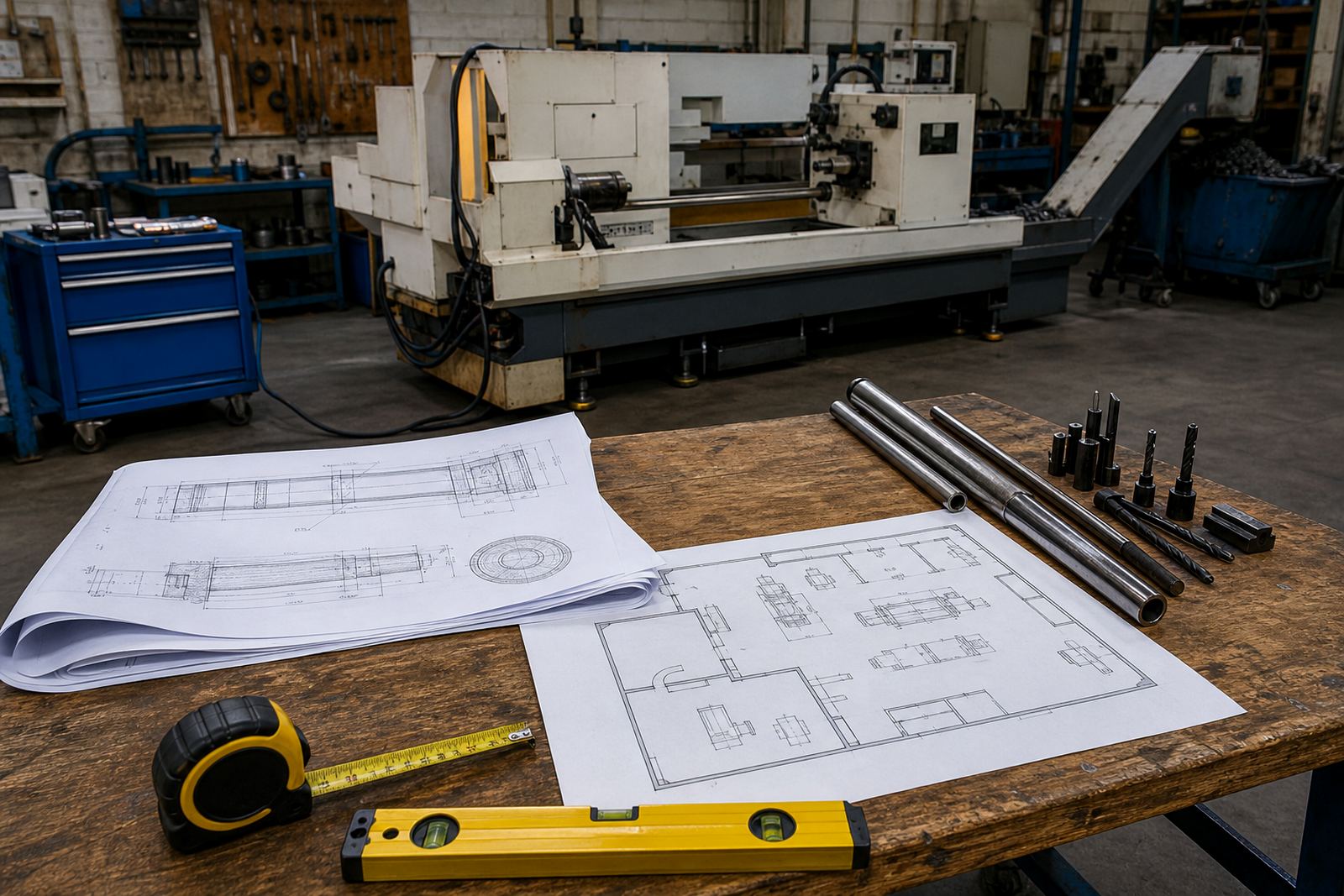
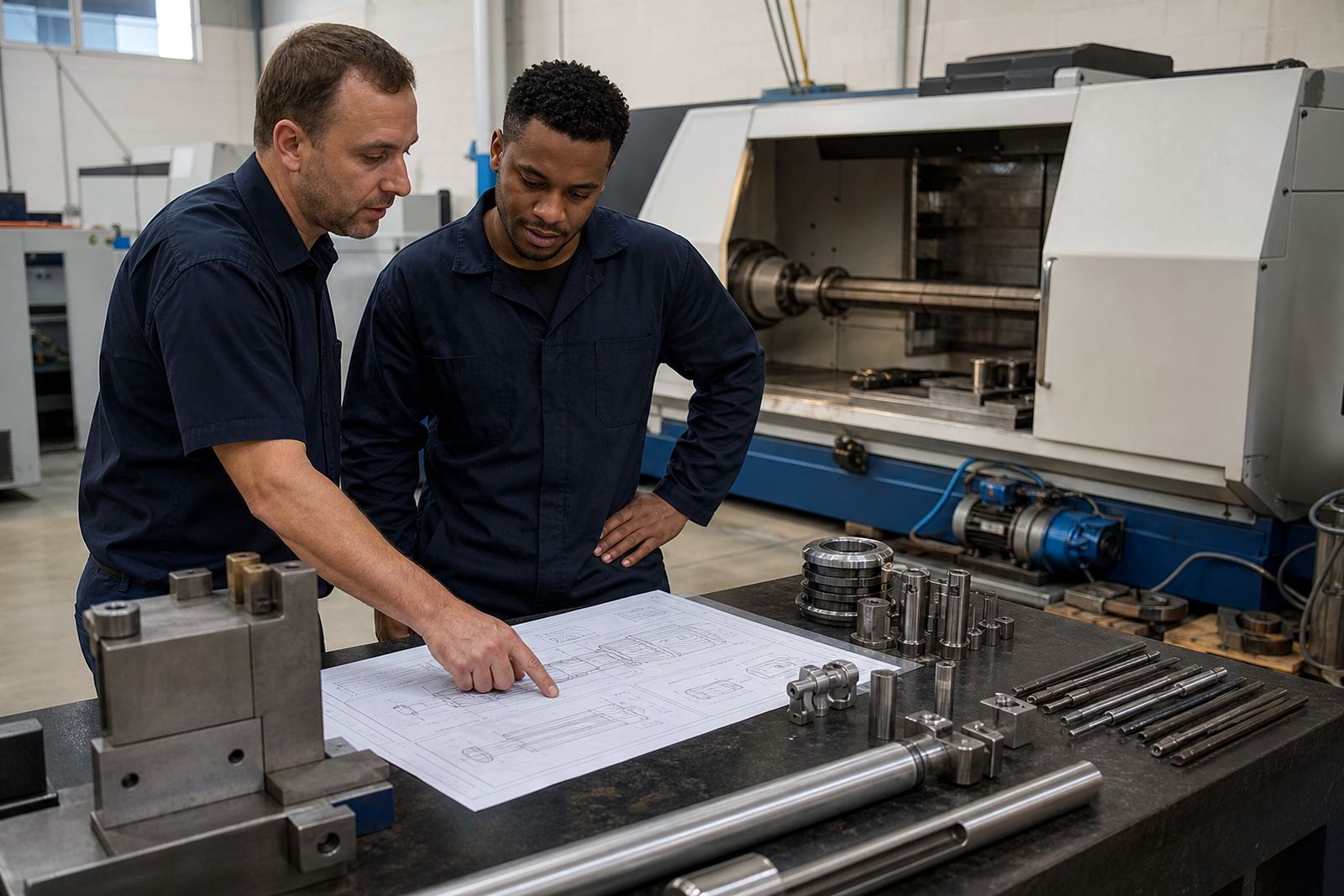
The first question is simple: what are you drilling, and what finish do you need on the hole? Before comparing machine types, collect the part drawings, hole diameters, hole depths, material grades, and the repeat work you expect month after month. A first machine should suit the real work in the shop, not only the biggest job on the quotation file.
For many South African manufacturers, the decision comes down to whether the work is short run, repeat production, or a mix of both. If you are handling components for general engineering, tooling, hydraulic parts, or precision assemblies, the setup must support accurate starts, stable tool guidance, and clean chip removal. That is where proper tooling and correct process setup matter as much as the machine itself.
- List your main hole sizes and depth ranges.
- Note the material types you machine most often.
- Check whether the work is batch production or one-off jobs.
- Record your required finish, straightness and repeatability targets.
2. Choose between drilling, boring, and the workholding around it
Deep-hole drilling and deep-hole boring are related, but they are not the same job. Gun-drilling is often used where the hole needs accuracy, depth, and a clean surface. Deep-hole boring is useful when the bore must be brought to size carefully after an initial cut. If your workshop is new to this type of work, it helps to define which process will do most of the heavy lifting.
Do not overlook workholding, alignment and support. Many first-time buyers focus only on the machine frame and forget the fixtures, guide systems, coolant delivery, and measurement tools that keep the job consistent. In humid coastal areas such as Durban and Gqeberha, protection against corrosion and coolant care are especially important. In Gauteng, where loadshedding can interrupt production, power stability and restart procedures should be part of the discussion from day one.
- Confirm whether your work needs gun-drilling, boring, or both.
- Check how the part will be clamped and centred.
- Ask what measuring tools and setup aids are needed.
- Plan for coolant maintenance and contamination control.
3. Size the machine for your floor and your workflow
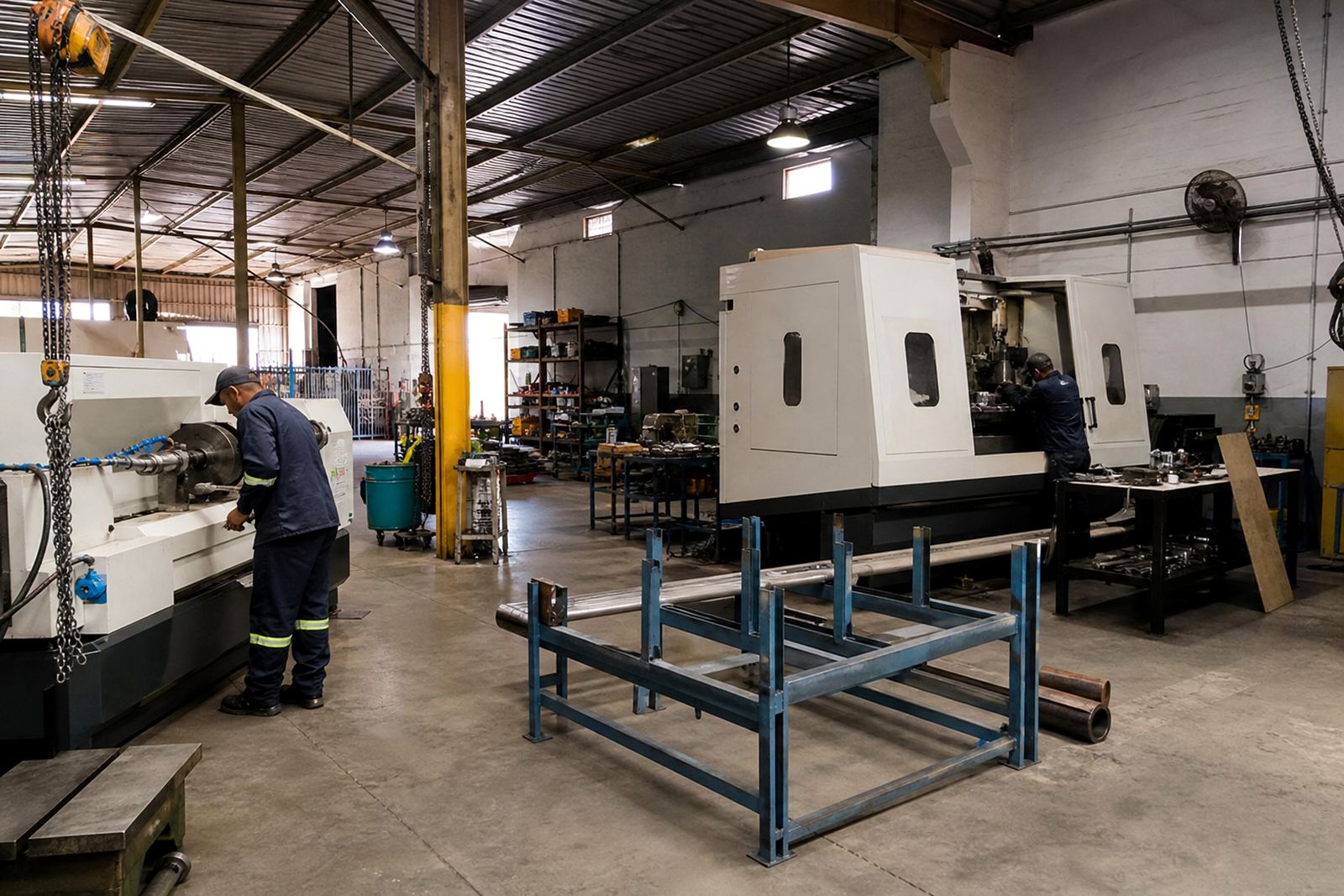
The machine has to fit the work area, but also the way your team moves around the shop. Measure the available floor space, ceiling height, access doors, and the route from the delivery point to the final position. If you are based in Benoni, Johannesburg, Pretoria or the East Rand, make sure the installation route is clear for offloading and rigging. The same applies in Durban, Cape Town and Gqeberha where loading access can be tight in industrial parks.
Think about the full working footprint, not only the machine body. You will need space for material infeed, finished parts, tool storage, coolant service and safe operator movement. If the first machine blocks workflow, your output suffers even if the machine itself is a good fit. A practical layout also makes training easier for new operators and reduces avoidable setup errors.
- Measure floor space, door widths and overhead clearance.
- Mark space for raw material, finished parts and tool storage.
- Allow for maintenance access on all service sides.
- Confirm electrical supply and compressed air requirements where relevant.
4. Build the tooling package properly from the start
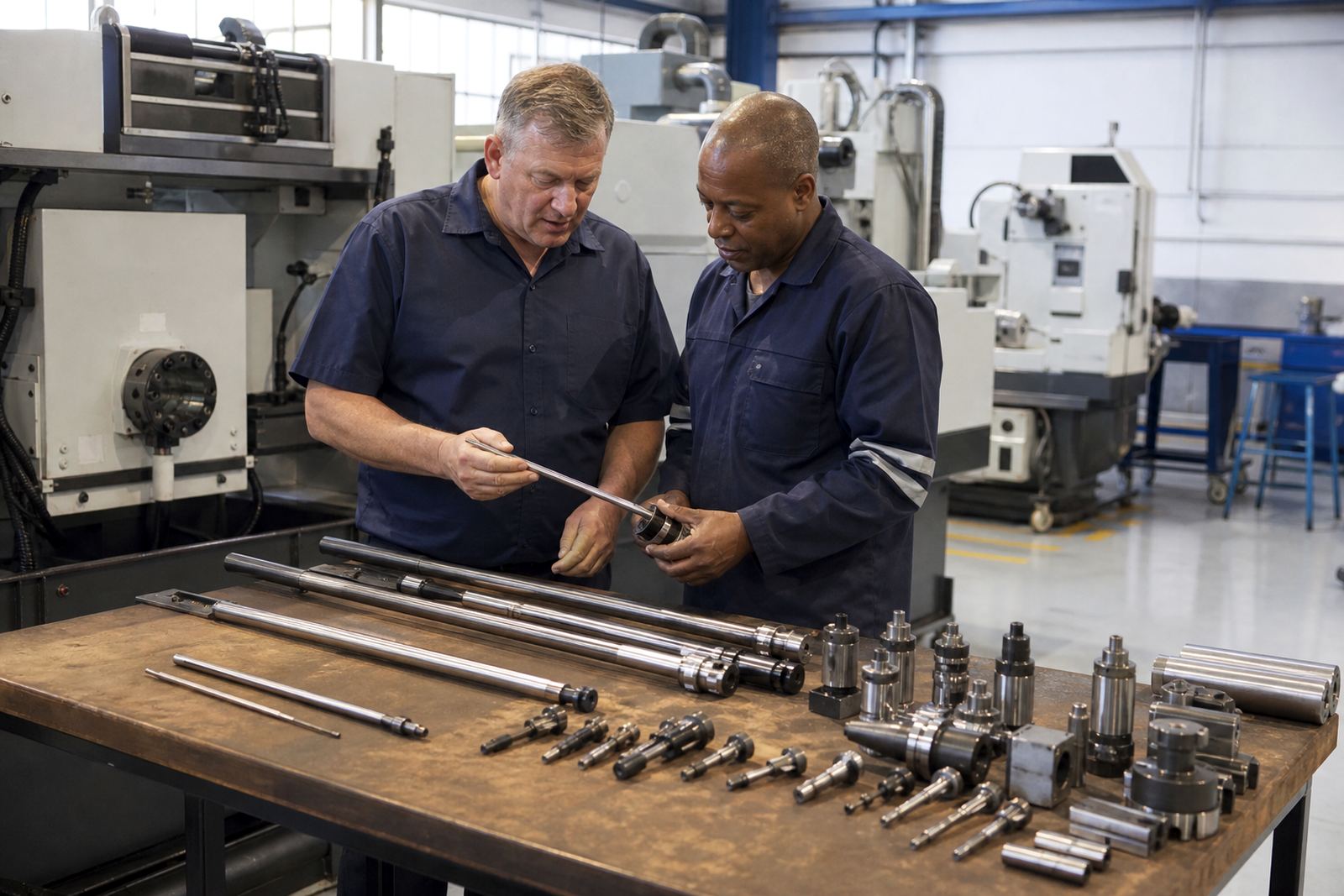
Tooling is not an extra, it is part of the machine decision. The right package should cover the jobs you plan to run first, plus the sizes and configurations that will come later. A first-time buyer often saves money on the machine and then struggles with incomplete tooling, which slows production and makes setup more difficult than it needs to be.
When planning tooling, work through the full chain: guides, holders, consumables, measuring tools, coolant management and spare wear items. Ask how easy it is to re-order the parts you will use most often, and how training will cover setup changes. If a shop in Pretoria or Cape Town needs to switch jobs quickly, the tooling plan should support that without constant rework. It should also suit the skill level of the team currently running the line.
- Separate essential tooling from nice-to-have items.
- List wear parts that need spare stock on hand.
- Check which setup tools are needed for size changeovers.
- Plan for measuring, checking and quality control tools.
5. Plan installation, commissioning and operator training
Installation and commissioning should be treated as part of production startup, not just delivery day. The machine has to be aligned, tested, and checked under real working conditions before it becomes part of the daily output. That includes coolant system checks, alignment checks, tooling verification, and a trial run on the parts you actually intend to produce.
Operator training should be practical and site specific. Your team needs to understand startup checks, safe setup steps, tool changes, basic troubleshooting, and what to watch for during the first runs. In a busy workshop, clear training saves time and reduces scrap. It also helps smaller teams in Benoni, Johannesburg and across Gauteng keep production moving when only one or two people know the process. Good training gives the shop a stronger footing from the start.
- Schedule commissioning before the first production deadline.
- Run a live startup on real parts, not only test pieces.
- Train operators on setup, checks and routine care.
- Record the first approved settings for later use.
6. Ask about support after the machine is running
A first machine purchase should include a clear support plan. Even the best setup will need occasional adjustment, and the quickest way to protect output is to know who handles breakdown support, spare parts, preventive maintenance and process troubleshooting. That matters whether you are in Benoni, Johannesburg, Pretoria, Durban, Cape Town or Gqeberha.
Support should cover the common realities of South African workshops: power interruptions, coolant issues, alignment drift, wear on consumables, and the need to restart production quickly after a stoppage. At Deephole, the team works from Benoni, Gauteng and supports manufacturers and engineering shops across the country through machine installation, commissioning, tooling selection, setup optimisation, operator training, process troubleshooting, preventive maintenance, breakdown support, spare parts support, coolant system service, alignment checks and production startup. That gives first-time buyers a practical route from quote to working output.
- Confirm response steps for urgent breakdowns.
- Ask how spare parts and wear items are supplied.
- Set a maintenance calendar from the first month.
- Keep a record of settings, checks and service notes.