Start With the Jobs You Actually Need to Run
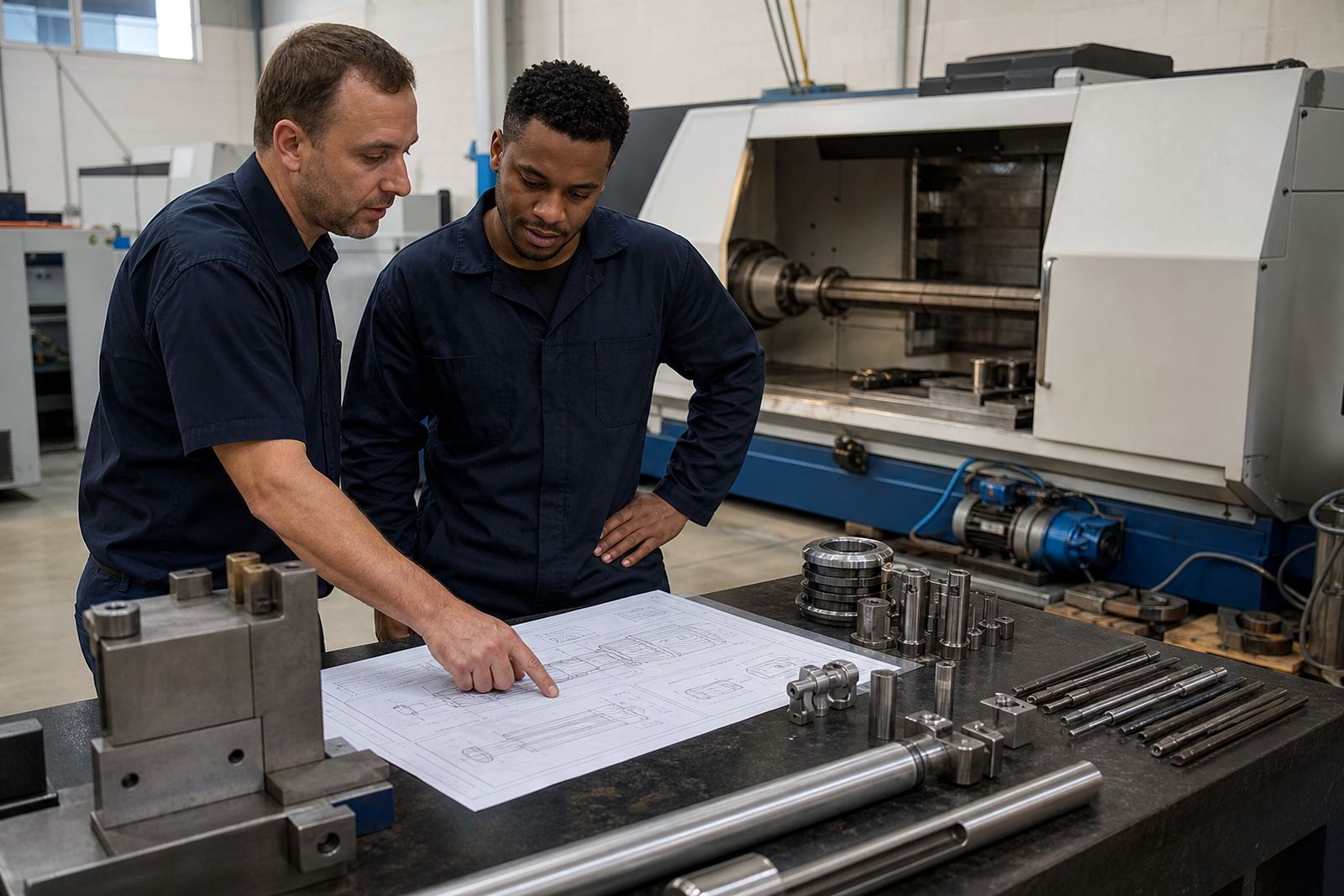
Before adding another gun-drilling or deep-hole boring machine, list the parts that are waiting, the bore diameters you repeat most often and the material groups that create the most stoppages. A capacity plan works best when it is based on real work already coming through the shop, not on wishful forecasts. If your team is running longer shifts just to keep up, that is useful data too.
For many South African manufacturing and engineering shops, the pressure point is not only machine time. It is also set-up time, tool changeovers, coolant control and the skill needed to keep holes straight over long lengths. If your current machine spends too much time idle between batches, the next step may be better tooling or better process control rather than just another machine.
- List your top 10 recurring jobs by bore size and material.
- Note which jobs need the tightest straightness and finish control.
- Record where delays happen: loading, alignment, tool wear, or inspection.
- Separate urgent production work from lower-volume prototype work.
Check the Floor, Power and Service Conditions First
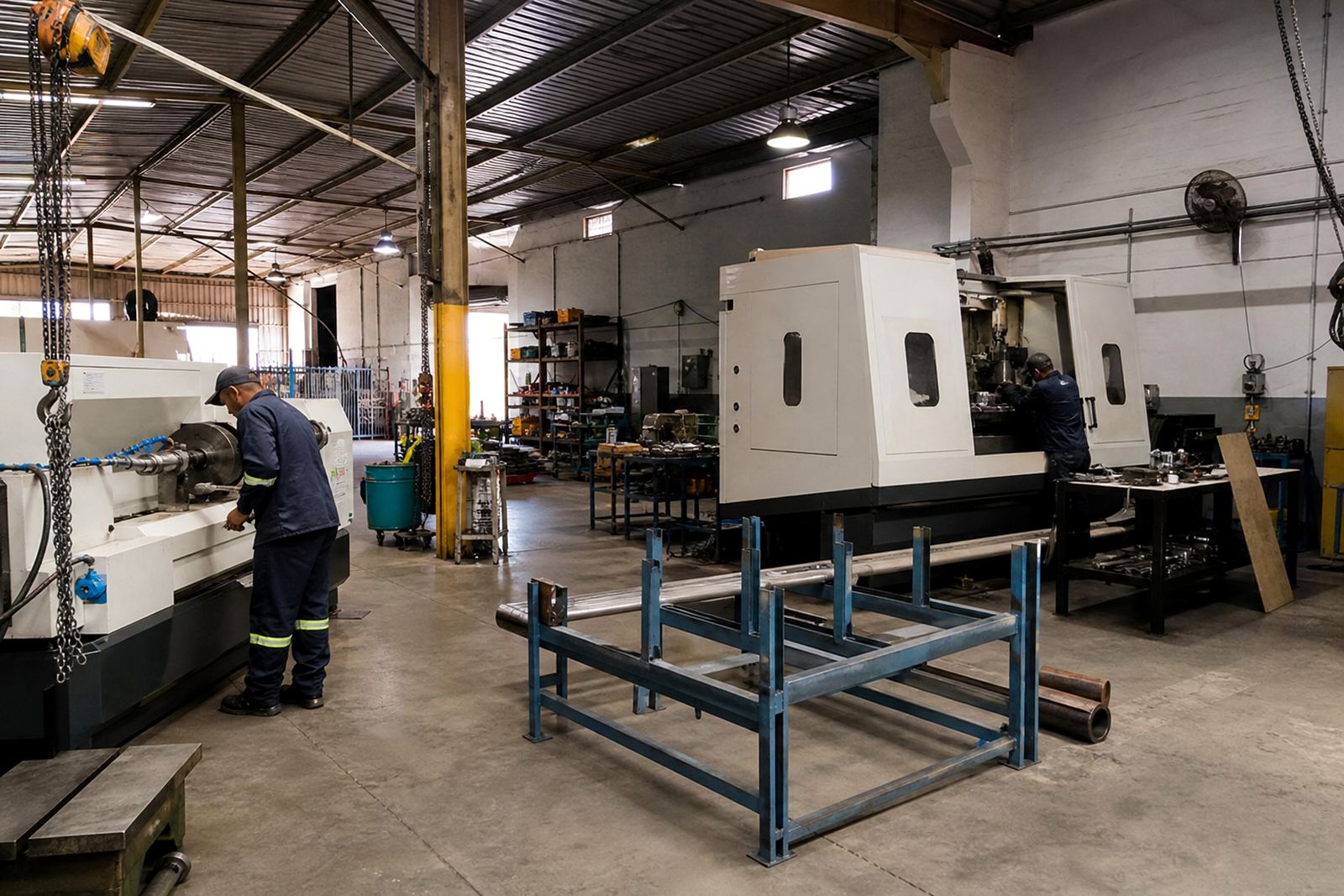
Deep-hole equipment needs a sensible home. A clear bay, stable power, safe access for loading and enough room for coolant handling all matter. In Benoni and across Gauteng, shops often expand into older buildings where floor layout needs a proper review before installation. In coastal areas such as Durban, humidity and corrosion control also need attention so tooling, electrics and stored parts stay in good condition.
Load-shedding planning is part of the job in South Africa. Even if your site has backup power, the machine room should be planned so a stop-start cycle does not damage work in progress or leave the coolant system in a poor state. It is worth checking drainage, ventilation and floor loading as well, especially where heavy components are moved by crane or forklift.
- Measure clear floor space for machine access and maintenance.
- Confirm power supply, backup arrangements and safe restart procedures.
- Check coolant storage, drainage and chip handling.
- Allow space for inspection tables, tool storage and work-in-progress.
Decide Whether to Add Capacity or Rebalance the Process
Sometimes the best answer is a second machine. Sometimes it is a better process split across two stages. A smaller machine may handle shorter parts while your main machine stays on the long, demanding work. In other cases, improved tooling selection, better setup repeatability and a tighter maintenance schedule can free enough capacity without a major capital spend.
When shops in Johannesburg, Pretoria or the East Rand ask for expansion advice, the useful question is often this: which jobs must stay on the existing machine, and which jobs can move to a new line with less interruption? If the same operator is doing set-up, quality checks and troubleshooting all day, extra training and clearer work instructions can have a direct effect on output.
- Separate jobs by repeat frequency, tolerance demand and set-up time.
- Identify bottlenecks caused by tooling, inspection or operator handover.
- Compare the cost of added machine time against the cost of process change.
- Make sure the next step supports the bore sizes you already sell most often.
Plan Tooling, Fixtures and Setup Support Together
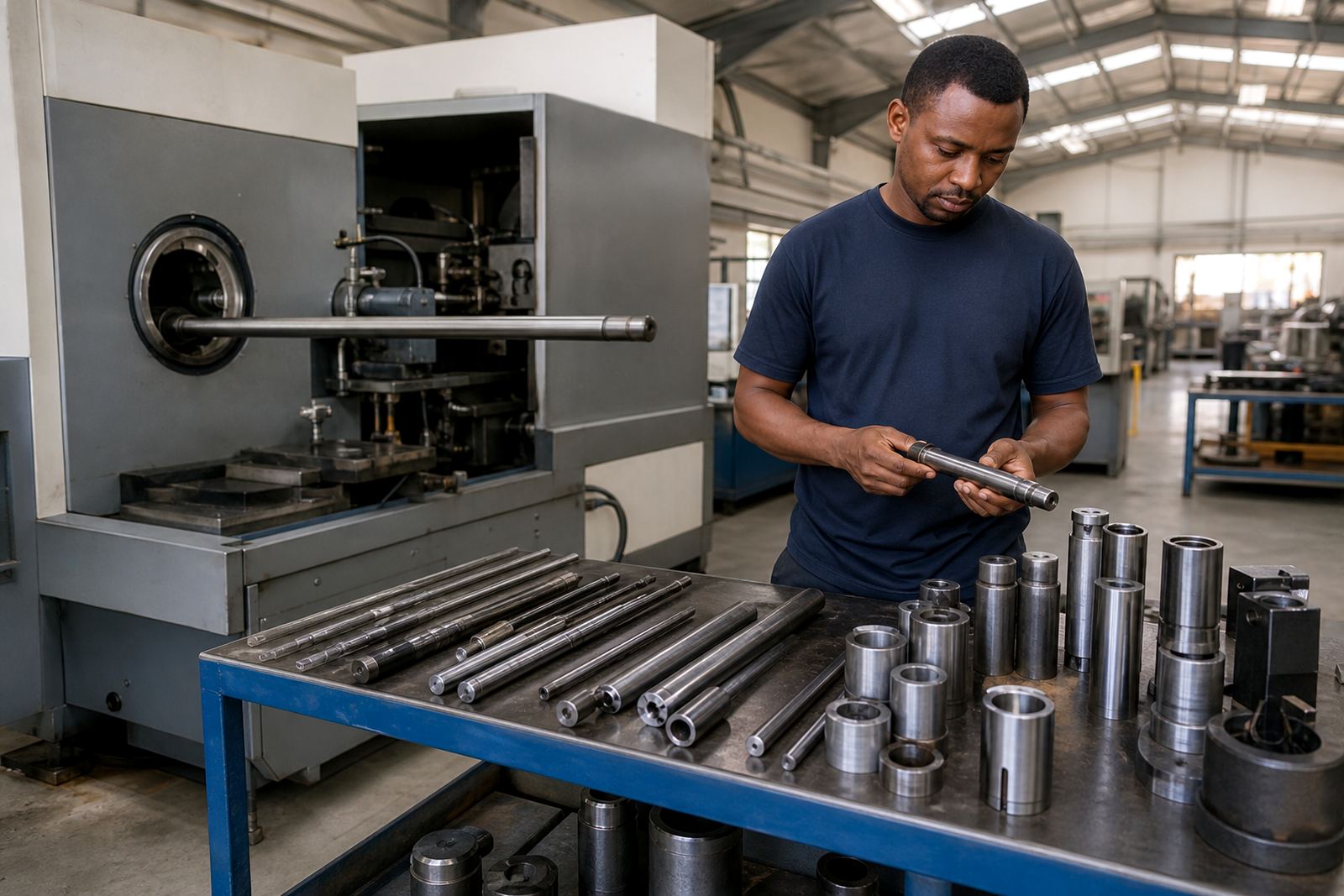
New capacity only works if the tooling and setup package is ready from day one. Deep-hole work depends on the right drill heads, guides, boring tools, workholding, coolant flow and alignment checks. If those parts are selected separately, the machine may arrive and still sit idle while the shop waits for tooling decisions.
It is also important to define who will support the setup after installation. Shops that expand successfully usually have clear ownership for tool selection, setup optimisation, operator training and the first round of production troubleshooting. That support matters just as much as the machine itself, especially when a team is moving from occasional deep-hole work to regular production.
- Confirm the full tooling list before machine arrival.
- Match fixtures and workholding to the longest and heaviest parts.
- Set up coolant management and filtration from the start.
- Schedule alignment checks after installation and after any major move.
Build in Training, Maintenance and Breakdown Cover
Capacity expansion should not leave the shop more exposed to downtime. A second machine or a larger machine means another system to maintain, another operator to train and another service schedule to manage. Without preventive maintenance and spares planning, extra capacity can become extra pressure very quickly.
Training should cover more than button pushing. Operators need to understand setup sequence, warning signs of tool wear, coolant condition, basic alignment checks and when to call for support. In many workshops, simple issues become expensive because they are left until a bore goes out of tolerance. A proper maintenance plan keeps production steadier and protects the new investment.
- Set a maintenance routine for coolant, guides, alignment and moving parts.
- Train more than one person on daily checks and setup steps.
- Keep critical spare parts identified before production starts.
- Agree who responds first when a fault stops the machine.
A Simple Expansion Checklist for South African Shops
Before you commit, go through the practical list below with production, maintenance and management. If you are expanding in Gauteng, the East Rand or further afield in Cape Town, Durban or Gqeberha, the same basics apply: safe installation, reliable support and a process that matches the work on your books. The aim is not to grow for the sake of it, but to add capability that earns its keep.
Use this checklist to keep the decision grounded in the real job flow and the realities of your site. It helps avoid overspending on features you do not need while making sure the essentials are covered.
- Do we know which jobs need the new capacity?
- Have we checked space, power and coolant handling?
- Are tooling and fixtures selected for the actual parts we make?
- Is operator training scheduled before production starts?
- Do we have preventive maintenance and spare parts support in place?
- Can the shop keep running through load-shedding and other interruptions?