Start With The Job You Want The Machine To Do
Before delivery, be clear on the work the machine must handle from day one. A gun-drilling or deep-hole boring machine should be matched to the parts, materials, lengths and accuracy levels you actually need, not only to the floor space available in Benoni, Johannesburg, Pretoria or further afield. This is where setup problems usually begin, when the machine is ordered without a clear picture of production.
List the parts you expect to run, the typical batch size, the hole diameters and depths, and the material grades you work with. Also note whether the machine will support one-off repair work, repeat production, or a mix of both. If your shop changes jobs often, plan for changeovers, tooling access and operator training from the start. That avoids delays later when the first order arrives and the team is still figuring things out.
- Part drawings and key dimensions
- Materials and hardness range
- Hole diameters and depth requirements
- Expected shift pattern and output targets
- Any special coolant, clamping or filtration needs
Prepare The Floor, Access Route And Building Conditions
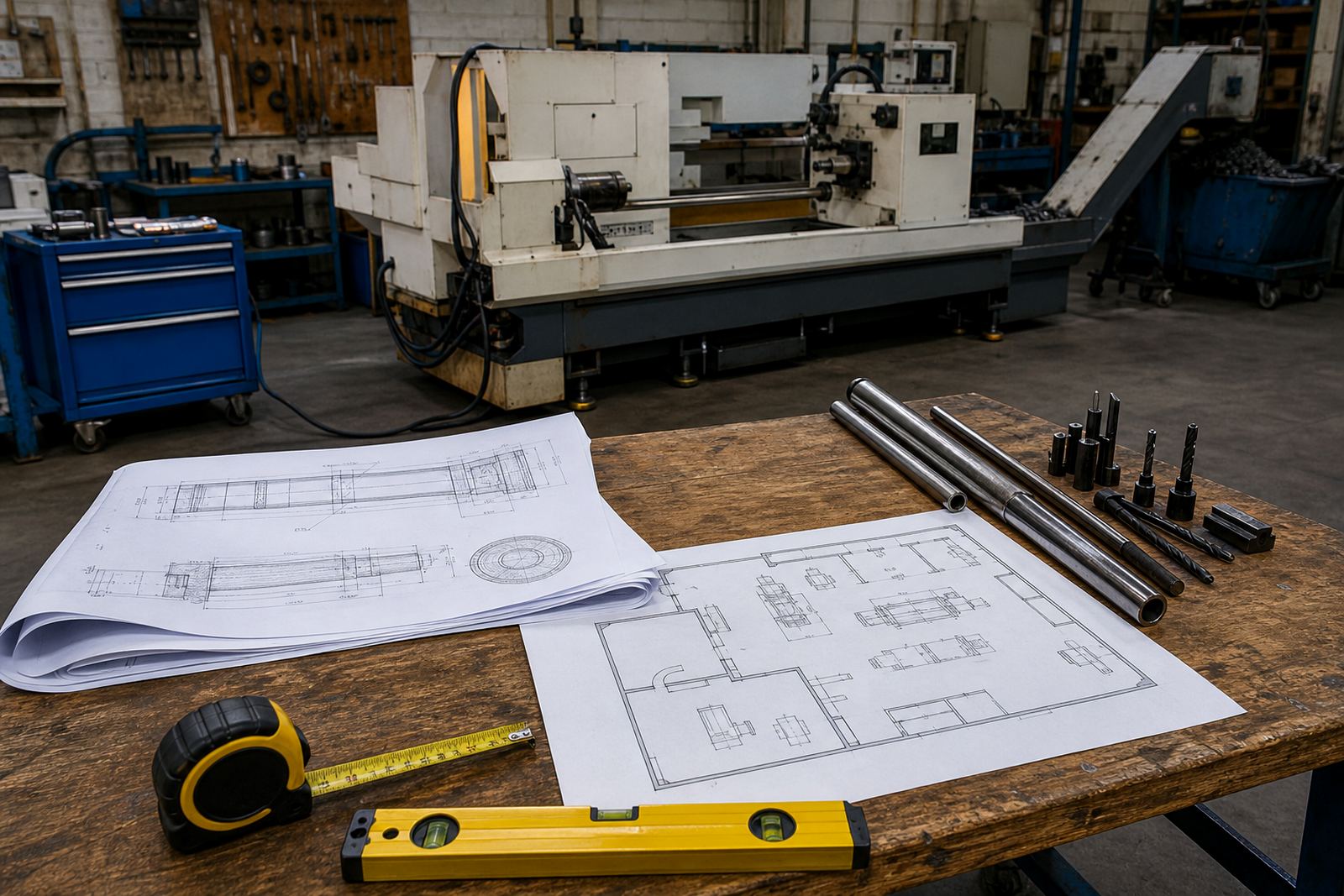
The machine room must be ready before delivery day. Measure the route from the gate to the final position, including tight corners, ramps, height clearance and gate widths. In Gauteng many workshops have shared yards or older access ways, so do not leave this to chance. If the machine is coming into a busy East Rand site or a compact plant in Cape Town, check the turning space for forklifts, pallet movers and lifting gear.
The floor must be level enough for accurate alignment and long-term stability. Also think about dust, vibration, heat and coastal humidity if the machine is going to Durban or Gqeberha. A clean and dry room helps protect tooling, electrics and measuring equipment. If your site runs on generator backup or works through load-shedding, plan how power restoration will affect commissioning and initial testing. It is better to prepare for a stable test window than to stop mid set-up.
- Measure doorways, entrances and passage widths
- Check floor level, thickness and load capacity
- Confirm lifting access for unloading and positioning
- Plan ventilation, lighting and dust control
- Allow space for maintenance access around the machine
Confirm Power, Air, Cooling And Drainage Before Installation
Utility planning is a major part of installation readiness. The machine should have the correct power supply, safe isolation and proper protection against surges and interruptions. In South Africa, where load-shedding and voltage fluctuations are part of daily life, this step matters. Speak with your electrician early so the supply is inspected and ready before the machine arrives.
Also confirm compressed air, coolant supply, drainage and any filtration or chip handling requirements. If coolant management is ignored, the first weeks of production can become messy and expensive. A good install depends on small details like hose routing, drain points and easy access for cleaning. The more organised the utility layout, the smoother the start-up.
- Power supply and protection checked by a qualified electrician
- Air lines sized and routed correctly
- Coolant tank, filters and top-up point prepared
- Drainage planned for wash-down and maintenance
- Emergency stops and isolation positions clearly marked
Get Tooling, Fixtures And Consumables Ready Early
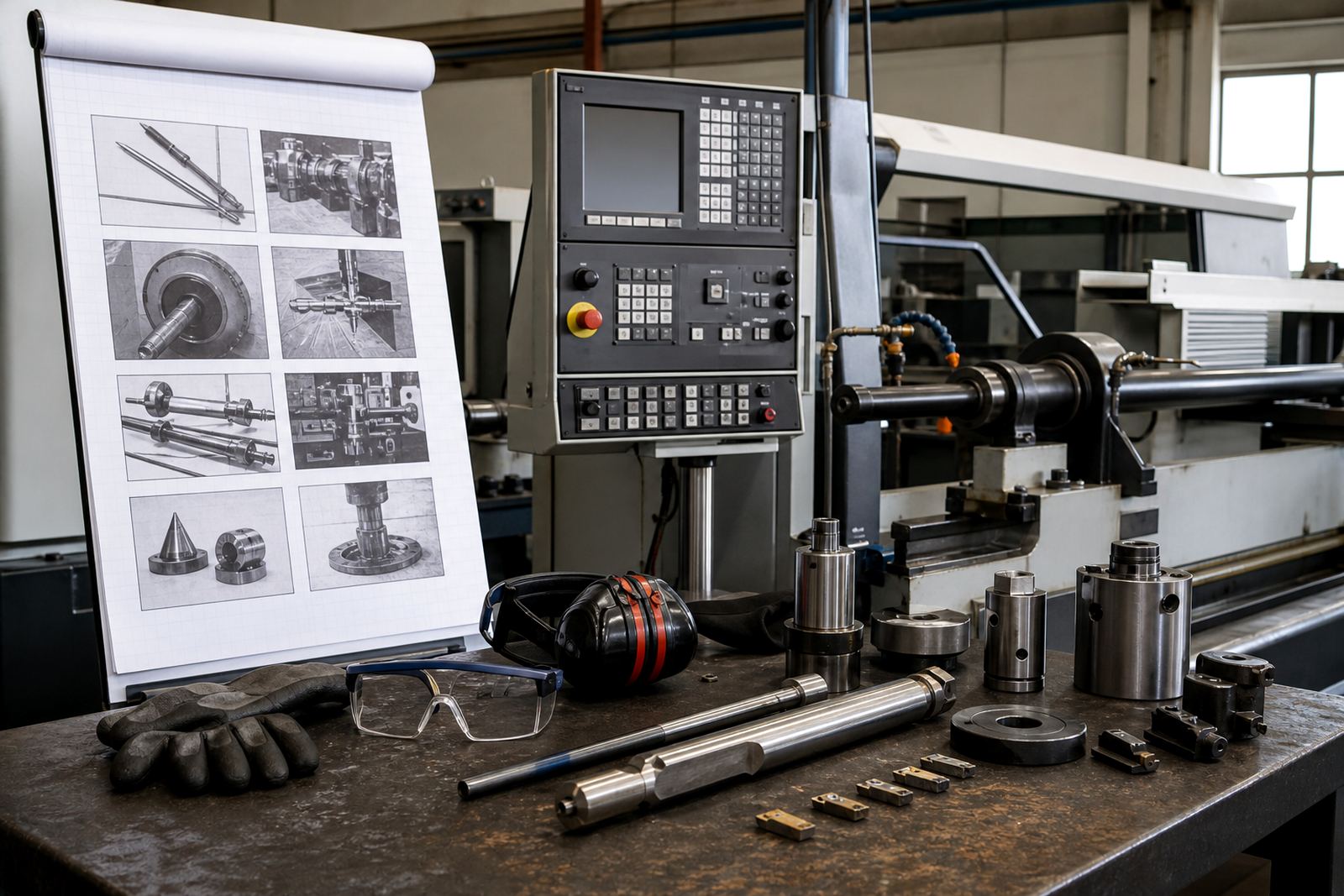
Machine installation is not only about the machine itself. You also need the right tooling, fixtures, cutting tools, holders, seals and consumables on site. If the machine is installed but the tooling is still in transit, production simply cannot start. Deephole works with manufacturers and engineering shops that need practical setup planning, not last-minute scrambling.
Keep the first jobs in mind and prepare the tooling around them. If you expect mixed batch work, make sure the setup kit covers the most likely ranges. Store tooling in a clean, dry area near the machine but away from swarf and coolant mist. In coastal areas, humidity can affect tool storage and measuring equipment, so pack and label everything properly. That saves time when the team is under pressure and gives a cleaner handover.
- Cutting tools and holders selected for the first jobs
- Fixtures, clamps and support items prepared
- Spare seals, filters and consumables on hand
- Measuring tools protected and easy to reach
- Storage arranged for tooling changeovers
Assign The Right People For Commissioning And Training
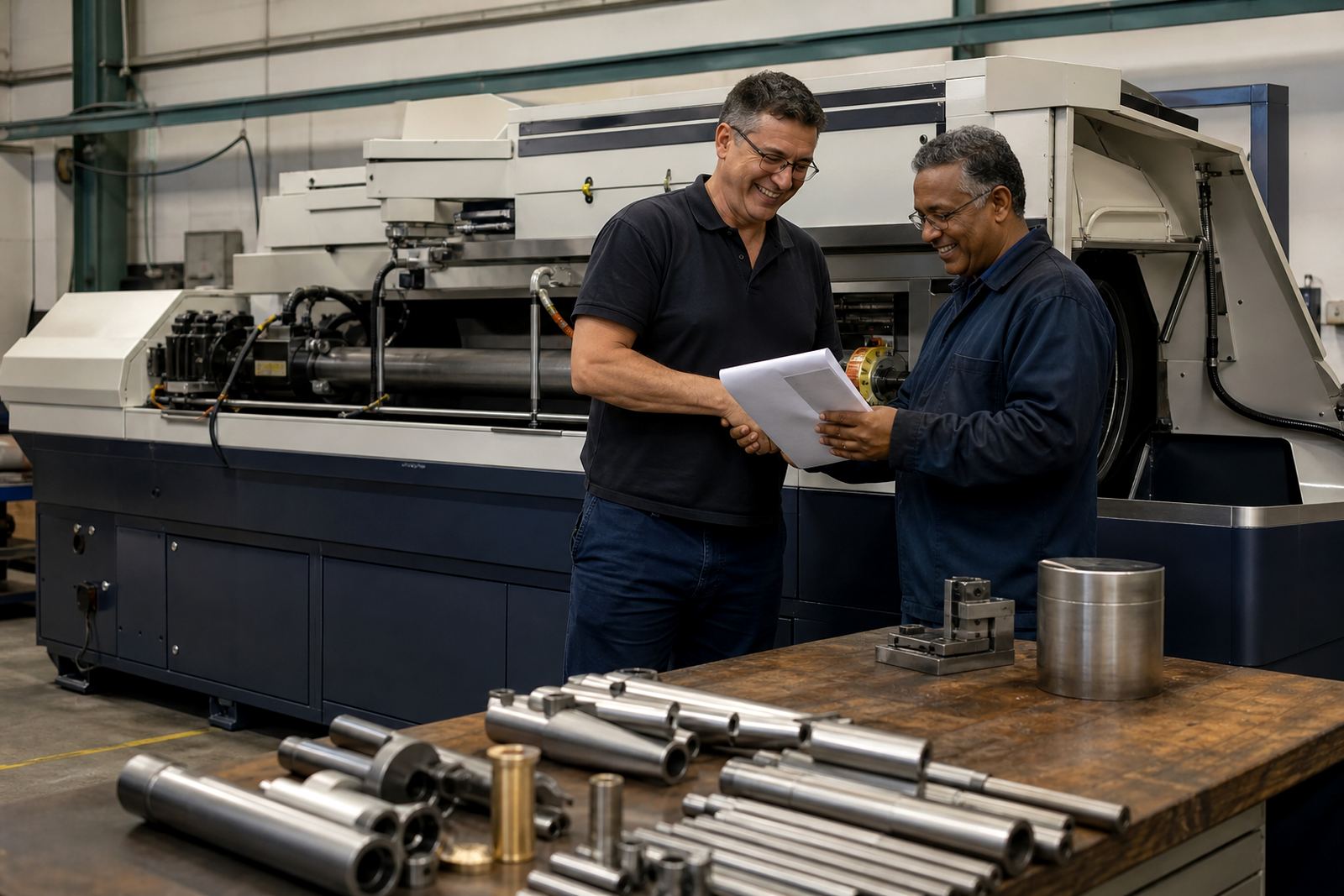
A machine should not arrive to an empty workshop. Nominate the people who will support the installation, from maintenance and production to the operators who will run the machine daily. That includes one person who can make decisions quickly when questions come up. When a site in Pretoria or Durban is busy with multiple shifts, it helps to have a clear contact person for the handover.
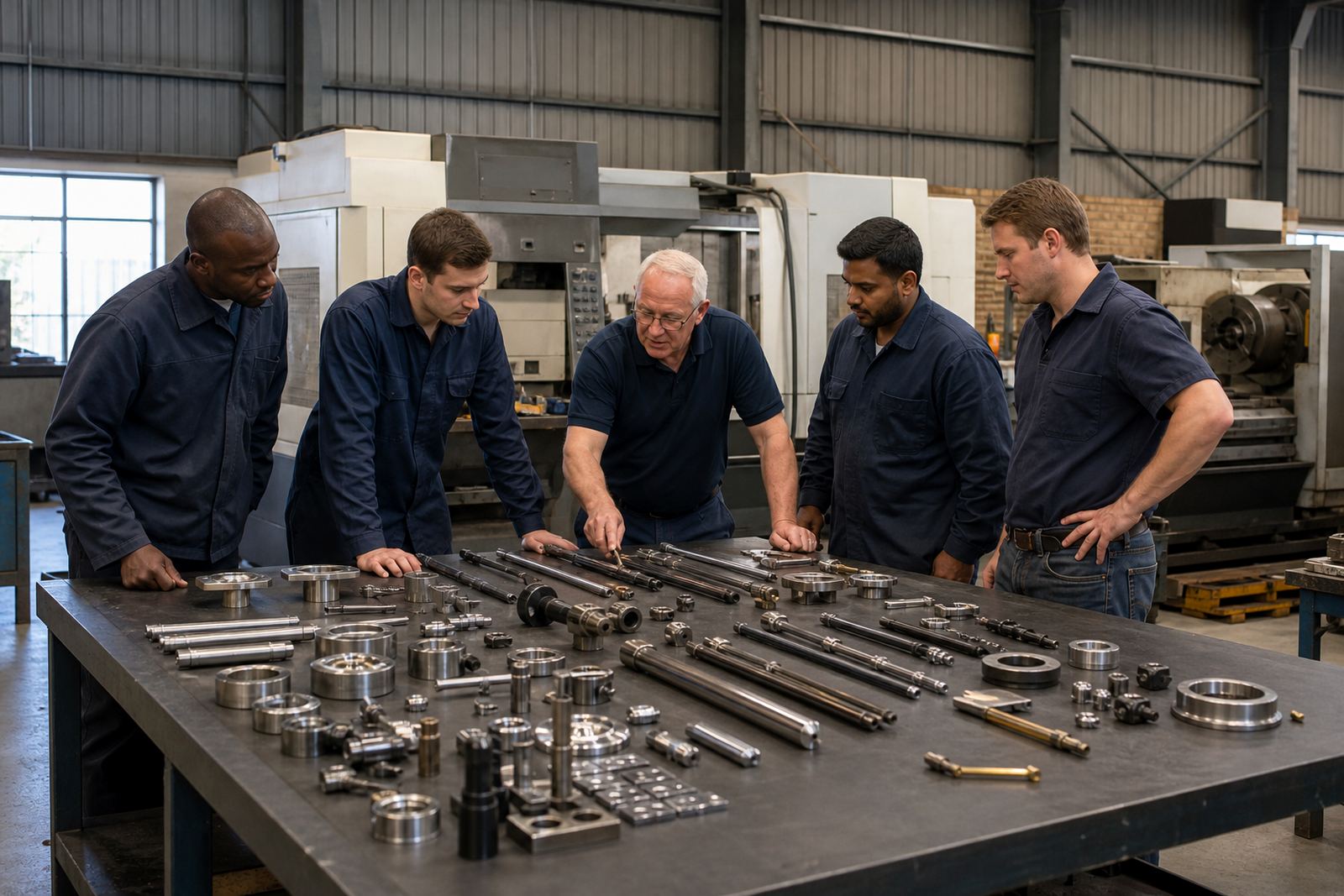
Training should be planned before the machine is switched on. Operators need to know the basics of safe use, setup checks, routine cleaning and what to do when something changes in the cut. Support staff should understand alignment checks, coolant care and preventative maintenance. A proper commissioning session reduces mistakes and gives the team confidence from the first production run. It also helps spot small issues before they become expensive.
- Nominate operators, maintenance and production contacts
- Book training time during the install week
- Prepare a clean area for documentation and handover notes
- Confirm who signs off the machine at each stage
- Allow time for test pieces and process checks
Use A Readiness Checklist The Week Before Delivery
The final week before delivery is when small oversights get caught. Walk the site with a checklist and verify every item, from power and access to tooling and staff availability. This is especially important when transport is being arranged across provinces, because once the machine is on the road there is no easy pause button. A clear plan keeps the install moving and avoids day-one confusion.
Use this short checklist to confirm readiness and keep everyone aligned. If something is missing, fix it before the delivery truck arrives. That simple discipline saves time, reduces handling risk and makes the commissioning day calmer.
- Floor and access route cleared
- Utilities signed off
- Tooling and consumables on site
- Operators and maintenance staff scheduled
- Documentation and site contact details ready
- Test material available for initial runs
Plan For Support After The Machine Starts Running
The install is not finished when the machine powers up. The first production period is where alignment checks, process tuning and small adjustments matter most. Build time into the plan for troubleshooting, spare parts support and follow-up support after the first shift or first batch. If the machine is going into a busy shop in Johannesburg or a new line in Benoni, early support can protect output and reduce downtime.
At Deephole, support goes beyond delivery. We help with machine installation, commissioning, tooling selection, setup optimisation, operator training, process troubleshooting and preventive maintenance. That includes coolant system service, breakdown support, alignment checks and production startup. If the plan is in place before the machine arrives, the team can focus on making good parts instead of chasing avoidable problems.
For a smooth install, treat the machine as part of the full process, not a single purchase. The shop, the people, the tooling and the support all need to be ready at the same time.