
Start With the Hole, Not the Tool
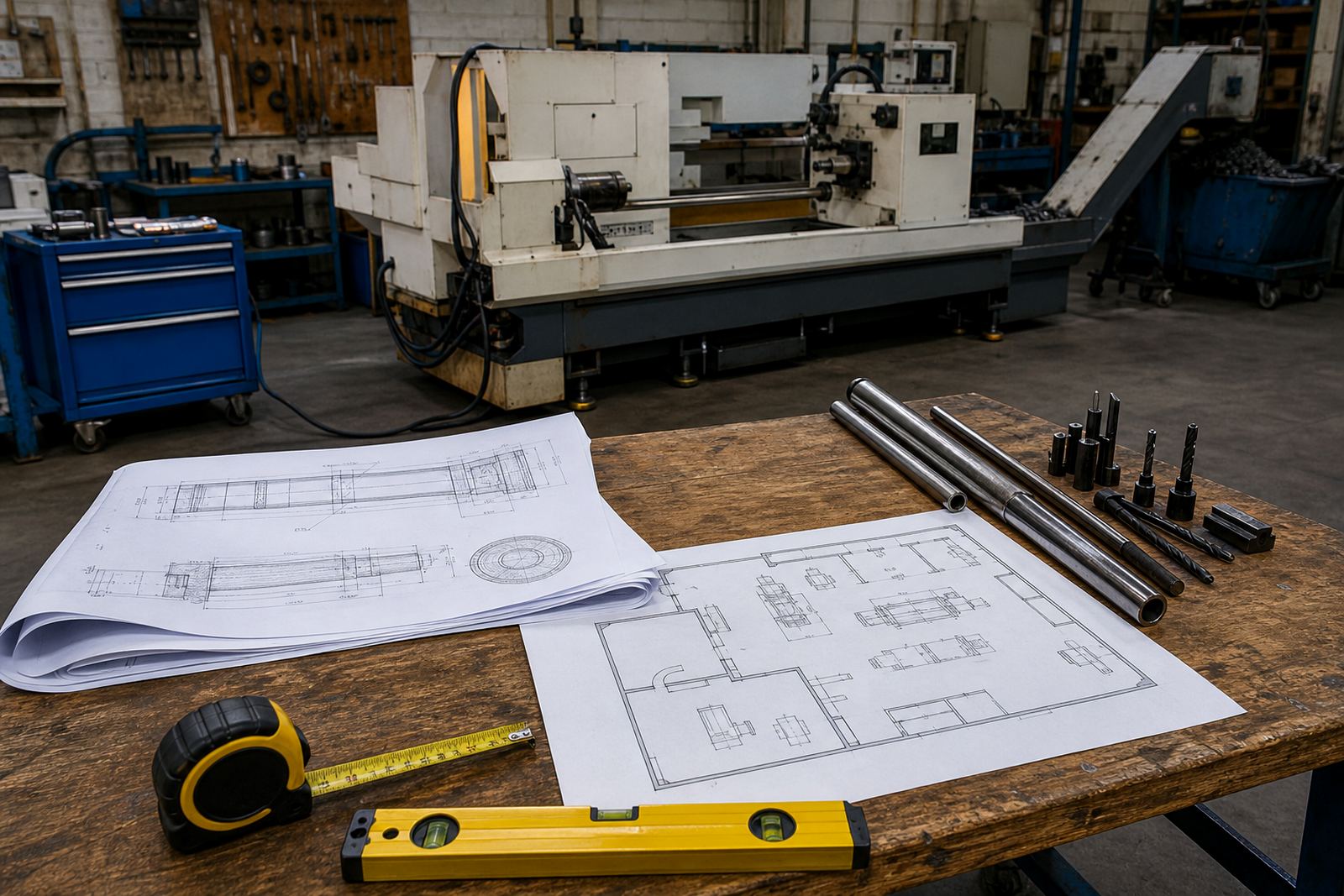
Before you choose a drill, boring bar or holder, define the hole properly. Measure the diameter, depth, material, finish requirement and any tolerance limits on the drawing. A hole in mild steel for a hydraulic part needs a different setup from a long hole in stainless, tool steel or an alloy used in mining, water, or general engineering work.
It also helps to note whether the job is one-off, repeat production, or a batch with frequent changeovers. If your shop in Benoni or Germiston works on short runs, setup time and repeatability matter just as much as cutting performance. For larger volumes, tool life and consistent chip control become key.
Match Tooling to Material and Machine Capability
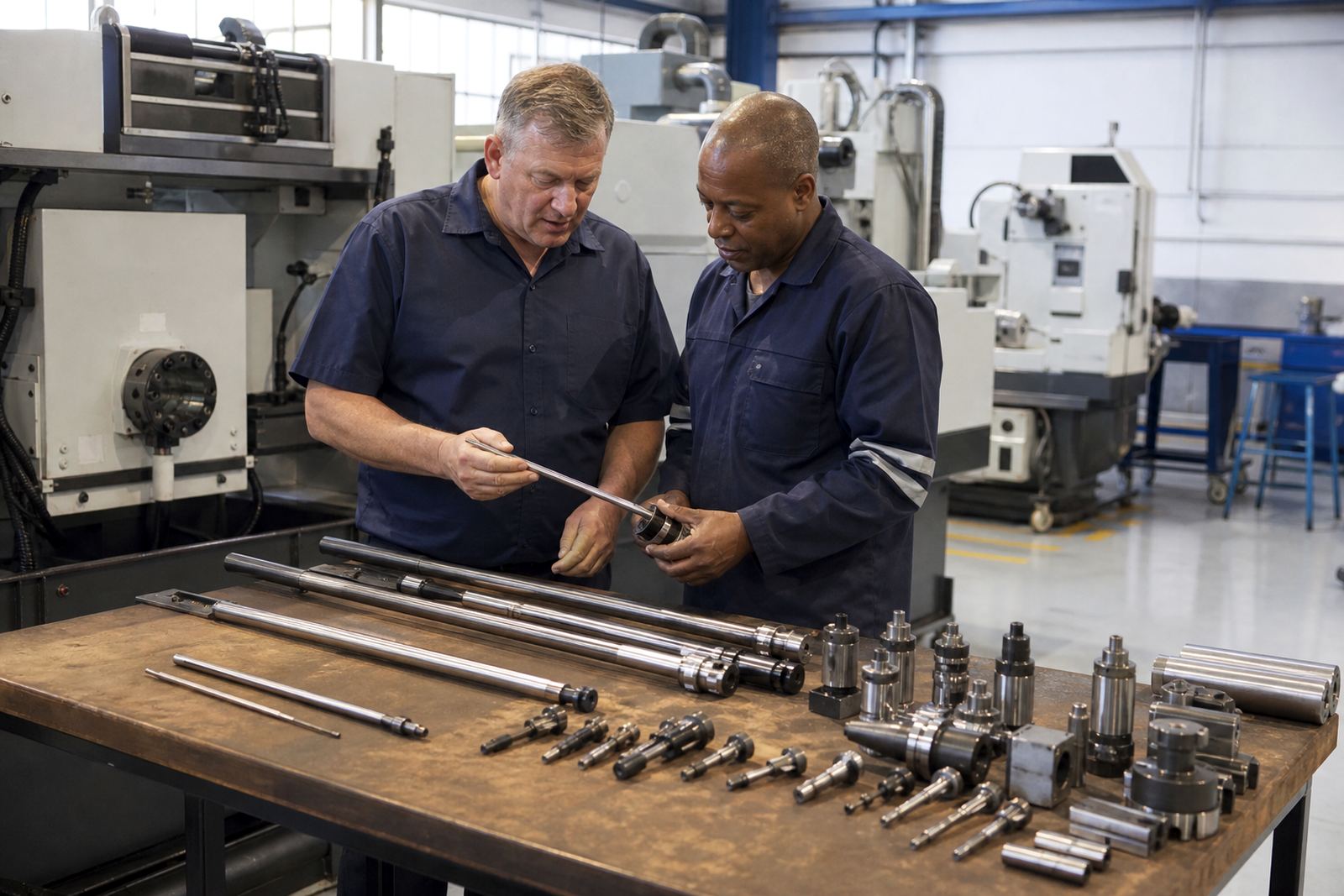
Tooling must suit both the workpiece material and the machine doing the work. A gun-drilling setup on a CNC machine will behave differently from a deep-hole boring arrangement, so check spindle speed, rigidity, coolant delivery, and workholding before ordering anything. If the machine cannot support the cutting conditions properly, even the best tooling will struggle.
- Confirm the material grade and hardness where possible.
- Check the hole depth compared with the diameter.
- Review available coolant pressure and flow.
- Make sure the machine and fixtures can hold alignment under load.
- Ask whether the job needs straight gun-drilling, boring, or a combination of both.
Good tooling support should help you match the cutter to the machine, not just sell the part number. That approach saves time during setup and reduces scrap on the first run.
Plan the Setup Before the First Cut
Many drilling problems start before the tool touches the material. Poor alignment, wrong clamping, weak coolant delivery or a worn guide arrangement can lead to wandering holes, poor finish and excess heat. In South Africa, where load-shedding can interrupt production, a setup that is easy to restart is worth a lot.
Use a written setup checklist for each job. Keep it at the machine and update it after each proven run. A few extra minutes here can prevent a long stoppage later.
- Check machine alignment and support points.
- Confirm the workpiece is clamped evenly and safely.
- Inspect tooling, holders and wear parts before use.
- Verify coolant condition, filtration and delivery.
- Record the first successful settings for the next run.
Choose Support That Helps on the Shop Floor
Tooling is only part of the job. You also need practical support when a setup needs adjustment, a cut starts to drift, or a production part fails inspection. That support should cover tool selection, setup optimisation, operator training, process troubleshooting and spare parts support where needed.
For shops in Johannesburg, Pretoria, Durban, Cape Town and Gqeberha, local response can make a major difference when production is waiting. If a machine goes out of alignment or coolant is not reaching the cutting zone properly, you need someone who can help assess the cause and get the job back on track. The goal is to keep the process stable, not just sell tooling and walk away.
Use a Simple Tooling Checklist Before Ordering
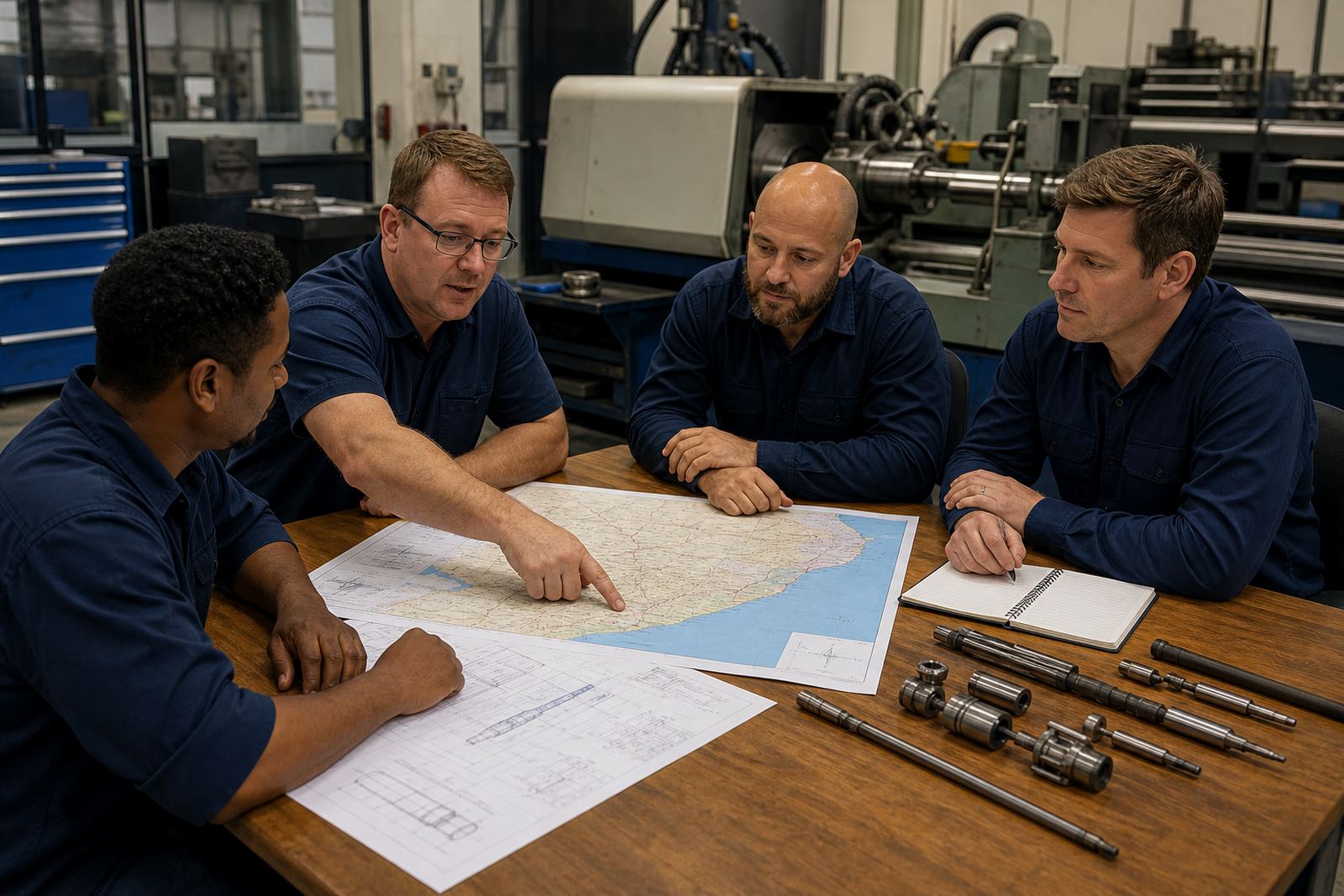
A short checklist helps avoid mistakes when specifying deep-hole tooling. It is especially useful when several people are involved, such as production, maintenance and procurement. Keep the questions practical and based on the actual job, not guesswork.
- What is the exact hole diameter and depth?
- What material are we cutting?
- What finish and tolerance are required?
- Is this for new production or an existing process?
- What coolant system is available on site?
- Who will set up, run, and maintain the tool?
If any answer is unclear, pause and confirm it before placing the order. A small detail missed at this stage can cost more later in rework or downtime. It is better to ask again than to buy the wrong setup.
Keep the Tooling Working After Installation
Once the tooling is running, the real work is keeping it in good condition. That means regular inspection, alignment checks, coolant system service, and preventive maintenance on the machine and related equipment. In coastal areas, humidity can affect storage and wear, so keep tooling clean, dry and properly marked when not in use.
Train operators to spot early warning signs such as poor chip removal, rising temperature, vibration or a change in finish. These small changes often point to a setup issue, a wear problem, or a coolant flow fault. Good training and a clear service plan help the machine keep producing without unnecessary stoppages.
At Deephole, tooling support is part of the full process, from machine installation and commissioning through to production startup and breakdown support. That gives manufacturers and engineering shops a practical way to keep deep-hole work steady and predictable.