
Start with the job, not the pump
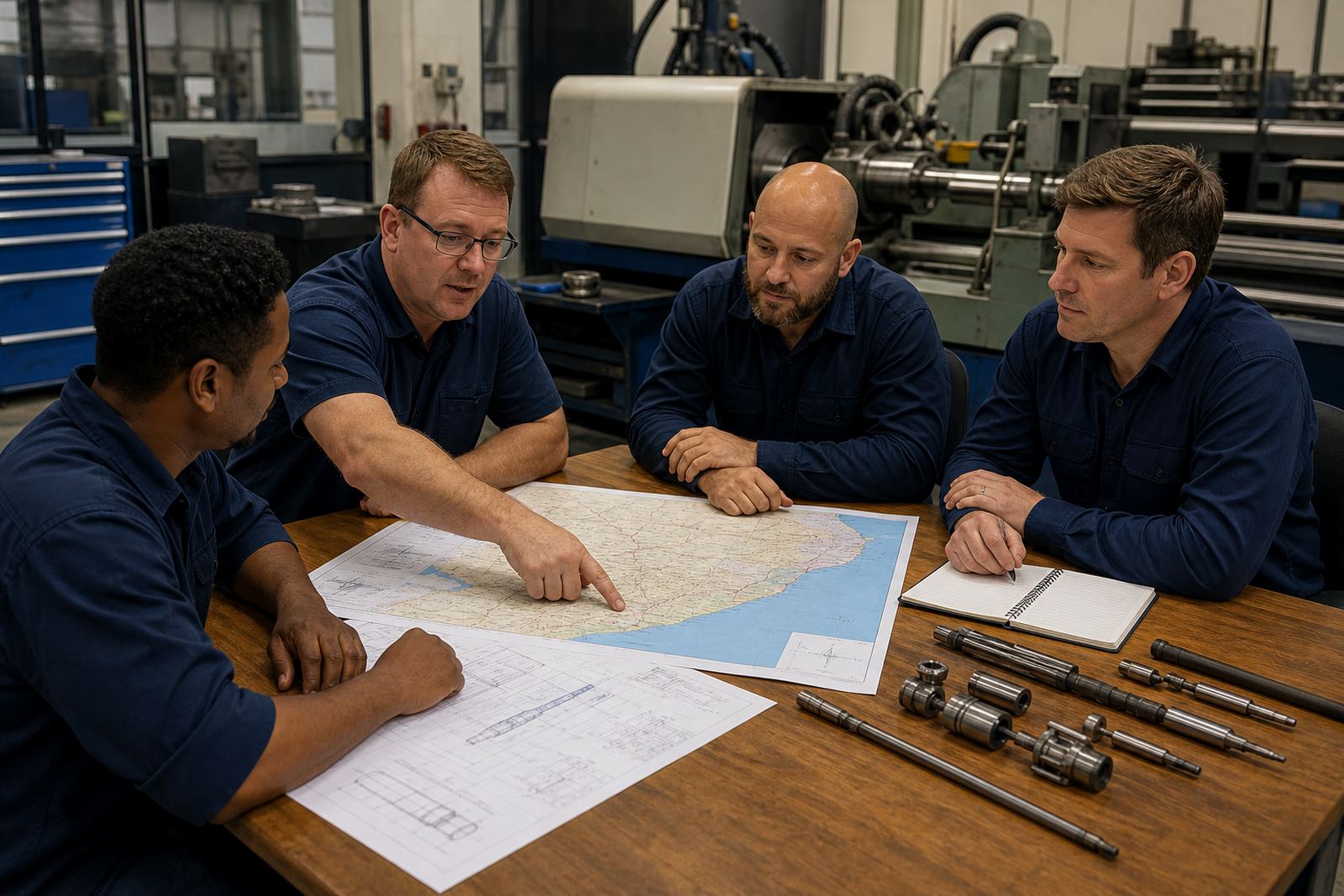
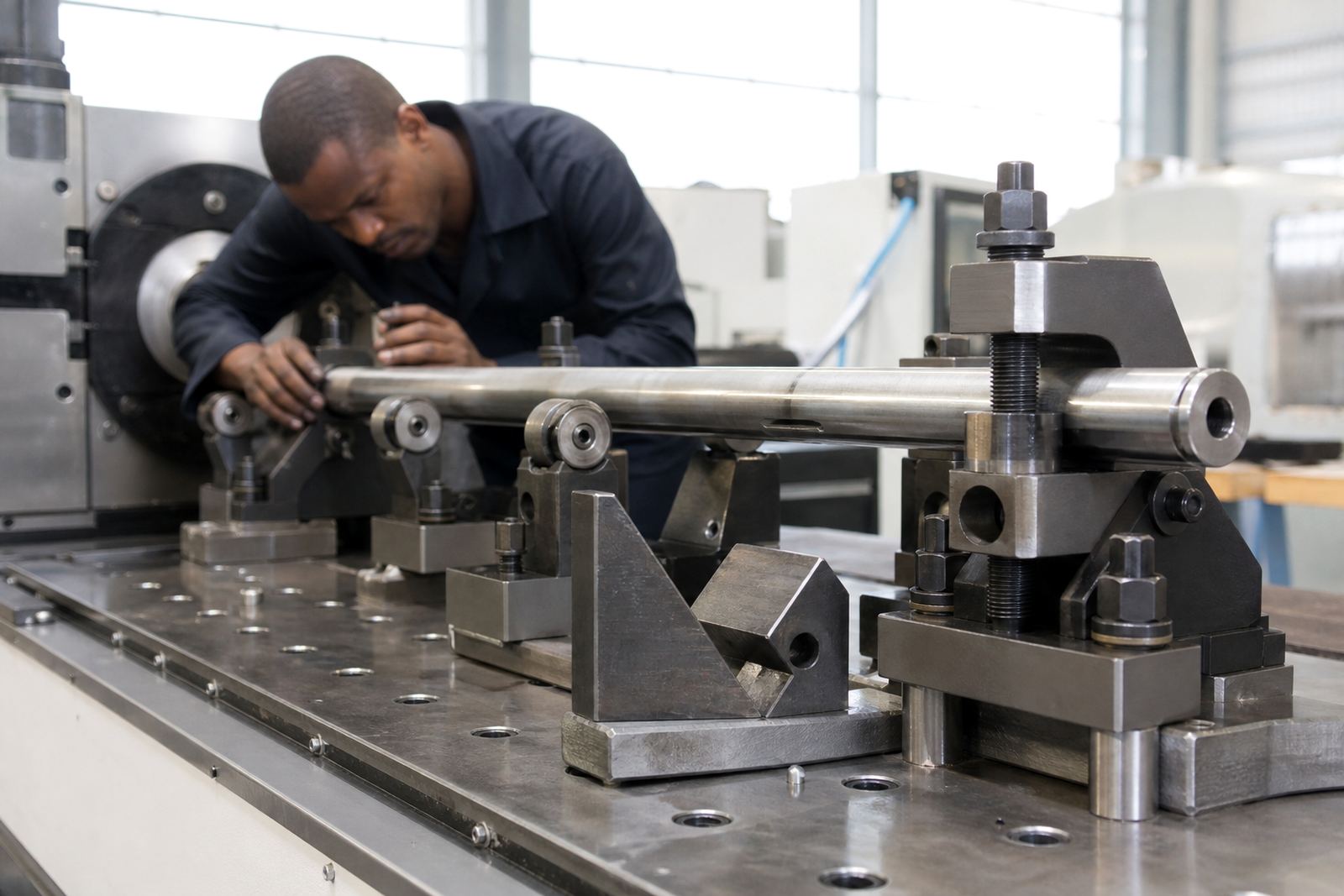
Before you choose a coolant system, define the job clearly. A setup for small-diameter gun drilling on long shafts is not the same as a deep-hole boring job on heavy parts with higher chip load. The coolant system must suit the material, hole depth, diameter, chip formation and the finish you need on the part.
When a workshop in Benoni, Johannesburg or Pretoria is planning a new job, the first questions should be practical. What material are you cutting? How often will the machine run? Will the job be one part size or a mixed batch? Is the work sensitive to heat build-up, staining or surface finish? The answers affect filtration, pressure control, tank capacity and the level of operator support needed.
- What material and hardness range are you running?
- What hole depth and diameter are expected?
- Will the machine run on one product or mixed jobs?
- Do you need fine filtration or standard chip separation?
Questions to ask about coolant delivery
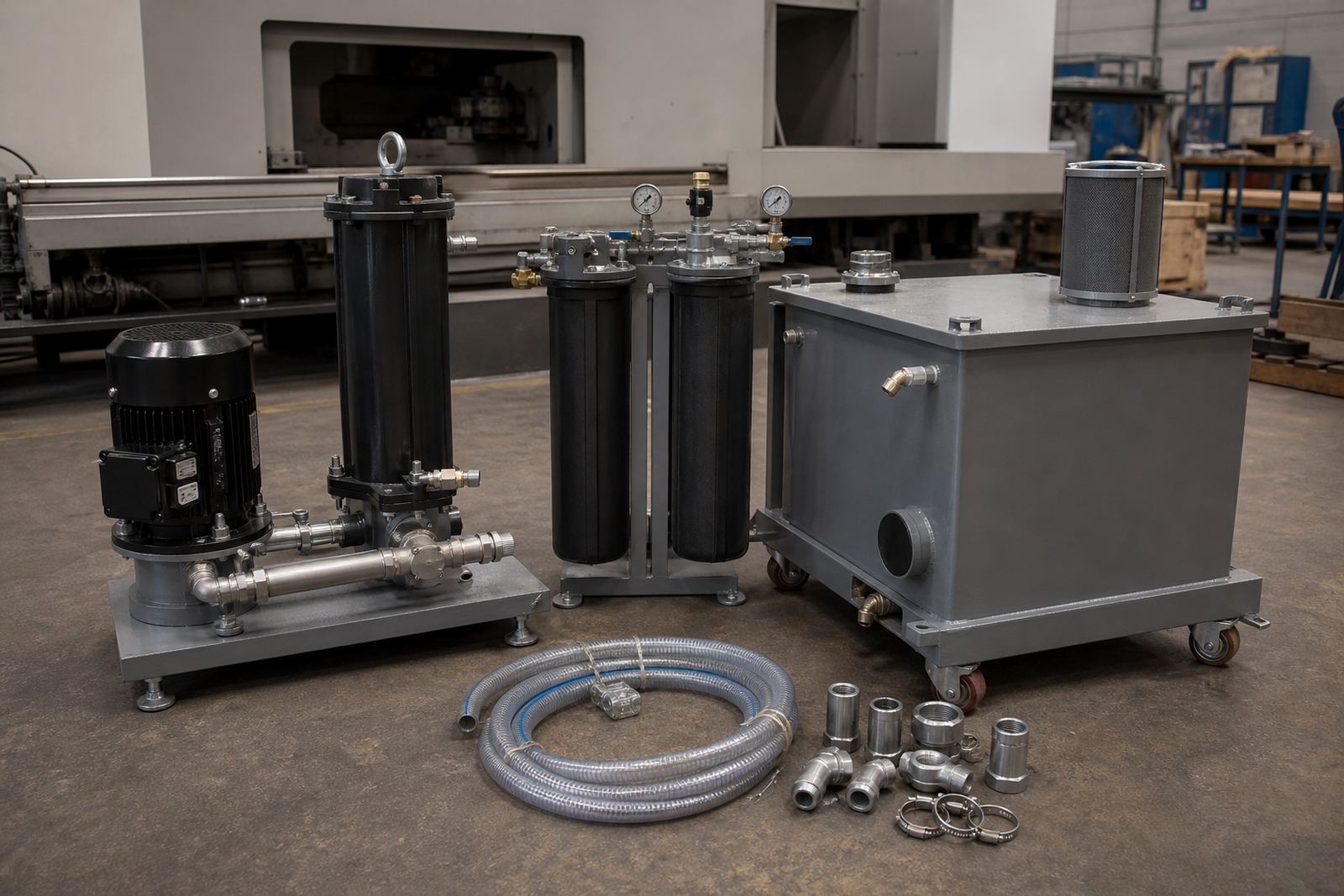
Coolant delivery is about getting the right fluid to the cutting zone at the right consistency and pressure, without flooding the rest of the machine. If delivery is unstable, the drill can wander, chips can pack in the hole and temperatures can climb quickly. That is where setup support matters.
Ask how the coolant is delivered to the tool, how pressure is controlled and how the system handles flow changes during start-up and full production. Also ask how easy it is to clean the lines, check for leaks and monitor level. In South African workshops, especially where load shedding affects routines, simple daily checks can save a lot of downtime.
- How is coolant delivered to the tool and hole entry point?
- How is pressure adjusted and monitored?
- Can the operator see level, flow and filter condition quickly?
- How easy is it to drain, clean and refill the system?
If you have a team that changes often, ask for a setup that is easy to understand. Clear controls and a repeatable filling routine help reduce mistakes on the floor.
Filtration choices that match deep-hole work
Filtration should be chosen around chip size, material type and the finish required. Fine chips from deep-hole boring can load filters quickly, while gummy materials may need closer attention than a cleaner-cutting job. If the filtration stage is not matched to the work, the coolant can carry contamination back into the cutting zone and into seals, pumps and hoses.
For many shops, the useful question is not just what filter is fitted, but how the whole system handles contamination over time. Ask how often the filters need attention, how a blocked filter is indicated and whether the system can be inspected without stopping production for long. That is especially important for manufacturers in Durban and Cape Town where humidity and coastal conditions can also affect storage and maintenance routines.
- What type of chips does the machine create?
- How will filter cleaning or replacement be managed?
- Is there a clear sign when flow is restricted?
- Are seals, hoses and fittings easy to inspect?
Checklist before installation and commissioning
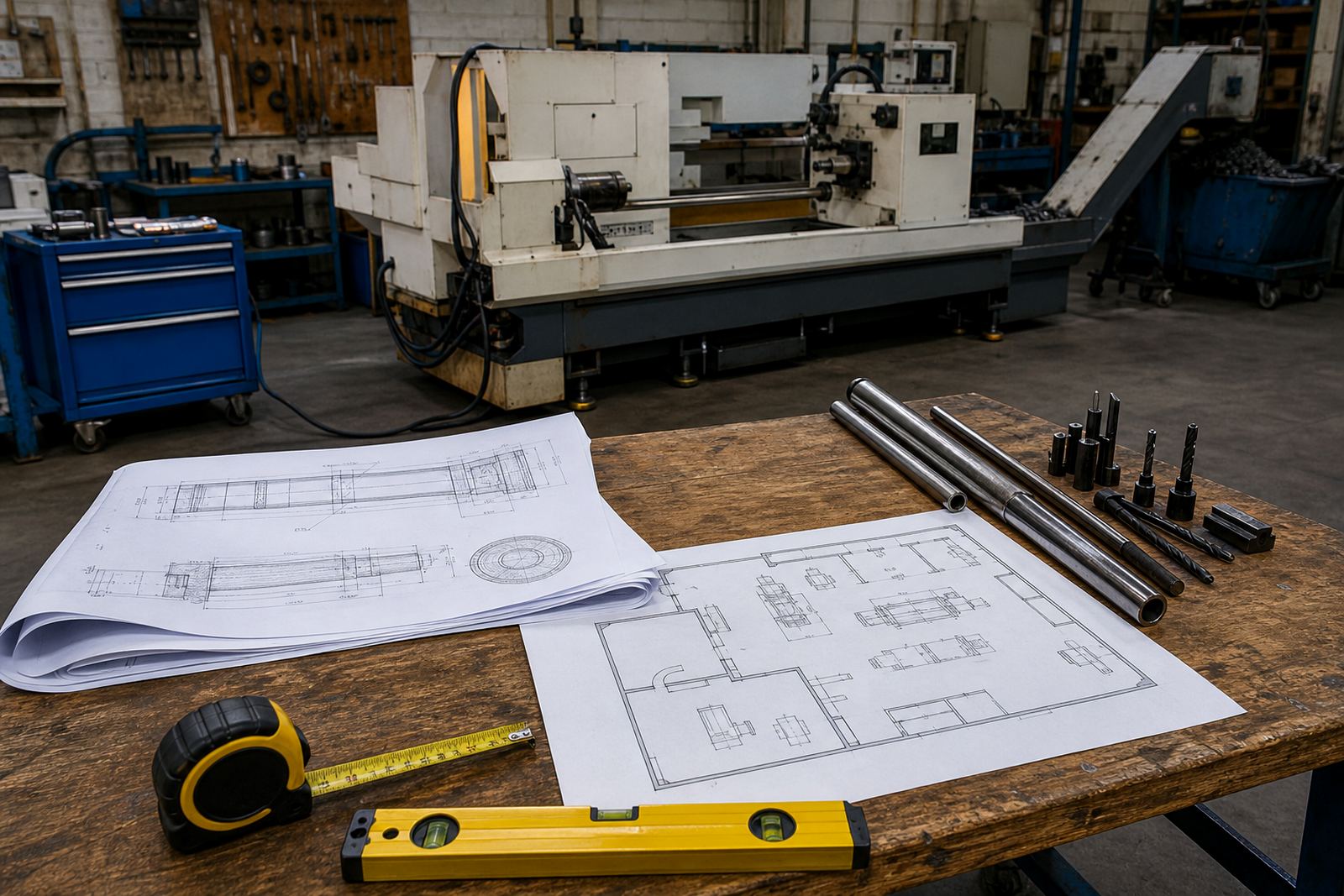
Good coolant performance starts before the machine is switched on. The base area should be ready, with space for access around tanks, pumps and filters. Power supply, floor condition and drainage should be checked early, because a messy installation can lead to recurring issues later. In some East Rand sites, space is limited and maintenance access is overlooked. That causes problems when a pump or line needs to be serviced.
Before commissioning, work through a simple checklist with your supplier or support team. This keeps everyone aligned and reduces the chance of start-up delays.
- Tank position and access are confirmed
- Electrical supply and isolation points are ready
- Drainage and spill control are in place
- Hoses, clamps and fittings are secure
- Coolant concentration and fill procedure are agreed
- Operator responsibilities are explained
Commissioning should include a real test run, not just a visual check. The coolant must reach the cutting zone properly, return cleanly and stay stable under working conditions.
Daily operator checks that prevent downtime
Coolant systems work best when the operator knows what normal looks like. A short daily routine can catch a blocked line, low level or contamination issue before it becomes a production stop. This is especially useful where production starts early or where power interruptions have disrupted the previous shift.
Keep the checks simple and repeatable. The operator should know what to look for, who to call and what not to ignore. A small issue left overnight can become a broken tool, poor hole quality or a damaged pump by morning.
- Check coolant level before start-up
- Look for leaks around hoses, joints and the tank
- Confirm flow at the tool and return line
- Watch for unusual smell, colour change or foam
- Clear visible chips from around the work area
Training makes these checks easier to keep in place. When operators understand why the routine matters they are more likely to follow it properly.
Support questions for ongoing production
Even a well-set system needs backup. Ask what support is available if flow drops, filtration becomes unstable or the machine starts cutting poorly after a change in material. You should also know how preventive maintenance is handled, what spare parts are kept on hand and who to contact when a breakdown interrupts production.
For manufacturers in Johannesburg, Pretoria, Durban, Cape Town and Gqeberha, support should cover installation, commissioning, alignment checks, process troubleshooting and production start-up. If coolant issues are linked to setup rather than the fluid itself, the answer may lie in tooling, alignment or machine condition. A proper support process looks at the full cutting system, not only one component.
At Deephole, the focus is on practical support for gun-drilling and deep-hole boring machines, with tooling selection, setup optimisation and coolant system service handled as part of the same production environment.
A simple planning summary for the workshop
When you plan coolant delivery and filtration support, keep the discussion grounded in the job. Start with the material, hole depth and production rhythm. Then confirm how coolant will be delivered, how chips will be managed and how the system will be cleaned and monitored. This avoids expensive guesswork and helps the machine perform properly from the first run.
For a workshop in Gauteng or anywhere else in South Africa, the best coolant system is the one that matches the work, is easy to maintain and has support behind it when conditions change. If you are planning a new installation or reviewing an existing setup, ask the right questions early and keep the checks practical.