Start with a site-by-site production review
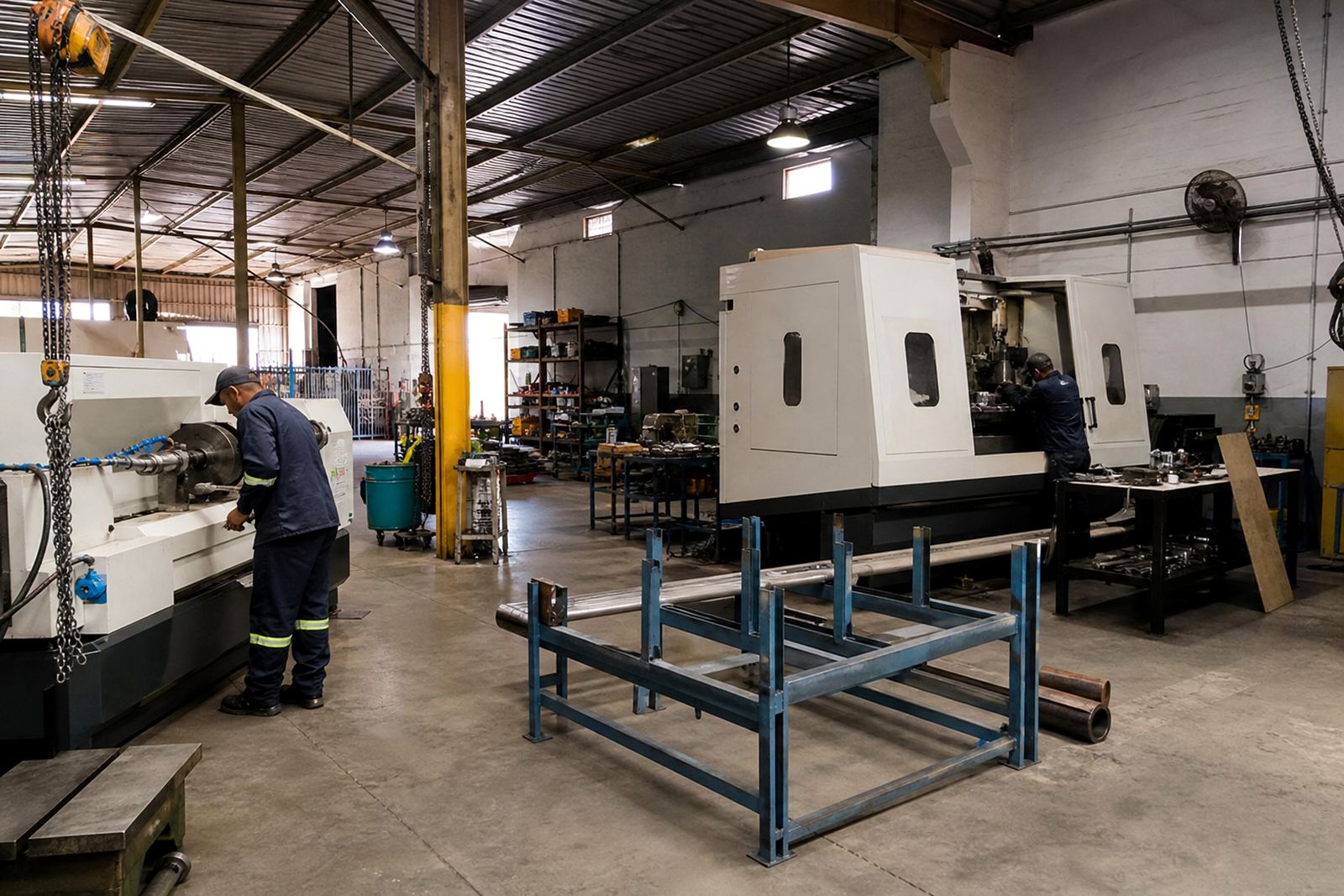
Every rollout should begin with a proper look at what each site is already doing. A workshop in Benoni may need different support to a machine shop in Gqeberha, especially where floor space, power stability, labour shifts and material flow all differ. The aim is to match the machine, tooling and support plan to the work that must be done on each site, not force one setup across every plant.
For manufacturers with multiple branches, it helps to list the parts being drilled, the hole depths required and the tolerances expected on each line. That lets our team advise on whether the focus should be on machine installation, setup optimisation, tooling selection or operator training first.
- List all sites and their current drilling or boring work
- Note part sizes, materials and hole depth ranges
- Record available floor space, crane access and loading points
- Check power supply, compressed air and coolant availability
- Flag any production bottlenecks or recurring breakdowns
Set a rollout sequence that suits South African logistics
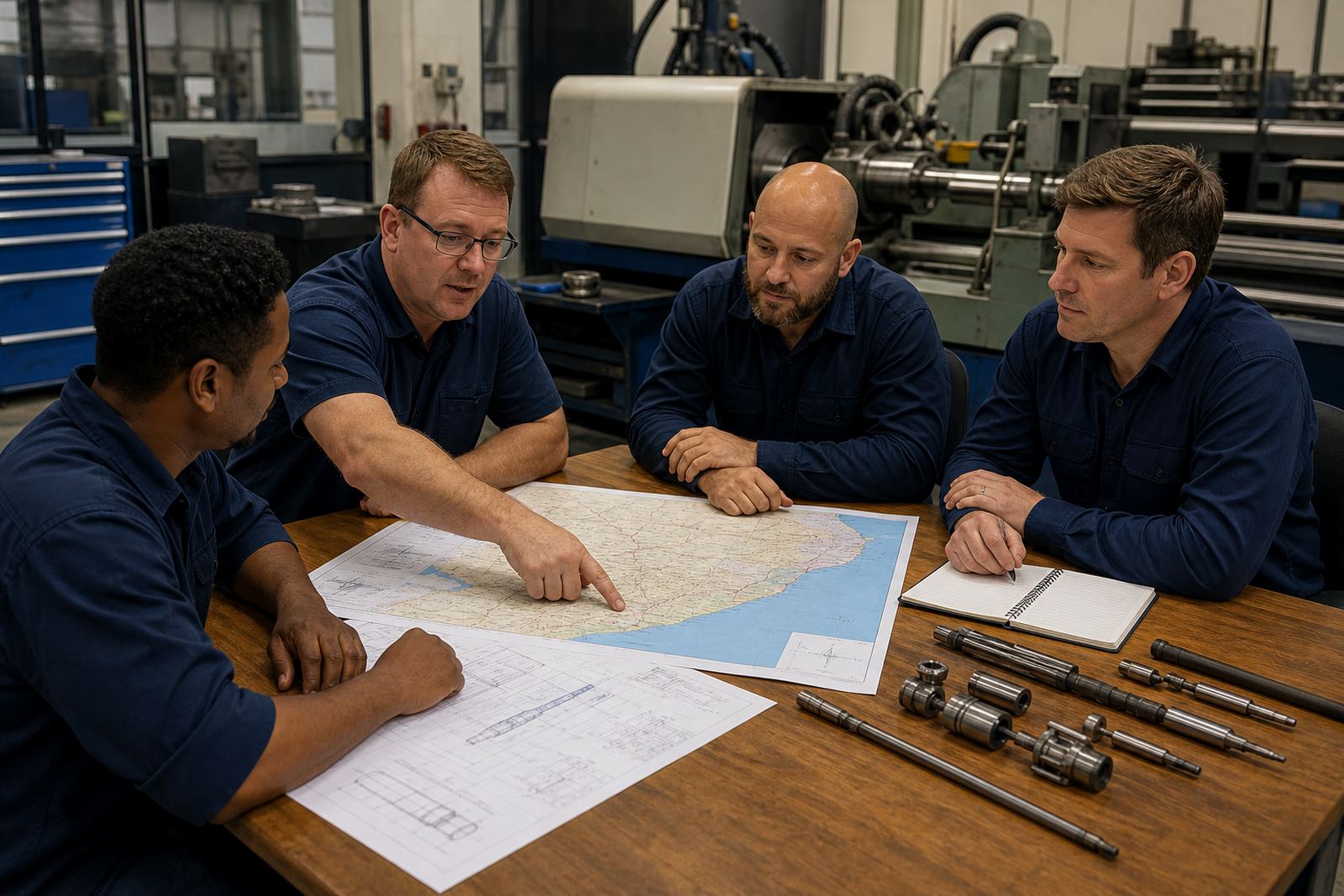
When a business operates in Johannesburg, Pretoria, Durban, Cape Town and Gqeberha, the order of support matters. A phased rollout is usually easier to manage than trying to commission every site at once. It also gives time to test tooling, train operators and sort out process issues before the next site comes online.
We normally advise starting with the busiest plant or the one carrying the most urgent work. That makes it easier to stabilise output early and create a working standard for the other branches. If one site has older equipment or a history of alignment problems, that should be built into the sequence as well.
- Choose one lead site for the first installation or upgrade
- Set dates for commissioning, training and handover
- Allow time for spare parts and tooling to reach each branch
- Plan around shutdowns, public holidays and load-shedding schedules
- Confirm who signs off each stage before moving to the next site
Standardise tooling and setup across all branches
One of the biggest causes of variation between sites is inconsistent tooling or setup practice. If one branch uses a different tool holder, coolant approach or setup method, the results will vary from place to place. For deep-hole work, small differences can show up quickly in finish, straightness and cycle time.
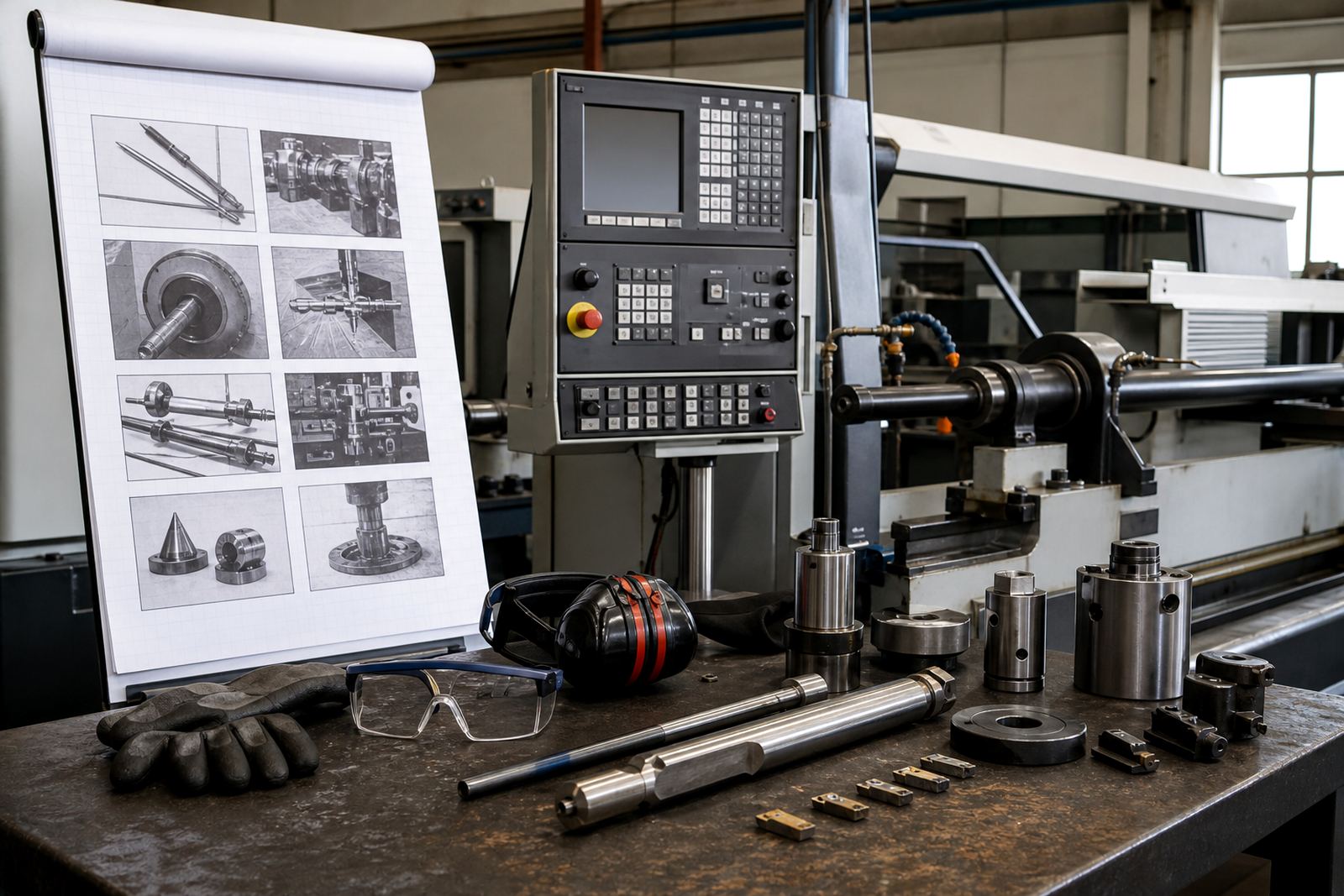
A practical rollout should define the tool package, alignment checks and setup steps for each machine type. That includes the tooling selection for the job, the method used to set up the workpiece, and the checks done before production starts. Standardising these points makes it easier for your team to move between sites and keep output steady.
- Use one approved tooling list for each process type
- Keep setup sheets the same at all sites
- Set a common method for alignment checks
- Record coolant type, concentration and service intervals
- Keep a basic spare parts list for every branch
Build operator training into the first month
Even the best machine will underperform if the operators are not confident with the process. Training should not be left until after production starts, because early errors can waste material and damage tooling. A good rollout includes hands-on operator training at the site, followed by follow-up support once the machine is in use.
At Deephole, our training lead and applications team can work with your staff on machine operation, setup routines, process control and troubleshooting. That is useful when a business has mixed experience across sites, with some teams already familiar with deep-hole work and others learning it for the first time.
- Train operators before production handover
- Cover startup, shutdown and daily checks
- Show staff how to spot wear, heat build-up and poor chip evacuation
- Assign one contact person per site for support calls
- Repeat training after any major process change
Plan maintenance and breakdown support before launch
National coverage only works if maintenance is organised in advance. A machine that is down in Durban must not sit idle while a team waits to decide who should attend. Clear support planning helps reduce stoppages and keeps machines in production longer. This is especially important where plants run long shifts or must recover output after load-shedding.
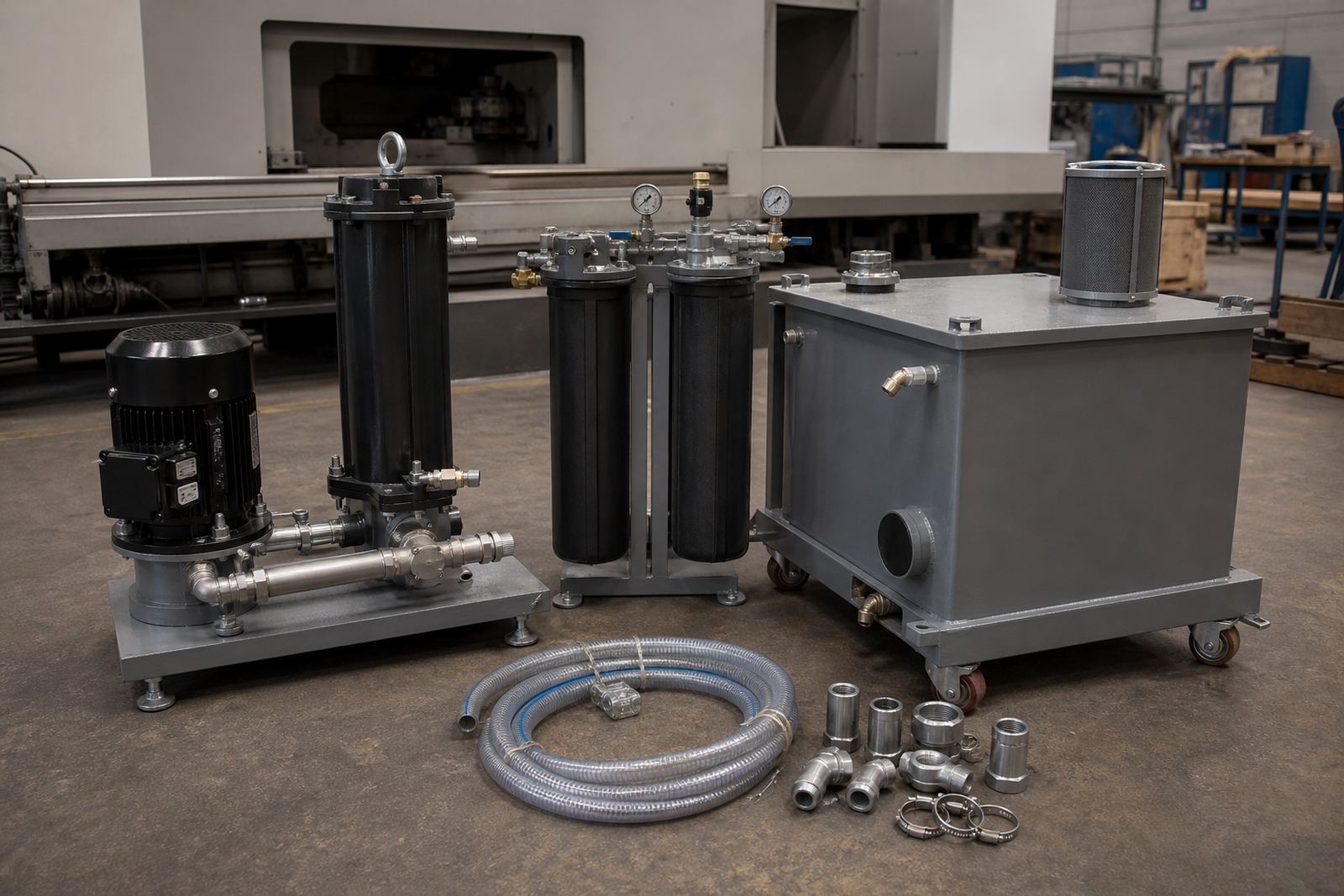
Preventive maintenance, coolant system service and alignment checks should be part of the rollout from day one. If the machine is being commissioned for high-volume work, it also helps to keep a service schedule tied to actual production hours rather than just calendar dates.
- Set a preventive maintenance calendar for each site
- Keep contact details for breakdown support in one place
- Log all service work, faults and corrective action
- Check coolant condition and filtration at regular intervals
- Review alignment after transport, relocation or heavy use
Keep spare parts and consumables where the work happens
Many production delays come from waiting on a small part or consumable that should have been on site. For multi-site operations, it is worth identifying which branches need on-hand stock and which can work from a central store. In practice, a site in Gauteng may be closer to the main parts base, while a coastal plant may need faster local cover because of transport time and humidity effects on tooling and coolant systems.
A simple stock plan helps managers avoid unplanned stoppages. It should cover the parts that are used often, the items most likely to fail and the consumables needed for daily operation. That way your team is not caught out during a production push or before a delivery deadline.
- Hold critical spares at the busiest sites
- Keep tooling consumables grouped by machine type
- Track which parts move fastest at each branch
- Review stock after every major service or breakdown
- Make sure storage areas are clean and dry
Use one support line for all sites
National rollout works better when every branch follows the same support path. That means one process for logging a fault, one process for requesting tooling help and one process for scheduling site visits. It avoids confusion when your Johannesburg team needs urgent advice while Pretoria is preparing for a new production run.
Deephole supports manufacturers and engineering shops across South Africa from our Benoni base, with service across Gauteng and into Durban, Cape Town and Gqeberha. Our team includes Marius Jacobus van Rensburg, Ayanda Mokoena, Johan Smit, Noluthando Dlamini, Francois du Plessis, Leanne Naidoo and Sibusiso Khumalo, each focused on a different part of the support process. If your business is planning a multi-site rollout, use the enquiry form on our contact page and we will help you map the next steps.
For a clean rollout, keep these last checks in place: confirm the machine list, confirm the tooling list, confirm who trains the operators and confirm who handles after-sales support. That saves time, reduces mistakes and gives each site the same standard from the start.