Start With the Part, Not the Machine
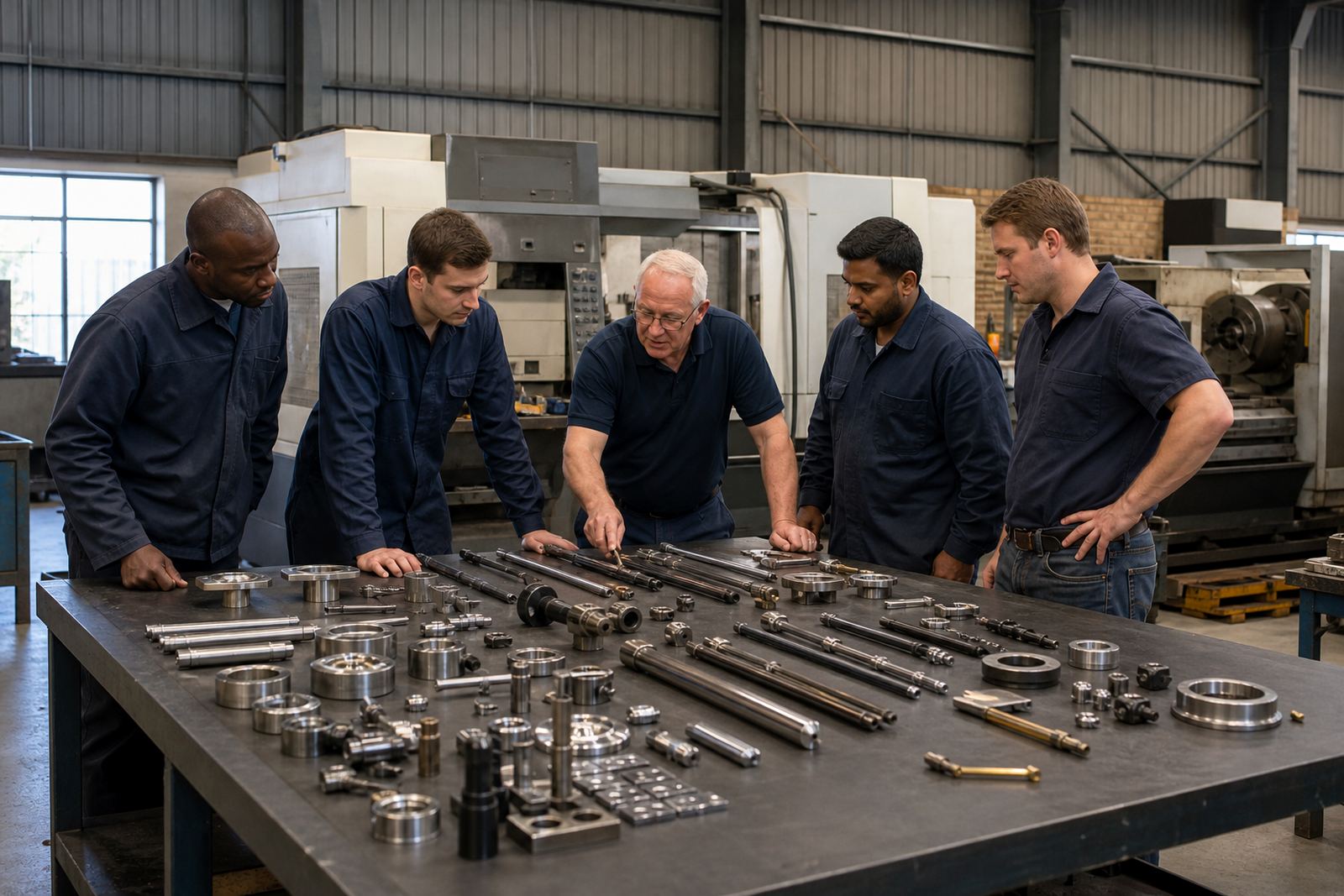
Before you choose a fixture, map the part itself. Look at overall length, wall thickness, weight, material grade, where the bore starts and exits, and how much the part can flex under clamping force. A shaft, tube, hydraulic component or mould insert may all need a different support plan even if the drilling route looks similar.
For gun-drilling and deep-hole boring, the part must stay true to the spindle and stay that way for the full cycle. Any movement at the chuck end or tail support can show up later as chatter, taper or a bore that wanders. In Benoni and across Gauteng we often see jobs lose time because the fixture was chosen for speed, not for control.
- Check the centreline of the part and mark reference points clearly
- Confirm where the part can be clamped without distorting it
- Allow space for chips, coolant return and tool access
- Identify any thin sections, keyways or weak points before setup
Choose Support Points That Prevent Deflection
The main goal is simple, keep the part from bending under its own weight or under cutting pressure. Long workpieces can sag between supports, especially when they are thin-walled or extended far out of the chuck. That sag changes the bore line, and once the hole starts off line it becomes harder to recover.
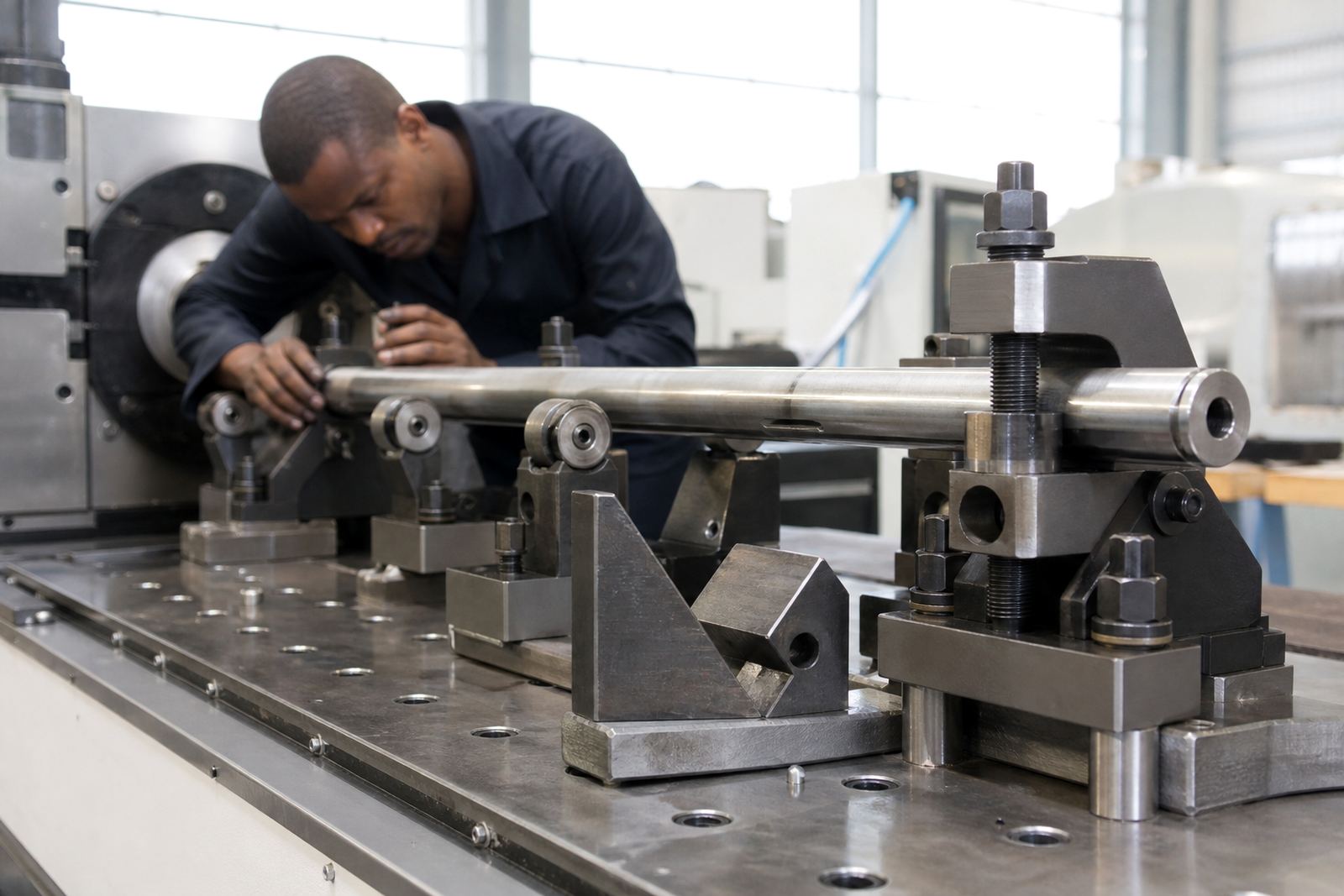
Use support points that are close enough to control deflection but not so tight that they mark the surface or trap the part in a stressed position. On some jobs, steady rests, V-blocks, tailstock support or custom cradles may be needed. The right choice depends on the component, not just the machine bed layout.
For South African workshops dealing with mixed batches and short lead times, it helps to standardise support checks before every setup. A good fixture should repeat, but it also needs enough adjustment to handle different sizes without forcing a poor fit.
Build the Fixture Around Access and Chip Clearing
Deep-hole work creates long, continuous chips and a lot of heat. If the fixture blocks access, the operator will fight the job from the start. The setup must leave room for tool entry, part loading, probe access if needed, and safe chip clearing between cycles.
In many cases, a fixture that looks solid on paper becomes a problem once the first chips start to come out. Packed chips can lift the part, damage the finish or force a stoppage for manual cleaning. This is why the workholding plan must include a path for chips and coolant, not only a way to hold the component still.
- Allow clear access to the bore entry point
- Leave enough open area for coolant return and chip evacuation
- Make loading and unloading practical for one or two operators
- Keep clamp hardware away from the tool path and measurement points
Plan Alignment Checks Before the First Cut
Alignment should be checked before drilling starts, not after a bad part comes off the machine. Long parts can be slightly off even when they look straight to the eye. Small errors at setup become bigger over distance, particularly on deep bores where the tool is already working hard to hold course.
Use reference faces, centres and measurement points that can be repeated from part to part. If the job will run again later, the same locating method should be available and clearly marked. That saves time during production startup and reduces the risk of setting the part differently on the next batch.
Where possible, verify the setup after clamping, after the first test move and again after the machine reaches cutting position. This is especially important on shops that are managing load-shedding, because power interruptions can interrupt a setup and change the order of operations if the team is not careful.
Match Tooling, Coolant and Workholding as One System
Workholding is not separate from tooling. The fixture, drill, boring bar, coolant system and machine settings all have to work together. A stable fixture with poor coolant flow can still cause trouble, just as a strong coolant setup will struggle if the part is moving under load.
Deep-hole jobs rely on steady chip evacuation and consistent support. That means the fixture must not trap swarf around the bore entry or create dead spots where coolant cannot reach. On stainless, alloy steel and other tougher materials, the support plan should also account for heat build-up and surface marking.
For coastal workshops in Durban, Cape Town and Gqeberha, humidity and corrosion control matter too. Fixtures and contact points should be kept clean and protected where needed, because surface rust on supports can lead to poor seating and inconsistent repeatability.
Use a Simple Setup Checklist on Every Job
A good checklist saves time and prevents rushed decisions. It also helps when different people in the team handle setup, commissioning, training or process troubleshooting. A clear routine keeps the job consistent whether it is being run in Johannesburg, Pretoria, Benoni or further afield.
Use the same order every time so nothing gets missed. If a job has already been proven, the checklist becomes your record of what worked. If the job is new, the checklist helps you isolate what changed when the bore quality shifts.
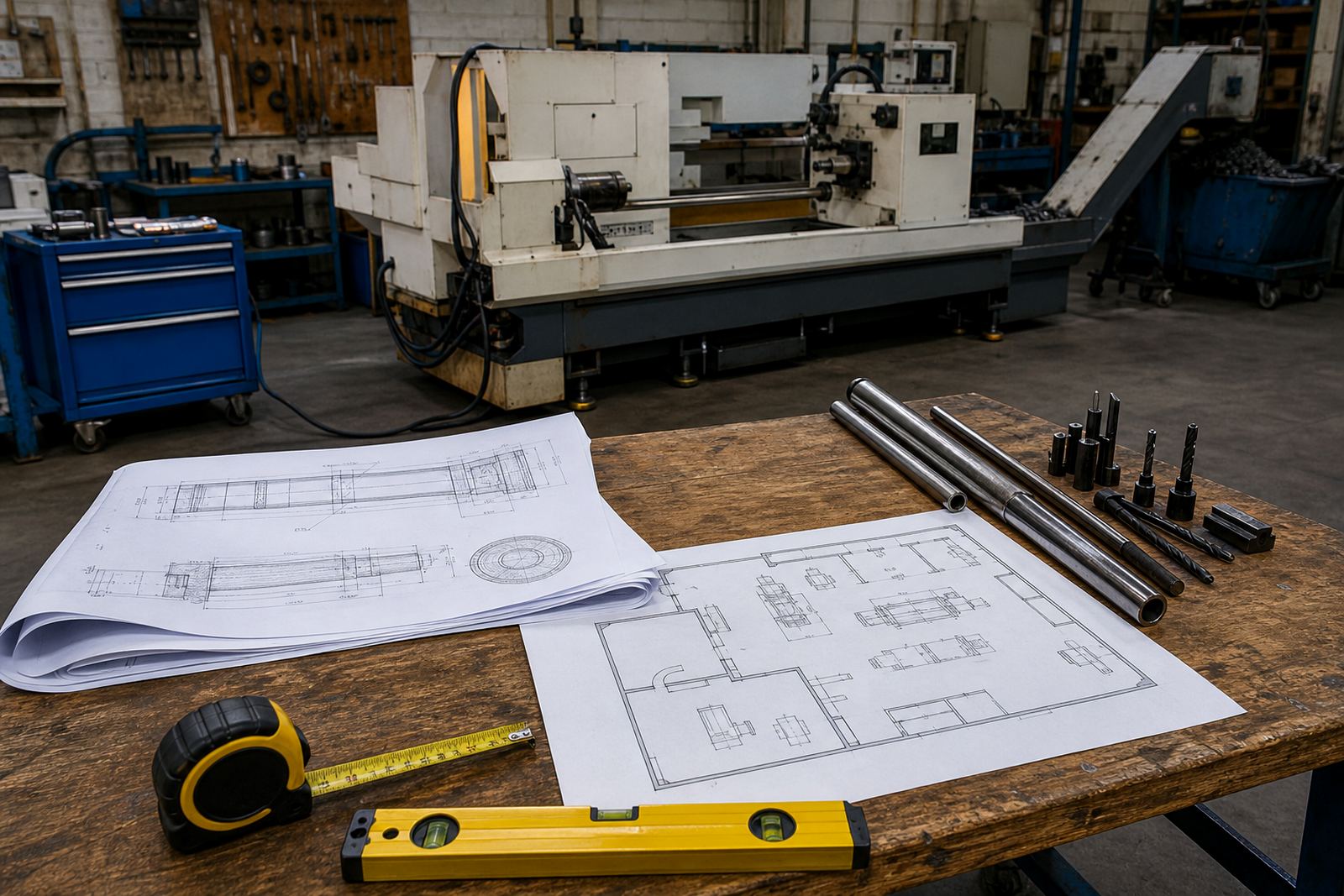
- Part drawing reviewed and bore direction confirmed
- Fixture cleaned, assembled and checked for wear
- Supports positioned and clamp force set
- Alignment verified before cutting
- Coolant flow checked and chip path clear
- First part inspected, then setup adjusted if required
That kind of discipline pays off in production. It is often the difference between a job that keeps moving and one that stops for rework, re-clamping or unnecessary troubleshooting.
When to Bring in Support on a Difficult Setup
Some parts are simply awkward. Thin walls, long reach, mixed materials or strict bore tolerance can make fixture planning more demanding than the cutting itself. In those cases, it helps to get support early, before the first setup is locked in.
The Deephole team works with manufacturers and engineering shops across South Africa on machine installation, commissioning, tooling selection, setup optimisation, operator training, process troubleshooting, preventive maintenance, breakdown support, spare parts support, coolant system service, alignment checks and production startup. That means the workholding plan can be checked against the full production picture, not only the drawing on the bench.
If your job is sensitive to vibration, support spacing or repeat setup, use the enquiry form on our contact page and send the job details through for review. A better fixture plan at the start usually means fewer problems later and a cleaner bore from the first run.