Start With The Parts You Actually Machine
Before looking at floor space or power supply, list the parts that drive your day-to-day work. A workshop that machines long, straight bores for hydraulic components will need a different setup from a shop handling smaller precision parts with frequent changeovers. The aim is to match the machine to the real mix of jobs, not to a best case scenario that never arrives.
Write down the part lengths, bore diameters, material types and the tolerance levels your customers expect. If you do repeat work for local manufacturing, maintenance or contract machining in Gauteng, that information will quickly show whether you need a straightforward production cell or a more flexible layout with room for setup changes and inspection.
- Part length and clamping method
- Common bore size ranges
- Material grades you machine most often
- Changeover frequency during a normal week
- Inspection and finishing steps after machining
Check Space, Access And Material Flow
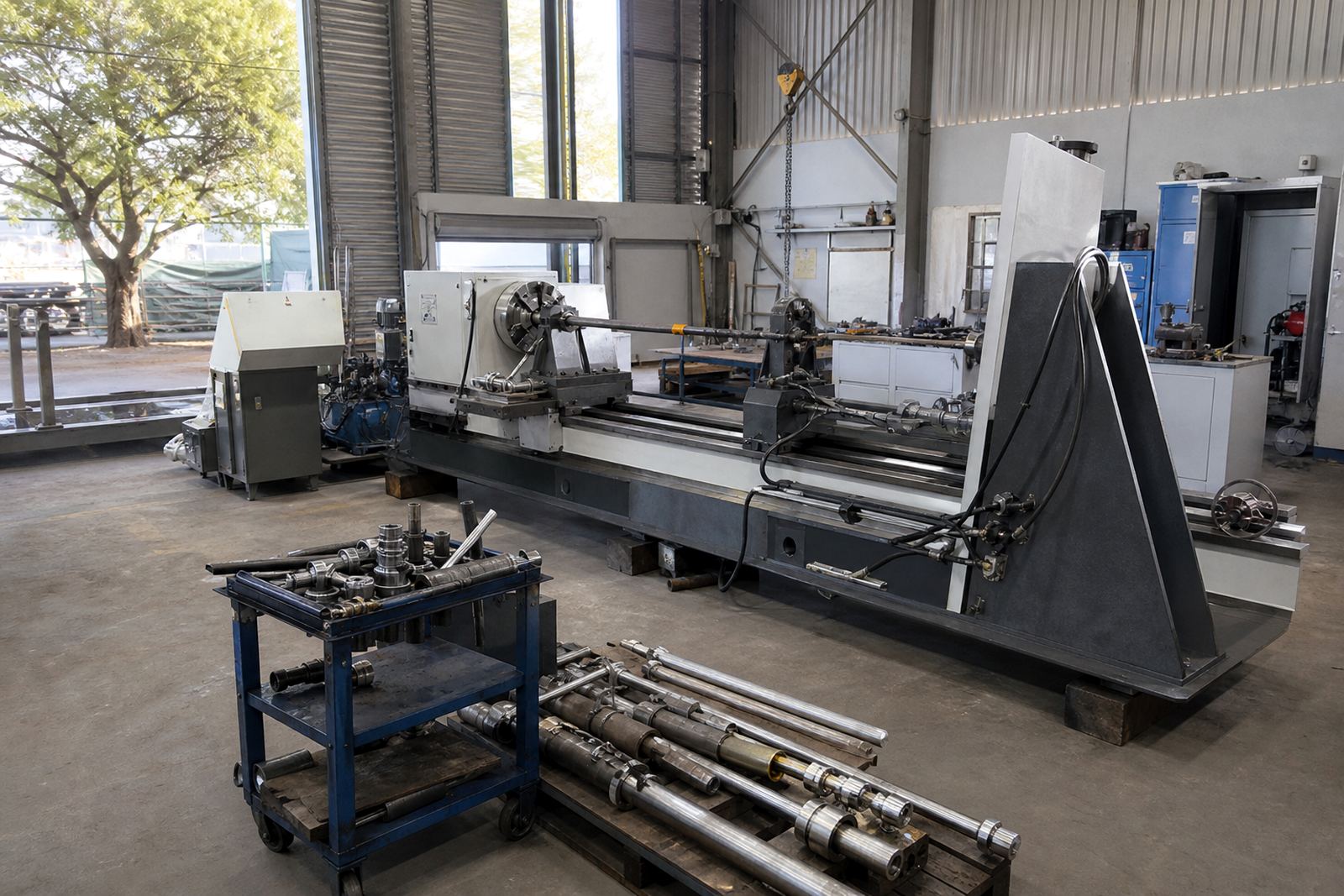
Deep-hole boring and gun-drilling work needs clear access around the machine, the loading side, the coolant area and the inspection point. In many Benoni, Johannesburg and Pretoria workshops the machine itself is only part of the picture. You also need safe movement for raw material, finished parts, tooling carts and maintenance access.
Measure the full working area, not only the footprint on the floor. Leave space for cranes, forklifts or manual handling where needed, and make sure operators can move without squeezing past stock racks. If your shop also serves customers from Durban, Cape Town or Gqeberha, think about how parts are packed, staged and received so production does not stop while waiting for the next job to arrive.
- Machine footprint and service clearance
- Material loading path from stock to machine
- Space for coolant service and chip removal
- Safe walking routes and emergency access
- Inspection bench or measuring area nearby
Match Power, Cooling And Plant Conditions
Workshop conditions in South Africa vary a lot. Some sites face load-shedding, others deal with coastal humidity, dust, heat or older electrical installations. Before installation, check what the machine needs from the building and what your plant can actually supply without strain.
Do not overlook the basics. Stable power, cooling support, clean coolant management and sensible ventilation all influence repeatability and tool life. If the site has voltage dips or limited backup supply, the production plan should reflect that reality. A machine can be a good fit on paper but still struggle in a plant that is not ready for it.
- Incoming power capacity and distribution board condition
- Backup arrangements for power interruptions
- Cooling and coolant system access
- Ventilation and chip handling
- Protection against dust and coastal corrosion
Choose Tooling And Setup Around Your Output
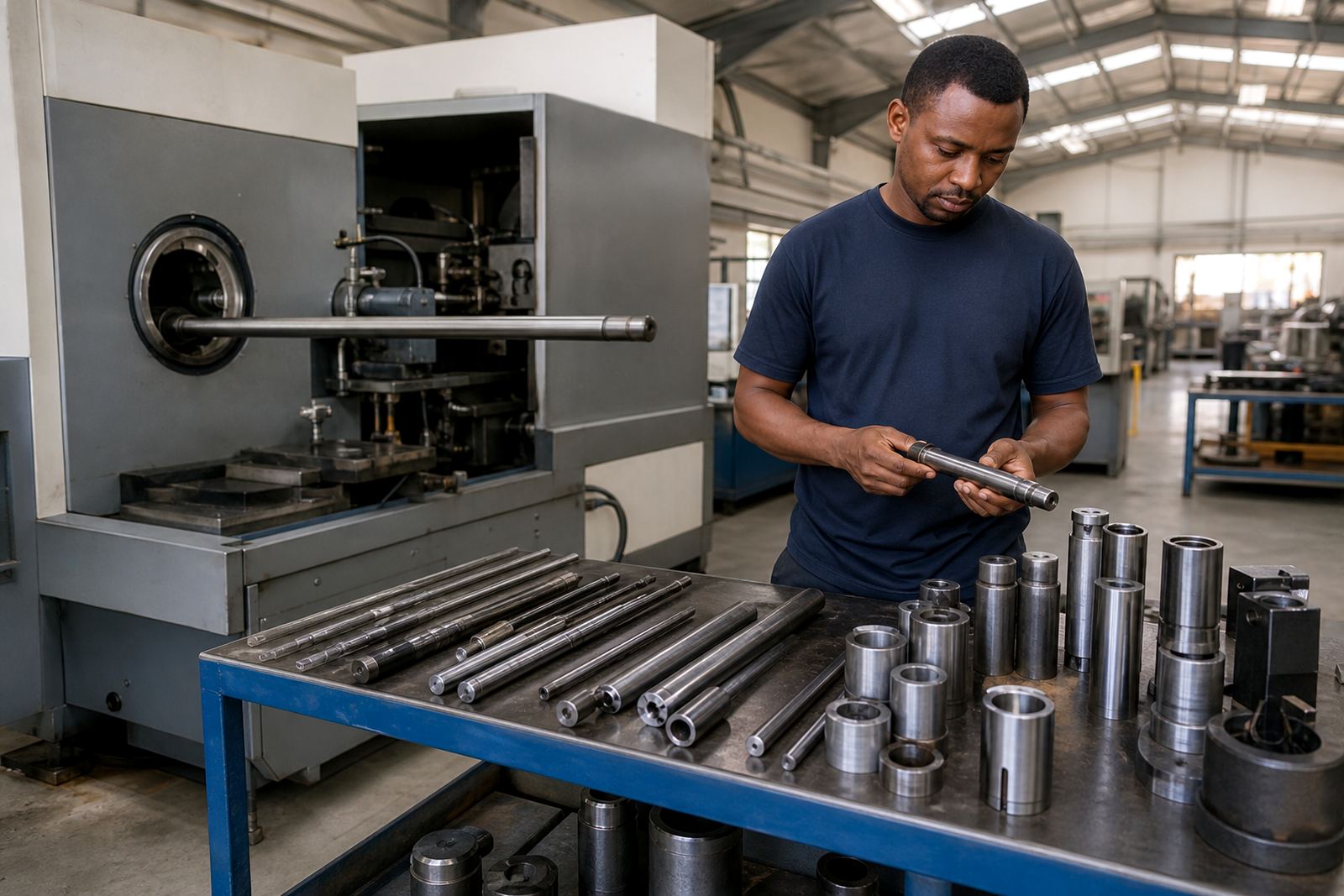
Tooling selection and setup have a direct effect on cycle stability, bore quality and the time needed to get from one job to the next. A workshop doing short runs may need flexible tooling and repeatable setup methods, while a higher volume site may focus more on consistency and reduced downtime. The right answer depends on output, not guesswork.
It helps to compare the full production path, from job loading to final check. If setup takes too long or the operator needs constant adjustments, the machine may not suit the workmix even if the machine itself is capable. Deephole supports manufacturers and engineering shops with tooling selection, setup optimisation and operator training so the machine works properly in the day to day environment.
- Tooling size and reach for the parts you run
- Setup repeatability between jobs
- Operator skill level on your floor
- Need for quick changeovers
- Measurement and quality control method
Plan For Commissioning, Training And First Production
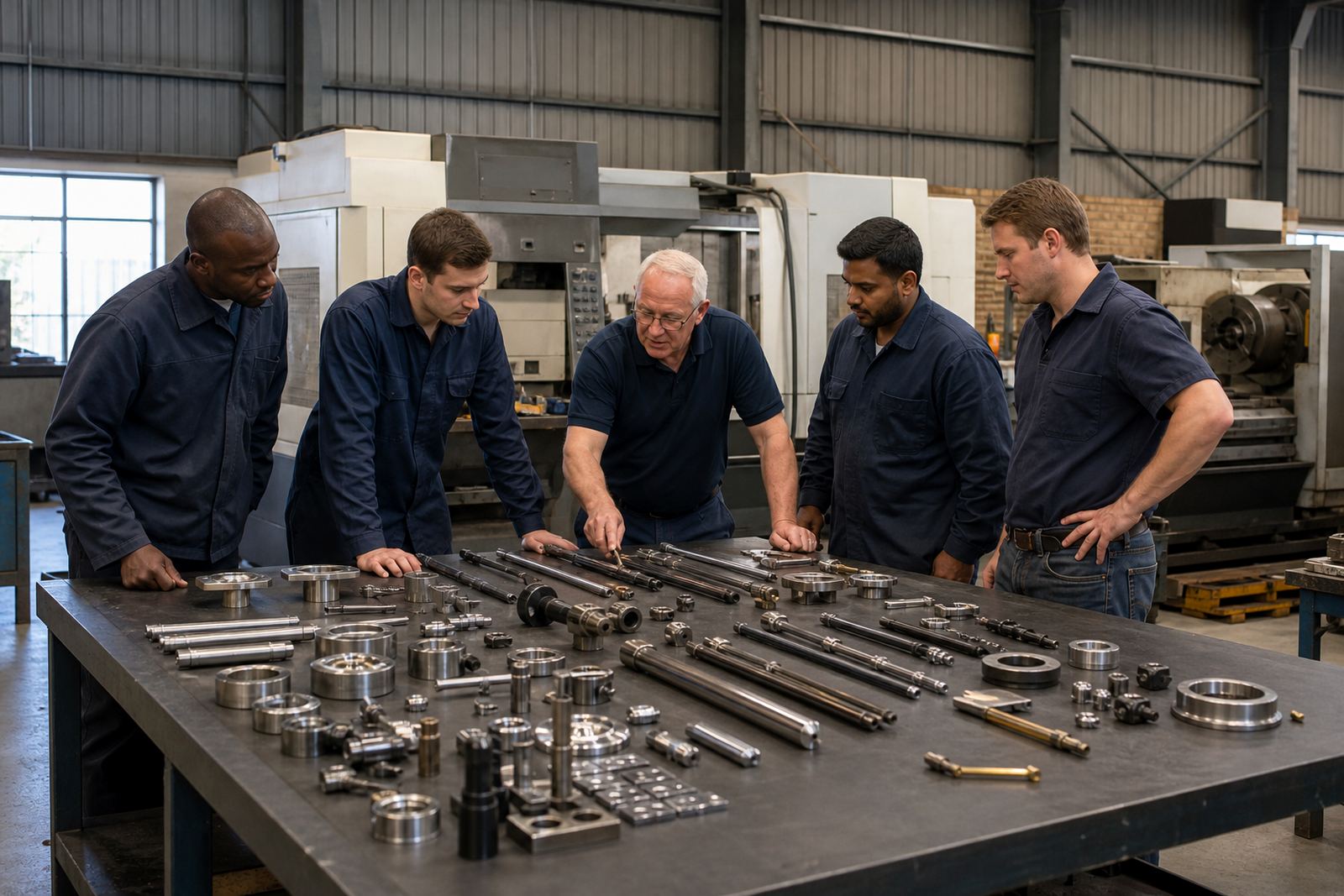
A machine only becomes useful once it is installed, commissioned and set up for the actual job list. The first few days on site matter a great deal, especially if your team is balancing production pressure with new equipment. Good planning reduces errors, protects tooling and shortens the time before parts come off to spec.
Our team in Benoni supports installation, commissioning, alignment checks, process troubleshooting and production startup across Gauteng and further afield. That includes practical handover for operators and maintenance staff, with clear steps for the work you intend to run. If the machine needs a specific loading routine, coolant practice or inspection method, those details should be built in from day one.
Use A Simple Workshop Comparison Checklist
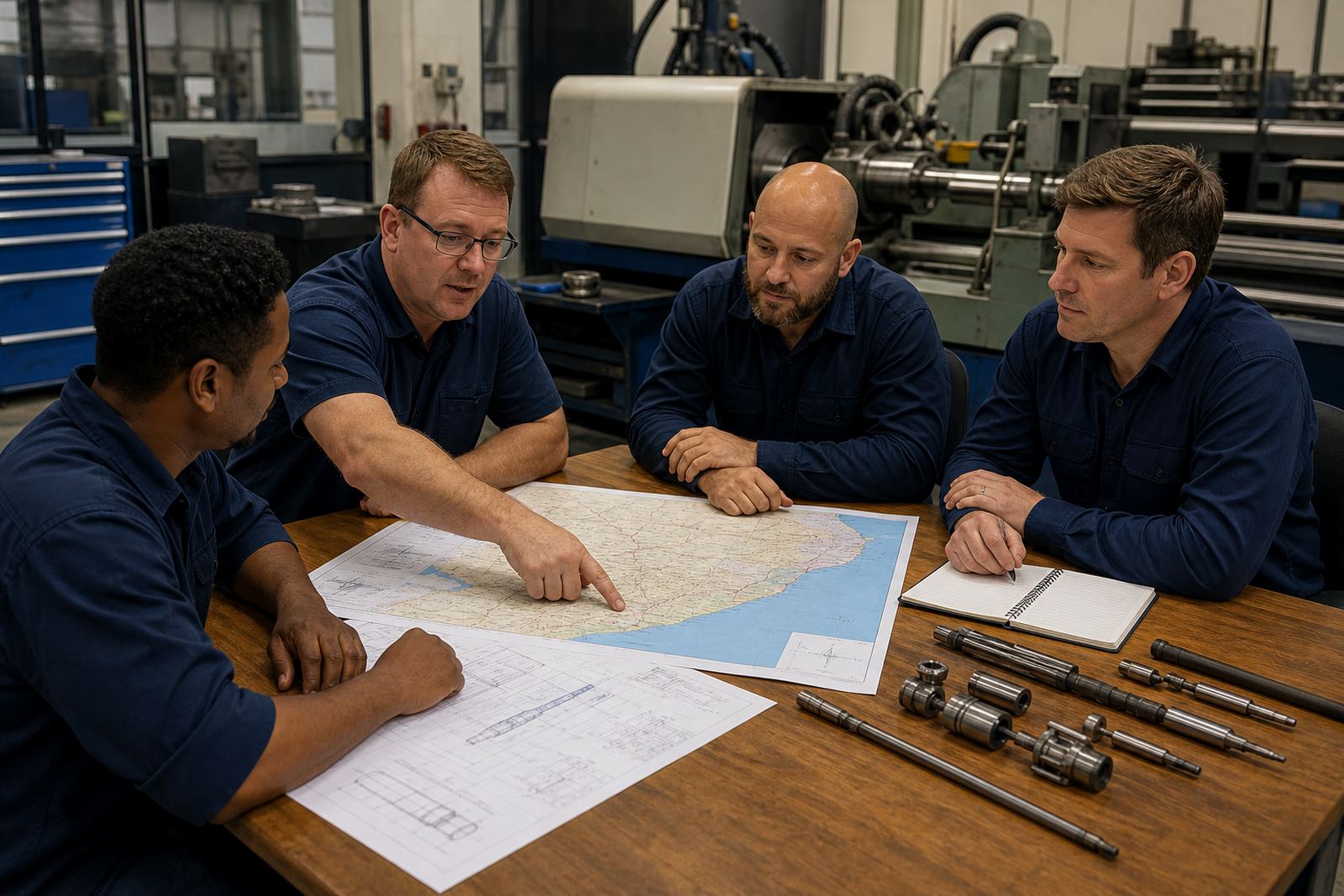
When comparing one workshop to another, or comparing a new line against your current setup, use the same checklist each time. That keeps the decision practical and helps you see where the gaps are. It also makes it easier to decide whether you need machine installation support, breakdown support, spare parts support or preventive maintenance later on.
Keep the checklist close to the floor and review it with the people who actually run the machine. Supervisors, setters, operators and maintenance staff often see different risks. Marius Jacobus van Rensburg and the Deephole team work with manufacturers and engineering shops across South Africa to align machine choice with real production conditions, not assumptions.
- What parts are we making now and what may change later
- Is the floor space clear for safe loading and servicing
- Do we have stable power and coolant support
- Can our team handle setup, training and daily checks
- Is there a plan for maintenance, alignment and spares