When a hire option makes sense
Hiring suits workshops that need to test a process before committing to a purchase, or that have a short term order with a defined finish date. It can also help when a customer needs to machine a new part family, prove a cycle, or cover a gap while another machine is under repair. For many South African shops, that flexibility matters when orders come in unevenly and cash flow has to be watched carefully.
In Benoni and across Gauteng, we often see hire requests linked to first article work, special components, or temporary capacity for a job that must ship fast. If the work is not likely to repeat, the hire route can keep your balance sheet cleaner and avoid storing another machine on the floor long term.
- Short project duration
- Trial production or process proving
- Temporary capacity during peak demand
- Cover for machine downtime
- New operator or new part family testing
Signs buying is the better long term call
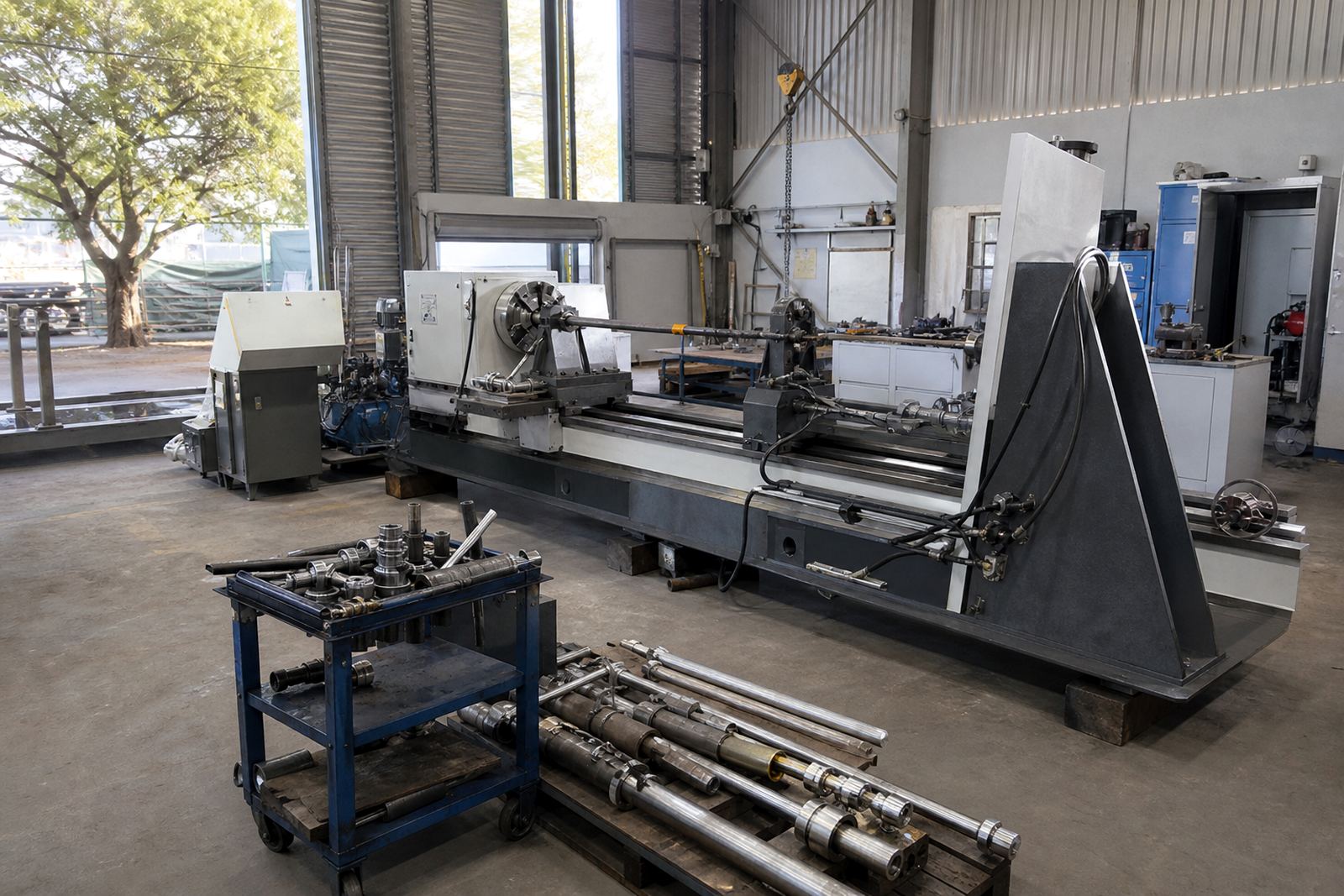
Buying usually makes more sense when deep-hole work is part of your normal production mix and the machine will stay busy through the year. If your team machines the same bore patterns, similar lengths or regular batches, ownership can reduce repeated hire costs and give you full control over scheduling, tooling and setup.
Ownership also suits shops that want to build in-house knowledge. Once your operators, setters and maintenance team are trained, you can refine your own methods and standardise the process. That is important where production windows are tight and you cannot wait for outside availability. If the machine will be used weekly rather than occasionally, buying often becomes the practical route, even if the upfront spend is higher.
- Regular production demand
- Repeated bore sizes or part types
- Need for full scheduling control
- Longer term return on capital
- In-house process ownership
How to compare the true cost
Do not compare hire and purchase by the monthly figure alone. Look at the full cost of getting parts out the door. With a hire option, check what is included in the rate, what tooling is supplied, and whether setup help, delivery and commissioning are part of the package. Also ask how quickly support is available if the process needs adjustment.
With buying, add the machine cost, tooling, installation, commissioning, training, maintenance and spare parts support. A shop in Durban or Gqeberha may also need to think about coastal humidity, storage conditions and coolant system care. In some cases the cheaper option on paper is not the cheaper option once stoppages, scrap and rework are counted.
- Machine cost or hire rate
- Tooling and consumables
- Installation and commissioning
- Operator training
- Maintenance, spares and support
- Risk of downtime or scrapped parts
Practical checklist before you choose
Before you hire or buy, gather the key details about the job and the workshop. This makes it easier to match the machine and tooling to the part, instead of trying to force the part around the equipment. A clear checklist also helps avoid delays when the machine arrives or when setup starts.
Start with the material, bore diameter range, hole depth, part size and the accuracy requirements. Then look at your floor space, power supply, coolant handling and lifting access. If the machine will sit in a busy shop in Pretoria or Johannesburg, plan the layout so the operator can move safely around loading and tool changes. A small oversight here can cost a whole day, sometimes more.
- Part drawing and material type
- Required bore size and depth
- Batch size and repeat frequency
- Available floor space and access
- Power, coolant and lifting needs
- Operator skill level and training needs
What setup and support should be included
Whether you hire or buy, support is a major part of the value. For deep-hole work, correct installation and alignment are not optional. A machine that is not set properly can create chatter, tool wear and poor finish, which is costly on long bores. It helps to have someone who can check the setup, confirm the process and guide the first production run.
Useful support includes machine installation, commissioning, tooling selection, setup optimisation, operator training, process troubleshooting and preventive maintenance. Breakdown support, spare parts support and coolant system service also matter, especially where loadshedding or production interruptions can affect schedules. If the machine is going into a new line, production startup support can save time and reduce mistakes.
A simple decision route for your shop
If you are unsure, work through the decision in three steps. First, ask whether the job is temporary or recurring. Second, check whether your team has the skills and time to run the process safely and consistently. Third, compare the full cost against the expected production benefit. That gives you a clearer answer than guessing based on price alone.
For some shops, hire is the right bridge between a new contract and a later purchase. For others, especially those with steady work and repeat parts, buying gives better control and lower long term risk. If you need help weighing the choice, Deephole supports manufacturers and engineering shops across South Africa from Benoni, with supply and service coverage for Johannesburg, Pretoria, Durban, Cape Town and Gqeberha.
- Use hire for short term or proving work
- Buy when the machine will stay busy
- Include tooling and support in the comparison
- Plan for installation, training and maintenance
- Review the part mix before making a final call