
Start with a maintenance file for each machine
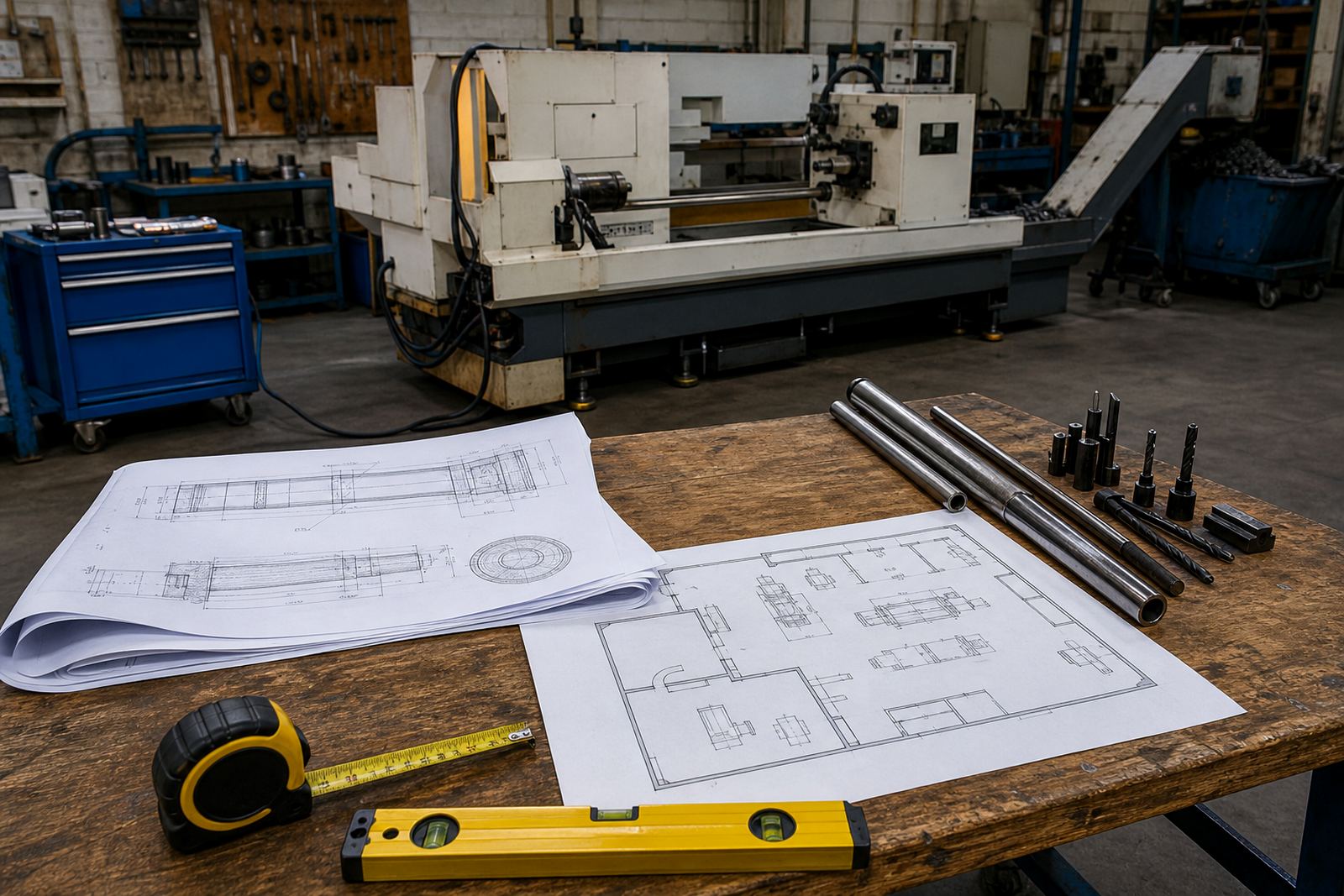
Once a machine is installed and commissioned, open a maintenance file straight away. Keep one file per machine and record the model, serial number, installation date, tooling used, coolant details, operator names, and the first alignment readings. This gives your team a clear record when something changes later, especially after tool changes or a moved fixture.
The file does not need to be complicated. A ring binder or digital folder is enough if it is kept current. What matters is that the same information is recorded every time, so trends show up early. If a machine starts running hotter, losing finish quality, or making unusual noise, you can compare it against the previous service notes instead of guessing.
- Machine identification and location on site
- Installation and commissioning dates
- Tooling sizes and holders in use
- Coolant type, top-up dates and service notes
- Operator checks, faults and corrective action
Build a daily and weekly checklist that operators can follow
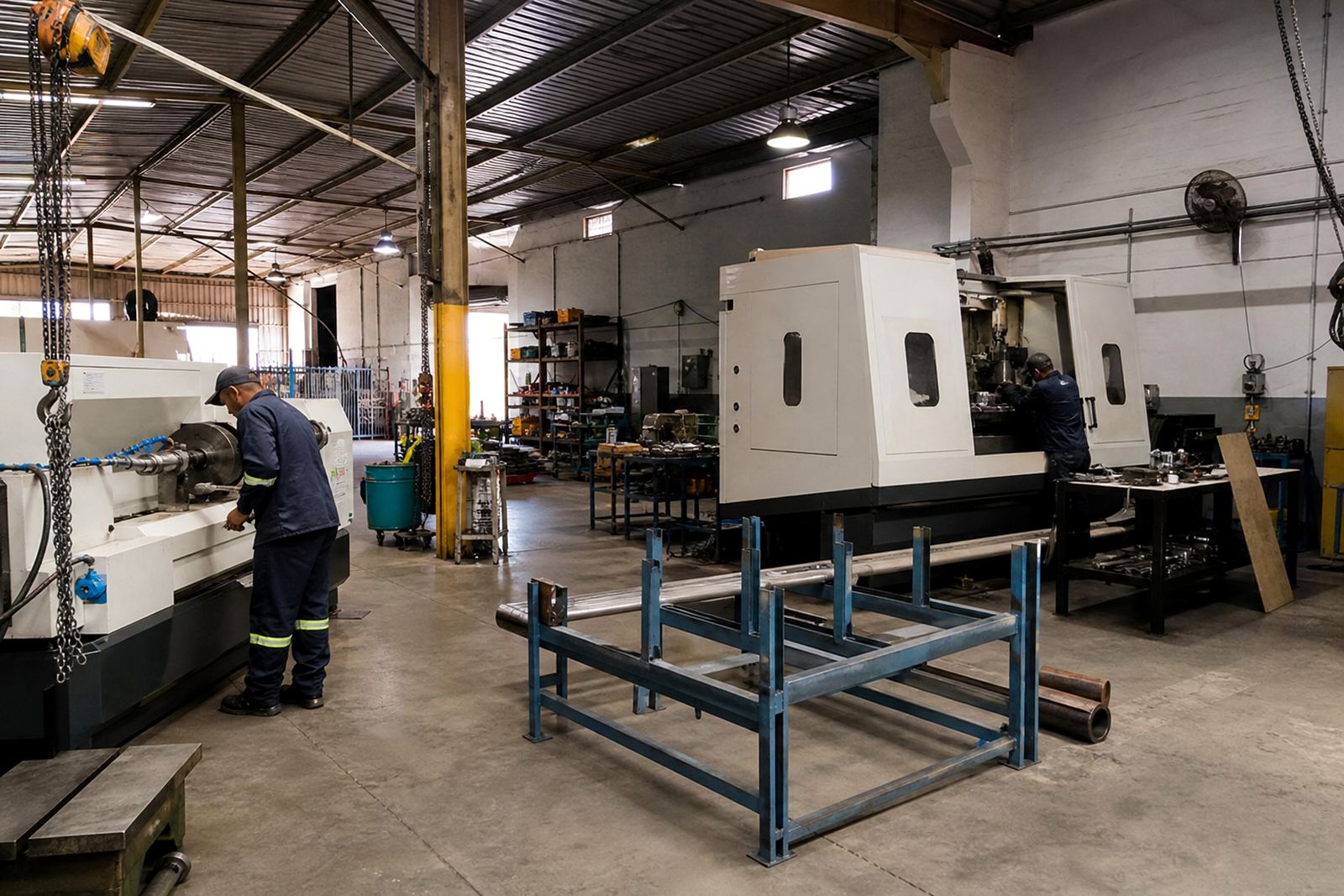
Routine care starts with the people running the machine. A short daily checklist works best because it fits into normal start-up without slowing production. Before the first part of the day, the operator should check coolant level, pressure readings where applicable, visible leaks, chip removal, guards, air supply and the condition of the work area. In humid coastal areas like Durban and Gqeberha, it is also worth checking for surface moisture and early rust on exposed parts.
A weekly checklist can go a little deeper. Ask the team to inspect tool holders, guide surfaces, filters, hoses, cable runs and the general condition of the coolant system. This is also the right time to check that the machine has not shifted after heavy jobs or an interrupted power event. If your workshop runs through load-shedding, note any restart issues and confirm the machine powers up in a controlled way after each outage.
- Daily: coolant, chips, leaks, guards and general cleanliness
- Weekly: filters, hoses, tool condition and air supply
- Weekly: check for vibration, noise and heating changes
- Weekly: record any stoppages, even if they were brief
Match service intervals to actual production hours
Many workshops work in shifts, so maintenance should follow machine use rather than only the calendar. A machine running long hours on repeated deep-hole boring work will need attention sooner than a machine used for shorter jobs. Set up intervals based on operating time, job severity and the type of material being machined. Harder materials, long drilling cycles and poor coolant condition all increase wear.
Use the same approach for all service work. Keep a schedule for lubrication, alignment checks, coolant system cleaning, filter changes and inspection of wear items. If the machine shows recurring drift or inconsistent hole finish, do not wait for the next planned service. Bring the check forward and investigate the cause. Small issues often show up as slight changes first, then become costly if left alone.
A good rule is to review the schedule after the first few months of production. That way, your service plan reflects the real load on the machine rather than an estimate made at installation.
Keep tooling, coolant and alignment under control
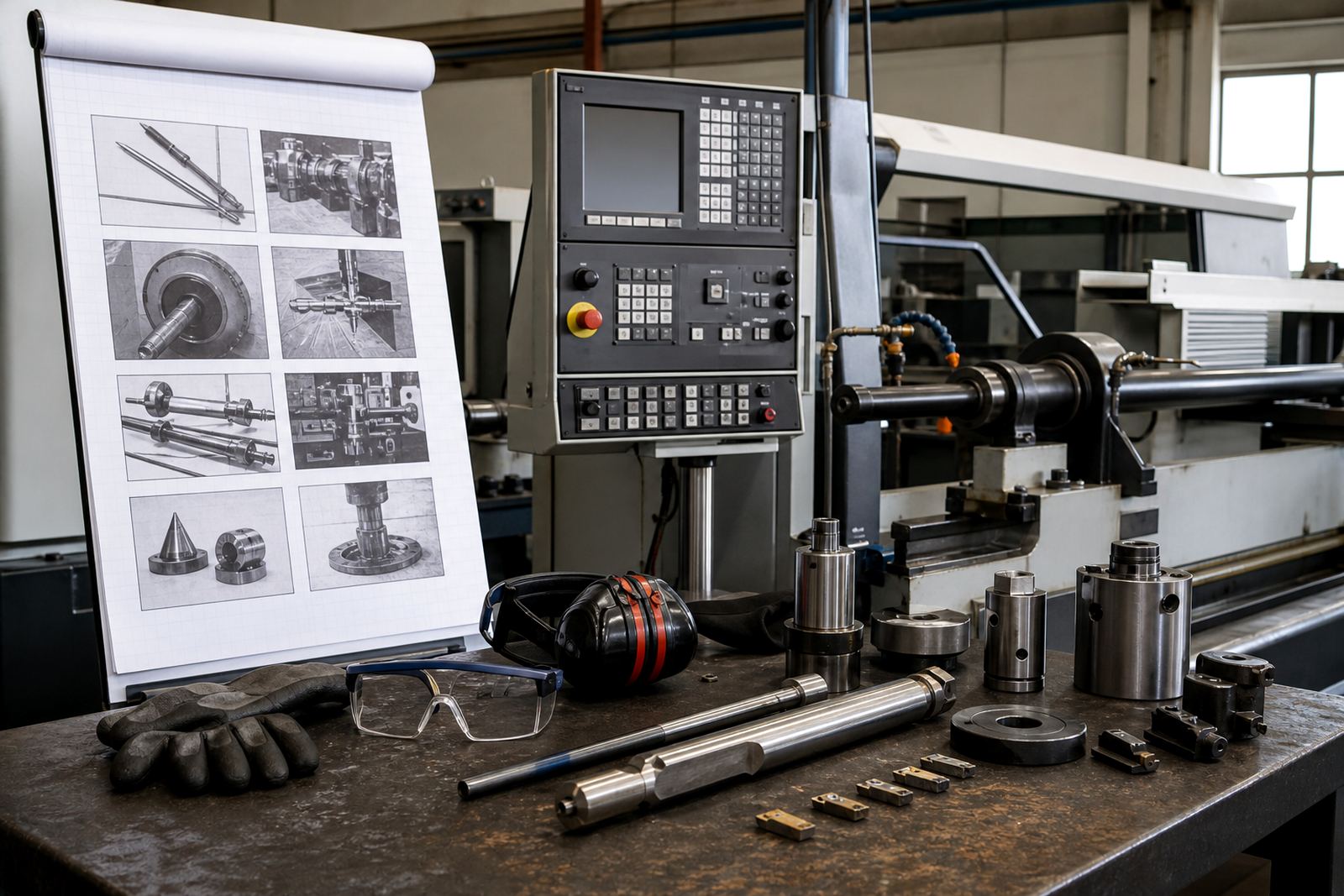
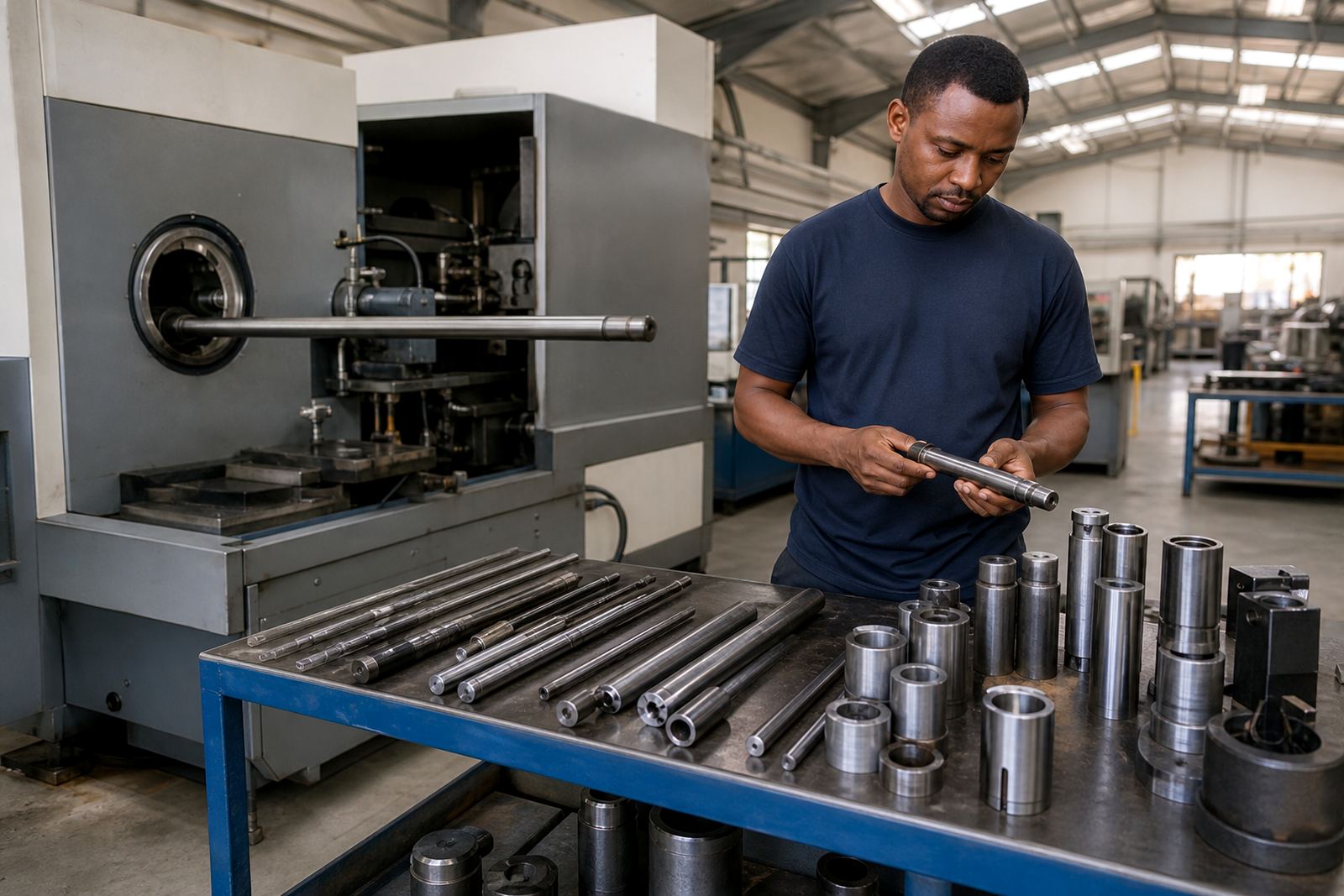
Deep-hole drilling depends on stable tooling and clean coolant flow. If tooling is not selected correctly for the job, the machine will work harder than it should and the finish can suffer. Keep a record of which tool worked best for each job family, including feed notes, wear patterns and any setup changes. That makes repeat work faster and more consistent.
Coolant care is just as important. Dirty coolant can block passages, affect chip evacuation and put extra strain on pumps. Check concentration, cleanliness and flow at regular intervals. In workshops close to the coast, storage containers and exposed fittings need extra attention because moisture can shorten component life. Alignment also matters. Even a small change can affect bore quality over a long part, so schedule alignment checks after machine moves, major tooling changes or repeated quality issues.
- Keep tooling sorted by job type and condition
- Check coolant for contamination, smell and flow changes
- Inspect filters and clean them before build-up becomes heavy
- Recheck alignment after transport, machine moves or heavy repairs
Plan support for breakdowns and spare parts before you need them
Good maintenance planning is not only about scheduled work. It also means knowing what to do when a machine stops. Keep a list of the parts most likely to affect production if they fail, such as seals, hoses, filters, fittings and other wear items. Do not wait until the machine is down to find out what must be ordered. A small stock of critical items can save a full shift and prevent a rushed repair.
It helps to assign responsibility clearly. One person should log the fault, one should inspect the machine, and one should decide whether the problem needs workshop attention or support from outside. If the machine loses pressure, shows poor chip removal or starts leaving an uneven bore, stop and diagnose it properly before restarting. Quick fixes can cost more later if the real cause is missed.
For South African sites, also include restart checks after municipal outages or generator transfers. Sudden stops can upset settings, coolant flow and process stability, so a planned recovery routine is worth having.
Use a simple monthly review to keep the plan useful
At the end of every month, review the notes. Look for repeat alarms, worn tooling, coolant issues, operator errors and any jobs that took longer than expected. This review should be short and practical. The point is to spot patterns early and tighten the routine before a problem grows. If the same fault appears twice, change the checklist or service interval straight away.
It also helps to bring the production team into the review. Operators often notice small changes first, such as a different sound, slight vibration or a slower chip break. Their feedback can save time and reduce scrap. Keep the conversation factual, not blame based, and note any action taken so the next shift knows what was done.
Where needed, Deephole can assist with machine installation, commissioning, tooling selection, setup optimisation, operator training, process troubleshooting, preventive maintenance, breakdown support, spare parts support, coolant system service, alignment checks and production startup. Clients in Benoni, Johannesburg, Pretoria, Durban, Cape Town, Gqeberha and across Gauteng can send an enquiry through the contact page when they need support or a maintenance plan reviewed.