Confirm the machine matches the ordered scope
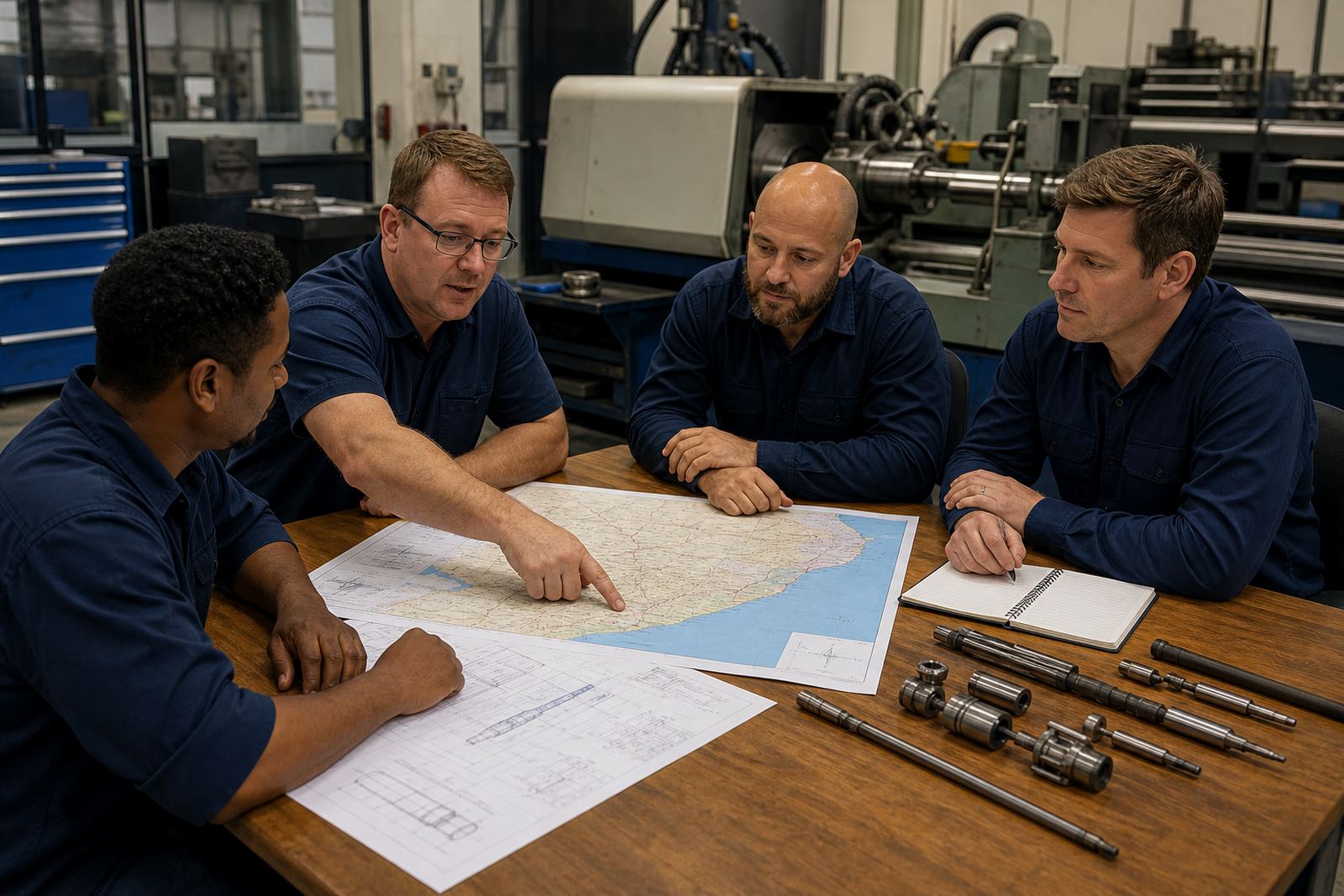
Start with the basics and compare the delivered machine against the purchase order, quotation and any agreed scope changes. Check the model, main accessories, tooling package, guarding, control options and any add-ons that were included for your application. If something was discussed during ordering but is missing on site, raise it before sign-off so it can be clarified while everyone is still present.
It also helps to confirm that the machine suits your actual workpieces and production flow. A deep-hole boring machine can look right on paper, yet the real test is whether it fits the sizes, materials and tolerances you are working to in Johannesburg, Pretoria, Durban, Cape Town or Gqeberha.
Check installation, positioning and services
Before acceptance, walk around the machine and inspect the installation as a whole. Look at level, anchoring, access space, operator movement, chip handling and the position of nearby equipment. Check that the machine is set out in a way that allows safe loading, cleaning and maintenance. In some workshops, an awkward layout causes more trouble than the machine itself.
- Verify the machine is level and stable
- Check power, air and coolant connections
- Confirm access for servicing and tool changes
- Make sure emergency stops are easy to reach
- Check that any cooling or filtration equipment is installed correctly
For Gauteng shops dealing with load-shedding, ask how the machine should be shut down and restarted safely after an outage. If your site is coastal, check protection against moisture and corrosion around panels, tooling and exposed parts.
Inspect tooling, fixtures and setup readiness
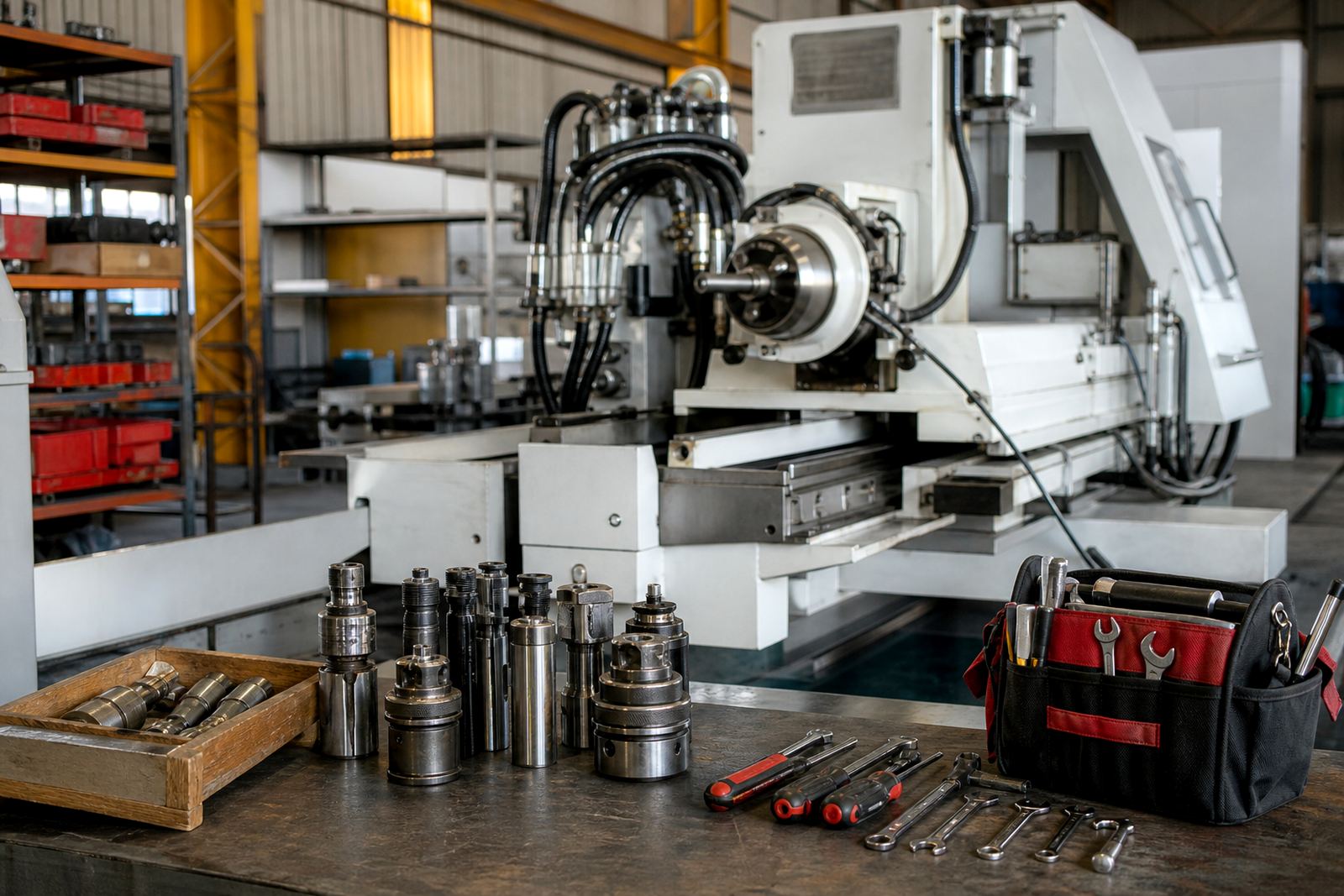
Tooling is often where a handover succeeds or fails. Review the supplied tools, holders, guides, supports, fixtures and any measuring equipment needed for setup. Confirm that the tooling matches the job types you expect to run, and that the operators know what belongs to the machine, what is consumable, and what should be stored separately.
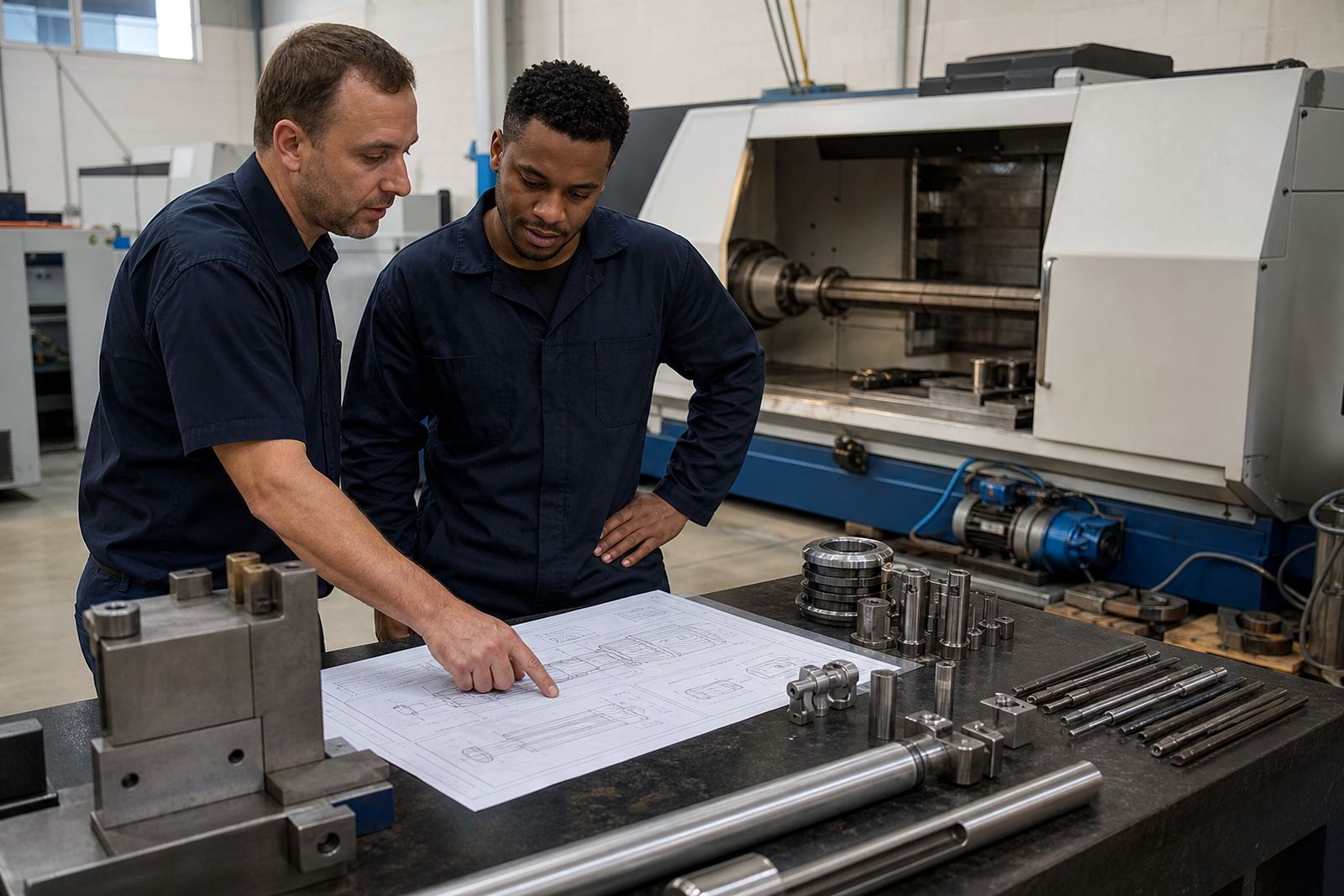
Ask the applications specialist to show the full setup sequence for at least one representative job. That should include workholding, tool setting, coolant flow, part location and the checks needed before the first cut. If the setup feels rushed, slow it down and repeat it. A few extra minutes now can save a damaged part later.
- Tooling present and correctly labelled
- Fixtures fit the intended workpiece range
- Cutting tools and guides inspected for wear or damage
- Measuring tools available for setup checks
- Storage identified for spare tooling and consumables
Verify alignment and trial parts
Alignment is one of the most important acceptance checks for gun-drilling and deep-hole boring work. Review the machine alignment, spindle condition, guide support and any calibration or checking procedure used on site. The aim is to make sure the machine is not only running, but running true for the parts you will actually produce.
Where possible, ask for a trial run on sample material or a part that reflects your normal production. Look at hole straightness, surface finish, chip evacuation and repeatability across the test. If the results are not within your internal standards, note the issue immediately and agree on the corrective action before you sign anything.
Keep a written record of the trial part results, even if the job looks acceptable. That record helps later if the same machine is moved, adjusted or used for a more demanding part.
Test controls, safety functions and operator understanding
Acceptance is not complete until the operators understand the controls and safety functions. Review the start-up sequence, jogging, offsets, alarms, emergency stops and any interlocks fitted to the machine. Make sure the people who will run the equipment can carry out basic tasks without guesswork. If one person understands the machine but the rest do not, the handover is incomplete.
- Operator training completed on the installed machine
- Safety stops and alarms demonstrated
- Basic cleaning and daily checks explained
- Alarm reset and recovery process understood
- Shift handover notes or setup sheets prepared
Also confirm who is responsible for first-line checks after installation. That includes coolant level, visible leaks, chip removal and general housekeeping around the machine. Good habits at the start make future support calls less frequent.
Record support items before sign-off
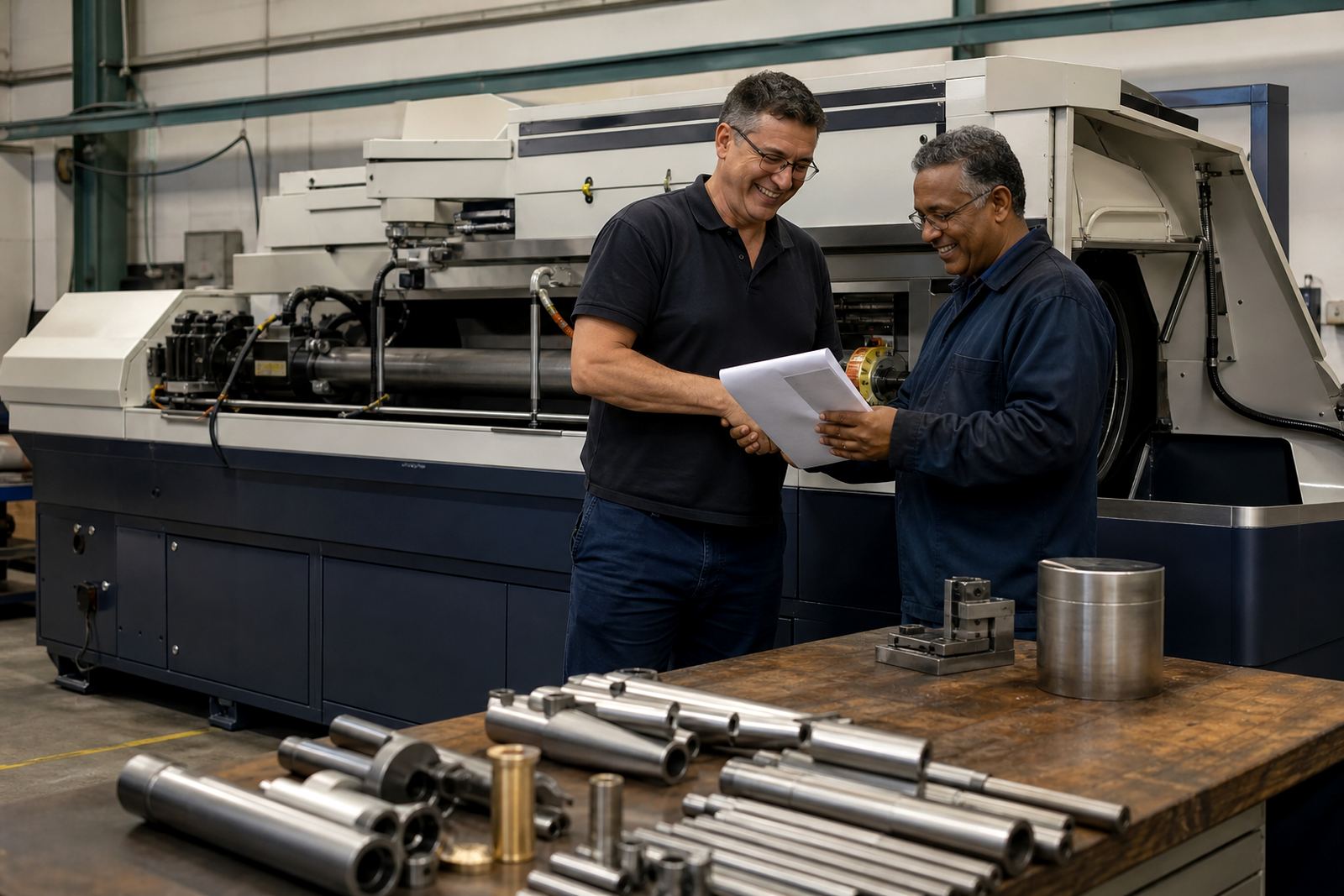
Before final acceptance, make sure all support arrangements are documented clearly. This should include commissioning notes, maintenance requirements, spare parts guidance, tooling recommendations and who to contact when a problem comes up. If there are outstanding items, list them with a deadline and a named person responsible for each task.
It is also worth confirming the process for preventive maintenance, breakdown support and production start-up assistance. A machine handover is easier to manage when the next step is already clear, especially for busy shops working under deadline pressure in Benoni and across the East Rand.
Keep copies of manuals, checklists, setup notes and any agreed adjustments in one place. If a machine is accepted without that paper trail, small issues can be hard to trace later.