1. Start With the Support Scope, Not the Brochure
Before you compare prices, ask exactly what after-sales support is included. A machine that arrives on site without clear commissioning, training and backup can cost more in lost production than the original purchase price. For manufacturers in Benoni, Johannesburg, Pretoria, Durban, Cape Town and Gqeberha, support must be practical, local and easy to activate when a job is urgent.
Use the first meeting to confirm who handles installation, who signs off the machine, and who remains responsible if the bore finish, alignment or tool life is not where it should be. Good support starts before the machine is switched on and carries through to production startup, operator handover and ongoing maintenance.
2. Check the Installation and Commissioning Plan
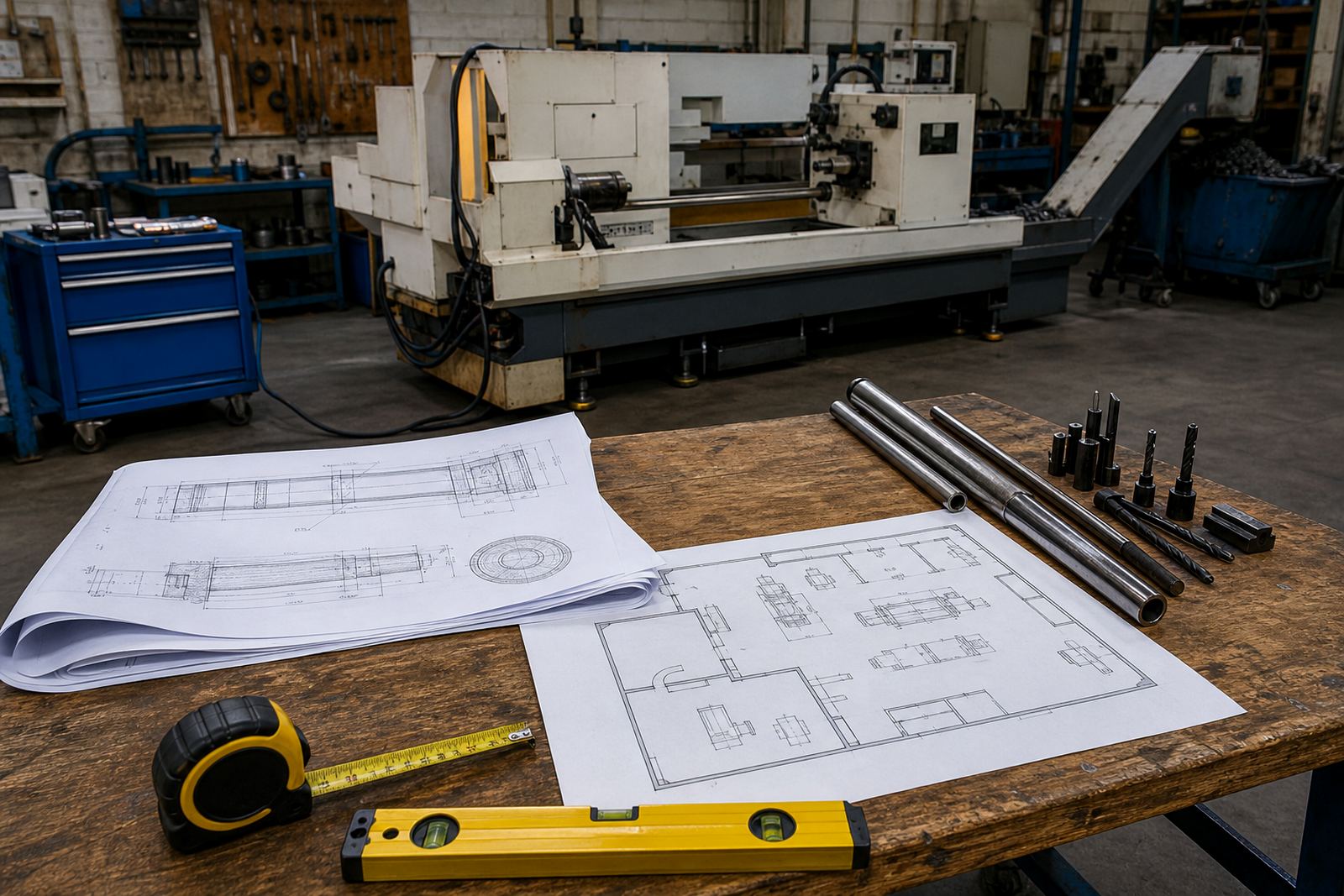
Ask for a clear plan for delivery, offloading, positioning and machine setup. If your shop floor has limited access, overhead cranes, shared bays or power interruptions from load-shedding, these details matter. On-site work should account for floor space, utilities, compressed air, coolant handling and any local site rules that affect access or safe lifting.
- Who is responsible for machine placement and levelling?
- What site preparations must be finished before arrival?
- How is alignment checked after installation?
- What happens if the first setup needs adjustment after a test piece?
Commissioning should not be treated as a quick handover. It should include verification of basic function, machine alignment checks and a realistic run through the first production parts. That is where you find out whether the machine suits your work and whether the team can support the process properly.
3. Confirm Tooling Selection and Setup Help
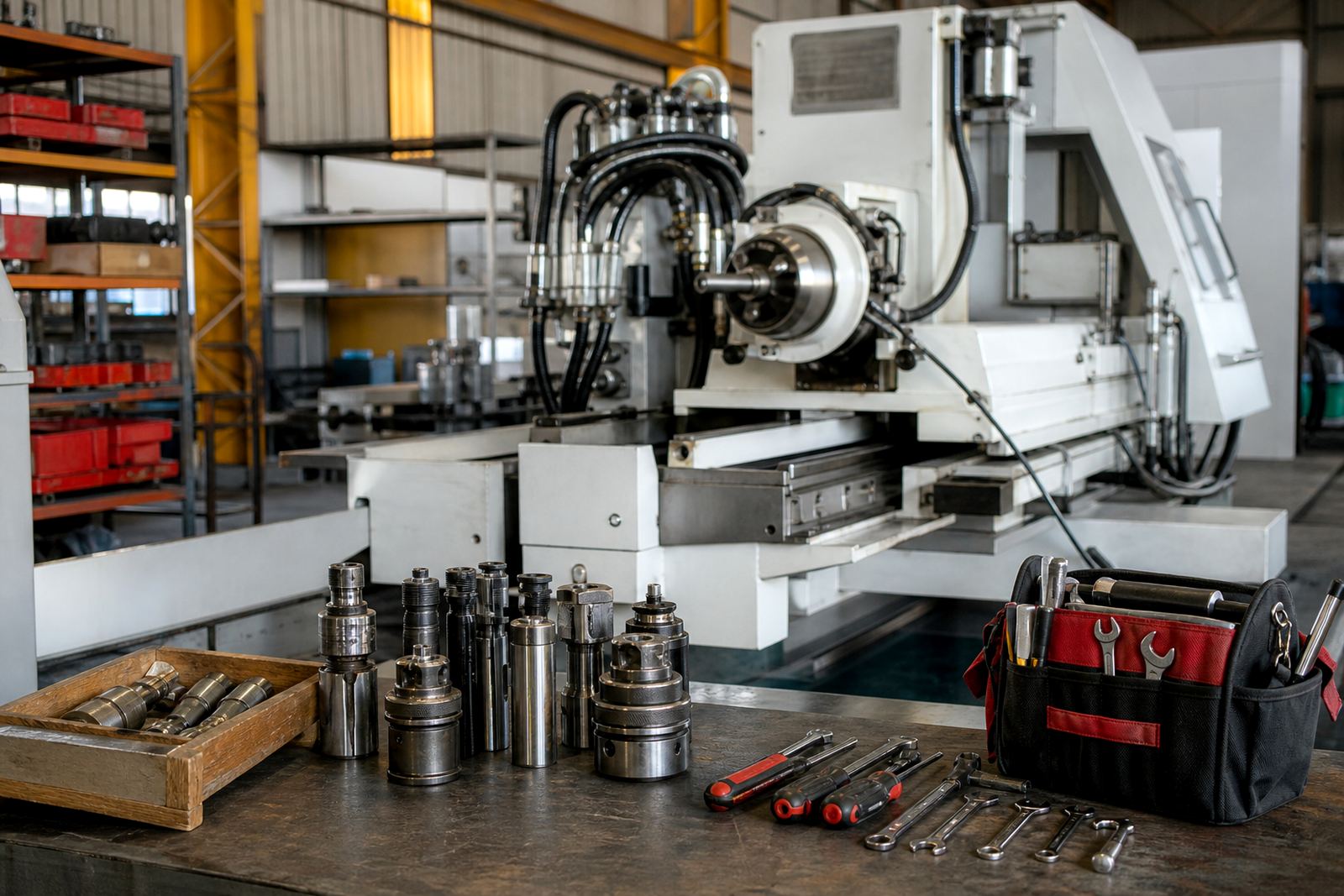
Deep-hole work depends on the right tooling, setup and coolant management. A good supplier will help you choose tooling that suits the material, bore depth and finish required, then guide your team on setup optimisation. If tooling is guessed at this stage, the machine can still run, but not well enough to protect cycle times or consistency.
Ask whether tooling support includes selection guidance, fitment checks and advice on feeds, speeds and coolant delivery. For shops that run mixed work, it helps to know whether support is available for new jobs or unusual components, not only for the first installation. Small changes in setup can have a big effect on bore quality and tool wear.
- Does the supplier help match tooling to the application?
- Is setup optimisation part of the handover?
- Can tooling advice be given when you change material or part size?
- Is spare tooling support available when wear parts are needed?
4. Ask How Training Is Delivered on the Floor
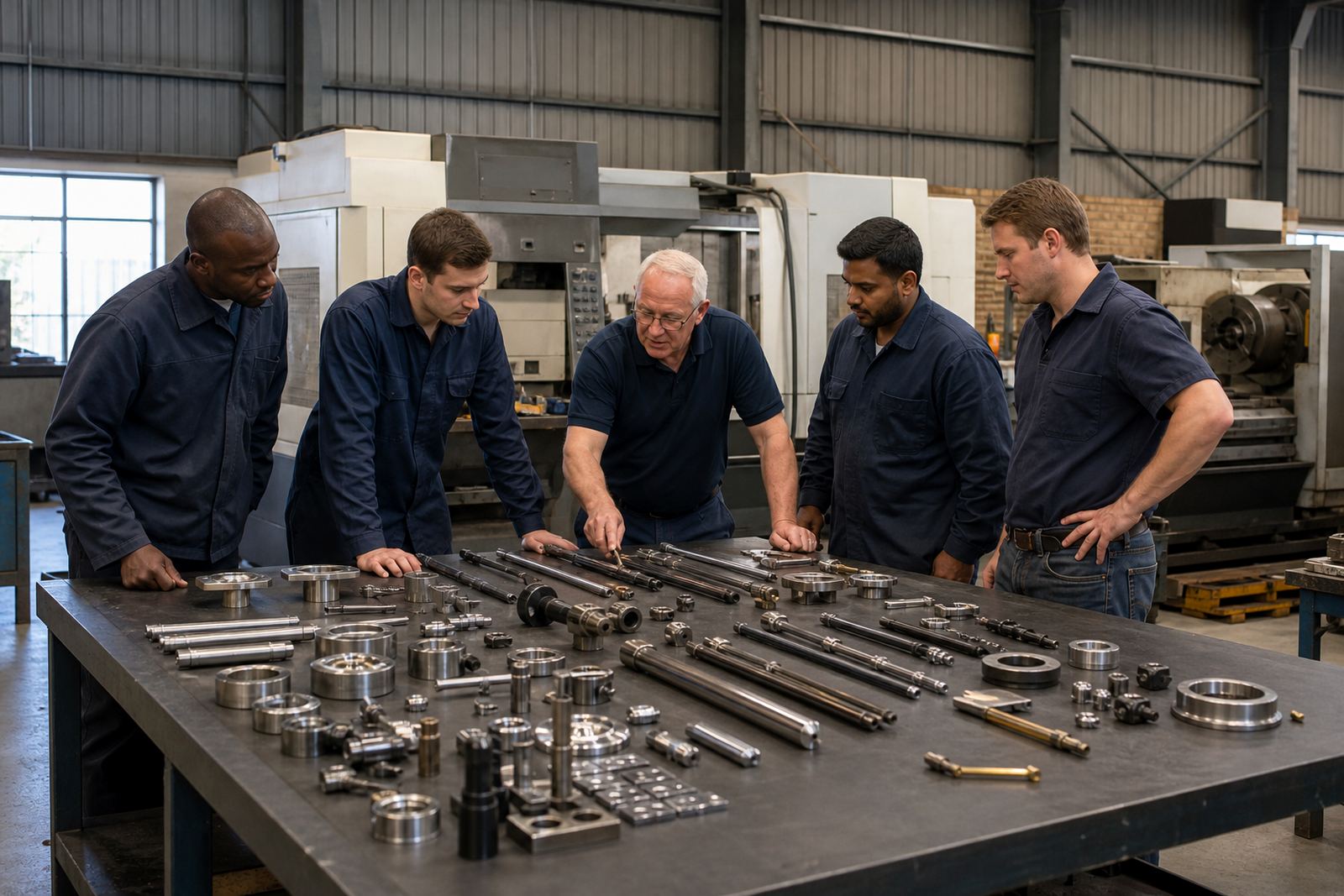
Operator training should be practical and specific to the machine on your floor. A useful training session covers loading, setup, basic adjustments, safe operation, cleaning routines and signs that a bore is drifting out of tolerance. It should also show your team how to react when the coolant system needs attention or when a job is not running as expected.
For many South African workshops, the challenge is not buying the machine. It is keeping the same standard when one skilled operator is away, or when shifts change and new staff need to step in. Ask whether training is available for operators, setters and supervisors, and whether the support team can revisit the site after production starts. That follow-up can save time and prevent repeat mistakes.
5. Look Closely at Maintenance and Breakdown Response
Any deep-hole boring or gun-drilling machine needs regular care. Preventive maintenance should be part of the support offer, not an afterthought. Ask how often alignment checks are recommended, what coolant system service is included, and how the supplier handles wear parts, inspections and fault finding.
Breakdowns are where support either proves itself or falls away. Find out how service requests are logged, who responds, and whether help is available for urgent production stoppages. In many local workshops, one day of downtime can push work back across several customers. You need to know who will help, how fast they can assess the issue, and what information they need from your team to get moving.
- Is there a process for logging breakdown support?
- Are spare parts handled locally or through a long wait?
- Can the supplier assist with fault diagnosis remotely before site visit?
- Is coolant system service included in the maintenance plan?
6. Test the Spare Parts and Follow-Up Commitment
Support is not complete if a machine is installed but consumables, wear items or replacement parts are difficult to source later. Ask what spare parts support looks like from day one. You want a supplier that can guide you on what to keep in store, what to replace on schedule, and what can be supplied quickly if something fails under pressure.
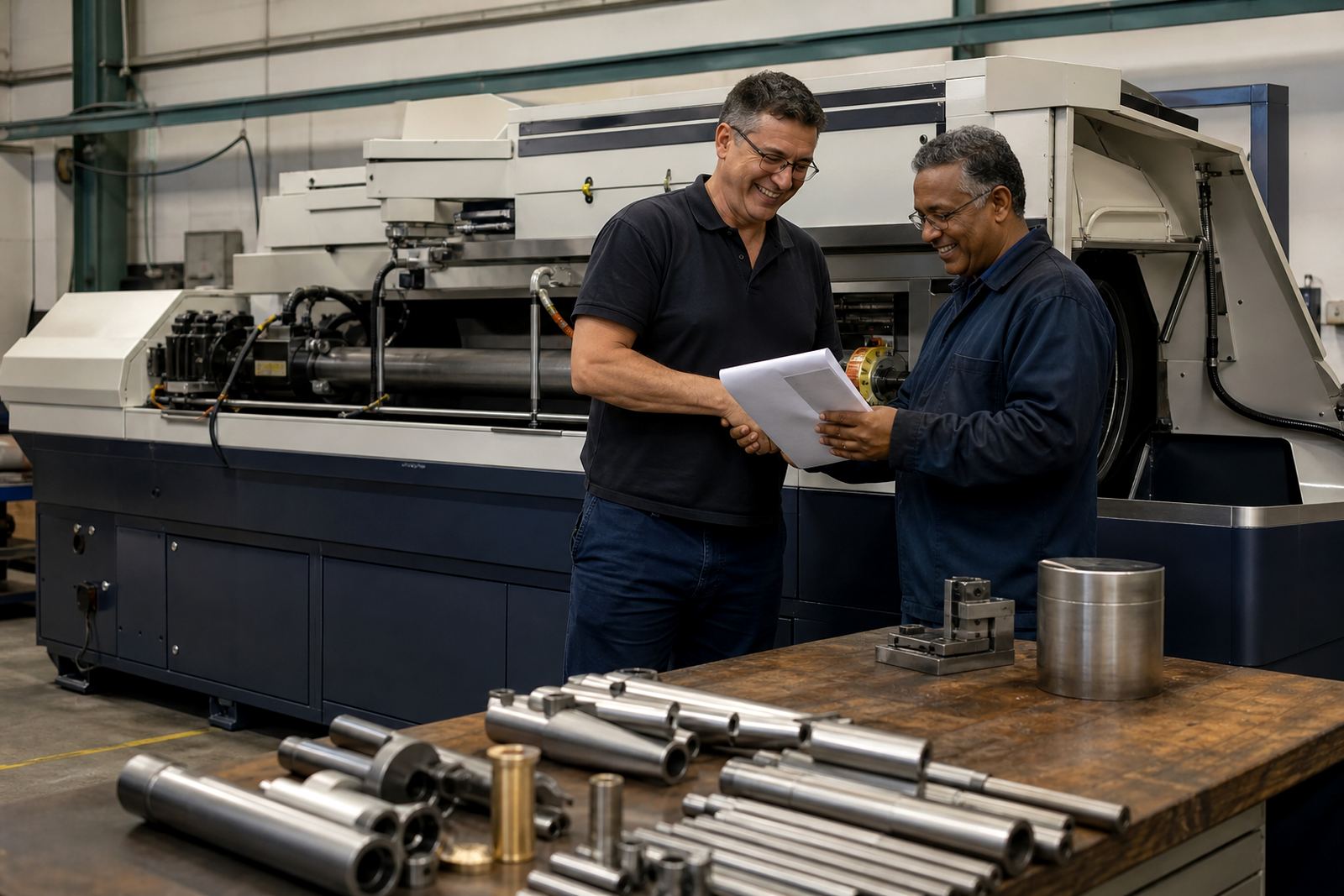
It also helps to know who your main contacts are after the sale. At Deephole, clients speak to a working team that includes sales, applications, service, training and tooling support. That matters when one job needs a technical answer, another needs a training refresh, and another needs a machine technician on site. Clear handover and named support points keep production moving.
7. Use This Final Pre-Buy Checklist
Before you sign off on a machine purchase, run through a final checklist. The aim is not to make the decision more complicated, but to make sure the supplier can support you after delivery, during startup and through normal production. A good checklist gives you confidence that the machine will be backed by people who understand the work, the tooling and the pressures of a real workshop.
- Installation and commissioning are clearly defined
- Tooling selection help is available before and after purchase
- Setup optimisation is part of the support plan
- Operator training is practical and site-specific
- Preventive maintenance and alignment checks are included or offered
- Breakdown support and spare parts support are easy to access
- Coolant system service and production startup help are available
If a supplier can answer these points plainly, with no vague promises, you are in a much better position to buy with confidence. That is the standard manufacturers and engineering shops should expect when investing in gun-drilling and deep-hole boring equipment.