
Start With the Work Your Team Will Actually Do
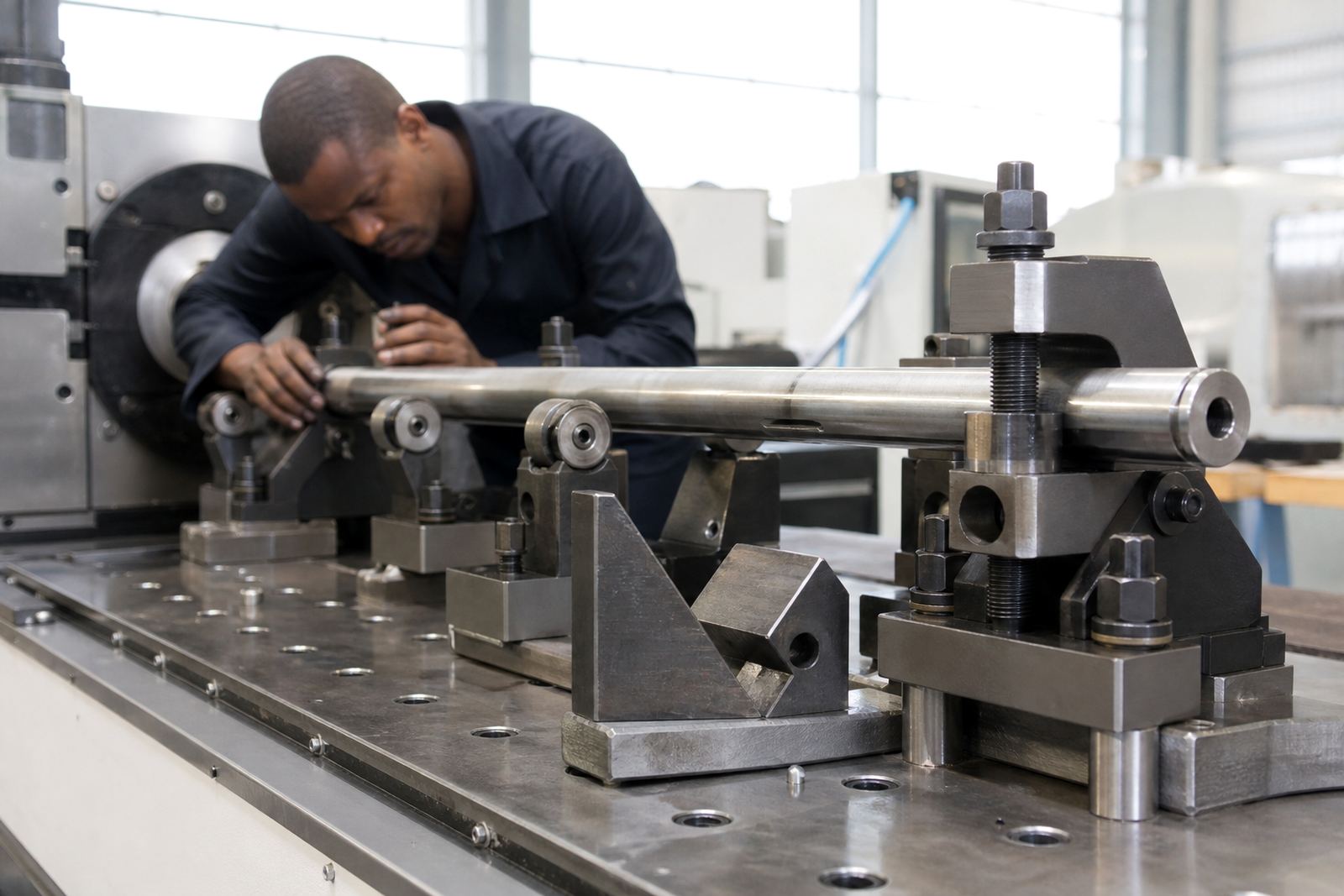
Begin by matching training to the real jobs on the shop floor, not just the machine model. A team running short batch work in Benoni will need different guidance from a crew in Durban handling long production runs, coolant control and shift handovers. Note who will load material, set tools, check alignment, manage chips, inspect bore quality and carry out routine servicing.
It helps to list the parts of the process that must be done every day, every week and only during changeovers. That way, training can be split into operator tasks, setter tasks and maintenance tasks without overloading one person with everything.
- Material loading and clamping
- Tool setting and offset checks
- Coolant level and flow checks
- Chip removal and cleaning routines
- Daily inspection and fault reporting
Define Roles Before You Set the Training Plan
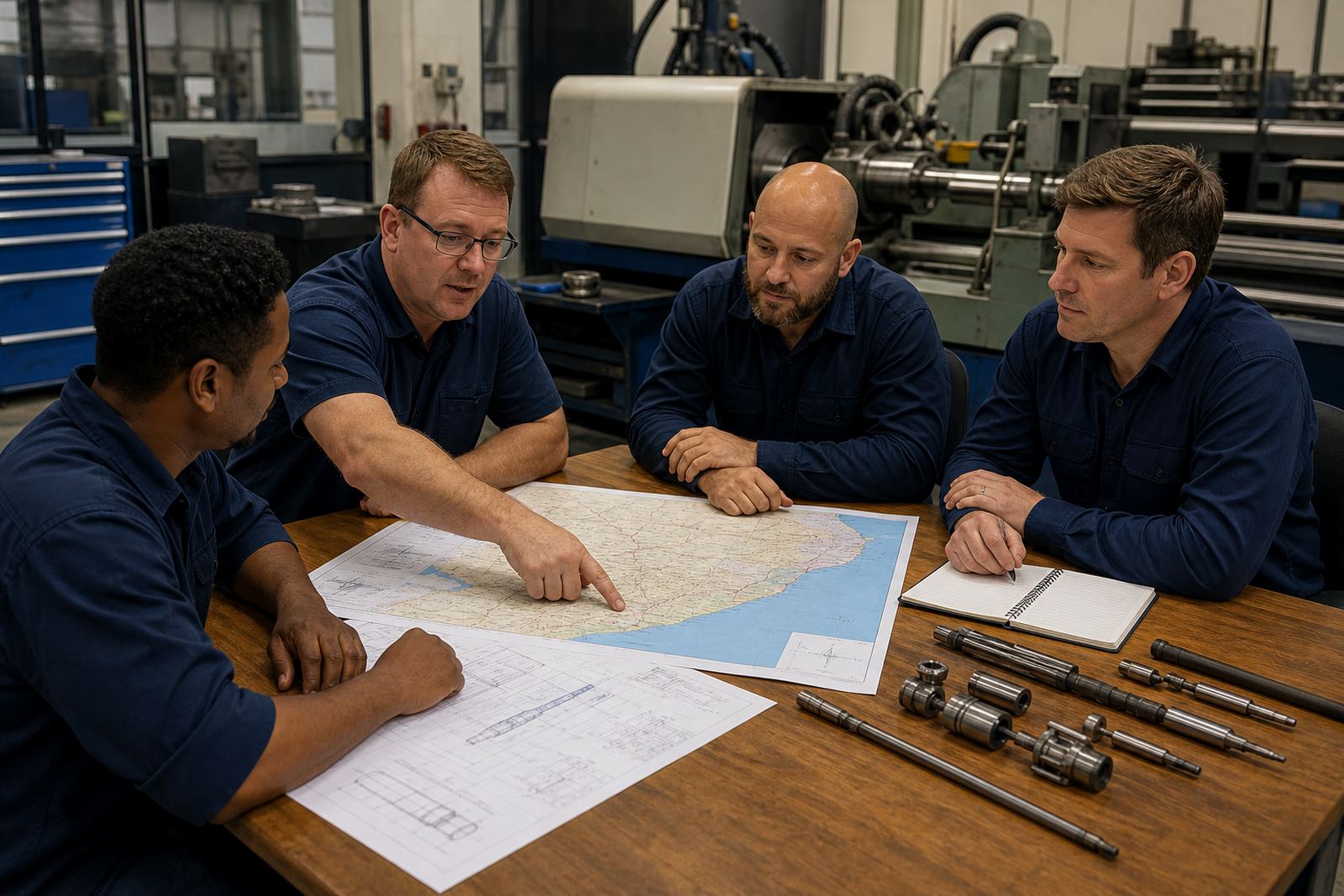
Many delays happen because everyone expects someone else to know the next step. Before handover, name the people who will run the machine, set it up, maintain it and call for support when needed. If one person is covering several roles, say so early and plan the training depth around that reality. This is especially useful in smaller engineering shops where the same technician may also look after other equipment.
For gun-drilling and deep-hole boring, a clear split between operator, setter and maintenance roles helps with safety and quality. Operators should know how to run the machine, spot early warning signs and stop work when something looks wrong. Setters need to understand setup sequence, tooling fitment and basic process control. Maintenance staff should know lubrication points, coolant system checks, alignment checks and when a fault needs outside support.
Build a Checklist for Skills by Role
A simple checklist makes the handover practical. It shows what each person must be able to do before the first production job starts. Use it to confirm competence, not just attendance. If a person cannot complete a step without help, that item stays on the training list.
- Operator: machine start-up, safe loading, normal cycle monitoring, chip handling, basic cleaning
- Setter: tool fitment, setup sequence, alignment checks, trial run checks, adjustment recording
- Maintenance: coolant system service, filter checks, lubrication, inspection intervals, fault escalation
- Supervisor: job sign-off, shift notes, production reporting, support request process
Keep the checklist on the shop floor and update it after each new job type. If your work changes from one bore diameter or material type to another, the training list should change too.
Match Training Depth to the Parts You Will Run
Not every workshop needs the same level of detail. A shop in Pretoria doing repeat work on the same components may only need focused refresher training on tooling selection and setup verification. A production floor in Gqeberha running varied jobs may need broader training on process adjustment, tool wear control and fault finding. The point is to train for the range of work you expect, not only the first job.
When the job list includes different materials, bore lengths or tolerance demands, add extra time for setup practice and process troubleshooting. This is often where new teams lose time, because the machine may be ready but the staff are still learning how to respond when chips build up, finish changes or the bore starts drifting.
- Identify the first three production jobs
- List the materials and bore sizes involved
- Mark which steps need repeated practice
- Set aside time for fault scenarios and correction
Cover Maintenance Before the First Breakdown Happens
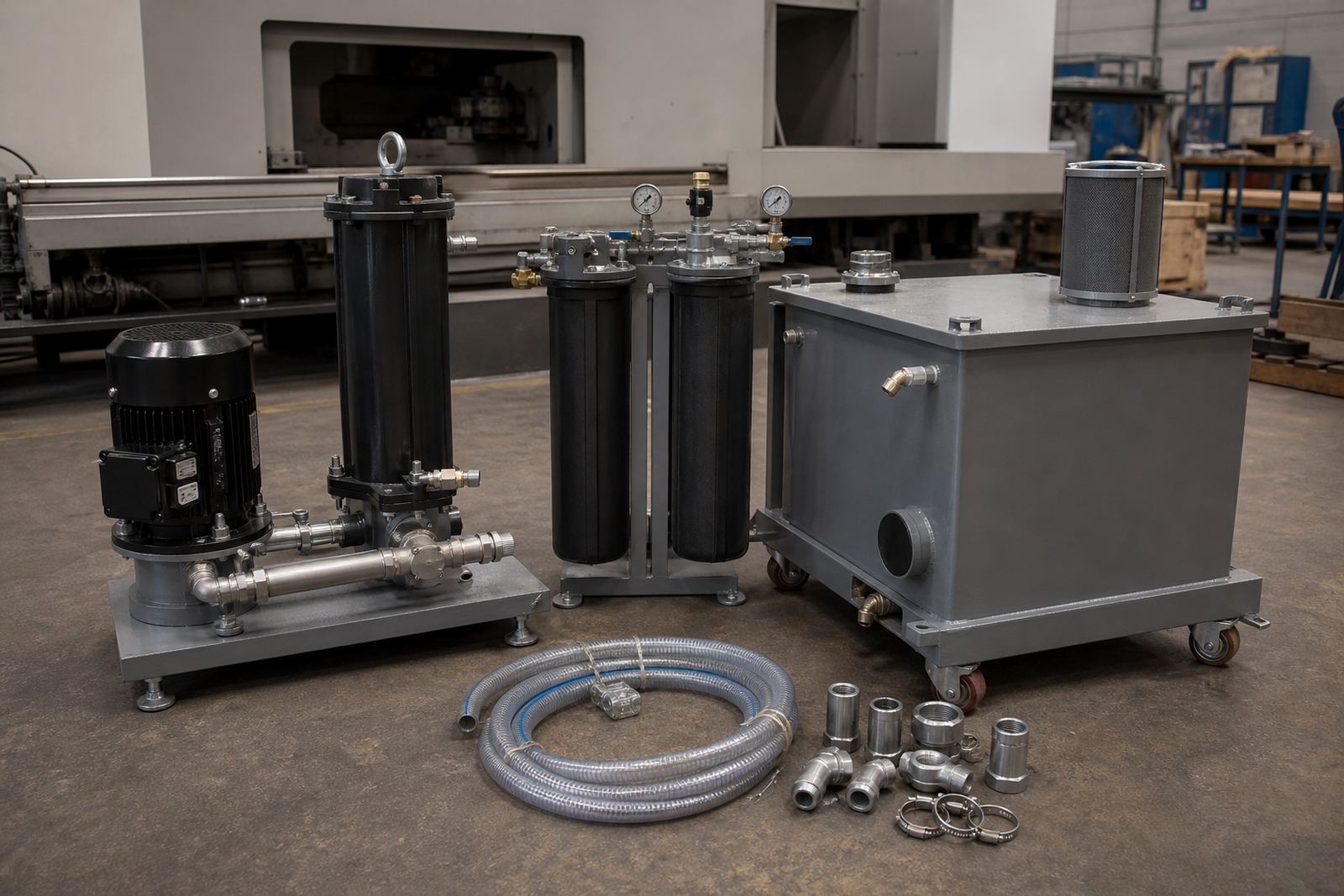
Maintenance training should happen before production pressure kicks in. The team needs to know what can be checked every shift and what must be handled at set intervals. This is where many machines lose uptime, especially in hot inland conditions or coastal humidity where coolant care and cleaning routines matter more than people expect.
Focus on the basics first: lubrication, coolant quality, chip extraction, hose condition, filters, guards and alignment checks. Then cover the warning signs that mean a stop is needed, such as unusual vibration, poor finish, pressure changes or repeated adjustment on the same job. If the team knows what normal looks like, they can spot abnormal behaviour early and avoid damage.
Use Hands-On Sessions, Not Just a Quick Walkthrough
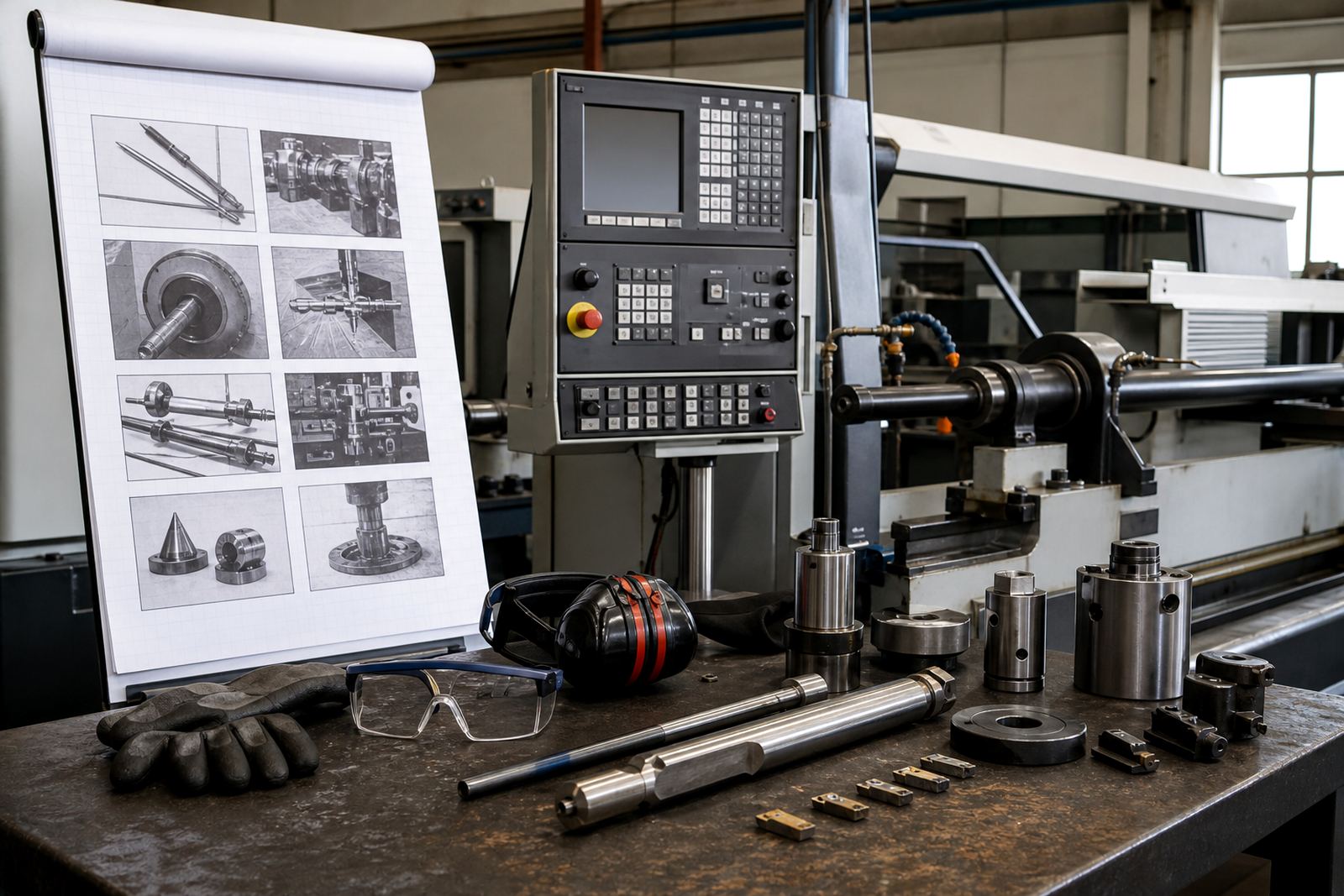
Training works best when it is tied to actual setup and live runs. A quick explanation is not enough for a machine that has to hold repeatable accuracy over long bores. Ask for time on the machine with the real tooling, the normal workholding and the first production component if possible. That gives the team a proper feel for sequence, timing and checks.
It also helps to repeat the same task more than once. One run shows the sequence, the second run shows where mistakes happen, and the third run shows whether the team can do it on their own. Make notes during each run and keep them with the machine files so future operators can follow the same method.
- First run with demonstration
- Second run with guided correction
- Third run done independently
- Final sign-off with recorded notes
Confirm Support, Spare Parts and Follow-Up After Handover
Training should end with a clear support plan. Your team needs to know who handles setup questions, who deals with process faults and how to request help when a machine is down. If the handover includes spare parts, make sure the staff understand what is kept on site and what must be ordered before stock runs out.
It is worth scheduling a follow-up after the first production period. That review can pick up small issues before they become habits, such as a missed cleaning step, a recurring alignment correction or a coolant problem. For manufacturers across Gauteng, Durban, Cape Town and the rest of South Africa, that second check often saves time later and keeps the machine working the way it should.
If you need help planning training before handover, Deephole can assist with machine installation, commissioning, tooling selection, setup optimisation, operator training, process troubleshooting, preventive maintenance and breakdown support from our Benoni base.