Start with the function of the hole, not the tool
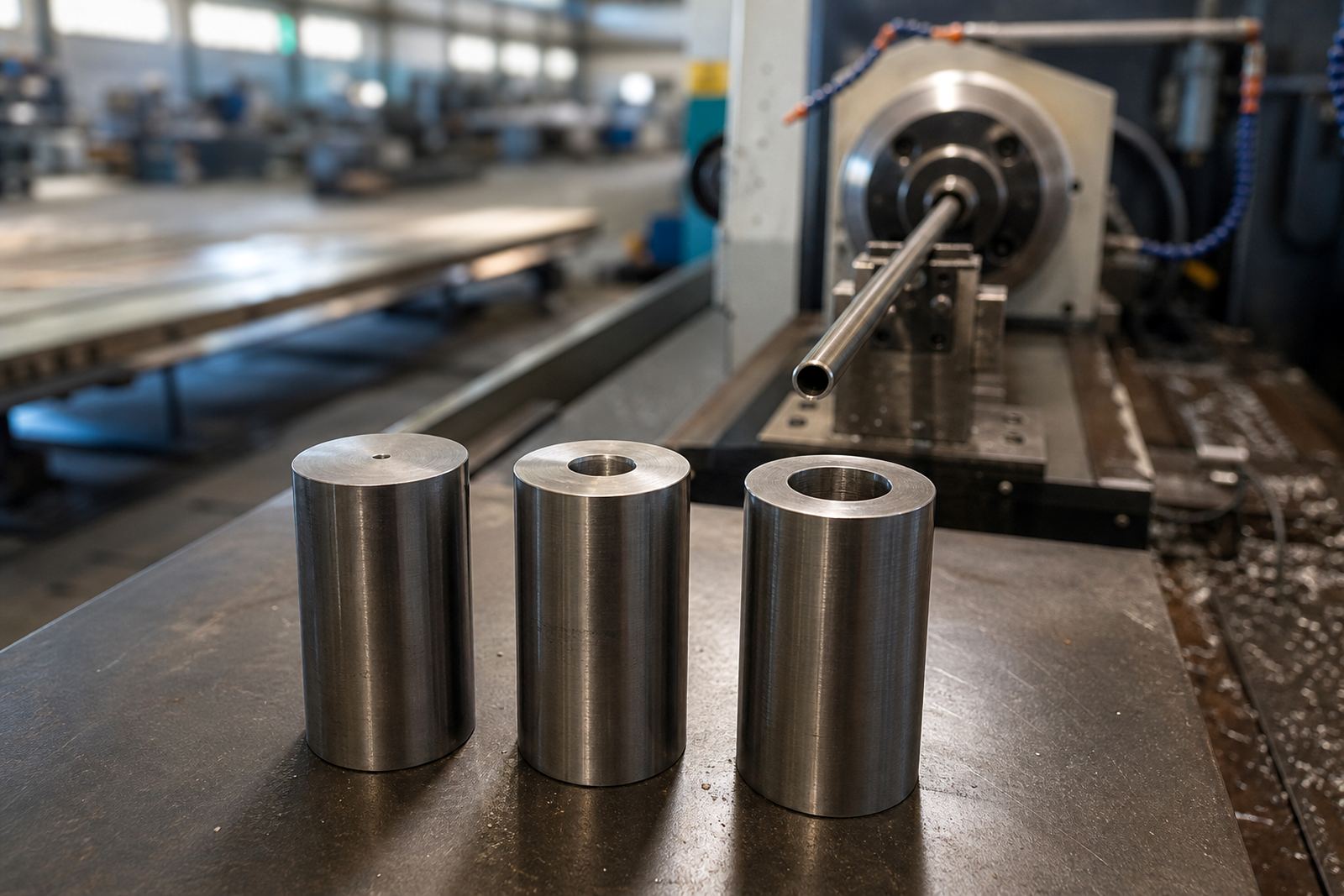
A hole is never just a hole. On a shaft, manifold, cylinder, gun part or hydraulic component, the job of that hole decides whether you begin with drilling, move to boring, or add a finishing step afterwards. If the hole only needs to pass a bolt or guide a pin, drilling may be enough. If it must run true to another feature, hold a close diameter, or support a long smooth bore, then boring and follow-up finishing become part of the plan.
At Deephole, we see shops lose time when they pick a process by habit instead of by requirement. A machinist in Benoni might be able to get the part out fast with a drill, but if the customer later rejects it for taper, chatter or poor straightness, the saving is gone. The better route is to match the process to the tolerance, depth and surface condition from the start.
When drilling is the right first step
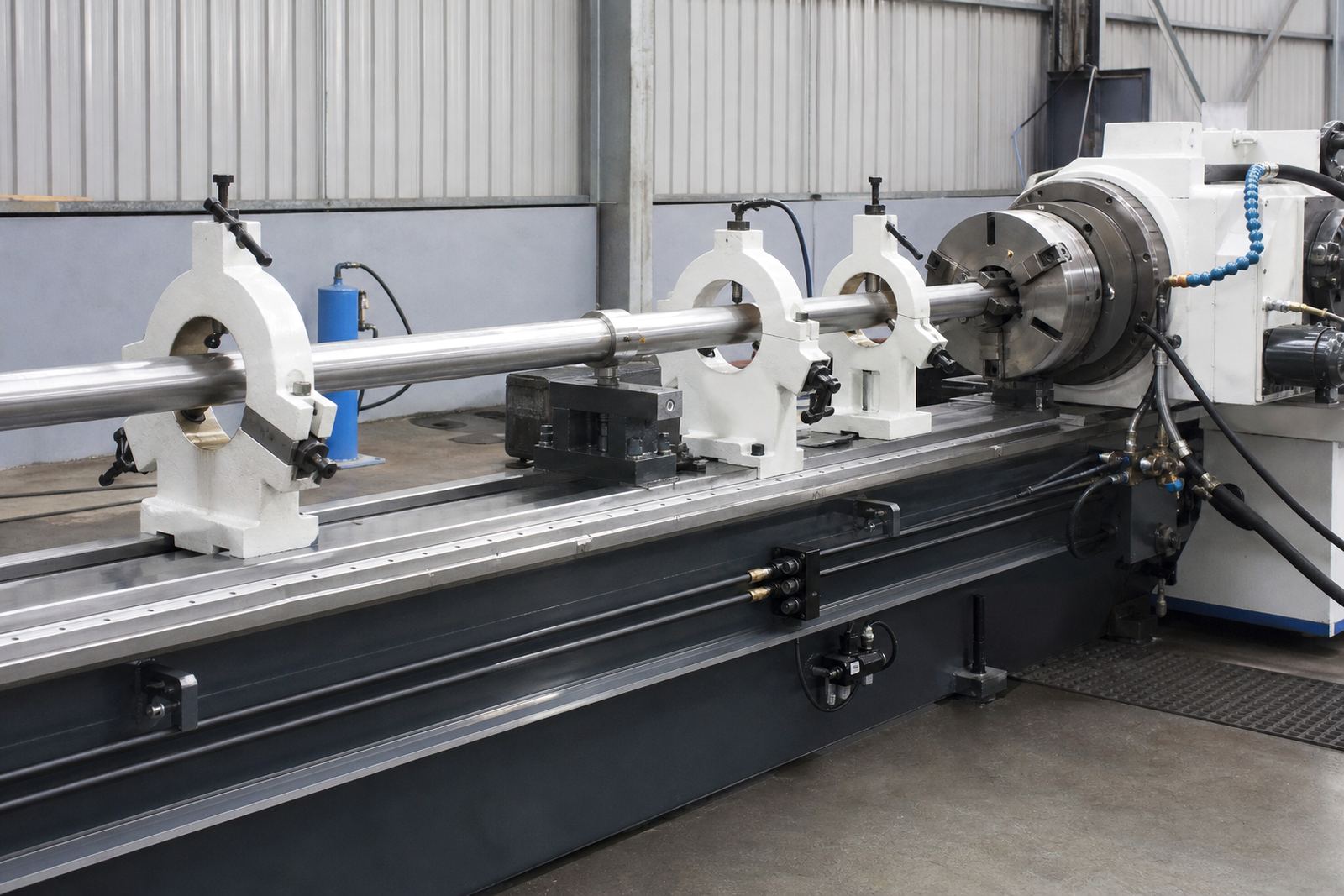
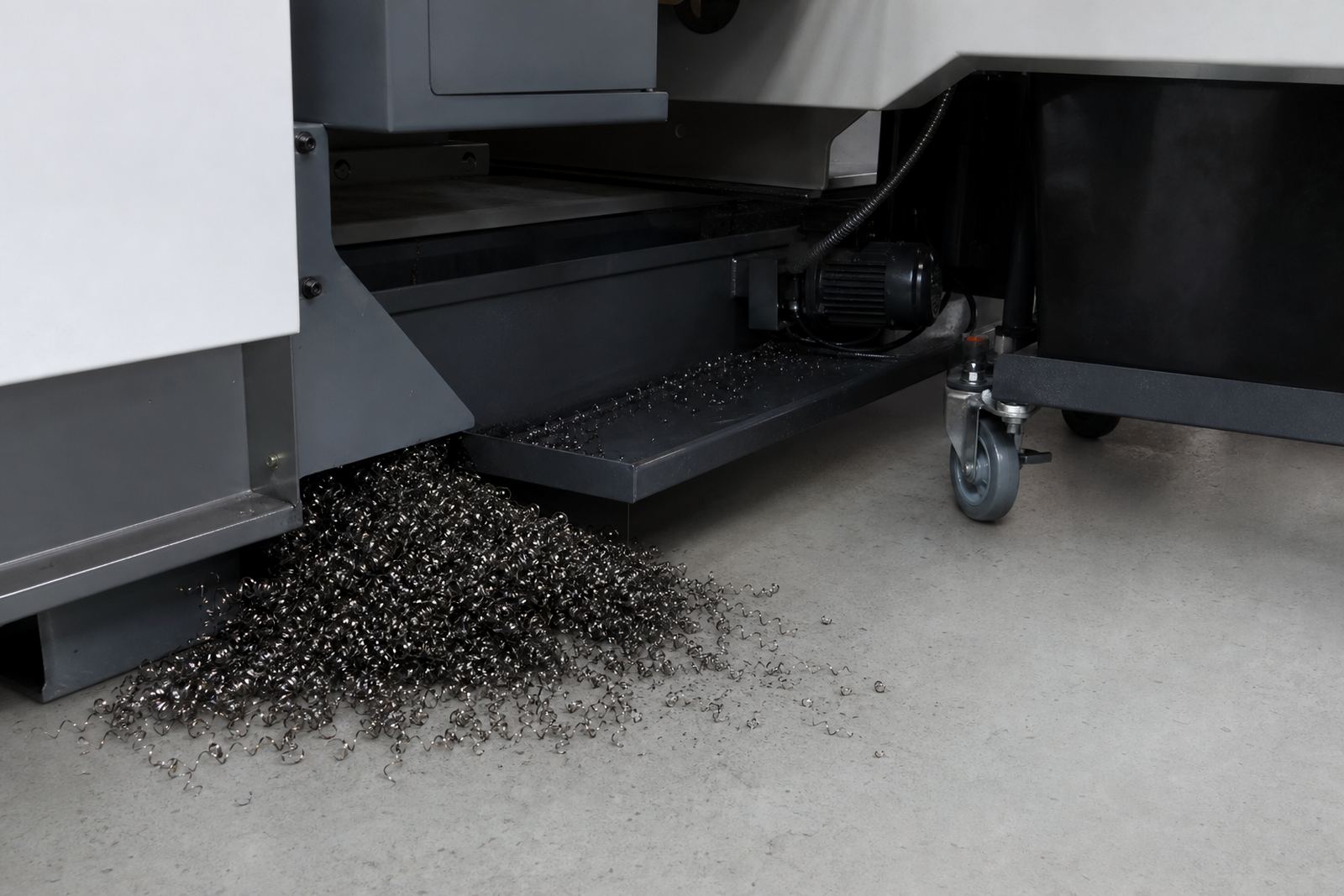
Drilling is usually the first operation for creating the starting hole. It is the quickest way to break into material and establish a path for later work. On thick sections or deep parts, the challenge is keeping the hole on centre and managing chip removal. That is where gun-drilling and deep-hole boring machines earn their place in the workshop.
Use drilling when you need:
- A pilot hole before boring or reaming
- Fast material removal through solid stock
- Entry into a part before a deeper process follows
- An economical first pass on non-critical diameters
If the hole is long relative to its diameter, or if it needs to stay straight over depth, a standard drill can quickly wander. In that case, a gun-drilling setup with the right tooling and coolant delivery is worth considering. It is not just about speed, it is about holding the line through the full length of the part.
Where boring gives you control
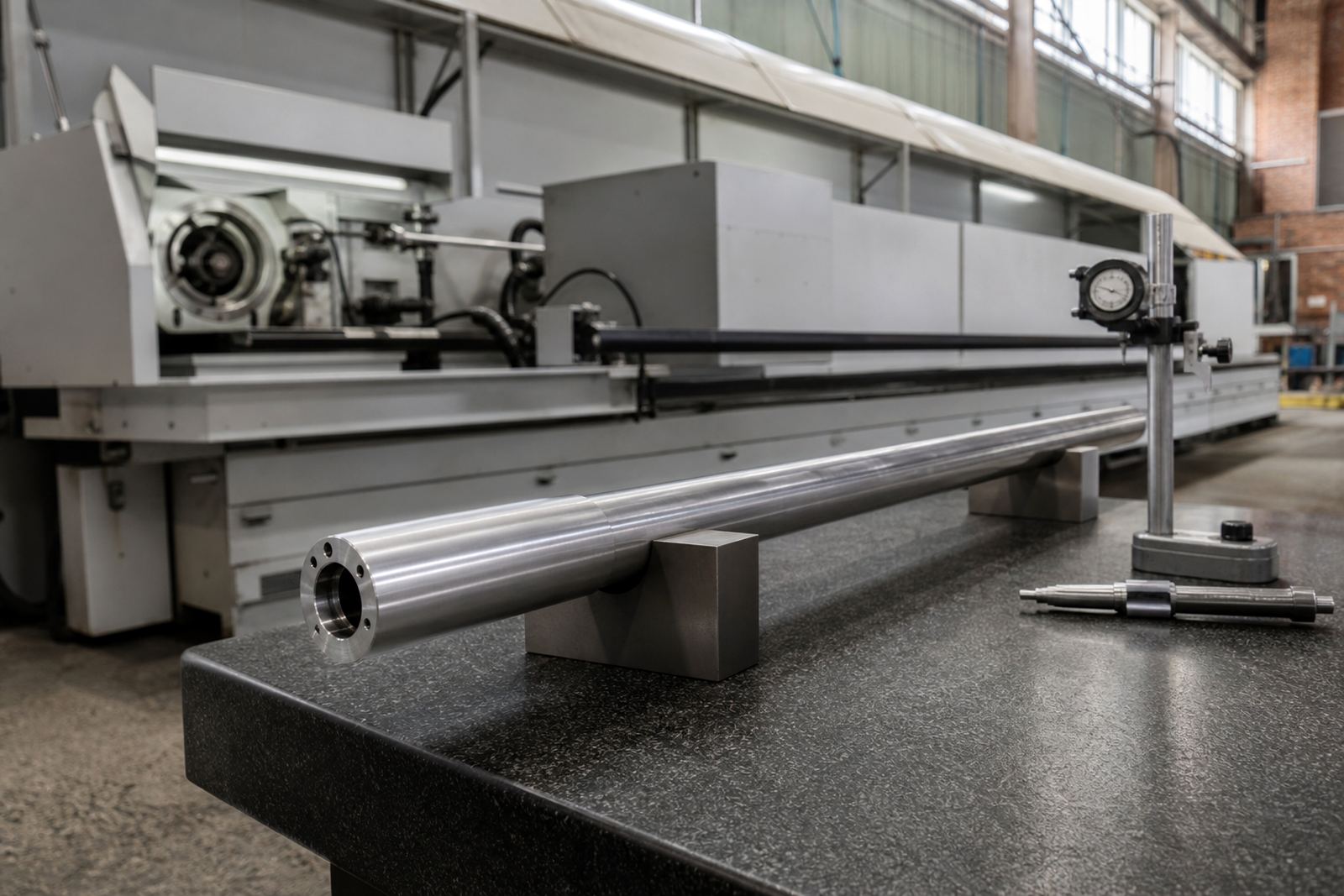
Boring is the process you choose when the hole already exists but needs better size control, better alignment, or a cleaner finish. It is especially useful after drilling a pilot hole or after a core hole has been made in a casting or forged component. Boring lets you correct position, improve roundness and bring the hole into spec without starting over.
For engineering shops around Johannesburg and Pretoria, boring is often the step that turns a nearly usable hole into a production-ready one. It helps when the part must line up with another bore, a face or a bearing seat. It also gives you a chance to correct small errors from earlier operations, which matters when the part has already had time and material invested in it.
- Use boring after drilling when size needs tightening
- Use boring when the hole must be concentric to another feature
- Use boring when the surface needs a more controlled finish
- Use boring when the job is too sensitive for a single rough pass
What follow-up finishing can fix, and what it cannot
Finishing operations include reaming, honing, polishing or other last-step processes depending on the job. These steps refine a hole that is already close to size and shape. They do not replace poor setup. If the hole is far off line, tapered or badly supported, finishing will only improve the last part of the story, not the whole part.
That is why setup matters so much. Alignment, workholding, tool condition and coolant flow all affect the final result. In coastal areas such as Durban and Gqeberha, humidity and corrosion can also affect stored tooling and machine condition, so regular checks and sensible storage are part of the process. A clean, stable machine with the right support makes finishing far more predictable.
Follow-up finishing is worth considering when:
- The hole is already near size
- The customer wants a smoother internal surface
- The part carries load or slides against another component
- There is a need to correct minor tool marks after machining
A practical process choice for South African workshops
Many local jobs arrive with mixed requirements: deep holes, limited lead time and parts that must pass inspection on first delivery. In that situation, the safest approach is often a planned sequence rather than a single operation. Drill to establish the hole, bore to bring it into control, then finish only if the specification justifies it. This saves rework and helps manage tool wear, especially where production runs are small or the material is difficult.
A shop in East Rand manufacturing a long bore for a machine component may start with a pilot, switch to deep-hole boring for stability, then use a finishing step on the last pass if the surface condition demands it. Another job in Cape Town might need only careful drilling and a clean deburr because the hole is for clearance rather than precision. The answer changes with the part, not the postcode.
In practice, you want to ask four questions before choosing:
- What does the hole do in service?
- How deep is it compared with its diameter?
- What tolerance and finish are required?
- What machine, tooling and support do we have on hand?
How Deephole supports the decision on the floor
Deephole works with manufacturers and engineering shops across South Africa from our Benoni base, supporting machine installation, commissioning, tooling selection, setup optimisation, operator training, process troubleshooting and preventive maintenance. That support matters because the best hole process is the one your team can repeat safely and accurately on the machines you already run.
Our team, led by Marius Jacobus van Rensburg, includes Ayanda Mokoena on sales engineering, Johan Smit on applications, Noluthando Dlamini in service coordination, Francois du Plessis on machine work, Leanne Naidoo on training and Sibusiso Khumalo on tooling support. When a shop needs to decide between drilling, boring or a finishing step, the right call usually comes from looking at the part, the machine condition and the production target together.
If you are planning a new setup or trying to sort out a recurring hole quality issue, start with the process map before you change tools. That simple step can save material, time and a lot of back and forth.